“I thought I was signing up for a bike tour. What I didn’t expect was a pilgrimage.”
When I landed in Porto, Portugal, I thought I knew exactly what this trip would be.
Ride my bike.
See some cool towns.
Eat good food.
Take some photos.
Check another country off my list.
Simple enough.
But somewhere between the Atlantic coastline, medieval fortresses, forest trails, ancient churches, and the thousands of pilgrims walking toward Santiago de Compostela, this trip became something else.
It became a reminder to slow down.
To be present.
To reflect.
And to appreciate that some journeys are bigger than the destination itself.
For the past week, I joined Top Bike Tours Portugal to ride one of the world’s most famous pilgrimage routes: the Portuguese Camino.
What I discovered along the way surprised me.
Not because of the cycling.
Not because of the scenery.
But because of how many people from around the world were searching for the exact same thing.
Purpose.
Connection.
Healing.
Adventure.
Sometimes all at the same time.
If you’re considering cycling the Portuguese Camino, here’s exactly what it’s like, who it’s for, who should skip it, and whether I think it’s worth your hard-earned vacation dollars.
Quick Facts
Tour Operator: Top Bike Tours Portugal
Route: Porto → Esposende → Caminha → Baiona → Pontevedra → Caldas de Reis → Santiago de Compostela
Duration: 8 Days / 7 Nights
Distance: 190 miles (306 km)
Elevation Gain: 9,151 ft (2,789 m)
Maximum Grade: 14.4%
Terrain: 65% paved / 35% trail
Difficulty: Moderate
Accommodation: Mostly 4-star hotels with several unforgettable historic properties
Best Bike Choice: E-bike, gravel bike, or hardtail mountain bike
Closest Airport: Porto (OPO)
My First Surprise: This Isn’t Just a Bike Tour
The Camino is difficult to explain until you’re actually on it.
Some people come because they’re Christian.
Some people recently lost someone they love.
Some are recovering from burnout.
Some are searching for clarity.
Some simply want an adventure.
The interesting thing is that almost everyone starts for a different reason.
Yet they all end up moving toward the same destination.
Every day I found myself asking:
“What brings all these people here?”
I later asked Sérgio Marques, founder of Top Bike Tours Portugal, the same question.
His answer stuck with me.
“The Camino is also unique because it combines history, spirituality, and a shared experience. You’re following a route with centuries of meaning, but at the same time you’re part of a very international community of travelers all going through something similar.”
The answer seems different for everyone.
And that’s exactly what makes the Camino special.
By the end of the week, I stopped trying to figure out why everyone was there.
I simply appreciated that they were.
What Makes This Tour Different
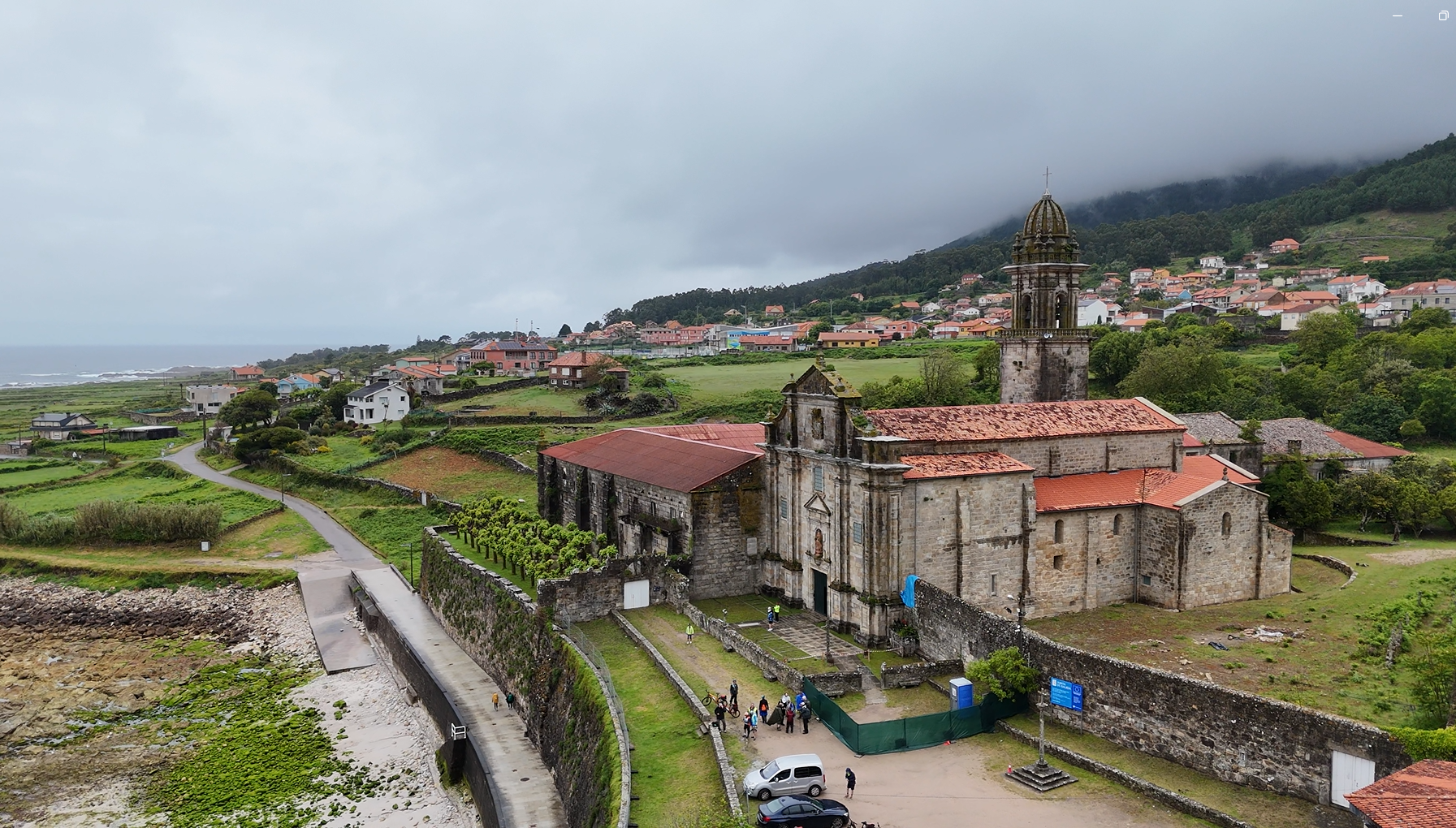
I’ve done a lot of bike tours.
This one stands out for three reasons:
1. The Accommodations
Top Bike Tours Portugal absolutely nailed the hotel selection.
I’ve stayed in bike-friendly hotels before.
I’ve never stayed in:
- A medieval fortress overlooking the Atlantic Ocean
- A Renaissance palace
- An 18th-century textile mill turned boutique hotel
The accommodations alone elevated this trip from “good” to “memorable.”
2. The Cultural Context
Many operators simply move you from Point A to Point B.
Top Bike Tours Portugal consistently added walking tours, local history, cultural stories, and context that helped me understand why these places mattered.
The result?
The ride became more meaningful.
3. The Pilgrimage Element
Sérgio explained it best:
“People often start thinking it’s just a cycling trip. But by the end, they talk about the sense of achievement, the rhythm of the days, and the connection with the places and people. It consistently becomes more than just a ride. It turns into a real journey.”
After riding it myself, I’d say that’s exactly what happened.
I came for the cycling.
I left thinking about much more than the bike.
This isn’t simply a cycling vacation.
It’s a journey with a purpose.
Whether you’re religious or not, it’s impossible to ignore the energy surrounding the Camino.
By the time you reach Santiago, you’ll understand why over half a million pilgrims complete a Camino each year.
The Three Hotels I’ll Never Forget
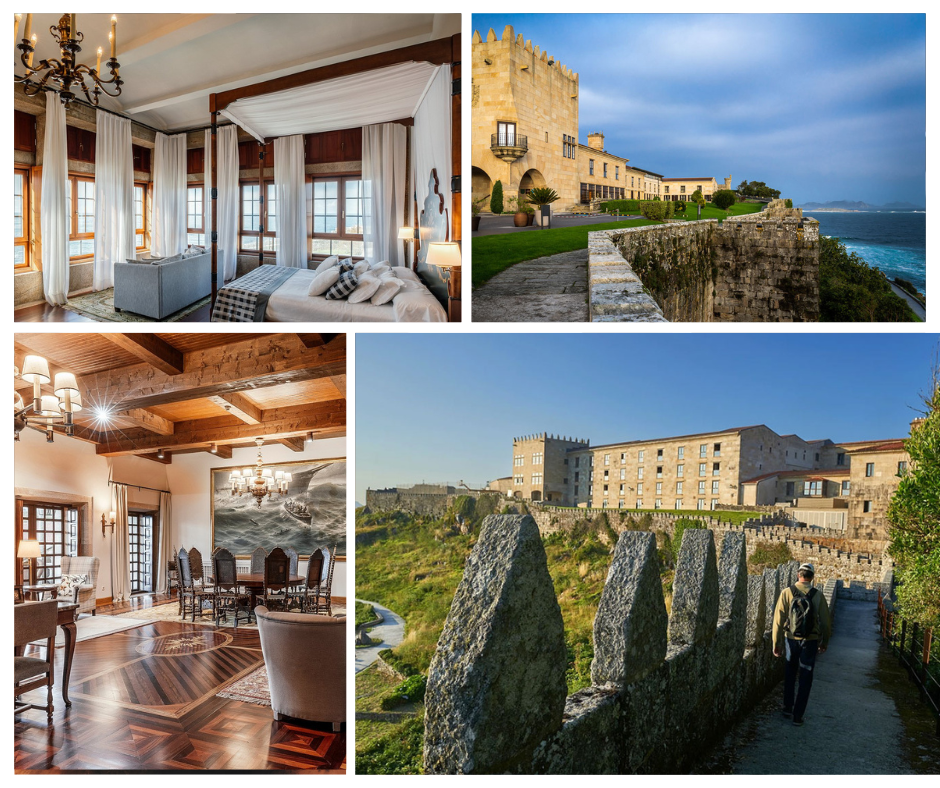
Parador de Baiona
This wasn’t a hotel.
This was a fortress.
Perched on its own peninsula overlooking the Atlantic Ocean, Parador de Baiona became one of my favorite cycling accommodations anywhere in the world.
Walking through castle walls after a day on the bike felt surreal.
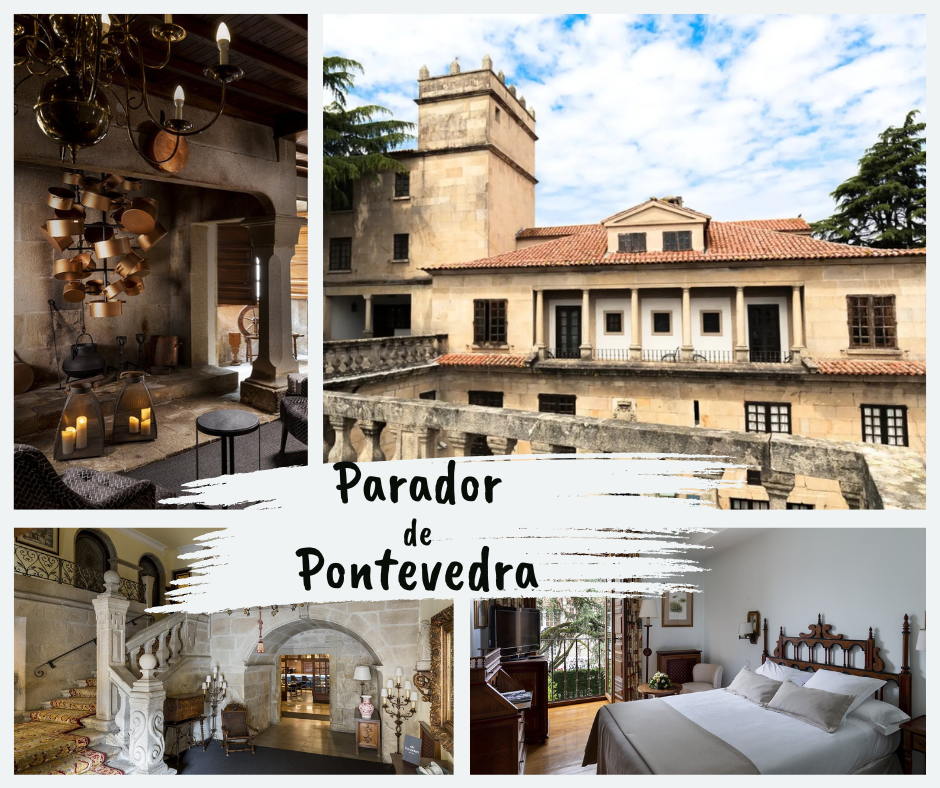
Parador de Pontevedra
If Baiona felt like a fortress, Pontevedra felt like a palace.
Historic architecture.
Grand staircases.
Old-world charm.
Exactly the type of place I’d never have discovered on my own.
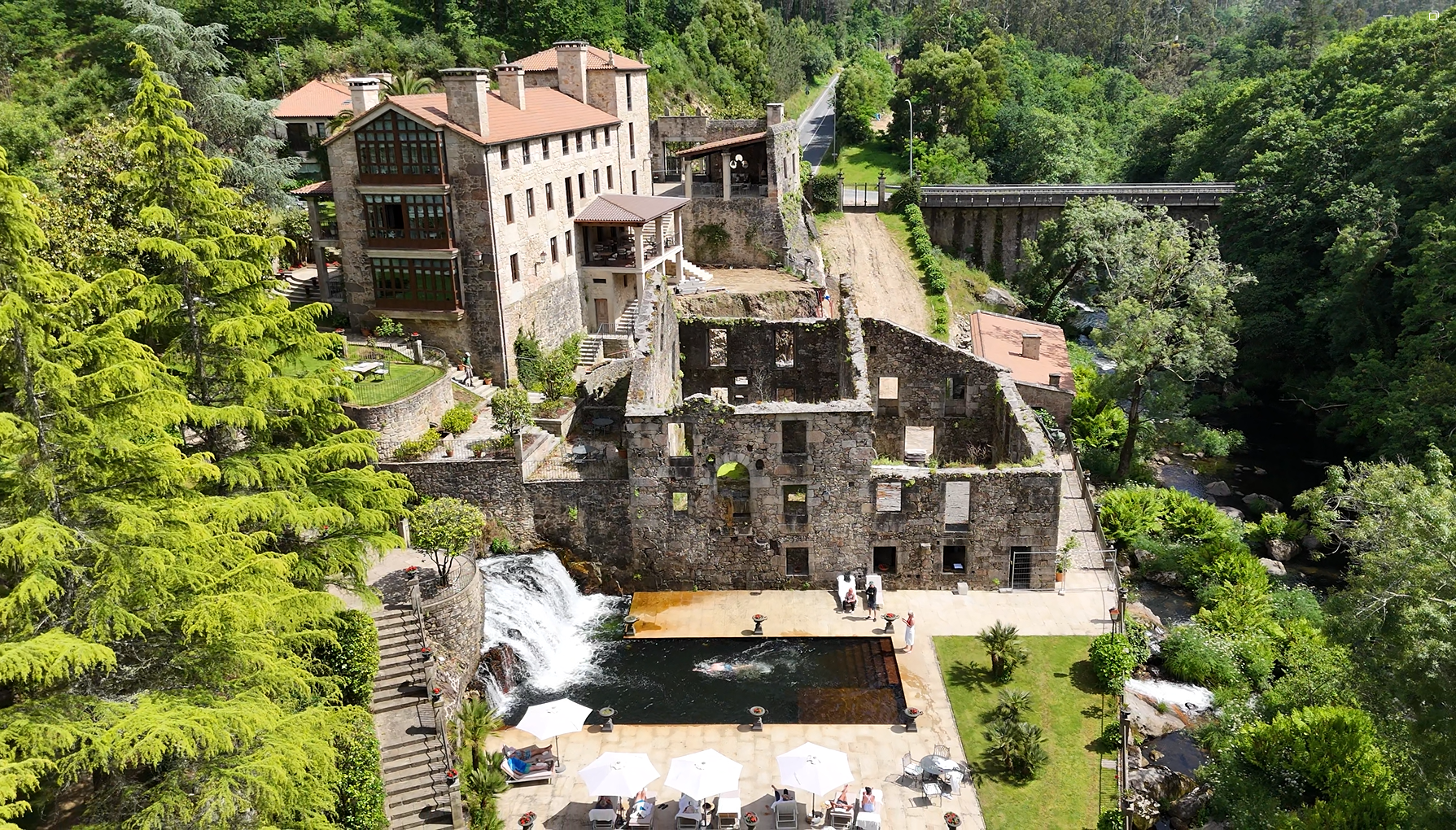
Torre do Río
My favorite hotel of the entire trip.
An old water-powered textile mill transformed into a boutique retreat surrounded by rivers, gardens, waterfalls, and walking paths.
This place alone is worth returning to Galicia for.
What Surprised Me Most
The hotels.
Not the riding.
Not the food.
The hotels.
I never realized how much a destination can shape your experience.
Staying in fortresses, historic palaces, and converted industrial complexes gave each day its own personality.
I’ve started looking at future bike trips differently now.
Sometimes where you stay is just as memorable as where you ride.
The Cycling CEO Truth Section
Three Things I Loved
1. The Unique Accommodations
Best collection of hotels I’ve experienced on a bike tour.
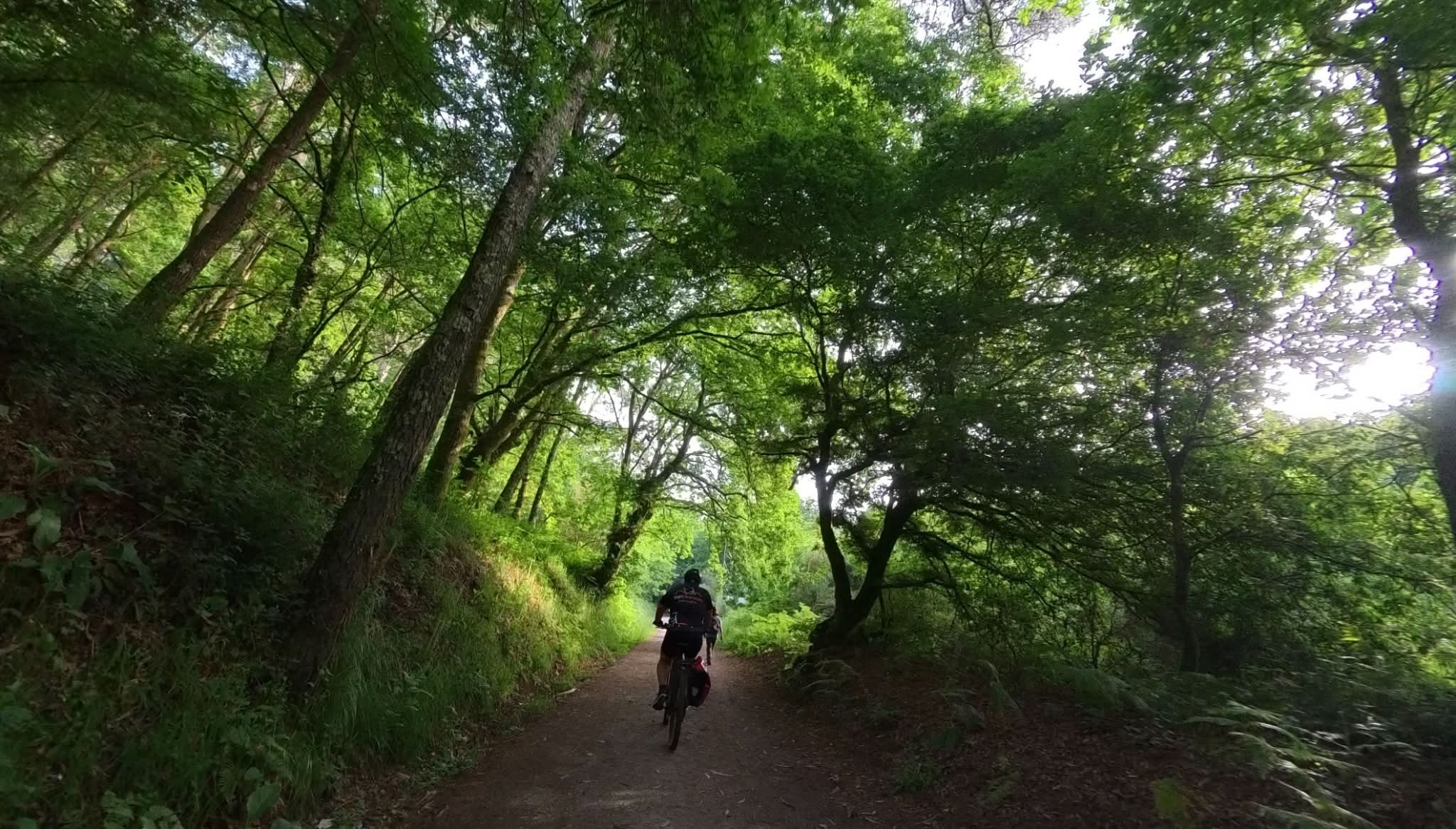
2. The Forest Riding
The trees seemed to hug the trail.
Birds singing.
Fresh air.
Peaceful riding.
Even when the climbs became challenging.
3. The Variety of Towns
Every destination felt different.
Porto.
Viana do Castelo.
Baiona.
Pontevedra.
Santiago.
Each had its own personality and story.
Three Things That Could Be Better
1. Better Terrain Expectations
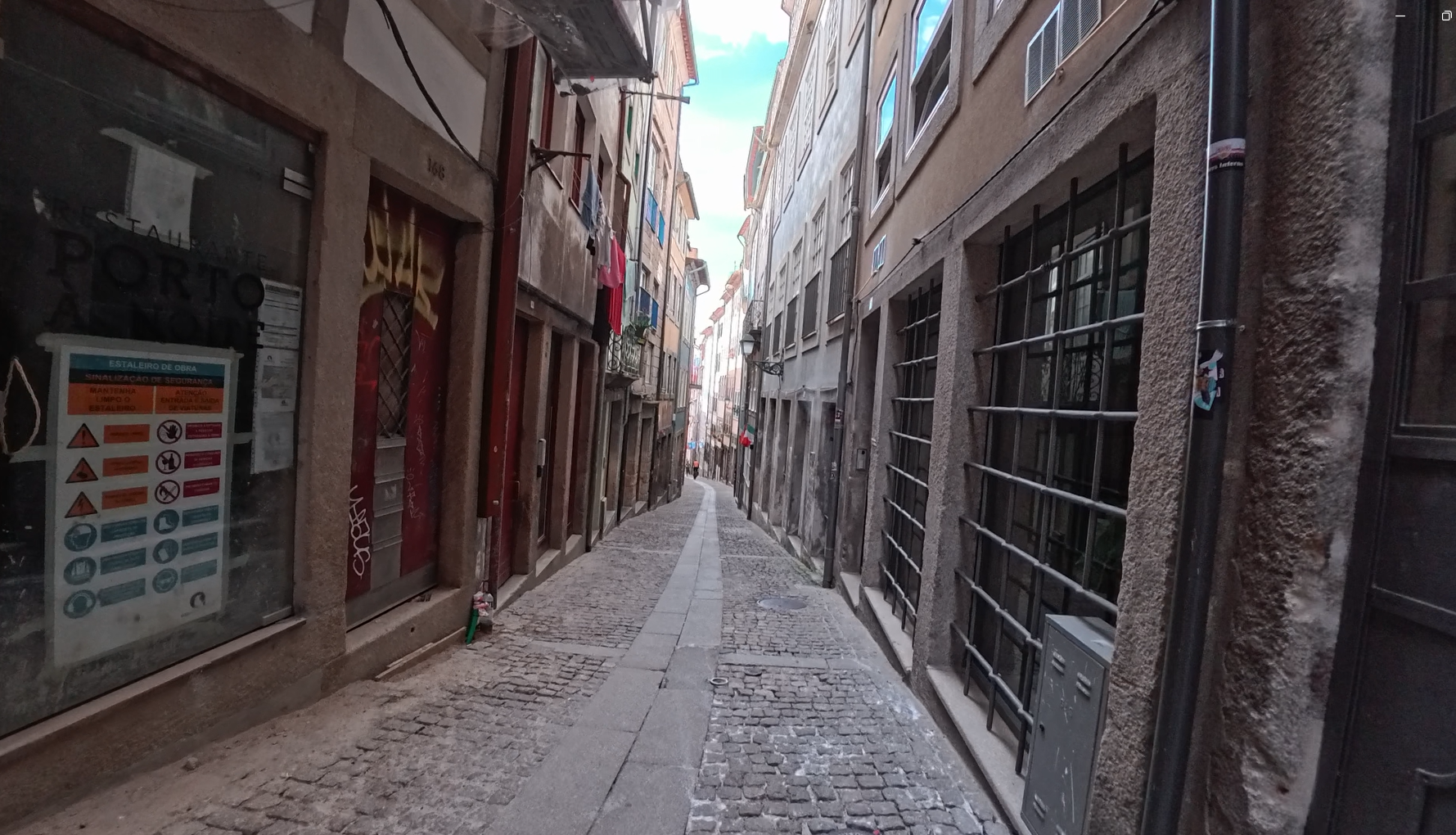
New riders should understand this route includes:
- Cobblestones
- Dirt trails
- Steep pitches
- Technical sections
It’s manageable.
But it’s not a flat rail trail.
2. Earlier E-Bike Orientation
A few newer riders could have benefited from a more detailed e-bike briefing on Day 1.
3. More Rider Education Before Arrival
Understanding the terrain beforehand helps riders arrive more confident and prepared.
Is It Worth Booking Guided?
DIY vs Guided
| DIY | Top Bike Tours Portugal |
|---|---|
| Route Planning | You |
| Hotels | You |
| Navigation | You |
| Mechanical Support | You |
| Luggage Transfer | You |
| Emergency Support | You |
| Stress Level | Higher |
| Local Knowledge | Limited |
Was Guided Worth It?
Absolutely.
Could I have done it myself?
Sure.
Would I have found these hotels?
Probably not.
Would I have learned the history behind the towns?
Probably not.
Would I have appreciated the Camino as deeply?
Probably not.
The support vehicle, luggage transfers, route knowledge, cultural experiences, and flexibility during weather delays made the experience far smoother than anything I could have organized on my own.
As Sérgio told me:
“The Camino is not just a route. It’s a network of paths, variations, and local nuances. Without local knowledge, it’s easy to miss the best sections or underestimate parts of the journey.”
Looking back, that’s probably the biggest advantage of riding with a local operator. The riding is only half the experience. Understanding what you’re seeing is the other half.
Who This Tour Is Perfect For
This trip is ideal if you:
- Want your first international cycling tour
- Enjoy culture, history, and food
- Like meaningful travel experiences
- Appreciate comfortable accommodations
- Prefer experiences over speed
- Want to cycle across two countries
- Are curious about the Camino
This is one of Sérgio’s strongest quotes:
“One of the most common things we notice is that people arrive with very idealized expectations. They imagine a peaceful, almost effortless journey. But the reality is rawer. The Camino can be physically demanding, sometimes uncomfortable, and not always as romantic as expected.”
I laughed when he told me that because it’s true.
There were rainy mornings.
Muddy trails.
Steep cobblestone climbs.
Wrong turns.
Sore legs.
And somehow those moments became some of my favorite memories.
Who Should Skip This Tour
You may want to look elsewhere if:
- You only enjoy paved roads
- You’re training for performance goals
- You dislike dirt trails
- You want luxury without activity
- You hate climbing
- You’re uncomfortable riding mixed terrain
What Happens When You Reach Santiago?
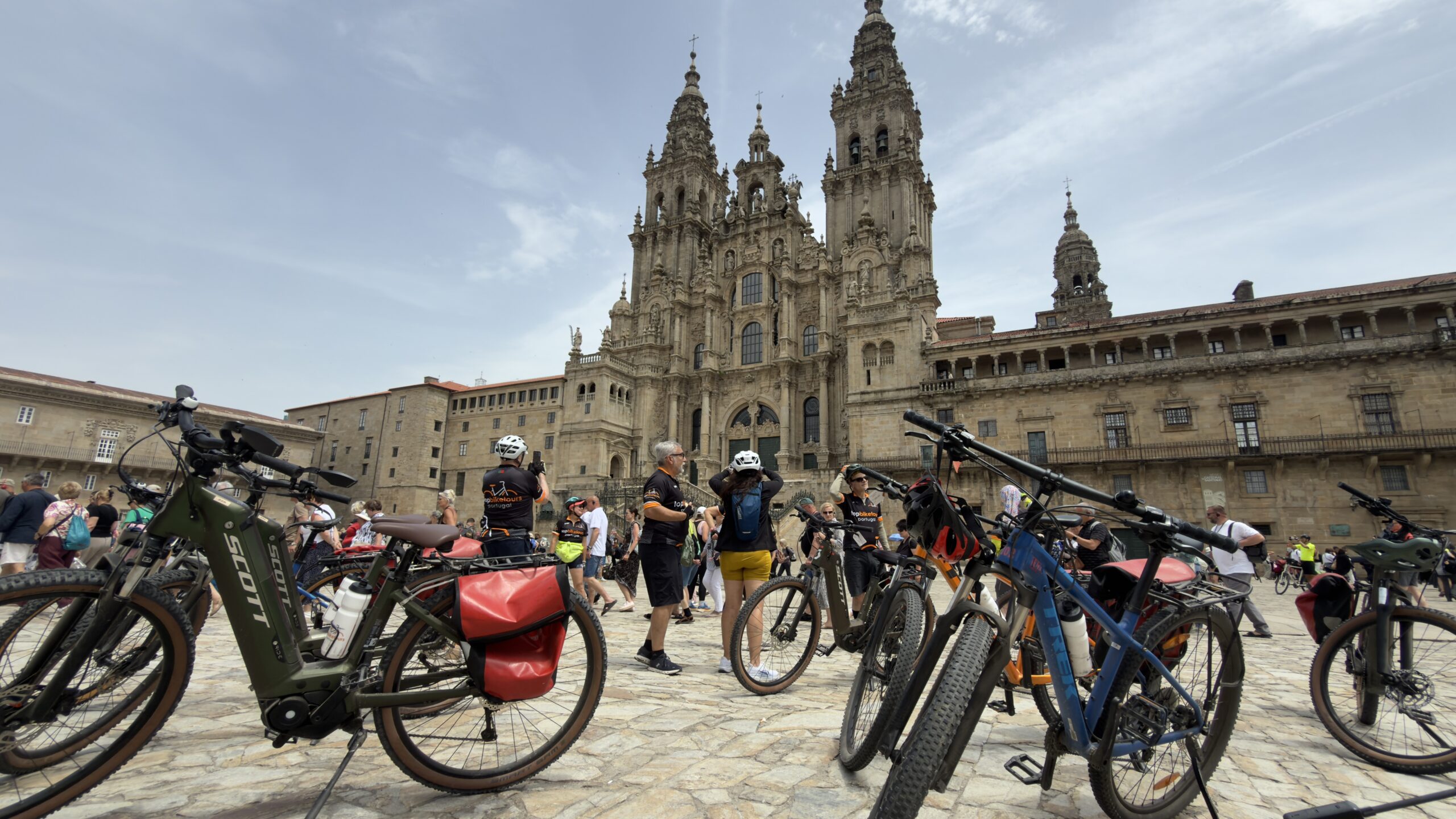
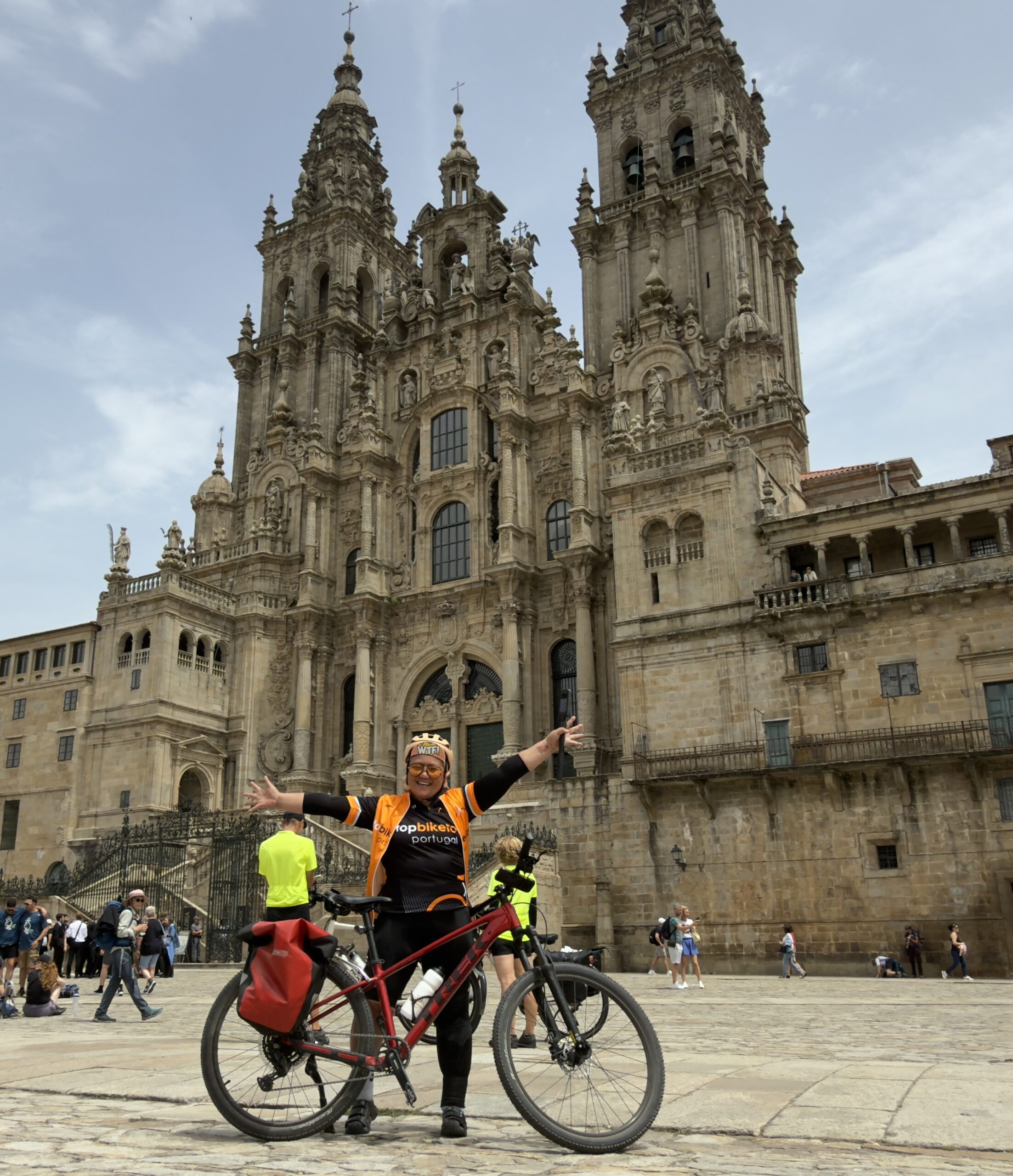
Most people think the Camino ends when you roll into Praza do Obradoiro and see the Cathedral of Santiago for the first time.
It doesn’t.
In many ways, that’s where the celebration begins.
After seven days of riding from Porto, crossing two countries, climbing countless hills, collecting stamps, and following in the tire tracks of pilgrims who came before us, arriving in Santiago felt surreal.
The square was packed.
Pilgrims hugging.
Friends celebrating.
Cyclists taking photos.
Walkers sitting quietly and taking it all in.
Some had walked for 30 days or more.
Some were crying.
Others simply stared at the cathedral in silence.
No matter how you arrive, it’s a moment you’ll remember forever.
Getting Your Compostela Certificate
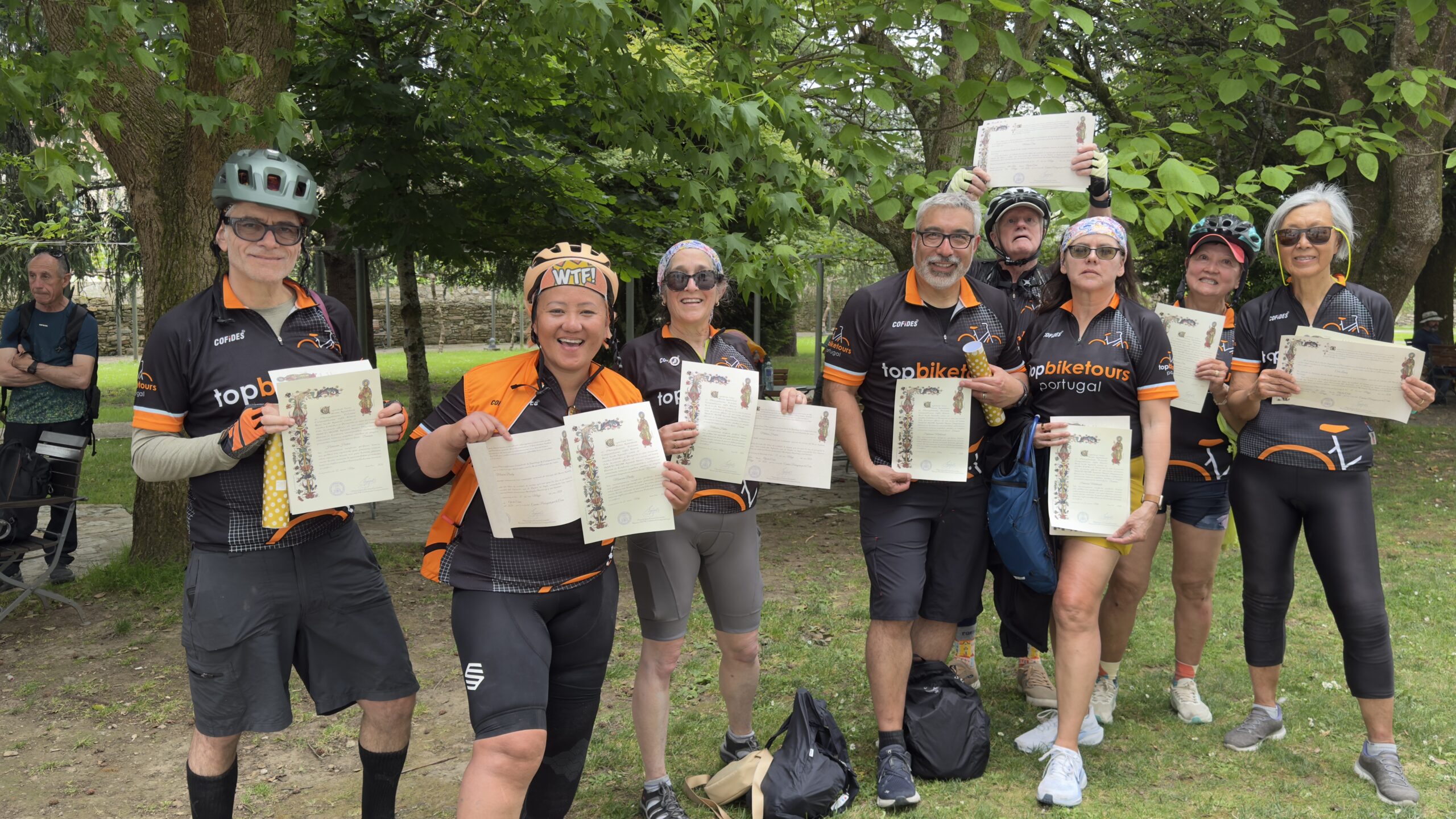
One of the first things you’ll want to do is collect your official Compostela certificate.
Once you reach Santiago Cathedral, it’s only about a 5-minute walk to the Pilgrim’s Reception Office.
Pilgrim’s Reception Office (Oficina del Peregrino)
Address:
Rúa das Carretas 33, Santiago de Compostela, Spain
To receive your Compostela, you’ll need:
- Your Credencial (Pilgrim Passport)
- Proof that you’ve cycled at least the final 200 km of an official Camino route
- Multiple stamps collected along the way
For cyclists, I recommend collecting several stamps every day.
I personally tried to collect stamps at cafés, hotels, restaurants, churches, and rest stops whenever possible.
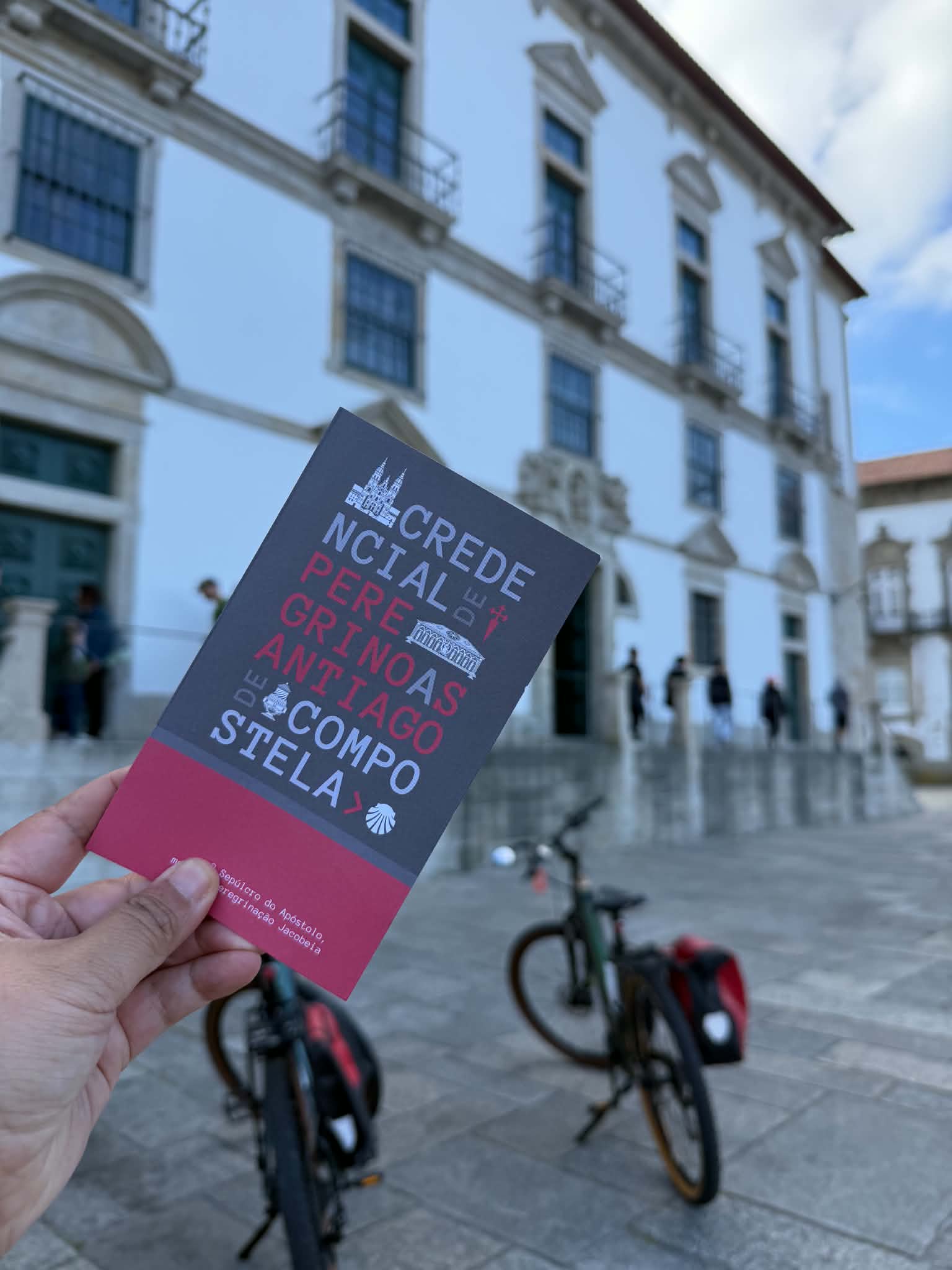
The process was surprisingly easy.
A representative checks your credentials and directs you to a computer kiosk where you enter your information.
After a short wait, you’ll receive your Compostela certificate.
Holding that certificate in my hands felt incredibly rewarding.
It was tangible proof that the journey was real.
Don’t Forget the Certificate of Distance
Many cyclists don’t realize there’s a second certificate available.
Besides the free Compostela, you can also purchase the Certificate of Distance.
This certificate includes:
- Your starting location
- Total distance traveled
- Camino route completed
For a few euros, it’s well worth it.
I purchased one and plan to frame it alongside my Compostela certificate when I get home.
Important 2026 Tip
When you arrive at the Pilgrim’s Office, grab a QR-code queue ticket immediately.
During busy months, wait times can stretch several hours.
The good news?
You can track your position in line on your phone while exploring Santiago.
No need to sit around waiting.
Celebrate Properly
My biggest recommendation?
Book a walking tour of Santiago.
After spending a week riding toward the city, it’s worth taking the time to understand why Santiago became one of Christianity’s most important pilgrimage destinations.
Our walking tour ended up being one of my favorite experiences of the trip.
We learned:
- The story of Saint James
- The symbolism behind the scallop shell
- The meaning of the famous Camino markers
- Why Santiago became a pilgrimage destination
- The history behind the cathedral itself
I learned more in two hours than I had during the entire week leading up to Santiago.
Looking back, I wish I had watched The Way movie or a Camino documentary before arriving.
Understanding the history beforehand would have made the experience even more meaningful.
Buy a Souvenir You’ll Actually Keep
Most of us don’t need another refrigerator magnet.
Santiago has some fantastic Camino-themed souvenirs worth bringing home.
I picked up:
- My Compostela certificate
- A Camino medal
- Route maps
- Small pilgrimage keepsakes
I also spotted cycling-specific shops selling Camino jerseys, cycling kits, socks, and bike-themed souvenirs.
Unfortunately, the shop was closed when I walked by.
Hopefully you’ll have better luck than I did.
Where I Stayed
For my final night, I stayed at Hotel Compostela.
It was an excellent choice for cyclists.
From the hotel you can:
- Walk to the Cathedral in about 5 minutes
- Reach dozens of restaurants and cafés
- Access airport transportation easily
- Roll your bike through the city without navigating narrow medieval streets
For a cycling traveler, that convenience is hard to beat.
Getting Back Home
One thing many riders worry about is logistics after finishing.
Top Bike Tours Portugal made this incredibly easy.
After the tour, they transported me back to Porto, which has better international flight connections.
Other riders in our group were dropped at train stations to continue exploring Europe.
It’s one of those details you don’t appreciate until you’re trying to figure it out yourself.
Continue to the End of the World
Here’s something I didn’t know before this trip.
For many pilgrims, Santiago isn’t actually the end.
Historically, long before Christianity arrived, travelers continued west to the Atlantic Ocean.
The Romans called it:
Finis Terrae
“The End of the Earth.”
Today many pilgrims continue to:
Fisterra
Approximately 90 km (56 miles) from Santiago.
Highlights include:
- The famous lighthouse
- Atlantic Ocean sunsets
- The 0.00 km marker
- The Fisterrana certificate
- Reflecting on the journey before heading home
Many cyclists complete the route in one or two days.
Muxía
Located north of Fisterra.
Highlights include:
- Dramatic Atlantic cliffs
- Fishing villages
- Sanctuary of A Virxe da Barca
- Some of the most powerful coastal scenery in Spain
Many modern pilgrims now ride:
Santiago → Muxía → Fisterra
instead of stopping at Santiago.
Far fewer cyclists have photos at:
- The 0.00 km marker
- The Fisterra Lighthouse
- The Atlantic Ocean at sunset
If I ride the Camino again, this is exactly what I’ll do.
Final Verdict
9/10
When I first arrived in Porto, I thought I was starting a bike tour.
Seven days later, standing in front of Santiago Cathedral holding my Compostela certificate, I realized it was never really about the bike.
It was about the people.
The stories.
The history.
The quiet moments riding through forests.
The conversations over coffee and pastel de nata.
The walkers carrying burdens nobody else could see.
The reminders to slow down.
To be present.
To appreciate how fortunate we are to explore the world under our own power.
Sérgio told me something during our interview that makes even more sense now than it did while I was riding.
“The most common reaction is simple. People didn’t expect it to feel so meaningful.”
That’s probably the best way to describe the Portuguese Camino.
It’s more meaningful than you expect.
The scenery is beautiful.
The hotels are exceptional.
The food is fantastic.
The cycling is rewarding.
But those aren’t the things I’ll remember most.
Years from now, I’ll remember the feeling.
The feeling of rolling into Santiago.
The feeling of seeing pilgrims celebrate after weeks on the road.
The feeling of realizing that sometimes the best trips don’t just take you somewhere new.
They bring you back to parts of yourself you’ve been too busy to notice.
Would I ride the Portuguese Camino again?
In a heartbeat.
Next time, though, I might keep riding all the way to Fisterra.
Because after this trip, I’ve learned something important:
The Camino doesn’t really end in Santiago.
And maybe that’s the point.
Route Quality: 9.5/10
Scenery: 8.5/10
Food: 9/10
Accommodation: 9/10
Navigation: 10/10
Bike Friendliness: 8/10
Value For Money: 9/10
Beginner Friendly: 7/10
Overall Experience: 9.3/10
Would I Ride Again? Absolutely.