Cycle Travel Club

Limassol

Cycling in Limassol, Cyprus offers riders a rich variety of terrain, from flat coastal promenades to sweeping inland climbs, making it ideal for both relaxed pedaling and spirited training. Cruise along the sea-front from the old port toward the tourist zone of Germasogeia and the archaeological site of Amathous for scenic seaside views. Venture further inland through villages like Lofou and Silikou, winding past olive groves and vineyards toward the hills above Limassol for sweeping panoramas and rewarding elevation.

At A Glance

ā˜…ā˜…ā˜…ā˜…ā˜… LIMASSOL SEAFRONT PROMENADE

This flat, scenic route stretches from the Old Port to Germasogeia, offering cyclists ocean views, palm-lined paths, and easy access to cafĆ©s and landmarks. It’s ideal for all levels and among the most popular cycling routes in Cyprus.


ā˜…ā˜…ā˜…ā˜…ā˜† TROODOS MOUNTAIN ASCENT

A challenging route for experienced riders, climbing from Limassol into the Troodos Mountains. Expect long, steady climbs, pine forests, and cooler air, with breathtaking views from Mount Olympus rewarding your endurance.


ā˜…ā˜…ā˜…ā˜…ā˜† KOLOSSI CASTLE AND KOURION COASTAL LOOP

Ride westward toward Kolossi Castle and the ancient ruins of Kourion for a mix of history and seascape. This moderate route blends cultural exploration with coastal serenity, perfect for mid-level cyclists.


ā˜…ā˜…ā˜…ā˜†ā˜† GERMASOGEIA DAM AND VILLAGE TRAIL

A peaceful inland ride leading to Germasogeia Dam and its surrounding hills. The roads are quiet, with scenic reservoirs and lush valleys, offering a slower, more reflective cycling experience away from the city bustle.


ā˜…ā˜…ā˜…ā˜†ā˜† OMODOS WINE VILLAGE ROUTE

Cycle through the picturesque wine villages of Omodos and Lofou, surrounded by terraced vineyards and cobbled streets. This route combines cultural discovery, gentle climbs, and stops for local wine tastings, a favorite among leisurely cycling enthusiasts.

Watch

Photos

Plan

Geography of the Region?

Location & Boundaries

Limassol (Lemesos) is located on the island’s southern coast, facing the Mediterranean Sea.

  • Boundaries:
    • North:Ā Troodos Mountains (southern slopes)
    • East:Ā Larnaca District
    • West:Ā Paphos District
    • Northeast:Ā Nicosia District
    • South:Ā Mediterranean coastline (~15 km urban seafront)
  • Area:Ā Approximately 1,396 km²
  • Special Administrative Areas:Ā Includes the British Sovereign Base Area of Akrotiri, Akrotiri Salt Lake, and Germasogeia Dam wetlands.
  • Main City:Ā Limassol (second largest in Cyprus, major port and urban center).

Topography & Terrain

Coastal Plain

  • Flat, urbanized seafront ideal for easy, scenic cycling.
  • Elevation: 0–100 m above sea level.

Hills & Valleys

  • Rolling terrain with vineyards, olive groves, and traditional villages.
  • Elevation: 100–400 m, moderate climbs and descents.

Troodos Mountains

  • Northern/northwestern region dominated by Cyprus’s highest peaks (Mount Olympus at 1,952 m).
  • Elevation: 400–1,952 m, steep gradients (6–10%+), long ascents, and technical descents.
  • Terrain for All Levels: Flat coastal routes for beginners, rolling hills for intermediates, and mountain climbs for advanced cyclists.

Climate & Weather for Cyclists

  • Mediterranean Climate:
    • Summers (June–Sept):Ā Hot, dry, 29–34°C (84–93°F), almost no rain.
    • Winters (Dec–Feb):Ā Mild, 14–17°C (57–63°F), more rain but many rideable days.
    • Spring/Autumn:Ā Mild, 17–27°C (63–81°F), ideal for cycling.
  • Rainfall:
    • Wettest: December–February (9–13 rainy days/month).
    • Driest: April–October (0–1 rainy days/month).
  • Humidity: Moderate (57–70%), rarely oppressive.
  • Winds: Light to moderate; sea breezes in summer, occasional stronger winds in winter.
  • Sunshine: 3,650+ hours/year, 12–13 hours/day in summer, 7 hours/day in winter.
  • Best Cycling Seasons:
    • Spring (March–May) and Autumn (September–November) for comfort and scenery.
    • Summer: Ride early or late to avoid heat.

Cycling Infrastructure

  • Seafront Cycling Paths: 8.3-mile dedicated lane from Limassol Marina to Agios Rafael Marina, flat, scenic, and popular for all levels.
  • Urban Bike Lanes: Expanding network in city center and redevelopment areas; traffic-calmed streets for safer urban cycling.
  • Mountain & Rural Routes: 789+ mapped routes, including challenging climbs into the Troodos, rolling wine country, and coastal loops.
  • Bike Rentals & Repairs: Multiple shops offer road, mountain, hybrid, and e-bikes, plus repair and emergency support.
  • Bike-Friendly Accommodations: Hotels and resorts with secure storage and cyclist amenities, especially in Pissouri and city center.
  • Events & Clubs: Active cycling community, group rides, and major events like L’Étape Cyprus and GranFondo Cyprus.

Key Geographical Features for Cyclists

Mountains & Forests

  • Troodos Mountains:
    • Challenging climbs, pine forests, and the island’s highest peak (Mount Olympus).
    • Routes with up to 2,977 m elevation gain; cool temperatures and panoramic views.
  • Kakomallis Mountain: Medium-difficulty MTB routes, views of Limassol Salt Lake.

Coastline & Beaches

  • Limassol Seafront: Flat, easy cycling with dedicated paths, urban parks, and beach access.
  • Governor’s Beach & White Rocks: Unique geology, tranquil coves, accessible via moderate coastal/inland routes.
  • Akrotiri Peninsula & Salt Lake: Nature reserves, flamingos in winter, flat/rolling terrain.

Nature Reserves & Dams

  • Troodos National Forest Park: Protected area with paved and gravel routes, technical MTB trails.
  • Kouris Dam: Largest dam in Cyprus, featured in long-distance loops.

Archaeological & Cultural Sites

  • Kourion & Amathous: Ancient city-kingdoms, Greco-Roman ruins, accessible via moderate climbs.
  • Sanctuary of Apollo Ylatis: Historic site near Kourion, on popular cycling routes.

Wine Villages & Traditional Settlements

  • Omodos, Lofou, Vouni, Arsos, Pachna: Renowned for wine, cobbled squares, and local cuisine; rolling to mountainous terrain.
  • Platres, Kyperounta, Agios Amvrosios: Mountain villages with panoramic views, challenging climbs, and authentic hospitality.

Scenic Viewpoints

  • Platres & Troodos Villages: Elevated rest stops with sweeping vistas.
  • Souni & Kantou: Countryside villages with gentle terrain and Limassol Bay views.

Road Conditions, Safety & Practical Tips

  • Road Quality: Excellent surfaces on main and rural roads; some gravel/dirt in remote areas.
  • Traffic: Urban/coastal routes can be busy; rural/mountain roads are quieter.
  • Rules & Safety:
    • Helmets mandatory; cycle on the left; use bike lanes where available; avoid highways.
    • Lights and reflective gear essential, especially in winter.
  • Wildlife & Hazards: Watch for goats, mouflon, and occasional debris after storms.
  • Bike Security: Use U-locks, park in visible areas, and avoid leaving valuables.
  • Community: Active clubs, group rides, and helpful locals; join events for camaraderie and support.
  • Navigation: Use GPS/offline maps; some rural routes lack signage.
  • Hydration & Supplies: Carry water and snacks, especially for mountain rides; refill in villages.

What are the Roads like? Road rules?

Cycling Infrastructure & Road Types

Dedicated Cycle Lanes & Bike Paths

  • Urban Cycle Lanes:
    • Over 22 km of dedicated lanes in city and residential areas, with more under construction.
    • Key areas: Ayios Athanasios, Germasogeia, and around the Technical University.
  • Coastal Cycling Lane:
    • Runs along the seafront from Limassol Marina to Agios Rafael Marina.
    • Scenic, accessible, and popular for leisure rides; some sections shared with pedestrians.
  • Traffic-Free Paths: Found in parks and along the coast, ideal for relaxed cycling and families.
  • Planned Expansions: Ongoing EU and municipal projects are adding new lanes, park-and-ride stations, and improved crossings.

Shared Roads, Rural & Mountain Routes

  • Shared Urban Roads: Where no cycle lanes exist, cyclists share the road with vehicles. Urban roads are generally well-paved but require vigilance due to traffic.
  • Rural Roads: Lead to villages and the countryside. Mostly asphalt, with some gravel or rough patches in remote areas.
  • Mountain Roads: Access to the Troodos Mountains offers challenging climbs, technical descents, and stunning views. Surfaces can vary from smooth tarmac to rougher sections.

Road Conditions

  • Surface Quality:
    • Main and coastal roads: Smooth asphalt, well-maintained, and comfortable for all bike types.
    • Rural/mountain roads: Generally good, but expect occasional gravel, potholes, or debris, especially after winter rains.
  • Maintenance:
    • Regular cleaning, resurfacing, and repairs by the Public Works Department.
    • Ongoing upgrades, especially in urban and tourist areas.
  • Seasonal Variations:
    • Winter:Ā Occasional heavy rain may cause debris or minor flooding on rural/mountain roads.
    • Summer:Ā High temperatures can cause glare; rare minor asphalt softening.
  • Construction: Active roadworks and infrastructure projects may cause temporary closures or detours—check for updates before riding.

Cycling Rules & Regulations

  • Helmet: Mandatory for all cyclists and passengers. €50 fine for non-compliance.
  • Lights & Reflectors: White front light and red rear light required at night or in poor visibility, €85 fine if absent.
  • Traffic Rules: Ride on the left, obey all signals and signs, use hand signals, and use cycle lanes where available.
  • Prohibited Areas: No cycling on pedestrian-only zones or sidewalks unless signage allows.
  • Fines: Range from €50 to €200 for various violations, higher for repeat offenses.
  • Local Bylaws: Limassol enforces use of cycle lanes and may fine for misuse or obstruction. Bicycles must be parked in designated areas.

Unique Features & Challenges

  • Diverse Terrain:
    • Quick transitions from flat coast to rolling hills and mountains.
    • Routes range from easy seafront rides to demanding mountain climbs.
  • Climate: Mild winters, hot summers (over 30°C in July/August). Spring and autumn are ideal for cycling.
  • Traffic Patterns: Urban and coastal roads can be busy, especially in tourist season. Rural and mountain roads are quieter.
  • Navigation: Some rural/mountain roads lack clear signage, use GPS or offline maps.
  • Tourist Impact: Summer brings crowded roads and cycle paths; plan rides for early morning or off-peak times.
  • Local Driving Culture: Drivers may be inattentive or impatient; defensive riding and high-visibility gear are recommended.
  • Bike Security: Theft can occur in city centers and tourist spots, use secure locks and stay vigilant.

Safety Considerations

  • Accident Risks:
    • Most incidents involve motor vehicles, especially at intersections and in urban areas.
    • Single-bicycle accidents (loss of control, debris) are also common.
  • High-Risk Areas: Busy urban intersections, coastal roads during tourist season, and certain fast rural stretches (e.g., Erimi to Agios Amvrosios).
  • Safety Equipment: Certified helmet (mandatory), high-visibility clothing, front/rear lights (mandatory at night), bell, and reflectors.
  • Best Practices:
    • Ride predictably, signal clearly, avoid distractions, and perform regular bike checks.
    • Plan routes to avoid high-traffic roads and known accident hotspots.
    • Carry water, especially in hot weather, and a repair kit for minor issues.
  • Emergency Procedures:
    • Call 112 for ambulance, police, or fire (English spoken).
    • Move to safety, document the scene, gather witness info, and report to police if needed.

When to Go?

Ideal Months for Cycling in Limassol

Cycling conditions in Limassol are shaped by its Mediterranean climate, local traffic patterns, and seasonal tourism. Here’s when to plan your rides for the best experience:

Spring (March–May)

  • Why it’s ideal:
    • Daytime temperatures range from 18°C to 25°C, offering comfortable conditions for long rides.
    • Low rainfall and moderate humidity.
    • Blooming countryside and extended daylight hours.
    • Popular time for local cycling events and club rides.
  • Additional benefits:
    • Less crowded roads compared to summer.
    • Scenic routes into the Troodos foothills are especially attractive.

Autumn (October–November)

  • Why it’s ideal:
    • Warm but comfortable temperatures (20°C–28°C).
    • Minimal rainfall and pleasant breezes.
    • Fewer tourists, resulting in quieter roads and better cycling safety.
  • Additional benefits:
    • Excellent for both coastal and inland routes.
    • Many local cycling events and tours are scheduled during this period.

Winter (December–February)

  • Why it’s good (with some caveats):
    • Mild coastal temperatures (10°C–18°C).
    • Light traffic and peaceful city routes.
  • Considerations:
    • Occasional rain and shorter daylight hours (5–6 hours of sunshine per day).
    • Some mountain routes may be cooler or wet, but most days remain suitable for cycling.

Months to Avoid

Summer (July and August)

  • Why to avoid:
    • Extreme heat: average highs above 32°C, with frequent spikes over 35°C.
    • High UV index and risk of heat-related illness.
    • Peak tourist season leads to crowded roads, especially along the seafront and city center.
  • Risks: Heatstroke, dehydration, and increased accident risk due to busy traffic and tourist unfamiliarity with local roads.
  • If you must ride:
    • Restrict cycling to early mornings or after sunset.
    • Carry extra water, use high-SPF sunscreen, and stick to shaded or less-trafficked routes.

Pro Tips for the Best Cycling Experience in Limassol

1. Hydration and Nutrition:

  • Always carry at least two large water bottles and drink regularly, especially in warmer months.
  • Use electrolyte tablets for longer rides or during hot weather.

2. Sun Protection:

  • Apply high-SPF sunscreen to all exposed skin, even in spring and autumn.
  • Wear a helmet (mandatory by law), sunglasses, and light, breathable clothing.

3. Route Planning:

  • Take advantage of the well-developed coastal cycle path (Molos Promenade) for flat, scenic rides.
  • Explore inland and mountain routes in spring and autumn for variety and challenge.
  • Avoid main coastal roads during peak tourist months.

4. Timing:

  • In summer, ride only at dawn or dusk to avoid midday heat.
  • In winter, plan to finish rides before dusk and use lights if needed.

5. Equipment and Safety:

  • Use a well-maintained bike; check brakes, tires, and lights before each ride.
  • Wear high-visibility or reflective gear, especially in low-light conditions.
  • Carry a repair kit, spare tube, and mobile phone with emergency contacts saved.

6. Local Support:

  • Engage with local cycling clubs for group rides and route advice.
  • Many rental shops offer maps, repair services, and emergency support.

7. Traffic Awareness:

  • Be vigilant at intersections and in city center areas, especially during rush hours and tourist season.
  • Use dedicated bike lanes where available, but be prepared to share roads with vehicles in some areas.

Before arranging your travel plans around a festival, ensure to confirm the festival dates on the official festival website or with a local tourist information office. For further details on these and other events, please visit the official tourism website for Cyprus.

Local Events (Cultural, Traditional, Wine & Food Festivals)

Limassol Carnival Festival

  • Date:Ā February 20 – March 3, 2025
  • Description:Ā The largest and oldest folk festival in Limassol, featuring masquerade parties, balls, parades, outdoor dances, costume competitions, and serenades. The festivities culminate in grand parades with thousands of participants and visitors, rooted in ancient Dionysian traditions.
  • Website:Ā https://www.limassolmunicipal.com.cy/en/carnival

Limassol Wine Festival

Kataklysmos (Festival of the Flood)

Anthestiria (Flower Festival)

  • Date:Ā May 10–11, 2025 (second weekend in May)
  • Description:Ā A spring festival celebrating the beauty of Cyprus’s wild flora, with floral exhibitions, parades, and community events, especially in Germasogeia. Inspired by ancient Greek traditions, it marks the rebirth of nature.
  • Website:Ā https://www.limassoltourism.com/en/things-to-do/activities/festival-events

Seaside Street Food Festival Limassol

Village Grape Harvest Festivals (Limassol Wine Villages)

  • Date:Ā September–October (annual, specific dates vary by village)
  • Description:Ā Traditional grape harvest festivals are held in various wine villages around Limassol during the harvest season. Enjoy grape pressing, wine tastings, local food, music, and folk performances for an authentic rural experience.
  • Website:Ā https://www.visitcyprus.com/discovercyprus/rural/wine-villages

Limassol Tourism Board Events Calendar


Cycling Events

0-2000 Cycling Challenge

  • Date: June 6-7, 202
  • Description:Ā A two-day road cycling challenge starting at sea level in Limassol and finishing at the highest point of Cyprus, Mount Olympus. Features a neutral start through Limassol, followed by a timed ascent through scenic villages and mountain roads. Ideal for climbers and endurance cyclists.
  • Website: https://www.activatecyprus.com/0-2000cyclingchallenge

Gran Tour Cyprus

  • Date:Ā October 17–21, 2025 (2024: October 9–13)
  • Description:Ā A multi-day cycling tour covering Limassol and other regions, designed for recreational and endurance cyclists. Includes daily stages, support vehicles, and scenic routes through villages, mountains, and coastal areas.
  • Website:Ā https://inex.club/allevents

Areti Gran Prix Cyprus

  • Date:Ā November 9–10, 2025 (2024: November 9–10)
  • Description:Ā A two-day competitive road cycling race in Limassol, featuring different course lengths and categories. Attracts both local and international riders.
  • Website:Ā https://inex.club/allevents

INEX CArity Ride 300KM

  • Date:Ā May 10, 2025
  • Description:Ā A charity cycling event covering 300 km, starting and finishing in Limassol. Open to all levels, supporting local causes and encouraging community participation.
  • Website:Ā https://inex.club/allevents

Solea Annual Cycling Program (Limassol District)

  • Date:Ā September 2025 – June 2026 (2–3 rides every month)
  • Description:Ā Regular family rides, themed routes, charity events, and cultural tours. Rides start and finish in Linou, with distances up to 80 km, suitable for all levels.
  • Website:Ā https://www.visitcyprus.com/events/

Cyprus Gran Fondo (UCI Gran Fondo World Series)

  • Date:Ā April 3–5, 2026
  • Description:Ā A prestigious three-day road cycling event, part of the UCI Gran Fondo World Series. While the main stages are based in Pafos, Limassol serves as a hub for training camps, pre-rides, and cycling activities before and after the event.
  • Website:Ā https://www.activatecyprus.com/granfondocyprus

Immerse Yourself with Culture & Traditions

General Cultural Norms and Etiquette

Social Structure and Interactions

  • Family is central: Cypriot society is family-oriented, with strong respect for elders and close-knit extended families. Expect to see multi-generational gatherings, especially on Sundays and holidays.
  • Hospitality is a core value: Cypriots are renowned for their warmth and generosity. If you are invited into a home or offered food or drink, it is polite to accept, as refusal can be seen as impolite.
  • Respect for hierarchy: Elders and authority figures are treated with deference. Politeness and good manners are expected in social situations.
  • Personal questions: Locals may ask about your family or background as a sign of friendliness, not intrusion.
  • Punctuality: Time is flexible; being late for social occasions is not unusual, but apologies are appreciated.

Communication and Language

  • Direct but polite: Cypriots communicate directly but with respect. Face-to-face interactions are preferred over written or electronic communication.
  • Language: Greek and Turkish are the official languages, but English is widely spoken, especially in tourist areas. Learning a few basic Greek phrases is appreciated.

Dress and Behavior

  • Modest dress: Especially important in rural areas and when visiting religious sites. Shoulders and knees should be covered; hats should be removed indoors.
  • Public behavior: Public drunkenness is frowned upon, and topless sunbathing is only acceptable in designated areas.

Cycling-Specific Considerations

Road Conditions and Safety

  • Road quality: Generally good, with smooth surfaces and well-maintained routes. Be cautious of debris or rock falls after storms, especially in mountainous areas.
  • Traffic: Urban and coastal roads can be busy, but rural and mountain areas are quieter. Always cycle on the left-hand side of the road.
  • Cycle lanes: Exist in towns but may be more suitable for mountain bikes than road bikes.
  • Drivers: Cypriot drivers may not always be cyclist-aware, so remain vigilant and use lights and reflective gear.
  • Helmet use: Strongly advised for safety.

Weather and Hydration

  • Climate: Mild Mediterranean climate allows for year-round cycling, but summers can be very hot. Spring and autumn are ideal.
  • Hydration: Carry plenty of water, especially in summer. Tap water is generally safe to drink.

Equipment and Preparation

  • Bike type: Both road and mountain bikes are suitable, depending on your route. Compact gearing is recommended for mountain climbs.
  • Repairs: Bring spare tubes and basic tools; bike shops are mainly in larger towns.
  • Navigation: GPS is recommended, as routes can be complex in forests and mountains.

Cycling Community and Events

  • Events: Cyprus hosts major cycling events like the Cyprus Gran Fondo and Sunshine Epic. Group rides are common in cities like Limassol.
  • Bike rental: Available in main towns, with a focus on mountain bikes.

Religious & Spiritual Considerations

Religious Landscape

  • Greek Orthodox Christianity: Predominant in the south, with many churches, monasteries, and religious festivals.
  • Islam: Main religion in the north, with mosques and Islamic heritage sites.
  • Other communities: Maronites, Armenians, Catholics, Protestants, Jews, and others contribute to the island’s diversity.

Visiting Religious Sites

  • Dress modestly: Cover shoulders and knees; women may need to wear skirts in monasteries and cover their heads in mosques.
  • Behavior: Be quiet and respectful; avoid photography unless permitted. Remove shoes before entering mosques.
  • Festivals and holidays: Major religious events (especially Orthodox Easter) are widely celebrated and may affect opening hours and public services.

Spiritual Experiences

  • Pilgrimage routes: Many visitors follow Christian pilgrimage routes or visit Islamic heritage sites. Monasteries in the Troodos Mountains offer tranquil retreats.

Food & Dining Customs

Cypriot Cuisine

  • Mediterranean influence: Expect fresh ingredients, olive oil, herbs, vegetables, grains, meats, and seafood. Halloumi cheese is a local specialty.
  • Meze: A social feast of 20–30 small dishes, shared family-style over several hours. Accepting food is part of Cypriot hospitality.
  • Typical dishes: Halloumi, sheftalia (sausages), moussaka, kleftiko (slow-cooked lamb), louvi (black-eyed beans), and more.

Dining Etiquette

  • Sharing: Meals are communal; serve others before yourself as a sign of respect.
  • Pacing: Meals are leisurely and social; enjoy the conversation and don’t rush.
  • Tipping: Not obligatory but appreciated; 5–10% is standard for good service.

Regional Variations

North vs. South

  • South (Greek Cypriot): Greek language, Orthodox Christianity, Greek/Mediterranean cuisine, and festivals like Orthodox Easter.
  • North (Turkish Cypriot): Turkish language, Sunni Islam, Turkish/Mediterranean cuisine, and Muslim holidays like Ramadan.
  • Shared traditions: Both regions value hospitality, communal dining, and have overlapping culinary and folk traditions, though with regional twists.

Urban vs. Rural

  • Urban centers: More cosmopolitan, with international cuisine and modern amenities.
  • Rural areas: Preserve traditional lifestyles, crafts, and local festivals. Dress and customs may be more conservative.

General Travel Tips for Cultural Awareness

  • Be sensitive about the island’s division: Avoid political discussions unless locals bring them up.
  • Bring a small gift if invited to a home: Sweets, wine, or flowers are appreciated.
  • Learn basic Greek or Turkish greetings: This is seen as a sign of respect and effort.
  • Observe local customs: Queueing may not always be observed; be patient and assertive.
  • Safety: Cyprus is generally safe, but always use common sense and respect local customs.
Getting Around (Other Transportation)

Air Travel: Airports & Domestic Flights

Larnaca International Airport (LCA)

  • Description: Cyprus’s largest and busiest airport, located ~65 km east of Limassol. Offers direct international flights to Europe, the Middle East, and beyond. Modern terminal, full amenities, and frequent ground transport to Limassol.
  • Ideal For: Most international arrivals/departures; travelers seeking the widest range of flights and modern facilities.
  • Booking Platform: Hermes Airports – Larnaca

Paphos International Airport (PFO)

  • Description: Smaller, modern airport ~60 km west of Limassol. Focuses on low-cost and charter airlines (Ryanair, EasyJet, TUI). Offers car rentals, shops, and direct shuttle to Limassol.
  • Ideal For: Budget travelers, Western Europe connections, quick access to Limassol.
  • Booking Platform: Hermes Airports – Paphos

Domestic Flights

  • Description: There areĀ no scheduled domestic flights within Cyprus due to the island’s compact size and efficient ground transport.Ā  Use road transport for intercity travel.

Public Transportation

Limassol City & Suburban Buses (EMEL)

  • Description: Main public bus operator for Limassol city and suburbs, running 80+ routes with modern, air-conditioned buses. Connects neighborhoods, tourist areas, shopping centers, and suburbs.
  • Ideal For: City commuters, tourists, students, and residents needing affordable, frequent, and comprehensive city/suburb transport.
  • Booking/Info Platform: EMEL Limassol Buses

Intercity Buses (Intercity Buses Cyprus)

  • Description: Connects Limassol with all major cities (Nicosia, Larnaca, Paphos, Ayia Napa, Paralimni) via modern, air-conditioned coaches. Multiple daily departures.
  • Ideal For: Intercity travel, day trips, airport transfers, and business travel.
  • Booking/Info Platform: Intercity Buses Cyprus

Airport Shuttle Services (Limassol Airport Express)

  • Description: Direct, scheduled shuttle buses between Limassol and both Larnaca and Paphos airports. Timed to match flight arrivals/departures, luggage included.
  • Ideal For: Hassle-free, affordable airport transfers for travelers with luggage or early/late flights.
  • Booking/Info Platform: Limassol Airport Express

Taxis & Ride-Hailing Apps

Traditional Taxi Services

  • Description: Licensed, metered taxis available citywide and at airports. Can be hailed on the street, at ranks, or booked by phone/app. Fares are regulated.
  • Ideal For: Airport transfers, city rides, late-night travel, and when public transport is unavailable.
  • Booking/Info: iTaxi Cyprus

Ride-Hailing Apps

  • Bolt: International app, fast, cashless, and reliable.Ā | Bolt Limassol
  • CABCY: Cyprus-based, licensed drivers, official rates. |Ā CABCY
  • nTaxi: Local app, transparent fares, driver info upfront. |Ā nTaxi
  • Alfa Taxi App: Multifunctional, multilingual, airport/cargo options. |Ā Google Play

Car Rentals

Major International Brands

  • Sixt, Avis, Hertz, Europcar: Offices in city center, marina, and airport delivery. Wide range of vehicles: economy, SUV, luxury, van, convertible, electric/hybrid.
  • Ideal For: Exploring Cyprus at your own pace, visiting remote beaches, villages, or mountains.
  • Booking Platforms:

Local Car Rental Companies


Bicycle Rentals & Cycling Infrastructure

Bike Rental Shops


Cycling Infrastructure

  • Seafront Cycling Lane: Dedicated path from Limassol Marina to Agios Rafael Marina, flat, scenic, and ideal for all levels.
  • Urban/Suburban Lanes: Expanding network in city and redevelopment areas.
  • Mapped Routes: Over 200 routes for all levels.Ā Limassol Tourism Cycling

Alternative Transport: E-Scooters, Mopeds, Motorcycles, ATVs

Electric Scooter Sharing

  • Take.Rentals: App-based, €0.80 unlock, €0.20/min.Ā | take.rentals
  • Samokat: 20 pickup/drop-off points, €1 start, €0.15/min. |Ā Samokat Info
  • ScooBee: Large coverage, app-based. |Ā ScooBee Info
  • E-run Cyprus: Daily rentals, delivery. |Ā E-run Cyprus

Mopeds & Motorcycles


ATV (Quad Bike) Rentals


Water Transport

Ferries

  • Direct Ferries: International ferry connections (e.g., Limassol–Piraeus, Limassol–Haifa). |Ā Direct Ferries

Boat Trips & Yacht Charters


Pedestrian Infrastructure & Walking Tours

Walkability & Pedestrian Zones

  • Description: Upgraded pavements, crossings, and seafront promenades. Historic squares and city center are increasingly pedestrian-friendly.
  • Ideal For: Walking tours, beach strolls, exploring the old town.

Walking Tours

Flying With Your Bicycle

Top Recommended Airlines for Bicycle Transport to Limassol

1.Ā British Airways

  • Description: Major European carrier with frequent flights to Larnaca, known for accommodating sports equipment and providing excellent customer service.
  • Bicycle Policy:
    • Non-motorised bikes accepted as checked baggage if packed in a hard case or padded bike bag (max 190x95x65cm, 23kg for Economy).
    • No extra fee if the bike is your included checked bag; otherwise, standard excess baggage fees apply.
    • Pedals removed, handlebars turned, tires deflated.
    • Advance notification required at least 48–72 hours before departure.
  • Why It’s Best:
    • Cyclists consistently report reliable handling, minimal damage, and the ability to substitute a bike for a checked bag at no extra charge (except Economy Basic fares).
    • No oversize fee if within limits.
  • Bicycle Luggage Fee: Included as checked baggage (if within allowance); Ā£35–£80 for Economy Basic fares; Ā£65–£80 for extra bags; Ā£65/€75 for heavy bags (23–32kg).
  • URL: British Airways Sports Equipment Policy

2.Ā Turkish Airlines

  • Description: Major international airline with extensive European and Middle Eastern connections, including Cyprus.
  • Bicycle Policy:
    • Bikes accepted as checked baggage with clear packing requirements (box/bag, handlebars turned/removed, pedals off, tires deflated).
    • For flights to/from Northern Cyprus (Ercan), one bicycle is transported free until Dec 31, 2025. For Larnaca, expect a fee of €30–€60 per segment.
    • No e-bikes or battery-powered bikes.
  • Why It’s Best:
    • Free carriage for one bike to Northern Cyprus is a major plus.
    • Cyclists praise careful handling and a straightforward check-in process.
  • Bicycle Luggage Fee: Free for Ercan (until Dec 31, 2025); €30–€60 per segment for Larnaca.
  • URL: Turkish Airlines Sports Equipment Policy

3.Ā EasyJet

  • Description: Popular European low-cost carrier with direct flights to Larnaca.
  • Bicycle Policy:
    • Bikes must be booked in advance, packed in a bike box/bag, and tires deflated (max 32kg, 275cm L+W+H).
    • No e-bikes.
  • Why It’s Best:
    • Reliable, affordable, and praised for clear policies and good handling.
    • Straightforward online booking process.
  • Bicycle Luggage Fee: Ā£45/€52–€55 (online), Ā£55/€62–€65 (airport) per direction.
  • URL: EasyJet Sports Equipment Policy

4.Ā Jet2

  • Description: UK-based leisure airline with seasonal flights to Cyprus.
  • Bicycle Policy: Bikes must be pre-booked, packed in a suitable box/bag (max 32kg, 6ft length).
  • Why It’s Best:
    • Generous weight allowance, reasonable fees, and good handling.
    • Cyclists report bikes arriving undamaged and on time.
  • Bicycle Luggage Fee: Ā£35 each way.
  • URL: Jet2 Sports Equipment Policy

5.Ā Wizz Air

  • Description: Central/Eastern European low-cost carrier with flights to Larnaca.
  • Bicycle Policy: Large box size allowed (max 32kg, 149x119x171cm). Must be booked as sports equipment.
  • Why It’s Best:
    • Large box size and high weight limit, suitable for touring bikes and extra gear.
    • Easy booking and transparent policy, but strict enforcement.
  • Bicycle Luggage Fee: €40–€45 each way (online); €60–€65 at the airport.
  • URL: Wizz Air Sports Equipment Policy

Additional Airlines Worth Considering


Bicycle Luggage Fees at a Glance

  • British Airways:Ā Included as checked baggage (if within allowance); Ā£35–£80 for Economy Basic fares; Ā£65–£80 for extra bags.
  • Turkish Airlines:Ā Free (to/from Ercan, until Dec 31, 2025); €30–€60 per segment for Larnaca.
  • EasyJet: £45/€52–€55 (online), Ā£55/€62–€65 (airport) per direction.
  • Jet2: £35 each way.
  • Wizz Air: €40–€45 each way (online); €60–€65 at the airport.
  • Aegean, Eurowings, Cyprus Airways: €40–€80 per direction.
  • Lufthansa: €50–€100 per direction.
  • Emirates:Ā Included in allowance or $50–$150 excess.

Always check the latest airline policies before booking, as fees and rules can change. Pre-booking bicycle transport online is usually cheaper than paying at the airport.


Pro Tips for Traveling with Your Bicycle in Cyprus

Packing & Preparation

  • Use a Hard Case or Sturdy Box:Ā Protects your bike from rough handling.
  • Disassemble Major Components:Ā Remove pedals, wheels, and handlebars; deflate tires slightly.
  • Protect Delicate Parts:Ā Use foam, bubble wrap, or clothing to cushion the frame and derailleur.
  • Label Your Box:Ā Include your name, contact info, and destination address in Cyprus.

Booking & Airport Tips

  • Book Your Bike in Advance:Ā Reserve a bike spot when booking your ticket, flights have limited capacity for bikes.
  • Arrive Early:Ā Allow extra time at the airport for check-in and inspection of your bike.
  • Carry Documentation:Ā Bring a copy of the airline’s bike policy and your booking confirmation.

On Arrival in Cyprus

  • Assembly at Larnaca Airport:Ā No dedicated assembly area, but open space is available. Bring your own tools.
  • Bike Box Storage:Ā Larnaca Airport offers storage for empty bike boxes at the Special Baggage counter.
  • Local Bike Shops:Ā For assembly or repairs, visit shops like Larnaca Pro Cycle or Larnaca Bike Rental.

Insurance & Regulations

  • Insurance:Ā Ensure your travel insurance covers cycling and your bike (consider Velosurance, Sunday’s Insurance, or World Nomads).
  • Helmet & Lights:Ā Helmets are mandatory; lights and reflectors are required for night riding.
  • Road Rules:Ā Cycle on the left, obey traffic laws, and be cautious, driving standards can be variable.

Customs & Entry

  • EU Travelers:Ā No customs duties or VAT for personal bikes.
  • Non-EU Travelers:Ā May be subject to duties/VAT unless using temporary import procedures (e.g., ATA Carnet). Value under €17.09 is duty/VAT-free.
  • Documentation:Ā Bring proof of ownership and be prepared to show your bike is for personal use.

Cyprus-Specific Advice

  • Airport Transfers:Ā Book a taxi or shuttle that can accommodate boxed bikes for easy transport from Larnaca Airport to Limassol.
  • Hydration & Sun Protection:Ā Cyprus can be hot and sunny; always carry water and sunscreen.

Using a CTC Certified Bike Tour Operator:

If it’s your first time going to Cyprus or you prefer a hassle-free cycling experience, using a CTC (Cycle Travel Club) certified bike tour operator can be an excellent choice. These operators provide guided tours, bike rentals, and logistical support, making your cycling trip more enjoyable and less stressful.

Benefits of CTC Certified Operators:

Local Expertise:

  • CTC certified bike tour operators have extensive knowledge of the region’s cycling routes, terrain, and attractions.
  • They can customize tours based on your preferences and skill level.

Bike Rental Options:

  • These operators offer a variety of well-maintained rental bikes suitable for different types of cycling adventures.
  • You can choose from road bikes, mountain bikes, or hybrid bikes based on your preference.

Guided Tours and Support:

  • Enjoy guided cycling tours led by experienced local guides who can provide insights into culture, history, traditions, natural beauty, and cuisines.
  • Benefit from logistical support, including vehicle backup, accommodations, and meals arranged along the route.

As a paid CTC member, you qualify for the following:

  • Discounted Bike Tours from CTC Certified Tour Operators, Bike Rentals, Bike Shops, Accommodations, Cafes / Restaurants, and Cycling Events!
  • Unlock a treasure trove of exclusive deals and discounts. Enjoy savings on all things travel and cycling. We’ve partnered with leading brands to bring you unbeatable offers, so you can invest more in your adventures without breaking the bank.
  • Bike Tour Lottery Access:Ā Seeking a unique way to secure your spot on an upcoming tour? Our Bike Tour Lotteries offer just that! Become one of the confirmed riders on a specific tour by giving your deposit. Once we confirm all the riders for each tour, we’ll be holding an exclusive live raffle among the riders themselves. The winner not only secures a spot on the tour but also won’t need to pay for the balance of their bike tour expense. With the raffle limited to the confirmed riders, you have a fantastic chance at winning the opportunity to embark on an incredible cycling adventure without worrying about additional costs.
  • Tour Drops for VIP Members:Ā Ever thought about bidding on last-minute tours? With our Tour Drops, you can do just that! Stay on the lookout for incredible last-minute opportunities and bid for your spot. It’s a thrilling way to embrace spontaneity and grab a slot on an unforgettable cycling adventure
  • Join HERE!

Important Info (MUST READ)

Local Emergencies

Emergency Contact Numbers

  • Universal Emergency Number:Ā 112 (Police, Ambulance, Fire – English spoken, free from any phone)
  • Tourist Police:Ā +357 1460
  • Night Pharmacies (Limassol):Ā +357 90 901 415 (English recording)
  • Search & Rescue (Naval/Air):Ā 1441
  • Poison Centre:Ā +357 90 901 401
  • Private Doctors Info (weekends/holidays):Ā 17000 or +357 22017000

Foreign-Friendly Hospitals in Limassol

1. Mediterranean Hospital of Cyprus

  • Address:Ā 3-5 Agias Fylaxeos Street, 3116 Limassol, Cyprus
  • Phone:Ā +357 25 200 000
  • Website:Ā medihospital.com.cy
  • 24/7 emergency, English-speaking staff, accepts international insurance, orthopedic/trauma care.

2. Ygia Polyclinic Private Hospital

  • Address:Ā 34, Papanikoli Street, 3090 Limassol, Cyprus
  • Phone:Ā +357 25 321 555
  • Website:Ā ygiapolyclinic.com
  • 24/7 emergency, multilingual staff, medical tourism services, orthopedic specialists.

3. Limassol General Hospital

  • Address:Ā Nikaias Street, Kato Polemidia, 4151 Limassol, Cyprus
  • Phone:Ā +357 25 801 100
  • Website:Ā shso.org.cy
  • Public hospital, English-speaking staff, emergency and trauma care.

4. Vavilova Medical Center (Orthopedic Clinic)

  • Address:Ā 2 Vavilova Street, 4102 Limassol, Cyprus
  • Phone:Ā +357 25 101 010
  • Website:Ā vavilovamedicalcenter.com/orthopedic
  • Orthopedic specialists, English-speaking, sports/cycling injuries.

5. Limassol Orthopaedic Centre (Ayii Anargyri Clinic)

  • Address:Ā 1 Ayii Anargyri Street, 4044 Limassol, Cyprus
  • Phone:Ā +357 25 363 333
  • Website:Ā limassolorthopaedic.com
  • Multidisciplinary musculoskeletal care, English-speaking.

Consular Assistance

U.S. Embassy in Cyprus

  • Address:Ā Metochiou & Ploutarchou Street, 2407, Engomi, Nicosia, Cyprus
  • Phone:Ā +357 22 393939 (press 0 for emergencies, 24/7)
  • Website:Ā cy.usembassy.gov
  • Email:Ā ACSNicosia@state.gov
  • Services:Ā Emergency assistance, passport services, legal/medical referrals, travel alerts.

British High Commission, Nicosia

Consulate of Canada, Nicosia

Australian High Commission, Nicosia

  • Address:Ā 3rd Floor, 2 Themistocles Dervis Street, 1066 Nicosia, Cyprus
  • Phone:Ā +357 2269 7555 (option 1)
  • Website:Ā cyprus.embassy.gov.au

German Embassy, Nicosia

  • Address:Ā 10 Nikitaras Street, 1080 Nicosia, Cyprus
  • Phone:Ā +357 22 79 00 00
  • Website:Ā nikosia.diplo.de/cy-en

French Embassy, Nicosia

  • Address:Ā 3, Avenue de l’Acropole, 2006 Nicosia, Cyprus
  • Phone:Ā +357 22 45 93 00
  • Website:Ā cy.ambafrance.org

For other countries’ embassies, refer toĀ Embassy FinderĀ for a complete list.


Travel Insurance for Cyclists

Velosurance

  • Website:Ā velosurance.com
  • Emergency Claims:Ā +1-800-362-7535 |Ā newclaims@markel.com
  • Coverage:Ā Theft, crash, transit, racing (add-on), medical, worldwide (add-on, including Cyprus).

Sunday’s Insurance

World Nomads

  • Website:Ā worldnomads.com
  • 24/7 Emergency:Ā +1-877-289-0968 (US/CA), +1-954-334-8143 (worldwide)
  • Coverage:Ā Medical emergencies, evacuation, cycling accidents (declare cycling as activity, select Cyprus as destination).

Emergency Procedures for Cyclists

  • In an Accident:
    • For minor accidents: Take photos, exchange details, move off the road, complete the European Accident Statement.
    • For serious accidents: Do not move vehicles/bikes, callĀ 112, wait for police, do not admit liability, document the scene, get witness info.
  • Injuries:
    • CallĀ 112Ā for ambulance.
    • Seek medical evaluation even for minor injuries.
  • Bicycle Theft: Report immediately to police, provide bike details and serial number, obtain a police report for insurance.
  • Evacuation: For serious medical emergencies, callĀ 112Ā and contact your insurance for evacuation/repatriation.
  • Always carry: Emergency contacts, insurance details, ID, and a card with medical info (blood type, allergies).

Preventative Measures

  • Ride on the leftĀ (Cyprus follows UK system).
  • Helmet:Ā Mandatory, fines for non-compliance.
  • Lights & Reflective Gear:Ā Required at night/low light.
  • Obey traffic laws:Ā Use bike lanes, signal turns, yield to pedestrians.
  • Hydration & Sun Protection:Ā Carry water, use sunscreen, avoid midday heat.
  • Bike Maintenance:Ā Check brakes, tires, and lights before rides.
  • Route Planning:Ā Avoid highways, plan for weather, use quieter roads.
  • Emergency Numbers:Ā Store in your phone and carry a written copy.

Cultural and Legal Considerations

  • Legal Requirements:
    • Helmet, lights, reflectors, and two brakes are mandatory.
    • No cycling on highways or with passengers (unless child seat).
    • Fines for violations can be substantial.
  • Insurance:
    • Not mandatory for cyclists, but highly recommended.
    • If hit by a car, you are protected by law and can claim compensation.
  • Police Interaction:
    • Be polite, provide ID, follow instructions.
    • English is widely spoken by authorities.
  • Cultural Norms:
    • Respectful, calm communication is valued.
    • Dress modestly in official settings.
    • Cypriots are hospitable, courtesy goes a long way.

Additional Resources

Do I need a Visa to Enter?

Visa Requirements for US Citizens

  • Visa-Free Entry:Ā US citizens doĀ notĀ require a visa to enter Cyprus for short stays. You can visit Cyprus for up toĀ 90 days within any 180-day periodĀ for tourism, business, or family visits without obtaining a visa in advance.
  • Passport Validity:Ā Your US passport must be valid for at least three months beyond your planned departure date from Cyprus.
  • Entry and Exit:Ā Present a valid US passport upon arrival. No special exit requirements apply.
  • Extensions:Ā If you wish to stay longer than 90 days, you must apply for an extension or a different type of visa through Cypriot immigration authorities.
  • Upcoming Changes:Ā Starting in late 2026, US citizens will need to obtain an ETIAS (European Travel Information and Authorization System) travel authorization before entering Cyprus. ETIAS is not a visa but will be a mandatory pre-travel requirement for short stays.

Visa Requirements for Non-US Citizens

Visa requirements for non-US citizens depend on your nationality and the purpose of your visit. The main categories are:

1.Ā EU/EEA/Swiss Citizens

  • No visa required.
  • Enter Cyprus with a valid national ID card or passport.
  • Unlimited stay, but registration may be required for stays longer than 90 days.

2.Ā Citizens of Countries with Visa-Free Access to the Schengen Area

  • No visa required for short staysĀ (up to 90 days within any 180-day period).
  • Major countries in this group include the UK, Canada, Australia, Japan, South Korea, Singapore, New Zealand, Israel, and most South American countries.
  • Must present a valid passport (valid for at least 3 months beyond the intended stay).
  • Proof of sufficient funds and onward/return travel may be requested.

3.Ā Citizens of Countries Requiring a Schengen Visa

  • Visa requiredĀ before arrival.
  • Major countries in this group include India, China, Russia, Turkey, Pakistan, Nigeria, Egypt, the Philippines, Indonesia, and most countries in Africa and Asia.
  • Must apply for a Schengen visa (Type C for short stays) at the Cyprus embassy/consulate or a Schengen member state representing Cyprus in your country.
  • Required documents typically include:
    • Completed visa application form
    • Valid passport (with at least two blank pages, valid for at least 3 months after intended departure)
    • Recent passport-sized photographs
    • Proof of accommodation (hotel booking or invitation letter)
    • Proof of sufficient funds
    • Travel itinerary and return ticket
    • Travel insurance covering at least €30,000 for medical emergencies
    • Visa fee (usually around €80 for adults, €40 for children aged 6-12, free for children under 6)
  • Processing time:Ā Typically 15 calendar days, but can be longer during peak periods or if additional documentation is required.

4.Ā Special Notes

  • Holders of Multiple-Entry Schengen Visas:Ā Travelers with a valid multiple-entry Schengen visa can enter Cyprus for short stays, provided the visa is valid for the entire duration of their stay.
  • Diplomatic and Service Passport Holders:Ā Some countries have bilateral agreements with Cyprus allowing visa-free entry for holders of diplomatic or service passports.

Check theĀ Passport IndexĀ to see if your passport has visa requirements for this country.


General Visa Application Process

If you require a visa to enter Cyprus, the general application process is as follows:

Step-by-Step Process

  • Determine Visa Type:Ā Identify the appropriate visa category (tourist, business, work, study, digital nomad, etc.).
  • Complete Application Form:Ā Download and fill out the official visa application form from the Cyprus Ministry of Foreign Affairs or your local Cyprus embassy/consulate.
  • Gather Required Documents:
    • Valid passport (at least 3 months validity beyond your intended stay)
    • Recent passport-sized photographs
    • Proof of accommodation (hotel booking or invitation letter)
    • Proof of sufficient funds
    • Travel itinerary and return ticket
    • Travel insurance (minimum €30,000 coverage)
    • Supporting documents for your visa type (e.g., job offer, university acceptance letter, etc.)
  • Pay Visa Fee:Ā Short-stay (Schengen Type C) visa: €80 for adults, €40 for children aged 6-12, free for children under 6.
  • Submit Application:Ā Submit your application and documents to the Cyprus embassy/consulate or the designated visa application center in your country.
  • Attend Interview (if required):Ā Some applicants may be called for an interview.
  • Processing Time:Ā Usually 15 calendar days, but can be longer during busy periods or if additional documentation is needed.

Special Visa Categories

Cyprus also offers special visa categories for work, study, and digital nomads:

  • Work Visa:Ā Requires a job offer from a Cyprus-based employer, employer sponsorship, health check, and police clearance. Usually valid for 1–2 years and renewable.
  • Study Visa:Ā Requires an acceptance letter from a recognized institution, proof of funds, health insurance, and police clearance. Valid for the duration of the study program.
  • Digital Nomad Visa:Ā For remote workers employed by foreign companies or running their own businesses abroad. Requires proof of remote work, minimum income, health insurance, accommodation, and a clean criminal record. Typically valid for 6–12 months and renewable.

Important Considerations

  • Entry via Northern Cyprus:Ā Entering the Republic of Cyprus through the north (e.g., Ercan Airport) is considered illegal by Cypriot authorities and can result in fines or refusal of entry.
  • Overstaying:Ā Overstaying the 90-day limit can result in penalties, including being barred from re-entry for up to 5 years.
  • COVID-19 Requirements:Ā As of October 2025, most COVID-19 entry restrictions have been lifted, but always check the latest official guidance before travel.

Official Resources and Important Links

Cell Phone & Wifi Access

Mobile Network Coverage and Providers

Major Mobile Network Providers

  • Cyta-Vodafone (Cytamobile)
  • Epic (formerly MTN Cyprus)
  • Primetel
  • CablenetĀ (recently transitioned from MVNO to MNO)

These providers cover the Republic of Cyprus (southern part). In Northern Cyprus, Turkcell and Vodafone Turkey operate, but this guide focuses on the south

.

Coverage and Reliability

  • Cyta-Vodafone: Offers the most extensive coverage, including rural and mountainous areas—ideal for cyclists venturing off the beaten path. Recognized for best rural and mountain coverage, with 99.7% general coverage and 84.5% 4G availability.
  • Epic: Nearly 99% population coverage, fastest 4G/5G speeds, and strong performance in cities and towns. Rural coverage is very good, though slightly less extensive than Cyta in the most remote spots.
  • Primetel: Good coverage in cities and towns, but patchier in rural and mountain areas.
  • Cablenet: Focused on urban areas, still expanding rural reach.

Tip:Ā For cyclists planning to travel through remote or mountainous regions, Cyta-Vodafone is the most reliable choice.

Coverage Map Resource:


Prepaid SIM Card Options for Tourists (Including eSIMs)

Physical SIM Cards

  • Where to Buy:
    • Airports:Ā Larnaca and Paphos International Airports have kiosks and shops selling SIM cards from all major providers. This is the most convenient option for immediate connectivity.
    • Provider Stores:Ā Cyta, Epic, and Primetel have retail outlets in all major cities and tourist areas.
    • Convenience Stores/Kiosks/Petrol Stations:Ā Widely available across Cyprus, including rural areas. May require self-activation.
    • Online (Pre-Arrival):Ā Some providers and third-party vendors allow you to order a SIM online for airport pickup or delivery to your accommodation.
  • Activation:
    • Usually immediate at the point of sale, especially at airports and official stores. Staff will assist with registration (passport/ID required) and setup.
    • Self-activation instructions are provided if purchased from a kiosk or convenience store.
  • Typical Plans:
    • Validity: 7, 14, or 30 days
    • Data: From a few GB to unlimited
    • Calls & Texts: Local and sometimes international minutes included
    • Price: €10–€30 depending on data and validity.

eSIM Options

  • Local Providers:Ā Cyta, Epic, and Primetel offer eSIMs, but activation may require a visit to a main store or airport kiosk.
  • International eSIM Providers:
    • Holafly:Ā Unlimited data, durations from 5 to 30 days, instant activation.
    • SimOptions, Airalo, Yesim:Ā Data-only plans, instant QR code delivery, easy online purchase and activation.
  • Activation Process:
    1. Purchase eSIM online.
    2. Receive a QR code by email or app.
    3. Scan QR code in your phone’s settings (ā€œAdd eSIMā€).
    4. Follow on-screen instructions; activation is usually instantĀ .
  • Advantages for Cyclists:
    • No need to visit a store—activate on the go.
    • Dual-SIM capability allows you to keep your home SIM active for calls/messages.
    • Easy online top-up and plan management.

WiFi Availability

Urban and Tourist Areas

  • Hotels, Hostels, Airbnbs:Ā Nearly all accommodations in cities and tourist hotspots offer free WiFi, often with fast and reliable connections (fiber or ADSL).
  • Cafes, Restaurants, Bars:Ā Free WiFi is standard in most urban establishments.
  • Airports:Ā Larnaca and Paphos airports provide free WiFi for travelers.
  • Public Spaces:Ā Some municipalities offer free WiFi in central squares, parks, and beaches, though speeds and reliability can vary.

Rural and Mountain Areas

  • Guesthouses and Rural Stays:Ā Many offer WiFi, but speeds may be slower and reliability can vary. Always check with your host before booking.
  • On the Road:Ā Public WiFi is rare outside of accommodations and main villages. Cyclists should not expect to find WiFi in remote areas—mobile data is essential for connectivity on the go.

Mobile Hotspots

  • For guaranteed connectivity, especially in remote areas, consider using a mobile hotspot device or a local SIM card with a generous data plan. This is a common solution for digital nomads and travelers who need reliable internet everywhere.

Specific Considerations for Cyclists

  • Coverage in Remote Areas:
    • Mobile signal can fluctuate in mountains, valleys, and dense forests. Cyta-Vodafone offers the best rural coverage, but always check coverage maps for your planned route.
    • Weather and terrain can affect signal quality—plan accordingly.
  • Navigation and Safety:
    • Reliable mobile data is crucial for GPS navigation, emergency calls, and real-time route updates.
    • Download offline maps (e.g., Google Maps, Komoot) as a backup in case of temporary signal loss.
  • Top-Up and Plan Management:
    • Both physical SIMs and eSIMs can be topped up online, which is convenient for travelers on the move.
  • WiFi as a Supplement:
    • Use WiFi in accommodations and urban areas to save mobile data.
    • In rural areas, do not rely on public WiFi—ensure your mobile plan has sufficient data.
  • Device Compatibility:
    • Ensure your phone is unlocked and supports the network bands used in Cyprus (most modern smartphones do).
    • For eSIMs, check that your device is eSIM-compatible.


Key Takeaways

  • Cyta-VodafoneĀ is the top choice for cyclists needing reliable coverage in all areas, especially rural and mountainous regions.
  • EpicĀ offers fast speeds and strong urban coverage, with good rural performance.
  • Prepaid SIMs and eSIMsĀ are widely available; eSIMs offer the most convenience for travelers.
  • WiFiĀ is excellent in cities and tourist areas, but limited in remote regions—plan to use mobile data while cycling.
  • Always check coverage mapsĀ for your planned routes and consider downloading offline maps for backup.
Are your Electronics Compatible?

Cyprus Electrical System Specifications

Cyprus uses the British-style electrical system, which is important to know before you pack your chargers and adapters:

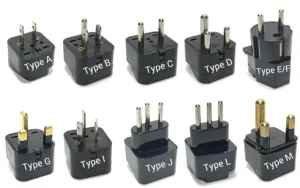
  • Plug and Socket Type:Ā Cyprus uses the Type G plug, which features three rectangular prongs in a triangular pattern. This is the same plug type used in the UK.
  • Voltage:Ā The standard voltage is 230V or sometimes listed as 240V. Both are commonly referenced, but 240V is most frequently cited in official and travel resources.
  • Frequency:Ā The electrical frequency is 50 Hz.
  • Current Type:Ā Alternating current (AC) is used throughout the country.
  • Grounding:Ā Outlets are grounded, and a grounding conductor is required in appliance cords.

Key Point:Ā If your devices use a different plug type, you will need a Type G adapter to connect to Cyprus outlets.

Device Compatibility and Power Requirements

Most modern cycling electronics are designed for international use, but it’s always wise to double-check your device specifications before plugging in:

  • Universal Voltage:Ā The majority of cycling electronics, such as smartphones, GPS computers, bike lights, action cameras, and power banks, are designed to accept a wide input voltage range (typically 100–240V, 50/60Hz). This means they are compatible with Cyprus’s 230–240V, 50Hz system.
  • USB Charging:Ā Many devices charge via USB, which is standardized at 5V DC. The wall adapters for these devices are usually rated for 100–240V input, so only a plug adapter is needed.
  • E-bike Chargers:Ā Most reputable e-bike brands supply chargers that are compatible with 100–240V, 50/60Hz. However, always check the label on your charger. If your charger is single-voltage (e.g., 110V only), you will need a voltage converter in addition to a plug adapter.
  • Older or Specialized Devices:Ā If you have older electronics or specialized gear, check the input voltage on the charger. If it does not support 230–240V, a voltage converter is required.

Important:Ā Never plug a single-voltage (e.g., 110V only) device directly into a 230V outlet without a converter, as this can damage your device.


Necessary Adapters and Converters

To use your electronics in Cyprus, you’ll need the right accessories:

  • Type G Plug Adapter:Ā Essential for travelers whose devices do not have a UK-style plug. This adapter allows your plug to fit into Cyprus’s Type G sockets.
  • Universal Adapter:Ā If you’re traveling to multiple countries, a universal adapter is a convenient option, as it covers various plug types.
  • Voltage Converter:Ā Only needed if your device is not dual voltage (i.e., it cannot handle 230V). Most modern cycling electronics do not require a converter, but always check your device’s power brick or manual.
  • Multi-Port USB Charger:Ā Highly recommended for charging several devices at once from a single outlet. Make sure it is rated for 100–240V input.
  • Adapters with USB Ports:Ā Some travel adapters include built-in USB ports, allowing you to charge devices directly without extra bricks.

Tip:Ā Purchase your adapters and converters before you travel, as selection may be limited in Cyprus.


Power Solutions Specific to Cycling

Cycling travelers often need to charge devices on the go, especially during long rides or in remote areas. Here are the best solutions:

  • Power Banks:Ā Carry a high-capacity power bank (10,000mAh or more) to recharge devices during rides or when outlets are unavailable. This is especially useful for multi-day trips or bikepacking.
  • Multi-Port USB Chargers:Ā Bring a charger with multiple USB ports to charge several devices overnight at your accommodation.
  • Solar Chargers:Ā Cyprus enjoys around 300 sunny days a year, making portable solar chargers a viable backup option for extended trips away from mains power.
  • Dynamo Hubs:Ā For self-sufficient touring, consider a dynamo hub that generates electricity as you ride. Paired with a USB charger, this can keep your devices powered even in remote areas.
  • Spare Batteries:Ā For devices that use replaceable batteries (like some bike lights or GPS units), bring spares, as replacements may be hard to find in rural areas.
  • Cable Management:Ā Pack extra charging cables and keep them organized in a waterproof pouch.

Recommendations for Cycling Travelers in Cyprus

To ensure your devices stay powered and your trip runs smoothly, follow these recommendations:

  • Check Device Compatibility:Ā Before you leave, verify that all your chargers and devices are compatible with 230V, 50Hz power. Look for ā€œInput: 100–240V, 50/60Hzā€ on the label.
  • Pack a Type G Adapter:Ā This is essential for plugging your devices into Cyprus outlets.
  • Bring a Multi-Port USB Charger:Ā This reduces the number of adapters needed and allows you to charge multiple devices at once.
  • Carry a High-Capacity Power Bank:Ā Especially important for long rides or remote areas where outlets may be scarce.
  • Consider a Solar Charger or Dynamo Hub:Ā For extended or remote cycling trips, these can provide backup power.
  • Charge at Every Opportunity:Ā Plug in your devices whenever you stop at accommodations, restaurants, or cafes.
  • Bring Spare Charging Cables and Batteries:Ā Redundancy is key, especially for longer trips.
  • Keep Electronics Cool:Ā The warm climate can drain batteries faster; keep devices out of direct sunlight when not in use.
  • Plan Charging Stops:Ā Map out accommodations and cafes along your route where you can recharge.
  • Download Offline Maps:Ā In case your devices run out of power, have backup navigation options.

By following these guidelines, you can ensure your cycling electronics remain charged and functional, allowing you to fully enjoy the scenic routes and outdoor adventures that Cyprus has to offer.

Currency Exchange

Currency Overview

Cyprus uses theĀ euro (EUR, €)Ā as its official currency. The euro is divided into 100 cents, and you’ll find both coins and banknotes in circulation throughout the Republic of Cyprus.

Denominations

  • Banknotes: €5, €10, €20, €50, €100, €200, €500 (the €500 note is rarely used in daily life)
  • Coins:Ā 1, 2, 5, 10, 20, and 50 cents; €1 and €2 coins

Cypriot euro coins feature unique national designs, such as the mouflon (a wild sheep native to Cyprus) and the Kyrenia ship, while banknotes are standard across the Eurozone.


Currency Exchange Options

1.Ā ATMs

  • Widespread Availability:Ā ATMs are found in all cities, towns, and many villages, making them the most convenient way to access euros while cycling.
  • Best Rates:Ā Withdrawing cash from ATMs generally provides better exchange rates than cash exchange offices or airport kiosks.
  • Tips:Ā Use ATMs attached to bank branches for added security. Always choose to be charged in euros (not your home currency) to avoid extra fees.

2.Ā Banks

  • Reliable and Secure:Ā Major banks (Bank of Cyprus, Hellenic Bank, Astro Bank, Alpha Bank) offer currency exchange services and are present in all major cities and many towns along popular cycling routesĀ .
  • Opening Hours:Ā Banks typically operate Monday to Friday, with limited hours on weekends. Plan your visits accordingly, especially if you’re cycling through rural areas.

3.Ā Currency Exchange Offices

  • City Centers and Tourist Areas:Ā Licensed exchange offices are found in city centers and tourist hotspots, offering competitive rates. Avoid those at airports or hotels, as they tend to have higher fees and less favorable rates.
  • Documentation:Ā Always ask for a receipt and check the rate before exchanging.

Best Practices for Currency Exchange

  • Avoid Airport and Hotel Exchanges:Ā These locations usually offer poor rates and higher fees. Use city center banks or reputable exchange offices instead.
  • Check the Mid-Market Rate:Ā Before exchanging, check the current mid-market rate online (e.g.,Ā XE.comĀ or Google) to ensure you’re getting a fair deal.
  • Use ATMs for Best Rates:Ā Withdrawing euros from ATMs is often the most cost-effective method, especially for travelers who don’t want to carry large amounts of cash.
  • Carry Small Denominations:Ā Many small businesses, cafes, and rural shops may not have change for large notes. Carry a mix of €5, €10, and €20 notes and coins.
  • Keep Receipts:Ā Always get a receipt for your transaction for proof and in case of disputes.
  • Notify Your Bank:Ā Let your bank know about your travel plans to avoid card blocks due to suspected fraud.
  • Avoid ā€œZero Commissionā€ Traps:Ā Some exchange offices advertise no commission but compensate with poor rates. Always compare the final amount you’ll receive.

Safety Considerations for Cycling Travelers

  • Minimize Cash Carried:Ā Only carry what you need for the day. Use cards where possible, as they can be canceled if lost or stolen.
  • Distribute and Conceal Money:Ā Split your cash between your wallet, a secure pocket, and a hidden pouch or money belt. Many cyclists use a handlebar bag or fanny pack for easy access and security.
  • Never Leave Valuables Unattended:Ā Always take your handlebar bag or valuables with you when entering shops or restaurants.
  • Backup Cards:Ā Bring at least two bank cards and keep them in separate locations in case one is lost or stolen.
  • Routine Checks:Ā Double-check that you have your phone, wallet, and cards before leaving any stop.
  • Be Discreet:Ā Avoid displaying large amounts of cash or expensive items in public, especially in busy tourist areas.
  • Use Secure Accommodation:Ā When not cycling, use hotel safes or secure storage for excess cash and valuables.

Regional Considerations

  • Republic of Cyprus (South):Ā The euro is the only legal tender. ATMs, banks, and exchange offices are widely available in cities and towns, but less so in remote villages. Plan to withdraw enough cash before heading into rural or mountainous areas.
  • Northern Cyprus (North):Ā The Turkish Lira (TRY) is the official currency. Euros are sometimes accepted in tourist areas, but you’ll get better value using lira. If your cycling route crosses into the north, exchange a small amount into lira at a reputable office.
  • Urban vs. Rural:Ā Urban centers (Nicosia, Limassol, Larnaca, Paphos) have abundant banking facilities and ATMs. In rural and mountain villages, access is limited, so plan your cash needs in advance.

Recommendations for Cycling Travelers

  • Plan Cash Stops:Ā Identify towns with ATMs or banks along your route and plan to withdraw cash before entering remote areas.
  • Carry a Mix of Payment Methods:Ā Use cards where possible, but always have enough cash for small purchases, rural cafes, and emergencies.
  • Split and Secure Your Money:Ā Distribute cash and cards in different secure locations (e.g., money belt, handlebar bag, hotel safe).
  • Stay Informed:Ā Check exchange rates and ATM locations before your trip and as you travel.
  • Emergency Backup:Ā Keep a small emergency stash of cash in a separate, secure location in case of unexpected expenses or card issues.
  • Use Online Banking:Ā Set up online banking to monitor balances, transfer funds, and block cards if needed.
  • Ask Locals for Help:Ā English is widely spoken, and locals are generally helpful if you need assistance with ATMs or payment issues.
Food & Water Quality

Food and Safety Landscape

Cyprus’s food safety standards are closely aligned with European Union (EU) regulations. The country is in the process of consolidating food safety oversight under a new, independent Cyprus Food Safety Authority, which will have broad powers to supervise the entire food supply chain, from farm to table.

  • Enforcement and Audits:Ā Regular audits and inspections are conducted by both national authorities and the European Commission to ensure compliance with food safety standards. These cover everything from plant protection products to food of animal and non-animal origin.
  • Public Health Priority:Ā The main priority across all settings is the protection of consumer health, with emphasis on transparency, impartiality, and comprehensive coverage of the food chain.

Food Safety in Different Settings

Restaurants, Hotels, and Supermarkets

  • High Standards:Ā Most restaurants, hotels, and supermarkets in Cyprus adhere to strict hygiene and food safety standards, including the implementation of food safety management systems such as HACCP and ISO 22000.
  • Regular Inspections:Ā These establishments are subject to regular audits and inspections by Public Health Services, focusing on hygiene, process control, and compliance with EU regulations.
  • Consumer Protection:Ā There is a strong emphasis on protecting consumers from food adulteration and misleading marketing.

Street Food and Informal Settings

  • Higher Risk:Ā Small and informal food businesses, such as street vendors, may face greater challenges in implementing comprehensive food safety systems due to financial and educational constraints.
  • Precaution Advised:Ā While many street food options are safe, travelers should exercise caution and choose vendors that appear clean and busy.

Primary Production and Processing

  • Strict Oversight:Ā Farms, fisheries, and food processing facilities are regulated by the Department of Agriculture and Veterinary Services, ensuring food safety from the source.
  • EU Compliance:Ā All stages of food production and processing must comply with EU and national standards.

Water Quality and Safety

Tap Water

  • Urban Areas:Ā Tap water in cities and larger towns is generally safe to drink, meeting strict EU standards and undergoing regular testing for microbiological and chemical contaminants.
  • Rural Areas:Ā In rural or remote regions, caution is advised. Infrastructure may be older or less reliable, and water sources can be more vulnerable to contamination. Many locals and visitors in these areas prefer bottled water.
  • Public Perception:Ā Despite the high standards, many Cypriots and visitors opt for bottled water due to concerns about aging infrastructure or taste.

Bottled Water

  • Widely Available:Ā Bottled water is readily available throughout Cyprus in supermarkets, convenience stores, hotels, and restaurants. It is a popular choice for both locals and tourists.
  • Quality Control:Ā Bottled water is subject to quality control and monitoring by the State General Laboratory and Ministry of Health.

Water Management Challenges

  • Water Scarcity:Ā Cyprus faces ongoing challenges with water scarcity, aging infrastructure, and threats to groundwater from pollution. While desalination plants help offset shortages, these issues can affect water supply reliability, especially during droughts.
  • No Major Contamination Events:Ā There have been no recent major water contamination incidents reported, but the underlying vulnerabilities mean travelers should remain vigilant.

Safety Tips & Precautions for Travelers

Food Safety

  • Eat at reputable restaurants, hotels, and food establishments.
  • Avoid food from vendors where hygiene appears questionable.
  • Never leave food or drinks unattended or accept them from strangers.
  • If you have food allergies or dietary restrictions, communicate your needs clearly, English is widely spoken in tourist areas.

Water Safety

  • In cities and major towns, tap water is generally safe to drink. If in doubt, ask your host or hotel.
  • In rural or remote areas, opt for bottled water.
  • Bottled water is widely available and a safe alternative for those with sensitive stomachs.
  • Ice in drinks is generally safe in reputable hotels and restaurants, but if unsure, ask about the source or avoid ice.

General Health

  • No specific vaccinations are required for Cyprus, but ensure your routine vaccines are up to date.
  • Bring any personal medications, oral rehydration salts, and a basic first aid kit, as some supplies may be harder to find or have different names/ingredients than at home.
  • If you feel unwell after your trip, inform your doctor about your travel history, especially if you experience gastrointestinal symptoms.

Environmental Considerations

  • Be mindful of plastic waste from bottled water, consider using a reusable bottle with a filter if you plan to stay in urban areas with safe tap water.
What do the US Dept of State, US Embassy, and CDC say?

Check out the latest Travel Advisory to Cyprus from theĀ US Dept of State. Ā Contacts from all US Embassies in Cyprus are listed on the website. Ā Use theĀ Smart Traveler Enrollment Program (STEP)Ā to inform them of your travels.

Read the Travel Health Notices & suggested vaccinations from theĀ CDC

For the latest updates and resources, visit the U.S. Embassy in Cyprus’ official website:Ā U.S. Embassy & Consulates in Cyprus

Supplement Your Health / Travel Insurance

General Insurance Requirements & Recommendations

Entry Requirements

  • Travel insurance is not legally required for most tourists entering Cyprus, but it is highly recommended due to the potential for unexpected events such as medical emergencies, trip cancellations, or lost luggage.
  • Non-EU nationals who require a visa to enter Cyprus must provide proof of medical insuranceĀ covering emergency medical care for the duration of their stay. This is a mandatory part of the visa application process.
  • EU citizens should carry a European Health Insurance Card (EHIC), which entitles them to necessary public medical treatment in Cyprus. However, the EHIC does not cover private healthcare, rescue, or repatriation costs, so supplemental travel insurance is strongly advised.

What Should Your Insurance Cover?

  • Emergency medical care and hospitalization
  • Medical evacuation and repatriation
  • Trip cancellation or curtailment
  • Lost, delayed, or stolen luggage
  • Personal liability abroad
  • Optional add-ons for sports (including cycling), gadgets, and valuables

Note:Ā Most standard policies do not automatically cover cycling as an adventure sport, so you may need to add a specific rider or choose a policy that includes it.


Specialized Insurance Options for Cyclists

Velosurance

US-based provider specializing in comprehensive bicycle insurance. It covers theft, accidental damage, liability, medical payments, and more, both at home and while traveling.

  • Key Features:
    • Worldwide coverage for theft and damage
    • Coverage for racing, events, and transit
    • Optional liability and medical payments
    • Customizable to include accessories and travel
  • Website:Ā velosurance.com

Note: Velosurance is primarily for US residents, but it offers worldwide coverage for trips abroad. Always check eligibility and policy details for your country of residence and travel plans.


Sunday’s Insurance

Specialist provider for cyclists and e-bike owners, offering tailored coverage for a wide range of risks not typically covered by standard travel or homeowners insurance.

  • Key Features:
    • Theft (at home and away)
    • Accidental damage (including during races and events)
    • Vandalism and transit coverage
    • Worldwide coverage (up to 90 days abroad)
    • Accessories, upgrades, and emergency medical expenses
    • Event entry fee reimbursement and rental bike coverage
    • ā€œNew for oldā€ replacement for new bikes
  • Website:Ā sundaysinsurance.com

Note: Not available in all countries (e.g., not in New York State). Check eligibility for your location and travel plans.


World Nomads Insurance

Leading travel insurance provider known for its flexible, adventure-friendly policies, including coverage for a wide range of cycling activities.

  • Key Features:
    • Covers recreational cycling, cycle touring, mountain biking, and e-biking
    • Emergency medical expenses and evacuation
    • Baggage and gear coverage (with some limitations)
    • Trip cancellation and interruption
    • 24/7 emergency assistance
    • Option to buy or extend coverage while already traveling
  • Website:Ā worldnomads.com

Tip: Both the Standard and Explorer plans cover most cycling needs, but the Explorer plan offers higher limits and more extreme activity coverage. Always check the activity list and policy wording to ensure your specific cycling plans are included.


Other Insurance Options in Cyprus

  • AXA Schengen: Offers travel insurance for Cyprus with up to €100,000 in medical coverage and 24/7 assistance. Not cycling-specific, but you can add adventure sports coverage if needed.
  • Redpoint Travel Insurance: Provides coverage for cycling trips, including trip delays, medical emergencies, and gear protection.
  • Local Cyprus Providers: Local insurers offer travel and health insurance for visitors, with options to add adventure sports or cycling coverage. It’s advisable to compare plans and confirm that cycling is included.
  • Green Card and Third-Party Liability Insurance: If you are bringing your own bike and are a dual US/Cyprus citizen or resident, you may need third-party liability or green card insurance, especially if using your bike as a vehicle on public roads.

Key Considerations for Cycling Travelers

  • Activity Coverage: Not all policies cover all types of cycling. Recreational riding is often included, but racing, mountain biking, or long-distance touring may require an adventure sports add-on or a specialist policy.
  • Medical Coverage: Ensure your policy covers injuries sustained while cycling, including hospital stays and emergency evacuation.
  • Bicycle and Gear Protection: Standard travel insurance may not cover theft or damage to your bike. Specialized policies like Sunday’s Insurance or Velosurance are recommended for high-value bikes or e-bikes.
  • Trip Cancellation and Interruption: Look for coverage that reimburses non-refundable expenses if you have to cancel or cut your trip short due to illness, injury, or other covered reasons.
  • Personal Liability: If you cause injury or property damage while cycling, personal liability coverage is essential. Not all travel insurance includes this, so check carefully.
  • Legal Compliance: Coverage may be void if you break local cycling laws (e.g., not wearing a helmet where required). Familiarize yourself with Cyprus’s cycling regulations.
  • Documentation: Keep receipts for your bike and gear, and document their value for claims. Get written confirmation from your insurer if you’re unsure about coverage.
  • Provider Reputation: Choose insurers with a good reputation for handling claims efficiently and fairly.

Final Tips

  • Always read the fine printĀ of any policy to understand exclusions, limits, and claim procedures.
  • Contact your insurerĀ before your trip if you have any doubts about coverage for your specific cycling activities or equipment.
  • Carry proof of insuranceĀ and emergency contact details with you while cycling in Cyprus.
How to Stay Safe

Road Safety & Traffic Conditions

Traffic Rules

  • Cyclists must be at least 14 years old and are required to follow the same traffic laws as motorists.
  • Helmets are mandatory for all cyclists and passengers.
  • Bicycles must be equipped with functioning brakes, front and rear lights, a bell, and appropriate tires.
  • Riding under the influence of alcohol or drugs is strictly prohibited and subject to heavy penalties.
  • Cyclists must use designated cycle lanes or roads with a speed limit of 30 km/h or less; highways are off-limits.
  • Always obey traffic signals, ride on the right side, and yield to pedestrians.

Road Quality

  • Urban areas (Nicosia, Limassol, Larnaca, Paphos) have improving cycling infrastructure, including dedicated lanes, but quality varies.
  • Rural and mountainous regions often lack dedicated cycling paths; road surfaces can be uneven or poorly maintained.
  • Mountain biking trails, especially in the Troodos Mountains, are generally well-marked and maintained.

Driver Behavior

  • While awareness is improving, drivers can be assertive. Ride defensively, signal clearly, and be predictable.
  • Fatalities among cyclists have decreased, but vigilance is still required, especially at intersections and on high-speed roads.

Safety Equipment & Bicycle Maintenance

Mandatory Equipment

  • Helmet:Ā Must meet EU standards (CYS EN 1078:2012+A1, CE marked). Fines for non-compliance can reach €500.
  • Lights & Reflectors:Ā White front and red rear lights are required at night or in low visibility. Red rear reflector is mandatory; additional reflectors on pedals and wheels are recommended.
  • Bell:Ā Required and must be audible at a distance.
  • Brakes:Ā At least one efficient brake is required.

Recommended Equipment

  • High-visibility or reflective clothing, especially in low light.
  • Gloves, protective eyewear, rear-view mirrors, and mudguards for added safety and comfort.

Bicycle Maintenance

  • Regularly check tire pressure, brakes, chain lubrication, and lights.
  • Carry a basic repair kit (spare tube, pump, multi-tool) as bike shops may be scarce in remote areas.
  • Clean your bike, especially after riding in wet or muddy conditions, to ensure optimal performance.

Health & Medical Precautions

Healthcare Access

  • Cyprus has a robust healthcare system with hospitals and clinics in all major cities and health centers in rural areas.
  • Pharmacies are widely available and most staff speak English.

Emergency Services

  • Dial 112 for ambulance, police, or fire emergencies (English spoken).
  • Know the location of the nearest hospital or clinic along your route.

Insurance

  • Carry comprehensive travel insurance covering medical expenses, emergency evacuation, and cycling accidents.
  • The European Health Insurance Card (EHIC/GHIC) provides access to state healthcare but is not a substitute for travel insurance.

Health Tips

  • No mandatory vaccinations, but check for recommended vaccines before travel.
  • Food and water are safe; use insect repellent in rural/forested areas.
  • Carry a basic first aid kit and any personal medications, along with a copy of your prescription.

Seasonal Considerations

Spring & Autumn

  • Ideal for cycling with mild temperatures (15–25°C) and long daylight hours.
  • Coastal and mountain routes are both accessible and comfortable.

Summer

  • Coastal areas can reach 32–35°C or higher. Ride early or late to avoid midday heat and risk of heatstroke.
  • Hydrate frequently and use high-SPF sunscreen.

Winter:

  • Coastal regions remain mild, but mountain areas can be cold, wet, or snowy. Some mountain roads may be impassable due to ice or snow.
  • Shorter daylight hours, plan to finish rides before dusk and use lights if needed.

Weather Hazards:

  • After rain, watch for debris, rockfalls, and slippery surfaces, especially in the mountains.
  • Strong winds can occur in exposed areas.

Cultural Awareness & Local Customs

  • General Attitudes:Ā Cycling is increasingly accepted, but not all drivers are used to sharing the road with cyclists, especially outside cities.
  • Road Etiquette:Ā Be patient and courteous, even if drivers are assertive. Always signal and ride predictably.
  • Visibility:Ā Wearing bright or reflective clothing is both a safety measure and a sign of social responsibility.
  • Dress & Behavior:
    • Dress modestly when off the bike, especially in villages or near religious sites.
    • When visiting churches or monasteries, cover shoulders and knees and behave respectfully.
    • Greet locals and be polite; Cypriots are generally friendly and helpful.
  • Language:Ā English is widely spoken, but learning a few Greek phrases is appreciated.

Crime Prevention & Personal Safety

  • General Safety:Ā Cyprus is very safe with low violent crime rates. Petty theft (pickpocketing, bag snatching) can occur in crowded areas.
  • Protecting Belongings:
    • Keep valuables secure and never leave them unattended.
    • Use bike locks and secure your bike in well-lit, populated areas.
    • Carry valuables in a money belt or handlebar bag.
  • Nighttime Safety:Ā Use lights and reflective gear. Avoid poorly lit or isolated areas after dark.
  • Interactions:Ā Be alert and aware of your surroundings. Avoid risky situations and do not accept rides from strangers.
  • Emergency Contacts:Ā Save local emergency numbers and know the location of nearby police stations or medical facilities.

Insurance & Legal Considerations

  • Insurance:
    • Not legally required for cyclists, but highly recommended for personal accident and third-party liability coverage.
    • Some bike rental companies or tour operators may require proof of insurance or a signed waiver.
  • Legal Framework:
    • Cyclists are protected under Cypriot law, especially in accidents involving motor vehicles.
    • In case of an accident:
      • Ensure safety and seek medical attention.
      • Contact the police and report the incident.
      • Exchange details with other parties and document the scene.
      • Notify your insurance provider if applicable.
  • Traffic Laws:Ā Cyclists must obey all road rules. Failure to do so can affect liability and insurance claims.

Practical Safety Tips for Cyclists

  • Always wear a helmet and use lights/reflectors, even during the day.
  • Ride defensively and predictably. Signal all turns and stops.
  • Check your bike before every ride and carry a repair kit.
  • Stay hydrated, use sunscreen, and wear sunglasses.
  • Plan your route, especially in remote or mountainous areas, and inform someone of your plans.
  • Avoid high-traffic roads when possible. Use quieter routes and cycling paths.
  • Carry a mobile phone with emergency numbers saved.
  • Respect local customs and be courteous to locals and other road users.
  • Prepare for weather changes, especially in the mountains, dress in layers and check forecasts.
  • Have travel insurance that covers cycling accidents and liability.
  • Be aware of your surroundings and secure your belongings at all times.
Essential Apps

Navigation & Cycling Route Apps

These apps help you plan, navigate, and track your rides across Cyprus’s diverse terrain.

  • Google Maps
    • Reliable for general navigation, bike-specific routing, and real-time traffic.
    • AndroidĀ |Ā iOS
  • Komoot
    • Excellent for planning road, gravel, and mountain bike routes with surface and elevation info. Offline maps available (paid).
    • AndroidĀ |Ā iOS
  • Ride with GPS
    • Detailed route planning, turn-by-turn navigation, and offline maps (with subscription). Great for long-distance and bikepacking.
    • AndroidĀ |Ā iOS
  • Bikemap
    • Millions of user-generated routes, surface info, POIs, and crash detection (premium).
    • AndroidĀ |Ā iOS
  • Strava
    • Social ride tracking, route discovery, and event/community features. Widely used in Cyprus.
    • AndroidĀ |Ā iOS

Weather Apps

Cyprus’s microclimates make accurate weather info essential for cyclists.

  • KitasWeather
    • Cyprus-specific, hyper-local forecasts, live data, and rain accumulation.
    • iOSĀ (Android version not widely available)
  • Windy.app
    • Detailed wind, weather, and spot-based forecasts—great for planning rides in coastal and mountain areas.
    • AndroidĀ |Ā iOS
  • AccuWeather
    • Reliable global forecasts, radar, and severe weather alerts.
    • AndroidĀ |Ā iOS

Cycling Community, Events & Repair

Stay connected, find group rides, and handle repairs on the go.

  • Cyql
    • Organize group rides, manage clubs, share GPX routes, and connect with local cyclists.
    • AndroidĀ |Ā iOS
  • Velodash
    • Plan group rides, share real-time locations, and organize events.
    • AndroidĀ |Ā iOS
  • Bike Repair
    • Step-by-step photo guides for common repairs and maintenance.
    • AndroidĀ |Ā iOS
  • MainTrack
    • Track bike maintenance, component usage, and service reminders.
    • iOSĀ (No Android version)

Local Transportation & Accommodation

For when you need to use public transport or find a place to stay.

  • Pame App
    • Official Cyprus public transport app: real-time bus info, journey planning.
    • AndroidĀ |Ā iOS
  • Alfa Taxi Service Cyprus
    • Book taxis across Cyprus with reliable drivers.
    • AndroidĀ |Ā iOS
  • Booking.com
    • Find and book hotels, apartments, and other accommodations.
    • AndroidĀ |Ā iOS

Tourist Information & Offline Guides

Discover attractions, plan sightseeing, and access info without data.

  • Cyprus Travel Guide
    • Offline maps, points of interest, AR features, and detailed tourist info.
    • AndroidĀ |Ā iOS
  • Cyprus Travel Guide Offline
    • Offline access to attractions, maps, and travel tips.
    • Android

Emergency & Safety

Be prepared for emergencies and stay safe.

  • SafeCY
    • Official Cyprus emergency app: shelter locator, emergency instructions, multilingual support.
    • AndroidĀ |Ā iOS

Translation

Communicate easily in Greek and Turkish.

  • Google Translate
    • Text, voice, and image translation; offline support for Greek and Turkish.
    • AndroidĀ |Ā iOS
  • Microsoft Translator
    • Text, voice, and conversation translation; supports Greek and Turkish.
    • AndroidĀ |Ā iOS

Resources

How to learn the local language FAST!

Must-Know Greek Words and Phrases Before Arriving

Even a handful of Greek phrases will go a long way in Cyprus. Here are the essentials, with phonetic pronunciations:

Greetings & Courtesies

  • Hello:Ā Ya sou (informal, yah-soo) / Ya sas (formal/plural, yah-sahs)
  • Good morning:Ā Kalimera (kah-lee-MEH-rah)
  • Good evening:Ā Kalispera (kah-lee-SPER-ah)
  • Good night:Ā Kalinikhta (kah-lee-NEEKH-tah)
  • Goodbye:Ā Yah sou / Yah sas

Politeness

  • Please / You’re welcome:Ā Parakalo (pah-rah-kah-LOH)
  • Thank you:Ā Efkharisto (ef-hah-ree-STOH)
  • Excuse me / Sorry:Ā Signomi (see-GHNO-mee)

Essential Questions

  • Do you speak English?:Ā Milate anglika? (mee-LAH-teh ang-lee-KAH)
  • I don’t understand:Ā Then katalaveno (then kah-tah-lah-VEH-no)
  • Where is the toilet?:Ā Pu ine i tualeta? (poo EE-neh ee too-ah-LEH-tah)
  • How much is it?:Ā Posso kane? (po-SO ka-NEE)

Dining & Shopping

  • I would like…:Ā Tha ithela… (tha EE-theh-lah)
  • The bill, please:Ā Ton logariasmo, parakalo (ton loh-gah-ree-ASMO, pah-rah-kah-LOH)
  • Cheers!:Ā Stin iya mas! (steen ee-YAH mas)
  • Water:Ā Nero (neh-ROH)
  • Bread:Ā Psomi (pso-MI)
  • Wine:Ā Krasi (kra-SEE)

Social & Emergency

  • How are you?:Ā Ti kanete? (tee KAH-ne-teh, formal) / Ti kaneis? (tee KAH-nees, informal)
  • Help!:Ā Voitheia! (voh-EE-thee-yah)
  • I need a doctor:Ā Hriazome ena yiatro (hree-AH-zo-meh EH-nah yah-TROH)
  • My name is…:Ā Me lene… (meh LEH-neh)

Coffee Ritual

  • Plain (no sugar):Ā Sketo (skeh-toh)
  • Medium (one sugar):Ā Metrio (meh-tree-oh)
  • Sweet (two sugars):Ā Glyko (ghlee-ko)

Using these phrases, even imperfectly, will be warmly received by Cypriots.


Top Mobile Apps for Learning Greek Fast

Mobile apps are a convenient and effective way to start learning Greek, especially for travelers on the go. Here are the best options:

  • Duolingo:Ā Free, gamified lessons for Modern Greek. Great for beginners and daily practice.
  • Mondly:Ā Focuses on conversational skills and vocabulary, with daily practice sessions.
  • Memrise:Ā Uses videos of native speakers and multimedia for practical vocabulary.
  • Lingopie:Ā Learn Greek through TV shows and movies with interactive subtitles, excellent for immersion.
  • GreekPod101:Ā Audio and video lessons with cultural context, ideal for structured learning.
  • Ling:Ā Comprehensive curriculum with interactive exercises.
  • Cyprusays:Ā Specifically for the Cypriot Greek dialect, developed by Greek-Cypriot linguists.

These apps are available on both iOS and Android and offer free and paid versions.


Online Resources & Tools

For more in-depth or varied learning, use these online resources:

  • GreekPod101:Ā Structured audio/video lessons, cultural notes, and vocabulary lists.
  • Pimsleur Greek:Ā Audio-based, conversational approach for rapid speaking and listening skills.
  • Glossika Greek:Ā Focuses on listening and speaking through repetition and context.
  • Learn Greek Online!:Ā Free resource with 105 audio files for self-paced listening and practice.
  • Master List of Free Greek Learning Resources:Ā Curated list of free courses, dictionaries, and tools.
  • Ellinopoula:Ā Gamified platform with games, videos, and live classes, great for beginners and kids.
  • YouTube:Ā Search for ā€œGreek for travelersā€ or ā€œGreek basicsā€ for free video lessons.
  • Instagram & Social Media:Ā Many Greek teachers offer quick lessons and tips.

Language Courses for Travelers

If you prefer a more structured or interactive approach, consider these options:

  • Mastering Greek for Travelers I (Udemy):Ā Focuses on practical communication, greetings, pleasantries, and cultural etiquette. Taught by an experienced Greek language educator.
  • Greek for Travelers (Greek Online Academy):Ā Private online lessons tailored to travel needs, ordering food, asking for directions, etc.
  • Language International:Ā Offers short-term, in-person Greek courses in Greece and Cyprus, focusing on conversational skills and cultural immersion.
  • Modern & Ancient Greek Language & Culture Courses:Ā Combine language learning with cultural experiences, available in various locations.

Many of these courses are designed to be completed in a few weeks, making them ideal for pre-trip preparation.


Effective Methods & Steps to Learn Basic Greek in 30 Days

Learning a new language in 30 days is ambitious but possible for basic communication if you follow these strategies:

1. Set Clear, Achievable Goals

  • Focus on essential travel communication: greetings, ordering food, asking for directions, and emergencies.
  • Break your learning into daily or weekly milestones.

2. Immerse Yourself Daily

  • Listen to Greek music, watch Greek TV shows (with subtitles), and change your phone’s language settings to Greek.
  • Use apps like Lingopie for authentic content.

3. Use Technology and Apps

  • Dedicate 30–60 minutes daily to structured lessons on Duolingo, Mondly, or GreekPod101.
  • Practice vocabulary with Memrise or flashcard apps using spaced repetition.

4. Practice All Four Skills

  • Speaking:Ā Repeat phrases aloud, use language exchange apps, or practice with a partner.
  • Listening:Ā Listen to podcasts, audio lessons, or Greek radio.
  • Reading:Ā Read menus, signs, and simple texts.
  • Writing:Ā Keep a daily journal or write short messages.

5. Review and Reinforce

  • Use spaced repetition to review vocabulary and phrases.
  • Create mnemonics or associations to remember tricky words.

6. Join a Community

  • Participate in online forums, social media groups, or local meetups for practice and motivation.

7. Embrace Mistakes and Stay Positive

  • Don’t fear making errors, locals appreciate your effort.
  • Track your progress and celebrate small wins.

8. Real-Life Practice

  • Use your Greek in real situations: order food, ask for directions, or chat with locals.

Sample 30-Day Plan

  • Days 1–5:Ā Learn core greetings, numbers, and essential verbs.
  • Days 6–10:Ā Focus on listening and pronunciation.
  • Days 11–15:Ā Practice speaking and simple conversations.
  • Days 16–20:Ā Read and write basic texts.
  • Days 21–25:Ā Simulate travel scenarios (ordering, asking for help).
  • Days 26–30:Ā Review, reinforce, and practice weak areas.

Final Tips

  • Consistency is key: even 15–30 minutes daily is effective.
  • Use a mix of apps, audio, and real-life practice for best results.
  • Focus on communication, not perfection, locals will appreciate your effort.

Cycling Influencers in Cyprus

1. Elena Yiakoumi

  • Summary:Ā Elena Yiakoumi is a Limassol-based women’s training coach and avid cycling enthusiast who shares motivational content on strength training, mobility exercises, and scenic cycling routes across Cyprus.
  • Instagram:Ā @elena_yiakoumi

2. Alekos Menelaou

  • Summary:Ā Alekos Menelaou, a triathlete and co-founder of Localito Specialty Coffee, inspires followers with posts about intense road cycling races, training sessions, and endurance events in Cyprus.
  • Instagram:Ā @alekos_menelaou

3. Cycling Cyprus

  • Summary:Ā Cycling Cyprus curates stunning photos, cycling news, route tips, and user-submitted content to celebrate and promote bike life on the sunny island.
  • Instagram:Ā @cyclingcyprus

4. Georgios Kouzis

  • Summary:Ā Georgios Kouzis captures his personal cycling journeys, from coastal rides to mountain climbs in Cyprus, offering practical tips for local and visiting riders.
  • Instagram:Ā @kouz1s

Travel Influencers in Cyprus

1. Life In Cyprus

  • Summary:Ā Life In Cyprus offers an insider’s view of island living, featuring travel guides, cultural insights, and hidden spots for visitors and expats alike.
  • Instagram:Ā @lifeincyprus

2. Cyprus Travels

  • Summary:Ā Cyprus Travels builds a vibrant community by sharing user-curated travel recommendations, events, and must-see destinations across the island.
  • Instagram:Ā @cyprustravels

3. Izabel Lee

  • Summary:Ā Izabel Lee mixes travel escapades with fashion and lifestyle tips, spotlighting Cyprus’s coastal vibes and international jaunts.
  • Instagram:Ā https://www.instagram.com/izabelleeaa/

4. Golgem Tatlıcıoğlu

  • Summary:Ā Golgem Tatlıcıoğlu enchants followers with aesthetically pleasing photos of Cyprus’s scenic trails, beaches, and cultural explorations.
  • Instagram:Ā @golgem.011

Government and Official Tourism Resources

1. Deputy Ministry of Tourism (Visit Cyprus)

  • Summary:Ā This is the primary official portal for the Republic of Cyprus, providing high-quality digitized cycling maps, technical trail data, and essential travel regulations.
  • Website:Ā visitcyprus.com
  • Youtube:Ā Visit Cyprus Official

2. Limassol Tourism Board

  • Summary: Official tourism board site promoting Limassol as a travel destination with guides, suggested activities (including cycling routes), travel planning info, and local events.
  • Website: https://www.limassoltourism.com/

Popular Cycling Resources

1. Cyprus Cycling Federation (KOPO)

  • Summary:Ā The official local governing body that oversees all competitive cycling disciplines, national championships, and regional club registrations in Cyprus.
  • Website:Ā cypruscycling.org
  • Youtube:Ā Cyprus Cycling Federation

2. Freeride CY

  • Summary:Ā A Nicosia-based group of mountain bike enthusiasts providing detailed technical trail information and organizing community excursions into the island’s interior.
  • Website:Ā freeridecy.com
  • Youtube:Ā Freeride Cyprus

3. Limassol Cycling Club

  • Summary:Ā One of the most established cycling clubs on the island, offering a structured environment for road and mountain bike riders to connect and train locally.
  • Instagram or Website:Ā limassolcycling.com
  • Youtube:Ā Limassol Cycling

Popular Travel Blogs & Local Resources

1. Cyprus by Locals

  • Summary:Ā Founded by two Cypriots, this blog offers a genuine ā€œinsiderā€ look at the island’s hidden gems, from remote beaches to traditional village eateries.
  • Website:Ā cyprusbylocals.com

2. Eleni Philippou

  • Summary:Ā A local journalist and blogger who provides deep cultural insights into the Cypriot way of life, local festivals, and sustainable travel.
  • Website:Ā eleniphilippou.com

3. Cyprus Mail – Travel

  • Summary:Ā The travel section of the island’s premier English-language daily newspaper, featuring investigative travel pieces and local destination reviews by Cypriot staff.
  • Website:Ā cyprus-mail.com

4. Visit Nicosia

  • Summary:Ā Managed by the Nicosia Tourism Board, this resource highlights the capital’s unique history, cultural scene, and local urban events.
  • Website:Ā visitnicosia.com.cy

5. My Cyprus Travel

  • Summary:Ā A massive local hub for travel news and ā€œbest ofā€ lists that help residents and visitors navigate the island’s seasonal highlights.
  • Website:Ā mycyprustravel.com

6. Cyprus Passion

  • Summary:Ā A local blog and information platform that focuses heavily on agrotourism and the preservation of traditional mountain culture.
  • Website:Ā cypruspassion.net

7. Visit Pafos

  • Summary:Ā The official regional guide for Paphos, providing localized information on the district’s archaeological parks and natural reserves.
  • Website:Ā visitpafos.org.cy

8. Heart Cyprus

  • Summary:Ā A visually-driven platform created by locals to promote the aesthetics and modern hospitality of Cyprus through professional photography and video.
  • Website:Ā @heartcyprus
  • Youtube:Ā Heart Cyprus Media

9. Cyprus Island

  • Summary:Ā A detailed local database and travel blog that provides comprehensive directories for attractions, transport, and landmarks across the whole island.
  • Website:Ā cyprusisland.net
Cycling and Travel Brands in the country

Locally Owned Cycling Gear and Products

1. Way Bikes

  • Summary:Ā A premium cycling hub in Limassol that offers locally curated gear, apparel, and high-quality bike rentals, including a community ā€œRAY Kitchenā€ for refueling.
  • Website:Ā waybikes.com

2. Inex Club

  • Summary:Ā More than just a clubhouse, Inex produces its own line of branded cycling lifestyle apparel and serves as a major distribution point for high-end local cycling kits.
  • Website:Ā inex.club

Activate Cyprus Shop

  • Summary:Ā The product arm of the Activate Cyprus group, providing specialized cycling nutrition, local technical wear, and event-specific merchandise for travelers.
  • Website:Ā activatecyprus.com

Local Bike Shops and Mechanical Support

1. Aletras Bikes

  • Summary:Ā A legacy Cypriot business established in 1948 that provides expert repair services and a wide selection of accessories for touring and mountain biking.
  • Website:Ā aletrasbikes.com

2. Cyprus Bicycles

  • Summary:Ā Run by a veteran of the Cypriot cycling scene, this shop provides specialized parts and maintenance for international cyclists visiting Nicosia.
  • Website:Ā cyprus-bicycles.com

3. Dikyklo Bicycles

  • Summary:Ā A Paphos-based Campagnolo Pro Shop providing professional-grade mechanical support and high-end cycling accessories for travelers exploring the west coast.
  • Website:Ā dikyklocy.com

4. Bicycle Works Limassol

  • Summary:Ā A team of professional cyclists offering specialized workshop services, bike fitting, and a strong commitment to local cycling advocacy and community events.
  • Website:Ā bicycleworks.com.cy

Specialty Travel and Logistics Services

1. Aspire Cycling Cyprus

  • Summary:Ā A local provider of carbon road bike rentals and logistics, focusing on ā€œhassle-freeā€ holidays with airport transfers and secure bike storage at partner hotels.
  • Website:Ā aspirecyclingcyprus.com

2. ABC Bike Rental

  • Summary:Ā A local Paphos-based business specializing in versatile city and mountain bike rentals with over 34 rental stations partnered with local hotels.
  • Website:Ā abcbikerental.com

Hop on your bike and join the adventure with Cycle Travel Club's thrilling hosted tours throughout the year!

  • Cycle The Myth: Peloponnese, Greece

    From$2,600
    Availability : July 30 - Aug 15, 2025
    Delhi, Manali to Leh, India
    Experience the bustling chaos and historic majesty of Delhi’s ancient streets before embarking on one of the world’s most epicView Tour
  • Golden Triangle + Himalayan Cycling Adventure

    From$2,600
    Availability : July 30 - Aug 15, 2025
    Delhi, Manali to Leh, India
    Experience the bustling chaos and historic majesty of Delhi’s ancient streets before embarking on one of the world’s most epicView Tour
  • Munnar, India

    Kerala Spice Trail Cycling Tour

    From$1,750
    Availability : January 15 - 25, 2026
    Kerala, India
    Kerala, aka “God’s Own Country”, is known for stunning landscapes, serene backwaters, vibrant culture, & diverse cycling routes through tropicalView Tour

Pedal Deeper into Adventure
Read more about epic Destinations here....

Join the Cycle Travel Club!

Proceed Booking