Cycle Travel Club

Brunei-Muara District

Pedal through Brunei-Muara District and discover a cyclist’s paradise—cruise past the golden domes of Sultan Omar Ali Saifuddien Mosque, weave along the vibrant Bandar Seri Begawan waterfront, and dive into lush escapes like Tasek Lama and Bukit Shahbandar parks, where cityscapes meet rainforest adventure. From the stilted wonders of Kampong Ayer to the breezy shores of Muara Beach, every ride here is a thrilling blend of culture, nature, and iconic Bruneian sights!

At A Glance

★★★★★ BANDAR SERI BEGAWAN If you want to experience the beating heart of Brunei’s cycling scene, Bandar Seri Begawan is your must-ride destination. Cruise along the sparkling waterfront at Taman Mahkota Jubli Emas, pedal past the golden domes of Sultan Omar Ali Saifuddien Mosque, and soak up the vibrant energy of Kampong Ayer—the legendary stilted water village. The city boasts over 230 mapped routes, from the family-friendly riverside paths to challenging circuits like Jalan Menglait. Don’t miss “Bandarku Ceria” car-free Sundays, when the city transforms into a cyclist’s paradise. With its rich blend of culture, scenery, and cycling infrastructure, Bandar Seri Begawan is the undisputed champion for riders of all levels.

★★★☆☆ MUARA BEACH For a breezy escape from the city, head northeast to Muara and its sun-kissed beach. The dedicated 1.2 km cycling track at Muara Beach is perfect for families and leisure riders, winding through a lush recreational park dotted with picnic spots, playgrounds, and sea views. Extend your ride along coastal roads for a taste of Brunei’s maritime life, or explore the port area for a unique blend of industry and nature. While Muara doesn’t match the capital’s cycling buzz, its tranquil seaside charm and purpose-built track make it a favorite for relaxed weekend rides.

★★☆☆☆ JERUDONG & SALAMBIGAR Craving a little mud and adrenaline? Jerudong and Salambigar are your gateways to off-road excitement. Jerudong’s hilly mountain bike trails offer a pulse-pounding ride through forested terrain, while Salambigar’s community-shared tracks are perfect for adventurous spirits looking to escape the pavement. These areas are local favorites for mountain bikers and those seeking a wilder side of Brunei-Muara, though they’re less known to casual tourists.

★★☆☆☆ DISTRICT PARKS & SUBURBAN ESCAPES Beyond the city and coast, Brunei-Muara’s suburban parks and nature reserves offer peaceful cycling escapes. Tasek Lama and Bukit Shahbandar are beloved for their mix of paved and unpaved trails, waterfalls, and panoramic views—ideal for families, fitness riders, and anyone who loves a ride surrounded by nature. These parks are well-maintained and accessible, but their cycling fame is mostly local.

Watch

Photos

Plan

Geography of the Region?

Location & Boundaries

Brunei-Muara is located in the northern part of Brunei on the island of Borneo. It is the northernmost district and includes the national capital, Bandar Seri Begawan.

  • Boundaries:
    • North: South China Sea (coastal boundary)
    • East: Brunei Bay and the Temburong District (across the bay), as well as Sabah, Malaysia
    • South: Sarawak, Malaysia
    • West: Tutong District
  • Area: 571 square kilometers (220 square miles), making it the smallest district by area in Brunei.
  • Population: Approximately 318,530 (2021), the most densely populated district in the country.

Topography & Terrain

  • Coastal Plain: The northern part of the district is a narrow, flat coastal plain, highly urbanized and ideal for easy and intermediate cycling routes.
  • Rolling Hills & Lowlands: Moving south, the terrain becomes more undulating with rolling hills and some steeper sections, especially in areas like Sengkurong and the outskirts.
  • Elevation:
    • Highest Point: Bukit Buang Sakar (234 meters above sea level) .
    • Popular Cycling Elevations: Routes range from flat city loops to hilly park trails with elevation gains up to 800+ meters on longer rides.
  • Urban & Suburban Mix: The district features a blend of cityscapes, suburban neighborhoods, and green spaces, offering a variety of cycling experiences.

Climate

  • Type: Tropical rainforest climate (Af, Köppen classification).
  • Temperature:
    • Stable year-round: 23°C to 32°C (73°F to 89°F)
    • Daily mean: 26.9°C to 28.2°C (80.4°F to 82.8°F)
  • Rainfall:
    • Annual: 2,750–2,900 mm (110–115 inches)
    • Wettest Months: November–December (330+ mm/month)
    • Driest Months: February–March (120–160 mm/month)
  • Humidity: High year-round: ~80% or higher, with a “muggy” feel nearly all the time
  • Wind: mild, with 4.7–7.2 mph (7.6–11.6 km/h), slightly windier December–March
  • Daylight: Consistent 12 hours per day, year-round
  • Best Cycling Season: Late January to late March, when rainfall is lowest and skies are clearest.

Cycling Infrastructure

  • Current State:
    • Limited Dedicated Infrastructure: Few dedicated cycling lanes or paths; most roads are designed for cars.
    • Fragmented Network: Existing cycling routes are not well-connected, making district-wide cycling less seamless.
  • Government Initiatives: The government has recognized the need for better cycling infrastructure and has included it in urban planning documents, but most projects are still in the proposal or early implementation stage.
  • Community Interest: There is increasing public interest in cycling, with suggestions for circular routes connecting major spots in the district.
  • Popular Cycling Areas:
    • Urban Loops: City routes in Bandar Seri Begawan
    • Parks: Tasek Lama, Bukit Shahbandar, Bukit Markuching
    • Bridges & Waterfronts: Routes along the Brunei River and across city bridges

Key Geographical Features for Cyclists

  • Coastal Plain: Flat, urbanized, and paved, ideal for beginners and recreational cyclists .
  • Hilly Forested Parks:
    • Bukit Shahbandar Forest Recreation Park: Challenging climbs, forested trails, and scenic views.
    • Bukit Markuching to Tasik Lama: Popular for mountain biking and technical rides.
  • Rivers & Bridges: Urban rides often follow the riverbanks and cross multiple bridges, offering scenic city and water views.
  • Mixed Urban-Rural Landscape: Quick transitions from city streets to quieter village roads and green spaces, providing diverse cycling experiences.
  • Well-Maintained Paved Roads: Most routes are paved and suitable for road bikes, with distances ranging from short city loops to longer endurance rides (up to 65 km).
  • Green Spaces & Parks:
    • Tasek Lama Recreational Park: Central, with both paved and unpaved trails for all skill levels
    • Agro Technology Park: Family-friendly cycling paths.

Road Conditions, Traffic Patterns & Accessibility

  • Road Conditions: Main roads are generally well-maintained, but side streets may have variable surfaces, especially after heavy rain.
  • Traffic Patterns:
    • Urban congestion is common during morning and evening rush hours, especially in Bandar Seri Begawan and on arterial roads.
    • Cyclists should plan rides for early mornings or late afternoons to avoid peak traffic and heat.
  • Accessibility:
    • The district’s compact size and good road network make most destinations easily reachable by bike, though lack of dedicated cycling lanes can affect safety and comfort.
    • Accessibility varies by neighborhood, with some areas offering quieter, safer routes than others.

Other Notable Features

  • Port & Airport:
    • Muara Port: Brunei’s only deep-water port, located at the northeastern tip.
    • Brunei International Airport: Located within the district, providing easy access for international travelers.
  • Administrative Structure: 18 mukims (subdistricts) and 83 kampongs (villages), with Bandar Seri Begawan as the administrative center.
  • Population Density: Highest in the country, leading to a vibrant urban environment but also increased traffic and urban cycling challenges.

Final Notes for Cycling Travelers

  • Plan for Weather: Always be prepared for heat, humidity, and sudden rain. The best time to cycle is during the drier months (February–March).
  • Route Selection: Choose routes based on your skill level, flat urban rides for beginners, hilly park trails for advanced cyclists.
  • Safety: Be cautious during peak traffic hours and on roads without dedicated cycling lanes.
  • Explore Diversity: Take advantage of the district’s mix of urban, rural, and natural landscapes for a varied cycling experience.

What are the Roads like? Road rules?

Cycling Infrastructure & Road Types

Dedicated Cycling Paths

  • Current Status: There is a notable lack of dedicated cycling lanes throughout Brunei-Muara. Highways and most urban roads do not have separate bike lanes, and the idea of implementing such infrastructure is still in the proposal or planning stages. If introduced, Brunei would be a regional pioneer in this regard.
  • Urban Initiatives: Some bike-sharing programs and urban planning discussions have included proposals for bike stations and lanes, but these are not yet widely implemented.

Road Types

  • Highways: Major highways (e.g., Muara to Kuala Belait Highway, Hassanal Bolkiah Highway) are designed for motor vehicles and lack cycling lanes. These roads are high-speed and high-traffic, making them hazardous for cyclists.
  • Urban Roads: In Bandar Seri Begawan and other towns, cyclists share the road with motor vehicles. There are no dedicated cycling lanes, and traffic can be heavy during peak hours.
  • Rural Roads: Rural roads are less congested but also lack cycling infrastructure. Surfaces may be less maintained, and cyclists must share the road with vehicles.

Road Conditions

Maintenance Standards

  • Oversight: The Public Works Department (PWD) manages road construction and maintenance, with a dedicated section for these tasks. Urban areas, especially in Brunei-Muara, benefit from higher maintenance standards and more frequent resurfacing.
  • Surface Quality: Urban roads are generally well-maintained, but rural and secondary roads may have uneven patches or gravel sections.

Seasonal Variations

  • Rainfall and Flooding: The tropical climate brings heavy rainfall, especially during the monsoon seasons (November–March, May–July). Flooding in low-lying areas and landslides on slopes can damage roads, create potholes, and cause temporary closures.
  • Surface Degradation: Prolonged wet conditions can lead to cracks, potholes, and erosion, especially in poorly drained areas. Maintenance demands increase during and after the rainy season.

Cycling Rules & Regulations

  • Helmet Use: Wearing a helmet is mandatory for all cyclists.
  • Road Position: Cyclists must ride on the left side of the road and are not allowed to ride on pavements unless specifically permitted.
  • Riding Conduct:
    • Ride in an orderly manner. Rding two or more abreast is generally prohibited, single file is required.
    • Use clear hand signals when turning or stopping.
    • Do not tow objects or carry more passengers than the bicycle is designed for.
  • Lighting: Bicycles must have a white front light and a red rear light when ridden at night.
  • Obey Traffic Laws: Cyclists must comply with all traffic signals and signs, just like other road users.
  • Penalties: Fines apply for non-compliance, such as not wearing a helmet or violating other traffic rules.

Unique Features & Challenges

Terrain

  • Topography: The district is mostly flat to gently undulating, making it accessible for most cyclists. Some inland areas have rolling hills, but the majority of routes are manageable.

Climate

  • Tropical Weather: High temperatures (24–32°C) and humidity year-round can lead to rapid dehydration and heat exhaustion. Sudden downpours are common, especially during the monsoon, reducing visibility and making roads slippery.
  • Flooding: Heavy rains can cause flooding and landslides, particularly in low-lying or poorly drained areas, temporarily making some routes impassable.

Traffic Patterns

  • Urban Traffic: Busy during peak hours, with limited driver awareness of cyclists. Cyclists must be vigilant, especially at intersections and roundabouts.
  • Highways: High vehicle speeds and lack of cycling lanes make highways particularly dangerous for cyclists. Several highways in Brunei-Muara are specifically identified as high-risk for cycling.

Social and Cultural Factors

  • Cycling Popularity: Cycling is growing as a recreational activity but is not yet a primary mode of transport. Infrastructure and public awareness are still developing.

Safety Considerations

Accident Statistics & Dangerous Areas

  • Accidents: Between 2014 and June 2019, there were 83 road accidents involving cyclists in Brunei, with four fatalities. The majority of these incidents occurred on major highways in Brunei-Muara.
  • High-Risk Roads:
    • Muara to Kuala Belait Highway
    • Hassanal Bolkiah Highway
    • DPMM Highway
    • Tungku Link Highway
    • Old road from Jerudong to Tutong

Cyclist Perceptions

  • Feeling Unsafe: 65% of surveyed cyclists reported feeling unsafe on Brunei’s roads, and 69% called for dedicated bike lanes.
  • Avoid Highways: 51% of respondents believe cycling on highways should be limited due to safety concerns.

Recommended Safety Measures

  • Infrastructure Improvements: There is strong public support for dedicated bike lanes, and the government is studying their feasibility.
  • Regulatory Changes: Amendments to cycling regulations are being considered, including guidelines for safety vehicles to escort groups of cyclists on highways.
  • Personal Safety:
    • Avoid high-risk highways, especially during peak hours.
    • Wear a helmet, high-visibility clothing, and use lights/reflectors.
    • Cycle in groups with safety escorts when possible.
    • Stay hydrated and plan for weather changes.
    • Be cautious of road conditions after heavy rain.

Practical Tips for Cycling Travelers

  • Plan routes to avoid major highways and high-traffic periods.
  • Always wear a helmet and high-visibility clothing.
  • Use front and rear lights, especially in low-light or rainy conditions.
  • Stay hydrated and take breaks to avoid heat exhaustion.
  • Check weather forecasts and be prepared for sudden rain or flooding.
  • Join local cycling groups for route advice and safety in numbers.
  • Familiarize yourself with local traffic laws and respect all road users.

When to Go?

Best Time to Cycle in Brunei-Muara District

Brunei-Muara enjoys a tropical climate with minimal temperature variation, but rainfall and humidity levels fluctuate throughout the year. Understanding these patterns is key to planning your cycling trip.

Ideal Months for Cycling

  • February to April:
    • These months are considered the driest period in Brunei-Muara, with lower rainfall (around 100–150 mm per month) and fewer rainy days (about 10–13 per month).
    • Humidity remains high, but the risk of heavy downpours and flooding is reduced, making for more predictable and comfortable cycling conditions.
  • June to September:
    • While not as dry as February–April, these months generally have moderate rainfall and are outside the peak monsoon and inter-monsoon periods.
    • Rain is still possible, but it is less intense and less frequent than during the wettest months.

Pro Tip: Early mornings and late afternoons are the most comfortable times to ride, as midday heat and humidity can be oppressive.


Months to Avoid

  • October to November:
    • These are the wettest months, with rainfall peaking at 280 mm or more and up to 20+ rainy days per month.
    • The inter-monsoon season brings frequent, intense downpours, thunderstorms, and strong winds, making cycling hazardous and less enjoyable.
  • December to January:
    • Rainfall remains high, and the risk of flash floods increases, especially in low-lying or poorly drained areas.
    • Road conditions can deteriorate due to waterlogging and debris.

Pro Tip: Avoid cycling during heavy rain or thunderstorms as roads can become slippery, visibility is reduced, and flash floods are possible.


Pro Tips for the Best Cycling Experience

Weather and Timing

  • Start early or ride late: Plan your rides for early morning (before 9 am) or late afternoon (after 4 pm) to avoid the hottest part of the day and reduce sun exposure.
  • Check the weather forecast: Use local weather apps (e.g., Brunei WX) to monitor daily conditions and avoid sudden storms.

Hydration and Health

  • Stay hydrated: High humidity and heat mean you’ll sweat more, carry plenty of water and take frequent breaks in shaded or air-conditioned spots.
  • Wear lightweight, breathable clothing: Opt for moisture-wicking fabrics and use sun protection (hat, sunglasses, sunscreen).

Gear and Safety

  • Bring rain gear: Even in drier months, sudden showers can occur. A lightweight rain jacket and waterproof bags are recommended.
  • Use lights and reflective gear: Visibility can drop quickly during rain or at dusk, so ensure you’re seen by motorists.
  • Plan your route: Use GPS or cycling apps (Komoot, Bikemap) to find the best routes and avoid flood-prone or poorly maintained roads.

Road and Infrastructure Awareness

  • Expect limited cycling infrastructure: Only about 1% of roads in Brunei are rated as safe for cyclists, so be vigilant and share the road responsibly.
  • Watch for wildlife and debris: Especially after storms, be alert for fallen branches, potholes, and occasional wildlife crossings.

Cultural and Practical Considerations

  • Respect local customs: Dress modestly, especially when passing through villages or near mosques.
  • Carry cash: ATMs and shops may be sparse outside urban areas, so plan accordingly.

Final Recommendations

  • Best time to cycle: February to April, and June to September for the most comfortable and predictable weather.
  • Months to avoid: October and November due to heavy rain, storms, and increased risk of flooding.
  • Always prepare for heat, humidity, and sudden rain, regardless of the season.
  • Plan rides for early or late in the day, stay hydrated, and use proper gear for safety and comfort.

Before arranging your travel plans around a festival, ensure to confirm the festival dates on the official festival website or with a local tourist information office. For further details on these and other events, please visit the official tourism website for Brunei.

Local Holidays & Cultural Festivals

Hari Raya Aidilfitri (Eid al-Fitr)

  • Date: Varies (1st of Syawal, Islamic calendar; follows the end of Ramadan)
  • Description: The most significant Islamic festival in Brunei, marking the end of Ramadan. Celebrations include special prayers, open house gatherings, and the Sultan’s palace opening to the public. Traditional foods are widely served.
  • Website: Ministry of Culture, Youth and Sports

Hari Raya Aidiladha (Eid al-Adha)

  • Date: Varies (10th of Zulhijjah, Islamic calendar)
  • Description: Festival of Sacrifice, commemorating Prophet Ibrahim’s devotion. Features communal prayers and the distribution of sacrificial meat to the needy.
  • Website: Ministry of Religious Affairs

Maulidur Rasul (Birthday of Prophet Muhammad)

  • Date: Varies (12th of Rabiulawal, Islamic calendar)
  • Description: Marked by religious processions, Qur’an recitations, and lectures. The Sultan and royal family often lead a grand procession in Bandar Seri Begawan.
  • Website: Ministry of Religious Affairs

Awal Muharram (Islamic New Year)

  • Date: Varies (1st of Muharram, Islamic calendar)
  • Description: A solemn occasion with prayers and religious lectures, focusing on reflection and renewal of faith.
  • Website: Ministry of Religious Affairs

Sultan’s Birthday

  • Date: July 15 (fixed date)
  • Description: A major national celebration with parades, cultural performances, and a royal address in Bandar Seri Begawan.
  • Website: Prime Minister’s Office

National Day

  • Date: February 23 (fixed date)
  • Description: Celebrates Brunei’s independence with parades, patriotic performances, and mass gatherings in the capital.
  • Website: Prime Minister’s Office

Chinese New Year

  • Date: Varies (January or February, based on the Chinese lunar calendar)
  • Description: Celebrated by the Chinese community with family reunions, lion dances, and festive foods.
  • Website: Brunei Chinese Chamber of Commerce

Brunei December Festival

  • Date: December (month-long)
  • Description: A festival featuring a series of cultural, culinary, and recreational events across Brunei-Muara, including food fairs and performances.
  • Website: Brunei Tourism Board

Food & Culinary Festivals

Brunei Gastronomy Festival

  • Date: 2025 (exact dates TBA)
  • Description: Highlights Bruneian food, local chefs, and traditional cuisine. Features culinary showcases and food-tasting events.
  • Website: Brunei Tourism Board (for updates)

Mini Street Food Festival

  • Date: June 14–19, 2025
  • Description: Features a variety of street food vendors, live entertainment, and family-friendly activities.
  • Website: Brunei Tourism Board (for updates)

Malaysian Food Festival (as part of Brunei December Festival)

  • Date: December 2025 (specific dates TBA)
  • Description: Showcases Malaysian cuisine and culture, part of the larger December Festival.
  • Website: Brunei Tourism Board

Cycling Events & Clubs

Brunei Darussalam Cycling Federation (BDCF) – Community Rides & Races

  • Date: Ongoing (regular events throughout the year)
  • Description: The official cycling federation organizes races, community rides, and cycling awareness events. Follow their social media for the latest event announcements and group ride schedules.
  • Instagram: @bruneicyclingfederation

Notes

  • Islamic festival dates shift each year based on the lunar calendar; check official government sites for annual updates.
  • Food festival dates may vary; Brunei Tourism Board is the best source for the latest information.
  • Cycling events are often announced on social media and community platforms; following BDCF and Bikemap is recommended for up-to-date schedules.
  • No wine festivals are held in Brunei due to the country’s alcohol regulations.

Immerse Yourself with Culture & Traditions

General Cultural Norms and Etiquette

Brunei is a conservative, peaceful nation where Islamic values and Malay traditions shape daily life. Visitors are expected to show respect for local customs in both dress and behavior.

Modesty and Dress Code

  • Dress modestly at all times: Both men and women should cover their legs and arms, especially in public places and religious sites.
  • Women: Should avoid revealing clothing; covering the head is required when entering mosques.
  • Men: Should avoid shorts and sleeveless tops in formal or religious settings.

Social Etiquette

  • Politeness is highly valued: Always greet others respectfully and use appropriate titles, especially with elders or officials.
  • Avoid public confrontation: Disagreements should be handled discreetly. Public arguments or displays of anger are frowned upon.
  • Physical contact: Public displays of affection are inappropriate. When greeting the opposite sex, wait for them to initiate a handshake.

Home and Gift Etiquette

  • If invited to a home: Remove your shoes before entering.
  • Gift-giving: Bring a small, halal-appropriate gift (such as fruit or sweets). Never give alcohol or anything made from pork.

Cycling-Specific Considerations

Cycling is growing in popularity in Brunei, but it is still less common than in many countries. Understanding the local context will help you blend in and stay safe.

Cycling Culture and Community

  • Cycling is mainly recreational: Most locals use private vehicles, so roads are often quiet but lack dedicated bike lanes.
  • Join local groups: Engaging with cycling clubs or forums can help you find the best routes and connect with the community.

Attire and Behavior

  • Dress modestly even when cycling: Women should cover shoulders and knees. Men should avoid cycling in shorts through villages or near mosques.
  • Helmet use: Not always legally required, but recommended for safety and generally respected.
  • Respect religious sites: Avoid cycling through mosque grounds, especially during prayer times or religious events.

Road Use and Safety

  • Limited cycling infrastructure: Most cycling is on regular roads; always be vigilant and follow local traffic laws.
  • Bruneian drivers are generally polite, but always signal your intentions and wear high-visibility clothing.

Environmental Respect

  • Dispose of litter properly: Brunei values environmental preservation, respect natural and cultural sites.

Religious & Spiritual Considerations

Islam is central to Bruneian life, and Sharia law shapes many aspects of public behavior.

Sharia Law and Public Behavior

  • Strict Sharia law: Applies to both locals and foreigners. Offenses such as public intoxication, possession of pornography, and public displays of affection can have severe consequences.
  • Alcohol is banned: Do not bring or consume alcohol in public. Non-Muslims may bring a small amount for private use, but discretion is essential.

Observing Religious Practices

  • Prayer times: Many businesses and offices close temporarily for prayers. Be mindful of this when planning your rides.
  • Ramadan: During the holy month, eating, drinking, or smoking in public during daylight hours is prohibited for everyone, including non-Muslims.
  • Respect for mosques: Remove shoes before entering, dress appropriately, and avoid loud behavior or photography unless permitted.

Social Interactions

  • Use your right hand: For eating, giving, or receiving items, as the left hand is considered unclean in Islamic tradition.

Food & Dining Customs

Brunei’s cuisine is shaped by Islamic law and Malay hospitality, with strict halal requirements and communal dining traditions.

Halal Requirements

  • All food is halal: Pork and alcohol are unavailable. Do not bring non-halal food into the country or Muslim homes.
  • Halal certification: All restaurants and food businesses must comply with halal standards.

Dining Etiquette

  • Meals are communal: Wait for the eldest or most senior person to begin eating.
  • Eat with your right hand: Wash hands before and after meals. Licking fingers is customary before washing.
  • Utensils: Used for some dishes, but many traditional foods are eaten by hand.

Typical Dishes

  • Ambuyat: National dish made from sago starch, eaten with bamboo utensils.
  • Nasi Katok, Nasi Goreng, Satay: Popular local foods, all halal.

Regional Variations

While Brunei is small, there are subtle differences between urban and rural areas, and among ethnic groups.

Urban vs. Rural

  • Urban areas (e.g., Bandar Seri Begawan): More cosmopolitan, Western-style clothing is common, English widely spoken.
  • Rural areas: Traditional attire and customs are more prevalent, especially among Indigenous groups.

Ethnic Diversity

  • Malay majority: National customs and Islamic traditions dominate.
  • Chinese and Indigenous minorities: Maintain distinct festivals and traditions, especially in rural areas.

General Travel Tips for Cyclists

Practical advice will help you make the most of your cycling adventure in Brunei.

Planning and Logistics

  • Limited public transport: Cycling is a cost-effective way to get around, but plan your route and accommodation in advance, especially in rural areas.
  • Bike rentals and tours: Available through local operators like “Kingdom Rides + Adventures.”

Climate and Timing

  • Hot and humid year-round: Best to cycle early morning or late afternoon; carry plenty of water and lightweight rain gear.

Safety and Navigation

  • Roads are well-maintained: But signage can be limited outside towns, bring a map or GPS.
  • Lock your bike: When unattended, and avoid cycling alone at night in remote areas.

Community and Support

  • Local cycling community is welcoming: Joining group rides can enhance your experience and provide valuable local knowledge.
Getting Around (Other Transportation)

Domestic Flights & Airports

Brunei International Airport (BWN)

  • Description: Brunei International Airport, located in Brunei-Muara near Bandar Seri Begawan, is the country’s only commercial airport. It serves as the main gateway for all air travel to and from Brunei.
  • Ideal For: International arrivals and departures. There are no scheduled domestic flights within Brunei due to the country’s small size and efficient road network.
  • Main Airlines:
    • Royal Brunei Airlines (flag carrier, international routes only)
    • Other international carriers (AirAsia, Singapore Airlines, Malaysia Airlines, etc.)
  • Ticketing/Booking Platform:
  • Note: All flights are international; no domestic air routes exist within Brunei .

Public Transportation

Public Bus Services

  • Description: The Franchise Bus system (formerly known as the Purple Bus) is the main public transport network in Brunei-Muara, with 21 services across 6 main routes. Buses are affordable and cover most urban and suburban areas.
  • Ideal For: Budget travelers, daily commuters, and those exploring Bandar Seri Begawan and surrounding areas.
  • Ticketing/Booking Platform:
  • Note: No online ticketing; check schedules online or at bus terminals .

Taxis

  • Description: Metered taxis are available but limited in number. They can be found at major hotels, the airport, and taxi stands.
  • Ideal For: Travelers needing point-to-point service, airport transfers, or those traveling late at night when buses are not running.
  • Ticketing/Booking Platform:
  • Note: Taxis are less common than in neighboring countries; consider ride-hailing for more convenience .

Ride-Hailing Services

Dart App

  • Description: Dart is Brunei’s only ride-hailing app, similar to Uber or Grab. It offers private car rides with pre-agreed fares and operates throughout Brunei-Muara.
  • Ideal For: Travelers seeking convenience, modern app-based booking, and reliable service, especially in urban areas.
  • Ticketing/Booking Platform:
  • Note: Dart is the most convenient way to book private rides in Brunei  .Water Transportation

Water Taxis

  • Description: Water taxis (Penambang) are a traditional and practical way to travel across the Brunei River, especially to Kampong Ayer (the water village) and between Bandar Seri Begawan and Temburong.
  • Ideal For: Sightseeing, visiting Kampong Ayer, and quick river crossings.
  • Ticketing/Booking Platform:
  • Note: Water taxis are hailed on demand; fares are negotiated with the driver.

Ferries

  • Description: Ferries operate from the Bandar Seri Begawan ferry terminal, connecting to Temburong and Malaysian towns. Used for both passengers and small cargo.
  • Ideal For: Inter-district travel (e.g., to Temburong) and cross-border trips to Malaysia.
  • Ticketing/Booking Platform:
    • Book at the ferry terminal; no online booking available.
  • Note: Facilities at the terminal include waiting rooms, restaurants, and currency exchange.

Car Rentals

  • Description: Car rentals are widely available for those who prefer to drive themselves. Both international and local agencies operate in Brunei-Muara.
  • Ideal For: Independent travelers, families, and those planning to explore beyond the city at their own pace.
  • Ticketing/Booking Platform:
  • Note: International driving permit may be required.

Cycling & Walking

  • Description: Brunei-Muara is compact and features a mix of urban and green spaces, making cycling and walking viable for short distances, especially in Bandar Seri Begawan.
  • Ideal For: Eco-conscious travelers, fitness enthusiasts, and those exploring city centers or parks.
  • Ticketing/Booking Platform:
    • No booking required; bike rentals may be available at select hotels or shops.
  • Note: Limited dedicated cycling infrastructure; plan routes accordingly.

Private Transportation & Chauffeur Services

  • Description: Private car, van, and chauffeur-driven services are available for airport transfers, city tours, and group travel. Options range from standard sedans to luxury vehicles.
  • Ideal For: Business travelers, families, groups, or those seeking comfort and privacy.
  • Ticketing/Booking Platform:
  • Note: Advance booking recommended for premium vehicles or group transport.

Transportation Apps & Multi-Modal Planning

  • Dart: https://www.dartbrunei.com/ (ride-hailing)
  • TransportBN: Government app for public transport info, taxi booking, and license management (available on App Store and Google Play)
  • Moovit: For public bus navigation (info only)
  • Rome2rio/Omio: For route planning across different modes (not for direct booking)

Key Takeaways

  • No domestic flights in Brunei; all air travel is international via Brunei International Airport.
  • Public buses are the most affordable and extensive option for local travel.
  • Dart app is the go-to for ride-hailing and private car bookings.
  • Water taxis are unique to Brunei and essential for visiting Kampong Ayer.
  • Car rentals and private chauffeur services offer flexibility and comfort for independent or group travelers.
  • Booking platforms are mostly app-based for private rides; public transport and water taxis are booked in person.

Flying With Your Bicycle

Best Airlines for Traveling with Your Bicycle to Brunei-Muara District

Royal Brunei Airlines

Description: Royal Brunei Airlines (RB) is the national carrier and offers the most direct connections to Brunei International Airport. It is a popular choice for cyclists due to its straightforward and cyclist-friendly baggage policy.

  • Bicycle Policy:
    • Bicycles are accepted as part of your checked baggage allowance.
    • No special or additional fee for bicycles if within your standard checked baggage allowance.
    • If your total checked baggage (including the bicycle) exceeds your allowance, standard excess baggage fees apply.
    • Bicycles must be checked in (not as hand baggage) and should be properly packed (e.g., in a bike box or bag).
  • Why It’s Best:
    • No special handling fee for bicycles.
    • Clear, cyclist-friendly policy.
    • Option to pre-purchase extra baggage allowance if needed.
    • Most frequent and direct flights to Brunei.
  • Bicycle Luggage Fees: Free if within your checked baggage allowance. Standard excess baggage fees apply if over the allowance (fees vary by route and weight).
  • URL: Royal Brunei Airlines Sports Equipment Policy

Singapore Airlines

Description: Singapore Airlines is a premium carrier with daily direct flights from Singapore to Brunei. It is highly regarded for its generous baggage allowance and cyclist-friendly policies.

  • Bicycle Policy:
    • Bicycles are accepted as checked baggage, included within your standard baggage allowance.
    • No special sports equipment fee for bicycles if within your allowance.
    • Standard excess baggage fees apply if you exceed your allowance.
    • Bicycles must be properly packed (bike box or padded bag).
  • Why It’s Best:
    • Generous baggage allowance (30kg in Economy, 40kg in Business).
    • No extra fee for bicycles within allowance.
    • Extensive global network and excellent service.
  • Bicycle Luggage Fees: Free if within your checked baggage allowance. Standard excess baggage fees apply if over the allowance (SGD 50+ depending on route and excess weight).
  • URL: Singapore Airlines Sports Equipment Policy

Malaysia Airlines

Description: Malaysia Airlines offers connections to Brunei via Kuala Lumpur and is a solid choice for cyclists, with clear guidelines for transporting bicycles.

  • Bicycle Policy:
    • Bicycles must be packed in a box or suitable bicycle bag.
    • Maximum box dimensions: 204 cm (length + width + height).
    • Standard checked baggage weight limits apply (usually 23kg per piece).
    • Bicycles are treated as sporting equipment and may be subject to excess baggage charges if over your allowance.
  • Why It’s Best:
    • Clear packing and size guidelines.
    • International coverage and good regional connections.
    • Sometimes offers modest extra charges for sporting equipment.
  • Bicycle Luggage Fees:
    • Free if within your checked baggage allowance.
    • Excess baggage charges apply if over the allowance (fees can be significant if overweight).
  • URL: Malaysia Airlines Sports Equipment Policy

AirAsia

Description:

AirAsia is a leading low-cost carrier with direct flights from Kuala Lumpur to Brunei. It is a popular budget option for cyclists.

  • Bicycle Policy:
    • Bicycles are accepted as sports equipment (one per passenger).
    • Must be properly packed (handlebars aligned, pedals removed/turned, packed in a box or bag).
    • Sports equipment fee applies, which is cheaper if pre-booked online.
  • Why It’s Best:
    • Budget-friendly fares.
    • Clear, published policy for bicycles.
    • Pre-booking option for lower sports equipment fees.
  • Bicycle Luggage Fees:
    • Sports equipment fee applies (varies by route; always cheaper if pre-booked online, typically MYR 70–150 / USD 15–35 per sector).
    • Not included in standard baggage allowance.
  • URL: AirAsia Sports Equipment Policy

Other Regional Carriers

Description: Other airlines such as Cebu Pacific, China Southern, and Scoot also serve the region and allow bicycles as checked baggage, usually with similar requirements: proper packing, advance notice, and sports equipment or excess baggage fees if over the allowance.

  • Bicycle Policy:
    • Bicycles accepted as checked baggage or sports equipment.
    • Packing requirements and fees vary; pre-booking is often required for best rates.
  • Why Consider:
    • Useful for connecting flights from other Southeast Asian cities.
    • Policies are generally cyclist-friendly but always check the latest details.
  • URLs:

Pro Tips for Traveling with Your Bicycle in Brunei

  • Pack Your Bike Securely: Use a sturdy bike box or padded bag. Remove pedals, turn handlebars, and deflate tires as required by airlines.
  • Check Airline Policies Before Booking: Each airline has different rules and fees for bicycles. Always confirm the latest policy and pre-book sports equipment if possible to save money.
  • Stay Within Allowance: Weigh and measure your packed bike to avoid excess fees. Airlines are strict about size and weight limits.
  • Arrive Early: Allow extra time at the airport for checking in your bicycle.
  • Bring Tools and Spares: Local bike shops are limited, so carry essential tools, spare tubes, and a pump.
  • Download Offline Maps: Mobile data can be patchy in rural areas. use offline navigation apps.
  • Respect Local Customs: Brunei is a conservative Muslim country, dress modestly and do not bring alcohol.
  • Cash and ATMs: Bring cash, as ATMs are limited outside main towns.
  • Friendly Locals: Bruneians are known for their hospitality, don’t be surprised if you’re offered help or even accommodation.
  • Wildlife Awareness: Be cautious near rivers (crocodiles) and forests (monkeys, mosquitoes).
  • Plan for Weather: Prepare for heavy rain and high humidity, especially during the monsoon season.

Using a CTC Certified Bike Tour Operator:

If it’s your first time going to Brunei or you prefer a hassle-free cycling experience, using a CTC (Cycle Travel Club) certified bike tour operator can be an excellent choice. These operators provide guided tours, bike rentals, and logistical support, making your cycling trip more enjoyable and less stressful.

Benefits of CTC Certified Operators:

Local Expertise:

  • CTC certified bike tour operators have extensive knowledge of the region’s cycling routes, terrain, and attractions.
  • They can customize tours based on your preferences and skill level.

Bike Rental Options:

  • These operators offer a variety of well-maintained rental bikes suitable for different types of cycling adventures.
  • You can choose from road bikes, mountain bikes, or hybrid bikes based on your preference.

Guided Tours and Support:

  • Enjoy guided cycling tours led by experienced local guides who can provide insights into culture, history, traditions, natural beauty, and cuisines.
  • Benefit from logistical support, including vehicle backup, accommodations, and meals arranged along the route.

As a paid CTC member, you qualify for the following:

  • Discounted Bike Tours from CTC Certified Tour Operators, Bike Rentals, Bike Shops, Accommodations, Cafes / Restaurants, and Cycling Events!
  • Unlock a treasure trove of exclusive deals and discounts. Enjoy savings on all things travel and cycling. We’ve partnered with leading brands to bring you unbeatable offers, so you can invest more in your adventures without breaking the bank.
  • Bike Tour Lottery Access: Seeking a unique way to secure your spot on an upcoming tour? Our Bike Tour Lotteries offer just that! Become one of the confirmed riders on a specific tour by giving your deposit. Once we confirm all the riders for each tour, we’ll be holding an exclusive live raffle among the riders themselves. The winner not only secures a spot on the tour but also won’t need to pay for the balance of their bike tour expense. With the raffle limited to the confirmed riders, you have a fantastic chance at winning the opportunity to embark on an incredible cycling adventure without worrying about additional costs.
  • Tour Drops for VIP Members: Ever thought about bidding on last-minute tours? With our Tour Drops, you can do just that! Stay on the lookout for incredible last-minute opportunities and bid for your spot. It’s a thrilling way to embrace spontaneity and grab a slot on an unforgettable cycling adventure
  • Join HERE!

Important Info (MUST READ)

Local Emergencies

Emergency Contact Numbers

Keep these national emergency numbers handy—they are valid throughout Brunei, including Brunei-Muara district:

  • Ambulance: 991
  • Police: 993
  • Fire & Rescue: 995
  • Search & Rescue: 998
  • Electricity Emergency: 144
  • Weather Information: 114
  • Telbru (Internet/Telecom): 911
  • Talian Darussalam (General Info): 123

Foreign-Friendly Hospitals

1. Jerudong Park Medical Centre (JPMC)

  • Address: Jerudong Park, BG 3122, Bandar Seri Begawan, Brunei Darussalam
  • Phone: +673 261 1433
  • Website: pmcbrunei.com
  • Notes: JCI-accredited, English-speaking staff, 24/7 pharmacy, specialist and emergency care, shuttle service for parking.

2. Raja Isteri Pengiran Anak Saleha Hospital (RIPAS Hospital)

  • Address: Jalan Putera Al-Muhtadee Billah, BA1712, Bandar Seri Begawan, Brunei Darussalam
  • Website: moh.gov.bn
  • Notes: Major public hospital, comprehensive emergency and medical services, English widely spoken.

3. Muara Health Centre

  • Address: Muara, Brunei-Muara District
  • Phone: +673 277 0188 / +673 277 0177 (EXT 223)
  • Website: moh.gov.bn
  • Notes: Primary care, maternal/child health, English spoken.

Consular Assistance

U.S. Embassy in Brunei

  • Address: Simpang 336-52-16-9, Jalan Duta, Bandar Seri Begawan BC4115, Brunei Darussalam
  • Phone: (673) 238 7400 (main and after-hours emergencies)
  • Website: bn.usembassy.gov

Non-U.S. Embassies and High Commissions (Sample)

For a full, up-to-date list, see the Brunei Ministry of Foreign Affairs Diplomatic and Consular List

For other countries’ embassies, refer to Embassy Finder for a complete list.


Travel Insurance for Cyclists

1. World Nomads

  • Coverage: Medical emergencies, evacuation, trip cancellation, gear/bike theft or damage, 24/7 assistance.
  • Brunei Coverage: Yes, for most nationalities (check for updates and exclusions).
  • Website: worldnomads.com

2. Sunday’s Insurance

  • Coverage: Theft and accidental damage to bicycles/e-bikes, accessories, personal accident benefits.
  • Brunei Coverage: Check directly with provider.
  • Website: sundaysinsurance.com

3. Velosurance

  • Coverage: Theft, accidental/crash damage, liability, optional medical payments, worldwide coverage (confirm Brunei inclusion).
  • Brunei Coverage: Confirm with provider.
  • Website: velosurance.com

Emergency Procedures for Cyclists

  1. Call Emergency Services:
    • Ambulance: 991
    • Police: 993
    • Fire/Rescue: 995
    • Provide clear location details (landmarks, GPS, road names).
  2. Move to Safety: Get off the road if possible, use lights/reflective gear to stay visible.
  3. First Aid: Administer basic first aid; carry a small kit on rides.
  4. Report the Incident:
    • For accidents involving vehicles/property, report to police (mandatory for insurance/legal reasons).
    • Document the scene with photos and collect witness info.
  5. Seek Medical Attention: Go to the nearest hospital (JPMC or RIPAS recommended).
  6. Insurance: Have proof of coverage; contact your insurer if needed.
  7. Weather & Wildlife:
    • Avoid cycling in storms, seek shelter.
    • Be cautious near rivers (crocodiles) and watch for stray dogs.
  8. Legal Compliance: Follow road rules, use safety equipment, and avoid social media commentary on incidents.

Preventative Measures

  • Wear a helmet and high-visibility clothing.
  • Use front and rear lights, especially at dawn, dusk, or night.
  • Obey all traffic laws and signal your intentions.
  • Use bike lanes/paths where available.
  • Maintain your bike (brakes, tires, lights).
  • Plan safe routes and avoid high-traffic or poorly lit areas.
  • Carry ID, insurance documents, and emergency contacts.
  • Take a bicycle safety course if new to cycling in Brunei.

Cultural and Legal Considerations

  • Dress modestly, avoid revealing attire, especially near mosques or during religious events.
  • Respect Ramadan, do not eat, drink, or smoke in public during daylight hours.
  • Alcohol and drugs are strictly prohibited, do not possess or consume.
  • Cooperate fully with authorities in emergencies; disrespect or non-compliance can result in legal trouble.
  • Report all accidents to police, leaving the scene is a criminal offense.
  • Be polite and calm in all interactions. Avoid aggressive gestures or language.
  • Avoid posting about incidents on social media, criticism of government or religion can have legal consequences.

Additional Resources

Do I need a Visa to Enter?

Visa Requirements for US Citizens

  • Visa-Free Entry: US citizens do not require a visa for stays up to 90 days for tourism or business purposes. This applies to holders of US Diplomatic, Official, and Regular passports.
  • Passport Validity: Your passport must be valid for at least six months beyond your date of entry into Brunei.
  • Onward/Return Travel: Proof of onward or return travel may be requested upon arrival.
  • Sufficient Funds: You may be asked to show evidence of sufficient funds for your stay.
  • E-Arrival Card: All travelers must complete an E-Arrival Card registration online before arrival (effective September 2024).
  • Health Declaration: Completion of a health declaration via the Bruhealth app or healthinfo.gov.bn/travel is required before arrival.
  • Mandatory Medical Insurance: As of July 1, 2025, all visitors must have valid medical insurance covering their stay in Brunei.
  • Longer Stays or Other Purposes: For stays longer than 90 days, or for work, study, or other non-tourist purposes, a visa must be obtained in advance.

Visa Requirements for Non-US Citizens

Visa requirements for non-US citizens depend on nationality and purpose of visit. The main categories are:

Visa-Exempt Countries

  • ASEAN Member States: Most ASEAN countries (e.g., Malaysia, Singapore, Indonesia, Thailand, Philippines, Vietnam) enjoy visa-free entry for 14–90 days, depending on the country.
  • Other Major Countries: Citizens of the UK, Australia, New Zealand, Japan, South Korea, and most EU countries can enter visa-free for up to 90 days.
  • Recent Updates: As of 2025, there have been no major changes to the list of visa-exempt countries, but always check the latest updates before travel.

Visa-on-Arrival (VOA)

  • Eligibility: Available to citizens of a limited number of countries. Always confirm eligibility before travel.
  • Requirements:
    • Passport valid for at least 6 months
    • Proof of onward/return travel
    • Sufficient funds
    • Payment of visa fee in cash
  • Duration and Fees: T ypically for 14–30 days; fees range from BND 20–50 (approx. USD 15–35).

Visa Required in Advance

  • Other Nationalities: If your country is not on the visa-exempt or VOA list, you must apply for a visa at a Brunei embassy or consulate before travel.
  • Special Cases:
    • Some nationalities (e.g., India, Bangladesh, Pakistan) may require a sponsor for certain visa types.
    • Entry and transit are refused to Israeli citizens.

Check the Passport Index to see if your passport has visa requirements for this country.


General Visa Application Requirements

If you need to apply for a visa, the following are the standard requirements and steps:

Required Documents

  • Valid passport (at least 6 months’ validity, with blank pages)
  • Completed visa application form (available from Brunei MFA or embassies)
  • Recent passport-sized color photographs
  • Proof of onward/return travel (flight tickets)
  • Proof of accommodation (hotel booking or invitation letter)
  • Proof of sufficient funds (bank statements)
  • Payment of visa fee
  • Additional documents for special visas:
    • Business: Invitation letter from Brunei company
    • Student: Acceptance letter from Brunei institution
    • Work: Employment contract and work permit approval
    • Transit: Confirmed onward ticket and visa for next destination (if required)

Application Steps

  1. Determine visa type (tourist, business, work, student, transit).
  2. Gather required documents as listed above.
  3. Submit application at the nearest Brunei embassy/consulate, or online if available.
  4. Pay the visa fee (amount varies by visa type and nationality).
  5. Wait for processing (typically 3–5 working days for tourist/business visas. Longer for work/student visas).
  6. Collect your visa or receive your passport by mail/courier.

Additional Requirements

  • E-Arrival Card: All travelers must complete this online before arrival.
  • Health Declaration: Required for all travelers.
  • Mandatory Medical Insurance: All visitors must have valid medical insurance for the duration of their stay.
  • Visa Extensions: Possible for some visa types by applying at local immigration offices in Brunei.
  • Travel Insurance: Now mandatory as of July 2025.

Special Visa Categories

Brunei offers several special visa categories beyond the standard tourist and employment visas, including:

  • Dependent Visa: For family members of expatriates working or studying in Brunei.
  • Religious/Religious Worker Visa: For religious missions or assignments.
  • Transit Visa: For short stays (up to 72 hours) while transiting to a third country.
  • Student Visa: For study at Brunei institutions.
  • Special Authorization Work Pass: For specialized or short-term work assignments.
  • Business Visitor Visa: For short-term business activities (meetings, conferences).
  • Diplomatic/Official/Media Visas: For diplomats, officials, and journalists.

Recent Updates and Important Notes

  • Mandatory Medical Insurance: All visitors must have valid medical insurance as of July 1, 2025 .
  • E-Arrival Card: Required for all travelers before arrival (since September 2024).
  • Health Declaration: Must be completed before arrival.
  • Strict Enforcement: Overstaying or violating immigration rules can result in severe penalties, including jail, fines, and caning.
  • No Major Changes to Visa-Free/VOA List: As of October 2025, but always check official sources before travel.

Official Government Resources and Important Links


Key Takeaways

  • US citizens can visit Brunei visa-free for up to 90 days, but must have a passport valid for at least six months, complete the E-Arrival Card, health declaration, and have medical insurance.
  • Non-US citizens should check if they are eligible for visa-free entry, VOA, or need to apply in advance. Requirements vary by nationality and purpose of visit.
  • General requirements include a valid passport, completed application form, photos, proof of travel/accommodation, sufficient funds, and payment of fees.
  • Recent updates include mandatory medical insurance and E-Arrival Card registration for all travelers.
  • Always consult official sources before travel, as visa policies and procedures can change frequently and sometimes at short notice.
Cell Phone & Wifi Access

Mobile Network Coverage and Providers

Brunei has three main mobile network operators:

  • Progresif: Widest 4G and 5G coverage, fastest data speeds, and highly rated customer service. Best for both urban and rural travel.
  • DST (Datastream Technology Sdn Bhd): State-owned, extensive 2G/3G/4G coverage, and limited 5G trials. Reliable, especially in cities and along major roads.
  • Imagine: Focused on urban areas, with more limited rural coverage and slower data speeds. Suitable for city-based travelers.

Key Points:

  • Progresif is the top choice for most travelers, especially those venturing into rural or less developed areas, due to its superior coverage and speed.
  • DST is a solid alternative, particularly for voice and basic data needs.
  • Imagine is best for those staying primarily in urban centers.

Coverage Maps:

National Coverage:

  • 3G coverage reaches 99.73% of the population.
  • Mobile phone penetration is high, with 127 subscribers per 100 people.

Prepaid SIM Card Options for Tourists

Main Providers and Tourist SIMs

  • DST
    • Easi Tourist SIM: BND 15 (~$11 USD), 3GB data, BND 5 call/SMS credit, valid 7 days. Top-ups available.
    • Standard Prepaid SIM: Free with BND 10 top-up, flexible data add-ons.
  • Progresif: Tourist Plan SIM: BND 15 (45GB, 20 mins/20 SMS, 30 days) or BND 30 (100GB, 30 mins/30 SMS, 30 days). Best value for heavy data users.
  • Imagine: Wish SIM: BND 8, 2GB data, 20 mins/20 SMS, valid 30 days. Other flexi plans available.
  • Brunei International Airport (BWN): Kiosks and provider counters in arrivals make it easy to get connected immediately.
  • Provider Stores: DST and Progresif have outlets in major cities, malls, and commercial areas.
  • Convenience Stores: Some urban convenience stores sell SIMs, but with limited support.

Activation:

  • On-the-spot activation is standard at airport and provider stores. Staff will register and activate your SIM using your passport.
  • Self-activation is rare for tourist SIMs, but instructions are provided if needed.

Top-up: Available at provider stores, convenience stores, and via mobile apps.


eSIM Options for Travelers

Local and International eSIM Providers

  • DST: Offers eSIM for postpaid and prepaid (Easi) plans, but not for Easi Tourist plans. eSIMs can be requested at DST branches for a small fee. Not available for tablets or wearables.
  • International Providers: Holafly, SimOptions, GigSky, Airalo, and others offer eSIMs for Brunei, with instant delivery and a range of data packages. These are ideal for travelers with compatible devices.

Activation Procedure:

  1. Check device compatibility (see below).
  2. Purchase eSIM online or at a provider branch.
  3. Receive QR code via email.
  4. Install eSIM by scanning the QR code in your device’s settings.
  5. Activate and set as default for data, calls, or SMS as needed.

Device Compatibility:

  • Most modern smartphones (iPhone XS/XR and newer, Samsung S20 and newer, Google Pixel 3 and newer, etc.) support eSIM. Device must be unlocked.
  • Tablets (iPad 7th gen+, Samsung Tab S9, etc.) and some smartwatches are compatible, but DST does not support wearables.

Tip: Always check your device’s eSIM compatibility and unlock status before purchase.


WiFi Availability

Urban Areas and Tourist Spots

  • Public WiFi Hotspots: Available in shopping malls, Brunei International Airport, bus terminals, public libraries, and major tourist attractions (e.g., Sultan Omar Ali Saifuddin Mosque, Kampong Ayer Water Village).
  • Cafes and Coffee Shops: Many offer free WiFi, including Coffee Bean & Tea Leaf, Starbucks, Gloria Jeans, and numerous local cafes. Some require a password or purchase.
  • Hotels and Guesthouses: Most urban accommodations provide complimentary WiFi. Always confirm when booking, as some budget options may charge extra or have limited coverage.

Rural Areas

  • Limited WiFi: Rural and semi-rural areas have patchy or slow WiFi. Some rural accommodations may offer WiFi, but reliability varies.
  • Mobile Data as Backup: Mobile broadband is the primary means of internet access outside urban centers. Around half of Brunei’s internet subscribers use mobile broadband.

Finding WiFi

  • WiFi Map App: Use apps like WiFi Map to locate free or open WiFi hotspots. Download offline maps for use in areas with limited connectivity.

Specific Considerations for Cyclists

  • Mobile Coverage: Progresif offers the best coverage for cyclists, especially those exploring rural or less developed areas. DST is a solid backup. Imagine is best for city rides.
  • Route Planning: Check coverage maps before heading out, especially for remote or off-road routes. Download offline maps (e.g., Google Maps, Komoot) for navigation in areas with weak signal.
  • Emergency Access: Reliable mobile coverage is crucial for safety. Ensure your SIM or eSIM is active and has sufficient data/credit before long rides.
  • WiFi on the Go: Urban cafes and hotels are good for rest stops and connectivity. In rural areas, rely on mobile data.
  • Bike-Friendly Cafes: Many urban cafes with WiFi are cyclist-friendly, offering outdoor seating and space for bikes.
  • Power and Charging: Bring a power bank, as long rides and navigation apps can drain your phone battery, and charging points may be scarce outside cities.

Final Tips

  • Buy and activate your SIM or eSIM at the airport or in town before heading out on rural rides.
  • Use Progresif for the best overall coverage, especially if you plan to cycle outside urban areas.
  • Download offline maps and WiFi hotspot apps for backup navigation and connectivity.
  • Plan rest stops at cafes or hotels with WiFi for longer rides.
  • Carry a power bank and check your device’s compatibility for eSIMs if you prefer a digital solution.
Are your Electronics Compatible?

Brunei’s Electrical System Specifications

  • Voltage: 240V (standard supply)
  • Frequency: 50 Hz
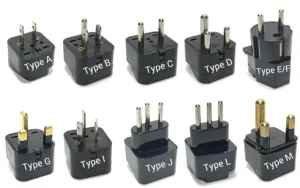
  • Plug Type: Type G (three rectangular pins in a triangular pattern, same as the UK)
  • Infrastructure: Brunei’s electrical infrastructure is standardized and reliable, making it straightforward for travelers to adapt with the correct plug adapter.

Device Compatibility and Power Requirements

Dual Voltage Devices

  • Most modern travel electronics (smartphones, tablets, laptops, cameras, power banks) are designed to be dual voltage (100–240V, 50/60Hz). These devices can be used in Brunei with just a plug adapter if your plug is not Type G.
  • How to check: Look for “Input: 100-240V, 50/60Hz” on your device or charger. If present, only a plug adapter is needed.

Single Voltage Devices

  • Some devices (especially older or less expensive ones, such as certain hair dryers, curling irons, or shavers) may only support a single voltage (e.g., 110V or 120V).
  • If your device is single voltage and not rated for 240V: You will need a voltage converter to safely use it in Brunei. Using a 110V-only device on 240V power without a converter can damage the device or cause safety hazards.

Frequency Considerations

  • Brunei’s frequency is 50Hz. Most modern electronics (especially those with switching power supplies, like phone and laptop chargers) are not affected by this. However, devices with motors or timing mechanisms (e.g., some clocks, electric shavers) may not function correctly if they are designed for 60Hz.

Plug Compatibility

  • Type G plug: Used in Brunei. If your device’s plug is not Type G, you will need a plug adapter.
  • Plug adapters: Only change the shape of the plug, not the voltage.

Necessary Adapters and Converters

Plug Adapters

  • Type G Plug Adapter: Essential for travelers whose devices do not have a Type G plug.
  • Universal Travel Adapter: Recommended for those visiting multiple countries.
  • Note: Adapters do not convert voltage. They only allow your plug to fit the socket.

Voltage Converters/Transformers

  • When Needed: For single-voltage devices (e.g., 110V-only hair dryers, shavers).
  • Converters: Suitable for short-duration, low-wattage devices.
  • Transformers: Needed for continuous use or higher-wattage devices.
  • Warning: High-wattage appliances may not work well with converters. Consider travel-specific dual voltage models.

USB Chargers and Power Strips

  • USB Travel Charger: Ideal for charging multiple devices. Ensure it has a Type G plug or bring an adapter.
  • Travel Power Strip: Useful for charging several devices from one outlet. Some offer built-in surge protection.

Power Solutions Specific to Cycling

Cycling travelers often face stretches without access to mains electricity, especially when camping or riding through rural areas. Here are the most effective solutions:

Power Banks

  • High-capacity power banks (20,000 mAh or higher) are essential for multi-day trips without reliable access to outlets.
  • Can be charged from solar, dynamo, or wall outlets in cafes/hotels.
  • Useful for charging devices overnight or during periods without sun or riding.

Solar Chargers

  • Foldable solar panels (15–28W) are popular for off-grid charging, especially in sunny weather.
  • Attach to your bike or set up at camp to charge power banks or devices directly.
  • Less effective in cloudy/rainy conditions or dense jungle.

Dynamo Hubs

  • Dynamo hubs generate power as you ride and are ideal for charging small devices (phones, GPS units, lights).
  • Require a USB converter and, ideally, a cache battery (power bank) to store energy.
  • Reliable in all weather, but installation requires a wheel rebuild.

Charging at Cafes, Hotels, and Public Places

  • Many travelers rely on charging devices at cafes, hotels, or by asking locals, especially in towns and cities.
  • Plan stops in bakeries/restaurants for charging, as facilities can be sparse between towns.

Integrated E-Bike Power Systems

  • Some modern e-bikes and accessory systems offer integrated solutions combining solar panels, inverters, and large batteries for high-power needs.
  • Suitable for extended off-grid adventures, but heavier and more expensive.

Recommendations for Cycling Travelers in Brunei

  • Bring a Type G plug adapter (or a universal adapter) for all your devices.
  • Check all device labels for dual voltage (100-240V, 50/60Hz). If not dual voltage, bring a voltage converter or use travel-specific dual voltage models.
  • Rely on power banks for charging on the go, especially during long rides or in rural areas.
  • Consider a dynamo hub if you plan extended or remote tours, and pair it with a buffer battery for best results.
  • Use a solar charger as a backup, especially for stationary charging during sunny breaks.
  • Plan charging stops at hotels, cafes, or guesthouses, which are generally clean and reliable in Brunei.
  • Carry a power strip if you have multiple devices, and consider one with surge protection.
  • Cable management and weatherproofing are important, secure cables and protect charging ports from rain.
  • Ask locals or join cycling groups for tips on bike-friendly stops and charging points.
  • Buy adapters and power solutions before your trip for better selection and pricing.

Final Tips

  • Most modern electronics only need a plug adapter in Brunei.
  • High-wattage appliances (hair dryers, etc.) are best left at home unless dual voltage.
  • Power banks, dynamo hubs, and solar chargers provide flexibility and security for cyclists.
  • Brunei’s infrastructure is reliable, but always plan ahead for remote sections.
  • Be respectful of local customs and the environment when seeking power solutions.
Currency Exchange

Currency Overview: The Brunei Dollar (BND)

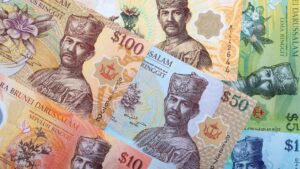
Brunei’s official currency is the Brunei Dollar (BND). The BND is pegged at par (1:1) with the Singapore Dollar (SGD), and both currencies are accepted interchangeably throughout Brunei due to a longstanding Currency Interchangeability Agreement.

Denominations

  • Banknotes: $1, $5, $10, $50, $100, $500, $1,000 (Commemorative: $20, $25, $50, $10,000, rare or discontinued but still legal tender)
  • Coins: 5, 10, 20, 50 cents (sen); 1 sen and $1 coin (rarely used, but still legal tender)

Design Features:

  • All current banknotes feature the portrait of Sultan Hassanal Bolkiah.
  • Notes are printed on polymer and include advanced security features such as see-through windows, raised printing, and UV images.

Currency Exchange Options in Brunei

Brunei offers several reliable options for exchanging currency and accessing cash. Here’s what you need to know:

1. Banks

  • Major banks (e.g., Baiduri Bank, BIBD, Bank of China) offer currency exchange at competitive rates.
  • Operating hours: Typically 9:00 AM to 4:00 PM on weekdays.
  • ID required: Bring your passport for transactions.
  • Best for: Security and exchanging larger amounts.

2. Licensed Money Changers

  • Widely available in Bandar Seri Begawan (the capital), shopping centers, and at the airport.
  • Examples: EzXchange, Zamada Money Changer, BruXchange.
  • Rates: Often better than hotels or airport counters, but always compare rates.
  • ID required: Passport or photo I.

3. ATMs

  • ATMs are common in cities and towns, less so in rural areas.
  • Cards accepted: Visa, Mastercard, Maestro, Plus, Cirrus.
  • Fees: Check with your home bank for international withdrawal fees.
  • Best for: Quick access to BND cash, especially if you have a card with low international fees.

4. Hotels and Airports

  • Offer currency exchange but at less favorable rates and higher fees.
  • Best for: Small, urgent amounts only.

5. Digital Alternatives

  • Services like Wise offer digital currency exchange and travel cards, often at mid-market rates with low fees.
  • Best for: Online payments, card spending, and avoiding traditional exchange fees.

Best Practices for Currency Exchange

  • Exchange in the city: Use banks or licensed money changers in Bandar Seri Begawan for the best rates.
  • Avoid airport/hotel exchanges for large amounts due to poor rates and higher fees.
  • Compare rates: Always check and compare rates between different providers.
  • Bring your passport: Required for most exchange transactions.
  • Use ATMs for local currency: Withdraw BND directly, and always opt to be charged in BND (not your home currency) to avoid unfavorable conversion rates.
  • Avoid unofficial vendors: Only use licensed money changers or banks to prevent scams and counterfeit currency.
  • Monitor exchange rates: Use apps or online tools to check current rates before exchanging.
  • Carry a mix of cash and cards: Especially important for rural travel where digital payments may not be accepted.

Safety Considerations for Cycling Travelers

Brunei is generally very safe, but standard precautions are still important:

  • Carry only what you need: Bring enough cash for daily expenses; keep the rest securely stored.
  • Distribute your valuables: Split cash and cards between your person, bike bags, and a hidden pouch.
  • Use small bills: For daily purchases, to avoid drawing attention.
  • Avoid public displays: Don’t count or display large amounts of cash in public.
  • Backup cards: Carry at least two cards (preferably from different networks) in separate locations.
  • Hotel safes: Use them for passports, backup cards, and extra cash.
  • Copies of documents: Keep digital and paper copies of your passport, cards, and emergency contacts.
  • Stay alert: Especially in crowded or unfamiliar areas, and ask locals about any areas to avoid after dark.
  • Secure your bike and bags: Lock your bike and secure bags when stopping, especially in public places.
  • Declaration requirement: If carrying BND 15,000 or more (or equivalent), you must declare it at the border.

Regional Considerations

Urban Areas (e.g., Bandar Seri Begawan)

  • Easy access to banks, money changers, and ATMs.
  • Both BND and SGD are widely accepted.
  • Electronic payments are more common.

Rural Areas

  • Limited access to currency exchange and ATMs.
  • Cash is essential, BND is universally accepted, SGD is generally accepted but not guaranteed everywhere.
  • Electronic payments are rare; plan ahead and carry enough cash for your journey.

Border Areas

  • Money changers are more common, and there may be more options for exchanging Malaysian Ringgit (MYR) due to cross-border trade and travel.

Recommendations for Cycling Travelers

  • Plan ahead: Obtain sufficient BND (and possibly SGD) cash before venturing into rural areas.
  • Use banks or licensed money changers in the capital for the best rates and reliability.
  • Carry a backup card and emergency cash in a hidden spot on your bike or person.
  • Track your expenses: Use budgeting apps to monitor spending and avoid overspending.
  • Set a daily budget: Helps control spending and reduces the risk of carrying too much cash.
  • Stay vigilant: Brunei is safe, but standard travel precautions still apply.
  • Exchange only what you need: Don’t carry excessive cash, and avoid exchanging large amounts at airports or hotels.
  • Use SGD as a backup: It is accepted at par with BND and can be useful if you run out of local currency.
  • Keep receipts and log expenses: This helps you stay on budget and track where you might be overspending.
  • Emergency fund: Always have a small emergency stash of cash hidden separately from your main funds.
Food & Water Quality

Food Safety Landscape in Brunei

Brunei has established a comprehensive and internationally aligned food safety regulatory framework. The country’s food safety is overseen by several key government agencies:

  • Ministry of Health (MOH): Central authority for food safety, responsible for policy implementation, regular inspections, laboratory testing, and risk management.
  • Brunei Darussalam Food Authority (BDFA): Handles food handler certification, import/export regulation, and collaborates with international agencies.
  • Brunei Darussalam National Accreditation Council (BDNAC): Accredits food testing laboratories to ensure international standards.
  • Ministry of Primary Resources and Tourism (MPRT): Oversees agriculture and fisheries, ensuring safe production and processing.
  • Halal Food Control Division: Ensures food products comply with Halal standards, which also include strict hygiene and safety requirements.

Key Features:

  • Regular inspections and laboratory testing of food establishments.
  • Mandatory Halal certification for most food businesses, adding an extra layer of safety.
  • Active participation in international food safety summits and cooperation with regional agencies.

Food Safety in Different Settings

Restaurants and Food Premises

  • Inspections: Restaurants and cafes are regularly inspected by MOH and BDFA for hygiene, food handling, and safety compliance. In 2022, 31% of inspected premises were found not satisfactory, indicating ongoing challenges and the need for continuous improvement.
  • Certifications: Many establishments pursue HACCP, ISO 22000, and GMP certifications to meet international standards and build consumer trust.

Food Processing and Manufacturing

  • Standards: Food manufacturers are encouraged or required to implement HACCP, ISO 22000, and GMP systems. These standards help control hazards and ensure consistent hygiene.
  • Laboratory Testing: Accredited labs test food samples for contaminants, ensuring product safety.

Street Food and Small Vendors

  • Hygiene Monitoring: Street vendors must comply with food safety regulations, though enforcement can be more challenging. Spot checks and hygiene training are provided by authorities .
  • Certification: While large-scale certifications may not be feasible, basic hygiene training and compliance with local guidelines are required.

Water Quality and Safety

Brunei has invested in modern water treatment infrastructure, and the government reports nearly 100% access to clean water. However, practical concerns remain for travelers.

Tap Water

  • Infrastructure: Six government-run and two private water treatment plants serve the country, with official reports of clean water access for all.
  • Risks: Despite treatment, tap water quality can degrade during distribution due to aging pipes and inconsistent maintenance. Risks include bacteria, parasites, viruses, and possible chemical contaminants.
  • Traveler Advisory: Tap water is not recommended for drinking by travelers. Most locals and visitors use bottled water for drinking and cooking.

Bottled Water

  • Availability: Bottled water is widely available, affordable, and the preferred choice for both locals and travelers.
  • Usage: Use bottled or filtered water for drinking, brushing teeth, and washing fruits/vegetables.

Boiling and Filtering

  • Boiling: Boiling tap water kills most pathogens but does not remove chemical contaminants. For best results, filter tap water before boiling.
  • Ice: Avoid ice unless you are certain it is made from purified water.

Other Uses

  • Showering and Washing Face: Generally safe, but avoid swallowing water.

Foodborne Illnesses and Regional Concerns

Brunei shares many food-borne illness risks with Southeast Asia, where the burden of food-borne diseases is high:

  • Common Pathogens: Campylobacter, Shigella, enterotoxigenic E. coli (ETEC), norovirus, and Listeria are prevalent, often linked to undercooked meats, contaminated water, and raw produce.
  • Vulnerable Groups: Children, the elderly, and immunocompromised individuals are at higher risk.
  • Acute Diarrhea: A major public health issue in the region, often caused by contaminated food or water.

Safety Tips & Precautions for Travelers

Food Safety Tips

  • Eat freshly cooked, piping hot food.
  • Avoid raw or undercooked meat, fish, seafood, and eggs.
  • Peel fruits and vegetables yourself. Avoid salads and cut fruit unless you are sure they were washed in safe water.
  • Consume only pasteurized dairy products.
  • Be cautious with street food: Choose vendors with high turnover and visible cleanliness; ensure food is cooked in front of you and served hot.

Water Safety Tips

  • Drink only bottled or boiled water. Always check the seal on bottled water.
  • Use bottled or boiled water for brushing teeth and washing food.
  • Avoid ice in drinks unless you are certain it is made from purified water.
  • Hot drinks (tea, coffee) are generally safe if made with boiling water and served hot.

Hand Hygiene

  • Wash hands frequently with soap and water, especially before eating and after using the toilet.
  • Use alcohol-based hand sanitizer when soap and water are not available.

Travelers’ Diarrhea Precautions

  • Bring oral rehydration salts and anti-diarrheal medication (not for children under 12 or if you have a high fever or bloody diarrhea).
  • Stay hydrated with safe fluids if you develop diarrhea or vomiting.

Vaccination and Disease Prevention

  • Recommended vaccines: Hepatitis A and typhoid for most travelers; ensure routine vaccinations are up to date.
  • Consider additional vaccines (hepatitis B, Japanese encephalitis, rabies) depending on activities and length of stay.

Other Precautions

  • Avoid bushmeat and wild game.
  • Be cautious with seafood: Only eat thoroughly cooked seafood from reputable sources.
  • Monitor local advisories for Red Tide or water contamination alerts.

Final Notes

  • Brunei’s food and water safety standards are high, but travelers should remain vigilant and follow standard precautions to avoid food- and water-borne illnesses.
  • Bottled water is the safest choice for drinking and food preparation.
  • Choose reputable food establishments and practice good hygiene at all times.
  • Stay informed about local advisories, especially regarding seafood and water quality.
What do the US Dept of State, US Embassy, and CDC say?

Check out the latest Travel Advisory to Brubei from the US Dept of State.  Contacts from all US Embassies in Brunei are listed on the website.  Use the Smart Traveler Enrollment Program (STEP) to inform them of your travels.

Read the Travel Health Notices & suggested vaccinations from the CDC

For the latest updates and resources, visit the U.S. Embassy in Brunei’s official website: U.S. Embassy & Consulates in Brunei

Supplement Your Health / Travel Insurance

General Insurance Requirements in Brunei

As of July 2025, all non-Bruneian residents and visitors must have valid medical insurance to enter Brunei. This insurance must:

  • Cover a minimum of 50,000 BND (approx. 37,000 USD) in medical expenses.
  • Be valid for the entire duration of your stay.
  • Be presented as proof upon entry; failure to do so may result in denial of entry or a shortened visa validity.
  • Health Declaration Card: All travelers must complete and submit a Health Declaration Card upon arrival.
  • Recommended Coverage: Your policy should include coverage for emergency medical care, hospitalization, COVID-19, and medical evacuation.

Specialized Insurance Options for Cyclists

Cyclists should consider insurance that goes beyond basic health coverage, protecting both themselves and their bicycles. Here are leading options:

1. Velosurance

  • Type: Standalone bicycle insurance (US-based, with worldwide coverage add-on)
  • Key Features:
    • Theft, accidental damage (including crash), and loss/damage in transit
    • Optional worldwide coverage (must be requested, includes Brunei)
    • Medical payments and third-party liability (optional)
    • No depreciation on claims; full value paid
    • Coverage for accessories and apparel
    • Permissive use (covers anyone you lend your bike to)
  • Limitations: Primarily for US residents. Worldwide coverage is an add-on and must be confirmed for Brunei
  • Official URL: velosurance.com

2. Sunday’s Insurance

  • Type: Standalone bicycle insurance (available in select countries, including the US, UK, and Australia)
  • Key Features:
    • Theft (at and away from home), accidental damage, and vandalism
    • Custom parts and accessories coverage
    • Emergency medical expenses (up to $1,000 for covered accidents)
    • Optional worldwide coverage (up to 90 days per trip and must be added)
    • Event/race coverage and entry fee reimbursement
    • Rental reimbursement if your bike is lost/damaged before a race
  • Limitations: Worldwide coverage is optional and limited to 90 days per trip. Check if your home country is supported and if Brunei is included
  • Official URL: sundaysinsurance.com

3. World Nomads

  • Type: Comprehensive travel insurance (global provider)
  • Key Features:
    • Emergency medical expenses, evacuation, and 24/7 assistance
    • Coverage for cycling and mountain biking (must be declared as an activity)
    • Gear coverage for loss, theft, or damage (including bicycles)
    • Trip cancellation/interruption coverage
    • Multiple plan levels (Standard, Explorer, Epic, Annual)
  • Limitations:
    • Not a standalone bike policy; activity restrictions may apply (e.g., racing may require higher-tier plans)
    • Must declare all cycling activities at purchase
  • Official URL: worldnomads.com

Other Insurance Options for Cycling Travelers

International Comparison Platforms

  • AARDY: aardy.com – Compare travel insurance plans for Brunei.
  • InsureMyTrip: insuremytrip.com – Compare multiple providers for Brunei.

Local Bruneian Insurance Providers

While Brunei has several established insurers, none currently offer dedicated cycling or bicycle insurance. However, they do provide general travel and health insurance, which may cover:

  • Medical expenses due to accidents (including cycling)
  • Personal accident coverage
  • Loss or theft of personal belongings (bicycles may be included as baggage, but with low limits and exclusions for sports equipment)

Major Local Insurers:

Note: Local policies typically do not cover accidental damage to the bicycle during use, theft outside of baggage scenarios, or cycling-specific liability. For comprehensive cycling coverage, international providers are recommended.


Key Considerations for Cycling Travelers

Cycling in Brunei presents unique risks and requirements that should shape your insurance choices:

  • Mandatory Health Insurance: Proof of medical insurance is required for entry, with a minimum coverage of 50,000 BND.
  • Theft and Security: High-value bikes are targets for theft. Ensure your policy covers theft both in transit and at your destination, and check for any security requirements (e.g., specific locks).
  • Accidents and Medical Emergencies: Unfamiliar roads, tropical weather, and local traffic patterns increase accident risk. Your insurance should cover emergency medical care, hospitalization, and evacuation.
  • Damage or Loss During Transit: Bicycles are at risk during flights and other transport. Choose a policy that covers loss or damage in transit and keep documentation for claims.
  • Personal Liability: Essential if you cause injury or property damage while cycling. Not all travel insurance includes this, verify before purchase.
  • Event Participation: If you plan to race or join organized events, ensure your policy covers competitive cycling, as many standard policies exclude this.
  • Trip Cancellation/Interruption: Look for coverage that reimburses non-refundable expenses if you must cancel or cut your trip short due to illness, injury, or other covered reasons.
  • Documentation: Keep receipts for your bike, accessories, and any repairs, as well as incident reports for claims.
  • Emergency Assistance: O pt for providers with 24/7 emergency support, ideally with local assistance in Brunei.
  • Policy Exclusions: Review exclusions, especially for adventure or off-road cycling, as some policies may not cover these activities.

Final Recommendations

  • Comply with Brunei’s mandatory health insurance requirement (minimum 50,000 BND coverage).
  • For comprehensive cycling protection, use international providers like Velosurance, Sundays Insurance, or World Nomads, and confirm that your policy covers Brunei and all planned cycling activities.
  • For basic travel and health coverage, local Bruneian insurers are suitable, but coverage for cycling-related incidents is limited.
  • Always read the policy wording and contact the insurer directly to clarify coverage for cycling, gear, and liability.
  • Keep all documentation (receipts, incident reports) to support any insurance claims.
How to Stay Safe

Road Safety & Traffic Conditions

  • Road Regulations: Brunei enforces strict road safety regulations. Cyclists must ride on the left side of the road, use hand signals when turning or stopping, and are required to use lights at night. Wearing a helmet is mandatory.
  • Traffic Conditions: Brunei’s roads are generally well-maintained, with a relatively low road fatality rate (5.8 per 100,000 in 2014), but vigilance is still necessary. Traffic congestion is less severe than in neighboring countries, but single-lane village roads can be narrow and challenging for cyclists, especially during peak hours.
  • Cycling Infrastructure: While road infrastructure has improved, dedicated cycling lanes are limited. Cyclists should be cautious, especially in areas with heavy vehicle traffic or limited overtaking space.
  • Practical Tips:
    • Avoid cycling during peak traffic hours.
    • Ride single file or in small groups to minimize disruption and risk.
    • Always obey traffic signals and use hand signals for turns.
    • Be extra cautious in village areas and on roads with limited visibility.

Safety Equipment and Bicycle Maintenance

Essential Equipment:

  • Helmet: Well-ventilated and certified for safety.
  • Gloves: For grip and hand protection.
  • Reflective Clothing: High-visibility vests or bands, especially for low-light or rainy conditions.
  • Lights: Front white and rear red lights are required, even during the day in poor weather.
  • Sunglasses: For UV protection and debris.
  • Rain Gear: Lightweight, breathable rain jackets and waterproof shoe covers.
  • Bell or Horn: For alerting pedestrians and other road users.

Bicycle Features:

  • Reflectors: On front, rear, pedals, and wheels.
  • Mudguards: To protect against water and mud.
  • Puncture-resistant Tires: With good tread for mixed terrain.

Maintenance:

  • Clean your bike regularly to prevent rust, especially after rain.
  • Use wet-condition chain lubricant and check tire pressure before every ride.
  • Inspect brake pads and cables frequently, as wet conditions accelerate wear.
  • Store your bike in a dry, sheltered place.

Health & Medical Precautions

  • Heat and Hydration: Brunei’s tropical climate means high temperatures and humidity year-round. Dehydration, heat exhaustion, and heatstroke are risks. Carry plenty of water, use sunscreen, and avoid riding during midday heat.
  • Mosquito Protection: Use insect repellent and wear long sleeves/pants in rural or forested areas to prevent mosquito-borne diseases like dengue.
  • First Aid: Carry a basic first aid kit with bandages, antiseptic, and personal medications.
  • Vaccinations: Ensure routine vaccinations are up to date. Consider hepatitis A/B, typhoid, and Japanese encephalitis if traveling to rural areas.
  • Medical Facilities: Modern hospitals and clinics are available in urban areas. Emergency services can be reached at 991 (ambulance) and 993 (police). In rural areas, access may be limited, so plan accordingly.
  • Insurance: Comprehensive travel and health insurance that covers cycling-related injuries and medical evacuation is strongly recommended.

Seasonal Considerations

  • Wet Season (Oct–Jan): Heavy rainfall, thunderstorms, and flooding are common. Roads can be slippery, visibility is reduced, and sudden storms may occur. Use mudguards, waterproof gear, and ensure your lights are functional.
  • Dry Season (Feb–Apr): Less rain but high temperatures and humidity. Risk of dehydration and sunburn increases. Hydrate well and use sun protection.
  • Transitional Periods (May–Sep): Variable weather. Be prepared for sudden changes and occasional heavy showers.
  • General Tips:
    • Monitor weather forecasts before rides.
    • Plan for shelter in case of storms.
    • Maintain your bike more frequently during wet periods to prevent rust and wear.

Cultural Awareness & Local Customs

  • Dress Modestly: Brunei is a conservative Muslim country. Both men and women should cover shoulders and knees. Avoid revealing cycling attire, especially in rural or religious areas.
  • Ramadan & Religious Events: During Ramadan, avoid eating, drinking, or smoking in public during daylight hours. Many businesses close for Friday prayers. Plan your rides and stops accordingly.
  • Alcohol: Public consumption is illegal. Non-Muslims may consume alcohol privately, but never in public spaces.
  • Respect for Religious Sites: Dress modestly when visiting mosques, remove shoes before entering, and maintain a respectful demeanor.
  • Social Etiquette: Use traditional greetings, avoid public displays of affection, and always ask permission before photographing people or religious sites.
  • Gender Considerations: Solo female cyclists should be especially mindful of dress codes and may prefer to cycle in groups for comfort and security.

Crime Prevention & Personal Safety

  • Low Crime Rate: Brunei is one of the safest countries in Asia, with very low rates of violent and petty crime. However, petty theft and house burglaries do occur, so standard precautions are advised.
  • Personal Security:
    • Keep valuables secure and avoid leaving belongings unattended.
    • Be vigilant in crowded areas and tourist spots.
    • Lock your bike when unattended.
  • Wildlife Risks: Be cautious near rivers and forests due to the presence of crocodiles and snakes. Avoid cycling alone in remote areas and heed local wildlife warnings.
  • Cybercrime: Use strong passwords and be wary of online scams, especially when using public WiFi.
  • Emergency Numbers: Ambulance (991), Police (993), Fire (995).

Insurance & Legal Considerations

  • Bicycle Insurance: Optional but available (e.g., Takaful Brunei’s “All Risk for Bicycle Takaful” covers theft, damage, and fire) .
  • Medical Insurance: Required for visa holders and strongly recommended for all cyclists. Ensure your policy covers cycling-related injuries and medical evacuation.
  • Legal Requirements:
    • Helmet use is mandatory.
    • Use lights at night.
    • Ride on the left, use hand signals, and do not tow bicycles or carry more than one person unless the bike is designed for it.
    • No specific third-party liability insurance is required for cyclists, but personal accident or liability coverage is recommended.
  • Emergency Services: Modern hospitals in urban areas; limited access in rural regions. Know the location of nearby medical facilities and carry a first aid kit.

Practical Safety Tips for Cyclists

  • Avoid Peak Traffic: Cycle outside of rush hours to reduce risk from traffic congestion and narrow roads.
  • Ride Single File: Especially on narrow or busy roads, to minimize disruption and risk.
  • Join Local Groups: Local cycling communities (e.g., Cycling Nation, Amori, BDCF) offer safety in numbers, local knowledge, and organized events.
  • Plan Your Route: Use local advice and online resources to find the safest and most scenic routes. Avoid flood-prone or poorly lit areas.
  • Hydrate and Rest: Carry enough water, take breaks in shaded or air-conditioned places, and avoid riding during the hottest part of the day.
  • Prepare for Rain: Always carry a lightweight rain jacket and be cautious on wet roads.
  • Carry Identification: Have your ID, emergency contact information, and insurance details with you.
  • First Aid and Tools: Bring a basic first aid kit and essential bike repair tools.
  • Respect Local Customs: Dress modestly, be polite, and observe local etiquette, especially during religious events and in rural areas.
  • Stay Informed: Monitor weather and health advisories, and keep up to date with local news and cycling forums for any safety alerts.
Essential Apps

Essential Navigation & Cycling Apps

1. Komoot

  • Why: Best for route planning, turn-by-turn navigation, and offline maps—crucial for Brunei’s mix of urban and rural cycling.
  • Android | iOS

2. Strava

  • Why: Popular for GPS ride tracking, performance analytics, and connecting with the global and local cycling community.
  • Android | iOS

3. Ride with GPS

  • Why: Advanced route planning, offline navigation, and community features; great for both road and off-road cycling.
  • Android | iOS

4. Bikemap

  • Why: Discover and share cycling routes, with offline navigation and points of interest.
  • Android | iOS

Weather Apps

5. Brunei WX

  • Why: The official Brunei weather app, providing highly localized forecasts, weather alerts, radar, and tide information.
  • Android | iOS

6. AccuWeather

  • Why: Accurate global and local forecasts, severe weather alerts, and radar—helpful for planning rides in Brunei’s tropical climate.
  • Android | iOS

Safety & Emergency Apps

7. bSafe

  • Why: Personal safety app for sharing your location and sending SOS alerts to emergency contacts.
  • Android | iOS

8. Life360

  • Why: Family and group location sharing, emergency alerts, and crash detection.
  • Android | iOS

Local Transportation & Services

9. DART

  • Why: Brunei’s main ride-hailing app, useful for getting around when not cycling or in case of emergencies.
  • Android | iOS

10. Grab

  • Why: Regional app for ride-hailing, food delivery, and groceries—widely used in Brunei.
  • Android | iOS

Food Delivery

11. GoMamam

  • Why: Leading local food delivery app, convenient for ordering meals after a long ride.
  • Android

Translation & Communication

12. Google Translate

  • Why: Supports Malay, English, Chinese, and more; offers offline translation, voice, and camera features.
  • Android | iOS

13. Microsoft Translator

  • Why: Another reliable translation app with offline support and conversation mode.
  • Android | iOS

Accommodation & Travel Booking

14. Agoda

  • Why: Best for booking hotels and accommodations in Brunei.
  • Android | iOS

15. Booking.com

  • Why: Another top choice for finding and booking places to stay.
  • Android | iOS

Maintenance & Repairs

16. Hubtiger

  • Why: Maintenance tracking, service reminders, and integration with bike shops.
  • Android | iOS

Final Tips

  • Download offline maps and translation packs before you travel to ensure access in areas with poor connectivity.
  • Join local cycling groups on Strava or Facebook for route tips and community support.
  • Set up emergency contacts in your safety apps before heading out on rides.
  • Check weather conditions daily, Brunei’s tropical climate can change quickly.

Resources

How to learn the local language FAST!

Must-Know Malay Words and Phrases

Before arriving in Brunei, familiarize yourself with these essential words and phrases to handle greetings, directions, shopping, dining, and emergencies:

Greetings & Polite Expressions

  • Hello / Hi: Hai
  • Good morning: Selamat pagi
  • Good afternoon: Selamat petang
  • Good evening: Selamat malam
  • Welcome: Selamat datang
  • Goodbye: Selamat tinggal / Selamat jalan
  • Thank you: Terima kasih
  • You’re welcome: Sama-sama
  • Please: Sila / Tolong
  • Excuse me / Sorry: Maaf

Basic Conversation

  • Yes: Ya
  • No: Tidak
  • Maybe: Mungkin
  • I don’t understand: Saya tidak faham
  • Do you speak English?: Bolehkah anda berbahasa Inggeris?
  • My name is…: Nama saya…
  • What is your name?: Siapa nama anda?

Essential Questions

  • Where is the bathroom?: Di mana tandas?
  • How much is this?: Berapa harga ini?
  • Where is…?: Di mana…?
  • Can you help me?: Boleh tolong saya?

Useful Travel Phrases

  • I need a doctor: Saya perlukan doktor
  • I am lost: Saya sesat
  • I am a tourist: Saya pelancong
  • I don’t speak Malay: Saya tidak boleh cakap Melayu

Numbers (1-5)

  • One: Satu
  • Two: Dua
  • Three: Tiga
  • Four: Empat
  • Five: Lima

Food & Dining

  • Have you eaten?: Sudah makan? (common greeting)
  • I am vegetarian: Saya vegetarian
  • No spicy: Tidak pedas

Emergency

  • Help!: Tolong!
  • Call the police!: Panggil polis!

Mobile Apps for Learning Malay

Leverage these top-rated apps to learn Malay on the go, with features ranging from gamified lessons to real-life conversation practice:

  • Talkpal: Immersive, social, and AI-powered for reading, listening, and speaking
  • Duolingo: Gamified, bite-sized lessons for beginners
  • Memrise
    • Contextual vocabulary, spaced repetition, real-life video examples
    • Android | iOS
  • Vocly: Vocabulary builder with topic-based learning
  • BNR Languages (Learn Malay – Beginners): Simple, practical, self-paced for absolute beginners
  • Nemo: Malay: Personalized practice, progress tracking
  • Learn Malay Speak & Listen: AI speech recognition, conversation videos

Online Resources & Tools

Explore these websites and platforms for structured lessons, vocabulary, grammar, and real-life practice:

  • MalayPod101: Audio/video lessons, vocabulary lists, and cultural notes (Website)
  • LingoHut: 125+ free online Malay lessons (Website)
  • Malay 101: Structured online lessons (Website)
  • Learn Malay Online: Lessons, vocabulary, and exercises (Website)
  • HelloTalk: Language exchange with native speakers (Website)
  • iTalki: Find Malay tutors for live lessons (Website)
  • Forvo: Hear native pronunciation of Malay words (Website)
  • Omniglot: Malay writing, phrases, and background (Website)
  • Podcasts: “Learn Malay with Mingo Space” for listening practice
  • YouTube: Search for “Learn Malay” channels for video lessons

Language Courses for Malay

If you prefer structured courses, consider these options:

  • Cudoo: Online Malay courses for all levels (Website)
  • Udemy: Malay language courses, including beginner speaking courses (Website)
  • Mango Languages: Malay course, often free via libraries (Website)
  • LingoDeer: Step-by-step lessons with grammar focus (Website)
  • Hilokal: Free lessons and community-created materials (Website)
  • Language Trainers: Online and face-to-face Malay courses with native tutors (Website)
  • FutureLearn: Online Malay language and culture course (Website)

Effective Methods & Steps to Learn Basic Malay in 30 Days

A focused, step-by-step plan is key to rapid language acquisition. Here’s a proven 30-day strategy:

Week 1: Build the Foundation

  • Learn the Malay alphabet and pronunciation (Latin script, phonetic)
  • Master basic grammar (simple sentence structure, no verb conjugations)
  • Memorize essential vocabulary (greetings, numbers, days)
  • Practice daily for 1–2 hours

Week 2: Everyday Phrases & Thematic Vocabulary

  • Practice common dialogues (greetings, directions, ordering food)
  • Expand vocabulary (family, shopping, travel)
  • Use language apps for interactive practice
  • Listen to Malay podcasts or songs for immersion

Week 3: Intermediate Grammar & Conversation

  • Learn sentence connectors and particles
  • Practice role-playing real-life scenarios (shopping, emergencies)
  • Write short texts or diary entries in Malay

Week 4: Fluency & Cultural Immersion

  • Engage in advanced conversations (opinions, experiences)
  • Watch Malay movies or TV shows for listening and cultural context
  • Speak daily with language partners or via exchange apps
  • Review and self-assess with quizzes and exercises

Key Strategies

  • Consistency: Practice every day, even if only 30–60 minutes
  • Active Usage: Speak, write, and think in Malay as much as possible
  • Immersion: Surround yourself with Malay media and real-life practice
  • Use Technology: Leverage apps with speech recognition and conversation features
  • Self-Assessment: Regularly test your knowledge and review weak areas

Final Tips

  • Start with the essentials: Focus on the most useful words and phrases for travel.
  • Practice speaking aloud: Even if alone, to build confidence and muscle memory.
  • Engage with locals: Use your Malay in real situations for rapid improvement.
  • Mix resources: Combine apps, online lessons, and real-life practice for best results.
  • Stay motivated: Set daily goals and track your progress.

Travel Influencers in Brunei

1. Thanis Lim

  • Summary: Thanis Lim, a Gourmand Award winner, explores Brunei’s culinary and cultural gems, hosting ‘Taste of Brunei’ to highlight hidden travel spots.
  • Instagram:@thanislim

2. Maurina Abdul Hamid

  • Summary: Maurina Abdul Hamid combines humor and family-oriented travel content, promoting sustainable exploration and local food experiences in Brunei.
  • Instagram:@maurina

3. Kurapak

  • Summary: Kurapak captivates audiences with humorous travel and food reviews, uncovering Brunei’s districts and hidden gems through engaging content.
  • Instagram: @kurapak

Cycling Blogs and Resources in Brunei

1. Cycloscope – Backpacking Brunei by Bicycle

  • Summary: Cycloscope chronicles a 318km bicycle tour across Brunei’s Sultanate and borders with Malaysia, sharing practical tips, photos, and cultural insights for independent cyclists exploring Borneo’s diverse landscapes.
  • Website: cycloscope.net

2. Worldbiking.info – Top 5 Reasons to Cycle Brunei

  • Summary: This guest post by cyclist Salva Rodriguez highlights compelling reasons to bicycle tour Brunei, including its visa-free access, friendly locals, and position as a Borneo connector, with personal anecdotes and route ideas.
  • Website: worldbiking.info

3. Expat Focus – Cycling in Brunei

  • Summary: Expat Focus provides a comprehensive guide to recreational cycling in Brunei, covering safe routes, infrastructure improvements, bike-friendly roads, and popular events like the Borneo International Marathon to help newcomers get started.
  • Website: expatfocus.com

Travel Blogs and Resources in Brunei

1. Abode of Peace – Brunei Tourism Official Site

  • Summary: The official tourism portal of Brunei Darussalam showcases the nation’s rainforests, mosques, and cultural heritage, offering itineraries, accommodation guides, and practical travel advice for immersive experiences in the Abode of Peace.
  • Website: bruneitourism.com

2. Tourism and Development Department

  • Summary: Brunei’s government ministry website details tourism policies, development initiatives, and resources for sustainable travel, including event calendars, eco-tourism projects, and visitor guidelines to promote responsible exploration.
  • Website: tourism.gov.bn

3. We Will Nomad – Brunei Travel Guide 2025

  • Summary: A comprehensive nomad-focused guide to Brunei covering best times to visit, hidden gems, costs, health tips, and activity recommendations like river cruises and wildlife spotting for budget-conscious long-term travelers.
  • Website: wewillnomad.com

4. Backpacksters – Brunei Travel Guide

  • Summary: Backpacksters offers budget-friendly itineraries and practical advice for independent travelers in Brunei, emphasizing affordable transport, hidden spots, and cultural etiquette for off-the-beaten-path adventures on Borneo.
  • Website: backpacksters.com

5. GlobeTrove – Travel in Brunei: Everything You Should Know

  • Summary: Drawing from three months of living in Brunei, this blog provides in-depth tips on attractions, daily life, conservative customs, and unique experiences like rainforest treks to help visitors navigate the lesser-explored sultanate.
  • Website: globetrove.com

6. Never Ending Footsteps – Is Brunei Worth Visiting?

  • Summary: A contrarian travel perspective on Brunei’s appeal, sharing honest experiences of mosques, villages, and rainforests to challenge the “boring” stereotype and inspire curious travelers to uncover its serene charm.
  • Website: https://www.neverendingfootsteps.com/brunei-worth-visiting/

7. Goats On The Road – Brunei Travel Guide

  • Summary: This off-track guide explores Brunei’s magic beyond quick stopovers, featuring golden pagodas, national forests, and local cuisine recommendations for open-minded adventurers crossing Indonesian Borneo.
  • Website: goatsontheroad.com

8. Detourista – Brunei Travel Guide + 2024 Blog

  • Summary: Detourista curates beautiful destinations in Brunei with top things to do, must-see spots, and travel goal-oriented itineraries, inspiring Southeast Asian trips with a focus on the nation’s wealthy yet serene vibe.
  • Website: detourista.com

9. Jabatan Daerah Brunei dan Muara (Brunei-Muara District Office) 

  • Summary: Official district-administration site under the Ministry of Home Affairs — helpful for administrative info, local government contacts, villages/mukims list, and local governance, which could matter if you plan rural or long-distance cycling through less-touristed areas.
  • Website: BruneiMuara.gov.bn
Cycling and Travel Brands in the country

Cycling Products and Businesses in Brunei

  1. Cycle Nation
  • Summary: Cycle Nation is a comprehensive bicycle retailer and service center in Bandar Seri Begawan, stocking Trek, Shimano, and Garmin products while offering maintenance, components, and accessories tailored for touring cyclists exploring Brunei’s routes.
  • Instagram:@cyclenationbn

Travel Products and Businesses in Brunei

1. GL Extra Enterprise

  • Summary: GL Extra Enterprise operates as Brunei’s top outdoor and adventure store, supplying lightweight travel gear, backpacks, hydration systems, and camping essentials ideal for cyclists combining rides with multi-day explorations.
  • Website: glextra.com

Hop on your bike and join the adventure with Cycle Travel Club's thrilling hosted tours throughout the year!

  • Cycle The Myth: Peloponnese, Greece

    From$2,600
    Availability : July 30 - Aug 15, 2025
    Delhi, Manali to Leh, India
    Experience the bustling chaos and historic majesty of Delhi’s ancient streets before embarking on one of the world’s most epicView Tour
  • Golden Triangle + Himalayan Cycling Adventure

    From$2,600
    Availability : July 30 - Aug 15, 2025
    Delhi, Manali to Leh, India
    Experience the bustling chaos and historic majesty of Delhi’s ancient streets before embarking on one of the world’s most epicView Tour
  • Munnar, India

    Kerala Spice Trail Cycling Tour

    From$1,750
    Availability : January 15 - 25, 2026
    Kerala, India
    Kerala, aka “God’s Own Country”, is known for stunning landscapes, serene backwaters, vibrant culture, & diverse cycling routes through tropicalView Tour
Pedal Deeper into Adventure
Read more about epic Destinations here....

Join the Cycle Travel Club!

Proceed Booking