Cycle Travel Club

Chittagong Hill Tracts (CHT)

Pedal through the misty heights of Nilgiri and Chimbuk Hills, cruise past the shimmering expanse of Kaptai Lake, and wind your way into colorful tribal villages, cycling the Chittagong Hill Tracts is an exhilarating journey where every turn reveals breathtaking vistas, cascading waterfalls, and the rich tapestry of indigenous culture. From the iconic Hanging Bridge in Rangamati to the sacred peaksde side by side!

At A Glance

ā˜…ā˜…ā˜…ā˜…ā˜… BANDARBAN The undisputed champion of cycling in Bangladesh! Tackle the legendary Bandarban to Thanchi route, an 80–85 km rollercoaster of steep climbs, hairpin turns, and thrilling descents that will test your mettle and reward you with jaw-dropping views. Cruise through Marma, Mru, and Chakma villages, then climb to Nilgiri and Chimbuk Hills for sunrise vistas above the clouds. Don’t miss the Golden Temple’s Burmese spires or the mystical blue waters of Boga Lake. This is advanced, high-adrenaline terrain, best enjoyed November to March when the air is crisp and the scenery is at its most spectacular.


ā˜…ā˜…ā˜…ā˜…ā˜† RANGAMATI Welcome to the ā€œCity of Lakes,ā€ where cycling meets serenity! Rangamati’s unique blend of ferry crossings and rolling lakeside roads around the vast Kaptai Lake makes every ride an adventure. Pedal the smooth new perimeter roads for panoramic water views, then challenge yourself on the Rangamati to Bandarban route through lush forests and bustling tribal markets. Snap a selfie on the iconic Hanging Bridge, cool off at Shuvolong Waterfall, and soak up the local culture at Buddhist monasteries and floating restaurants. Moderate terrain and vibrant culture make this a top pick for cyclists seeking both challenge and charm, especially from October to February.


ā˜…ā˜…ā˜…ā˜…ā˜† KHAGRACHHARI For those who crave the road less traveled, Khagrachhari is your hidden gem! Wind your way up from Chittagong through fresh mountain air and tranquil hills, then take on the climb to Mathai Pukuri, a high-altitude lake perched 500 meters above the ground. Explore the mysterious Alutila Cave and ride through untouched forests where time slows to bicycle pace. Meet Chakma, Marma, and Tripura communities, and discover the royal Mong Rajbari. With terrain ranging from rolling hills to technical climbs, Khagrachhari is perfect for cyclists seeking solitude, natural beauty, and authentic cultural encounters, best visited November to March.


ā˜…ā˜…ā˜…ā˜†ā˜† NILGIRI & CHIMBUK HILLS Ready to cycle above the clouds? Nilgiri and Chimbuk Hills, within Bandarban, are bucket-list climbs for serious cyclists. Zigzag up dramatic mountain roads, conquer steep gradients, and be rewarded with misty vistas and magical sunrises. Chimbuk’s 2,000-foot elevation offers 360-degree panoramas stretching to the Myanmar border, while Nilgiri’s cloud forests make every ride an adventure in changing weather.


ā˜…ā˜…ā˜†ā˜†ā˜† BOGA LAKE For the ultimate off-the-grid cycling challenge, set your sights on Boga Lake! This remote highland lake is accessible only via technical forest tracks and river crossings—perfect for extreme adventurers. The journey is as epic as the destination, with pristine waters and mountain views awaiting those who make the trek. Bring a local guide, pack your camping gear, and prepare for a cycling story few can match!

Watch

Photos

Plan

Geography of the Region?

Location & Boundaries

The Chittagong Hill Tracts are a distinct region in southeastern Bangladesh, known for their strategic borders and unique administrative divisions. Understanding the region’s location and boundaries is crucial for route planning and travel logistics.

  • The CHT is situated in the southeast of Bangladesh, within the Chittagong Division.
  • Geographical coordinates span from 21°25′N to 23°45′N latitude and 91°54′E to 92°50′E longitude.
  • The area covers approximately 13,200 square kilometers, about 10% of Bangladesh’s land area.
  • Administratively, the region is divided into three districts: Bandarban, Rangamati, and Khagrachhari.
  • The CHT shares international borders with India (Tripura and Mizoram) to the north and northeast, and Myanmar (Rakhine and Chin States) to the east and southeast.
  • To the west, it is bordered by Chattogram (Chittagong) and Cox’s Bazar districts.
  • Main access routes include highways from Chattogram city, with a major border road project improving connectivity as of 2024–2025.

Topography & Terrain

The CHT is renowned for its dramatic topography, featuring Bangladesh’s highest peaks and most rugged landscapes. Cyclists should be prepared for significant elevation changes and challenging terrain.

  • The region is defined by parallel north-south hill ranges, steep ridges, and deep, narrow valleys.
  • Elevations range from about 200 meters in the valleys to over 1,050 meters at the highest peaks.
  • Notable peaks include Saka Haphong (1,052 m, Bandarban), Keokradong (986 m, Bandarban), Dumlong (1,010 m, Rangamati), and Zow Tlang (1,022 m, Bandarban).
  • The landscape features steep slopes, often exceeding 30 degrees, and is dissected by major rivers such as the Karnaphuli, Sangu, and Matamuhuri.
  • Terrain difficulty varies by district: Bandarban is the most mountainous and challenging, Rangamati offers a mix of high peaks and valleys, while Khagrachhari has more accessible hills and gentler slopes.
  • Road gradients can be steep, especially on rural and off-road trails, making mountain or trekking bikes essential for most routes.

Climate & Best Cycling Seasons

Weather conditions in the CHT are a major factor for cycling, with distinct wet and dry seasons affecting road safety and comfort. Knowing the seasonal climate patterns will help you plan the best time for your adventure.

  • The region experiences a tropical monsoon climate, with high annual rainfall and consistently warm temperatures.
  • The dry season (November–March) offers the best cycling conditions, with average temperatures between 15°C and 29°C, lower humidity, and minimal rainfall.
  • The pre-monsoon period (April–May) brings rising temperatures (often above 32°C) and increasing humidity.
  • The monsoon season (June–September) is marked by heavy rainfall (400–568 mm/month), frequent landslides, flash floods, and hazardous road conditions—cycling is strongly discouraged during this time.
  • Post-monsoon (October) sees gradually decreasing rainfall and temperatures, but occasional heavy showers may still occur.
  • High humidity is present year-round, but is most oppressive during the monsoon and pre-monsoon periods.
  • Always check local weather forecasts before setting out, especially during transitional months.

Cycling Infrastructure

Cycling infrastructure in the CHT is developing, with a mix of paved highways and challenging off-road trails. Being aware of road conditions, support services, and bike suitability is essential for a safe and enjoyable trip.

  • Main highways connecting Chattogram to the CHT district centers are paved and generally in fair to good condition, but often lack shoulders and can have significant traffic.
  • Less than 5% of roads in the region are paved. Most rural and hill roads are unpaved, gravel, or basic tracks, which can deteriorate rapidly during the monsoon.
  • Bike rental services are limited within the CHT. Most options are found in Chattogram city or through cycling tour operators.
  • Repair services are scarce outside major towns, so cyclists should be self-sufficient and carry essential tools and spares.
  • Guided cycling tours are available and recommended for those unfamiliar with the region, as they provide logistical support, local guides, and help with permits.
  • Recent infrastructure projects have improved some feeder and village access roads, but the majority of routes remain challenging and best suited for mountain or trekking bikes.

Key Geographical Features & Cycling Attractions

The CHT is home to some of Bangladesh’s most stunning natural and cultural attractions, many of which are accessible by bike. Knowing the highlights and their cycling accessibility will help you plan memorable routes.

  • Nilgiri Hills:Ā A steep, winding, mostly paved climb from Bandarban (about 46 km), offering panoramic views and a cool climate. Suitable for experienced cyclists.
  • Chimbuk Hill:Ā Located 14 km from Bandarban, this iconic peak is reached via a narrow, winding, paved road, passing through tribal villages and offering spectacular vistas.
  • Sajek Valley:Ā Accessed from Khagrachhari via a mix of paved and unpaved roads with steep ascents; best for mountain bikes and experienced riders.
  • Kaptai Lake:Ā The largest artificial lake in Bangladesh, surrounded by rolling hills and accessible via gently undulating, mostly paved lakeside roads around Rangamati.
  • Waterfalls (Shoilo Propat, Nafakhum, Amiakhum):Ā Some are accessible by bike and short hikes, while others require off-road cycling and trekking.
  • Tribal Villages:Ā Many are located along main cycling routes, offering cultural immersion and opportunities to interact with indigenous communities.
  • Tea Gardens:Ā Found mainly in Khagrachhari, these offer gentle terrain and scenic rides, ideal for leisurely cycling.
  • Scenic Viewpoints (Nilachal, Meghla):Ā Short, steep climbs from nearby towns, perfect for sunrise or sunset rides.

Practical Considerations for Cyclists

Traveling in the CHT requires careful preparation, especially regarding permits, safety, accommodation, and cultural respect. Here’s what you need to know before your journey.

  • Foreign travelers must obtain special permits for each district, applied for in advance through the Deputy Commissioner’s office in Chattogram or via approved travel agencies.
  • Permits and identification are checked at multiple military and police checkpoints; always carry these documents.
  • Security concerns exist, including sporadic violence and ethnic tensions. Register with your embassy, avoid traveling alone, and comply fully with security personnel.
  • Accommodation is concentrated in main towns, with options including hotels, government motels, eco-resorts, and guesthouses. Remote areas have limited facilities, so plan overnight stops carefully.
  • Food and bottled water are available in towns, but supplies are scarce in rural areas, stock up before heading out.
  • Medical facilities are basic and limited to main towns; carry a first aid kit and ensure your travel insurance covers medical evacuation.
  • Respect local customs, dress modestly, and always ask permission before photographing people or entering villages. Use local guides for cultural interpretation and navigation.

Additional Tips & Seasonal Accessibility

A few final tips will help you make the most of your cycling adventure in the CHT, ensuring safety and cultural sensitivity.

  • Avoid cycling during the monsoon season (June–September) due to landslides, flooding, and impassable roads.
  • The dry season (November–March) is ideal for cycling, with cooler temperatures and better road conditions.
  • Emergency services are limited in remote areas; have a contingency plan and know the location of the nearest hospital.
  • Bring sufficient cash, as ATMs and Wi-Fi are unreliable outside main towns, and use a local SIM card for communication.
  • Environmental respect is crucial, do not litter and follow Leave No Trace principles.

What are the Roads like? Road rules?

Cycling Infrastructure & Road Types

Road Network

  • Main Roads: A few paved (metalled) roads connect major towns (Bandarban, Rangamati, Khagrachari) to Chattogram city. These main roads are narrow, winding, and traverse steep terrain, often with limited or no shoulders.
  • Local Roads: The majority are unpaved, earthen, or gravel roads, especially in rural and remote areas. Many routes are basic, with uneven surfaces, potholes, and sections that become muddy or impassable during the monsoon.
  • Road Classifications: National highways (rare in CHT), regional highways, district roads, upazila (sub-district) roads, and union/village roads. Most roads in the CHT are local (union/upazila) roads, not built to high engineering standards.

Cycling Infrastructure

  • No dedicated cycling lanes or bike pathsĀ exist in the Chittagong Hill Tracts.
  • Cyclists must share the road with motor vehicles, buses, rickshaws, and pedestrians.
  • Road shoulders are often absent, and traffic can be unpredictable.

Road Conditions

Surface Quality:

  • Less than 5% of roads in the CHT are paved; most are unpaved and susceptible to rapid deterioration.
  • Paved segments are generally limited to main access roads and some recently upgraded stretches.

Seasonal Impacts:

  • Monsoon (June–October):Ā Roads are frequently damaged by heavy rain, flooding, and landslides, leading to closures and hazardous conditions.
  • Dry Season (November–March):Ā Road conditions are more stable, but residual damage from the monsoon may persist.

Maintenance:

  • Ongoing road construction and repair projects exist, but progress is slow due to terrain and weather.
  • Remote areas often have poor or no maintenance, with rough tracks and frequent obstacles.

Cycling Rules & Regulations

Traffic Laws:

  • Cyclists must obey all standard road rules under the Road Transport Act 2018, including riding on the correct side and following traffic signals.
  • No specific cycling laws or infrastructure; cyclists are treated as regular road users.

Permits:

  • Foreign travelers must obtain a special permitĀ to enter the CHT, regardless of travel mode.
  • Permits are checked at military and police checkpoints; some areas may be off-limits even with a permit.

Helmet and Equipment:

  • No legal requirement for cyclists to wear helmets, but helmet use is strongly recommended.
  • No official requirements for lights or reflective gear, but these are advisable due to poor lighting and mixed traffic.

Unique Features & Challenges

Terrain & Geography

Steep Gradients:

  • Expect frequent, strenuous climbs and descents, with elevation changes from 80 to nearly 1,000 meters.
  • Roads are often winding, with sharp turns and switchbacks.

Remote and Isolated Areas:

  • Many scenic spots and villages are accessible only via rough tracks or require short hikes.
  • Limited access to repair shops, medical facilities, and reliable communication.

Cultural and Logistical Considerations

Indigenous Communities:

  • The region is home to over 50 indigenous groups with distinct languages and customs.
  • Always seek permission before photographing people or villages, and travel with a local guide for cultural sensitivity and safety.

Checkpoints and Security:

  • Numerous military and police checkpoints; compliance with all instructions is mandatory.
  • Some tribal areas and border zones are restricted or require additional permissions.

Language Barriers: Communication can be challenging in remote areas; not all locals speak Bengali.

Limited Services:

  • Bicycle repair shops and spare parts are rare outside Chattogram city.
  • Accommodation and food options are basic in rural areas; carry essential supplies.

Safety Considerations

Security Risks

Travel Advisories:

  • The CHT is under a “Do Not Travel” advisory from multiple governments due to risks of violence, terrorism, and kidnapping.
  • Security conditions can deteriorate rapidly; main towns and roads are only marginally safer.

Crime:

  • Higher rates of violent crime, including armed robbery and kidnapping, compared to other regions.
  • Petty theft is also common in crowded or tourist areas.

Emergency Services & Communication

Emergency Services:

  • Extremely limited; response times are slow and capabilities are basic.
  • Medical facilities are minimal; serious cases require evacuation to Dhaka or abroad.

Communication:

  • Mobile coverage is patchy; Grameenphone offers the best chance of connectivity.
  • Power cuts are frequent; carry a power bank and offline maps.

Safety Equipment & Precautions

Recommended Gear:

  • Helmet, high-visibility clothing, front/rear lights, first aid kit, water purification supplies, and a whistle or personal alarm.
  • Carry a fully charged phone with a Grameenphone SIM and a power bank.

Travel Practices:

  • Avoid traveling alone, especially after dark or in isolated areas.
  • Register your travel with your embassy and monitor local advisories.
  • Do not display valuables and avoid political gatherings or demonstrations.

Summary for Cycling Travelers

  • Expect rugged, steep, and often unpaved roads with minimal cycling infrastructure.
  • Obtain all required permits and travel with a local guide, especially in remote or tribal areas.
  • Prepare for challenging weather, limited services, and frequent security checkpoints.
  • Prioritize safety, cultural sensitivity, and responsible travel at all times.
  • Carefully assess current security conditions and consider government travel advisories before planning your trip.

When to Go?

Ideal Months for Cycling

December to March

  • This is the prime season for cycling, with cool daytime temperatures (25–28°C), low humidity, and minimal rainfall.
  • Roads are dry and stable, making for safer and more enjoyable rides through the hilly terrain.
  • The landscape is lush and green, and clear skies offer stunning views.
  • This period coincides with the peak tourism season, so accommodation and local services are widely available, but advance booking is recommended due to high demand.

October and November

  • These months mark the transition from the monsoon to the dry season.
  • Rainfall decreases rapidly, and the region begins to dry out, making conditions increasingly favorable for experienced cyclists.
  • Fewer tourists mean less crowded trails and easier last-minute accommodation, though some wet patches may persist in early October.

Months to Avoid

June to September (Monsoon Season)

  • Heavy, frequent rainfall (up to 774 mm/month) and high humidity (up to 98%) make cycling extremely hazardous.
  • Roads become muddy, slippery, and prone to landslides and flooding, with many routes impassable.
  • The risk of mosquito-borne diseases (malaria, dengue) is highest, and emergency services are limited.
  • Tourism drops sharply, and some accommodations may close or reduce services.

April and May (Pre-Monsoon)

  • These months are hot and humid, with temperatures peaking at 31–32°C and rising rainfall.
  • Afternoon heat and thunderstorms make cycling strenuous and uncomfortable, especially on steep climbs.

Pro Tips for the Best Cycling Experience

Preparation & Permits

  • All foreigners must obtain a special permit to enter the Chittagong Hill Tracts. Apply at least 10 days in advance through the District Commissioner’s office in Chittagong.
  • A registered local guide is mandatory for foreign travelers and is highly recommended for all cyclists due to security and navigation needs.
  • Always carry your permit and passport, as checkpoints are frequent.

Gear & Equipment

  • Use a sturdy mountain bike with wide, puncture-resistant tires and strong disc brakes to handle rough, steep, and sometimes muddy roads.
  • Equip your bike with a reliable suspension system and a wide gear range for challenging climbs and descents.
  • Bring a comprehensive repair kit (spare tubes, pump, multi-tool), as bike shops are rare outside major towns.
  • Wear a high-quality helmet, gloves, padded shorts, and reflective clothing for safety and comfort.
  • Powerful front and rear lights are essential for visibility, especially in low-light or foggy conditions.

Health & Safety

  • Protect against mosquito-borne diseases by using DEET-based repellent, wearing long sleeves, and sleeping under a mosquito net. Consider malaria prophylaxis if recommended.
  • Carry sufficient water and electrolyte solutions to stay hydrated in the humid climate.
  • Bring energy snacks, as food options may be limited in remote areas.
  • Pack a basic first aid kit and any personal medications, as medical facilities are limited.
  • Start rides early to avoid midday heat and maximize daylight.

Route & Logistics

  • Plan routes with manageable gradients and avoid areas known for landslides or poor road conditions, especially after rain.
  • Download offline maps and GPS tracks, as mobile coverage is unreliable in remote areas.
  • Book accommodation in advance during peak season (December–February). More flexibility is possible in shoulder months.
  • Travel in a group or with a guide for safety, cultural navigation, and support in case of emergencies.

Cultural & Environmental Respect

  • Dress modestly and respect local customs, especially in indigenous villages.
  • Always ask permission before photographing people or entering villages.
  • Stick to established paths and avoid littering to minimize your environmental impact.

Important Safety and Legal Considerations

  • The Chittagong Hill Tracts are subject to travel advisories due to security concerns. Check the latest government advisories and ensure your travel insurance covers the regionĀ .
  • Some areas may be restricted or require additional permissions, especially near borders or in remote sub-districts.
  • Emergency services are limited. Have a robust emergency plan and consider evacuation insurance.

Before arranging your travel plans around a festival, ensure to confirm the festival dates on the official festival website or with a local tourist information office. For further details on these and other events, please visit the official tourism website for Bangladesh.

Local Events & Cultural Festivals

Baisabi Festival (Biju, Sangrai, Boisu)

  • Date:Ā April 12–14, 2025
  • Description:Ā The grandest festival in the Hill Tracts, Baisabi is celebrated by the Chakma (Biju), Marma (Sangrai), and Tripura (Boisu) communities. It marks the New Year and the start of the jhum cultivation season, featuring flower-floating rituals, water festivals, traditional sports, communal feasts, and vibrant cultural performances. The entire region comes alive with color, music, and joy—an unmissable experience for travelers!

Rash Purnima / Rash Mela

  • Date:Ā November 15, 2024
  • Description:Ā A major Vaishnavite festival celebrated on the full moon of Kartik, Rash Purnima features fairs, devotional music, dance, and communal gatherings. In the Hill Tracts, it’s a time for cultural exchange and spiritual celebration, especially among the Manipuri and Hindu communities.

Pahela Baishakh (Bengali New Year)

  • Date:Ā April 14, 2025
  • Description:Ā The Bengali New Year is celebrated with colorful processions, fairs, music, and traditional foods. In the Hill Tracts, it coincides with the culmination of Baisabi, making it a lively and festive time for visitors to experience local culture and cuisine.

Chaitra Sankranti

  • Date:Ā April 13, 2025
  • Description:Ā Marking the end of the Bengali year, Chaitra Sankranti is celebrated with special foods, prayers, and cultural programs. It’s an integral part of the Baisabi festival cycle, especially among the Tripura and Chakma communities.
  • Website:Ā Bangladesh Tourism Board – Chittagong Hill Tracts Events

Biju Festival (Rangamati)

  • Date:Ā April 12–14, 2025
  • Description:Ā The Chakma community’s version of the New Year festival, Biju is celebrated with flower offerings, river rituals, communal feasts, and traditional dances. It’s a highlight for visitors in Rangamati.
  • Website:Ā Rangamati District Official Portal – Biju Festival

Nabanna (Rice Harvest Festival)

  • Date:Ā Late November 2025
  • Description:Ā Nabanna marks the end of the rice harvest with communal feasts featuring pitha (rice cakes), payesh (rice pudding), and other traditional dishes. Folk performances and rituals give thanks for the bounty of the land.

Sangrai (Marma New Year & Water Festival)

  • Date:Ā April 13–15, 2025
  • Description:Ā The Marma community’s New Year celebration, Sangrai is famous for its water-splashing festivities, traditional games, and delicious pitha. It’s a joyful, energetic event that welcomes all.

Jumma Harvest Festival

  • Date:Ā September 2025
  • Description:Ā Celebrated by various tribal groups, this festival marks the completion of the jhum (shifting) rice harvest with communal meals, dances, and rituals.

Immerse Yourself with Culture & Traditions

General Cultural Norms & Etiquette

Dress Modestly

  • Both men and women should cover shoulders, arms, and legs. Avoid shorts, sleeveless tops, or tight-fitting clothing, especially in rural or religious areas.
  • Women are encouraged to wear a scarf (orna) and may need to cover their heads in mosques or conservative regions.

Greetings & Social Interactions

  • The traditional greeting is ā€œAs-salamu alaykumā€ (Peace be upon you).
  • Handshakes are common between men; let women initiate any physical greeting.
  • Respect elders, do not cross your legs or smoke in their presence.

Public Behavior

  • Avoid public displays of affection.
  • Use your right hand for eating, giving, or receiving items; the left hand is considered unclean.
  • Remove shoes before entering homes, mosques, and some shops.

Communication

  • Communication is often indirect; avoid open criticism or confrontation.
  • Direct eye contact can be considered rude, especially between men and women or people of different status.

Photography

  • Always ask permission before photographing people, especially women or in religious settings.

Cycling-Specific Considerations

Perception of Cycling

  • In cities, cycling is often seen as a necessity rather than a leisure activity and may be associated with lower social status.
  • In rural areas, cycling is common and practical, especially among students and young men.

Attire for Cyclists

  • Dress modestly, long trousers and sleeved shirts for men; shalwar kameez or loose clothing for women.
  • Avoid tight or revealing sportswear; bright colors are practical but avoid see-through fabrics.

Interactions on the Road

  • Expect curiosity, especially in rural areas, locals may approach for photos or conversation.
  • Women cyclists are rare and may attract extra attention; modest dress and decorum are important.
  • Join local cycling groups (e.g., BD Cyclist) for support and cultural exchange.

Road Etiquette & Safety

  • Urban traffic is chaotic, ride defensively, use lights, and wear a helmet.
  • Yield to larger vehicles and use a bell or call out when overtaking.
  • Early morning rides are safer in cities due to lighter traffic.
  • In rural areas, be cautious of road conditions and unpredictable traffic patterns.

Religious & Spiritual Considerations

Islamic Customs

  • Bangladesh is predominantly Muslim; daily life is shaped by prayer times and religious observances.
  • Friday midday prayers (Jum’ah) are significant, expect business closures and crowded mosques.
  • During Ramadan, avoid eating, drinking, or smoking in public during daylight hours.

Other Religions

  • Hindu, Buddhist, and Christian minorities have their own festivals and customs, respect local practices, especially in regions like Chittagong Hill Tracts and Sylhet.

Behavior at Religious Sites

  • Dress conservatively. Women should cover their heads in mosques.
  • Remove shoes before entering mosques, temples, or homes.
  • Do not photograph or disturb worshippers; avoid visiting during prayer times.

General Respect

  • Avoid criticizing or making jokes about religion.
  • Be aware of religious holidays (Eid, Durga Puja, Buddha Purnima) which may affect travel plans.

Food & Dining Customs

Traditional Cuisine

  • Rice and fish are staples. Meals often include lentils, vegetables, and spicy curries.
  • Regional specialties abound, try hilsa fish in Barisal, mezbani beef in Chattogram, and shatkora curries in Sylhet.

Dining Etiquette

  • Eat with your right hand; the left hand is considered unclean.
  • Meals are communal, guests are served first and are encouraged to eat heartily.
  • Refusing food is impolite. Accept at least a small portion.
  • Wash hands before and after eating; water is often provided at the table.

Tea Culture

  • Tea (cha) is central to hospitality, accepting a cup is a sign of respect.

Street Food

  • Popular and safe if freshly prepared. Try fuchka, singara, and pitha.

Dietary Restrictions

  • Muslims do not eat pork or drink alcohol; Hindus avoid beef.
  • Always check before offering or requesting food.

Regional Variations

Urban vs Rural:

  • Urban areas (Dhaka, Chattogram) are more cosmopolitan but still value modesty and tradition.
  • Rural areas are more conservative. stricter dress codes and gender roles.

Tribal & Ethnic Minorities

  • Chittagong Hill Tracts, Sylhet, and northern regions have distinct languages, customs, and festivals.
  • Some areas may require special permits or have restricted access.

Festivals & Events

  • Major festivals can affect transport, accommodation, and road access—plan accordingly.
  • During festivals, expect increased hospitality and invitations to join celebrations.

General Travel Tips

  • Language:Ā Bengali (Bangla) is the official language; English is common in cities but less so in rural areas. Learn basic Bangla phrases for goodwill.
  • Tipping & Bargaining:Ā Tipping is appreciated but not mandatory. Bargaining is common in markets.
  • Safety:
    • Carry copies of your passport and visa; be polite with authorities.
    • Avoid political gatherings and demonstrations.
  • Health:Ā Drink bottled water and eat freshly prepared food.
  • Transport:Ā Use rickshaws or app-based ride services for short trips in cities.
  • Respect for Elders:Ā Show deference in all interactions; do not cross your legs or smoke in their presence.
  • Gift-Giving:Ā Gifts are appreciated for special occasions; avoid alcohol, pork, or beef products.
Getting Around (Other Transportation)

Air Transportation: Domestic Flights & Airports

Air travel is the fastest and most comfortable way to reach the CHT region, with Chattogram serving as the main air gateway.

Shah Amanat International Airport (CGP), Chattogram

  • Description:Ā The principal airport for the CHT, located about 14–20 km from Chattogram city center. Modern facilities, domestic and international terminals, and direct road links to all CHT districts.
  • Ideal For:Ā All travelers (domestic and international) heading to Bandarban, Rangamati, or Khagrachhari; those seeking the quickest and most convenient entry point.
  • Airlines & Booking Platforms:
  • How to Book:Ā Use the airline’s official website or trusted travel aggregators for schedules and tickets.

Road Transportation: Intercity Buses & Car Rentals

Road transport is the most common way to reach and travel within the CHT, with frequent bus and car services from Dhaka and Chattogram.

Intercity Buses

  • Description:Ā Comfortable, affordable coaches connect Dhaka and Chattogram to Bandarban, Rangamati, and Khagrachhari. Both AC and non-AC options are available.
  • Ideal For:Ā Budget travelers, solo travelers, and groups seeking direct, reliable service.
  • Major Operators & Booking Platforms:
  • How to Book:Ā Online via operator websites or at bus counters in Dhaka/Chattogram.

Private Car Rentals

  • Description:Ā Rent sedans, SUVs, or microbuses (with driver) for flexible, comfortable travel from Chattogram to any CHT district.
  • Ideal For:Ā Families, small groups, business travelers, or those seeking privacy and flexibility.
  • Top Rental Services & Booking Platforms:
  • How to Book:Ā Reserve online or by phone; advance booking recommended, especially in peak season.

Taxi & Ride-Sharing (Chattogram City Only)

  • Description:Ā On-demand car, bike, and CNG rides within Chattogram city via popular apps.
  • Ideal For:Ā Urban travel, airport transfers, and short trips within Chattogram.
  • Apps & Booking Platforms:
  • Note:Ā These services do not operate in the CHT districts themselves.

Water Transportation: Boats, Ferries & Lake Cruises

Water transport is essential in Rangamati and parts of Bandarban, especially for reaching islands, lakeside villages, and scenic spots.

Kaptai Lake (Rangamati)

  • Tourist Boat Rentals:
    • Description:Ā Motorized boats for sightseeing, day trips to waterfalls, tribal villages, and the Hanging Bridge.
    • Ideal For:Ā Tourists, families, and groups exploring Kaptai Lake.
    • Booking:Ā On-site at Reserve Bazar Launch Terminal or by phone (e.g., Monir Hissain: 01889760457). No centralized online booking.
  • Luxury Houseboats:
  • Paddle Boats & Group Boats:
    • Description:Ā Short recreational trips, often arranged by local resorts.
    • Booking:Ā On-site at resorts or picnic spots.

Karnaphuli River

  • Local Ferries & Boats:
    • Description:Ā Ferries and launches for river crossings and local transport.
    • Ideal For:Ā Local commuters, tourists seeking river cruises.
    • Booking:Ā On-site at Chattogram river ghats; no online booking.

local Transportation within CHT Districts

Getting around within Bandarban, Rangamati, and Khagrachhari relies on a mix of local vehicles and public transport.

Auto-Rickshaws (CNGs)

  • Description:Ā Widely available in all district towns for short trips and local sightseeing.
  • Ideal For:Ā Solo travelers or small groups moving within towns or to nearby attractions.
  • Booking:Ā Hail on the street or arrange via hotels; no online platform.

Local Buses & Minibuses

  • Description:Ā Connect towns with villages and tourist spots; basic but affordable.
  • Ideal For:Ā Budget travelers and those heading to popular or remote sites.
  • Booking:Ā Buy tickets at bus stations or from the driver; no online booking.

Jeep/Chander Gari Rental

  • Description:Ā Iconic open-top jeeps for hilly, rough roads and group travel.
  • Ideal For:Ā Groups/families visiting remote attractions (e.g., Nilgiri, Sajek Valley).

Motorcycle & Bicycle Rentals

  • Description:Ā Limited availability; some hotels or local operators may arrange rentals for experienced riders.
  • Ideal For:Ā Adventurous travelers seeking flexibility and off-the-beaten-path exploration.
  • Booking:Ā Inquire locally, no established online platform.

Summary & Booking Tips

  • Air:Ā Fly to Chattogram (CGP), then continue by road.
  • Road:Ā Intercity buses and private cars are the main options; book online for best rates and availability.
  • Water:Ā Essential for Rangamati/Kaptai Lake; book on-site or via phone for boats and cruises.
  • Local:Ā Use CNGs, jeeps, and local buses for short distances; arrange in person or through your accommodation.

Flying With Your Bicycle

Airline Descriptions & Why They’re Best

Emirates

  • Description:Ā Major global airline with excellent service and frequent flights to Dhaka (DAC), connecting easily to Chittagong (CGP).
  • Why It’s Best:Ā Bicycles are included in your standard checked baggage allowance, with no extra fee if you stay within your weight and size limits. Advance notification is required, and the airline is known for careful handling of sports equipment.
  • URL:Ā Emirates Bicycle Policy

Qatar Airways

  • Description:Ā Renowned for its service and extensive network, Qatar Airways flies to both Dhaka and Chittagong via Doha.
  • Why It’s Best:Ā Bicycles are accepted as part of your checked baggage allowance. No extra charge if within your allowance; clear packing requirements and advance notification recommended.
  • URL:Ā Qatar Airways Bicycle Policy

Singapore Airlines

  • Description:Ā Premium Asian carrier with flights to Dhaka and seamless connections from many global cities.
  • Why It’s Best:Ā Bicycles are included in your checked baggage allowance. No extra fee if within allowance; clear, cyclist-friendly policies and good reputation for baggage care.
  • URL:Ā Singapore Airlines Sports Equipment Policy

British Airways

  • Description:Ā Leading European airline with connections to Bangladesh via partner airlines and Middle Eastern hubs.
  • Why It’s Best:Ā Bicycles are accepted as part of your checked baggage allowance if properly packed. No extra fee if within allowance; clear advance notification process.
  • URL:Ā British Airways Sports Equipment Policy

Turkish Airlines

  • Description:Ā Major European/Middle Eastern carrier with flights to Dhaka and a wide global network.
  • Why It’s Best:Ā Accepts bicycles as special sports equipment, but charges a specific fee per bike per direction. Good option if you want direct service from Istanbul.
  • URL:Ā Turkish Airlines Bicycle Policy

Bicycle Policies & Luggage Fees

  • Emirates:
    • Free if within checked baggage allowance (usually 30 kg, max 300 cm total dimensions).
    • Exceeding allowance: $30–$50 per kg over the limit.
  • Qatar Airways:
    • Free if within checked baggage allowance (up to 32 kg, max 300 cm).
    • Exceeding allowance: Standard excess baggage fees (varies by route, sometimes $200 for oversize).
  • Singapore Airlines:
    • Free if within checked baggage allowance (typically 30 kg).
    • Exceeding allowance: $27/kg (prebooked), $39/kg (last minute).
  • British Airways:
    • Free if within checked baggage allowance (23 kg, max 190 x 95 x 65 cm).
    • Exceeding allowance: Standard excess baggage fees.
  • Turkish Airlines:
    • €60–€80 per bike per direction (international flights), regardless of allowance.
    • Exceeding 23 kg: Additional excess baggage fees.
  • Thai Airways:
    • Free if within checked baggage allowance; otherwise, USD 119–150 per bike.

Why These Airlines Are Best for Cyclists

  • Generous baggage policies, most allow your bike as part of your standard checked baggage, saving you money.
  • Clear, published rulesĀ for packing and advance notification, reducing surprises at check-in.
  • Frequent flightsĀ to Bangladesh, with easy connections to Chittagong via Dhaka.
  • Good reputationĀ for handling sports equipment and customer service.

Pro Tips for Traveling with Your Bicycle in Bangladesh

  • Notify the airline in advanceĀ (at least 24–72 hours) that you’re bringing a bicycle.
  • Pack your bike carefullyĀ in a hard case or sturdy bike box. Remove pedals, turn handlebars, and deflate tires as required.
  • Carry proof of ownershipĀ (receipt or invoice) and be ready to declare your bike at customs if it’s new or high-value.
  • Bring essential tools and spares, bike shops are rare outside major cities.
  • Check customs rules:Ā Bicycles for personal use are generally duty-free, but declare if new or expensive.
  • Keep all receipts and customs paperworkĀ for re-exporting your bike.
  • Consider travel insuranceĀ that covers your bicycle for loss, theft, or damage.
  • Respect local customsĀ and dress modestly, especially in rural and indigenous areas.
  • Plan for limited repair facilities, carry a basic repair kit and spare tubes.

Using a CTC Certified Bike Tour Operator:

If it’s your first time going to Bangladesh or you prefer a hassle-free cycling experience, using a CTC (Cycle Travel Club) certified bike tour operator can be an excellent choice. These operators provide guided tours, bike rentals, and logistical support, making your cycling trip more enjoyable and less stressful.

Benefits of CTC Certified Operators:

Local Expertise:

  • CTC certified bike tour operators have extensive knowledge of the region’s cycling routes, terrain, and attractions.
  • They can customize tours based on your preferences and skill level.

Bike Rental Options:

  • These operators offer a variety of well-maintained rental bikes suitable for different types of cycling adventures.
  • You can choose from road bikes, mountain bikes, or hybrid bikes based on your preference.

Guided Tours and Support:

  • Enjoy guided cycling tours led by experienced local guides who can provide insights into culture, history, traditions, natural beauty, and cuisines.
  • Benefit from logistical support, including vehicle backup, accommodations, and meals arranged along the route.

As a paid CTC member, you qualify for the following:

  • Discounted Bike Tours from CTC Certified Tour Operators, Bike Rentals, Bike Shops, Accommodations, Cafes / Restaurants, and Cycling Events!
  • Unlock a treasure trove of exclusive deals and discounts. Enjoy savings on all things travel and cycling. We’ve partnered with leading brands to bring you unbeatable offers, so you can invest more in your adventures without breaking the bank.
  • Bike Tour Lottery Access:Ā Seeking a unique way to secure your spot on an upcoming tour? Our Bike Tour Lotteries offer just that! Become one of the confirmed riders on a specific tour by giving your deposit. Once we confirm all the riders for each tour, we’ll be holding an exclusive live raffle among the riders themselves. The winner not only secures a spot on the tour but also won’t need to pay for the balance of their bike tour expense. With the raffle limited to the confirmed riders, you have a fantastic chance at winning the opportunity to embark on an incredible cycling adventure without worrying about additional costs.
  • Tour Drops for VIP Members:Ā Ever thought about bidding on last-minute tours? With our Tour Drops, you can do just that! Stay on the lookout for incredible last-minute opportunities and bid for your spot. It’s a thrilling way to embrace spontaneity and grab a slot on an unforgettable cycling adventure
  • Join HERE!

Important Info (MUST READ)

Local Emergencies

Emergency Contact Numbers

  • National Emergency (Police, Fire, Ambulance):Ā 999
  • Tourist Police 24/7 Helpline:Ā +8801320222222 or +8801887878787
  • Ambulance (via 999):Ā Request an ambulance for urgent medical transport
  • Local Police (Non-Emergency):Ā Ask for the nearest police station via 999 or the Tourist Police helpline.

Foreign-Friendly Hospitals

Evercare Hospital Chattogram

  • Website:Ā evercarebd.com/chattogram
  • Phone: 10663, +880 9610-810663
  • Address: Plot No- H-1, Ananna Residential Area, CDA, Hathazari, Chattogram24/7 emergency, ICU, English-speaking staff, international patient services.

National Hospital Chattogram

  • Website:Ā nationalhospital.com.bd
  • Phone: +09648 250 250, 031-627914
  • Address: 14/15 Mehedibug, Chattogram24/7 emergency, trauma center, ICU, English-speaking staff.

Parkview Hospital Chittagong

  • Website:Ā parkview.com.bd
  • Phone: +880 9610-818888
  • Address: 94/103, Katalganj Road, Panchlaish, Chattogram 400024/7 accident & emergency, ICU, international patient care.

Chevron Hospital Chittagong

  • Website:Ā chevronlab.com
  • Phone: 031-652860, +8801755 666969
  • Address: 12/12 O.R. Nizam Road, Panchlaish, Chattogram24/7 emergency, advanced diagnostics, English-speaking staff.

Imperial Hospital Limited

  • Website:Ā aihlbd.org
  • Phone: 09610 847 847, 09610 833 833
  • Address: Zakir Hossain Road, Pahartali, Chattogram 420224/7 emergency, critical care, English-speaking staff.

Rangamati General Hospital

  • Website:Ā sebaghar.com
  • Phone: 015200806549, 01889758325
  • Address: Sadar, Rangamati Sadar, Rangamati, 4500, Bangladesh250-bed government hospital, emergency care, some English support.

Bandarban Sadar Hospital

  • No website.
  • Address: Bandarban Sadar, Bandarban, Bangladesh District government hospital, emergency care, basic facilities.

Khagrachhari District Hospital

  • Address: Khagrachhari Sadar, Khagrachhari, Bangladesh District government hospital, emergency care, basic facilities.

Consular Assistance

US Embassy in Dhaka

  • Website:Ā bd.usembassy.gov
  • Address: Madani Avenue, Baridhara, Dhaka 1212, Bangladesh
  • Phone (24/7): +880 2 5566-2000 (press ā€œ3ā€ after the message for emergencies)
  • Email:Ā DhakaACS@state.gov

Services: Emergency passport replacement, medical/crisis support, legal help, and more. For emergencies, call the main number and follow prompts.


Non-US Embassies

UK (British High Commission, Dhaka)

  • Website:Ā gov.uk
  • Address: United Nations Road, Baridhara, Dhaka 1212
  • Phone: +880 2 882 2705

Canada (High Commission, Dhaka)

Australia (High Commission, Dhaka)

Germany (Embassy, Dhaka)

  • Website:Ā dhaka.diplo.de
  • Address: 11 Madani Avenue, Baridhara, Dhaka 1212
  • Phone: +880 2 5566 8650

France (Embassy, Dhaka)

  • Website:Ā bd.ambafrance.org
  • Address: House #18, Road #108, Gulshan 2, Dhaka 1212
  • Phone: +880 2 881 3811-14

India (High Commission, Dhaka)

India (Assistant High Commission, Chittagong)

For other countries’ embassies, refer toĀ Embassy FinderĀ for a complete list.


Travel Insurance

Velosurance

  • Website:Ā velosurance.com
  • Coverage: Theft, accidental damage, gear, optional medical payments, liability, worldwide coverage (must be selected for Bangladesh), racing/event coverage.
  • Claims: File police report for theft, gather documentation, contact Velosurance by phone/email.

Sunday’s Insurance

  • Website:Ā sundaysinsurance.com
  • Coverage: Theft, damage, accessories, racing, worldwide (90 days), $1,000 medical, event entry reimbursement.
  • Customer Service: +1 (805) 448-6558 (US hours)
  • Claims:Ā sundaysinsurance.com
  • Note: No dedicated international emergency hotline; best for gear coverage.

World Nomads


Emergency Procedures for Cyclists

If an Accident or Emergency Occurs:

  1. Ensure Scene Safety:Ā Move to a safe area if possible.
  2. Assess Injuries:Ā Check for responsiveness, breathing, and bleeding. Apply first aid as needed.
  3. Call for Help:Ā Dial 999 and provide your exact location (use GPS if possible).
  4. Stabilize the Injured:Ā Control bleeding, immobilize fractures, and monitor for shock.
  5. Evacuation:Ā If in a group, send at least two people for help; never leave the injured alone.
  6. Communication:Ā Use satellite phones or personal locator beacons in areas without cell service.
  7. Documentation:Ā Take photos, record details, and gather witness information for insurance and consular support.

First Aid Essentials:

  • Waterproof plasters, dressings, antiseptic wipes, bandages, gauze, medical tape.
  • Tweezers, burn cream, insect repellent, foil blanket, painkillers, gloves, CPR mask, emergency whistle, headlamp.
  • Tourniquet and trauma supplies for severe bleeding (if trained).

Mechanical Failures:

  • Move to safety, assess the problem, use your repair kit for minor issues.
  • If unrideable, walk to the nearest road or settlement, or use a satellite phone/GPS beacon for help.

Getting Lost:

  • Stop, stay calm, check your map/GPS, use a satellite communicator if needed.
  • If you must move, backtrack to the last known point or follow a water source downhill.

Medical Emergencies:

  • For severe allergic reactions, use an epinephrine auto-injector if available.
  • For chest pain, give aspirin if not allergic and call for help.
  • For heat exhaustion, move to shade, hydrate, and cool the body.
  • For snake bites, immobilize the area and seek immediate medical attention.

Preventative Measures

  • Permits:Ā Apply for your Chittagong Hill Tracts permit at least 10 days in advance. Carry your passport, visa, and permit at all times.
  • Safety Gear:Ā Always wear a helmet, gloves, reflective clothing, and carry a first aid kit.
  • Route Planning:Ā Research your route, avoid night travel, and identify rest stops. Hire a local guide for remote routes.
  • Weather Awareness:Ā Best season is November–March. Avoid monsoon (June–October) due to landslides and slippery roads.
  • Vaccinations:Ā Be up-to-date on routine vaccines. Recommended: Hepatitis A/B, typhoid, cholera, Japanese encephalitis, rabies, influenza. Take malaria prophylaxis and use mosquito protection.
  • Communication:Ā Carry a local SIM, satellite phone, or GPS messenger. Bring a power bank.
  • Notify Authorities:Ā Inform local authorities or your embassy of your travel plans and expected route.
  • Travel Insurance:Ā Secure comprehensive insurance with medical evacuation and adventure activity coverage.
  • Group Travel:Ā Cycle in a group for added safety, especially in remote areas.

Cultural and Legal Considerations

  • Permits:Ā Mandatory for all foreigners; apply well in advance. Travel without a permit is illegal and can result in fines or detention.
  • Identification:Ā Carry your passport, visa, and permit at all times. Keep originals secure and have digital copies.
  • Dress Code:Ā Dress modestly, cover shoulders and legs. Stricter during religious periods.
  • Alcohol:Ā Only in licensed venues with a permit. Illegal for Muslims except for medical reasons.
  • Photography:Ā Never photograph military sites or government buildings. Always ask permission before photographing people, especially in indigenous areas.
  • Indigenous Communities:Ā Arrange visits through local authorities or reputable tour operators. Always ask permission before entering homes or taking photos.
  • Legal Issues:Ā In case of an accident, contact police immediately and remain at the scene. Notify your embassy for consular help. Do not attempt to resolve serious disputes privately.
  • Cultural Sensitivity:Ā Avoid public displays of affection, political discussions, and traveling alone at night. Respect local customs and religious practices.

Do I need a Visa to Enter?

Visa Overview & Types

Bangladesh offers several visa categories, each tailored to the purpose of your visit:

  • Tourist Visa:Ā For leisure, sightseeing, or visiting friends/family.
  • Business Visa:Ā For business meetings, trade, or conferences.
  • Employment/Work Visa:Ā For those employed in Bangladesh.
  • Student Visa:Ā For study at Bangladeshi institutions.
  • Transit Visa:Ā For short stays while transiting.
  • Journalist/NGO/Volunteer Visas:Ā For media or NGO work.
  • No Visa Required (NVR):Ā For foreign nationals of Bangladeshi origin and their families.
  • Visa on Arrival (VOA):Ā Available to citizens of many countries for short visits (see below).

Visa Requirements for US Citizens

US citizens must obtain a visa to enter Bangladesh.

There are two main options:

1. Advance Visa (Recommended)

  • Apply Online:Ā Bangladesh Visa Portal
  • Submit Documents:Ā Print the form and submit with required documents to the nearest Bangladesh Embassy/Consulate (in person or by mail).
  • Processing Time:Ā 10–15 business days (may be longer if additional clearance is needed).
  • Visa Types:Ā Tourist, Business, Work, Official, NVR (for Bangladeshi origin).
  • Fees:
    • Tourist/Business: $160
    • Work: $190
    • NVR: Varies, contact embassy

2. Visa on Arrival (VOA)

  • Eligibility:Ā US citizens are eligible for VOA for tourism, business, investment, or official work.
  • Where:Ā Available at major airports (e.g., Dhaka) and some land ports.
  • Duration:Ā Single entry, up to 30 days (extendable once for another 30 days).
  • Fee:Ā $50 (plus tax), payable in cash (USD, Euro, or Pound Sterling).
  • Required Documents:
    • Passport (valid 6+ months, 2 blank pages)
    • Return/onward ticket
    • Proof of accommodation or invitation
    • Proof of sufficient funds (min. $500 or credit card)
  • Discretion:Ā Issuance is at the discretion of the immigration officer, not guaranteed.

3. No Visa Required (NVR) Seal

  • For US citizens of Bangladeshi origin, their spouses, and children.
  • Allows unlimited entries for the validity of the passport.

Visa Requirements for Non-US Citizens

Visa requirements vary by nationality. Here’s a breakdown for major groups:

1. European Union (EU) & Canadian Citizens

  • Visa on Arrival:Ā Eligible for up to 30 days (tourism, business, investment, official).
  • Required Documents:Ā Passport (6+ months validity), return ticket, proof of accommodation/invitation, sufficient funds.
  • Fee:Ā US$51 or €51, cash.
  • Extension:Ā Possible for another 30 days in Dhaka.
  • Advance Visa:Ā Optional; can apply at Bangladeshi embassies/consulates.

2. Indian Citizens

  • Visa Required:Ā Must apply in advance. VOA not available for ordinary passport holders.
  • Fee:Ā No visa fee for Indian citizens.
  • Application:Ā Online atĀ visa.gov.bd, submit to Bangladesh High Commission/Consulates in India.
  • Diplomatic/Official Passports:Ā Exempt for stays up to 45 days.
  • NVR:Ā Available for Indian spouses/children of Bangladeshi citizens.

3. SAARC Countries & Others

  • SAARC Nationals:Ā Special arrangements (e.g., Bhutan: VOA without fees; Maldives: no visa for up to 90 days).
  • Other Major Countries (Australia, Japan, Singapore, etc.):Ā VOA available for 30 days, extendable.

4. Israeli Citizens

  • Entry and transit are refused.

Check theĀ Passport IndexĀ to see if your passport has visa requirements for this country.


General Visa Application Requirements

All applicants (regardless of nationality) must provide:

  • Passport:Ā Valid for at least 6 months, with 2 blank pages.
  • Visa Application Form:Ā Complete online atĀ visa.gov.bd, print and sign.
  • Photographs:Ā Two recent passport-size photos (35x45mm, white background).
  • Proof of Payment:Ā As per embassy/consulate instructions.
  • Supporting Documents:Ā Vary by visa type (see below).
  • Proof of Accommodation:Ā Hotel booking or invitation letter.
  • Return/Onward Ticket:Ā Required for most visa types.
  • Proof of Funds:Ā Minimum $500 or equivalent for VOA.
  • Additional Documents:Ā May be requested (e.g., employment contract, admission letter, marriage certificate).

Step-by-Step Application Guide

A. Regular Visa (Embassy/Consulate)

  1. Complete Online Application:Ā visa.gov.bd
  2. Print & Sign:Ā The completed form.
  3. Gather Documents:Ā As per visa category.
  4. Submit Application:Ā In person or by mail to the nearest Bangladesh mission.
  5. Pay Fees:Ā As instructed (cash, bank draft, etc.)
  6. Interview:Ā If requested by the consular officer.
  7. Collect Passport:Ā In person or by post.

B. Visa on Arrival (VOA)

  1. (Optional) Pre-register:Ā VOA Registration
  2. Arrive in Bangladesh:Ā Go to the VOA counter.
  3. Submit Documents:Ā Passport, photo, proof of funds, return ticket, invitation (if applicable).
  4. Pay Fee:Ā $50 (cash) at the airport bank counter.
  5. Receive Visa:Ā Present receipt and get visa stamp.
  6. Proceed to Immigration:Ā Complete entry formalities.

Important Official Links & Contacts

Cell Phone & Wifi Access

Mobile Network Coverage & Providers

Bangladesh’s mobile network is robust in cities and along major roads, but can be less reliable in remote or hilly areas. Four main operators serve the country:

Grameenphone (GP)

  • Widest 4G coverage, including rural and coastal regions.
  • Limited 5G in select urban/tourist areas.
  • eSIM support for compatible devices.
  • Website:Ā grameenphone.com

Robi

  • 4G coverage in all districts, strong indoor/urban performance.
  • 5G-ready in major cities.
  • Website:Ā robi.com.bd

Banglalink

  • Nationwide 4G, expanding rural reach.
  • No 5G as of late 2025.
  • Website:Ā banglalink.net

Teletalk

  • State-owned, best for remote/rural access (e.g., Sundarbans).
  • Budget-friendly, but slower speeds.
  • Website:Ā teletalk.com.bd

Prepaid SIM Card Options for Tourists

Tourists can easily get prepaid SIM cards or eSIMs with generous data packages. Here’s what you need to know:

Physical SIM Cards

  • Where to Buy:
    • Airport kiosks (Dhaka, Chittagong, Sylhet) right after customs.
    • Official operator stores in all major cities and tourist areas.
    • Authorized mobile shops nationwide.
  • Required Documents:
    • Passport (with visa/entry stamp).
    • 1–2 passport-sized photos (available at airport booths).
    • Local address (hotel booking is accepted).
    • Biometric verification (fingerprint scan).
  • Activation:
    • Usually instant, but can take up to 2–4 hours.
    • Staff will activate and test the SIM for you.
  • Top-Up:Ā Widely available at phone shops, corner stores, and online. Ask for ā€œflexi-loadā€ (Grameenphone), ā€œEasyLoadā€ (Robi), etc.

eSIM Options for Tourists

eSIMs are a convenient, instant-activation alternative for travelers with compatible devices.

  • International eSIM Providers:
    • Airalo, Holafly, BitJoy, Nomad, SimOptions, and others.
    • Data-only plans: 1–20 GB (7–30 days) from $5.60–$45.10 USD.
    • Unlimited data (Holafly): $64.90/month.
  • How to Purchase & Activate:
    • Buy online before or after arrival.
    • Receive a QR code by email.
    • Scan QR code in your phone’s settings to activate (2–5 minutes).
    • No local documentation or in-person registration needed.
  • Device Compatibility:Ā iPhone XS/XR and newer, Samsung Galaxy S20+ and newer, Google Pixel 3+, and select other models.

WiFi Availability Across Bangladesh

Urban Areas

  • Hotels:Ā Free WiFi is standard in mid-range and high-end hotels. Budget hotels often provide it too.
  • Cafes & Restaurants:Ā Major chains and many local spots in cities offer free WiFi.
  • Shopping Malls & Public Spaces:Ā Free WiFi in large malls, libraries, and some tourist attractions.
  • Speed & Reliability:Ā Urban WiFi is generally fast (20–50 Mbps) and reliable, but occasional power outages can disrupt service.

Rural & Remote Areas

  • Limited WiFi:Ā Rare outside towns and market centers.
  • Mobile Data:Ā Your primary internet source, coverage may drop to 2G/3G in remote or hilly regions.
  • Community WiFi Initiatives:Ā Some villages have pay-per-use WiFi, but this is not widespread.

Special Considerations for Cyclists

  • Coverage on Cycling Routes:
    • Main roads and cities: Strong 4G.
    • Rural/remote: Expect slower 2G/3G or occasional dead zones, especially in the Chittagong Hill Tracts, Sundarbans, and islands.
  • Power Solutions:
    • Carry a high-capacity power bank (10,000mAh+).
    • Consider a dynamo hub or solar charger for multi-day rides.
  • Backup Communication:
    • Carry SIMs from two different operators for maximum coverage.
    • In extreme remoteness, satellite internet (Starlink) is available but expensive.
  • Emergency Calls:Ā 999 works on any network with signal, even without credit.
  • Community Support:
    • Join local cycling groups (e.g., BDCyclists on Facebook) for route and safety tips.
    • Share your route and emergency contacts before long rides.
Are your Electronics Compatible?

Electrical System Specifications in Bangladesh

  • Voltage:Ā 220V (sometimes cited as 230V)
  • Frequency:Ā 50 Hz
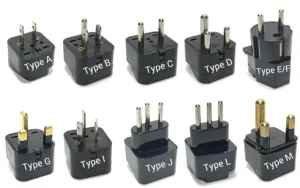
  • Plug/Outlet Types:
    • Type C:Ā Two round pins (Europlug)
    • Type D:Ā Three round pins (South Asian standard)
    • Type G:Ā Three rectangular pins (UK standard)
    • Type K:Ā Three round pins (Danish/Bangladesh variant)
  • Grid Reliability:
    • Frequent power outages, especially in rural areas (up to 7–8 hours/day)
    • Voltage and frequency fluctuations are common
    • Urban areas have better but still inconsistent supply

Device Compatibility & Power Requirements

Common Cycling Electronics

Smartphone

  • Charging Input: 5V USB (A/C)
  • Typical Power Source: Power bank, wall charger
  • Dual Voltage: Yes (100–240V AC)

GPS Unit

  • Charging Input: 5V USB (A/C/micro)
  • Typical Power Source: Power bank, dynamo, wall
  • Dual Voltage: Yes

Action Camera (GoPro)

  • Charging Input: 5V USB-C
  • Typical Power Source: Power bank, wall charger
  • Dual Voltage: Yes

Bike Lights

  • Charging Input: 5V USB
  • Typical Power Source: Power bank, dynamo, wall
  • Dual Voltage: Yes

Power Bank

  • Charging Input: 5V USB
  • Typical Power Source: Wall charger, solar, dynamo
  • Dual Voltage: Yes

E-Bike Battery

  • Charging Input: 36–48V DC (AC in)
  • Typical Power Source: Wall charger (AC)
  • Dual Voltage: Check label

Fitness Tracker

  • Charging Input: 5V USB
  • Typical Power Source: Power bank, wall charger

Dual Voltage: Yes

  • Most modern cycling electronics are dual voltage (100–240V, 50/60Hz) and only require a plug adapter.
  • E-bike batteries require a dedicated charger; check for 220V compatibility.

Necessary Adapters and Converters

Plug Adapters

  • Required for:Ā All travelers whose device plugs do not match Type C, D, G, or K outlets.
  • Universal travel adaptersĀ are highly recommended for flexibility and surge protection.
  • Recommended models:
    • Ceptics 220V to 110V Converter (with surge protection)
    • BESTEK Universal Adapter (multi-port, surge protection)
    • TESSAN Universal Adapter (supports Type D, compact)
    • EPICKA/Jmfone Universal Adapter (multi-USB, surge protection)

Voltage Converters

  • When needed:
    • Only if your device is single voltage (110V/120V only, common in North America).
    • Most USB-powered devices and modern chargers are dual voltage—check your device label.
  • Not needed for:Ā Phones, GPS, cameras, power banks, and most cycling electronics.

Surge Protection

  • EssentialĀ due to frequent voltage spikes and unstable grid.
  • Choose adapters with built-in surge protection and safety certifications (CE, FCC, ETL).

Power Solutions Specific to Cycling

1.Ā Hub Dynamo Systems

  • What:Ā Front wheel hub generates 6V/3W AC power while riding.
  • How:Ā Paired with a USB converter (e.g., Sinewave Revolution, Cinq Plug5 Plus) to charge devices or a buffer battery.
  • Pros:Ā Reliable, all-weather, self-sufficient charging for phones, GPS, lights.
  • Cons:Ā Requires wheel build or replacement; initial investment.

2.Ā Bottle Dynamos

  • What:Ā Side-mounted dynamo on fork or seat stay.
  • How:Ā Generates 6V/3W (some up to 12V/6W) for lights and basic charging.
  • Pros:Ā Retrofit to existing bikes.
  • Cons:Ā Less efficient, more friction, best for lighting.

3.Ā Solar Panels

  • What:Ā Foldable, weather-resistant panels (20W+ recommended).
  • How:Ā Charge a power bank during the day; use the bank to charge devices.
  • Pros:Ā Useful for remote or off-grid travel.
  • Cons:Ā Weather-dependent; less effective in monsoon/cloudy conditions.

4.Ā High-Capacity Power Banks

  • Specs:Ā 10,000–30,000mAh, multiple USB ports, rugged/water-resistant (IP65+).
  • Use:Ā Charge all devices overnight or during outages; essential for multi-day trips.
  • Features:Ā Fast-charging (PD, QC), pass-through charging, multiple outputs.

5.Ā Multi-Port USB Chargers

  • Why:Ā Charge several devices at once when grid power is available.
  • Tip:Ā Use whenever you have access to reliable power (hotels, guesthouses, cafes).

Environmental & Practical Considerations

  • Power Outages:Ā Charge whenever possible. Don’t wait until devices are empty.
  • Humidity & Rain:Ā Use waterproof/dustproof cases and dry bags for all electronics.
  • Voltage Fluctuations:Ā Always use surge-protected adapters.
  • Charging in Rural Areas:Ā Be prepared to ask for permission to use outlets. Offer a small payment if needed.
  • Device Protection:Ā Use rugged, shockproof, and water-resistant gear (IP65+ recommended).

Recommendations for Cycling Travelers in Bangladesh

  • Bring a universal adapterĀ supporting Type C, D, G, and K with surge protection.
  • Verify all devices are dual voltageĀ (100–240V, 50/60Hz). If not, pack a reliable voltage converter.
  • Carry at least one high-capacity, rugged power bankĀ (20,000mAh+).
  • Consider a hub dynamo systemĀ for self-sufficient charging, especially for long tours.
  • Supplement with a solar panelĀ if you expect to be off-grid for extended periods.
  • Use multi-port chargersĀ to maximize charging opportunities during grid access.
  • Protect devices from water and dust,Ā especially during the monsoon.
  • Charge opportunistically,Ā top up whenever power is available.
  • Inspect outlets before useĀ and avoid visibly damaged or loose sockets.
  • Carry backup cables and a spare adapterĀ in case of loss or failure.
Currency Exchange

Currency Overview: The Bangladeshi Taka (BDT)

  • Currency Name:Ā Bangladeshi Taka
  • Symbol:Ā ą§³ or Tk
  • ISO Code:Ā BDT
  • Subunit:Ā 1 Taka = 100 poisha (poisha coins are now rarely used)

Banknote Denominations in Circulation:Ā ą§³2, ą§³5, ą§³10, ą§³20, ą§³50, ą§³100, ą§³200, ą§³500, ą§³1000

Coin Denominations in Circulation:Ā ą§³1, ą§³2, ą§³5

Note: Lower-value poisha coins are technically legal but almost never used in daily life.
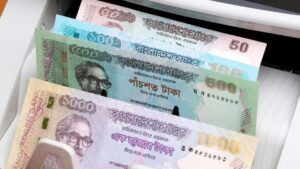

Currency Exchange Options in Bangladesh

1. ATMs (Automated Teller Machines)

  • Widely available in major cities and tourist areas.
  • Accept international cards (Visa, MasterCard, AmEx).
  • Offer the best exchange rates (close to mid-market).
  • Local ATM fees can be up to 500 BDT per transaction.
  • Not reliable in rural or remote areas, plan withdrawals accordingly.

2. Banks

  • Found in all cities and larger towns.
  • Exchange major foreign currencies (USD, EUR, GBP).
  • Require your passport for transactions.
  • Official, secure, and reliable, but limited hours (usually Sunday–Thursday, 9am–3pm).
  • Not available in rural areas.

3. Authorized Money Changers

  • Located in city centers, tourist districts, and some border towns.
  • Fast service, competitive rates, and longer hours than banks.
  • Always use licensed, reputable changers, avoid street exchangers.

4. Airport Exchange Counters

  • Convenient for immediate cash needs upon arrival.
  • Offer less favorable rates and higher fees.
  • Best for small amounts only (e.g., taxi fare, first meal).

5. Digital & Mobile Payment Options

  • International travel cards (e.g., Wise, Revolut) work at ATMs and some shops.
  • Local mobile wallets (bKash, Nagad) are popular but require a Bangladeshi SIM and ID, usually not practical for short-term visitors.

Best Practices for Currency Exchange

  • Use ATMs in major citiesĀ for the best rates and convenience. Withdraw enough cash before heading into rural areas.
  • Exchange only at banks or authorized money changers.Ā Never use street exchangers or accept ā€œspecial rateā€ offers from strangers.
  • Avoid exchanging large sums at airports or hotelsĀ due to poor rates and high fees.
  • Always check the current exchange rateĀ before exchanging money.
  • Count your money and request a receiptĀ before leaving the counter.
  • Carry your passportĀ when exchanging money at banks or official changers.
  • Keep all exchange receipts,Ā you may need them for reconversion or proof of funds.
  • Declare amounts over US$5,000 (or equivalent)Ā on arrival and keep the declaration form.

Safety Considerations for Cycling Travelers

  • Carry only what you need:Ā Limit the amount of cash on your person. For longer rural stretches, split your cash into several hidden stashes.
  • Use a concealed money belt or neck walletĀ for your main cash reserve.
  • Distribute cash across different bagsĀ (e.g., some in a pannier, some on your person, some in a hidden compartment).
  • Avoid displaying large amounts of cashĀ in public or at exchange counters.
  • Use lockable or anti-theft bagsĀ for added security.
  • Be discreet and alertĀ when withdrawing cash from ATMs, prefer machines inside banks or shopping centers.
  • Have a dummy walletĀ with a small amount of cash and expired cards to hand over in case of robbery.
  • Keep emergency cashĀ in a separate, hard-to-find spot.
  • If money is stolen:Ā Report to local police, contact your embassy, and use digital transfer services (like Wise) for emergency funds.

Regional Considerations

  • Urban Areas (Dhaka, Chittagong, Sylhet, Khulna):
    • Easy access to ATMs, banks, and money changers.
    • Card payments accepted in hotels, restaurants, and shops.
  • Tourist Areas (Cox’s Bazar, Sylhet, Chittagong):Ā Good coverage of ATMs and exchange services, but still carry some cash.
  • Rural Areas and Small Towns:
    • Very limited or no access to ATMs or money changers.
    • Cash is essential for all transactions.
    • Withdraw or exchange enough cash before leaving urban centers.
  • Border Regions:
    • Some exchange booths at major crossings, but rates are often worse than in cities.
    • Do not rely on border posts for major currency needs.

Recommendations for Cycling Travelers

  • Plan your cash needsĀ before leaving cities, always have enough for several days in rural areas.
  • Use ATMs in citiesĀ for the best rates, but be mindful of withdrawal fees and limits.
  • Exchange a small amount at the airportĀ for immediate expenses, then seek better rates in the city.
  • Carry a mix of cash and cardsĀ for flexibility and security.
  • Download offline maps and banking appsĀ to locate ATMs and branches along your route.
  • Monitor exchange ratesĀ using apps or online tools to get the best value.
  • Stay vigilant,Ā secure your cash, avoid risky areas at night, and never leave valuables unattended.
Food & Water Quality

Food & Safety Landscape

Bangladesh’s food scene is rich and diverse, but food safety standards and enforcement vary widely. The Bangladesh Food Safety Authority (BFSA) has made progress in aligning regulations with international standards, but challenges remain, especially in informal sectors and rural areas. Food adulteration, poor hygiene, and limited regulatory oversight are ongoing issues, particularly in street food and local markets. While high-end hotels and restaurants generally maintain better standards, no setting is entirely risk-free.


Food Safety in Different Settings

High-End Restaurants & Hotels

  • Generally maintain higher hygiene standards, with better infrastructure and staff training.
  • More likely to use clean water, proper refrigeration, and safe food handling practices.
  • Still, avoid raw salads, unpeeled fruits, and ice unless you’re confident in the source.
  • Buffets can be risky if food sits out for long periods.

Mid-Range Restaurants

  • Standards vary. Some are clean and reputable, others less so.
  • Risks include inconsistent handwashing, improper food storage, and cross-contamination.
  • Choose busy places with high food turnover and visible cleanliness.

Street Food & Local Markets

  • Street food is popular but carries a high risk due to poor hygiene, lack of refrigeration, and exposure to dust and flies.
  • Vendors often lack access to clean water and proper handwashing facilities.
  • Avoid food that’s been sitting out, raw or undercooked items, and anything handled without gloves.
  • In local markets, buy only whole, uncut produce and wash it with safe water before eating.

Home-Cooked & Local Food

  • Risks depend on water quality and hygiene in the home.
  • Politely decline raw or undercooked dishes, unpeeled fruits, and unpasteurized dairy.

Water Quality & Safety

Bangladesh faces major water safety challenges:

  • Tap water isĀ not safeĀ for drinking, brushing teeth, or making ice, contamination with bacteria, parasites, arsenic, and other chemicals is common.
  • Bottled water is widely available in cities and tourist areas. Always check the seal before drinking.
  • In rural areas, water from wells and tube wells may contain arsenic or bacteria. Deep tube wells are generally safer but not always accessible.
  • Municipal water in cities is treated but can be re-contaminated due to aging infrastructure and illegal connections.
  • Rainwater harvesting is a safe alternative if properly maintained.
  • Avoid ice unless you know it’s made from purified water.

Common Health Risks for Travelers

  • Traveler’s Diarrhea:Ā Most common illness, caused by contaminated food or water.
  • Cholera & Typhoid:Ā Endemic, especially during monsoon season and in areas with poor sanitation.
  • Hepatitis A & E:Ā Spread through contaminated food and water because outbreaks are common.
  • Other Risks:Ā Amoebiasis, giardiasis, and other parasitic infections from unsafe water or raw foods.

Safety Tips & Precautions for Travelers

  • Drink only sealed bottled water or water you have boiled or treated yourself.
  • Use bottled or boiled water for brushing teeth and making ice.
  • Avoid raw or undercooked meats, seafood, eggs, and unpasteurized dairy.
  • Peel fruits and vegetables yourself after washing your hands.
  • Avoid salads, cut fruits, and foods washed with untreated water.
  • Eat only food that is thoroughly cooked and served hot.
  • Wash hands frequently with soap and water. Use hand sanitizer when necessary.
  • Avoid street food unless it’s freshly cooked and served piping hot.
  • Carry oral rehydration salts and anti-diarrheal medication for emergencies.
  • Get recommended vaccinations (typhoid, hepatitis A, cholera) before travel.
  • Purchase comprehensive travel health insurance that covers medical care and evacuation.
  • If you get sick, stay hydrated and seek medical attention for severe symptoms.

Additional Considerations

  • Food safety is improving, especially in formal sectors, but enforcement and public awareness are still developing.
  • The informal food sector (street vendors, small eateries) is difficult to regulate and poses the highest risk.
  • Waterborne diseases remain a leading cause of illness, especially in rural and coastal regions.
  • Always check for visible cleanliness and food safety practices wherever you eat.
What do the US Dept of State, US Embassy, and CDC say?

Check out the latest Travel Advisory to Bangladesh from theĀ US Dept of State. Ā Contacts from all US Embassies in Bangladesh are listed on the website. Ā Use theĀ Smart Traveler Enrollment Program (STEP)Ā to inform them of your travels.

Read the Travel Health Notices & suggested vaccinations from theĀ CDC

For the latest updates and resources, visit the U.S. Embassy in Bangladesh’s official website:Ā U.S. Embassy & Consulates in Bangladesh

Supplement Your Health / Travel Insurance

General Insurance Requirements & Recommendations

  • Not Legally Required:Ā Bangladesh does not require proof of health or travel insurance for entry or visa applications.
  • Strongly Recommended:Ā All major government travel advisories (US, UK, Canada, Australia) urge travelers to secure comprehensive travel insurance covering:
    • Medical expenses (hospitalization, outpatient care)
    • Emergency medical evacuation and repatriation
    • Personal accident and injury
    • Personal liability (in case you injure others or damage property)
    • Trip interruption/cancellation and baggage loss
  • Adventure Activities:Ā Standard travel insurance may exclude cycling, especially if it’s considered an adventure or high-risk activity. Always check your policy for cycling inclusions and add adventure sports coverage if needed.
  • Documentation:Ā Carry proof of insurance and emergency contact numbers at all times.

Specialized Insurance Options for Cyclists

Velosurance

  • What It Covers:
    • Comprehensive bicycle insurance for theft, accidental damage, loss in transit (including airlines), fire, vandalism, and impact damage.
    • Optional add-ons for medical payments, liability, uninsured motorist protection, worldwide coverage (including Bangladesh), racing, spare parts, and apparel.
    • Suitable for bicycle touring, commuting, racing, and e-bikes.
  • Who Can Buy:Ā US residents only.
  • Worldwide Coverage:Ā Must be selected as an add-on; covers theft and damage anywhere, including Bangladesh.
  • How to Get a Quote:Ā Online, with premiums typically 3–8% of the bike’s value per year.
  • URL:Ā velosurance.com

Sunday’s Insurance

  • What It Covers:
    • Specialized bicycle insurance for theft (home and away), accidental and malicious damage, custom parts, accessories, and loss/damage in transit.
    • Optional worldwide coverage for up to 90 days, including cycling tours and international events.
    • Event and racing coverage, rental reimbursement, medical payments, and transportation reimbursement.
  • Who Can Buy:Ā Available in most US states, UK, Australia, and New Zealand.
  • Travel Coverage:Ā Optional worldwide add-on covers your bike during international cycling tours in Bangladesh.
  • How to Get a Quote:Ā Quick online process based on your bike’s value and selected options.
  • URL:Ā sundaysinsurance.com

World Nomads Insurance

  • What It Covers:
    • International travel insurance for medical emergencies, evacuation, trip cancellation, and baggage loss.
    • Adventure sports coverage, including road cycling, mountain biking, and independent cycle touring (must be declared at purchase).
    • Medical evacuation and 24/7 emergency assistance.
  • Who Can Buy:Ā Residents of most countries, for travel worldwide including Bangladesh.
  • Cycling Coverage:Ā Must specify cycling activities and select the appropriate plan (Standard or Explorer) for your needs.
  • How to Get a Quote:Ā Online, with flexible policy durations and extensions.
  • URL:Ā worldnomads.com

Other International Insurance Options for Cycling Travelers


Key Considerations for Cycling Travelers in Bangladesh

  • Road Safety Risks:Ā Bangladesh has a high rate of road accidents, poor cycling infrastructure, and unpredictable traffic. Cyclists are especially vulnerable in urban areas and on highways.
  • Monsoon Hazards:Ā Heavy rains and flooding (June–September) can make cycling dangerous and disrupt emergency services.
  • Theft & Equipment Security:Ā Bicycle theft is a concern, especially in cities. Use high-quality locks and ensure your insurance covers theft and loss.
  • Medical Evacuation:Ā Access to quality medical care is limited outside major cities. Medical evacuation coverage is essential.
  • Policy Exclusions:Ā Always check for exclusions related to competitive cycling, e-bikes, or adventure activities. Declare all planned cycling activities when purchasing insurance.
  • Documentation:Ā Carry digital and paper copies of your insurance policy, emergency contacts, and claim instructions.

Final Recommendations

  • Purchase comprehensive travel insuranceĀ with medical, evacuation, and liability coverage before your trip.
  • Add specialized cycling insuranceĀ (Velosurance, Sunday’s Insurance, or similar) for high-value bikes and gear.
  • Declare all cycling activitiesĀ and ensure your policy covers them, especially for touring, off-road, or competitive events.
  • Use international providersĀ for the best protection, as local Bangladeshi insurers do not offer cycling-specific coverage for foreign travelers.
  • Review all policy documentsĀ and keep emergency contact information accessible during your travels.
How to Stay Safe

Road Safety & Traffic Conditions

  • Expect chaotic, dense trafficĀ in cities like Dhaka and Chittagong. Roads are shared with rickshaws, buses, trucks, and motorcycles, many of which ignore traffic rules. Defensive cycling is essential, always assume drivers may not see you.
  • Urban roadsĀ are often congested, with little space for cyclists and no dedicated bike lanes. Rural roads are quieter but may be in poor condition, with potholes, mud, and limited signage.
  • Driver behaviorĀ toward cyclists is unpredictable. Motorists may pass closely, overtake aggressively, or ignore your right of way. Make eye contact at intersections and use clear hand signals.
  • Main hazardsĀ include: lack of cycling lanes, poor road surfaces, high-speed vehicles, low visibility (especially at night or during monsoon), and roadside obstructions.
  • Best practices:
    • Use side streets or rural byways when possible.
    • Avoid cycling after dark.
    • Plan your route in advance and check for safe rest stops.

Safety Equipment & Bicycle Maintenance

  • Helmet:Ā Always wear a certified, well-ventilated helmet. While not legally required, it’s your best protection in a crash.
  • Visibility gear:Ā Use front (white) and rear (red) lights at all times. Wear reflective vests, bands, or stickers, and choose bright clothing for day and night riding.
  • Protective gear:Ā Padded gloves, closed-toe shoes, and (optionally) knee pads and goggles.
  • Bike security:Ā Use a strong U-lock or heavy-duty chain lock, especially in cities. Consider a GPS tracker for high-value bikes.
  • Maintenance:
    • Inspect brakes, tire pressure, and chain before every ride.
    • Lubricate your chain frequently, humidity and rain accelerate rust.
    • Carry a basic repair kit: spare tubes, patch kit, pump, multitool, and essential spares (especially for rural travel).
  • Bike shops:Ā Major cities have good repair shops and parts. In rural areas, services are limited—bring spares for uncommon components.

Health & Medical Precautions

  • Vaccinations:
    • Routine: MMR, Tdap, polio, influenza, varicella.
    • Strongly recommended: Hepatitis A, typhoid, cholera, hepatitis B, rabies, Japanese encephalitis (for rural travel), COVID-19.
    • Malaria prophylaxis: Needed for Chittagong Hill Tracts and Cox’s Bazar.
  • Mosquito-borne diseases:Ā Dengue, malaria, and chikungunya are present. Use DEET or picaridin repellents, wear long sleeves, and sleep under nets.
  • Food & water safety:
    • Drink only bottled, boiled, or filtered water.
    • Avoid ice and raw foods unless you peel them yourself.
    • Eat at busy, clean restaurants.
  • First aid:Ā Carry a kit with bandages, antiseptics, common medications, and water purification tablets.
  • Medical facilities:Ā Good in major cities, limited elsewhere. Know the location of hospitals along your route and carry insurance with medical evacuation coverage.
  • Air quality:Ā Urban pollution can be severe, cyclists with respiratory issues should take precautions.

Seasonal Considerations

  • Best time to cycle:Ā December–February (cool, dry winter).
  • Monsoon (June–September):Ā Heavy rain, flooding, and landslides make cycling dangerous. Avoid rural and low-lying areas.
  • Cyclone seasons:Ā March–May and October–November, especially in coastal regions. Monitor weather alerts and avoid travel during warnings.
  • Heat:Ā March–May is hot and humid, risk of dehydration and heatstroke. Hydrate often and avoid midday rides.
  • Precautions:
    • Always check weather forecasts.
    • Carry waterproof gear and high-visibility clothing.
    • Plan for delays and have shelter options during storms.

Cultural Awareness & Local Customs

  • Dress modestly:Ā Cover shoulders and knees. Women should wear long skirts or pants and consider a headscarf in conservative areas. Men should avoid shorts.
  • Religious sensitivity:
    • Bangladesh is predominantly Muslim. During Ramadan, avoid eating, drinking, or smoking in public during daylight.
    • Friday is the main prayer day, expect closures and crowds.
    • Always remove shoes before entering homes or religious sites.
  • Behavior:
    • Greet with ā€œAs-salamu alaykumā€ and use your right hand for giving/receiving.
    • Avoid public displays of affection and physical contact with the opposite sex.
    • Ask permission before photographing people, especially women or at religious sites.
  • Gender considerations:
    • Women may attract attention, dress conservatively and avoid solo travel at night.
    • Men should not initiate contact with local women.
  • General:Ā Be patient, polite, and observant. Respect local customs even if they differ from your own.

Crime Prevention & Personal Safety

  • Petty theft:Ā Pickpocketing and bag snatching are common in crowded areas. Keep valuables secure and avoid displaying cash or electronics.
  • Bike theft:Ā Always lock your bike securely, even for short stops.
  • Avoid high-risk areas:
    • Chittagong Hill Tracts (Khagrachari, Rangamati, Bandarban) due to violence and kidnapping.
    • Isolated or poorly lit areas, especially at night.
    • Political gatherings and demonstrations.
  • Solo travel:Ā Safer to ride in groups or join local cycling communities. Share your itinerary and live location with someone you trust.
  • Emergency contacts:
    • Know the local police and embassy numbers.
    • Register with your embassy for safety updates.
    • Carry copies of your passport, visa, and insurance.
  • If you’re a victim:Ā Report to police, get an official report, and contact your embassy.

Insurance & Legal Considerations

  • Travel insurance:Ā Strongly recommended. Ensure your policy covers cycling, medical emergencies, evacuation, and personal liability.
  • Legal requirements:
    • No license needed for non-motorized bicycles.
    • For motorized bikes, an international driving permit and registration are required.
    • Always obey local traffic laws and signals.
  • Documentation:
    • Carry your passport, visa, insurance, and (if applicable) driving permit.
    • Keep receipts and reports for insurance claims.
  • Legal assistance:
    • Your insurer may offer emergency legal support.
    • Contact your embassy for legal help if needed.

Practical Safety Tips for Cyclists

  • Ride defensively:Ā Assume drivers don’t see you. Make yourself visible and predictable.
  • Plan your route:Ā Use navigation apps with offline maps. Avoid main roads during peak hours.
  • Stay hydrated and fueled:Ā Carry water and snacks, especially in rural areas.
  • Emergency preparedness:
    • Carry a power bank for your phone.
    • Share your live location with a trusted contact.
    • Know the location of hospitals and police stations along your route.
  • Join local cycling groups:Ā They offer support, advice, and safety in numbers.
  • Trust your instincts:Ā If a situation feels unsafe, leave immediately.
Essential Apps

Navigation & Route Planning

OsmAnd

  • Android:Ā OsmAnd on Google Play
  • iOS:Ā OsmAnd on App Store
  • Why it’s essential: Fully offline navigation, cycling-optimized routes, GPX support, and detailed OpenStreetMap data—perfect for rural and urban Bangladesh.

Organic Maps

Komoot

  • Android:Ā Komoot on Google Play
  • iOS:Ā Komoot on App Store
  • Why it’s essential: Advanced route planning, offline maps, elevation profiles, and community-sourced highlights for both city and adventure rides.

Bikemap

  • Android:Ā Bikemap on Google Play
  • iOS:Ā Bikemap on App Store
  • Why it’s essential: Millions of user-generated cycling routes, turn-by-turn navigation, and the ability to find bike shops along your route.

Ride with GPS


Fitness Tracking & Cycling Community

Strava

  • Android:Ā Strava on Google Play
  • iOS:Ā Strava on App Store
  • Why it’s essential: Track your rides, analyze performance, join local cycling clubs, and connect with the global cycling community.

MapMyRide


Weather, Safety & Emergency

BMD Weather App (Bangladesh Meteorological Department)

RainViewer

AccuWeather

Disaster Alert (PDC Global)

bSafe

Life360

First Aid by IFRC (Red Cross/Red Crescent)

Patient Aid

  • Android:Ā Patient Aid on Google PlayWhy it’s essential: Find doctors, hospitals, and pharmacies in Bangladesh, with offline access.

Communication & Language

WhatsApp

Facebook Messenger

imo

Google Translate


Payments & Utilities

Wise

  • Android:Ā Wise on Google Play
  • iOS:Ā Wise on App Store
  • Why it’s essential: International payments, currency conversion, and a multi-currency debit card—ideal for foreign travelers.

bKash

Nagad


Food Delivery & Accommodation

Foodpanda

Pathao

Booking.com

ShareTrip

Warmshowers


Final Tips

  • Download offline maps and language packs before your trip.
  • Prioritize weather and safety apps, especially during monsoon and cyclone seasons.
  • Use international payment apps like Wise for hassle-free transactions.
  • Stay connected with WhatsApp, Messenger, and imo for local coordination.
  • Join local cycling communities via Strava and Warmshowers for support and advice.

Resources

How to learn the local language FAST!

Essential Bengali Words & Phrases (with Pronunciation)

Before you arrive, mastering these words and phrases will make your journey smoother and more enjoyable. Bengali is written in its own script, but pronunciation guides are provided for quick learning.

Greetings & Polite Expressions

  • Hello: ą¦Øą¦®ą¦øą§ą¦•ą¦¾ą¦° (Nomoshkar)
  • Good morning: শুভ সকাল (Shubho shokal)
  • Good evening: শুভ ą¦øą¦Øą§ą¦§ą§ą¦Æą¦¾ (Shubho shondha)
  • Good night: শুভ ą¦°ą¦¾ą¦¤ą§ą¦°ą¦æ (Shubho ratri)
  • How are you?: কেমন আছেন? (Kemon achen?)
  • I am fine: ভালো আছি (Bhalo achhi)
  • Thank you: ą¦§ą¦Øą§ą¦Æą¦¬ą¦¾ą¦¦ (Dhonnobad)
  • Please: দয়া করে (Doya kore)
  • Yes: ą¦¹ą§ą¦Æą¦¾ą¦ (Hya)
  • No: না (Na)
  • Excuse me/Sorry: ą¦¦ą§ą¦ƒą¦–ą¦æą¦¤ (Dukkito)
  • Goodbye: পরে দেখা হবে (Pore dekha hobe)

Numbers

  • 1: ą¦ą¦• (Ek)
  • 2: দুই (Dui)
  • 3: তিন (Tin)
  • 4: চার (Char)
  • 5: পাঁচ (Panch)
  • 6: ছয় (Chhoy)
  • 7: সাত (Shat)
  • 8: ą¦†ą¦Ÿ (Aat)
  • 9: নয় (Noy)
  • 10: দশ (Dosh)

Directions & Transportation

  • Where?: কো঄ায়? (Kothay?)
  • Left: বাম দিকে (Bam dike)
  • Right: ঔান দিকে (Dan dike)
  • Straight: ą¦øą§‹ą¦œą¦¾ (Shoja)
  • Bus: বাস (Bus)
  • Train: ą¦Ÿą§ą¦°ą§‡ą¦Ø (Train)
  • Ticket: ą¦Ÿą¦æą¦•ą¦æą¦Ÿ (Ticket)
  • Where is the hotel?: ą¦¹ą§‹ą¦Ÿą§‡ą¦² কো঄ায়? (Hotel kothay?)
  • How far is the market?: বাজার কত দূর? (Bazar koto dur?)
  • I want to go to [place]: আমি [place] যেতে ą¦šą¦¾ą¦‡ (Ami [place] jete chai)
  • How much is the fare?: ভাঔ়া কত? (Bhara koto?)

Food & Eating

  • Food: খাবার (Khabar)
  • Water: পানি (Pani)
  • Eat: খাও (Khao) / খান (Khan)
  • Tasty: মজা (Moja)
  • Vegetarian: সবজি খান (Shobji khan)
  • Is it spicy?: ą¦ą¦Ÿą¦¾ ą¦ą¦¾ą¦² কি? (Eta jhal ki?)
  • I would like to order: আমি ą¦…ą¦°ą§ą¦”ą¦¾ą¦° করতে ą¦šą¦¾ą¦‡ (Ami order korte chai)
  • How much does this cost?: ą¦ą¦Ÿą¦¾ কত দাম? (Eta koto dam?)
  • Can you lower the price?: দাম কমাতে পারবেন? (Dam komate parben?)

Emergencies & Health

  • Help!: ą¦øą¦¾ą¦¹ą¦¾ą¦Æą§ą¦Æ করুন! (Shahajjo korun!)
  • Call a doctor: ą¦”ą¦¾ą¦•ą§ą¦¤ą¦¾ą¦°ą¦•ą§‡ ঔাকুন (Doctor ke dakun)
  • Where is the hospital?: হাসপাতাল কো঄ায়? (Hospital kothay?)
  • Police station: ঄ানা (Thana)
  • I am lost: আমি হারিয়ে গেছি (Ami hariye gechi)
  • I don’t understand: আমি ą¦¬ą§ą¦ą¦¤ą§‡ পারিনি (Ami bujhte parini)

Basic Conversation

  • My name is…: আমার নাম … (Amar nam…)
  • What is your name?: আপনার নাম কী? (Apnar nam ki?)
  • Where are you from?: আপনি কো঄া ঄েকে ą¦ą¦øą§‡ą¦›ą§‡ą¦Ø? (Apni kotha theke eshechen?)
  • Do you speak English?: আপনি ą¦‡ą¦‚ą¦°ą§‡ą¦œą¦æ বলতে পারেন? (Apni Ingreji bolte paren?)
  • Please say that again: আবার বলুন (Abar bolun)
  • What does … mean?: … মানে কী? (… mane ki?)

Top Mobile Apps for Learning Bengali

Learning on the go is easy with these highly rated apps—most work offline and are perfect for travelers.

  • Mondly
    • Interactive lessons, speech recognition, daily practice, and real-life scenarios.
    • Free basic access; premium from $9.99/month.
    • iOSĀ |Ā Android
  • 50Languages
    • 100+ practical lessons, native audio, flashcards, and offline access.
    • Free with ads; in-app purchases available.
    • Android
  • Learn Bengali Quickly
    • Phrasebook, flashcards, quizzes, and native audio.
    • Free, extra content for $2.99.
    • IOSĀ |Ā Android

Online Resources & Tools

  • BBC Languages Bengali Phrasebook: Free essential phrases and audio.BBC Bengali Phrasebook
  • Wikivoyage Bengali Phrasebook: Extensive travel phrase list with pronunciation.Wikivoyage Bengali Phrasebook
  • Easy Bengali Typing: Useful phrase lists for greetings, transport, shopping, emergencies, and more.Easy Bengali Typing
  • YouTube Channels:
    • RASELraju Institute: Bengali conversation and grammar for beginners.
    • Learn Bengali with Baneebee: Alphabet, phrases, and practical expressions.
    • Easy Bengali: Vocabulary, grammar, and pronunciation with native audio.
  • Podcasts:
    • Bengali Learning Accelerator: Audio lessons for travelers.
    • LinguaBoost Bengali: Everyday vocabulary and phrases.
  • Language Exchange Platforms:Ā Tandem,Ā HelloTalk: Chat with native speakers for free.

Formal Language Courses & Tutors

  • Institute of Modern Languages, University of Dhaka
    • 1-year and short courses for foreigners, with certification.
    • IML Dhaka
  • LearnBangla (Dhaka)
    • Non-profit, government-approved, tailored for travelers and expats.
    • LearnBangla
  • BLCC (Bangla Language and Culture Centre, Dhaka)
    • Intensive, customizable courses; in-person or online.
    • BLCC
  • Udemy Bengali Certification Course

Effective Methods & Steps to Learn Basic Bengali in 30 Days

Week 1: Foundations

  • Learn the Bengali alphabet and basic pronunciation (use YouTube and apps).
  • Practice writing and saying each letter daily.
  • Memorize greetings, numbers, and survival phrases.

Week 2: Core Vocabulary & Simple Sentences

  • Add 5–10 new words daily (directions, food, transport).
  • Start forming simple sentences (Subject-Object-Verb order).
  • Practice with flashcards and repeat aloud.

Week 3: Grammar & Practical Communication

  • Focus on present tense verbs and basic grammar.
  • Practice thematic vocabulary (food, emergencies, travel).
  • Use shadowing: listen to native audio and repeat immediately.

Week 4: Real-World Application & Review

  • Engage in daily conversations with language partners or tutors.
  • Watch Bengali media with subtitles, try to follow without translation.
  • Review all vocabulary and grammar, focus on weak spots.
  • Simulate travel scenarios (ordering food, asking directions, emergencies).

Daily Practice Tips

  • Spend 15–30 minutes daily on apps, listening, and speaking.
  • Use spaced repetition (Anki, Quizlet) for vocabulary.
  • Practice speaking aloud and record yourself for feedback.
  • Embrace mistakes and seek feedback from native speakers.

Additional Tips for Fast Progress

  • Focus on phrases most relevant to your travel plans.
  • Carry a phrasebook or app offline for quick reference.
  • Practice speaking with locals or language partners as much as possible.
  • Set clear, achievable goals for each week and track your progress.

Cycling Influencers in Bangladesh

1. Mohammadpur Stunt Viperz

  • Instagram:Ā @msvz_bangladesh
  • Summary:Ā A dynamic stunt cycling group based in Mohammadpur, known for showcasing thrilling bicycle tricks and community rides that inspire urban cycling enthusiasts in Bangladesh.

2. Alamin Akik

  • Instagram:Ā @alaminakik
  • YouTube:Ā @AlaminAkik
  • Summary:Ā A dedicated vlogger focusing on beginner-friendly cycling tutorials and group outings, fostering community growth in Bangladesh’s emerging bike scene.

3. Tammat Bil Khoar

  • Instagram:Ā @tammat_bil_khoar
  • YouTube:Ā @tammatbilkhoar
  • Summary:Ā An ultra-endurance athlete from Bangladesh.Ā  Tammat works to spread adventure and sports enthusiasm and promote sports among people,for the betterment of the society and motivating the young generation to do something good for the nation and country.

Travel Influencers in Bangladesh

1. Shurovy Yeasmin

  • Instagram:Ā @shurovyyeasmin
  • Summary:Ā Bangladesh’s pioneering solo female traveler, offering empowering tips on independent journeys through the country’s diverse regions and cultures.

2. Emily in Dhaka

  • Instagram:Ā @emilyindhaka
  • Summary:Ā An expat teacher and vlogger capturing authentic daily life in Dhaka, from street eats to cultural festivals, for an international perspective on Bangladeshi travel.

3. Munmun Aziz

  • Instagram:Ā @munmunaziz
  • Summary:Ā A foodie traveler highlighting regional cuisines and homestays, guiding followers to authentic Bangladeshi experiences beyond the tourist trails.

4. Sinthia Alam

  • Instagram:Ā @sinthia_alam
  • Summary:Ā A nature lover sharing serene escapes to Bangladesh’s national parks and rivers, with eco-conscious tips for responsible wildlife viewing.

5. Mou Aysha

  • Instagram:Ā @mou_aysha
  • Summary:Ā A family travel expert curating kid-friendly routes through Bangladesh’s heritage sites, promoting inclusive and joyful vacation planning.

6. Travel Desh

  • Instagram:Ā @travel_desh
  • Summary:Ā A dedicated Bangladesh tourism page offering comprehensive guides to festivals, markets, and transport, helping locals and visitors navigate the nation effortlessly.

Influential Cycling Blogs and Resources

1. Cycling Bangladesh Blog

  • Website:Ā cycling-bangladesh.blogspot.com
  • Summary:Ā This Bengali-language blog explores the evolving cycling scene in Bangladesh through reviews, event coverage, and personal stories from local riders and communities.

2. Komoot Bangladesh Cycling Routes

  • Website:Ā komoot.com
  • Summary:Ā Komoot’s Bangladesh section curates user-generated cycling routes with elevation profiles, photos, and tips for exploring scenic trails in regions like Dhaka Division and beyond.

3. Bikemap Bangladesh Trails

  • Website:Ā bikemap.net
  • Summary:Ā Bikemap provides a community-driven map of over 950 customizable cycling routes in Bangladesh, ideal for planning urban commutes or rural explorations with GPS navigation.

4. Worldbiking Bangladesh Guide

  • Website:Ā worldbiking.info
  • Summary:Ā Worldbiking offers practical tips for bike touring in Bangladesh, covering traffic challenges, rural charm, and essential advice for cyclists navigating the delta’s unique landscapes.

Popular Travel Blogs from Bangladesh

1. Traveller BD

  • Website:Ā travellerbd.wordpress.com
  • Summary:Ā Traveller BD chronicles personal journeys to camping sites, lakes, and cultural festivals, offering relatable advice for solo and family trips within Bangladesh.

2. Travel Blog Bangladesh

  • Website:Ā travelblogbangladesh.com
  • Summary:Ā This Bengali-focused blog dives into haors like Tanguar, providing seasonal guides, local cuisine spotlights, and eco-travel recommendations for immersive explorations.

3. Away with the Steiners Bangladesh Guide

  • Website:Ā awaywiththesteiners.com
  • Summary:Ā A backpacker’s perspective on public transport, train rooftops, and offbeat spots, emphasizing safe, budget solo travel across Bangladesh’s rivers and hills.

4. Kathmandu and Beyond Bangladesh Blog

  • Website:Ā kathmanduandbeyond.com
  • Summary:Ā Focused on independent backpacking, this blog covers lesser-visited sites, rickshaw art, and public transport hacks for authentic, low-cost journeys in Bangladesh.

Online Travel & Tourism (Government) Resources for Bangladesh

1. Bangladesh Tourism Board Official Portal

  • Website:Ā tourismboard.gov.bd
  • Summary:Ā The official Bangladesh Tourism Board site provides comprehensive guides to attractions, events, and sustainable tourism initiatives across the country.

2. Beautiful Bangladesh

  • Website:Ā beautifulbangladesh.gov.bd
  • Summary:Ā This government portal highlights Bangladesh’s natural wonders, cultural heritage, and adventure spots with detailed travel itineraries and seasonal tips.

3. Bangladesh Parjatan Corporation

  • Website:Ā parjatan.gov.bd
  • Summary:Ā As the state-owned tourism agency, it promotes domestic packages, hotel bookings, and historical site info for authentic Bangladeshi experiences.

4. Chattogram Division Tourist-Spot Listings

  • Website: https://chattogramdiv.gov.bd/en/site/view/tourist_spot
  • Summary: Government-maintained division-level portal listing various tourist destinations, including those in the hill-tract districts; helpful to identify recognized, administratively listed tourist sites in the region.

5. Khagrachari District Tourism

  • Website: https://khdc.org.bd/
  • Summary: A locally maintained official site listing top tourist attractions in Khagrachari (hills, waterfalls, forest parks), which helps cyclists or nature-lovers plan where to visit.
Cycling and Travel Brands in the country

Local Cycling Products and Businesses in Bangladesh

1. Veloce Bike

  • Website:Ā velocebike.com
  • Summary:Ā Veloce, a premium brand produced by Meghna Group since 2010, crafts high-performance road, mountain, and hybrid bikes with advanced features like lightweight frames and Shimano components, perfect for travelers tackling varied terrains from Dhaka streets to Sylhet hills.

2. Seventy One Bicycle

  • Website:Ā meghna.com.bd
  • Summary:Ā Seventy One, a budget-friendly sub-brand of Meghna Group, specializes in durable aluminum-frame bikes like the Warrior series for urban and light off-road use, making it a practical choice for cost-conscious cycling tourists navigating Bangladesh’s bustling cities.

Hop on your bike and join the adventure with Cycle Travel Club's thrilling hosted tours throughout the year!

  • Cycle The Myth: Peloponnese, Greece

    From$2,600
    Availability : July 30 - Aug 15, 2025
    Delhi, Manali to Leh, India
    Experience the bustling chaos and historic majesty of Delhi’s ancient streets before embarking on one of the world’s most epicView Tour
  • Golden Triangle + Himalayan Cycling Adventure

    From$2,600
    Availability : July 30 - Aug 15, 2025
    Delhi, Manali to Leh, India
    Experience the bustling chaos and historic majesty of Delhi’s ancient streets before embarking on one of the world’s most epicView Tour
  • Munnar, India

    Kerala Spice Trail Cycling Tour

    From$1,750
    Availability : January 15 - 25, 2026
    Kerala, India
    Kerala, aka “God’s Own Country”, is known for stunning landscapes, serene backwaters, vibrant culture, & diverse cycling routes through tropicalView Tour
Pedal Deeper into Adventure
Read more about epic Destinations here....

Join the Cycle Travel Club!

Proceed Booking