Why South Korea May Be Asia’s Best-Kept Secret for Cyclists...
Read More
Local Emergencies
Emergency Contact Numbers
In any emergency, dial 999, this is Bahrain’s universal number for police, ambulance, and fire services, available 24/7. Operators speak English and will direct your call to the appropriate service. For road accidents, you can also call 199. For non-urgent police matters, use 80008008. Always be ready to provide your location and a brief description of the emergency.
- Universal Emergency Number: 999 (Police, ambulance, fire—any emergency)
- Police Hotline (Information, non-urgent): 80008008
- Traffic Accidents: 199
- Ambulance (Direct): 999
- Fire Department: 999
- Ministry of Health: 80008100
Foreign-Friendly Hospitals in Manama
If you need medical attention, several private hospitals in Manama offer 24/7 emergency care, English-speaking staff, and international standards. These are well-equipped to handle cycling injuries and work with travel insurance providers.
Bahrain Specialist Hospital
- Website: bahrainspecialisthospital.com
- Phone: +973 17 812 222
- Address: Road 2447, Juffair, Manama 10588, Bahrain
Royal Bahrain Hospital
- Website royalbahrainhospital.com
- Phone: +973 17 246 800
- Address: Road 29, Building 119, Block 329, King Abdul Aziz Avenue, Salmaniya, Manama
Al Salam Specialist Hospital
- Website: alsalam.care
- Phone: +973 13 600 600
- Address: Building 1, Road 39, Block 941, Buhair, Manama, P.O. Box 80278
American Mission Hospital
- Website: amh.org.bh
- Phone: +973 17 253 447
- Address: Building No 133, Road 365, Block 307, P.O. Box 1, Manama
Al Kindi Specialised Hospital
- Website: alkindihospital.com
- Phone: +973 17 245 000
- Address: New Zinj Area, Manama
Ibn Al-Nafees Hospital
- Website: bnalnafees.com
- Phone: +973 17 828 282
- Address: Building 960, Road 7321, Block 373, Abu Gazalah, Manama
All these hospitals offer 24/7 emergency and trauma care, and are accustomed to assisting international patients.
Consular Assistance: US and Non-US Embassies
If you lose your passport, are involved in a legal issue, or need urgent help, contact your embassy as soon as possible.
US Embassy in Manama
- Website: bh.usembassy.gov
- Phone: +973 1724-2700 (24/7 emergencies)
- Address: Building 979, Road 3119, Block 331, Zinj, Manama, Bahrain
UK (British Embassy Manama)
- Website: gov.uk
- Phone: Use online contact form for emergencies
- Address: 21 Government Avenue, Manama 306, P.O. Box 114, Manama
Canada (Honorary Consulate of Canada)
- Website: international.gc.ca
- Phone: +973 1753 6270
- Address: GFH Tower, 10th Floor, Building 1411, Road 4626, Block 346, Bahrain Financial Harbour District, Manama
Germany (Embassy of the Federal Republic of Germany)
- Website: manama.diplo.de
- Phone: +973 17 74 52 77 (main), +973 39458537 (after-hours emergencies)
- Address: Salmaniya Avenue, Block 327, Road 322, Building 39, P.O. Box 10306, Manama
France (Embassy of France in Manama)
- Website: bh.ambafrance.org
- Phone: +973 17 298 660 (main), +973 39 79 97 54 (emergency mobile)
- Address: Diplomatic Area 319, Villa 51A, Road 1901, Manama
Australia (Consular Services via Riyadh Embassy)
- Website: saudiarabia.embassy.gov.au
- Phone: +966 11 250 0900 (Riyadh), +61 2 6261 3305 (after-hours)
- Address: Services for Bahrain are provided from Riyadh, Saudi Arabia
For other countries’ embassies, refer to Embassy Finder for a complete list.
Travel Insurance: Velosurance, Sunday’s Insurance, World Nomads
Having travel insurance is essential for cycling travelers. Here’s what you need to know about the main providers:
Velosurance
- Website: velosurance.com
- US-based coverage for bike damage, theft, and medical payments after cycling accidents
- Optional worldwide coverage available for US residents
- Claims filed by phone or email
- Police report required for theft claims
Sunday’s Insurance
- Website: sundaysinsurance.com
- US-based provider covering theft, accidental damage, and up to $1,000 for emergency medical expenses after cycling accidents
- Optional worldwide coverage for up to 90 days
- Claims filed online
- Police report required for theft claims
World Nomads
- Website: worldnomads.com
- International coverage for emergency medical expenses, evacuation, cycling accidents, and gear loss
- 24/7 emergency assistance available at +1-954-334-8143 (collect worldwide)
- Claims can be filed online from any location
Always review your policy for coverage details, exclusions, and emergency procedures. For emergencies, contact your insurer’s hotline as soon as possible and keep all documentation (police/hospital reports, receipts).
Emergency Procedures for Cyclists
If you are involved in an accident or face an emergency while cycling:
- Call 999 for immediate police, ambulance, or fire assistance.
- For road accidents, you may also call 199.
- If you are injured, do not move unless it is unsafe to stay put. Wait for emergency services.
- For minor accidents, move to a safe area and exchange details with others involved.
- For theft, report immediately to the police and obtain a police report for insurance and embassy support.
- If your bike breaks down, move off the road, attempt self-repair if possible, or use a ride-hailing app (Uber, Careem) for transport.
- In a medical emergency, go to the nearest foreign-friendly hospital and contact your insurance provider as soon as possible.
Preventative Measures
To reduce your risk and be prepared for emergencies:
- Plan your routes in advance, marking hospitals, police stations, and embassies.
- Register your bicycle if you plan to use main roads.
- Always carry photo ID and your insurance details.
- Wear a helmet, high-visibility clothing, and use lights/reflectors.
- Hydrate well and avoid cycling during the hottest parts of the day.
- Carry a first aid kit and basic repair tools.
- Have a local SIM card and save emergency numbers in your phone.
- Share your itinerary with someone you trust.
- Join group rides for added safety and visibility.
Cultural and Legal Considerations
Understanding local customs and laws is crucial:
- Always carry photo ID; it is required by law.
- Dress modestly in public, especially for women and near religious sites.
- Respect local customs, avoid public displays of frustration or disrespect.
- Report accidents via the eTraffic app or by calling 199/999; file a report within 24 hours.
- Cooperate respectfully with authorities and avoid confrontation.
- Women travelers should dress conservatively and avoid isolated areas.
- During Ramadan, do not eat, drink, or smoke in public during daylight hours.
- If involved in a legal matter, you may be required to remain in Bahrain until resolved.
Do I need a Visa to Enter?
Visa Requirements for US Citizens
US citizens must obtain a visa to enter Bahrain for tourism, business, or journalism purposes. The most convenient method is the online eVisa system.
- Visa Required: Yes (Tourist, Business, eVisa)
- Application Method: Online via the Bahrain eVisa portal
- Types of Visas:
- Tourist Visa
- Business Visa
- eVisa (most common and convenient)
- Length of Stay: Standard eVisa allows up to 14 days for tourism or business
- Passport Validity: Must be valid for at least 6 months beyond the date of entry
- Blank Passport Pages: At least one blank page required for entry stamp
- Proof of Onward Travel: Required (e.g., return or onward flight ticket)
- Accommodation Details: Required (e.g., hotel booking confirmation)
- Proof of Sufficient Funds: Required (e.g., recent bank statement)
- Vaccinations: No specific vaccinations required for entry
- Visa on Arrival: Not guaranteed; eVisa is the recommended method
- Processing Time: eVisa applications are typically processed within a few business days
Important Links:
Visa Requirements for Non-US Citizens
Visa requirements for non-US citizens depend on nationality, residency status, and the purpose of visit. Here’s a breakdown by major groups:
GCC Nationals
- Visa Requirement: No visa required for citizens of Gulf Cooperation Council (GCC) countries (Kuwait, Oman, Saudi Arabia, UAE)
- Entry: With national ID card
Visa on Arrival Eligible Countries
- Eligibility: 69 countries (including most EU countries, UK, Canada, Australia, Japan, Singapore, Malaysia, New Zealand, and others)
- Application: At Bahrain International Airport
- Fees and Validity:
- Single entry, 2 weeks: 5 BHD
- Multiple entry, 3 months (1 month per stay): 12 BHD
eVisa Eligible Countries
- Eligibility: 209 countries can apply online
- Application: Bahrain eVisa Portal
- Fees and Validity:
- Single entry, 2 weeks: 9 BHD
- Multiple entry, 3 months (1 month per stay): 16 BHD
- Multiple entry, 1 year (90 days per visit): 44 BHD
- Multiple entry, 5 years (90 days per visit, select nationalities): 64 BHD
Countries Requiring a Guarantor
- Requirement: Citizens of certain countries (e.g., Afghanistan, Bangladesh, Iran, Iraq, Pakistan, Syria, Yemen) must have a Bahraini sponsor and are not eligible for eVisa or visa on arrival.
Residents of GCC Countries (Non-GCC Nationals)
Eligibility: Legal residents of GCC countries (except Iranians) may obtain a Bahrain visa online or on arrival if:
- They have held a GCC residence permit for more than 3 months
- Their residence permit is valid for at least 3 more months
- Their occupation is not listed as “labourer”
Other Nationalities
Requirement: Must apply for a visa at a Bahraini embassy or consulate before travel if not eligible for eVisa or visa on arrival
Official Resources:
Check the Passport Index to see if your passport has visa requirements for this country.
General Requirements for Bahrain Visa Applications
Regardless of nationality, most applicants must meet the following general requirements:
- Valid Passport: Must be valid for at least 6 months from the date of entry
- Proof of Accommodation: Hotel booking confirmation or, if staying with relatives, a copy of the relative’s ID
- Proof of Onward or Return Travel: Confirmed flight ticket
- Proof of Sufficient Funds: Recent bank statement or equivalent
- Copy of Passport Bio Page: Clear copy required for the application
- Application Timing: Recommended to apply 1–2 months before travel
- Visa Fees: Vary by visa type, duration, and applicant’s nationality
- Additional Documents: May be required for work, student, or special visa categories (e.g., employment contract, education certificate)
- Compliance: Must follow Bahrain’s entry and visa rules, including not residing in Bahrain at the time of application for most visa types
Note: Requirements may differ slightly based on nationality and visa category. Always check the latest information on official Bahrain government websites before applying.
Important Official Links and Contacts
- Bahrain eVisa Portal: evisa.gov.bh
- NPRA Bahrain: npra.gov.bh
- Bahrain eGovernment National Portal: bahrain.bh
- Visa Helpline: +973 1722 7555 (24-hour assistance for visa inquiries)
Key Takeaways
- US citizens and most non-GCC travelers must obtain a visa before entering Bahrain, with the eVisa system being the most convenient option for many nationalities.
- GCC citizens can enter visa-free with their national ID cards.
- General requirements include a valid passport, proof of accommodation, onward travel, and sufficient funds.
- Always consult the Bahrain eVisa Portal and NPRA Bahrain for the most current and official information before making travel arrangements.
By following these guidelines and using the official resources, travelers can ensure a smooth and compliant entry into Bahrain.
Cell Phone & Wifi Access
Mobile Network Coverage and Providers
Bahrain boasts one of the most advanced mobile infrastructures in the region, with 100% 4G and 5G coverage across the entire country. This means you can expect reliable mobile service in urban, suburban, and even most rural areas, which is especially beneficial for cyclists who may venture off the beaten path.
Major Mobile Network Providers:
- Batelco: Known for ongoing network expansion and strong coverage.
- stc Bahrain: Offers competitive data packages and comprehensive 4G/5G service.
- Zain Bahrain: Focuses on innovation and customer experience, with full coverage.
Key Points:
- All three providers offer high-quality, fast, and reliable service.
- Coverage maps (such as nPerf) are available for real-time, location-specific signal strength and quality.
- Regional differences in coverage are minimal due to Bahrain’s small size and robust infrastructure.
Prepaid SIM Card Options for Tourists (Including eSIMs)
Physical SIM Cards
Where to Buy:
- Airport: Bahrain International Airport has kiosks and stores for Batelco, Zain, and stc, making it easy to get connected upon arrival.
- Retail Stores & Kiosks: Available in malls, city centers, and authorized dealer shops such as Emax, Sharaf DG, and Mobile City.
Activation:
- Most SIMs are activated on the spot with staff assistance.
- Bring your passport for registration, as ID verification is required.
- Self-activation is possible by following instructions provided with the SIM.
Pricing & Packages:
- SIM Card Cost: BHD 2–5 (approx. $5–$13 USD).
- Data Packages: Start from BHD 3 for basic bundles, with larger data options available.
- Validity: Packages typically last 7, 15, or 30 days.
eSIM Options
Providers & Features:
- Yesim, eTravelSim, SimCornerUSA and others offer eSIMs for Bahrain.
- Instant Activation: Purchase online, receive a QR code, and activate instantly.
- Pricing: Ranges from $4.99 (unlimited data for a day) to $71.50 (20GB or more for a month).
- No Roaming Fees: All plans are prepaid with no hidden charges.
- Coverage: High-speed 4G/5G in major cities and tourist areas.
Where to Buy:
- Online via provider websites or apps before or after arrival in Bahrain.
Are your Electronics Compatible?
Electronic Devices and Power Solutions for Cycling Travelers in Bahrain
Bahrain’s modern infrastructure and compact size make it a convenient destination for cycling travelers, but its unique electrical system and harsh climate require careful planning for powering and protecting your electronic devices. Below is a comprehensive guide covering electrical specifications, device compatibility, adapters, cycling-specific power solutions, and practical recommendations.
Bahrain’s Electrical System Specifications
- Voltage: 230 volts
- Frequency: 50 Hz
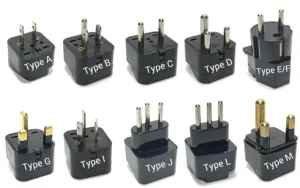
- Plug/Socket Type: Type G (three rectangular pins, UK-style)
- Consistency: These standards are used throughout the country, including hotels, hostels, and most public charging points.
Device Compatibility and Power Requirements
Common Cycling Traveler Devices
- Smartphones & GPS units: Most modern devices are dual voltage (100–240V, 50/60Hz) and charge via USB (5V, 1–2A).
- Cameras & Action Cams: Many use proprietary chargers but are often dual voltage; some newer models support USB charging.
- Bike Lights & Headlamps: Increasingly USB-rechargeable; check for dual voltage if using wall chargers.
- Laptops & Tablets: Most are dual voltage (100–240V) but may require a plug adapter.
- Power Banks: Charged via USB; compatible with 230V wall adapters.
- E-Readers, Smartwatches, Fitness Trackers: Typically USB-charged and dual voltage.
Key Points:
- Check your device’s power brick or label: Look for “Input: 100–240V, 50/60Hz.” If present, your device is compatible with Bahrain’s voltage and frequency.
- USB charging is universal: Most devices can be charged from a USB wall adapter compatible with 230V.
Necessary Adapters and Converters
Plug Adapters
- Type G Adapter: Required for devices with non-UK plugs.
- Universal Travel Adapter: Recommended for multi-country trips; ensures compatibility with Type G sockets .
Voltage Converters/Transformers
- Who needs them: Only travelers with single-voltage (110–120V only) devices from regions like North America or Japan.
- Dual Voltage Devices: No converter needed, just a plug adapter.
- Converters: Use a step-down converter for 110V-only devices; for sensitive electronics (e.g., some medical devices), a transformer is safer.
Important Notes:
- High-wattage appliances (hair dryers, kettles) require heavy-duty converters if not dual voltage, but it’s often easier to use dual voltage travel models.
- Grounded vs. Non-Grounded: Use a grounded adapter for devices with a third (earth) pin.
Power Solutions Specific to Cycling
Cycling in Bahrain’s hot, sunny, and sometimes dusty environment means you’ll need reliable, portable, and climate-resilient power solutions.
1. Power Banks (Portable Chargers)
- Most reliable for cycling: Not weather-dependent, easy to use.
- Capacity: 10,000–26,800mAh recommended (airline carry-on limit).
- Features to look for:
- High IP rating (dust/water resistance)
- Multiple USB ports
- Pass-through charging (charge devices while recharging the bank)
- Low-power mode for small devices
- Brands: Anker, XTpower, RavPower.
Tips:
- Carry two smaller power banks for redundancy.
- Store in shaded, ventilated areas to avoid heat damage.
2. Dynamo Hubs
- How they work: Generate power as you ride, charging devices or topping up a power bank.
- Pros: Reliable in all weather, not dependent on sunlight.
- Cons: No power when stationary, complex installation, limited output (best for phones, GPS, lights).
- Brands: SON, Shutter Precision.
Tips:
- Protect connectors from dust and sand.
- Use for continuous device use (e.g., GPS, lights).
3. Solar Chargers
- Ideal for Bahrain’s sunny climate: High solar potential, especially for stationary charging at camp or rest stops.
- Panel size: 15–20W recommended for recharging power banks.
- Features:
- USB and DC outputs
- Rugged, weather-resistant design
- Brands: Goal Zero, Anker.
Tips:
- Avoid direct contact with hot surfaces; mount for airflow.
- Charge during cooler parts of the day to prevent overheating .
4. Hybrid Systems
- For e-bikes or high-power needs: Integrated solar-inverter-battery systems can provide AC power for laptops, cameras, and more.
- Best for: Extended remote trips or those needing to charge high-drain devices.
Climate Considerations for Electronics
Bahrain’s climate poses unique challenges:
- Extreme Heat: Can degrade batteries, slow charging, and cause device shutdowns.
- High Humidity: May cause condensation when moving between air-conditioned and outdoor environments.
- Dust/Sand: Can infiltrate ports and connectors, causing malfunctions.
Mitigation Strategies:
- Store electronics in insulated, shaded bags.
- Use weatherproof and dustproof (IP-rated) devices and cases.
- Clean connectors and ports regularly.
- Charge devices during cooler hours (early morning, late evening).
- Monitor device temperatures and avoid charging when hot.
Recommendations for Cycling Travelers in Bahrain
- Bring a Type G plug adapter (or universal adapter) for all devices.
- Check all devices for dual voltage compatibility (100–240V, 50/60Hz). If not, bring a voltage converter.
- Rely on high-quality power banks for day-to-day charging; consider two for redundancy.
- Add a solar charger for multi-day or remote trips, Bahrain’s sun is a great resource, but protect panels and batteries from overheating.
- Consider a dynamo hub if you need to charge devices while riding, but be aware of installation and maintenance needs.
- Protect all electronics from heat and dust, use insulated storage and weatherproof cases.
- Plan to charge devices at accommodations, cafes, or public spaces, Bahrain’s urban areas have reliable electricity.
- Carry spare charging cables and short, thick cables for efficient power transfer.
- Monitor the climate: Avoid leaving devices in direct sunlight and charge during cooler periods.
Currency Exchange
Currency Overview: The Bahraini Dinar (BHD)
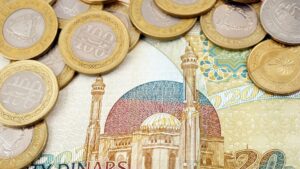
The official currency of Bahrain is the Bahraini Dinar (BHD), one of the world’s strongest and most stable currencies. It is pegged to the US dollar at a fixed rate, making exchange rates predictable and stable for travelers.
- Currency Code: BHD
- Symbol: .د.ب (Arabic), often abbreviated as BD
- Subunit: 1 BHD = 1,000 fils
Denominations
Banknotes:
- ½ (0.5) Dinar
- 1 Dinar
- 5 Dinars
- 10 Dinars
- 20 Dinars
Coins (Fils):
- 5 fils
- 10 fils
- 25 fils
- 50 fils
- 100 fils
- 500 fils (less common)
Banknotes and coins feature national symbols, cultural motifs, and advanced security features such as watermarks and holograms.
Currency Exchange Options
Bahrain offers a variety of ways to exchange money, from traditional exchange houses to digital solutions. Here’s what you need to know:
Major Exchange Providers
- BFC Bahrain: Known for competitive rates and online services.
- Lulu Exchange: Trusted for both currency exchange and international transfers.
- Travelex: Offers online ordering and in-store pickup, including at the airport.
- Global Exchange Bahrain: Simple in-store process for exchanging cash.
- Wise (formerly TransferWise): Digital platform for holding and converting money at mid-market rates, often better than banks or exchange offices.
Banks and ATMs
- Most major banks offer currency exchange services.
- ATMs are widely available in urban areas and accept international cards (Visa, Mastercard, Maestro, Cirrus).
- Withdrawal fees and exchange rates may vary, so compare before making large withdrawals.
Airport and Hotel Exchanges
- Currency exchange counters are available at Bahrain International Airport and major hotels.
- These are convenient for immediate needs but often have less favorable rates and higher fees.
Best Practices for Currency Exchange
- Compare Rates: Use online currency converters and check rates at different providers before exchanging large amounts.
- Avoid Airport/Hotel Exchanges for Large Sums: These locations are convenient but typically offer poorer rates.
- Use ATMs and Travel Debit Cards: Withdrawing cash from ATMs in cities is usually cost-effective. Multi-currency travel cards (e.g., Wise, Revolut) can help you avoid foreign transaction fees and offer competitive rates.
- Pay in Local Currency (BHD): Always choose to pay in BHD rather than your home currency to avoid dynamic currency conversion fees.
- Keep Receipts: Always request and keep receipts from exchanges and ATM withdrawals for your records and in case of disputes.
- Diversify Payment Methods: Carry a mix of cash, travel cards, and credit/debit cards for backup.
- Notify Your Bank: Inform your bank of your travel plans to avoid card blocks due to suspicious activity.
Safety Considerations for Cycling Travelers
While Bahrain is generally safe, cycling travelers should take extra precautions:
- Low Crime, But Stay Vigilant: Petty theft can occur, especially in crowded areas like souks. Keep valuables in a money belt or zipped pockets and avoid displaying large amounts of cash.
- Use Official Exchange Services: Only exchange money at banks, licensed exchange offices, or ATMs. Avoid street money changers to prevent scams or counterfeit notes.
- Distribute Your Cash: Don’t keep all your cash and cards in one place. Use a money belt or hidden pouch for larger sums and keep a small amount accessible for daily expenses.
- Backup Payment Methods: Carry multiple cards and store them separately. This reduces the risk of losing all your funds if one stash is lost or stolen.
- Plan for Rural Areas: Urban centers have more ATMs and exchange options. In rural or remote areas, cash is essential, so plan ahead and withdraw sufficient funds before leaving the city.
- Monitor Accounts Digitally: Use online banking to keep track of your finances and respond quickly to any suspicious activity. Be cautious with public Wi-Fi.
- Insurance: Ensure your travel insurance covers theft or loss of money and valuables while cycling.
Regional Considerations
Manama (Capital and Urban Centers)
- Best for Currency Exchange: Numerous exchange offices, banks, and ATMs with competitive rates.
- Best Practice: Exchange or withdraw cash here before heading to less populated areas.
Suburban and Tourist Areas
- Good Availability: Some exchange offices and ATMs, especially in larger towns and near hotels.
- Best Practice: Still, plan to get most of your cash in Manama for better rates and more options.
Rural Areas and Small Villages
- Limited Options: Few or no exchange offices or ATMs. Cash is essential for most transactions.
- Best Practice: Bring enough cash in small denominations for daily expenses before leaving urban areas.
Airport and Hotels
- Convenient but Expensive: Use only for small, immediate needs due to higher fees and poorer rates.
Recommendations for Cycling Travelers
- Carry Multiple Payment Methods: At least one debit card, one credit card, and some cash in BHD.
- Budget Carefully: Set a daily budget and track your spending to avoid running out of money unexpectedly.
- Plan Cash Needs: Withdraw or exchange enough cash in Manama for rural travel, and break large notes into smaller denominations for convenience.
- Stay Secure: Use a money belt or hidden pouch, and never leave your bike or bags unattended during stops.
- Join Local Cycling Groups: They can offer advice on safe places to exchange money and may help you navigate local banking options.
- Monitor Exchange Rates: Use apps or websites to track live rates and ensure you’re getting a fair deal.
- Avoid Carrying Large Amounts of Cash: Only carry what you need for the day and keep the rest secure.
Key Takeaways
- The Bahraini Dinar is stable, widely accepted, and available in convenient denominations.
- Exchange money at city-based exchange offices or ATMs for the best rates; avoid airport and hotel exchanges for large sums.
- Always use official exchange channels, keep receipts, and diversify your payment methods.
- Plan ahead for rural travel, carry small denominations, and prioritize safety and discretion with your money.
- Digital solutions like Wise can be a cost-effective and secure alternative for managing your funds.
Food & Water Quality
Food Safety Landscape in Bahrain
Bahrain has established itself as a regional leader in food safety, with a robust regulatory framework and active government oversight. The Ministry of Health’s Food Control Section is the primary authority, ensuring that both imported and locally produced foods meet stringent safety standards. Bahrain’s food safety management aligns with international best practices and is regularly updated to protect public health.
Key Points:
- The majority of food in Bahrain is imported and subject to strict inspection and certification.
- The country participates in the Gulf Cooperation Council (GCC) food safety committee, harmonizing standards across the region.
- Bahrain ranks 38th out of 113 countries in the Global Food Security Index 2022, reflecting strong performance in food quality, safety, and resilience.
Food Safety in Different Settings
Imported Foods
- Inspection: All imported foods are inspected for compliance with national and GCC standards.
- Labeling: Products with more than 1% genetically engineered content must be labeled and accompanied by a health certificate.
- Halal Certification: Meat and poultry imports require a Certificate of Islamic Slaughter.
Domestic Food Production
- Licensing: Local producers must adhere to strict licensing and hygiene requirements.
- Monitoring: Regular inspections ensure compliance with food safety regulations.
Food Retail & Food Service Establishments
- High Standards: Restaurants, supermarkets, and hotels are regularly inspected.
- Food Handlers: Ongoing training and assessment for food handlers to maintain hygiene standards.
- Consumer Protection: The government conducts regular checks to ensure safety and quality.
Traditional and Street Foods
- Challenges: Street vendors and traditional foods can pose higher risks due to variable hygiene practices.
- Regulation: The government is working to improve safety in these settings through targeted regulations and public health campaigns.
Water Quality and Safety
Bahrain’s natural freshwater resources are extremely limited, so the country relies heavily on desalinated seawater for municipal supply and treated wastewater for irrigation.
Drinking Water
- Desalinated Water: About 90% of municipal water is desalinated and treated to meet international drinking water standards. Tap water is considered safe and potable in most areas .
- Groundwater: Historically used, but now largely degraded due to over-extraction and salinization.
- Bottled Water: Widely available and commonly used by travelers for taste and peace of mind.
Wastewater and Sanitation
- Coverage: 90% of the population has access to sanitation services.
- Treated Wastewater: Used for irrigation, with ongoing improvements to reduce salinity and environmental impact.
Environmental Considerations
- Desalination Brine: Discharge from desalination plants is managed to minimize environmental harm.
- Marine Water Quality: Generally good, with metal concentrations within acceptable limits.
Food and Water Safety Tips & Precautions for Travelers
General Food Safety Tips
- Hand Hygiene: Wash hands with soap and water before eating; use hand sanitizer if needed.
- Dining Choices: Opt for reputable restaurants and cafes. Be cautious with street food and buffets.
- Food Preparation: Avoid raw or undercooked meats, fish, and seafood. Eat freshly cooked, hot food.
- Fruits & Vegetables: Peel fruits yourself. Avoid raw salads unless confident in hygiene standards.
- Dairy: Avoid unpasteurized milk and dairy products.
Water Safety Tips
- Tap Water: While generally safe, travelers with sensitive stomachs or those in older buildings may prefer bottled water.
- Ice & Beverages: Avoid ice unless you are sure it’s made from safe water. Prefer bottled or canned drinks.
- Remote Areas: Bring sufficient bottled water if traveling outside urban centers.
Preventing Foodborne Illness
- Traveler’s Diarrhea: Practice good hand hygiene and avoid risky foods. Carry oral rehydration salts and self-treatment medications.
- Vaccinations: Hepatitis A and Typhoid vaccines are recommended for travelers to Bahrain.
- Hydration: Drink plenty of safe fluids, especially in Bahrain’s hot climate.
Additional Precautions
- Avoid Contact with Animals: To reduce the risk of rabies and other diseases.
- Insect Protection: Use repellent and wear long sleeves to prevent mosquito-borne illnesses.
- Sun & Heat: Use sunscreen, wear a hat, and avoid strenuous activity during peak heat.
Common Foodborne Illnesses and Health Concerns
- Traveler’s Diarrhea: Most common, caused by bacteria like E. coli, Salmonella, and Shigella.
- Hepatitis A & Typhoid: Both are present; vaccination is recommended.
- Other Risks: Hepatitis B, cholera (for high-risk groups), and insect-borne diseases like dengue and chikungunya.
- Routine Vaccinations: Ensure you are up-to-date on standard vaccines (MMR, Tdap, polio, etc.).
Key Takeaways
- Bahrain maintains high food and water safety standards, but travelers should still exercise caution, especially with street food and water sources.
- Hand hygiene, careful food selection, and drinking bottled or treated water are your best defenses against illness.
- Stay up-to-date on recommended vaccinations and be prepared for the hot climate.
What do the US Dept of State, US Embassy, and CDC say?
Check out the latest Travel Advisory to Bahrain from the US Dept of State. Contacts from all US Embassies in Bahrain are listed on the website. Use the Smart Traveler Enrollment Program (STEP) to inform them of your travels.
Read the Travel Health Notices & suggested vaccinations from the CDC
For the latest updates and resources, visit the U.S. Embassy in Bahrain’s official website: U.S. Embassy & Consulates in Bahrain
Supplement Your Health / Travel Insurance
General Insurance Requirements and Recommendations
While travel insurance is not mandatory for entry into Bahrain, it is strongly recommended for all visitors, especially those engaging in cycling or other adventure activities. Medical care in Bahrain is of high quality but can be expensive for foreigners without insurance. Here’s what you should know:
- Comprehensive travel health insurance is advised, covering:
- Medical emergencies and hospitalization
- Emergency medical evacuation and repatriation
- Trip cancellation/interruption
- Baggage loss/delay
- Personal liability
- COVID-19-related expenses (now standard in many plans)
- Proof of insurance is not required for entry, but it is wise to carry documentation in case of emergencies or for visa purposes if needed.
- Vaccinations: Ensure you are up to date on routine and region-specific vaccines.
- Special note for HIV-positive travelers: Bahrain has entry restrictions and may require testing during hospital visits.
Specialized Insurance Options for Cyclists
Cycling travelers should consider insurance that covers not only health and travel but also their bicycle and cycling gear. Here are leading options:
Velosurance
Velosurance is a U.S.-based specialist bicycle insurance provider offering robust, customizable coverage for cyclists, including international travel with the optional worldwide coverage add-on.
Key Features:
- Full value coverage for your bike (no depreciation)
- Theft protection (home, car, or public place)
- Crash and accidental damage (including during transit)
- Coverage for cycling apparel and spare parts
- Optional medical payments and liability coverage
- E-bike coverage (Classes 1, 2, and 3)
- Worldwide coverage option for travel, including Bahrain (must be selected)
- Claims can be processed internationally
Limitations:
- Only available to U.S. residents
- Worldwide coverage is limited to 90 days per trip
URL: velosurance.com
Sunday’s Insurance
Sunday’s Insurance offers comprehensive bicycle insurance for a wide range of bikes and cycling activities, with an optional worldwide coverage add-on.
Key Features:
- Theft and accidental damage (home and away)
- Custom parts and accessories coverage
- Medical expenses (up to $1,000 for emergencies)
- Transport and transit coverage (including flights)
- Event and racing coverage (optional)
- Emergency transport reimbursement
- Worldwide coverage for up to 90 days per trip (must be selected)
- Family coverage options
Limitations:
- U.S.-based, but worldwide coverage is available as an add-on
- Must comply with local laws for e-bikes
URL: sundaysinsurance.com
World Nomads Insurance
World Nomads is a global travel insurance provider popular with adventure travelers, including cyclists.
Key Features:
- Covers over 250 sports and activities, including various types of cycling (touring, urban, off-road, mountain biking)
- Emergency medical and evacuation coverage
- Trip cancellation/interruption
- Baggage and gear protection (including bicycles)
- 24/7 emergency assistance
- Flexible plans (Standard, Explorer, Epic, Annual) with different activity levels
- Available to residents of over 150 countries, including coverage for travel in Bahrain
Important Notes:
- You must declare all planned cycling activities when purchasing your policy
- Not all competitive or high-risk cycling events are covered—check policy wording
- No mid-trip upgrades for activity coverage
URL: worldnomads.com
Other Insurance Options in Bahrain
While there are no Bahraini insurers offering highly specialized cycling insurance, several reputable local and international providers offer comprehensive travel and health insurance, sometimes with adventure sports add-ons:
- GIG Gulf: giggulf.bh
- Travelner: travelner.com
- Cigna: cigna.com
- Allianz Care: allianzcare.com
- Bupa Global: bupaglobal.com
- AXA Global: axaglobalhealthcare.com
Key Points:
- These providers may offer adventure sports coverage as an add-on—always check if cycling (especially mountain biking or racing) is included.
- If you are joining a cycling tour or event, organizers may require proof of adequate insurance, but this is not a Bahraini legal requirement.
Key Considerations for Cycling Travelers
- Medical Coverage: Ensure your policy covers medical emergencies, hospitalization, and evacuation, especially for cycling-related injuries.
- Bicycle & Gear Protection: Standard travel insurance may not cover your bike, use specialized providers for high-value equipment.
- Personal Accident & Liability: Look for policies that include personal accident and third-party liability coverage.
- Adventure Sports Exclusions: Many travel insurance policies exclude “adventure sports” or “hazardous activities.” Always check the fine print.
- Proof of Ownership: Keep receipts and photos of your bike and gear for claims.
- Documentation: Carry proof of insurance and emergency contact details at all times.
- Local Risks: Be aware of road safety, civil unrest, and local laws regarding cycling and e-bikes.
- Duration Limits: Specialized cycling insurance worldwide coverage is often limited to 90 days per trip, plan accordingly.
- Claims Process: Understand how to file claims from abroad and what documentation is required.
How to Stay Safe
Staying Safe as a Cycling Traveler in Bahrain
Bahrain offers a unique cycling experience, but safety requires careful attention to local road conditions, regulations, climate, and cultural norms. Below is a comprehensive guide to help you stay safe and make the most of your cycling journey in Bahrain.
Road Safety & Traffic Conditions
- Infrastructure: Bahrain’s cycling infrastructure is limited, with few dedicated bike lanes. Most cycling occurs on public roads designed primarily for motor vehicles, which can be challenging and hazardous for cyclists.
- Traffic Volume: The northern third of Bahrain is densely populated and features four- to six-lane highways with high traffic volumes and speeds. These roads can be intimidating and risky for cyclists.
- Recent Regulations: As of February 2025, non-licensed bicycles and scooters are banned from main public roads, vehicle lanes, and road shoulders. Cyclists must use secondary roads or dedicated paths where available.
- Driver Behavior: Unsafe driving practices, such as high-speed driving (39% of fatal accidents) and drunk driving (18%), are significant risks. Sudden lane changes, failure to yield, and distracted driving are common.
- Hazards: Lack of dedicated lanes, high-speed traffic, and limited driver awareness of cyclists’ rights increase the risk of accidents.
Safety Equipment & Bicycle Maintenance
Mandatory Equipment:
- Helmet: Strongly recommended and required in some settings, especially for children.
- High-Visibility Vest: Mandatory, especially in low-light conditions or at night.
- Lights: White front light and red rear light required at night.
- Reflectors: White (front), red (rear), orange (pedals and sides).
- Brakes: Two independent braking systems (front and rear) are required.
Recommended Extras:
- Reflective accessories (armbands, stickers), rear-view mirror (especially if carrying children), safety flag for trailers, and bright clothing to enhance visibility.
Maintenance:
- Helmet: Replace every 5 years or after any impact.
- Brakes, lights, and reflectors: Check before every ride; clean and maintain regularly.
- E-bikes: Regularly check battery and electrical systems.
Health & Medical Precautions
- Healthcare Access: Bahrain has both public and private hospitals and clinics. Non-residents should have comprehensive health insurance, as private care can be expensive.
- Emergency Services: Dial 999 for ambulance services. Bahrain also operates a motorcycle ambulance service for rapid response in congested areas.
- Injury Risks: Road accidents are a significant risk for cyclists. Carry identification and emergency contact information at all times.
- Heat-Related Illnesses: The hot, humid climate increases the risk of dehydration, heat exhaustion, and heatstroke. Hydrate frequently, use sun protection, and avoid cycling during peak heat.
- Vaccinations: Ensure routine vaccinations are up to date. Hepatitis A and Typhoid vaccines are recommended for travelers.
Seasonal Considerations
- Summer (May–October): Extremely hot and humid, with temperatures often exceeding 40°C (104°F). Risk of dehydration and heat-related illnesses is high. Dust storms and strong winds can also occur.
- Winter (November–April): Mild and more suitable for cycling. Occasional rain can make roads slippery due to accumulated dust and oil.
- Recommendations:
- Cycle early in the morning or late in the evening during summer.
- Wear sunscreen, sunglasses, and light, breathable clothing.
- Avoid cycling during dust storms or heavy rain.
Cultural Awareness & Local Customs
- Dress Code: Modesty is important. Both men and women should cover shoulders, upper arms, and knees. Women should consider wearing a loose top over tight cycling attire, especially in conservative areas.
- Behavior: Public displays of affection, loud or aggressive behavior, and swearing are frowned upon. Be polite and avoid confrontational gestures.
- Religious Observances: During Ramadan, do not eat, drink, or smoke in public during daylight hours. Plan rides accordingly.
- Interactions: Ask permission before photographing people, especially women or religious sites. Avoid physical contact with the opposite sex unless a hand is offered first.
- Alcohol & Drugs: Strictly regulated. Never cycle under the influence.
Crime Prevention & Personal Safety
- Crime Rate: Bahrain is generally safe, with low rates of violent crime. Petty theft and pickpocketing can occur in crowded areas like souqs.
- Civil Unrest: Demonstrations can occur with little warning. Avoid large gatherings and monitor local news.
- Terrorism: There is an ongoing threat; remain vigilant and follow local advice.
- Personal Safety Tips:
- Keep valuables secure and avoid displaying expensive items.
- Use reputable transportation services.
- Be cautious with digital security due to cybercrime risks.
- Know the location of your embassy and local emergency numbers.
Insurance & Legal Considerations
- Insurance: No mandatory insurance for cyclists, but liability coverage is highly recommended. Check if your travel insurance covers cycling-related incidents, or consider specialized bicycle insurance for theft, damage, liability, and legal costs.
- Legal Requirements: Non-licensed bicycles and scooters are banned from main public roads. Cyclists can be held liable for injuries or damages caused to others. Legal disputes may be resolved through litigation or arbitration.
- Documentation: Carry proof of insurance, identification, and emergency contact information.
Practical Safety Tips for Cyclists
- Plan Your Route: Use secondary roads or dedicated paths where possible. Avoid high-speed highways and main roads unless your bicycle is licensed and permitted.
- Visibility: Always use lights and wear high-visibility clothing, especially at night or in low-light conditions.
- Hydration & Nutrition: Carry enough water and snacks, especially for long rides or during hot weather.
- Emergency Preparedness: Know the local emergency number (999) and carry a mobile phone with a charged battery.
- Group Rides: Whenever possible, ride with others for increased visibility and safety.
- Respect Local Laws: Stay updated on cycling regulations and comply with all legal requirements.
- Cultural Sensitivity: Dress modestly, respect religious customs, and be polite in all interactions.
- Bike Security: Lock your bike when unattended and avoid leaving valuables in plain sight.
Essential Apps
Cycling Navigation & Tracking Apps
These apps help you plan routes, track your rides, and connect with the local cycling community.
- Google Maps: Reliable for cycling directions, route planning, and real-time navigation. Android | iOS
- Strava: Track rides, analyze performance, and join local cycling groups. Android | iOS
- Komoot: Advanced route planning, offline maps, and turn-by-turn navigation, great for exploring new areas. Android | iOS
- MapMyRide: GPS ride tracking, route mapping, and integration with wearables. Android | iOS
- Bikemap: Millions of cycling routes, turn-by-turn navigation, and offline maps. Android | iOS
- Ride with GPS: Precision route planning, voice navigation, and offline maps, popular with cycling clubs. Android | iOS
- Cyclemeter: (iOS only)Advanced ride tracking and analytics for iPhone users. iOS
Weather Apps
Stay updated on Bahrain’s weather, which can be hot and humid, crucial for planning safe rides.
- Bahrain Weather (Official): Accurate, local forecasts from the Bahrain Meteorological Directorate. Android | iOS
- AccuWeather: Global weather app with hyperlocal forecasts and severe weather alerts. Android | iOS
- ArabiaWeather: Regional app with detailed forecasts for the Middle East. Android | iOS
Translation & Language Apps
English is widely spoken, but Arabic is the official language. These apps help bridge any language gaps.
- Google Translate: Text, voice, and camera translation between English and Arabic; works offline. Android | iOS
- Microsoft Translator: Text, voice, and image translation; conversation mode for group chats. Android | iOS
- WordReference: Comprehensive dictionary and verb conjugator for English-Arabic. Android | iOS
Transportation & Ride-Sharing Apps
For times when you need a lift (e.g., after a long ride or in case of bike trouble).
Accommodation & Travel Apps
Book hotels, apartments, and experiences easily.
Emergency & Safety Apps
Stay safe and prepared for any situation.
- Wejhaty (Bahrain Ministry of Foreign Affairs): Register travel, receive emergency alerts, and access embassy info. iOS (No Android version confirmed)
- International SOS Assistance: Medical and security advice, emergency assistance worldwide. Android | iOS
- EchoSOS: Connects you to local emergency services and shares your location. Android | iOS

Cycle The Myth: Peloponnese, Greece
From$2,600Availability : July 30 - Aug 15, 2025Delhi, Manali to Leh, IndiaExperience the bustling chaos and historic majesty of Delhi’s ancient streets before embarking on one of the world’s most epicView TourGolden Triangle + Himalayan Cycling Adventure
From$2,600Availability : July 30 - Aug 15, 2025Delhi, Manali to Leh, IndiaExperience the bustling chaos and historic majesty of Delhi’s ancient streets before embarking on one of the world’s most epicView Tour
Kerala Spice Trail Cycling Tour
From$1,750Availability : January 15 - 25, 2026Kerala, IndiaKerala, aka “God’s Own Country”, is known for stunning landscapes, serene backwaters, vibrant culture, & diverse cycling routes through tropicalView Tour
Cyclists’ Crib: Flandrien Hotel — The Cycling Museum You Can Sleep In.
I thought I booked a hotel. I accidentally checked into...
Read More
Someone Is Winning a Mallorca Cycling Escape Worth $1,400—Why Not You?
The Ride That Stayed With Me I still remember descending...
Read More
Ridden & Reviewed: Cycling the Portuguese Camino with Top Bike Tours Portugal
“I thought I was signing up for a bike tour....
Read More