Why South Korea May Be Asia’s Best-Kept Secret for Cyclists...
Read More
Local Emergencies
Emergency Contact Numbers
In Gobustan National Park and throughout Azerbaijan, the following emergency numbers are available and should be saved in your phone and carried on a written note:
- General Emergency (Ministry of Emergency Situations) : 112 – Universal emergency number for all types of emergencies (ambulance, fire, police). Toll-free, 24/7, accessible from mobile and landline.
- Fire Service: 101
- Police: 102
- Ambulance: 103
- Gas Emergency: 104
Tip: If using an international SIM, try dialing +994 (Azerbaijan’s country code) before the three-digit number if direct dialing does not work. Be ready to provide your exact location, ideally with GPS coordinates, as English may not be widely spoken by operator.
Foreign-Friendly Hospitals Near Gobustan National Park
Gobustan is remote, with no major hospitals in the park itself. The nearest high-quality, foreign-friendly medical facilities are in Baku (about 60–70 km away). For serious emergencies, expect to be transported to Baku.
Central Clinical Hospital (Mərkəzi Klinik Xəstəxəna)
- Address: Parliament Avenue 1, Baku, Azerbaijan
- Phone: +994 (12) 492-00-00
- Website: merkeziklinika.az
- Notes: Modern private hospital, English-speaking staff, wide range of services.
Medistyle Hospital
- Address: 1001 Jafar Jabbarli Street, Baku, Azerbaijan
- Phone: +994 (12) 497-00-00
- Website: medistyle.az
- Notes: Reputable private hospital, often with English-speaking personnel.
Bona Dea International Hospital
- Address: 75 Tbilisi Avenue, Baku, Azerbaijan
- Phone: +994 12 140
- Website: livhospital.com
- Notes: Large, modern hospital with international patient care.
Salyan Central District Hospital
- Address: Heydar Aliyev Avenue, Salyan, Azerbaijan
- Phone: +994 (2129) 5-22-44
- Notes: Public hospital in the nearest major town south of Gobustan. English support is very limited.
For serious emergencies, stabilization and transfer to Baku is the most likely course of action.
Consular Assistance
Most embassies are located in Baku. In case of lost passports, legal issues, or medical emergencies, contact your embassy for guidance.
US Embassy in Azerbaijan
- Address: 111 Azadliq Prospecti, AZ1007 Baku, Azerbaijan
- Phone (General/Emergency): +994 12 488-3300
- Alternate Phone: +994 12 310 30 22 (Azerbaijan) / +1-313-639-0896 (USA)
- Website: U.S. Embassy in Azerbaijan
- Services: Emergency assistance, lost/stolen passports, legal/medical help, travel advisories.
Non-US Embassies and Consulates
- Embassy of France in Baku
- Address: R.Rza 9, Baku
- Phone: (+99412) 490 81 00
- Email: presse.bakou-amba@diplomatie.gouv.fr
- Directory of Embassies:
For other countries’ embassies, refer to Embassy Finder for a complete list.
Travel Insurance: Emergency Coverage
Comprehensive travel and health insurance is essential, especially in remote areas like Gobustan. Three recommended providers for cycling travelers:
World Nomads
- Website: worldnomads.com
- Coverage: Emergency medical expenses, evacuation, cycling accidents, gear loss/theft, trip interruption, 24/7 assistance.
- Emergency Contact: +1 954-334-8143 (collect, outside US) / +1 877-289-0968 (US/Canada), email: ops@gga-usa.com.
Velosurance
- Website: velosurance.com
- Coverage: Comprehensive bike theft/damage, some medical payments, liability. Limited medical/evacuation coverage, pair with travel insurance for full protection.
Sunday’s Insurance
- Website: sundaysinsurance.com
- Coverage: Bike theft/damage, liability, limited personal accident. Not a substitute for full travel medical insurance.
For full emergency protection, combine a specialist bike policy (Velosurance or Sunday’s) with a comprehensive travel insurance plan like World Nomads. Ensure your policy covers remote area rescue and medical evacuation.
Emergency Procedures for Cyclists
If you encounter an emergency while cycling in Gobustan National Park, follow these steps:
- Evacuate if Needed: If in immediate danger (e.g., sudden weather change, rockfall, aggressive animals), move to a safer location with your essentials if safe to do so.
- Assess the Situation: Determine the nature and severity of the emergency, injury, mechanical breakdown, or environmental hazard.
- Call for Help: Dial 112 for all emergencies. Clearly state your location (GPS coordinates are best), the nature of the emergency, and any injuries. If mobile signal is weak, move to higher ground or open areas.
- First Aid & Injury Management: Carry a comprehensive first aid kit. Treat minor injuries yourself. For serious injuries, stabilize the person, keep them warm, and wait for professional help. Do not move someone with a suspected spinal injury unless absolutely necessary.
- Communication: Inform someone of your situation and location. Use GPS or offline maps to help responders find you. A personal locator beacon (PLB) or satellite messenger is highly recommended for remote areas.
- Mechanical Breakdowns: Carry essential tools (multi-tool, spare tubes, patch kit, pump, chain links, tire levers) and know how to perform basic repairs. There are no bike shops or repair services in the park.
- Navigation & Survival: Bring navigation tools (map, compass, GPS device), emergency shelter (blanket or bivy sack), and extra water and food. The park offers little shade or natural resources.
- Evacuation: If your bike is unrideable and you cannot get a signal for emergency services, you may need to walk to the nearest main road (M2 highway) to flag down a vehicle. This can be a long walk under harsh conditions.
Preventative Measures
To significantly reduce the risk of emergencies in Gobustan:
- Bike Maintenance: Perform a thorough check of your bike (tires, brakes, chain, gears) before setting out. Carry a comprehensive repair kit.
- Personal Protective Equipment: Always wear a helmet, and use bright or reflective clothing. Sunglasses and a wide-brimmed hat are essential due to intense sun exposure.
- Route Planning: Study your route carefully. Understand the terrain, elevation changes, and potential hazards. Share your itinerary with someone.
- Weather Preparedness: Check the forecast before you go. Gobustan can experience extreme heat, strong winds, and sudden dust storms. Dress in layers.
- Hydration & Nutrition: Carry significantly more water than you think you’ll need, especially in warmer months. Bring high-energy snacks or a packed meal. There are no shops or water sources in the park.
- Ride in Groups: Cycling with at least one other person is highly recommended for safety in remote areas.
- Know Local Laws: Obey all traffic rules on the approach roads and respect park regulations.
- Emergency Numbers: Save all key contacts in your phone and keep a written copy.
- Sun Protection: Apply high-SPF sunscreen frequently.
- Navigation: Use a reliable GPS device or app with offline maps. Mobile signal can be unreliable.
Cultural and Legal Considerations
- Respect Authority: Always follow instructions from park rangers or officials.
- Carry Identification: Keep your passport, visa, and insurance documents with you at all times.
- Obey Park Rules: Gobustan is a UNESCO World Heritage site. Do not touch or damage petroglyphs, mud volcanoes, or other natural features. Stick to marked trails.
- Interaction with Locals: While the park itself is remote, you may encounter locals on the approach roads. Be polite and cooperative. Language barriers may exist.
- Photography: Photography is generally allowed, but be respectful of any local customs or requests.
- Environmental Protection: Pack out all trash. Do not leave anything behind.
- Political Sensitivities: Avoid discussing Armenia or Nagorno-Karabakh, and do not photograph military installations.
- Dress Modestly: Especially outside Baku, conservative dress is recommended.
Additional Resources
- Azerbaijan Tourism Board: azerbaijan.travel
- UNESCO World Heritage Centre – Gobustan: whc.unesco.org
- Komoot Cycling Routes: komoot.com/guide/71745/road-cycling-routes-in-azerbaijan
Do I need a Visa to Enter?
Visa Requirements for US Citizens
US citizens must obtain a visa before traveling to Azerbaijan. There is no visa-free entry for US passport holders. The most common and convenient option is the ASAN e-Visa system, but consular visas are also available for longer stays or special purposes.
Main Visa Options for US Citizens
e-Visa (ASAN Visa)
- Purpose: Tourism, business, education, humanitarian, official, culture, medical, science, sports, personal trips
- Entries: Single entry
- Duration of Stay: Up to 30 days
- Validity: 90 days from date of issue (entry can be any time within this period, but stay cannot exceed 30 days)
- Application: Online via evisa.gov.az
- Processing Time: Standard (3–6 business days), Urgent (4–6 hours, extra fee)
- Fee: ~$20–25 USD
- Documents: Passport (valid at least 6 months from entry), scanned passport page, accommodation details, contact info
- Print the e-Visa and present it at the border.
Embassy/Consular Visa
- When needed: For stays longer than 30 days, multiple entries, work, or official purposes
- Application: By mail to the Embassy of Azerbaijan in Washington, DC
- Documents: Application form, passport, photos, hotel booking, flight tickets, visa fee, prepaid return envelope
- Processing Time: 5–7 business days
- Fee: $20 (single entry), $250 (multiple entry).
Registration Requirement: If staying more than 15 days, you must register with the State Migration Service within 15 calendar days of arrival. Hotels often assist, but private stays require self-registration.
Special Cases: Temporary visa-on-arrival may be available for major events (e.g., Formula 1 Grand Prix) for accredited travelers or ticket holders.
Visa Requirements for Non-US Citizens
Visa requirements for non-US citizens vary by country and region. Azerbaijan has expanded visa-free access for some countries, but most travelers will need a visa.
Regional Overview
- Europe
- Most EU/Schengen citizens: Visa required (e-Visa available)
- Turkey: Visa-free
- Russia, Georgia, Belarus, Kazakhstan, Kyrgyzstan, Moldova, Tajikistan, Ukraine, Uzbekistan: Visa-free for short stays
- Asia
- China, India, Japan, South Korea: Visa required (e-Visa available)
- Iran, Turkey: Special arrangements or simplified processes
- Africa: Most African countries: Visa required (e-Visa available for some. Others must apply at embassy)
- Americas:
- Canada: Visa required (e-Visa available)
- Latin America: Visa required (e-Visa available for many)
- Oceania: Australia, New Zealand: Visa required (e-Visa available)
Special Notes
- Visa on Arrival: Limited to certain Gulf and Asian countries (e.g., Oman, Saudi Arabia, Bahrain, Kuwait, Japan, Indonesia, China, South Korea, Malaysia, Singapore, Israel) and for special events or residency permit holders from GCC countries.
- Visa Exemption: Some nationalities are exempt for short stays (30–90 days). The list is updated regularly; check the Ministry of Foreign Affairs for the latest.
- Armenian Citizens and Persons of Armenian Descent: Entry is generally prohibited due to ongoing conflict, with rare exceptions for international events.
Check the Passport Index to see if your passport has visa requirements for this country.
General Visa Application Requirements
Regardless of nationality, most applicants will need to provide the following:
- Completed Visa Application Form: Online for e-Visa, paper or online for consular visa
- Valid Passport: Must be valid for at least 6 months beyond intended entry date, with at least one blank page.
- Passport-Sized Photograph: Recent, meeting specific requirements (e.g., white background, no glasses).
- Visa Fee Payment: Non-refundable. Varies by visa type and processing speed
- Supporting Documents:
- Proof of accommodation (hotel booking or host letter)
- Travel itinerary or flight tickets
- Proof of financial means (sometimes required)
- Invitation letter (for business, work, or private visits)
- Additional documents for work, study, or medical visas
- Registration (for stays over 15 days): Register with the State Migration Service within 15 days of arrival.
- Translations: Any documents not in English or Azerbaijani must be accompanied by certified translations.
- Biometric Data: Not required for e-Visa, but may be required for consular applications.
Recent Updates and Important Notes
- Visa-free access expanded for several countries as of September 2025.
- All COVID-19 entry restrictions removed since March 2023.
- Multiple-entry visas (up to 365 days) are available through embassies for eligible travelers.
- New e-Visa portal and embassy appointment system for US citizens as of May 2025.
- Highly skilled foreign workers may work in Azerbaijan without a work visa under new 2025 legislation.
- Always check the latest requirements on official government websites before travel, as policies can change frequently.
Official Resources and Important Links
- ASAN Visa (Official E-Visa Portal): evisa.gov.az (Apply for e-Visas, check eligibility, track application status)
- Azerbaijan Ministry of Foreign Affairs: mfa.gov.az/en (Visa policy, list of visa-exempt countries, official updates)
- Embassy of Azerbaijan in Washington, DC (for US-based applicants): washington.mfa.gov.az/en (Visa types, application forms, contact information)
- State Migration Service: migration.gov.az/en (Registration requirements for longer stays)
Key Takeaways
- US citizens must obtain a visa (e-Visa is the easiest option for short stays).
- Most non-US citizens require a visa. Check eligibility for e-Visa or visa-free entry.
- General requirements include a valid passport, application form, photo, fee, and supporting documents.
- Register with the State Migration Service if staying more than 15 days.
- Use official resources for the most current information and to apply.
Cell Phone & Wifi Access
Mobile Network Coverage and Providers
Azerbaijan boasts extensive mobile network coverage, especially in urban areas, but there are important differences between city and rural connectivity.
- Coverage:
- Approximately 94% of urban and rural residential areas are covered by mobile networks.
- Urban centers (Baku, Ganja, Sumgait) have near-universal, high-speed (3G, 4G, and increasingly 5G) coverage.
- Rural and remote areas may have only 2G or 3G, with slower speeds and occasional interruptions. Coverage is generally reliable along major roads and towns, but can be patchy in mountainous or remote regions.
- Main Providers:
- Azercell (largest, best coverage)
- Bakcell (good coverage, competitive pricing)
- Nar Mobile (smaller, some unique coverage areas)
- Key Points:
- 69% of the population uses mobile broadband.
- 96.5% of mobile connections are now broadband (3G, 4G, or 5G).
- Ongoing investments aim to improve rural connectivity, but a digital divide remains.
Pre-paid SIM Card Options for Tourists
Where to Buy and What You Need
- Official Operator Stores:
- Located in city centers and major towns.
- Baku Airport: SIM cards available at kiosks after baggage claim, convenient for immediate connectivity.
- Retail/Convenience Stores: Widely available, but always buy from official outlets for proper registration.
- Passport Required: You must present your passport for SIM registration, as required by Azerbaijani law.
SIM Card Costs and Data Packages
- SIM Card Price: Typically 1–5 AZN ($0.60–$3 USD), plus starter pack fees (e.g., Azercell charges 5 AZN for a starter pack).
- Data Packages:
- Azercell:
- 3GB + 300 mins (30 days): 10 AZN (~$6 USD)
- 6GB + 400 mins (30 days): 15 AZN (~$9 USD)
- 30GB + 700 mins (30 days): 39 AZN (~$23 USD)
- Data-only packs and short-term options available.
- Bakcell:
- 2GB + 350 mins (30 days): 10 AZN
- 5GB + 500 mins (30 days): 15 AZN
- Data-only and short-term packs available.
- Nar Mobile: Similar offers, but coverage may be less extensive outside major cities.
- Azercell:
- Validity:
- Most packages are valid for 30 days.
- Short-term (hourly, daily) options are available.
- Activation: Usually done in-store at purchase. Staff will assist and ensure your SIM is working before you leave.
- Top-up: Available at supermarkets, convenience stores, and operator outlets. Online top-up is possible, but international cards may not always work.
- Tourist SIMs: Some operators offer special tourist SIMs with extra data or deals, ask in-store for current promotions.
- IMEI Registration: If staying over 30 days, you must register your device’s IMEI with the government, or your device may be blocked from local networks.
eSIM Options for Tourists
eSIMs are a convenient alternative to physical SIM cards, offering instant activation and flexible data plans.
International eSIM Providers
- Top Providers:
- Saily, Airalo, Holafly, GigSky, Roamify, Yoho Mobile, Truely, Yesim, Esimatic.
- Plans start as low as $2.99, with unlimited data and instant activation via QR code or app.
- How to Purchase:
- Buy online from the provider’s website or app.
- Activation is usually instant and can be done before or during your trip.
Local eSIM Providers
- AzerCell, Bakcell, Nar Mobile:
- Offer eSIMs at their physical stores in Azerbaijan.
- Passport required for registration.
- Good option if you want a local number or in-country support.
WiFi Availability
Urban Areas
- Widespread Access:
- Hotels, cafes, restaurants, shopping centers, and public spaces in Baku, Ganja, and Sumgait offer reliable, fast WiFi.
- Free public WiFi is common in airports, some parks, and city squares.
- Accommodation: Nearly all hotels and most hostels/guesthouses in cities provide free WiFi, though speeds may vary.
Rural Areas
WiFi is less common and often slower in rural or remote regions. Less than one-third of regional users had access to fiber-optic internet by the end of 2022, but improvements are ongoing.
General Tips
- Don’t Rely Solely on WiFi:
- For cyclists venturing outside cities, mobile data is more reliable than WiFi.
- Always have a mobile data backup for navigation and emergencies.
Specific Considerations for Cyclists
- Mobile Coverage for Navigation:
- Urban areas offer strong coverage for navigation apps and emergency contact.
- In rural or mountainous regions, coverage may be spotty, download offline maps and routes in advance.
- Safety and Emergency:
- Reliable mobile data is crucial for accessing navigation, weather updates, and emergency services.
- Always inform someone of your route, especially when cycling in remote areas.
- Infrastructure:
- Cycling infrastructure is still developing, especially outside Baku. Plan routes to maximize use of existing bike lanes and quieter roads.
- Monitor local news or cycling forums for updates on new bike lanes and facilities.
- Integration with Public Transport: Limited integration between cycling and public transport, plan accordingly if you need to combine modes of travel.
- Cultural and Environmental Factors:
- Cycling is being promoted as an eco-friendly alternative, but cars remain the dominant mode of transport.
- Public awareness campaigns and events are helping to improve the cycling environment.
Are your Electronics Compatible?
Azerbaijan’s Electrical System Specifications
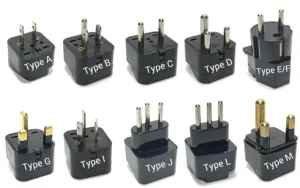
Outlet Types:
- Type C (Europlug): Two round pins
- Type F (Schuko): Two round pins with side grounding clips
- Both types are common across Europe and widely used in Azerbaijan.
- Voltage: 220 volts (sometimes reported as 230V, but 220V is the standard).
Device Compatibility and Power Requirements
Common Cycling Traveler Devices
- Smartphones (navigation, communication)
- GPS cycling computers
- Rechargeable bike lights
- Action cameras (e.g., GoPro)
- Power banks
- E-bike batteries (if using an e-bike)
- Tablets/laptops
- USB-rechargeable accessories (headlamps, speakers)
Compatibility Overview
- Most modern devices (phones, GPS, cameras, laptops, power banks) are designed for 100–240V, 50/60Hz input. These are fully compatible with Azerbaijan’s 220V, 50Hz system, only a plug adapter is needed.
- E-bike chargers:
- Many are multi-voltage (100–240V) and compatible with Azerbaijan’s system.
- Some are single-voltage (110V only); these require a step-down voltage converter to avoid damage.
- Older or single-voltage devices (e.g., some US appliances): If rated only for 110V, a voltage converter or transformer is required.
Necessary Adapters and Converters
Adapters
- Who needs them: Travelers from countries with different plug types (e.g., US, UK, Australia) will need a Type C or Type F adapter.
- Grounded vs. Non-Grounded:
- Use a grounded adapter for devices with a third (earth) pin.
- Non-grounded adapters are fine for double-insulated (two-prong) devices.
- Universal Adapters: Recommended for multi-country trips; ensure they support Type C and F.
Converters/Transformers
- Who needs them: Only travelers with devices that are not rated for 220V (e.g., some US appliances, certain e-bike chargers).
- Converters: For short-term use with simple devices (e.g., hair dryers).
- Transformers: For continuous use with sensitive electronics (e.g., laptops, battery chargers).
- Note: Converters/transformers do not change plug shape; you still need an adapter.
Power Solutions Specific to Cycling
1. Portable Chargers (Power Banks)
- Essential for all cyclists, reliable, easy to use, and can be recharged at hotels, cafes, or guesthouses.
- Recommended capacity: 10,000–20,000mAh for most trips; up to 27,000mAh for extended adventures.
- Features to look for:
- USB-C with Power Delivery (PD) for fast charging
- Rugged, water-resistant models (IP67/IP68) for durability.
2. Dynamo Hubs and Dynamo USB Chargers
- Generate power while riding, ideal for long-distance touring with limited access to mains electricity.
- Best for: Charging phones, GPS, lights, and topping up power banks.
- Limitations: Charging speed depends on riding speed; less effective on slow or technical terrain.
- Popular brands: Schmidt SON28, Shimano XT, Shutter Precision.
3. Solar Panels
- Useful for off-grid, remote touring, especially in sunny regions of Azerbaijan.
- Recommended size: 10–20W panels for most cyclists.
- Limitations: Less effective in cloudy weather or while riding; best used during rest stops.
- Popular brands: Goal Zero, Anker, Voltaic, Powertraveller.
4. Hybrid Setups
- Combine power banks, dynamo hubs, and solar panels for maximum flexibility and redundancy.
- Pass-through charging: Choose power banks that allow simultaneous charging and discharging for efficient use with solar or dynamo.
Recommendations for Cycling Travelers in Azerbaijan
- Bring at least one high-quality power bank (10,000–20,000mAh) for backup power.
- Carry a Type C or Type F plug adapter for all your chargers.
- Check all device chargers for 100–240V compatibility. Bring a voltage converter only if necessary (mainly for some e-bike chargers or older electronics).
- Consider a dynamo hub if you plan long rides between towns or want to charge devices on the go.
- Pack a solar panel if you expect to spend extended periods off-grid, especially in summer or remote areas.
- Charge devices whenever possible, in hotels, guesthouses, cafes, or at bike parking stations in Baku.
- Be self-sufficient in rural areas, charging infrastructure is limited outside major cities, so plan accordingly.
- Use rugged, weather-resistant gear to withstand variable road and weather conditions.
- Ask locals for help, Azerbaijanis are known for their hospitality and may offer access to electricity if needed.
- Consider a travel power strip with surge protection if you have multiple devices.
Currency Exchange
Currency Overview
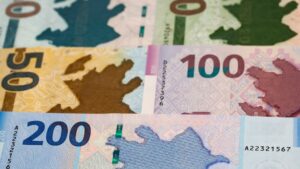
The official currency of Azerbaijan is the Azerbaijani manat (AZN, symbol: ₼), subdivided into 100 qəpik (qapik). The manat is a relatively stable currency, pegged closely to the US dollar, and features a range of denominations suitable for all types of transactions.
Banknotes in Circulation
- 1, 5, 10, 20, 50, 100, and 200 manat notes are commonly used.
- Banknotes feature Azerbaijani cultural symbols, historical figures, and landmarks, with modern security features to prevent counterfeiting.
Coins (Qəpik)
- 1, 3, 5, 10, 20, and 50 qəpik coins are in circulation, often depicting national symbols.
Exchange Rates (as of September 30, 2025)
- 1 AZN ≈ 0.59 USD
- 1 USD ≈ 1.70 AZN
- 1 AZN ≈ 0.55 EUR
The manat’s value is stable, with the Central Bank of Azerbaijan managing the currency and intervening to maintain its peg to the US dollar.
Currency Exchange Options
Azerbaijan offers several ways to exchange money, each with its own advantages and considerations:
1. Official Currency Exchange Offices
- Widely available in major cities (Baku, Ganja, Sumqayit).
- Transparent, regulated, and safe.
- Display clear exchange rates.
- Best for: Most travelers, especially for exchanging larger amounts.
2. Banks
- Offer secure and reliable exchange services.
- Competitive rates, but may require waiting and have limited hours.
- Best for: Secure transactions, especially in cities.
3. Azerpost Offices
- The national postal service provides exchange services, especially useful in areas with fewer banks.
- Best for: Rural or remote areas where banks are scarce.
4. Airports
- Convenient for immediate cash needs upon arrival.
- Less favorable rates; not recommended for exchanging large sums.
5. ATMs
- Plentiful in cities. Accept international cards (Visa, Mastercard).
- Withdrawals in manat only. Service fees may apply.
- Scarce or non-existent in rural areas.
Best Practices for Currency Exchange
Cycling travelers should follow these best practices to ensure smooth and safe currency management:
- Exchange in Cities: Always exchange enough cash in Baku or other major cities before heading into rural or remote areas, where exchange options are limited.
- Use Official Services: Only use official exchange offices, banks, or Azerpost branches. Avoid street exchangers to prevent scams and counterfeit currency.
- Bring USD or EUR: US dollars and euros are the easiest foreign currencies to exchange. Bring small denominations for flexibility.
- Keep Receipts: Retain all exchange receipts, as you may need them for reconverting currency when leaving the country.
- Plan for Limited Hours: Most exchange offices and banks operate during regular business hours. 24/7 services are rare.
- Carry Small Denominations: Especially important in villages, where making change for large bills can be difficult.
Safety Considerations for Cycling Travelers
While Azerbaijan is generally safe, cycling travelers should take extra precautions with their money:
- Distribute Funds: Don’t keep all your cash and cards in one place. Use multiple hiding spots (e.g., panniers, money belt, secret pockets).
- Avoid Large Sums: Only carry what you need for the day. Keep the rest securely hidden.
- Use Secure ATMs: Prefer ATMs inside banks or shopping centers. Avoid street ATMs, especially at night.
- Be Discreet: When exchanging or withdrawing money, be discreet and vigilant. Double-check amounts and avoid drawing attention.
- Have Backups: Carry at least one backup card and a small reserve of US dollars for emergencies.
- Travel Insurance: Ensure your insurance covers theft or loss of money and valuables.
- Avoid Night Travel: Most incidents involving tourists occur after dark. Avoid cycling or walking alone at night.
Regional Considerations
Currency exchange availability varies significantly across Azerbaijan:
Major Cities (Baku, Ganja, Sumqayit)
- Exchange points, banks, and ATMs are widely available.
- Credit/debit cards and digital payments are accepted in most hotels, restaurants, and shops.
- Bike-sharing and public transport in Baku support digital payments.
Small Towns and Rural Areas
- Exchange points and ATMs are scarce or non-existent.
- Cash is essential for all expenses; cards are rarely accepted.
- Bank hours are limited, especially on weekends.
Airports and Tourist Sites
- Exchange services are available but offer less favorable rates.
Remote/Mountainous Regions
- Minimal access to exchange services; plan ahead and carry sufficient cash in small denominations.
Digital Payment Options
- Urban Areas: Visa/Mastercard, mobile wallets (Apple Pay, Google Pay), and QR payments are widely accepted in Baku and other large cities.
- Rural Areas: Digital payments are rare; cash is required.
- Recommendation: Carry a mix of payment methods, cards for cities, cash for rural travel.
Recommendations for Cycling Travelers
- Plan Cash Needs: Before leaving a city, estimate your cash needs for the next leg and exchange or withdraw accordingly.
- Use Official Services: Always use official exchange offices or banks; avoid street exchangers.
- Carry Small Bills: Especially in rural areas, where change may be hard to find.
- Distribute Money: Keep cash and cards in multiple secure locations.
- Keep Receipts: For reconversion and proof of transactions.
- Notify Your Bank: Inform your bank of your travel plans to avoid card blocks.
- Set Up Internet Banking: Monitor your accounts and transfer funds as needed.
- Emergency Contacts: Have your bank’s international contact numbers handy.
- Travel Insurance: Make sure it covers theft and loss of money.
Food & Water Quality
Food and Safety Landscape
Azerbaijan has a robust regulatory framework for food safety, overseen by several government bodies:
- Food Safety Agency of the Republic of Azerbaijan (AFSA): The main authority responsible for food safety control, inspections, risk assessments, and public education. AFSA works to align national standards with international best practices and responds to food safety emergencies.
- Ministry of Agriculture: Oversees food production and agricultural policy, ensuring compliance with food safety standards.
- State Customs Committee: Regulates the import/export of food products, ensuring they meet safety standards.
- State Committee for Standardization: Develops technical standards for food products, including safety and packaging.
- Ministry of Health: Monitors foodborne illnesses and integrates health standards into food safety practices.
Key Points:
- Azerbaijan’s food safety laws and standards are comprehensive and regularly updated.
- The government emphasizes risk assessment, public health, and international cooperation to protect consumers.
Food Safety in Different Settings
Household Settings
- Most foodborne illnesses globally originate in the home due to poor handling, inadequate cooking, and improper storage.
- Education and awareness are crucial for safe food practices at home.
- Vulnerable groups (children, elderly, immunocompromised) are at higher risk.
Restaurants, Cafés, and Hotels
- In Baku and major cities, reputable restaurants and hotels generally maintain good hygiene standards.
- Outside urban centers, standards may vary, and regulatory oversight can be less rigorous.
- Staff training and regular inspections are more common in established venues.
Street Food and Informal Markets
- Street food is popular but can pose higher risks due to limited regulation, inconsistent hygiene, and lack of refrigeration.
- Choose vendors who prepare food fresh, practice visible hygiene, and serve food hot.
- Avoid raw or undercooked foods, especially meats and seafood.
Public and Institutional Settings
- Schools, hospitals, and large events are subject to stricter food safety regulations, but risks remain due to large-scale preparation and serving.
Water Quality and Safety
Tap Water
- Tap water is generally NOT considered safe to drink in Azerbaijan. This applies to both urban and rural areas, due to aging infrastructure, pollution, and regional disparities in water treatment.
- Even in Baku, travelers are advised to avoid drinking tap water unless it has been thoroughly boiled.
Bottled Water
- Bottled water is widely available and is the safest option for drinking and brushing teeth. Always check that the seal is intact before use.
- Bottled water consumption is high due to concerns over tap water safety and taste.
Ice and Beverages
- Avoid ice in drinks, as it may be made from unfiltered or unboiled tap water.
Regional Variations
- Water quality is generally better in urban areas but can still be unreliable.
- Rural areas face more significant challenges, including pollution, seasonal shortages, and lack of modern treatment facilities.
Safety Tips & Precautions for Travelers
Food Safety
- Eat well-cooked food: Only consume food that is thoroughly cooked and served hot.
- Avoid raw foods: Refrain from eating raw or undercooked seafood, meats, and eggs. Be cautious with salads or fruits that may have been washed in tap water.
- Be cautious with street food: Try street food only from vendors with good hygiene practices, and avoid it at the start of your trip.
- Peel fruits yourself: Choose fruits you can peel and do so yourself to reduce contamination risk.
- Wash hands frequently: Use soap and water, especially before eating or handling food.
Water Safety
- Drink bottled or boiled water: Use bottled water for drinking and brushing teeth. Boil tap water for at least one minute if bottled water is unavailable.
- Avoid ice: Unless you are certain it is made from safe water.
- Check seals: Ensure bottled water is sealed before purchase.
General Health & Safety
- Watch for drink/food spiking: Be vigilant in bars and nightclubs, especially in Baku. Never leave food or drinks unattended and be cautious when accepting them from strangers.
- Carry health supplies: Bring extra prescription medications and a traveler’s diarrhea antibiotic.
- Vaccinations: Hepatitis A vaccination is recommended for all travelers, as well as typhoid and hepatitis B.
- Medical care: Quality medical care is generally available only in Baku. Facilities elsewhere may be limited.
What do the US Dept of State, US Embassy, and CDC say?
Check out the latest Travel Advisory to AZERBAIJAN from the US Dept of State. Contacts from all US Embassies in COUNTRY are listed on the website. Use the Smart Traveler Enrollment Program (STEP) to inform them of your travels.
Read the Travel Health Notices & suggested vaccinations from the CDC
For the latest updates and resources, visit the U.S. Embassy in Azerbaijan’s official website: U.S. Embassy & Consulates in Azerbaijan
Supplement Your Health / Travel Insurance
General Insurance Requirements & Recommendations
While travel or health insurance is not mandatory for short-term visitors to Azerbaijan, it is strongly recommended due to the potential for high out-of-pocket costs in the event of a medical emergency, accident, or evacuation. For long-term stays (expats, students, or workers), health insurance is mandatory and must be shown when applying for residence permits.
Key Points:
- Short-term visitors: Insurance is not required for entry, but highly advised.
- Long-term residents: Health insurance is mandatory.
- Healthcare quality: Public healthcare is limited, especially outside Baku; private care is better but expensive.
- Medical evacuation: Insurance covering evacuation is recommended, as serious cases may require transport abroad.
- Cycling and adventure activities: Standard travel insurance may not cover cycling as a primary activity or high-risk sports, always check your policy.
Useful Resources:
Specialized Insurance Options for Cyclists
Standard travel insurance often falls short for cycling travelers, especially regarding bicycle theft, crash damage, and racing. Consider the following specialized providers:
1. Velosurance
- Website: velosurance.com
- Coverage Highlights:
- Full value insurance for your bike (no depreciation).
- Crash and accidental damage (including during races or transit).
- Theft coverage (home, car, workplace, etc.).
- Damage/loss in transit (airline, car, courier).
- Optional medical payments for cycling accidents.
- Third-party liability and uninsured motorist coverage.
- Worldwide coverage available as an option.
- Accessory and apparel coverage.
- E-bike and racing/event coverage available.
- Why choose Velosurance? Standalone, cyclist-focused coverage with options for worldwide travel and racing.
2. Sundays Insurance
- Website: sundaysinsurance.com/
- Coverage Highlights:
- Theft (home and away), crash, and accidental damage.
- Custom parts and upgrades insured.
- Transit coverage (car, airline, ship, train, truck).
- Emergency medical expenses (up to $1,000 per accident).
- Optional worldwide coverage (up to 90 days abroad).
- Racing and event coverage available.
- Accessory and apparel coverage.
- Event fee reimbursement and taxi fare if stranded.
- Family coverage options.
- Why choose Sundays? Flexible, cyclist-specific policies with strong accessory and event coverage.
3. World Nomads
- Website: worldnomads.com
- Coverage Highlights:
- Emergency medical expenses (including cycling injuries).
- Baggage and gear coverage (including bikes and accessories).
- Trip cancellation and interruption.
- 24/7 emergency assistance.
- Multiple plan levels (Standard, Explorer, Epic, Annual).
- Adventure sports coverage (cycling, mountain biking, e-biking).
- Worldwide flexibility, buy and claim from anywhere.
- Why choose World Nomads? Comprehensive travel and cycling insurance, ideal for multi-activity travelers.
Key Insurance Considerations for Cycling Travelers
When selecting insurance for your cycling trip, keep these critical factors in mind:
- Cycling Activity Coverage: Not all policies cover cycling as a primary activity, racing, or off-road biking. Always check the “included activities” section and confirm with the insurer.
- Bicycle Theft & Damage: Most standard travel insurance does not cover your bike itself, only specialized policies do. Check for coverage limits, “new for old” replacement, and requirements for securing your bike.
- Medical Coverage: Ensure your policy covers emergency medical expenses, evacuation, and repatriation for cycling-related injuries.
- Personal Liability: Look for coverage in case you injure someone else or damage property while cycling.
- Trip Cancellation/Interruption: Policies should reimburse non-refundable costs if you must cancel or cut short your trip due to illness or injury.
- Transit Coverage: If flying or shipping your bike, ensure your policy covers loss or damage in transit.
- Documentation: Keep receipts, police reports, and detailed records for any claims.
- COVID-19 and Exclusions: Check for pandemic-related coverage and other exclusions (e.g., helmet use, prohibited roads).
- Geographical Coverage: Make sure all countries on your route are included.
- Policy Duration: Confirm the maximum trip length and whether extensions are possible for long tours.
Local Azerbaijani Insurance Options
If you prefer to purchase insurance locally or need additional coverage while in Azerbaijan, consider these options:
Ateshgah Insurance Company
- Website: ateshgah.com
- Features:
- Travel insurance for foreigners, valid worldwide including Azerbaijan.
- 24/7 support and customizable packages.
- Medical expenses and emergency assistance.
- No age limit for coverage.
- Cyclist Note: Confirm with Ateshgah if cycling-specific incidents (accidents, theft, equipment damage) are covered before purchasing.
Other Local Providers
- Several Azerbaijani insurers offer travel insurance for foreigners, but coverage for cycling-specific risks varies.
- Always clarify with the provider whether cycling, sports injuries, and equipment loss are included.
- Local agents and online platforms can help compare plans.
Healthcare Infrastructure & Emergency Tips
- Urban vs. Rural: Baku has the best-equipped hospitals and clinics; rural areas have limited facilities.
- Emergency Numbers: Ambulance—103; Police—102.
- Private Clinics: More reliable for foreigners, often with English-speaking staff.
- First Aid: Carry a basic kit, especially for remote cycling.
- Know Your Route: Identify hospitals and clinics along your journey.
Final Tips
- Buy insurance before your trip and carry proof with you.
- Read all policy documents carefully and clarify any doubts with the provider.
- Don’t rely solely on local healthcare, private insurance is essential for quality care and emergencies.
- For high-value bikes or long tours, specialized cycling insurance is highly recommended.
By securing the right insurance, you can focus on enjoying Azerbaijan’s stunning landscapes and vibrant culture with confidence and peace of mind.
How to Stay Safe
Road Safety & Traffic Conditions
Cyclists in Azerbaijan face significant road safety challenges, especially in urban areas like Baku. Understanding the local traffic environment is important.
Traffic Laws & Infrastructure
- Cyclists are recognized as road users but dedicated bike lanes are extremely limited, mostly in central Baku.
- Road quality varies: Main roads are generally well-paved, but rural and older urban roads may have potholes, debris, and poor lighting.
- Traffic density is high in Baku, with congestion and unpredictable vehicle movements at all hours.
- Law enforcement is inconsistent; compliance with traffic rules is low among both drivers and cyclists.
Driver Behavior
- Low driver awareness: Many drivers do not respect cyclists and may not notice them on the road.
- High accident risk: Most cyclist injuries occur at intersections and busy roads due to speeding, distracted driving, and failure to yield.
Practical Road Safety Tips
- Avoid cycling during peak traffic hours and at night.
- Stick to well-paved, less congested routes when possible.
- Be highly visible: use lights, reflectors, and bright clothing.
- Remain vigilant for sudden vehicle maneuvers and road hazards.
Safety Equipment & Bicycle Maintenance
Proper equipment and regular maintenance are essential for safe cycling in Azerbaijan’s varied conditions.
Essential Safety Gear
- Helmet: Strongly recommended, even though not legally required.
- High-visibility clothing and reflective accessories for low-light conditions.
- Front white light and rear red light/reflector for night riding.
- Gloves, protective eyewear, and padded shorts for comfort and protection.
Maintenance Considerations
- Prepare for rough terrain: Use durable, puncture-resistant tires.
- Carry a multi-tool, spare tubes, patch kit, and pump for on-the-go repairs.
- Regularly clean and lubricate your chain and drivetrain, especially after riding in dusty or wet conditions.
- Bring spare brake pads and cables, as these wear quickly on steep or muddy routes.
Availability of Repairs
- Bike shops are mostly in Baku; rural areas have limited supplies.
- Self-sufficiency is key: Carry essential spares and be prepared for basic repairs.
Health & Medical Precautions
Staying healthy is crucial, especially when cycling in remote or rural areas.
Vaccinations & Health Risks
- Routine vaccines: MMR, Tdap, polio, influenza, varicella.
- Recommended: Hepatitis A & B, rabies (especially for cyclists), typhoid (for rural travel).
- No malaria risk as of 2023.
Common Health Risks
- Travelers’ diarrhea: Practice strict food and water hygiene.
- Tick- and insect-borne diseases: Use insect repellent and wear protective clothing.
- Altitude sickness: Risk above 2,500m, ascend gradually and hydrate.
Medical Facilities & Insurance
- Best facilities are in Baku; limited care elsewhere.
- Emergency number: 103 for ambulance (response may be slow outside cities).
- Comprehensive travel insurance covering medical treatment, evacuation, and cycling injuries is essential.
- Carry a first aid kit and all necessary medications in original packaging.
Seasonal Considerations
Azerbaijan’s climate varies widely, affecting cycling safety and comfort.
Best Seasons for Cycling
- Spring (April–June) and Autumn (September–October): Mild temperatures, low precipitation, ideal for most routes.
- Summer (July–August): Avoid lowlands due to extreme heat; mountain routes are preferable.
- Winter (November–March): Lowlands are mild, but mountain routes can be hazardous due to snow and ice.
Weather Hazards
- Heatwaves, cold snaps, strong winds (especially in Baku), and sudden rain can all impact safety.
- Check weather forecasts and adjust plans accordingly.
Cultural Awareness & Local Customs
Respecting local customs ensures positive interactions and avoids misunderstandings.
Social Etiquette
- Greetings: Handshakes among men; wait for women to initiate.
- Hospitality: Bring a small gift if invited to a home; remove shoes upon entry.
- Dining: Wait to be seated, try all foods offered, and compliment the host.
Dress Code
- Modest clothing is recommended, especially outside Baku and at religious sites.
- Women: Cover shoulders and knees; headscarf required in mosques.
- Men: Long pants and sleeves preferred in rural areas.
Religious & Cultural Sensitivity
- Azerbaijan is secular but predominantly Muslim. Respect religious customs, especially during Ramadan.
- Avoid sensitive topics (politics, religion, Nagorno-Karabakh conflict).
- Public displays of affection are frowned upon, especially outside Baku.
Gender Considerations
- Women cyclists: May attract attention in rural areas; modest dress helps avoid issues.
- Photography: Always ask permission, especially with women and elders.
Crime Prevention & Personal Safety
Azerbaijan is generally safe, but petty crime and scams do occur, especially in tourist areas.
Crime Risks
- Petty theft (pickpocketing, bag snatching) in crowded places and public transport.
- Scams: Taxi overcharging, bar/club scams, fake police, currency exchange fraud.
Areas to Avoid
- Border regions with Armenia and Nagorno-Karabakh due to military activity and landmines.
- Poorly lit or isolated areas at night.
Personal Security Tips
- Keep valuables secure and avoid displaying expensive items.
- Use official taxi apps (Bolt, Yandex) and avoid unlicensed taxis.
- Travel in groups when possible, especially at night.
- Carry your passport or a copy for random police checks.
Insurance & Legal Considerations
Proper insurance and legal compliance are essential for a worry-free trip.
Insurance
- Comprehensive travel insurance covering medical, evacuation, and cycling activities is strongly recommended.
- Bicycle insurance for theft, loss, or damage is advisable.
- Personal liability coverage in case of accidents involving others.
Legal Requirements
- Visa: E-visa required for most travelers; print and present on arrival.
- Passport validity: At least 6 months beyond arrival, with 2 blank pages.
- Registration: Required with the State Migration Service if staying over 15 days.
- Traffic laws: Obey all local rules; vehicles drive on the right.
- Carry all documents (passport, visa, insurance) at all times.
Practical Safety Tips for Cyclists
Key Finding:
- Plan routes carefully and avoid high-traffic or poorly maintained roads.
- Be visible: Use lights, reflectors, and bright clothing at all times.
- Stay hydrated and protect yourself from the sun, especially in summer.
- Carry a comprehensive repair kit and essential spares.
- Monitor local news and weather for updates on road and security conditions.
- Respect local customs and dress codes, especially in rural and religious areas.
- Register with your embassy and keep emergency contacts handy.
Essential Apps
Navigation & Mapping Apps
1. Google Maps
- Why: Universal, reliable for both city and rural navigation, supports cycling routes, and offers offline maps.
- Android | iOS
2. Komoot
- Why: Excellent for cycling-specific route planning, especially for off-road and adventure cycling. Offers offline maps and community recommendations.
- Android | iOS
3. Ride with GPS
- Why: Advanced route planning, sharing, and tracking with a large user-generated route database. Offline navigation available for premium users.
- Android | iOS
4. Strava
- Why: Popular for ride tracking, performance analytics, and connecting with the global cycling community. Useful for discovering local routes and challenges.
- Android | iOS
5. Bikemap
- Why: Large archive of user-generated cycling routes, real-time updates, and turn-by-turn navigation.
- Android | iOS
Weather Apps
1. The Weather Channel
- Why: Accurate, global forecasts with severe weather alerts and radar—important for planning rides in Azerbaijan’s diverse climates.
- Android | iOS
2. Azerbaijan Weather by MeteoSauzana
- Why: Localized, detailed forecasts for Azerbaijani cities and regions.
- Android
3. WeatherBug
Accommodation Apps
1. Booking.com
- Why: Extensive listings in both cities and rural areas, including guesthouses and hostels.
- Android | iOS
2. Airbnb
- Why: Great for unique stays, private homes, and local experiences, including in smaller towns.
- Android | iOS
3. Agoda
4. Hostelworld
Transportation Apps (Taxis & Public Transport)
1. Bolt
- Why: Leading ride-hailing app in Baku and other cities, useful for emergencies or transporting your bike.
- Android | iOS
2. Uber
3. BakıKart
- Why: Official app for Baku’s public transport payment system; manage your transit card and plan journeys.
- Android | iOS
4. BakuBus
5. Moovit
Translation Apps
1. Google Translate
- Why: Supports Azerbaijani and Russian, offers text, voice, photo, and offline translation—essential for communication in rural areas.
- Android | iOS
2. Azerbaijani – Russian Translator (Suvorov-Development)
- Why: Specialized for Azerbaijani-Russian translation, with text, voice, and photo features.
- Android
3. iTranslate
- Why: Popular for text, voice, and camera translation; supports Azerbaijani and Russian.
- iOS
Emergency & Safety Apps
1. OneImpact Azerbaijan
- Why: Access to medical services, problem reporting, and peer support—especially useful for health and safety.
- Android
2. Citizen
- Why: Real-time safety alerts and incident updates (coverage may be limited outside major cities).
- Android | iOS
3. Local Emergency Numbers
- Tip: Save these in your phone: Police (102), Medical Emergencies (103).
Additional Useful Apps

Cycle The Myth: Peloponnese, Greece
From$2,600Availability : July 30 - Aug 15, 2025Delhi, Manali to Leh, IndiaExperience the bustling chaos and historic majesty of Delhi’s ancient streets before embarking on one of the world’s most epicView TourGolden Triangle + Himalayan Cycling Adventure
From$2,600Availability : July 30 - Aug 15, 2025Delhi, Manali to Leh, IndiaExperience the bustling chaos and historic majesty of Delhi’s ancient streets before embarking on one of the world’s most epicView Tour
Kerala Spice Trail Cycling Tour
From$1,750Availability : January 15 - 25, 2026Kerala, IndiaKerala, aka “God’s Own Country”, is known for stunning landscapes, serene backwaters, vibrant culture, & diverse cycling routes through tropicalView Tour
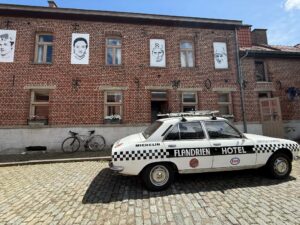
Cyclists’ Crib: Flandrien Hotel — The Cycling Museum You Can Sleep In.
I thought I booked a hotel. I accidentally checked into...
Read More
Someone Is Winning a Mallorca Cycling Escape Worth $1,400—Why Not You?
The Ride That Stayed With Me I still remember descending...
Read More
Ridden & Reviewed: Cycling the Portuguese Camino with Top Bike Tours Portugal
“I thought I was signing up for a bike tour....
Read More