Cycle Travel Club

Khao Yai National Park

Cycling in Khao Yai National Park, Thailand offers a thrilling adventure through diverse landscapes, with routes catering to various skill levels and showcasing stunning attractions like the majestic Haew Narok and Haew Suwat waterfalls, panoramic viewpoints such as Km. 30 and Pha Diaw Dai, and opportunities for wildlife spotting at Nong Phak Chi Observation Tower. The best time to experience this cycling paradise is during the cool, dry season from November to February, when comfortable temperatures and increased wildlife activity, particularly elephant sightings, enhance the overall experience of exploring the park’s scenic routes and natural wonders.

At A Glance

ā˜…ā˜…ā˜…ā˜…ā˜… NORTHERN PARK ENTRY TO HEO SUWAT WATERFALL ROUTE This challenging 50-kilometer route offers a thrilling adventure, starting from the northern park entry in Pak Chong district and climbing from 400 meters to over 800 meters in the first 10 kilometers, before continuing through an up-and-down terrain to the majestic Heo Suwat waterfall.Ā  The fully paved road provides a perfect blend of natural beauty and physical challenge, making it a must-ride for cycling enthusiasts seeking to immerse themselves in the park’s diverse landscapes and potentially spot free-roaming wildlife along the way.


ā˜…ā˜…ā˜…ā˜…ā˜… KHAO YAI NATIONAL PARK ROAD CYCLING ROUTE This highly recommended route offers cyclists a scenic ride through the heart of the park, featuring well-maintained roads that wind through lush forests and open grasslands, providing ample opportunities to encounter the park’s diverse wildlife, including elephants and monkeys. The route’s popularity among cyclists is evident from its high rating, offering a perfect balance of natural beauty, wildlife encounters, and cycling-friendly infrastructure that caters to various skill levels.


ā˜…ā˜…ā˜…ā˜…ā˜† KHAO YAI LAKE ROAD CYCLE ROUTE This unique cycling experience takes riders through a protected area, culminating in a breathtaking view of a welcoming lake at the top, offering a refreshing change of scenery from the dense forest landscapes. With a total elevation gain of 1200 meters spread out over the route, this challenging yet manageable ride provides a sense of accomplishment, especially during the exhilarating descent, making it a favorite among cyclists looking for a diverse and rewarding experience in Khao Yai National Park.


ā˜…ā˜…ā˜…ā˜…ā˜† HAEW NAROK WATERFALL TRAIL While not explicitly mentioned as a cycling route, the trail leading to the impressive Haew Narok Waterfall likely offers a captivating cycling experience, combining the thrill of off-road biking with the reward of witnessing one of the park’s most spectacular natural attractions. Cyclists can enjoy the challenge of navigating through the lush forest, with the thundering 150-meter three-tiered waterfall serving as a magnificent endpoint to their journey.


ā˜…ā˜…ā˜…ā˜…ā˜† NONG PHAK CHI OBSERVATION TOWER ROUTE This cycling route, which leads to the Nong Phak Chi Observation Tower, offers riders a unique opportunity to combine wildlife spotting with their cycling adventure. The trail likely winds through diverse habitats, including grasslands and forests, before reaching the observation tower, where cyclists can take a break to observe the park’s rich fauna, including elephants, deer, and various bird species, making it an ideal route for nature enthusiasts and wildlife photographers.


ā˜…ā˜…ā˜…ā˜†ā˜† KM.30 VIEWPOINT TRAIL While specific details about this trail are not provided in the research, it’s likely a popular cycling route that leads to a panoramic viewpoint, offering breathtaking vistas of the park’s landscapes. Cyclists can enjoy the challenge of ascending to the viewpoint, with the reward of stunning views of the surrounding mountains, forests, and possibly even distant waterfalls, making it a worthwhile destination for those seeking scenic beauty and a moderate cycling challenge.


ā˜…ā˜…ā˜…ā˜†ā˜† PHA DIAW DAI SCENIC ROUTE This route, leading to another notable viewpoint in the park, presumably offers cyclists a mix of challenging terrain and scenic rewards. The trail likely winds through diverse ecosystems, providing opportunities to observe the park’s flora and fauna, before reaching the Pha Diaw Dai viewpoint, where riders can pause to take in panoramic views of the park’s vast wilderness, making it an excellent choice for those who enjoy combining cycling with landscape photography and nature appreciation.

Watch

Photos

Plan

Geography of the Region?

Location and Size

Khao Yai National Park is situated approximately 180 kilometers northeast of Bangkok, mainly within the Nakhon Ratchasima Province, but also extending into the provinces of Prachinburi, Saraburi, and Nakhon Nayok. This vast protected area spans an impressive 2,168 square kilometers (about 836 square miles), making it the third largest national park in Thailand. The park is centered at the geographical coordinates of 14°21′N latitude and 101°26′E longitude.

Topographical Features

The park’s landscape is characterized by its diverse topography, which offers cyclists a range of challenging and scenic routes:

  1. Mountain Ranges: Khao Yai is part of the Dong Phaya Yen-Khao Yai Forest Complex and features a series of mountain ranges that contribute to its varied terrain. These mountains are part of the larger Sankamphaeng Mountain Range, which plays a significant role in shaping the park’s geography.
  2. Elevation Profile: The park’s elevation varies dramatically, ranging from 400 meters to over 1,000 meters above sea level. The highest point in the park is Khao Rom, which reaches an impressive elevation of 1,351 meters (4,432 feet). This variation in elevation creates a range of microclimates and habitats, offering cyclists diverse experiences as they traverse the park.
  3. Valleys and Waterfalls: The mountainous terrain is interspersed with valleys formed through erosional processes. These valleys are home to numerous streams and spectacular waterfalls, such as the Haew Narok and Haew Suwat waterfalls, which can serve as scenic rest stops for cyclists.
  4. Grasslands: In addition to forested areas, the park features open grasslands, such as the Nong Phak Chi grassland, which provide a stark contrast to the dense forests and offer unique cycling experiences.

Geological Characteristics

The geological formation of Khao Yai contributes to its unique landscape:

  1. Rock Types: The park’s geology includes a mix of sedimentary and igneous rocks. Limestone outcrops are present towards the eastern end near the DĆ¢ngrĆŖk Mountains, while sandstone formations can be found in the north and south of the park. Shales and schist are also present, adding to the geological diversity.
  2. Erosional Features: The tropical climate has significantly influenced the landscape through erosion. Heavy rainfall and high humidity have shaped the terrain over millions of years, creating the park’s characteristic valleys, waterfalls, and diverse topography.

Climate and Seasonal Changes

The park’s geography is greatly influenced by its tropical climate:

  1. Wet and Dry Seasons: Khao Yai experiences distinct wet and dry seasons. The wet season, from May to October, brings heavy rainfall that can affect cycling conditions, potentially making trails slippery and increasing the risk of flooding in low-lying areas.
  2. Temperature Variations: The park’s elevation profile creates temperature variations, with higher elevations experiencing cooler temperatures. This can be particularly noticeable for cyclists ascending the park’s mountainous routes.
  3. Best Cycling Season: The dry season, from November to February, offers the most favorable conditions for cycling. During this time, the weather is cooler and less humid, providing comfortable riding conditions and better trail accessibility.

Cycling Infrastructure

The park’s road network and cycling infrastructure are integral to its geography for cyclists:

  1. Road Network: Khao Yai features a network of paved roads that wind through various landscapes, from dense forests to open grasslands. These roads offer cyclists a range of routes with varying difficulty levels.
  2. Elevation Challenges: The park’s mountainous terrain presents significant elevation gains for cyclists. For example, some routes climb from 400 meters to over 800 meters in just 10 kilometers, providing a challenging yet rewarding experience for cycling enthusiasts.
  3. Viewpoints and Attractions: The park’s geography includes several notable viewpoints and attractions accessible by bike, such as the Km. 30 Viewpoint and the Pha Diaw Dai scenic area, offering cyclists breathtaking vistas of the surrounding landscapes.

What are the Roads like? Road rules?

Road Networks and Types

  1. Main Highway: Highway 304 is a significant national highway that connects the Bangkok suburb of Pak Kret to Nakhon Ratchasima, passing near Khao Yai National Park. This highway serves as a crucial link for accessing the park and surrounding areas.
  2. Park Entrance Roads: Khao Yai National Park is accessible via several entrance roads that connect to the main highways, including Highway 304. These roads are essential for visitors entering the park.
  3. Internal Park Roads: Within the park, the road network is relatively short and narrow, designed to minimize environmental impact while providing access to key areas. These roads are typically well-maintained but may have limitations in width and capacity.
  4. Mountain Pass: Highway 304 traverses the Sankamphaeng Mountains between Khao Yai and Thap Lan national parks, offering scenic but potentially challenging routes for cyclists.

Road Conditions and Maintenance

  1. Paved Roads: The main roads and highways leading to the park are generally paved and well-maintained, suitable for most vehicles and cyclists.
  2. Unpaved Roads: Some roads deeper within the park may be unpaved, which can be more challenging to navigate, especially during adverse weather conditions.
  3. Seasonal Impacts: Road conditions can vary significantly with the seasons. During the rainy season (May to October), unpaved roads can become muddy and difficult to traverse, while the dry season (November to April) generally offers better conditions.
  4. Wildlife Corridors: The expansion of Highway 304 included the construction of wildlife corridors, the first of their kind in Thailand, to facilitate safe animal crossings. Cyclists should be aware of these structures and the potential for wildlife encounters.

Traffic Patterns and Vehicle Types

  1. Mixed Traffic: Cyclists will encounter a mix of vehicle types, including private cars, motorcycles, tour buses, vans, and trucks.
  2. Seasonal Variations: Traffic patterns can change significantly during weekends and holidays when visitor numbers to the park increase.
  3. Rural Traffic: As with many rural areas, larger vehicles like trucks are common on highways leading to the park, posing potential risks to cyclists due to their size and speed.

Road Rules and Safety Considerations

  1. General Traffic Laws: Cyclists must adhere to Thailand’s general traffic laws, including riding on the left side of the road and obeying traffic signals and signs.
  2. Specific Cycling Rules:
    • Cyclists are required to have a bell on their bicycles that can be heard from a distance of 25 meters.
    • Wearing an approved helmet is mandatory while riding.
    • Cyclists must stop at red lights and stop signs.
  3. Safety Measures:
    • Use of lights and reflective gear is highly recommended, especially during low visibility conditions.
    • Be prepared for sudden weather changes, particularly during the monsoon season.
  4. Lack of Dedicated Infrastructure: The region may lack dedicated cycling lanes, meaning cyclists often share the road with motor vehicles. This requires extra caution and awareness of surroundings.

Environmental Considerations

  1. Protected Areas: Khao Yai National Park is part of the Dong Phayayen–Khao Yai Forest Complex, a World Heritage Site. Cyclists should respect environmental regulations and stay on designated roads.
  2. Wildlife Awareness: The park is home to diverse wildlife. Cyclists should be prepared for potential animal encounters and follow park guidelines for wildlife safety.

When to Go?

Ideal Months for Cycling

The best time to cycle in Khao Yai National Park is from November to FebruaryĀ . This period offers several advantages:

  1. Weather Conditions: The climate during these months is cooler and drier, making it more comfortable for long rides. Average temperatures are lower, and there is minimal rainfall, enhancing the overall cycling experience.
  2. Wildlife Activity: The cool season coincides with increased wildlife activity, particularly elephant sightings, adding to the excitement of your cycling adventure.
  3. Scenic Beauty: The park’s landscapes are particularly stunning during this period, with clear skies and lush vegetation following the rainy season.
  4. Trail Conditions: The dry weather ensures that most trails and roads are in good condition, providing safer and more enjoyable cycling routes.

Months to Avoid

While Khao Yai can be cycled year-round, some months present challenges:

  1. March to May: These months are characterized by intense heat and high humidity, which can make cycling uncomfortable and potentially hazardous due to heat exhaustion.
  2. June to October: This period marks the monsoon season in Thailand. Heavy rainfall can disrupt cycling plans, make trails slippery and dangerous, and increase the risk of flooding in low-lying areas.

Pro Tips for the Best Cycling Experience

  1. Plan Around Events: Consider timing your visit with cycling events like the GFNY Khao Yai, which takes place in October. This event offers routes of 166.8 km and 73.6 km, catering to different skill levels.
  2. Avoid Peak Tourist Times: While November to February is ideal for cycling, it’s also the peak tourist season. To avoid crowds, plan your visit during weekdays and avoid national holidays.
  3. Book Accommodations in Advance: If visiting during the peak season (November to February), ensure you book accommodations well in advance to avoid disappointment.
  4. Safety First: Always wear a helmet and adhere to local traffic laws. Utilize dedicated cycling paths where available to improve safety, especially in busy areas.
  5. Gear and Rentals: Ensure you have the right gear for the terrain. Many bike rental shops in major tourist destinations offer a variety of bicycles suitable for different routes.
  6. Cultural Immersion: Take the opportunity to explore local villages and markets along your cycling route to enhance your travel experience.
  7. Hydration and Sun Protection: Regardless of the season, stay hydrated and use sun protection to prevent dehydration and sunburn.
  8. Wildlife Awareness: Be prepared for potential wildlife encounters, especially during dawn and dusk when animals are most active. Maintain a safe distance and avoid feeding or provoking wildlife.
  9. Check Trail Conditions: Before setting out, check local reports for any recent changes in trail conditions or wildlife activity patterns.
  10. Consider Guided Tours: For a more structured experience, consider joining organized cycling tours, which can provide guided 4-day bicycle tours along the edges of Khao Yai National Park.

Before arranging your travel plans around a festival, ensure to confirm the festival dates on the official festival website or with a local tourist information office. For further details on these and other events, please visit the official tourism website for Thailand.

Holidays and Festivals

  1. Songkran Festival
  2. Loy Krathong
    • Dates: Typically in November (exact date varies based on the lunar calendar)
    • Description: A beautiful festival where people float decorated baskets (krathongs) on water bodies to pay respects to water spirits and wash away misfortunes. While primarily celebrated near water bodies, the festival’s spirit can be felt throughout the country.
    • Website:Ā https://www.tourismthailand.org/Events-and-Festivals/Loy-Krathong-Festival
  3. Phimai Festival
    • Dates: Annually in November
    • Description: Although not directly in Khao Yai, this nearby festival in Nakhon Ratchasima features traditional boat races, cultural performances, and music. It’s a great opportunity to experience local culture if you’re cycling in the region.
    • Website:Ā https://www.tourismthailand.org/Articles/phimai-festival

Immerse Yourself with Culture & Traditions

Cultural and Traditional Considerations for Cycling Travelers in Thailand

General Cultural Norms and Etiquette

1. Greetings and Social Interactions

  • The Wai: Learn and use the traditional Thai greeting, the ā€œwai,ā€ which involves pressing your palms together in a prayer-like gesture and slightly bowing your headĀ . This is especially important when greeting monks or elders.
  • Politeness and Indirect Communication: Maintain a gentle demeanor and avoid confrontational or aggressive speech. Thai culture values indirect communication and maintaining harmonyĀ .
  • Respect for Hierarchy: Be aware of social hierarchies and show appropriate respect to elders and those in positions of authority.

2. Body Language and Physical Conduct

  • Head and Feet: The head is considered sacred, while feet are seen as the lowest part of the body. Avoid touching someone’s head or pointing your feet at people or religious objectsĀ .
  • Public Displays of Affection: Minimize public displays of affection, as they are generally frowned upon, especially in more conservative areas.

3. Dress Code

  • Modesty: Dress modestly, especially when visiting temples or rural areas. Cover shoulders and knees, even when cyclingĀ .
  • Athletic Wear: While cycling attire is generally acceptable, carry a lightweight cover-up for visits to temples or conservative areasĀ .

Cycling-Specific Considerations

1. Road Etiquette

  • Traffic Awareness: Be cautious of Thailand’s sometimes chaotic traffic, especially in urban areas like Bangkok. Adhere to local traffic laws and use dedicated bike lanes where availableĀ .
  • Helmet Use: Always wear a helmet for safety, setting a good example and respecting local safety norms.

2. Interaction with Locals

  • Language: Learn a few basic Thai phrases, including greetings and thank you. This effort is often appreciated by locals.
  • Rural Areas: When cycling through rural regions, be sensitive to local ways of life. Avoid disturbing wildlife or farming activities.

3. Environmental Awareness

  • Eco-friendly Practices: Align with Thailand’s growing emphasis on sustainable tourism by minimizing environmental impact. Stick to designated paths and avoid littering.

Religious and Spiritual Considerations

1. Temple Etiquette

  • Dress Code: When visiting temples, ensure shoulders and knees are covered. Carry a lightweight scarf or sarong to cover up if neededĀ .
  • Footwear: Remove shoes before entering temple buildings.
  • Behavior: Maintain a low voice, silence mobile phones, and avoid pointing at Buddha images with fingers or feet.

2. Interaction with Monks

  • Greeting Monks: Use the wai when greeting monks. Women should avoid physical contact with monks.
  • Photography: Ask permission before photographing monks or sacred objects.

Food and Dining Customs

1. Thai Dining Etiquette

  • Utensils: Use a fork and spoon for most Thai dishes. The fork is used to push food onto the spoon, which is then used to eat.
  • Communal Dining: Be prepared for shared meals, as it’s common to order dishes for the table rather than individual meals.
  • Serving and Eating: Take small portions at a time and avoid mixing too many dishes on your plate.

2. Food Considerations

  • Spiciness: Be aware that Thai cuisine can be quite spicy. If a dish is meant to be spicy, it’s generally not necessary to request additional spiciness.
  • Street Food: While cycling, you may encounter numerous street food vendors. Exercise caution with hygiene but don’t miss out on this integral part of Thai culinary culture.

Regional Variations

1. Northern Thailand (Lanna)

  • Festivals: Be aware of local festivals like Yi Peng (Lantern Festival) in Chiang Mai, which may affect cycling routes or provide unique cultural experiences.
  • Traditional Arts: Show interest in local crafts and traditional dances, which are particularly rich in this region.

2. Northeastern Thailand (Isaan)

  • Local Customs: Be respectful of unique local traditions, such as the Rocket Festival (Bun Bang Fai)Ā .
  • Language: The Isaan dialect differs from central Thai. Learning a few Isaan phrases can be appreciated.

3. Southern Thailand

  • Cultural Diversity: Be aware of the significant Muslim population in the south and respect their customs, especially during Ramadan.
  • Local Festivals: Familiarize yourself with regional festivals like the Chak Phra Festival, which may offer unique cycling experiences.

General Travel Tips

  • Weather Considerations: Plan your cycling trip during the cool season (November to February) for the most comfortable conditions.
  • Hydration: Given Thailand’s hot and humid climate, stay well-hydrated and carry sufficient water during your rides.
  • Respect for Royalty: Show utmost respect for the Thai royal family. Avoid any negative comments or disrespectful behavior related to royalty.
  • Cultural Sensitivity: Always approach Thai culture with an open mind and willingness to learn and adapt.
Getting Around (Other Transportation)

Domestic Flights and Airports

  1. Don Mueang International Airport (DMK)
    • Description: The nearest airport to Khao Yai National Park, located approximately 106.9 km away. It serves as a hub for domestic flights within Thailand.
    • Ideal for: Travelers seeking the quickest access to Khao Yai National Park from an airport.
    • URL:Ā https://www.airportthai.co.th/en/donmueang/
  2. Suvarnabhumi International Airport (BKK)
    • Description: Major international airport in Bangkok, located about 2.5 to 3 hours by car from Khao Yai National Park. Offers a wide range of domestic and international flights.
    • Ideal for: International travelers arriving in Thailand who plan to visit Khao Yai National Park.
    • URL:Ā https://www.suvarnabhumiairport.com/
  3. Thai Airways
    • Description: Thailand’s flag carrier offering domestic flights within the country.
    • Ideal for: Travelers preferring full-service flights with more amenities.
    • URL:Ā https://www.thaiairways.com
  4. Bangkok Airways
    • Description: Known for domestic routes within Thailand.
    • Ideal for: Passengers looking for boutique airline experience with complimentary lounge access.
    • URL:Ā https://www.bangkokair.com
  5. Nok Air
    • Description: Budget airline with extensive domestic flight network.
    • Ideal for: Budget-conscious travelers seeking affordable domestic flights.
    • URL:Ā https://www.nokair.com

Public Transportation

  1. Bus Services from Bangkok to Pak Chong
    • Description: Regular bus services from Mo Chit Bus Station in Bangkok to Pak Chong, the nearest town to Khao Yai National Park. Buses depart every half hour.
    • Ideal for: Budget travelers comfortable with public transportation.
    • URL:Ā http://www.transport.co.th (Transport Co., Ltd. – official bus operator)
  2. Minivan Services from Bangkok
    • Description: Minivans operate from Mo Chit Bus Station to Pak Chong, offering a faster alternative to regular buses.
    • Ideal for: Travelers preferring a quicker journey with more frequent departures.
    • URL: No specific URL; services can be booked at the bus station.
  3. Train Services
    • Description: Trains depart from Hua Lamphong Train Station in Bangkok to Pak Chong, offering a scenic 4-5 hour journey.
    • Ideal for: Those who enjoy scenic travel and are not in a rush.
    • URL:Ā http://www.railway.co.thĀ (State Railway of Thailand)

Private Transportation

  1. Taxis
    • Description: Taxis offer direct travel to and from Khao Yai National Park with flexibility in departure times and routes.
    • Ideal for: Travelers preferring direct and private transportation without adhering to a schedule.
    • URL: Grab
  2. Car Rentals
    • Description: Renting a car provides freedom to explore Khao Yai National Park and its surroundings at your own pace.
    • Ideal for: Independent travelers or families who prefer to have their own vehicle.
    • URL:Ā https://www.avisthailand.comĀ (Avis Thailand) orĀ https://www.hertzthailand.comĀ (Hertz Thailand)
  3. Shuttle Services
    • Description: Shared or private transportation to and from Khao Yai National Park, often more economical than taxis.
    • Ideal for: Budget-conscious travelers or those preferring a more structured travel plan.
    • URL:Ā https://www.belltravelservice.com(Bell Travel Service)

Local Transportation (Within and Around the Park)

  1. Songthaews
    • Description: Converted pickup trucks with two rows of seating, operating on flexible routes for short distances.
    • Ideal for: Budget travelers and those looking to experience local transport for short trips around the park.
    • URL: songthaews are typically hailed on the street.
  2. Motorbike Rentals
    • Description: Renting a motorbike offers flexibility to explore Khao Yai National Park independently.
    • Ideal for: Adventurous travelers comfortable with riding motorbikes.
    • URL: motorbikes can be rented from local shops in nearby towns like Pak Chong.

Flying With Your Bicycle

Thai Airways

Description: Thailand’s flag carrier with extensive domestic and international routes.

Bicycle Policy:

  • Domestic Flights: Bicycles can be loaded whole without packaging. Tires must be deflated, but there’s no need to remove wheels or adjust handlebars.
  • International Flights: Bicycles are considered special baggage and charged as excess baggage if exceeding the free allowance.

Why It’s Best: Thai Airways offers convenient domestic connections to airports near Khao Yai National Park and has a relatively straightforward bicycle policy for domestic flights.

Bicycle Luggage Fees:

  • Domestic: No extra charge within weight limits.
  • International: USD 119 (THB 3,700) if exceeding baggage allowance.

URL: https://www.thaiairways.com


Bangkok Airways

Description: A regional airline known for its boutique service and extensive network within Thailand.

Bicycle Policy: Bicycles are charged as excess baggage per kilo if the weight exceeds the allowable checked baggage limit. The bike must be collapsible or suitably packaged, and passengers must give advanced notice 24 hours before departure.

Why It’s Best: Bangkok Airways offers flights to airports near Khao Yai National Park and provides a more personalized service, which can be beneficial when traveling with special items like bicycles.

Bicycle Luggage Fees: Charged per kilo if over the weight limit.

URL: https://www.bangkokair.com


Emirates

Description: A major international carrier with excellent connections to Bangkok.

Bicycle Policy: Bicycles are included in the free baggage allowance if they do not exceed 118 linear inches. If the sports baggage exceeds the total mass, it must be sent as cargo.

Why It’s Best: Emirates offers a generous baggage allowance and often includes bicycles within this allowance, potentially saving on additional fees.

Bicycle Luggage Fees:

  • Within Allowance: No additional fee.
  • Exceeding Allowance: Must be sent as cargo (fees vary).

URL: https://www.emirates.com


Qatar Airways

Description: Another major international carrier with excellent connections to Bangkok.

Bicycle Policy: Bicycles are accepted as part of the free baggage allowance. The bicycle must be packed in cardboard, with tires deflated, pedals dismantled, and handlebars crossed and fixed.

Why It’s Best: Qatar Airways is known for its favorable policies towards sports equipment, including bicycles, often allowing them within the standard baggage allowance.

Bicycle Luggage Fees:

  • Within Allowance: No additional fee.
  • Exceeding Allowance: Fees vary by size and flight, with a minimum of $300 USD.

URL: https://www.qatarairways.com


Pro Tips for Traveling with Your Bicycle in Thailand:

  1. Packaging: Use a sturdy bike box or case. Ensure that the bike is well-padded and secure within the packaging. Use foam pipe lagging to protect the frame and bubble wrap for additional cushioning.
  2. Advance Registration: Always register your bicycle as special baggage in advance to avoid surprises at the airport.
  3. Arrival Preparation: Consider bringing essential tools and spare parts, as specialized bicycle equipment may be harder to find in some areas of Thailand.
  4. Local Cycling Conditions: Be aware of local cycling conditions, such as the “burning season” in Northern Thailand, which can affect air quality and visibility.
  5. Weather Considerations: Prepare for Thailand’s hot and humid climate, especially if traveling during the hottest months (March to May).
  6. Route Planning: Utilize Google Maps for walking directions to find the best cycling routes with minimal traffic. Thailand has excellent cycling infrastructure, especially on smaller roads.
  7. Safety First: Always wear a helmet when cycling in Thailand. While not legally required, it’s crucial for your safety given the varying road conditions and traffic.
  8. Accommodation: Thailand offers numerous affordable accommodation options, making it unnecessary to camp. Hotels and guesthouses are widely available and reasonably priced.
  9. Local Regulations: Familiarize yourself with Thailand’s customs regulations regarding the import of bicycles. Generally, there are no specific restrictions, but it’s always good to check for any updates or changes in policy.
  10. Insurance: Consider purchasing travel insurance that covers damage or loss of your bicycle during transit and your stay in Thailand.

Using a CTC Certified Bike Tour Operator:

If it’s your first time going to Thailand or you prefer a hassle-free cycling experience, using a CTC (Cycle Travel Club) certified bike tour operator can be an excellent choice. These operators provide guided tours, bike rentals, and logistical support, making your cycling trip more enjoyable and less stressful.

Benefits of CTC Certified Operators:

Local Expertise:

  • CTC certified bike tour operators have extensive knowledge of the region’s cycling routes, terrain, and attractions.
  • They can customize tours based on your preferences and skill level.

Bike Rental Options:

  • These operators offer a variety of well-maintained rental bikes suitable for different types of cycling adventures.
  • You can choose from road bikes, mountain bikes, or hybrid bikes based on your preference.

Guided Tours and Support:

  • Enjoy guided cycling tours led by experienced local guides who can provide insights into culture, history, traditions, natural beauty, and cuisines.
  • Benefit from logistical support, including vehicle backup, accommodations, and meals arranged along the route.

As a paid CTC member, you qualify for the following:

  • Discounted Bike Tours from CTC Certified Tour Operators, Bike Rentals, Bike Shops, Accommodations, Cafes / Restaurants, and Cycling Events!
  • Unlock a treasure trove of exclusive deals and discounts. Enjoy savings on all things travel and cycling. We’ve partnered with leading brands to bring you unbeatable offers, so you can invest more in your adventures without breaking the bank.
  • Bike Tour Lottery Access:Ā Seeking a unique way to secure your spot on an upcoming tour? Our Bike Tour Lotteries offer just that! Become one of the confirmed riders on a specific tour by giving your deposit. Once we confirm all the riders for each tour, we’ll be holding an exclusive live raffle among the riders themselves. The winner not only secures a spot on the tour but also won’t need to pay for the balance of their bike tour expense. With the raffle limited to the confirmed riders, you have a fantastic chance at winning the opportunity to embark on an incredible cycling adventure without worrying about additional costs.
  • Tour Drops for VIP Members:Ā Ever thought about bidding on last-minute tours? With our Tour Drops, you can do just that! Stay on the lookout for incredible last-minute opportunities and bid for your spot. It’s a thrilling way to embrace spontaneity and grab a slot on an unforgettable cycling adventure
  • Join HERE!

Important Info (MUST READ)

Local Emergencies

Emergency Contact Numbers

  • Universal Emergency Number: 191 (Police, Fire, Ambulance)
  • Emergency Ambulance Hotline: 1669
  • Tourist Service Center: 1672
  • Khao Yai National Park Headquarters: 086-092-6527
  • Visitor Center: 086-092-6529 (Open 08:30 to 16:30, 24/7 for emergencies)
  • Southern Entrance (Noen Hom): 090-728-1929
  • Northern Entrance (Pak Chong): 086-092-6531
  • Tourist Police: 1155

Foreign-friendly Hospitals

  1. Bumrungrad International Hospital
    • Website:Ā https://www.bumrungrad.com
    • Phone: +66 2 667 1000
    • Address: 33 Sukhumvit 3, Khlong Toei Nuea, Watthana, Bangkok 10110, Thailand
  2. Samitivej Hospital
  3. WellMed Bangkok Clinic

Consular Assistance

U.S. Embassy in Bangkok

U.S. Consulate General in Chiang Mai

  • Website:Ā http://chiangmai.usconsulate.gov/
  • Phone: +66-53-107-700 (from outside Thailand) or 053-107-700 (from inside Thailand)
  • Address: 387 Witchayanond Road, Chiang Mai, Thailand 50300

For other countries’ embassies, refer toĀ Embassy FinderĀ for a complete list.


Travel Insurance

  1. World Nomads
    • Website:Ā https://www.worldnomads.com
    • Coverage: Medical and dental assistance, emergency evacuation, 24/7 travel assistance, loss/theft/damage coverage, trip cancellations and interruptions
    • Emergency Assistance: Generali Global Assistance
    • Phone: +1 954-334-8143 (Collect outside the US), +1 877-289-0968 (Toll-free in US and Canada)
  2. Velosurance
  3. Sunday’s Insurance
    • While specific details were not found, it’s recommended to check their official website or contact them directly for cycling coverage options in Thailand.

Emergency Procedures for Cyclists

  1. In case of an accident, first ensure your safety and that of others involved.
  2. Call emergency services immediately (191 or 1669 for ambulance).
  3. If possible, move to a safe area away from traffic.
  4. Document the scene with photos and gather contact information from witnesses.
  5. Report the incident to local authorities or park rangers if within Khao Yai National Park.
  6. Contact your travel insurance provider for guidance and assistance.
  7. Seek medical attention, even for minor injuries.

Preventative Measures

  1. Always wear a helmet and appropriate safety gear.
  2. Use reflective clothing and lights for visibility, especially at night.
  3. Plan your routes in advance, considering traffic, road conditions, and weather.
  4. Carry a basic first-aid kit, water, and snacks.
  5. Perform regular maintenance checks on your bicycle.
  6. Share your itinerary with someone you trust.
  7. Carry identification, emergency contact information, and insurance details.

Cultural and Legal Considerations

  1. Respect local customs and practices, especially near religious sites.
  2. Remain calm and polite when interacting with authorities.
  3. Be aware of Thailand’s strict laws regarding drug use and alcohol consumption.
  4. Always carry a copy of your passport and visa.
  5. In case of a traffic accident, remain at the scene until authorities arrive, unless medical treatment is needed.
  6. Be prepared for potential language barriers, especially in remote areas.

Additional Resources

  1. Thai EMS App: Includes chat features and direct connections to emergency responders
  2. International Police Mountain Bike Association (IPMBA)
  3. Smart Traveler Enrollment Program (STEP)
    • Website:Ā https://step.state.gov/
    • For U.S. citizens to receive alerts and make it easier for the embassy to contact them in an emergency
  4. Tourism Authority of Thailand

Do I need a Visa to Enter?

General Information and Recent Updates

Thailand has recently implemented several changes to its visa policies to boost tourism and the economy. As of July 15, 2024, Thailand has extended the visa exemption period to 60 days for tourists from 93 countries/territoriesĀ . The Visa on Arrival (VOA) policy has also been expanded to include additional countries, with the allowable stay extended from 30 days to 60 daysĀ Ā .A new five-year ā€œDestination Thailandā€ visa (DTV) has been introduced, allowing for a maximum stay of up to 180 days per entryĀ Ā . This visa is particularly beneficial for remote workers, digital nomads, andĀ freelancers.Itā€˜s important to note that Thailand has suspended the visa-free regime due to the COVID-19 pandemic, requiring travelers to obtain a visa before arrivalĀ . However, as of March 19, 2024, Thailand has implemented an e-Visa system available at 48 Royal Thai Embassies and Consulates-GeneralĀ .

Visa Requirements for US Citizens

Visa-Free Entry

US citizens can enter Thailand without a visa for short-term visits under the visa exemption program. This allows for a stay of up to 30 days if arriving by air, and up to 30 days if entering via land or sea checkpoints, with a maximum of two entries per calendar year by land or seaĀ . To qualify for visa-free entry, travelers must have:

  • A passport valid for at least six months beyond the entry date with at least two blank pages.
  • Proof of onward or return travel within 30 days of arrival.
  • Evidence of sufficient funds and confirmed accommodationĀ .

Tourist Visa

For stays longer than 30 days, US citizens can apply for a tourist visa. The Single-Entry Tourist Visa allows a stay of up to 60 days and can be extended for an additional 30 days at a Thai immigration officeĀ Ā .

Destination Thailand Visa (DTV)

Starting July 15, 2024, the Destination Thailand Visa (DTV) is available for US citizens, allowing stays of up to 180 days per visit, with a total validity of five yearsĀ .

Non-Immigrant Visas

US citizens can apply for various non-immigrant visas depending on the purpose of their stay:

  • Non-Immigrant B Visa: For business or employment.
  • Non-Immigrant O Visa: For visiting family or retirement.
  • Non-Immigrant ED Visa: For educational purposesĀ .

Retirement Visa

Available to US citizens aged 50 and above, requiring proof of financial stability, such as a pension or a Thai bank account with a minimum balance of 800,000 Baht.

Visa Requirements for Non-US Citizens

Tourist Visa (Category ā€œTRā€)

  • Purpose: For tourism activities.
  • Validity: 3 months from the date of issuance.
  • Period of Stay: Up to 60 days, extendable for an additional 30 daysĀ .

Non-Immigrant Visa ā€œO-Aā€ (Long Stay)

  • Purpose: For individuals aged 50 and over for long-term stays.
  • Requirements: Valid passport, financial proof, medical certificate, and police clearance certificateĀ .

Non-Immigrant Visa ā€œBā€ (Business and Work)

  • Purpose: For work, business, or investment in Thailand.
  • Requirements: Valid passport, financial proof, letter of approval from the Ministry of Labour, and corporate documentsĀ .

Visa on Arrival

  • Eligibility: Available to nationals from 31 countries for tourism purposes.
  • Period of Stay: Up to 15 daysĀ .

Visa Exemption

  • Eligibility: Nationals from 93 countries can enter Thailand without a visa for up to 60 days, extendable by 30 daysĀ .

General Requirements for Visa Application

  • Passport: Valid for at least six months from the date of entry.
  • Photographs: Recent passport-sized photographs.
  • Financial Proof: Evidence of sufficient funds.
  • Accommodation Proof: Hotel bookings or proof of residence in Thailand.
  • Travel Itinerary: Flight tickets or travel plansĀ .

Application Process

  • Applications can be submitted at the nearest Thai embassy or consulate, or online for E-Visas.
  • Processing time is typically about 15 days but can varyĀ .

Important Links

  1. Thailand Electronic Visa Official Website:Ā https://www.thaievisa.go.th/
  2. Royal Thai Embassy Website:Ā https://www.thaiembassy.org/
  3. Tourism Authority of Thailand:Ā https://www.tourismthailand.org/
Cell Phone & Wifi Access

Mobile Network Coverage and Providers

Thailand boasts an extensive and robust mobile network infrastructure, dominated by three major operators: AIS, DTAC, and TrueMove H. These providers offer comprehensive coverage across the country, ensuring both urban and rural areas have access to mobile services.

Key Points:

  1. Coverage: Approximately 99% of the population has access to mobile services, with coverage extending to most areas cyclists are likely to travelĀ .
  2. Network Technologies: 4G networks are widely available, and 5G services are rapidly expanding, particularly in urban areas. 2G and 3G networks remain operational as fallback options in areas where newer technologies might not be fully deployedĀ .
  3. Provider Recommendations:
    • AIS is known for its extensive network coverage, especially in rural areasĀ .
    • DTAC offers good coverage in urban areas and is praised for excellent customer serviceĀ .
    • TrueMove H is recognized for the fastest internet speeds and extensive 4G LTE coverageĀ .

Prepaid SIM Card Options for Tourists

For cycling travelers, obtaining a local SIM card is highly recommended to ensure consistent connectivity throughout the journey. Each major provider offers tourist-friendly prepaid options:

  1. AIS:
    • 8-day plan with 15GB of data for 299 THB
    • 30-day plan with 50GB for 599 THB
  2. DTAC:
    • Happy Tourist SIM: 15GB for 8 days at around 6.5 GBP
    • 30GB for 30 days at approximately 13 GBP
  3. TrueMove H:
    • 8-day unlimited data plan for 299 THB
    • 30-day unlimited data plan for 599 THB

eSIM Options:

For travelers with eSIM-compatible devices, options likeĀ Airalo Dtac Happy Tourist Infinite eSIMĀ offer 15GB of high-speed data for 10 days at $9.90 or unlimited data for 15 days at $19.95Ā .

Purchasing and Activation:

  • SIM cards can be bought at airports, convenience stores like 7-Eleven, and official operator stores.
  • A passport is required for registration, in compliance with Thai regulations.

WiFi Availability

WiFi access in Thailand varies significantly between urban and rural areas:

Urban Areas:

  • Extensive public WiFi hotspots are available in cities like Bangkok, Chiang Mai, and Phuket.
  • Common locations include cafes, restaurants, shopping malls, and hotelsĀ .
  • Major transportation hubs like airports and railway stations offer free WiFi.

Rural Areas:

  • WiFi availability is more limited compared to urban centers.
  • The Village Broadband Internet Project (Net Pracharat) aims to improve connectivity in rural villagesĀ .
  • Some rural communities have set up shared internet centers for public access.

Public WiFi Hotspots:

  • Widely available in urban areas and tourist destinations.
  • Apps like WiFi Map can help locate free WiFi networks across ThailandĀ .

Specific Considerations for Cyclists

  1. Safety Concerns: Using mobile devices while cycling poses significant safety risks. It’s crucial to use hands-free options or stop in safe locations to check devicesĀ .
  2. Technology Use: Cyclists often rely on smartphones, smartwatches, or bike-mounted computers for navigation and fitness tracking. These should be securely mounted to avoid distractions while riding.
  3. Connectivity Planning: When planning routes, especially in rural areas, consider the availability of mobile network coverage and WiFi access points to ensure consistent connectivity.
  4. App for Cyclists:
    • Bikemap: Offers navigation and route planning features with offline map capabilities.
  5. VPN Services: Consider using a VPN for secure internet access when using public WiFi networks, especially for protecting personal information.
Are your Electronics Compatible?

Thailand’s Electrical System Specifications

  1. Voltage and Frequency:
    • Standard voltage: 220-240 volts
    • Frequency: 50 Hz
  2. Power Outlet Types:
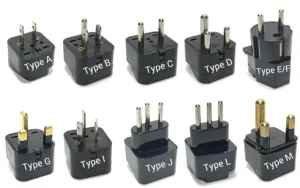
    • Thailand uses multiple plug types: A, B, C, F, and O
    • Most common types: C and A

Common Electronic Devices for Cycling Travelers

Cycling travelers typically carry a range of electronic devices, including:

  1. Digital cameras
  2. Smartphones
  3. GPS devices
  4. MP3 players
  5. USB sticks
  6. Headphones/earphones
  7. Rear bike lights and headlamps
  8. Laptops or tablets (less common)

Device Compatibility and Power Requirements

Most modern electronic devices used by travelers are compatible with Thailand’s electrical system:

  1. Dual Voltage Devices: Many devices (smartphones, tablets, laptops, cameras) are dual voltage (100-240V) and can operate on both 110-120V and 220-240V systemsĀ . These only require a plug adapter.
  2. Single Voltage Devices: Some older or specialized equipment may be designed for 110-120V only and will require a voltage converter for safe operation in ThailandĀ .

Necessary Adapters and Converters

  1. Plug Adapters:
    • Essential for all travelers to fit Thai outlets
    • Universal adapters supporting Type C and F configurations are recommended
    • Ensure adapters support grounded connections if needed
  2. Voltage Converters:
    • Required for single voltage devices not compatible with 220-240V
    • Should match the wattage requirements of the device
    • Voltage transformers are recommended for continuous use

Power Solutions Specific to Cycling

  1. Portable Chargers (Power Banks):
    • Highly recommended for cycling travelers
    • High capacity (up to 26,000mAh) allows for multiple device charges
    • Can be charged at any available power outlet
    • Reliable and unaffected by weather conditions
    • Adds some weight to the cyclist’s load
  2. Solar Panels:
    • Eco-friendly option for harnessing solar energy
    • Useful for long tours in remote areas
    • Can charge devices while on the move or during breaks
    • Charging efficiency depends on weather conditions and sunlight availability
    • Generally slower charging compared to direct electrical outlets
  3. Dynamo Hubs:
    • Generate electricity as the bicycle moves
    • Provide continuous power for lights and small devices
    • Reliable in various weather conditions
    • Installation can be complex and costly
    • Power output may be limited for larger devices

Recommendations for Cycling Travelers in Thailand

  1. Device Selection:
    • Prioritize dual voltage devices to minimize the need for voltage converters
    • Choose devices with good battery life and power efficiency
    • Consider devices that use standard USB charging for versatility
  2. Power Adapters and Converters:
    • Carry a universal travel adapter compatible with Thai outlets (Types A, C, and F)
    • Bring a voltage converter only if you have essential single voltage devices
  3. Power Solutions:
    • Primary: High-capacity power bank (10,000mAh or higher)
    • Supplementary: Portable solar panel for extended trips in remote areas
    • Optional: Consider a dynamo hub for long-distance cycling on paved roads
  4. Charging Strategy:
    • Charge all devices whenever access to power outlets is available
    • Use power banks as the primary charging method while on the move
    • Utilize solar panels during daylight hours to supplement power needs
  5. Safety Considerations:
    • Avoid using devices while cycling to maintain awareness of surroundings
    • Ensure all charging equipment is properly insulated and protected from moisture
    • Use hands-free options or stop in safe locations to check devices
  6. Additional Tips:
    • Carry a lightweight multi-port USB charger to charge multiple devices simultaneously
    • Consider bringing spare batteries for critical devices like bike lights
    • Use offline capabilities of apps likeĀ BikemapĀ for navigation in areas with limited connectivity
    • Carry a backup offline map for emergencies
Currency Exchange

Thai Currency Basics

Currency Overview

  • The official currency of Thailand is the Thai Baht (ąøæ), with the international currency code THBĀ .
  • 1 Baht equals 100 satangs, though satang coins are rarely used in practiceĀ .

Denominations

  • Coins: 1, 2, 5, and 10 Baht; 25 and 50 satang (rarely used)Ā .
  • Banknotes: ąøæ20, ąøæ50, ąøæ100, ąøæ500, and ąøæ1000Ā .

Currency Exchange Options

Banks

  • Pros: Secure and reliable, widely available in urban areas.
  • Cons: May not offer the best exchange rates, limited operating hoursĀ .

Currency Exchange Booths

  • Pros: Often offer competitive rates, especially in tourist areas.
  • Cons: Rates can vary significantly between boothsĀ .

ATMs

  • Pros: Widely available, convenient for cash withdrawals.
  • Cons: Fees from both home bank and Thai ATM operators (typically 220-300 THB per transaction)Ā .

Digital Payment Methods

  • Options: TrueMoney Wallet, Rabbit LINE Pay, ShopeePay, PromptPayĀ .
  • Pros: Convenient, increasingly accepted in urban areas.
  • Cons: May have limited acceptance in rural areasĀ .

Best Practices for Currency Exchange

Planning Ahead

  • Exchange a small amount at the airport for immediate expenses.
  • Seek better rates at local exchange booths or banks in urban areasĀ .

Comparing Rates

  • Use online currency converters to check the mid-market rate before exchangingĀ .
  • Compare rates from different providers to ensure the best dealĀ .

ATM Usage

  • Avoid Dynamic Currency Conversion (DCC) by opting to be charged in Thai BahtĀ .
  • Check with your home bank for partnerships with Thai banks to reduce fees.

Digital Payments

  • Consider using mobile banking apps and digital wallets for urban areas.
  • Wise offers a multi-currency account with favorable rates for international transactionsĀ .

Safety Considerations for Cycling Travelers

Carrying Cash

  • Use a money belt to keep cash and important documents secureĀ .
  • Split your cash and keep only a small amount with you while cycling.

ATM Safety

  • Use ATMs in well-lit, secure locations, preferably inside banks or shopping centers.
  • Be aware of your surroundings when withdrawing cashĀ .

Digital Security

  • Ensure your devices are secure when using mobile banking or digital payment apps.
  • Use secure Wi-Fi connections for financial transactions.

Regional Considerations

Urban Areas

  • More options for currency exchange and digital payments.
  • Better exchange rates and more competitive feesĀ .

Rural Areas

  • Limited access to exchange services and ATMs.
  • Higher reliance on cash transactionsĀ .

Recommendations for Cycling Travelers

  1. Diversify Payment Methods: Carry a mix of cash, cards, and digital payment options.
  2. Use ATMs Strategically: Withdraw larger amounts less frequently to minimize fees.
  3. Leverage Digital Payments: Utilize mobile banking and e-wallets in urban areas.
  4. Secure Your Funds: Use a money belt and keep valuables secure while cycling.
  5. Plan for Rural Areas: Carry sufficient cash when venturing into remote regions.
  6. Stay Informed: Keep track of exchange rates and be aware of potential fees.
  7. Maintain Backup Options: Have multiple cards and emergency cash in case of loss or theft.
Food & Water Quality

Food Safety Landscape

Regulatory Framework

Thailand’s food safety is primarily governed by the Food Act B.E. 2522 (1979), with key regulatory bodies including the Ministry of Public Health (MOPH) and the Food and Drug Administration (FDA). These agencies establish food standards, control production and importation, and conduct inspections to ensure compliance.

Common Foodborne Illnesses

Travelers to Thailand may be at risk of several foodborne illnesses:

  1. Travelers’ Diarrhea (TD): Up to one-third of foreign travelers develop diarrhea during their first month in Thailand.
  2. Cholera: While infrequent, it remains a concern.
  3. Typhoid Fever: Endemic but declining in incidence.
  4. Other Foodborne Pathogens: Including Salmonella, Campylobacter, and enterohaemorrhagic Escherichia coli.

Food Safety in Different Settings

Street Food

Street food is a significant part of Thai culture but can pose health risks:

  • Vendor Selection: Choose popular vendors with long lines, especially those frequented by locals.
  • Food Temperature: Opt for food cooked hot in front of you.
  • Hygiene Observations: Assess the cleanliness of the vendor’s workstation and handling practices.

Restaurants

Restaurant hygiene standards can vary:

  • Hygiene Regulations: Restaurants are subject to local regulations, with fines for non-compliance.
  • Menu Size: Be cautious of extensive menus, which may indicate less fresh ingredients.
  • Reputable Establishments: Dining at well-known or highly-rated restaurants can reduce health risks.

Rural Areas

Food safety in rural areas may be less stringent:

  • Local Practices: Food safety knowledge and practices can vary significantly.
  • Community Dining: Common in rural settings; opt for freshly cooked food and avoid leftovers.

Water Quality and Safety

Tap Water

Tap water in Thailand is generally not considered safe for drinking:

  • Approximately 43 million people in Thailand consume contaminated water.
  • Even in urban areas like Bangkok, many locals and travelers prefer not to drink tap water due to potential contaminants.

Bottled Water

Bottled water is widely available and considered the safest option for drinking:

  • Ensure the seal on the bottle is intact before consumption.
  • Be aware of the environmental impact of plastic waste from bottled water consumption.

Ice

Ice can be a source of contamination:

  • Many establishments use purified ice, but it’s safer to inquire about the source or avoid ice altogether.

Safety Tips and Precautions for Travelers

Food Safety Precautions

  1. Avoid Raw and Uncooked Foods: Steer clear of raw fish, meat, salads, and cut fruit that may have been washed in unsafe water.
  2. Street Food Caution: While enjoying street food, choose well-cooked meals from reputable vendors.
  3. Be Wary of Spiked Food and Drinks: Never leave food or drinks unattended or accept them from strangers.
  4. Eat at Reputable Establishments: Choose restaurants with good hygiene practices and positive reviews.
  5. Observe Food Preparation: When possible, watch how your food is prepared to ensure proper hygiene practices.

Water Safety Precautions

  1. Stick to Bottled or Boiled Water: Use bottled water or boil tap water for at least one minute before consumption.
  2. Avoid Tap Water for Oral Hygiene: Use bottled or purified water for brushing teeth.
  3. Be Cautious with Ice: Ask about the source of ice or avoid it altogether in drinks.
  4. Hotel Water: Verify the source of water in hotels, even if they claim to have filtration systems.

General Health Precautions

  1. Vaccinations: Ensure you are up-to-date with routine vaccinations and consider additional vaccines such as hepatitis A and B, typhoid, and cholera.
  2. Travel Health Kit: Carry a basic travel health kit with over-the-counter medications for common ailments like diarrhea and motion sickness.
  3. Hand Hygiene: Practice good hand hygiene, especially before meals and after using restrooms.
  4. Travel Insurance: Purchase comprehensive travel insurance that covers healthcare services abroad and medical evacuation.

Environmental Considerations

  1. Reduce Plastic Waste: Consider using a reusable water bottle with a built-in filter to minimize plastic waste from bottled water consumption.
  2. Support Sustainable Practices: Choose establishments that demonstrate commitment to food safety and environmental sustainability.
What do the US Dept of State, US Embassy, and CDC say?

Check out the latest Travel Advisory to Thailand from theĀ US Dept of State. Ā Contacts from all US Embassies in Thailand are listed on the website. Ā Use theĀ Smart Traveler Enrollment Program (STEP)Ā to inform them of your travels.

Read the Travel Health Notices & suggested vaccinations from theĀ CDC

For the latest updates and resources, visit the U.S. Embassy in Thailand’s official website:Ā U.S. Embassy & Consulates in Thailand

Supplement Your Health / Travel Insurance

General Insurance Requirements and Recommendations

Health Insurance Requirements

  • While not mandatory for all travelers, health insurance is crucial due to potential high costs of medical treatment in ThailandĀ .
  • For long-stay visas (e.g., Non-Immigrant O-A visa), proof of health insurance is required, covering at least 40,000 Baht for outpatient and 400,000 Baht for inpatient costsĀ .

COVID-19 Considerations

  • As of April 2024, there are no specific COVID-19 restrictions in place. However, insurance covering COVID-19-related medical expenses (minimum $100,000 USD) is highly recommendedĀ .

General Travel Insurance Recommendations

  • Coverage for trip cancellations, interruptions, delays, and baggage loss/delayĀ .
  • Medical evacuation and repatriation coverageĀ .
  • Adventure activities coverage, especially for cycling.

Specialized Insurance Options for Cyclists

Velosurance

VelosuranceĀ offers comprehensive bicycle insurance tailored for cyclists:

  • Specialized Coverage: Velosurance offers insurance specifically designed for cyclists, covering various aspects of cycling risks.
  • Comprehensive Protection: Their basic coverage includes physical damage to bicycles, theft, vandalism, and collision protection.
  • Additional Benefits: The policy offers rental reimbursement, competitive event fee reimbursement, and coverage for spare parts and cycling apparel.
  • Liability Insurance: Velosurance provides cycling liability insurance to cover injuries or property damage caused to others.
  • Medical Coverage: They offer medical payments coverage to supplement personal health insurance deductibles.
  • Roadside Assistance: For an additional fee, 24-hour emergency service is available, including transportation for the cyclist and bike.
  • No Depreciation: In case of a total loss, Velosurance does not depreciate the bike’s value, allowing for replacement with a similar value bike.
  • Geographical Coverage: The policy covers bikes in the USA and Canada, with optional worldwide coverage available upon request.
  • International Considerations: While specific details for Thailand are not provided, it’s important to ensure any policy includes adequate medical and evacuation coverage for international travel.

Sunday Insurance

Sunday Insurance offers comprehensive bicycle insurance tailored for cyclists:

Coverage and Benefits:

  • Coverage limit up to $21,500 per bike.
  • “New for old” replacement policy.
  • Optional worldwide protection.
  • Covers almost all types of bicycles (racing, commuting, exercise).
  • Cost starts from $8 per month.
  • No credit checks required.
  • 30 days of complimentary insurance for new customers.
  • Customizable coverage based on 15+ years of cycling insurance dataĀ .

Claims and Customer Service:

  • Fast claims processing.
  • Cyclist-friendly service.
  • Comprehensive coverage for theft, loss, accidental damage, and personal accidentsĀ .

World Nomad Insurance

World Nomads offers travel insurance that caters to adventurous travelers, including cyclists:

Coverage Options:

  • Medical emergencies coverage (up to $100,000 on Basic Plan, higher on Explorer Plan).
  • Trip cancellation and interruption coverage.
  • Lost or stolen luggage protection.
  • Coverage for over 200 adventure activities, including cycling.
  • Emergency evacuation and repatriation (up to $500,000 on Explorer Plan).
  • 24/7 emergency assistance servicesĀ .

Flexibility and Accessibility:

  • Ability to purchase or extend coverage while already traveling.
  • Customizable plans with options like “Cancel for Any Reason”Ā .

Other Insurance Options for Cycling Travelers in Thailand

TIQ Travel Insurance

  • Comprehensive medical and adventure sports cover.
  • Optional sports equipment cover up to S$4,000.
  • Up to S$300,000 for COVID-19-related medical expenses.
  • Up to S$500,000 for emergency medical evacuationĀ .

FWD Travel Insurance

  • Cost-effective option starting from S$25.20 for a 5-day trip to Thailand.
  • Optional sports equipment protector add-onĀ .

Singlife Travel Insurance

  • Unlimited medical expenses coverage on Travel Prestige plan.
  • Coverage for various sports, including cycling.
  • Additional coverage for sports equipmentĀ .

Key Considerations for Cycling Travelers

Activity Coverage

  • Ensure that cycling is explicitly covered under the policy.
  • Check for coverage of other adventure activities you might engage in.

Medical and Emergency Support

  • Look for plans with comprehensive medical coverage and 24/7 emergency assistance.
  • Consider coverage limits for medical expenses and evacuation.

Equipment Protection

  • If traveling with expensive cycling gear, prioritize plans offering equipment protection.

Cost and Value

  • Balance the cost of insurance with the coverage provided.
  • Consider factors like trip duration, destination specifics, and planned activities.

Exclusions and Limitations

  • Carefully review policy documents for exclusions, such as pre-existing conditions or specific high-risk activities.

Additional Travel Considerations

Visa Requirements

  • Travelers from countries with visa exemptions can stay up to 30 days without a visa.
  • Longer stays require a visa, and health insurance may be necessary for approval.

Public Health Recommendations

  • Be aware of other health risks like dengue fever and air pollution in urban areas.

Emergency Services

  • Thailand Emergency Services can be contacted by dialing 191.

How to Stay Safe

Road Safety and Traffic Conditions

Urban Areas

  • Traffic Challenges: Major cities like Bangkok have busy and chaotic traffic. Be prepared for unpredictable driving behaviors and dense traffic conditions.
  • Infrastructure: Cycling infrastructure is still developing, with many areas lacking dedicated bike lanes.
  • Visibility: Use reflective gear and lights, especially when cycling at night or in low-light conditions.

Rural Areas

  • Road Quality: While major highways are generally well-maintained, rural roads may have potholes or uneven surfaces.
  • Mixed Traffic: Be prepared for a mix of vehicles, including motorcycles, cars, and trucks.

Traffic Rules

  • Ride as close to the left side of the roadway or bicycle lane as possible.
  • Comply with traffic signals, signs, and lights.
  • Avoid riding carelessly or recklessly, and maintain control of your bicycle at all times.

Safety Equipment and Bicycle Maintenance

Essential Safety Gear

  • Helmet: Always wear a properly fitted helmet, even though it’s not legally required.
  • Reflective Clothing: Wear bright, reflective clothing to enhance visibility, especially in low-light conditions.
  • Lights: Equip your bicycle with front and rear lights for night riding.

Bicycle Maintenance

  • Conduct regular maintenance checks, including tire pressure, brakes, and chain lubrication.
  • Carry essential tools and spare parts, such as a tire repair kit and multi-tool.
  • Choose a bike that can handle a variety of terrains. A hybrid bike with disc brakes and larger tires (at least 32c) is recommended for comfort and versatility across Thailand’s diverse landscapes.

Health and Medical Precautions

Vaccinations and Health Risks

  • Ensure you’re up to date with routine vaccinations, including hepatitis A and B, and typhoid.
  • Be aware of mosquito-borne diseases like dengue and use insect repellent.

Climate Considerations

  • Hydration: Stay well-hydrated in Thailand’s tropical climate. Coconut water is an excellent source of electrolytes.
  • Sun Protection: Use sunscreen and wear protective clothing to prevent sunburn.
  • Air Quality: Be aware of potential air pollution, especially in urban areas like Bangkok.

Emergency Services

  • For medical emergencies, dial 1669 for nationwide assistance or 1724 for an ambulance in Bangkok.
  • Carry a local SIM card for emergencies.

Seasonal Considerations

Monsoon Season (May to October)

  • Be prepared for sudden, heavy rainfall, especially in the afternoons and evenings.
  • Use waterproof gear and consider scheduling rides for early mornings when rain is less likely.
  • Be cautious of potential flooding and slippery road conditions.

Best Time to Cycle

  • The cool season from November to February is ideal for cycling, offering milder temperatures and less humidity.

Cultural Awareness and Local Customs

Temple Etiquette

  • When visiting temples, remove shoes, dress modestly, and refrain from public displays of affection.

Cultural Sensitivity

  • Avoid discussing local politics or the monarchy, especially on social media.
  • Use non-verbal communication like smiles and gestures to overcome language barriers.

Crime Prevention and Personal Safety

Petty Crime

  • Be vigilant in crowded areas and tourist hotspots to prevent pickpocketing and bag-snatching.
  • Use anti-theft bags and keep valuables secure.

Scams

  • Be cautious of unsolicited help or suspiciously low-priced offers.
  • Avoid using your passport as collateral for rentals.

Bicycle Security

  • Always secure your bicycle with a sturdy lock, even if leaving it unattended for a short period.
  • Consider registering your bicycle with local authorities if such a service is available.

Insurance and Legal Considerations

Travel Insurance

  • Obtain comprehensive travel insurance that covers medical emergencies, evacuation, and cycling activities.
  • Ensure your policy explicitly covers cycling and adventure activities.

Legal Requirements

  • Ensure your bicycle is roadworthy, equipped with a bell, good brakes, and appropriate lights.
  • Familiarize yourself with local traffic laws and regulations to avoid legal issues while cycling.

Practical Safety Tips for Cyclists

  1. Plan Your Routes: Research and plan your cycling routes in advance, considering road conditions and traffic patterns. Use local maps and GPS for navigation.
  2. Stay Informed: Keep updated on local weather forecasts and any travel advisories.
  3. Group Riding: Consider joining local cycling groups or tours for added safety and local knowledge.
  4. Emergency Contacts: Keep a list of emergency contacts, including your embassy or consulate.
  5. Language Basics: Learn some basic Thai phrases for emergencies and directions.
  6. Rest and Acclimatization: Allow time to adjust to the climate and time zone before embarking on long rides.
  7. Content Creation Safety: When filming or taking photos, ensure you’re in a safe location away from traffic. Use a helmet camera or handlebar mount for hands-free recording.
  8. Engage with Locals: Interact with local communities to enrich your cycling experience. Thai people are known for their hospitality and can offer valuable insights and assistance.
  9. Respect Privacy: Always ask for permission before filming or photographing individuals, especially in rural areas or at cultural sites.

Resources

How to learn the local language FAST!

Essential Thai Words and Phrases for Travelers

1. Greetings and Basic Phrases

  • Hello: Sawasdee (Krub/Ka)
  • Thank you: Khob khun (Krub/Ka)
  • Yes: Chai (Krub/Ka)
  • No: Mai chai (Krub/Ka)
  • Sorry/Excuse me: Lao jow / Khor thoad (Krub/Ka)
  • How are you?: Sabai dee mai (Krub/Ka)
  • I’m fine: Sabai dee (Krub/Ka)

2. Transportation and Directions

  • Where is the bus station?: Nai bai duay?
  • Train: Rot fai
  • Airplane: Rot may
  • How much is the taxi?: Lot dai tao rai?
  • Turn left/right: Leua sai/leua kwaa
  • Where is the bathroom?: Hong nam yoo nai?

3. Ordering Food and Drinks

  • Delicious: Aroy
  • I am vegetarian: Chan gin jay
  • Spicy: Pet
  • Not spicy: Mai pet
  • Water: Nam
  • Bill, please: Kep tang krub/ka

4. Emergency Situations

  • Help!: Chuay!
  • Police: Pholisee
  • Hospital: Rong paya baan
  • I need a doctor: Chan tong kaan mor

5. Shopping

  • How much is this?: Ra ka tao rai?
  • That’s expensive!: Paeng mak khrup/ka!
  • Can you give me a discount please?: Ga ru na lot ra ka hai noi khrup/ka?

6. Socializing

  • You are cute: Khun naa rak khrup/ka
  • Having fun?: Sanuk mai?

Mobile Apps for Learning Thai on the Go

1. Comprehensive Language Learning Apps

  • Ling App: Highly recommended for interactive lessons and comprehensive learning .
  • ThaiPod101: Offers downloadable content and engaging tutors .

2. Personalized Learning Experiences

  • Preply: Provides 1-on-1 sessions with experienced Thai tutors .

3. Specialized Thai Language Apps

  • LuvLingua: Focuses on teaching Thai language, alphabet, and grammar.
  • Mondly: Offers short, interactive lessons ideal for beginners .
  • Nemo Thai: Turns your device into a personal Thai teacher with native speaker audio .

Online Resources and Tools for Learning Thai

1. Comprehensive Learning Platforms

  • ThaiPod101: Offers audio and video lessons structured into four levels .
  • italki: Connects learners with native Thai teachers for personalized lessons.
  • Memrise: Provides engaging and interactive courses for vocabulary and phrases.

2. Specialized Thai Language Websites

  • Lingopolo: Comprehensive tools for learning Thai vocabulary and grammar.
  • Genki Thai: Focuses on practical language use without requiring reading or writing skills.
  • thai-language.com: Offers extensive resources for Thai language learning .

3. Popular Language Learning Apps

  • Duolingo and Rosetta Stone: User-friendly platforms suitable for beginners.
  • Drops: Interactive app for mastering over 2000 Thai words quickly.

Thai Language Courses for Travelers

1. Short-term Programs

  • AUA Thai Language Program: Offers courses designed for practical communication.
  • Short Thai Language Classes in Bangkok: Available at schools like AUA and Walen Thai.

2. Online Courses for Travelers

  • Thai Travel Course: Teaches the 450 most important words and phrases in Thai.
  • Pimsleur Thai Language Program: Focuses on conversational skills with short, daily lessons.

Effective Methods for Quick Thai Language Acquisition

1. Master the Thai Script and Sound System

  • Learn the 44 consonants and 30 vowels of the Thai script.
  • Focus on mastering pronunciation and tones, which are crucial in Thai.

2. Focus on Common Vocabulary and Phrases

  • Start with high-frequency sentences like ā€œą¹„ąø›ą¹„ąø«ąø™ā€ (Where are you going?) and ā€œąøąø“ąø™ąø‚ą¹‰ąø²ąø§ąø£ąø¶ąø¢ąø±ąø‡ā€ (Have you eaten?).

3. Engage in Conversations with Native Speakers

  • Practice speaking with Thai people to enhance fluency and cultural understanding.

4. Utilize Accelerated Learning Techniques

  • Employ memory retention methods and efficient learning paths.

5. Prioritize Listening and Speaking Skills

  • Emphasize mimicking native speakers for better communication skills.

Tips for Effective Learning

  1. Set Clear Goals: Establish attainable objectives to track progress and maintain motivation.
  2. Consistent Practice: Dedicate regular time to language learning, even if it’s just a few minutes daily.
  3. Immerse Yourself: Watch Thai movies, listen to Thai music, or read Thai news to enhance language exposure.
  4. Use Multiple Resources: Combine different learning methods and tools for a well-rounded approach.
  5. Practice with Natives: Engage in language exchange or find Thai-speaking partners for real-world practice.
  6. Focus on Practical Usage: Prioritize learning phrases and vocabulary relevant to your travel needs.
  7. Embrace Cultural Context: Understanding Thai culture can significantly enhance language learning and usage.

Top Cycling and Travel Influencers in Thailand

Cycling Influencers

  1. Muzcali
    • Instagram: @Muzcali
    • Summary: A Thai cyclist and air stewardess known for exploring the world and sharing her cycling adventures, combining her passion for travel and cycling.
  2. Ram (@dhnrjb)
    • Instagram: @dhnrjb
    • Summary: An Instagram influencer with 80K followers, focusing on cycling content and brand collaborations, particularly with Attaquer.

Travel Influencers

  1. I Roam Alone
  2. JoCho Sippawat
  3. Khodcool
    • YouTube: https://www.youtube.com/@khotkool
    • Summary: An adventure travel vlogger with approximately 2.9 million subscribers, engaging audiences with exciting travel content across Thailand.
  4. LAZY COUP
    • Instagram: @lazycoup
    • Summary: A Bangkok-based influencer with 25.2K followers and a high engagement rate of 10.8%, focusing on photography and shared travel experiences.
  5. Pigkaploy (ą¹€ąø”ą¹‡ąøąø«ąøąø“ąø‡ąøžąø„ąø­ąø¢ą¹„ąøžąø„ąø“ąø™)
    • Instagram: @pigkaploy
    • Summary: An influencer with 794.5K followers, sharing travel experiences and online work opportunities with a 2.9% engagement rate.
  6. Tongtong Napat Nanachin
    • Instagram: @tongtongnapat
    • Summary: An influencer with 143.4K followers and a 2.8% engagement rate, focusing on art, family, and tourism in Thailand.

Cycling-Specific Bloggers and Websites

  1. Bicycle Thailand
    • Link:Ā https://bicyclethailand.com/
    • Summary: A comprehensive resource for English language information on touring, mountain biking, and road cycling in Thailand, providing GPS routes, information on bicycle shops, tour companies, races, events, and local cycling community newsĀ .
  2. Michael Davis’ Travel Blog – Cycle in Thailand
    • Link: https://cycleinThailand.com
    • Summary: A personal blog dedicated to exploring Thailand by bicycle, offering insights into local culture and landscapesĀ .
  3. Cycling in Thailand; My 2000km journey Cycling from Malaysia to Myanmar
    • Link: OneStep4ward.com
    • Summary: A detailed account of a personal cycling journey through Thailand, offering insights into challenges and experiences encountered along the way.
  4. Biking across North Thailand — TWO BIKE TO
    • Link: TwoBikeTo.com
    • Summary: Covers a cycling tour in northern Thailand, providing practical tips and experiences from the journeyĀ .
  5. The JaYoe World Recumbent Cycle Tour
    • Link: JaYoe.com
    • Summary: Documents a cycling journey from Cambodia through Thailand to Malaysia, offering insights into the cycling experience in Thailand, including roads and services availableĀ .
  6. Two by Two Adventures
    • Link: TwobytwoAdventures.com
    • Summary: Features a series on cycling in Thailand, detailing specific routes and experiences, such as the journey from Bak Mae Khachar to Chiang Mai.

Official Tourism Website

  1. Tourism Authority of Thailand (TAT)
    • Link:Ā https://www.tourismthailand.org/
    • Summary: The official tourism website for Thailand, providing comprehensive travel information, including maps, accommodation, and attractions.

Online Communities and Forums

  1. Reddit – r/Thailand
    • Link:Ā https://www.reddit.com/r/Thailand/
    • Summary: Includes discussions about cycling in Thailand, sharing information about cycling events, group rides, and popular cycling spotsĀ .
  2. Bike Forums
    • Link:Ā https://www.bikeforums.net/
    • Summary: Features threads dedicated to cycling in Thailand, where users discuss experiences and share tips about cycling routes and safety.
  3. ASEAN Now
    • Link:Ā https://aseannow.com/
    • Summary: Includes discussions about cycling clubs in Bangkok and Chiang Mai, providing insights into local cycling communities and eventsĀ .
  4. Facebook Groups
    • Example: Road Riders Chiangmai
    • Summary: Specific Facebook groups that cater to cyclists in Thailand, organizing events and providing a platform for cyclists to connect.
  5. Thaimtb.com
    • Link:Ā https://www.thaimtb.com/
    • Summary: Dedicated to cycling events in Thailand, including road bike and mountain biking events.

Cycling and Travel Brands in the country

Bicycle Manufacturers and Cycling Gear Producers

  1. Bangkok Cycle Industrial Co., Ltd.
  2. NICH Cycling
    • Specializes in: Professional-level road racing equipment
    • Products: Carbon bicycle frames and carbon racing wheels
    • Notable for: First Thai bicycle company to offer professional-level racing equipment
    • Website:Ā NICH Cycling
  3. Turbo
    • Specializes in: More affordable bicycle options compared to LA Bicycle
    • Website:Ā Turbo Bicycles

International Brands with Presence in Thailand

  1. Vittoria Group
    • Origin: Italian bicycle manufacturer
    • Presence in Thailand: New factory in Bangpoo industrial district
    • Investment: USD 20 million
    • Specializes in: Premium bicycle tire production
    • Notable for: First carbon-neutral bicycle tire production facility globally
    • Website:Ā Vittoria Group

Hop on your bike and join the adventure with Cycle Travel Club's thrilling hosted tours throughout the year!

  • Cycle The Myth: Peloponnese, Greece

    From$2,600
    Availability : July 30 - Aug 15, 2025
    Delhi, Manali to Leh, India
    Experience the bustling chaos and historic majesty of Delhi’s ancient streets before embarking on one of the world’s most epicView Tour
  • Golden Triangle + Himalayan Cycling Adventure

    From$2,600
    Availability : July 30 - Aug 15, 2025
    Delhi, Manali to Leh, India
    Experience the bustling chaos and historic majesty of Delhi’s ancient streets before embarking on one of the world’s most epicView Tour
  • Munnar, India

    Kerala Spice Trail Cycling Tour

    From$1,750
    Availability : January 15 - 25, 2026
    Kerala, India
    Kerala, aka “God’s Own Country”, is known for stunning landscapes, serene backwaters, vibrant culture, & diverse cycling routes through tropicalView Tour

Pedal Deeper into Adventure
Read more about epic Destinations here....

Join the Cycle Travel Club!

Proceed Booking