How the 2026 Energy Crisis Is Reshaping Travel (and Why You’re Already Ahead)
I was looking at flights the other day… and had one of those wait, what? moments.
Same route. Same airline.
Way more expensive.
At first, I thought it was just bad timing.
But then I started digging.
And it turns out… this isn’t just happening to me.
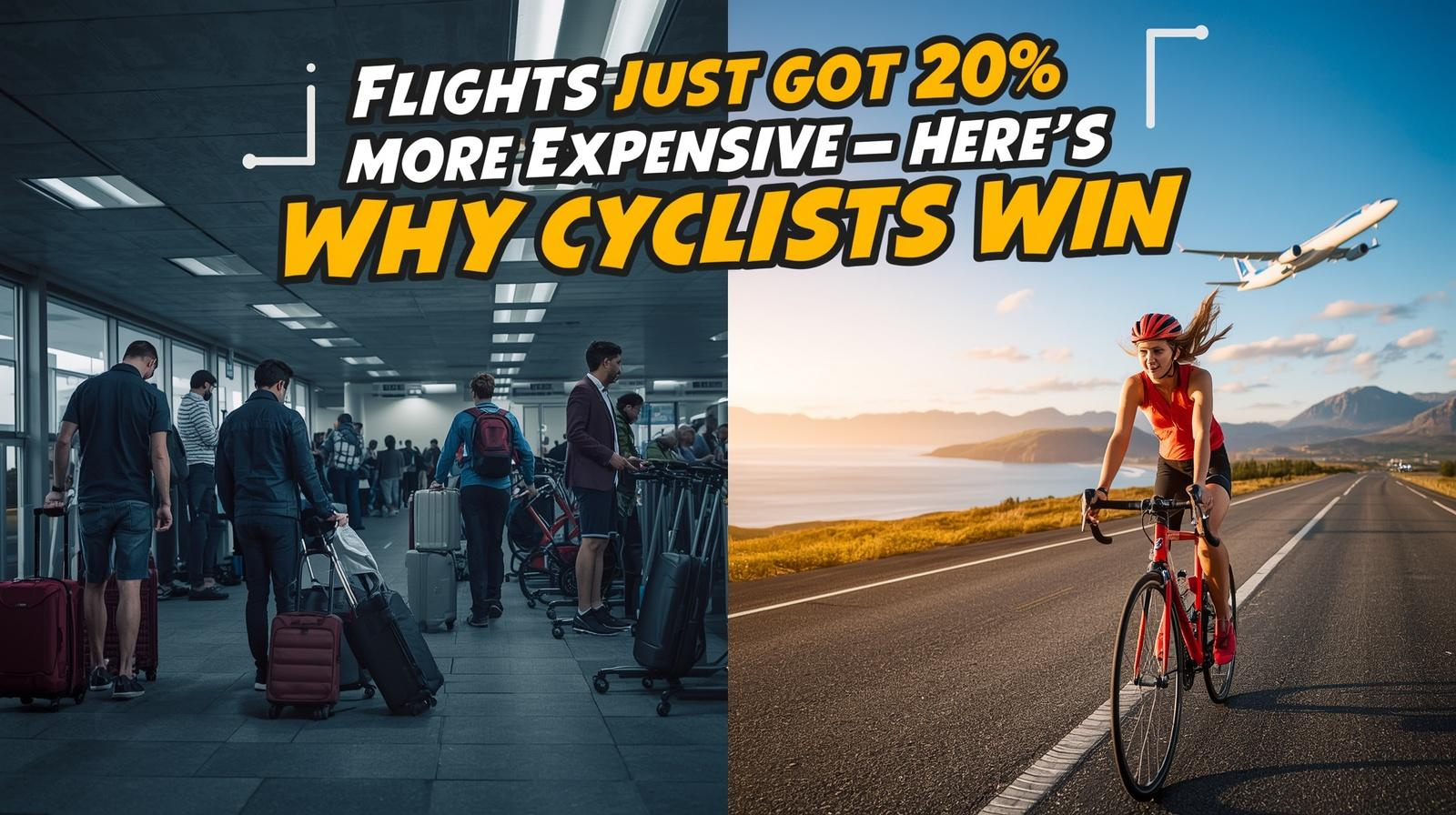
Flights are rising across the board—some by as much as 20% globally. Airlines are adding fuel surcharges, cutting routes, and quietly reshaping their entire business models.
And the deeper I went, the more it became clear:
👉 This isn’t just a price spike.
👉 This is a shift in how the world travels.
The Big Driver (and Why This Isn’t Going Away Anytime Soon)
This all comes down to one thing:
Fuel.
And more specifically… what’s happening globally right now.
With rising tensions between Iran and the U.S., and instability around key oil routes like the Strait of Hormuz (where a significant portion of the world’s oil flows), supply has been disrupted—and the entire energy market is reacting.
That’s pushing:
- Oil above $100 per barrel
- Jet fuel to nearly double in some regions
- Airlines to lose protection from fuel hedging—meaning they can’t shield themselves from price spikes anymore
👉 Translation:
This isn’t temporary.
👉 Prices are expected to stay elevated through at least 2027.
What’s Actually Happening (Real Airlines, Real Changes)
What really caught my attention was who is being affected—and how fast things are changing.
Right now in the Middle East, airspace disruptions tied to geopolitical tensions are forcing airlines to reroute flights across major global corridors.
That means:
- Longer flight paths
- Higher fuel burn
- More expensive tickets
Even if you’re not flying through the Middle East… you’re still paying for it.
👉 Prices are expected to stay elevated through at least 2027.
Across regions, the pattern is clear.
In Europe, where countries rely heavily on imported energy, governments are encouraging people to fly less—while investing heavily in trains and cycling infrastructure—quietly shifting away from short-haul flights.
In Asia, where I’ve been spending a lot of time lately, airlines are already adjusting aggressively.
Cebu Pacific in the Philippines? They’re cutting international routes and reducing flights through 2026 because fuel prices have more than doubled.
Cathay Pacific out of Hong Kong? They’ve increased fuel surcharges by 34% starting April 2026.
In India and across Southeast Asia, fuel costs are rising fast, and airlines are literally lobbying governments for relief.
Airlines in South Africa are adding temporary fuel fees just to stay operational.
And when airlines start doing this…
You feel it.
Fewer options.
Higher prices.
Less flexibility.
👉 Travel isn’t stopping.
But it’s becoming more expensive—and a lot more intentional.
And somewhere in the middle of all of this… I realized something.
None of it really changes how I travel.
Because when I plan a trip, I’m not asking:
“What’s the cheapest flight I can find?”
I’m asking:
- Where can I ride?
- How long can I stay?
- What kind of experience am I going to have when I get there?
And that’s when it clicked:
👉 Cyclists are built for this moment.
Most people built their travel habits around cheap flights.
Quick weekend getaways.
Last-minute trips.
But when flights get expensive… that whole model starts to fall apart.
Cyclists?
We’ve never really traveled like that.
We take fewer trips—but we make them count.
We stay longer.
We go deeper.
We build the trip around the ride.
👉 And now, that approach isn’t just intentional.
It’s practical.
There’s also something bigger happening behind the scenes.
This isn’t just airlines reacting.
👉 The world is quietly shifting toward cycling.
Governments are investing billions into bike infrastructure—especially across Europe, where over €3.2 billion is being poured into cycling projects and thousands of kilometers of new routes.
Cities in the U.S. are becoming more bikeable than ever.
E-bike adoption is exploding across Asia.
And here in South Korea?
You can literally ride across the country on dedicated bike paths.
And when fuel prices go up?
People don’t stop moving.
They adapt.
We’re already seeing:
- More people commuting by bike
- More local and regional travel
- More curiosity around cycling travel
- More people are realizing…
👉 You don’t need a plane to have an incredible experience.
Why Cyclists Win (And Why This Is Bigger Than You Think)
While most travelers are reacting…
👉 Cycling travelers are already ahead.
Not because we predicted this—but because we’ve been traveling differently all along.
We’re not chasing cheap flights.
We’re building experiences.
And more importantly?
We’re not dependent on fuel.
Planes need fuel.
Cars need fuel.
Your bike?
👉 Doesn’t care about oil prices.
And in a global energy crisis…
👉 That’s a real advantage.
Zoom out for a second, and you’ll see the bigger shift happening:
- Cheap travel → Fewer, better trips
- Fast travel → Slow, immersive travel
- Convenience → Experience
And cycling?
👉 Fits perfectly into the new model.
And this is where the story gets bigger than just us.
Because this isn’t just a “cycling thing.”
It’s a global shift already in motion.
Rising fuel costs are forcing behavior change.
More people are commuting by bike—not because it’s trendy, but because it makes sense.
Cities are investing faster than ever in cycling infrastructure.
What used to feel optional is becoming essential.
At the same time, companies are adjusting too.
Remote and hybrid work are quietly sticking around.
Less commuting means more flexibility.
And more flexibility means more time…
Time for local rides.
Time for longer trips.
Time to actually experience where you are.
And then there’s the biggest shift of all.
Travel isn’t going away.
👉 It’s evolving.
Because when travel gets harder…
It also becomes more valuable.
People aren’t going to stop exploring the world.
But they are going to start asking better questions:
Is this trip worth it?
What kind of experience do I actually want?
How do I make this unforgettable?
And that’s exactly where cycling travel wins.
Because cycling was never about just getting somewhere.
It’s about how you experience everything in between.
The quiet roads.
The unexpected stops.
The people you meet along the way.
You don’t get that from rushing through airports.
You get that from being in it.
What This Means for You
It’s actually pretty simple.
Plan fewer trips—but go deeper.
Choose destinations built for cycling (Japan, South Korea, Taiwan, Europe).
Stay longer.
👉 Stop chasing cheap travel.
👉 Start choosing better travel.
Because let me say this clearly:
👉 This is not the end of travel.
It’s the end of:
- Mindless travel
- Cheap, rushed trips
And the beginning of:
👉 Intentional travel
And cycling?
👉 Is leading that movement.
So yeah… flights might be 20% more expensive right now.
But the value of a great trip?
That just went up too.
And if I’m going to get on that plane…
I already know what I’m doing when I land.
👉 I’m riding.
🚴♀️ Ready to Travel Smarter?
If you want:
- Curated cycling routes
- Trusted tour operators
- Real-world guidance (not guesswork)
👉 Join the Cycle Travel Club
Because in 2026…
The smartest travelers don’t just fly.
They ride.