Cycle Travel Club

Spain 🇪🇸

Cycling in Spain is a choose-your-own-adventure—from the legendary climbs of Mallorca and Girona in Catalonia, to the sun-soaked coastal roads of Andalusia and the rugged green mountains of Asturias. Whether you’re chasing pro-level climbs, vineyard cruising in La Rioja, or culture-packed routes past icons like the Alhambra, Spain delivers one of the most diverse and rewarding cycling experiences in the world.

At A Glance

★★★★★ Mallorca (Balearic Islands): The Mediterranean Cycling Mecca

If cycling paradise had a postcode, it would be Mallorca. This Balearic beauty is the undisputed champion of Spanish cycling destinations, earning a full 5 stars for its iconic climbs, silky-smooth roads, and pro-level infrastructure. Tackle the legendary Sa Calobra’s serpentine switchbacks, soak up the jaw-dropping views at Cap de Formentor, or conquer the mighty Puig Major. Spring and autumn see the island buzzing with pro teams and passionate amateurs alike, all drawn by the mild climate and vibrant café culture. With bike-friendly hotels, top-notch rentals, and the epic Mallorca 312 sportive, it’s no wonder Mallorca tops every cyclist’s bucket list.


★★★★★ Girona & Catalonia: Pro Cyclist Playground

Welcome to Girona, the “cycling capital of Europe” and a five-star magnet for the world’s elite riders and cycling dreamers. Picture-perfect medieval streets, a buzzing café scene, and a community where spotting a pro at the next table is just another Tuesday. The surrounding Catalan countryside offers everything from rolling vineyard roads to the challenging climbs of Rocacorba and Els Àngels, while the Costa Brava and Pyrenees are just a pedal away. With over 100 pro cyclists calling Girona home, world-class bike shops, and endless route variety, this is where cycling legends are made—and where your own epic rides begin.


★★★★☆ Calpe & Costa Blanca/Valencia: Sun, Sea, and Switchbacks

Craving endless sunshine and a winter escape? Calpe and the Costa Blanca deliver four-star cycling magic with their blend of coastal flats, rolling hills, and iconic climbs like Coll de Rates and Cumbre del Sol. This region is a favorite for pro team training camps, thanks to its mild climate, well-maintained roads, and cycling-friendly towns. Valencia adds its own flavor with flat, scenic coastal paths, the lush Turia Gardens, and challenging mountain adventures in the Maestrazgo. Whether you’re chasing KOMs or cruising the Mediterranean, Costa Blanca and Valencia are your ticket to year-round riding bliss.


★★★★☆ The Spanish Pyrenees: Epic Mountain Majesty

For those who dream in gradients and crave the thrill of high-altitude adventure, the Spanish Pyrenees are a four-star wonderland. Here, you’ll find legendary climbs like Port de la Bonaigua, Coll de la Creueta, and access to the mighty Col du Tourmalet. Base yourself in cycling hubs like Aínsa, Boltaña, or Puigcerdà and prepare for long, steady ascents, jaw-dropping vistas, and the quiet satisfaction of conquering roads less traveled. Summer is prime time for roadies, while spring and autumn offer sublime gravel and MTB adventures in the wild heart of Spain.


★★★★☆ Andalusia/Sierra Nevada & Granada: Sun-Soaked Southern Challenges

Andalusia is where cycling dreams meet flamenco flair. This region dazzles with its year-round sunshine, dramatic Sierra Nevada climbs (including the epic Pico de Veleta—the highest paved road in Europe!), and the rolling, whitewashed charm of the Pueblos Blancos. Granada’s cultural riches and the Costa del Sol’s beachside routes add to the allure. Whether you’re a mountain goat or a leisure rider, Andalusia’s diverse terrain, vibrant cities like Seville (with 180+ km of bike lanes!), and rich cycling heritage make it a must-ride destination.


★★★★☆ Basque Country & San Sebastián: Where Cycling is a Way of Life

In the Basque Country, cycling isn’t just a sport—it’s a passion woven into the landscape. This lush, green region is famed for its punchy climbs (Jaizkibel, Balcón de Bizkaia), legendary races like the Clásica de San Sebastián, and a cycling culture that’s as intense as the local cuisine. Ride along dramatic coastal roads, through rolling hills, and into vibrant cities where every café buzzes with cycling chatter. The Basque Country is where you’ll find both challenge and camaraderie, all set against a backdrop of world-class food and scenery.


★★★★☆ Camino de Santiago: The Pilgrim’s Pedal

For a cycling journey with soul, the Camino de Santiago is Spain’s most storied bike route. Whether you choose the coastal Camino del Norte or the classic Camino Francés, you’ll pedal through ever-changing landscapes, historic towns, and a tapestry of cultures. Well-marked paths, cyclist-friendly hostels, and a spirit of camaraderie make this a unique adventure—part physical challenge, part spiritual odyssey. The Camino is perfect for those seeking more than just miles: it’s about the journey, the people, and the stories you’ll collect along the way.


★★★★☆  Canary Islands/Tenerife: Volcanic Vistas & Endless Summer

Chase the sun to the Canary Islands, where Tenerife and Gran Canaria offer four-star cycling with a volcanic twist. Here, you’ll climb from sea level to the lunar landscapes of Mount Teide, test your legs on Pico de las Nieves, and enjoy year-round warm weather. The islands’ dramatic scenery, smooth roads, and pro-level altitude training make them a winter haven for cyclists and triathletes alike. After your ride, refuel with fresh seafood and soak up the Atlantic views—this is cycling at its most exotic.


★★★☆☆ La Rioja: Wine, Vines, and Velvet Roads

Raise a glass to La Rioja, Spain’s cycling gem for those who love to pair their rides with world-class wine and rolling vineyard vistas. Quiet country roads wind through golden fields and medieval villages, while the region’s famed Vías Verdes (Greenways) offer gentle, scenic routes perfect for leisure cyclists. After a day in the saddle, reward yourself with a tasting tour of Rioja’s legendary bodegas. It’s the ultimate blend of culture, cuisine, and cycling serenity.

Watch

Photos

Plan

When to Go?

Spain’s Climate Zones & Cycling Seasons

Spain’s geography spans Atlantic coasts, high plateaus, Mediterranean shores, and subtropical islands, resulting in distinct cycling climates:

  • Atlantic/Green Spain: (Galicia, Asturias, Cantabria, Basque Country) — Mild, wet, and green with cooler summers.
  • Central Meseta: (Castilla y León, Castilla-La Mancha, Madrid Plateau) — Continental, with hot, dry summers and cold winters.
  • Mediterranean Coast: (Catalonia, Valencia, Murcia) — Hot, dry summers and mild, wetter winters.
  • Andalusia: (Seville, Córdoba, Granada, Málaga, Costa del Sol) — Very hot, dry summers inland; mild winters, especially on the coast.
  • Canary Islands: Subtropical, spring-like conditions year-round.

Nationally Recommended Cycling Seasons

  • Spring (March–May): Mild, lush, and ideal for most of Spain.
  • Autumn (September–October): Comfortable, scenic, and quieter roads.
  • Summer (June–August): Best for the north and mountains; too hot inland and south.
  • Winter (December–February): Best for southern Spain and the Canary Islands; cold and wet in the north and mountains.

Month-by-Month Cycling Conditions

  • January–February: Coldest in north/central Spain; mild and sunny in the south and Canary Islands.
  • March–May: Spring bloom, mild temps (15–25°C), ideal for most regions.
  • June: Transition to summer. Still pleasant, but heat builds inland.
  • July–August: Hottest months (often 35°C+ inland/south), best for northern Spain and high mountains.
  • September–October: Return of mild, stable weather, prime cycling season nationwide.
  • November–December: Cooler, wetter in the north, mild in the south and Canary Islands.

Regional Breakdown: When to Cycle in Each Part of Spain

North/Green Spain (Galicia, Asturias, Cantabria, Basque Country)

Terrain: Rugged Atlantic coastline, green valleys, dramatic cliffs, and the Cantabrian Mountains (Picos de Europa).

Seasonal Weather:

  • Spring (Mar–May): 12–20°C, frequent rain, lush landscapes. Mountain passes may have snow until late April.
  • Summer (Jun–Aug): 20–27°C, driest and sunniest, long daylight, open mountain passes.
  • Autumn (Sep–Nov): September is warm (18–22°C), rain increases from late September, wettest in November.
  • Winter (Dec–Feb): 9–14°C on the coast, colder inland, heavy rain, mountain passes closed by snow.

Best Months:

  • June–September for dry, mild weather and open mountain routes.
  • May and September are excellent shoulder months, lush, fewer crowds, but more rain risk.

Worst Months: November–March due to heavy rain, cold, and closed high passes.

Central Meseta (Castilla y León, Castilla-La Mancha, Madrid Plateau)

Terrain: Flat to rolling plains, open landscapes, wind exposure, and some low hills.

Seasonal Weather:

  • Spring (Mar–May): 18–28°C, green fields, some rain, cool nights.
  • Summer (Jun–Aug): 35–40°C, very dry, strong sun, challenging wind exposure.
  • Autumn (Sep–Nov): 18–28°C in Sep/Oct, cooling in Nov, rain increases, beautiful autumn colors.
  • Winter (Dec–Feb): 5–10°C days, near/below freezing nights, fog, frost, occasional snow.

Best Months:April–June and September–October for moderate temperatures and manageable winds.

Worst Months: July–August (extreme heat), December–February (cold, short days, frost/ice).

Mediterranean Coast (Catalonia, Valencia, Murcia)

Terrain: Scenic coastal roads, rolling inland hills, citrus groves, rice paddies, and low mountains.

Seasonal Weather:

  • Winter (Dec–Feb): 10–18°C, mild, dry, especially in Costa Blanca and Murcia—excellent for winter cycling.
  • Spring (Mar–May): 15–25°C, warming, some rain, ideal for cycling.
  • Summer (Jun–Aug): 28–35°C, hot and dry, especially inland; coastal breezes help, but midday riding is not recommended.
  • Autumn (Sep–Nov): 18–28°C in Sep/Oct, some rain (mainly short, intense bursts), cooler in November.

Best Months:

  • October–May for Costa Blanca and Murcia (winter cycling paradise).
  • March–June and September–November for Catalonia and Valencia.

Worst Months: July–August inland (too hot). Coastal rides possible with early starts.

Andalusia (Seville, Córdoba, Granada/Sierra Nevada, Málaga/Costa del Sol)

Terrain: High mountains (Sierra Nevada), flat Guadalquivir plains, hilly interiors, Mediterranean coastline.

Seasonal Weather:

  • Winter (Dec–Feb): 10–18°C in lowlands/coast, colder in mountains (snow at altitude), mild and dry on the coast.
  • Spring (Mar–May): 15–28°C, ideal cycling, blooming landscapes, some rain in March/April.
  • Summer (Jun–Aug): 35–45°C inland, 30–32°C on the coast, very dry, unsafe for cycling inland except at dawn/dusk or high altitude.
  • Autumn (Sep–Nov): 18–28°C in late Sep/Oct, rain increases in Oct/Nov, excellent for cycling.

Best Months: March–May (prime season) and late September–November (cooler, vibrant scenery).

Worst Months: July–August inland (dangerous heat); winter is viable on the coast and lowlands.

Canary Islands

Terrain: Volcanic islands, dramatic climbs, subtropical landscapes.

Seasonal Weather: Year-round, 18–24°C, minimal rainfall, spring-like conditions, ideal for cycling any month.

Best Months: Any time of year, especially popular in winter when mainland Spain is cold or wet.


Season-by-Season Analysis: Cycling in Spain

Spring (March–May)

  • General Conditions: Mild, lush, and vibrant; prime cycling season nationwide.
  • Mountain Passes: Lower/mid-altitude routes open by April, and high passes open late spring.
  • Events: Volta a Catalunya, Vuelta a Mallorca, local gran fondos.
  • Road Traffic: Quieter than summer, ideal for rural and coastal rides.
  • UV/Heat: Rising UV, use sun protection.
  • Best For: All cyclists, road, gravel, touring, MTB.

Summer (June–August)

  • General Conditions: Hot inland/south (35–45°C), mild in the north and mountains (20–27°C).
  • Mountain Passes: Fully open; best time for Pyrenees, Picos de Europa, Sierra Nevada.
  • Events: Clásica San Sebastián, Vuelta a España (late August).
  • Road Traffic: Busy on coasts and tourist areas, and quieter in rural/mountain north.
  • UV/Heat: Extreme; ride early/late, hydrate, avoid midday.
  • Best For: Experienced cyclists in the north/mountains. Not recommended for beginners or heat-sensitive riders in the south/interior.

Autumn (September–November)

  • General Conditions: Mild, scenic, quieter roads; rain increases in the north from October.
  • Mountain Passes: Open through September, may close by late autumn.
  • Events: Vuelta a España concludes, harvest festivals, wine routes.
  • Road Traffic: Quieter as tourists depart.
  • UV/Heat: Decreasing, but still strong in the south.
  • Best For: All cyclists, touring, road, wine/cultural routes.

Winter (December–February)

  • General Conditions: Cold/wet in north and mountains; mild, sunny in south and Canary Islands.
  • Mountain Passes: Closed in Pyrenees, Sierra Nevada; open in lowlands/coast.
  • Events: Winter training camps in south/islands.
  • Road Traffic: Quiet, especially in tourist areas.
  • UV/Heat: Lower, but sun protection still needed in the south/islands.
  • Best For: Cyclists seeking winter sun, Andalusia, Costa Blanca, Murcia, Canary Islands.

Practical Tips for Cycling Travelers

Gear & Preparation

  • Spring/Autumn: Layered clothing, lightweight rain jacket, sun protection.
  • Summer: Light, breathable kit, high-SPF sunscreen, extra water, early/late riding.
  • Winter: Warm layers, windproof gear, especially for mornings/evenings.

Hydration & Nutrition

  • Carry extra water, especially in late spring and summer.
  • Plan resupplies because some rural areas have limited services.

Sun & Wind Protection

  • Sunglasses, sunscreen, and a cap or buff are essential year-round.
  • Plan routes with prevailing winds in mind, especially on the Meseta.

Mountain Pass Planning

  • Check local pass status in spring/autumn; high passes may be closed by snow.
  • Always carry a map or GPS, especially in remote or mountainous areas.

Regional Priorities by Season

  • Spring/Autumn: Prioritize central, Mediterranean, and southern Spain.
  • Summer: Head north (Green Spain) or to the mountains.
  • Winter: Focus on Andalusia’s coast, Costa Blanca, Murcia, and the Canary Islands.

January

Reyes Magos (Epiphany / Three Kings’ Day)

  • Date: January 6, 2026
  • Location: Nationwide
  • Description: Children receive gifts from the Three Kings, with colorful parades (Cabalgatas) in every city and town.
  • Website: spain.info

Canary Islands International Music Festival (FIMC)

  • Date: January 8 – February 7, 2026
  • Location: Canary Islands
  • Description: World-class orchestras and soloists perform across the islands, perfect for combining music and winter cycling.
  • Website: icdcultural.org

Festes de Sant Sebastià (Palma)

  • Date: January 20, 2026
  • Location: Palma, Mallorca
  • Description: Palma’s biggest winter festival, with bonfires, concerts, fireworks, and the famous “correfoc” (fire run).
  • Website: visitpalma.com

Carnaval de Santa Cruz de Tenerife

  • Date: January 16, 2026
  • Location: Santa Cruz de Tenerife, Canary Islands
  • Description: One of the world’s largest carnivals, with dazzling parades, costumes, and non-stop street parties.

Madrid Fusión Alimentos de España

  • Date: January 26–28, 2026
  • Location: Madrid
  • Description: The world’s most influential gastronomy congress, with top chefs, tastings, and culinary innovation.
  • Website: madridfusion.net

Challenge Ciclista Mallorca (Pro Race)

  • Date: January 28 – February 1, 2026
  • Location: Mallorca
  • Description: Five UCI ProSeries one-day races across Mallorca’s scenic terrain, attracting top international teams.
  • Website: vueltamallorca.com

February

Volta a la Comunitat Valenciana (Pro Race)

  • Date: February 4–8, 2026
  • Location: Valencia region
  • Description: Five-stage UCI ProSeries race through Castellón, Valencia, and Alicante, with a mix of flat and mountain stages.
  • Website: vueltacv.com

EPIC Gran Canaria (Amateur)

  • Date: February 6–8, 2026
  • Location: Gran Canaria
  • Description: Two-stage international gran fondo with pro-level organization, open to amateurs and competitive cyclists.
  • Website: epicgrancanaria.com

Carnaval de Cádiz

  • Date: February 12–22, 2026
  • Location: Cádiz, Andalusia
  • Description: Satirical musical groups, elaborate costumes, and lively parades fill the streets in Spain’s most famous carnival.
  • Website: spain.info

Carnaval de Las Palmas de Gran Canaria

  • Date: Mid-February 2026
  • Location: Las Palmas, Gran Canaria
  • Description: Historic carnival with parades, the Carnival Queen Gala, Drag Queen Gala, and the Gran Cabalgata parade.
  • Website: lpacarnaval.com

Vuelta Ciclista a Andalucía Ruta del Sol (Pro Race)

  • Date: February 18–22, 2026
  • Location: Andalusia
  • Description: Five-stage UCI ProSeries race across Andalusia’s diverse landscapes, from coast to mountains.
  • Website: vueltaandalucia.es

Andalucía Bike Race by Garmin (MTB)

  • Date: February 23–28, 2026
  • Location: Granada, Jaén, Córdoba
  • Description: Six-stage UCI MTB race, open to elite and amateur riders, traversing national parks and iconic climbs.
  • Website: andaluciabikerace.com

March

Las Fallas de Valencia

  • Date: March 1–19, 2026 (main events March 15–19)
  • Location: Valencia
  • Description: UNESCO-listed festival with giant satirical sculptures, firecracker shows, and spectacular fireworks.
  • Website: visitvalencia.com

Mallorca Gravel Series – Spring

  • Date: March 7, 2026
  • Location: Lloret de Vistalegre, Mallorca
  • Description: Spring gravel event with 120 km and 80 km routes through Mallorca’s rolling interior.
  • Website: mallorcagravelseries.es

Volta a Catalunya (Pro Race)

  • Date: March 23–29, 2026
  • Location: Catalonia
  • Description: Seven-stage UCI WorldTour race, including Pyrenean climbs and a Barcelona finish.
  • Website: voltacatalunya.cat

Semana Santa (Holy Week) – Start

  • Date: March 29, 2026
  • Location: Nationwide
  • Description: Spain’s most important religious festival, with grand processions and unique traditions in every region.
  • Website: semana-santa.org

April

Semana Santa (Holy Week) – End

  • Date: April 5, 2026
  • Location: Nationwide
  • Description: Holy Week culminates with Easter Sunday, marking the end of Spain’s most solemn religious celebration.
  • Website: semana santa

Gran Premio Miguel Induráin (Pro Race)

  • Date: April 5, 2026
  • Location: Estella-Lizarra, Navarra
  • Description: UCI ProSeries one-day race with challenging climbs in Navarra.
  • Website: gpmiguelindurain.com

Itzulia Basque Country (Pro Race)

  • Date: April 6–11, 2026
  • Location: Basque Country
  • Description: Six-stage UCI WorldTour race, famous for its steep climbs and passionate fans.
  • Website: itzulia.eus

Salón Gourmets Madrid

  • Date: April 13–16, 2026
  • Location: Madrid
  • Description: Europe’s largest fine foods and beverages fair, with tastings, competitions, and culinary demos.
  • Website: ifema.es/salon-gourmets

O Gran Camiño Galicia (Pro Race)

  • Date: April 14–18, 2026
  • Location: Galicia
  • Description: Five-stage UCI 2.1 race across Galicia, inspired by the Camino de Santiago.
  • Website: ograncamino.gal

Feria de Abril de Sevilla

  • Date: April 21–26, 2026
  • Location: Seville, Andalusia
  • Description: Spain’s most iconic fair, with flamenco, horse parades, traditional costumes, and nightly fireworks.
  • Website: visit-andalucia.com

Mallorca 312 OK Mobility Gran Fondo

  • Date: April 25, 2026
  • Location: Platja de Muro, Mallorca
  • Description: One of Europe’s largest gran fondos, with 312 km, 225 km, and 167 km closed-road routes.
  • Website: mallorca312.com

Fira del Vi de Pollença (Wine Fair)

  • Date: April 25–26, 2026
  • Location: Pollença, Mallorca
  • Description: Tastings of 250+ wines from 37 local wineries in a historic setting.
  • Website: thecalendarmallorca.com

The Traka Girona (Gravel)

  • Date: April 29 – May 3, 2026
  • Location: Girona, Catalonia
  • Description: Europe’s premier gravel event, with multiple distances and a festival atmosphere.
  • Website: thetraka.com

Vívid Costa Brava Wine Month

  • Date: April 2 – May 3, 2026
  • Location: Empordà, Costa Brava (Girona)
  • Description: A month-long celebration of wine tourism, tastings, and gastronomy in Catalonia’s Empordà region.
  • Website: vivid.costabrava.org

May

Día del Trabajo (Labour Day)

  • Date: May 1, 2026
  • Location: Nationwide
  • Description: International Workers’ Day, marked by demonstrations and events in major cities.
  • Website: spain.info

Fiesta Nacional del Queso Trujillo (Cheese Fair)

  • Date: May 1–4, 2026
  • Location: Trujillo, Extremadura
  • Description: Spain’s most important cheese fair, with 300+ varieties and tastings in a historic plaza.
  • Website: feriadelquesotrujillo.es

Cavatast Cava Festival

  • Date: May 2–4, 2026
  • Location: Sant Sadurní d’Anoia, Penedès
  • Description: Tastings, cellar tours, and food pairings in the heart of Cava country.
  • Website: cavatast.cat

Fira del Vi del Priorat

  • Date: May 2–4, 2026
  • Location: Falset, Priorat (Tarragona)
  • Description: Tastings from local wineries, food stands, and artisan markets in Spain’s top red wine region.
  • Website: firadelvi.org

Vuelta España Femenina (Pro Race)

  • Date: May 3–10, 2026
  • Location: Across Spain
  • Description: UCI Women’s WorldTour stage race, with mountain, hilly, and flat stages.
  • Website: lavuelta.es/en/women

Los Patios de Córdoba

  • Date: May 4–17, 2026
  • Location: Córdoba, Andalusia
  • Description: UNESCO-listed festival where residents open their flower-filled patios to the public.
  • Website: patios.cordoba.es

IRONMAN 70.3 Alcúdia-Mallorca

  • Date: May 9, 2026
  • Location: Alcúdia, Mallorca
  • Description: Major triathlon with a 90 km cycling segment on closed roads through Mallorca’s north.
  • Website: ironman.com

Feria Gran Canaria Me Gusta

  • Date: May 8–10, 2026
  • Location: Las Palmas, Gran Canaria
  • Description: Food and gastronomy fair with tastings, cooking demos, and workshops.
  • Website: feriagrancanariamegusta.es

San Isidro Madrid

  • Date: May 15, 2026
  • Location: Madrid
  • Description: Madrid’s largest festival, with concerts, parades, and the famous San Isidro bullfighting fair.
  • Website: sanisidromadrid.com

GastroCanarias

  • Date: May 19–21, 2026
  • Location: Santa Cruz de Tenerife
  • Description: The Canary Islands’ leading gastronomy fair, with live cooking competitions and tastings.
  • Website: gastrocanarias.com

Vuelta a Burgos Féminas (Pro Race)

  • Date: May 21–24, 2026
  • Location: Burgos
  • Description: Women’s WorldTour stage race with challenging routes and top international teams.
  • Website: vueltaburgos.com/feminas

IRONMAN Lanzarote

  • Date: May 23, 2026
  • Location: Lanzarote, Canary Islands
  • Description: Iconic full-distance triathlon with a legendary 180 km bike course.
  • Website: ironman.com

Aplec del Caragol Lleida

  • Date: May 22–24, 2026
  • Location: Lleida, Catalonia
  • Description: Communal snail feasts, music, and parades in one of Spain’s most famous food festivals.
  • Website: aplec.org

Transpirenaica BTT

  • Date: May 24–30, 2026
  • Location: Roses (Girona) to Irún (Gipuzkoa), Pyrenees
  • Description: Seven-stage MTB crossing of the Pyrenees, 872.5 km and 18,215 m+ elevation.

Website: bikersdelsurgetafe.com


June

La Patum de Berga

  • Date: June 3–7, 2026
  • Location: Berga, Catalonia
  • Description: UNESCO-listed festival with medieval origins, fire-breathing giants, and traditional dances.
  • Website: lapatum.cat

Corpus Christi Toledo

  • Date: June 4, 2026
  • Location: Toledo
  • Description: Toledo’s most important religious festival, with a grand procession and ornate decorations.
  • Website: corpustoledo.com

Marcha Cicloturista La Indomable Alpujarra

  • Date: June 6, 2026
  • Location: Berja, Almería
  • Description: Gran fondo with 178 km and 101 km route options through the scenic Alpujarra region.
  • Website: laindomable.es

Quebrantahuesos Gran Fondo

  • Date: June 20, 2026
  • Location: Sabiñánigo, Huesca, Pyrenees
  • Description: Spain’s most iconic gran fondo, 200 km with 3,500 m elevation, crossing legendary Pyrenean passes.
  • Website: quebrantahuesos.com

Hogueras de San Juan Alicante

  • Date: June 20–24, 2026 (main night June 23)
  • Location: Alicante
  • Description: Midsummer celebration with bonfires, fireworks, and giant wooden sculptures burned on the night of San Juan.
  • Website: hogueras.org

Batalla del Vino de Haro

  • Date: June 29, 2026
  • Location: Haro, La Rioja
  • Description: A unique festival where participants drench each other in red wine on the hills of Haro.
  • Website: haroturismo.com

July

Vuelta Ciclista al Norte de Gran Canaria

  • Date: July 1–4, 2026
  • Location: Northern Gran Canaria
  • Description: Historic three-stage road race for elite and U23 teams, finishing in Las Palmas de Gran Canaria.
  • Website: gobiernodecanarias.org

San Fermín (Running of the Bulls)

  • Date: July 6–14, 2026
  • Location: Pamplona, Navarre
  • Description: Daily bull runs, parades, music, fireworks, and vibrant street parties in Spain’s most famous festival.
  • Website: sanferminespamplona.es

Festa do Albariño Cambados

  • Date: July 29 – August 2, 2026
  • Location: Cambados, Galicia
  • Description: Galicia’s largest wine festival, celebrating Albariño wines with tastings, concerts, and parades.
  • Website: fiestadelalbario.com

August

Asunción de la Virgen (Assumption of Mary)

  • Date: August 15, 2026
  • Location: Nationwide
  • Description: Catholic feast with religious processions and local festivities.
  • Website: Asunción de la Virgen

Clásica San Sebastián (Pro Race)

  • Date: August 1, 2026
  • Location: San Sebastián, Basque Country
  • Description: UCI WorldTour one-day race, featuring the iconic Jaizkibel climb.
  • Website: klasikoa.eus

Vuelta a Burgos (Pro Race)

  • Date: August 4–8, 2026
  • Location: Burgos
  • Description: UCI ProSeries stage race, often used as preparation for the Vuelta a España.
  • Website: vueltaburgos.com

La Vuelta a España (Grand Tour)

  • Date: August 22 – September 13, 2026
  • Location: Across Spain
  • Description: Spain’s Grand Tour, 21 stages across the country, including high mountains and a grand finish.
  • Website: lavuelta.es

September

Fiesta de la Vendimia Jerez (Sherry Festival)

  • Date: September 1–15, 2026
  • Location: Jerez de la Frontera, Andalusia
  • Description: Celebrates the sherry grape harvest with tastings, flamenco, and equestrian shows.
  • Website: jerez.es

Sea Otter Europe Costa Brava-Girona by Garmin

  • Date: September 18–20, 2026
  • Location: Girona, Catalonia
  • Description: Europe’s largest cycling festival, with a major expo, demo circuits, and competitive/leisure events.
  • Website: seaottereurope.com

Gran Fondo Alpujarra Magna

  • Date: September 19, 2026
  • Location: Lanjarón, Granada
  • Description: Demanding road gran fondo through the Alpujarra mountains, with iconic climbs.
  • Website: deporte.lanjaron.es/magna

UCI Gravel World Series Girona

  • Date: September 19, 2026
  • Location: Girona, Catalonia
  • Description: UCI-sanctioned gravel race as part of Sea Otter Europe, 107 km of scenic and technical gravel.
  • Website: gironagravelworldseries.com

Fiestas de San Mateo Logroño (Rioja Wine Harvest)

  • Date: September 20–26, 2026
  • Location: Logroño, La Rioja
  • Description: Wine tastings, grape treading, parades, and concerts celebrating La Rioja’s wine culture.
  • Website: logrono.es

Volcano Gran Fondo La Palma

  • Date: September 27, 2026
  • Location: La Palma, Canary Islands
  • Description: UCI-sanctioned gran fondo with multiple route options through volcanic landscapes.
  • Website: volcanogranfondo.com

October

Fiestas del Pilar Zaragoza

  • Date: October 8–12, 2026 (main day October 12)
  • Location: Zaragoza, Aragon
  • Description: Zaragoza’s largest festival, with processions, floral offerings, concerts, and traditional music.
  • Website: zaragoza.es

Fiesta Nacional de España (National Day)

  • Date: October 12, 2026
  • Location: Nationwide
  • Description: Commemorates Columbus’s arrival in the Americas, with official ceremonies and parades.
  • Website: spain.info

Fires de Sant Narcís (Girona)

  • Date: October 23 – November 1, 2026
  • Location: Girona, Catalonia
  • Description: Girona’s main festival, with concerts, parades, castellers, correfoc, and food stalls.
  • Website: web.girona.cat

November

Todos los Santos (All Saints’ Day)

  • Date: November 1, 2026
  • Location: Nationwide
  • Description: Families visit cemeteries and honor deceased loved ones, traditional sweets and local fairs.
  • Website: spain.info

International Sherry Week

  • Date: November 4–10, 2026
  • Location: Jerez de la Frontera & worldwide
  • Description: Global celebration of sherry wines, with tastings and events in Jerez and beyond.
  • Website: sherry.wine

Mallorca Gravel Series – Autumn

  • Date: November 29, 2026
  • Location: Lloret de Vistalegre, Mallorca
  • Description: Autumn edition of the Mallorca Gravel Series, with scenic gravel routes for all levels.
  • Website: mallorcagravelseries.es

Mallorca Bike Week

  • Date: November 2026 (exact dates TBA)
  • Location: Playa de Palma, Mallorca
  • Description: Week-long cycling festival with daily guided rides, social activities, and a lively expo.
  • Website: mallorca.com

December

Día de la Constitución (Constitution Day)

  • Date: December 6, 2026
  • Location: Nationwide
  • Description: National holiday commemorating Spain’s 1978 Constitution, with official events and closures.
  • Website: spain.info

Inmaculada Concepción (Immaculate Conception)

  • Date: December 8, 2026
  • Location: Nationwide
  • Description: Catholic feast day with processions and local festivities.
  • Website: spain.info

Navidad (Christmas Day)

  • Date: December 25, 2026
  • Location: Nationwide
  • Description: Major family holiday with special meals, gifts, and religious services.
  • Website: spain.info

Gran Canaria Bike Week

  • Date: December 2026 (exact dates TBA)
  • Location: Gran Canaria
  • Description: One of Europe’s largest bicycle touring weeks, with daily guided rides and gran fondo segments.
  • Website: grancanariabikeweek.es

Immerse Yourself with Culture & Traditions

General Spanish Cultural Norms & Etiquette

Understanding Spanish social customs will help you connect with locals and avoid unintentional faux pas.

  • Greetings & Social Interactions:
    • Greet with a handshake in formal or first time meetings, double cheek kisses (left then right) are common among friends and between women and men who know each other well
    • Maintaining good eye contact and a friendly tone, Spaniards value warmth and openness
    • Personal space is closer than in many countries, expect friendly touches on the arm or shoulder during conversation
  • Dress Codes:
    • Dress smartly when off the bike, avoid overly revealing or scruffy clothing in towns and cities
    • Modest attire (covered shoulders and knees) is required in churches and religious sites
    • Change out of cycling kit before entering upscale restaurants or cultural venues
  • Tipping & Paying:
    • Tipping is not obligatory but appreciated for good service, round up the bill or leave small change (5–10% in restaurants)
    • In bars and cafés, tipping is rare but a small coin is a nice gesture
  • Language & Communication:
    • English is spoken in tourist areas, but basic Spanish phrases are highly appreciated
    • Use greetings like “Buenos días” (Good morning), “Por favor” (Please), and “Gracias” (Thank you)
    • In regions with local languages (Catalan, Basque, Galician), a few words in the local tongue are welcomed
  • Social Customs & Punctuality:
    • Meals and social gatherings are relaxed about time, being 10–15 minutes late is normal
    • Don’t rush through meals or café stops, lingering and conversation (sobremesa) are cherished traditions
    • Animated conversation and interruptions are signs of enthusiasm, not rudeness
  • Nightlife & Noise:
    • Dinner is late (after 9 pm), and nightlife is vibrant, especially in cities
    • Expect lively environments and a high tolerance for noise during festivals and evenings
  • General Dos & Don’ts:
    • Do greet people when entering shops or cafés
    • Do dress appropriately for the setting
    • Don’t expect strict queuing, lines can be informal
    • Don’t get impatient with slower service or late starts, relaxed timing is the norm

Cycling-Specific Cultural Considerations

Spain’s cycling culture is welcoming and vibrant, with its own set of social norms and traditions.

  • On the Road & Group Rides:
    • Greet fellow cyclists with a wave, nod, or “¡Hola!”, especially in rural areas
    • The mid ride coffee stop is a beloved ritual, plan for a café break and enjoy the social aspect
    • Use hand signals and verbal cues (“¡Coche!” for car) in group rides, ride two abreast where legal, single file in traffic or poor visibility
    • Stronger riders are expected to take longer turns at the front, communicate pace and route before starting
  • Cycling Cafés & Community:
    • Cycling cafés are social hubs, park your bike in racks or against the wall, and linger over coffee and conversation
    • Many cafés host group rides and display cycling memorabilia
  • Etiquette on Multi Use Paths:
    • Yield to pedestrians, especially on greenways and pilgrimage routes
    • Use a bell or say “Permiso” when overtaking, slow down in busy areas
    • On the Camino de Santiago, always give priority to walkers and dismount in crowded or sacred areas
  • Interacting with Locals & Clubs:
    • Locals are generally welcoming, a friendly greeting and basic Spanish go a long way
    • Join local club rides if invited, introduce yourself, ask about pace, and follow local etiquette
  • Drivers’ Attitudes: Spanish drivers are generally respectful, by law, they must give at least 1.5 meters when overtaking cyclists

Religious & Spiritual Considerations

Spain’s religious heritage is visible everywhere, especially along pilgrimage routes. Respectful behavior is essential.

  • Church & Cathedral Etiquette:
    • Dress modestly: cover shoulders and knees, remove hats.
    • Maintain silence, avoid eating or drinking, and follow photo restrictions (no flash, sometimes no photos at all).
    • During Mass or ceremonies, stand or sit quietly at the back and avoid disturbing worshippers.
  • Camino de Santiago & Pilgrimage Routes:
    • Greet fellow pilgrims with “Buen Camino.”
    • Cyclists must yield to walkers, use a bell or call out when approaching, and dismount in crowded or sacred areas.
    • The Camino is a spiritual journey for many, respect the reflective atmosphere and diverse motivations of fellow travelers.
  • Religious Festivals & Processions:
    • Major festivals (Semana Santa, Corpus Christi, St. James’ Day) can cause road closures and crowded towns, plan routes and accommodation ahead.
    • Stop and wait quietly for processions, do not attempt to cross or overtake.
  • Shrines & Sacred Sites:
    • Observe silence and reverence, do not touch or climb on religious statues or altars.
    • Leave offerings or light candles only where permitted.

Food & Dining Customs

Spanish food culture is central to daily life and shapes the rhythm of your cycling day.

  • Meal Times & Siesta:
    • Breakfast is light and late (7–10 am), lunch is the main meal (1–4 pm), dinner is late (after 9 pm)
    • Siesta (2–5 pm) means many shops and restaurants close in small towns, plan food and water stops accordingly
  • Tapas & Bar Culture:
    • Tapas are small dishes served with drinks, sharing and socializing are the norm
    • Order at the bar, pay at the end, and splitting the bill is common
    • Tapas bars are ideal for quick, nutritious stops
  • Coffee Culture:
    • Coffee is enjoyed slowly, usually sitting down, takeaway is rare
    • Popular options café solo (espresso), café con leche (with milk), cortado (espresso with a dash of milk)
  • Dining Etiquette:
    • Wait to be seated in restaurants, order at the counter in bars unless table service is indicated
    • Tipping is not obligatory but appreciated for good service
  • Regional Food Traditions:
    • Each region has unique specialties pintxos in the Basque Country, paella in Valencia, seafood in Galicia, tapas in Andalusia
    • Be adventurous, but mindful of heavy meals before long rides
  • Water & Hydration:
    • Tap water is generally safe, refill bottles at public fountains (check for “agua potable”)
    • Stock up on food and water before siesta or in remote areas

Regional Cultural Variations

Spain’s regions each have distinct identities, languages, and customs. Respect for local traditions enriches your journey.

  • Catalonia:
    • Catalan is widely spoken, and uses basic greetings like “Bon dia.”
    • Strong regional pride, avoid political discussions about independence
    • Unique traditions castellers (human towers), sardanes (circle dances)
  • Basque Country:
    • Euskara (Basque) is co official, “Kaixo” (Hello) and “Eskerrik asko” (Thank you) are appreciated
    • Pintxos bars are central to social life, pay at the end
    • Strong local identity, avoid conflating Basque and Spanish identities
  • Galicia:
    • Galician (Galego) is widely spoken, “Bos días” (Good morning) is valued
    • The Camino pilgrimage is central, respect the spiritual atmosphere
    • Rain and rural traditions shape daily life
  • Andalusia:
    • Flamenco, Semana Santa, and Moorish heritage are core traditions
    • Siesta is more pronounced, expect afternoon closures
    • Tapas often come free with drinks in Granada
  • Madrid & Valencia:
    • Madrid Urban, cosmopolitan, late meal times, lively nightlife
    • Valencia Paella is iconic, Las Fallas festival in March is a major event
  • Balearic & Canary Islands:
    • Balearic Catalan dialects, local festivals, and Mediterranean cuisine
    • Canary Subtropical climate, relaxed attitudes, unique volcanic landscapes

General Travel Tips for Cyclists in Spain

Practical advice to help you navigate Spanish culture and make the most of your cycling adventure.

  • At Cafés & Restaurants:
    • Arriving in lycra is fine in cycling hotspots, in small villages, you may attract curious looks but will generally be welcomed
    • Ask before bringing your bike inside or leaving it nearby, use bike racks when available
  • Language & Communication:
    • Learn key cycling phrases “¿Dónde puedo dejar mi bicicleta?” (Where can I leave my bike?) “¿Puedo llenar mi botella de agua?” (Can I fill my water bottle?)
    • Use translation apps or phrasebooks in rural areas
  • Navigating Rules & Bureaucracy:
    • Helmets are mandatory outside cities, lights and reflective gear required at night
    • Fines for infractions can be steep, always obey traffic laws
  • Cycling as Sport vs Transport:
    • In cycling regions, lycra and high end bikes are common, in cities, cycling is also a mode of transport
    • Motorists are generally respectful, especially in cycling hotspots
  • Villages vs Cities:
    • Villages: Slower pace, more traditional customs, less English spoken
    • Cities: More cosmopolitan, better cycling infrastructure, and services
  • Handling Misunderstandings:
    • Apologize and smile if you make a mistake, Spaniards appreciate humility and friendliness
    • Be patient with slower service or unexpected closures
  • Photography & Environment:
    • Ask permission before photographing people, especially during religious events
    • Do not litter, carry your trash until you find a bin
    • Stick to marked trails and public roads, do not cross private land without permission
  • Safety & Security:
    • Carry ID, insurance details, and emergency contacts
    • Use a high quality lock and secure your bike, even in safe areas
    • Download offline maps for rural areas with patchy mobile coverage

Getting Around (Other Transportation)

Domestic Flights & Major Airports

Spain’s domestic air network is robust, connecting the mainland with the Balearic and Canary Islands, as well as all major cities. Multiple airlines and modern airports ensure fast, frequent, and comfortable travel.

Adolfo Suárez Madrid-Barajas Airport (MAD)

  • Description: Spain’s largest and busiest airport, serving as the main gateway to the capital and a major hub for both domestic and international flights. Located 12 km northeast of Madrid’s center, it features four terminals and excellent transport links.
  • Website: adolfo-suarez-madrid-barajas

Josep Tarradellas Barcelona-El Prat Airport (BCN)

  • Description: The main airport for Barcelona and Catalonia, El Prat is Spain’s second busiest. It’s a hub for Vueling and offers extensive domestic and European connections, just 10 km from the city center.
  • Website: josep-tarradellas-barcelona-el-prat

Palma de Mallorca Airport (PMI)

  • Description: The primary airport for Mallorca and the Balearic Islands, especially busy in summer. It’s the main entry point for holidaymakers and offers numerous domestic and European flights.
  • Website: palma-de-mallorca

Málaga-Costa del Sol Airport (AGP)

  • Description: The main airport for southern Spain’s Costa del Sol, serving Málaga, Marbella, and Granada. It’s a vital hub for tourism and business, located 8 km from Málaga’s center.
  • Website: malagaairport.eu

Alicante-Elche Miguel Hernández Airport (ALC)

  • Description: A key airport for the Costa Blanca, serving Alicante, Benidorm, and surrounding areas with strong domestic and European links.
  • Website: alicante-elche-miguel-hernandez

Gran Canaria Airport (LPA)

  • Description: The busiest airport in the Canary Islands, connecting the archipelago with mainland Spain and Europe. Located 18 km south of Las Palmas.
  • Website: gran-canaria

Tenerife Sur Airport (TFS) – Reina Sofía

  • Description: Main international airport for Tenerife’s southern resorts, handling most tourist traffic.
  • Website: tenerife

Tenerife Norte-Ciudad de La Laguna Airport (TFN)

  • Description: Primarily serves domestic and inter-island flights, connecting Tenerife with other Canary Islands and mainland Spain.
  • Website: tenerife-norte-ciudad-de-la-laguna

Ibiza Airport (IBZ)

  • Description: The main airport for Ibiza, especially busy during the summer party season.
  • Website: ibizal

Seville Airport (SVQ)

  • Description: Principal airport for western Andalusia, serving Seville and the region with domestic and European flights.
  • Website: sevilla

Bilbao Airport (BIO)

  • Description: Main airport for the Basque Country and northern Spain, with vital connections to Madrid, Barcelona, and Europe.
  • Website: bilbao

Valencia Airport (VLC)

  • Description: Key airport for Valencia and the region, offering a mix of domestic and international flights.
  • Website: valencia

César Manrique-Lanzarote Airport (ACE)

  • Description: Main airport for Lanzarote, serving both domestic and international routes, crucial for tourism.
  • Website: cesar-manrique-lanzarote

Fuerteventura Airport (FUE)

  • Description: Primary airport for Fuerteventura, connecting the island with mainland Spain and Europe.
  • Website: fuerteventura

Santiago-Rosalía de Castro Airport (SCQ)

  • Description: Main airport for Santiago de Compostela and Galicia, key for pilgrims finishing the Camino.
  • Website: santiago-rosalia-de-castro

Menorca Airport (MAH)

  • Description: Main airport for Menorca, busiest in summer, with essential links to mainland Spain and Europe.
  • Website: Menorca Airport (MAH)

Train Transportation

Spain’s rail network is modern, fast, and extensive, ideal for city-to-city travel and adventuring regions.

  • AVE High-Speed Rail: The AVE (Alta Velocidad Española) is Spain’s flagship high-speed train, connecting Madrid with Barcelona, Seville, Valencia, Málaga, Alicante, and more at up to 300 km/h. AVE trains are comfortable, punctual, and offer amenities like WiFi and café-bars.
  • Other High-Speed & Long-Distance Operators:
    • Ouigo Spain: Low-cost high-speed trains in Madrid–Barcelona, Madrid–Valencia, and more.
  • Long-Distance Trains:
    • Alvia, Talgo, Intercity: Connect cities not directly on the AVE network, often combining high-speed and conventional lines for broader coverage.
  • Regional & Commuter Trains:
    • Media Distancia & Avant: Regional trains connecting medium-sized cities and rural areas.
    • Cercanías: Suburban commuter trains in major cities (Madrid, Barcelona, Valencia, Seville, Málaga, Bilbao, etc.), ideal for local travel.
  • Booking & Passes:
    • Book tickets at Renfe, Ouigo, Iryo, or third-party platforms like Thetrainline.
    • Spain Pass and Interrail/Eurail passes are available for flexible travel.

Bus Transportation

Buses are a flexible, affordable way to reach every corner of Spain, including towns not served by trains.

  • Intercity & Long-Distance Buses:
    • ALSA: The largest operator, covering nearly every city and town.
    • Avanza: Major routes on the southern and eastern coasts.
    • FlixBus: International and domestic routes at competitive prices.
    • Socibus: Specializes in Madrid–Andalusia routes.
  • Regional & Local Buses:
    • Each city and region has its own network (e.g., EMT Madrid, TMB Barcelona, EMT Valencia, TUSSAM Seville, Bilbobus Bilbao).
    • Tickets can be bought online, at stations, or on board (city buses).
    • Fares are affordable, with discounts for round trips, youth, and seniors.
  • Booking & Tips:
    • Book online via operator websites or apps for best prices and seat selection.
    • Bus stations are centrally located and well-equipped.
    • Buses are modern, comfortable, and often have WiFi and air conditioning.

Car Rental & Road Travel

Renting a car offers maximum flexibility, especially for exploring rural areas, national parks, and the islands.

  • Major Car Rental Companies:
  • Driving Rules & Tips:
    • License: EU/EEA/UK licenses accepted, non-EU travelers need an International Driving Permit (IDP).
    • Speed Limits: 120 km/h on motorways, 90 km/h on rural roads, 50 km/h in cities.
    • Toll Roads: Marked “AP”, pay by cash, card, or electronic device.
    • Parking: Color-coded zones, blue = paid, white = free, green/orange = residents, yellow = no parking.
    • Fuel: Unleaded petrol, diesel, and electric charging widely available.
    • Islands: Roads are well-maintained but can be narrow and winding, book early in peak seasons.
  • Useful Resources:

Ferry Transportation

Ferries are essential for reaching Spain’s islands and offer scenic, comfortable journeys.

  • Mainland to Balearic Islands:
  • Mainland to Canary Islands:
  • Inter-Island Ferries:
    • Balearics: Baleària, Trasmapi, Aquabus, Formentera Lines.
    • Canaries: Naviera Armas, Fred. Olsen Express.
  • International Ferries:
    • To Morocco: Algeciras, Tarifa, Motril, Almería, and Barcelona to Tangier, Nador, Al Hoceima (Baleària, Trasmediterránea, Naviera Armas, FRS).
    • To UK: Brittany Ferries from Santander and Bilbao to Portsmouth and Plymouth.
    • To Italy/France/Algeria: GNV, Grimaldi Lines, Corsica Ferries, and others.
  • Booking & Tips:
    • Book directly with operators or via Ferryhopper.
    • Ferries accommodate vehicles and bikes, check policies for each operator.

Urban & City Transportation

Spain’s cities offer modern, integrated public transport, making urban travel easy and affordable.

  • Metro Systems:
    • Madrid Metro: One of Europe’s largest, with 12 lines and 300+ stations. metromadrid.es
    • Barcelona Metro: 8 lines, well-integrated with trams and buses. tmb.cat
    • Valencia Metro: Combines underground and light rail. metrovalencia.es
    • Bilbao Metro: Modern, user-friendly, and connects city and suburbs.
    • Seville Metro: Single-line system linking key neighborhoods.
  • Trams: Modern tram networks operate in Barcelona, Valencia, Bilbao, Zaragoza, and Seville, providing scenic and convenient city travel.
  • City Buses: All major cities have extensive bus networks (EMT Madrid, TMB Barcelona, EMT Valencia, TUSSAM Seville, Bilbobus Bilbao), with integrated fares and frequent service.
  • Taxis & Ridesharing:
    • Taxis: Widely available, regulated fares, can be hailed or booked via phone/app.
    • Ridesharing Apps:
  • Bike Rentals & E-Scooters:
    • Bike-Sharing:
      • Madrid: BiciMAD
      • Barcelona: Bicing (residents), private rentals for visitors
      • Valencia: Valenbisi
      • Seville: SEVici
      • Bilbao: Bilbaobizi
    • E-Scooters: Lime, Bird, and local providers offer app-based rentals in most cities.
  • Payment & Planning:
    • Contactless Payments: Accepted on most metro, tram, and bus systems.
    • Transport Cards: Tarjeta Multi (Madrid), TMB card (Barcelona), and others offer savings.
    • Apps: Google Maps, Citymapper, and Moovit provide real-time transit updates and route planning.

Important Info (MUST READ)

Do I need a Visa to Enter?

Spain & the Schengen Area: Visa Types and Rules

  • Spain’s Role in the Schengen Area:
    • Spain is a full member of the Schengen Area, allowing border free travel between 29 European countries
    • Entry into Spain is subject to common Schengen rules for non EU EEA Swiss nationals
  • Types of Visas:
    • Type A (Airport Transit Visa): For transiting through the international area of a Spanish or Schengen airport without entering the Schengen Area
    • Type C (Short Stay Schengen Visa): For tourism, business, family visits, or short study (up to 90 days in any 180 day period)
    • Type D (Long Stay National Visa): For stays over 90 days (work, study, residence, digital nomad, etc.)

The 90/180-Day Rule Explained

  • Non-EU/EEA/Swiss travelers (including US citizens and other visa-exempt nationals) can stay in the Schengen Area for up to 90 days in any rolling 180-day period .
  • This applies cumulatively across all Schengen countries.
  • Overstaying can result in fines, deportation, or future entry bans .
  • Use the Schengen Short-Stay Calculator to track your days .

Upcoming ETIAS & EES Requirements

  • ETIAS (European Travel Information and Authorization System):
    • Who needs it? All visa-exempt travelers (including US, UK, Canada, Australia, Japan, etc.)
    • When? Expected to be required from late 2026
    • How? Apply online before traveling. Valid for 3 years or until passport expiry
    • Cost: €20 (about $23)
    • Official Portal: ETIAS Official Site
    • Note: ETIAS is not a visa, but a pre-travel authorization for short stays
  • EES (Entry/Exit System)
    • What is it? Biometric system (photo and fingerprints) for non-EU travelers entering/exiting Schengen
    • When? Starts October 12, 2025
    • Impact: Expect biometric data collection at the border

Visa Requirements for US Citizens

  • Short Stays (Up to 90 Days):
    • Visa Free: US citizens do not need a visa for tourism, business, or family visits up to 90 days in any 180 day period
    • Passport Validity: Must be valid for at least 3 months beyond intended departure from Schengen, 6 months recommended
    • Documents at Border:
      • Valid US passport
      • Proof of onward or return travel (may be requested)
      • Proof of sufficient funds (€122/day or €1,099 for 9+ days in 2026)
      • Proof of accommodation (hotel booking, invitation letter, etc.)
      • Travel insurance (recommended)
    • ETIAS: Required from late 2026
    • EES: Biometric data collection from October 2025
  • Long Stay Visas (Over 90 Days): US citizens must apply for a national (Type D) visa before arrival for stays over 90 days
  • Digital Nomad Visa:
    • For remote workers or self employed with non Spanish clients
    • Proof of remote work, minimum income (~€1,221/month in 2026), health insurance, clean criminal record
    • Apply at a Spanish consulate or in some cases from within Spain
  • Student Visa:
    • For study programs over 90 days
    • Proof of admission, financial means, health insurance, accommodation
  • Work Visa:
    • For those with a Spanish job offer
    • Work contract, employer sponsorship, qualifications
  • Non Lucrative Residence Visa:
    • For retirees or those not working in Spain
    • Proof of sufficient funds, health insurance, background checks

Visa Requirements for Non-US Citizens

  1. EU/EEA/Swiss Citizens:
    • No visa required for any length of stay (freedom of movement)
    • Must present a valid national ID or passport
    • Registration with local authorities required for stays over 90 days
  2. Other Visa-Exempt Nationalities:
    • Countries: Canada, UK (post-Brexit), Australia, Japan, South Korea, New Zealand, Brazil, Mexico, Colombia, Argentina, Chile, Peru, Paraguay, Uruguay, Venezuela, Costa Rica, El Salvador, Guatemala, Honduras, Nicaragua, Panama, Singapore, Israel, Malaysia, and others
    • Visa Free: Up to 90 days in any 180 day period for tourism, business, or family visits
    • Passport Validity: At least 3 months beyond intended departure, issued within last 10 years
    • Documents at Border: Proof of onward or return travel, accommodation, sufficient funds, travel insurance (recommended)
    • ETIAS: Required from late 2026 (travel authorisation, not a visa)
    • EES: Biometric data collection starting October 2025 (photo and fingerprints at entry/exit)
  3. Visa-Required Nationalities:
    • Countries: India, China, Philippines, Pakistan, Nigeria, South Africa, Russia, Turkey, Cuba, Bolivia, Ecuador, Dominican Republic, and most African, Asian, and Middle Eastern countries
    • Schengen Visa (Type C) Required: For any short stay (up to 90 days in 180 days)
    • Application: At the Spanish consulate or authorized visa center in your country
    • Transit Visas: Some nationalities require an airport transit visa (Type A)

Check the Passport Index to see if your passport has visa requirements for this country.


General Schengen Visa Application Process (for Spain)

Step-by-Step Guide

  1. Determine if you need a visa: Check your nationality and travel purpose.
  2. Choose the correct visa type: Most travelers apply for a short-stay Schengen visa (Type C).
  3. Gather required documents:
    • Completed Schengen visa application form (Download PDF)
    • Valid passport (at least 3 months beyond departure, issued within last 10 years)
    • Two recent passport-size photos
    • Travel medical insurance (minimum €30,000 coverage)
    • Proof of travel itinerary (flight reservation)
    • Proof of accommodation (hotel booking, invitation letter)
    • Proof of sufficient financial means (bank statements, payslips)
    • Proof of purpose (itinerary, business invitation, etc.)
    • Proof of employment/enrollment (if applicable)
    • For minors: parental authorization, birth certificate
    • All documents in Spanish or English, certified translations if needed
  4. Book an appointment: Submit your application in person at the Spanish consulate or authorized visa center (BLS, VFS Global, TLScontact).
  5. Submit your application: Attend your appointment, provide biometrics, and pay the fee.
  6. Wait for processing: Standard: 15 days, up to 45 days in special cases.
  7. Collect your passport: Notification by the consulate or visa center.

Where to Apply


Application Fees and Processing Times

  • Visa Fees (2026):
    • Adults (12+): €90
    • Children (6–11): €45
    • Under 6: Free
  • Service Fees: Additional at visa centers.
  • Processing Time: 15 days standard, up to 45 days in special cases .

Spain Digital Nomad Visa: Requirements & Application

  • Who is it for? Non-EU nationals working remotely for companies outside Spain or self-employed (up to 20% Spanish clients) .
  • Key Requirements:
    • Proof of remote employment/business for at least 3 months
    • Minimum income: ~€2,520/month in 2026
    • University degree or 3 years’ professional experience
    • Clean criminal record
    • Private health insurance
    • Completed national visa application form
  • Where to Apply:
    • From abroad: Spanish consulate in your country
    • From Spain: Apply as a tourist within the first 90 days
  • Official Info: Spain Digital Nomad Visa (London Consulate)

Important Official Links

Cell Phone & Wifi Access

Cell Phone & Wi-Fi Access in Spain for Cycling Travelers

Staying connected is essential for cycling travelers in Spain for navigation, safety, sharing your journey, or simply keeping in touch. Spain offers excellent mobile coverage, a wide range of SIM and eSIM options, and reliable Wi-Fi in most areas, but there are important details and regional differences to consider, especially for those venturing into remote or mountainous terrain.

Mobile Network Coverage & Major Providers

Spain’s mobile networks are among the best in Europe, with near-universal 4G and rapidly expanding 5G. Here’s what cyclists need to know about the main providers and their strengths:

  • Movistar (Telefónica):
    • Best overall coverage, including remote villages and mountain passes
    • 4G virtually everywhere, 5G+ covers ~91% of the population
    • 98.9% network availability, top pick for cyclists in remote areas
    • Highest prices among Spanish carriers, but unmatched reliability and speed
    • Ideal for navigation, streaming, and emergency calls in the countryside
  • Orange España / MasOrange:
    • 4G covers 92.7% of the population, 5G in 3,700+ municipalities
    • 98.9% network availability, nearly matching Movistar
    • Competitive pricing, especially via sub brands like Simyo and Jazztel
    • Slightly less consistent than Movistar in the most remote terrain
  • Vodafone España:
    • 4G/5G covers ~90% of the population and 3,700+ municipalities
    • 97.9–98% network availability
    • Recognized for upload speed and real world 5G reliability
    • Best for city based travelers and those prioritizing fast data
  • MásMóvil / Yoigo:
    • 4G covers 99% of the population, 5G in 3,700+ municipalities
    • Competitive pricing, especially for expats and long term visitors
    • Good coverage in most areas, but not as strong as Movistar in the most remote regions
  • MVNOs (Mobile Virtual Network Operators):
    • Lowi (Vodafone network): Lower prices, data rollover, eSIM support
    • Simyo (Orange network): Customizable plans, data rollover, free eSIMs
    • Digi (Movistar network): Excellent value, especially for international calls, eSIM supported
    • Others Lebara, Lycamobile, Pepephone, Jazztel, targeting international calls, expats, or large data bundles
    • All major plans include EU EEA “Roam Like at Home” roaming

Pre-paid SIM Card Options for Tourists

Spain offers a wide range of prepaid SIM cards with generous data and easy activation. Here’s a snapshot of the best options:

  • Movistar: ~€23 for 50GB + calls (30 days), ~€40 for unlimited data + calls (30 days).
  • Vodafone: ~€17 for 270GB + calls (28 days), ~€46 for 430GB (28 days).
  • Orange: ~€12 for 80GB + calls (28 days), ~€23 for 320GB (28 days).
  • Yoigo: ~€17 for 50GB (30 days), ~€23 for 100GB (30 days).
  • Lebara: 150GB for €20 (28 days), great for international calls.
  • Lowi: From €9 for 20GB, flexible plans.
  • Pepephone: €10–€25 for 20–100GB.
  • Validity: Most plans last 28–30 days.
  • EU Roaming: All include EU/EEA roaming, but with lower data caps (typically 15–30GB).
  • Price Range: €10–€45 for most tourist-friendly plans.
  • Legal Note: Spanish law prohibits anonymous SIM purchases, passports required for all in-person SIM sales.

eSIM Options for Tourists

eSIMs are a convenient, instant way to get connected, ideal for cyclists moving between regions or countries.

  • Airalo (Orange network): 10GB/30 days ~$16, 20GB/30 days ~$22.50, 50GB/30 days ~$45.
  • Holafly (Orange/Movistar): Unlimited data, 7 days ~$27.30, 30 days ~$74.90.
  • Nomad (Movistar/Orange): 20GB/30 days ~$20.
  • SimOptions (marketplace): 10GB/30 days ~$13, unlimited 7–15 days ~$31+.
  • Ubigi: 10GB/30 days ~$12, unlimited/week ~$18.
  • Saily: 1GB ~$3.99, 10GB ~$15.99, unlimited $34.99–$71.99.
  • Local eSIMs: Movistar, Vodafone, Orange, Digi, Lowi, Simyo all support eSIMs for tourists.
  • Most eSIMs are data-only (no calls/SMS).
  • No ID required for international eSIMs, purchase and activate online before arrival.

Where to Purchase & How to Activate

Getting connected in Spain is easy, here’s how:

Where to Purchase

  • Airports: SIM cards available at major airports (Madrid, Barcelona, Málaga, Palma), but expect a 30–50% markup.
  • City Center Phone Shops: Best prices and largest data bundles, official stores for Movistar, Orange, Vodafone, Yoigo.
  • Supermarkets & Electronics Stores: Carrefour, El Corte Inglés, MediaMarkt.
  • Tobacconists/Estancos & Kiosks: Limited service, but SIMs available.
  • Online: Order physical SIMs for delivery (Amazon, SimCorner) or eSIMs for instant activation (Airalo, Holafly, SimOptions, BitJoy).

How to Activate

  • Physical SIMs:
    • Bring your passport for registration (required by law)
    • Choose your plan, staff can assist
    • Complete registration (passport, sometimes proof of accommodation)
    • Insert SIM, activation is usually automatic or via a code
    • Top up online, in store, at ATMs, or via provider apps
  • eSIMs:
    • Ensure your phone is unlocked and eSIM compatible
    • Purchase online, receive a QR code by email or app
    • Scan QR code in phone settings, eSIM activates on arrival to a Spanish network
    • No ID required for most international eSIMs
  • Language: English is widely spoken in airports and city stores, basic Spanish helps in rural areas

Wi-Fi Availability in Spain

Wi-Fi is widely available, but quality and access vary by location. Here’s what to expect:

  • Urban Areas:
    • Hotels, cafés, and restaurants almost always offer free Wi-Fi
    • Major airports (Madrid-Barajas, Barcelona-El Prat) have free Wi-Fi throughout terminals
    • Train stations in large cities provide free Wi-Fi, though speeds may vary
    • Municipal Wi-Fi in public squares and parks, look for “WiFi Gratuito” signs
    • Tourist attractions (museums, palaces) often provide complimentary Wi-Fi
    • Barcelona and Palma de Mallorca offer seamless, secure auto-connected hotspots via WBA OpenRoaming
  • Rural & Cycling Route Areas:
    • Most rural towns have at least one public Wi-Fi hotspot (main square, town hall, or local café)
    • Albergues on the Camino de Santiago mostly offer free Wi-Fi in common areas and increasingly in dorm rooms
    • Cycling friendly hostels and rural guesthouses provide Wi-Fi as standard, but speeds may be slower or less reliable
  • Wi-Fi Quality & Security:
    • Tourist areas: generally fast and reliable
    • Non tourist or remote areas: slower speeds, occasional outages, limited bandwidth during peak hours
    • Security: Use a VPN for sensitive activities on public Wi-Fi, always confirm network names before connecting
  • Helpful Apps to Find Wi-Fi:
    • WiFi Map: User contributed passwords and reviews for hotspots across Spain
    • WiFi Space: Global map of free Wi-Fi hotspots, with offline access
    • Google Maps: Often displays Wi-Fi locations in cities and towns

Specific Considerations for Cyclists in Remote Regions & Mountain Passes

Cyclists adventuring Spain’s wildest regions need to plan for connectivity challenges. Here’s what to know:

Known Coverage Dead Zones

  • Pyrenees: Good coverage in valleys and towns, but dead zones above 1,500–2,000m and on high passes (e.g., Port de la Bonaigua, Ordesa y Monte Perdido).
  • Sierra Nevada: Little or no signal above 2,000m, rural Alpujarras and Subbética also have frequent gaps.
  • Picos de Europa: Deep valleys and high passes (Lagos de Covadonga, Cares Gorge) are notorious for dead zones.
  • Rural Castilla & Galician Mountains: Large stretches of the Meseta, Montes de León, and Serra do Courel have limited coverage.
  • General Rule: Reliable coverage only near towns, main roads, and lower valleys.

Best Offline Navigation Apps

  • Komoot: Top choice for cyclists, surface-aware, downloadable region maps, turn-by-turn navigation, elevation profiles.
  • OsmAnd: Fully offline by default, detailed OpenStreetMap data, ideal for greenways and remote areas.
  • Garmin/Wahoo GPS Devices: Dedicated units with preloaded European maps, GPX import, long battery, preferred for multi-day rides.
  • Maps.me: Good for basic offline navigation in rural/mountainous areas.
  • Google Maps Offline: Downloadable areas for backup navigation.
  • Ride with GPS/Strava/Bikemap: Offer offline routes on paid tiers.
  • Pro Tip: Download offline maps and export GPX files to a dedicated GPS before entering remote areas.

Emergency Communication in Remote Areas

  • 112 is the emergency number throughout Spain, but coverage is not guaranteed in remote/mountainous terrain.
  • Garmin inReach Mini 3/Messenger Plus: Two-way messaging, SOS, location sharing, weather via Iridium network, up to 600 hours battery, top recommendation for remote cycling.
  • SPOT X: Two-way messaging and SOS via Globalstar network (less comprehensive than Iridium).
  • Zoleo Satellite Communicator: Budget-friendly, two-way messaging via Iridium.
  • ACR Electronics rescueME PLB1: SOS-only, no subscription fees.
  • iPhone 14–17 Satellite Messaging: Two-way satellite SOS via Globalstar (iOS 18+), but limited battery/coverage vs dedicated devices.
  • Recommendation: Carry a satellite communicator for multi-day or high-altitude rides in the Pyrenees, Sierra Nevada, or Picos de Europa.

Staying Connected on Remote Routes

  • Download all maps and GPX files before departure.
  • Share your planned route and ETA with a trusted contact via Komoot, Strava, or Garmin LiveTrack.
  • Use a dual-SIM or eSIM phone to maximize coverage across networks.
  • Enable airplane mode with GPS on to conserve battery.
  • Carry a paper map as backup.
  • Top up your SIM before heading into remote areas.

Portable Wi-Fi / Pocket Hotspot Options

  • Portable Wi-Fi routers (MiFi) available for rent or purchase at airports and electronics stores.
  • Movistar, Orange, Vodafone offer prepaid data SIMs for unlocked MiFi devices.
  • eSIM data plans from Airalo, Holafly work in compatible smartphones as hotspots.
  • Caveat: Portable hotspots won’t work in dead zones, use in towns and valleys only.

Battery & Charging Tips

  • Carry a 10,000–20,000 mAh power bank for recharging devices on long rides.
  • Use low-power modes and disable unnecessary features (Bluetooth, Wi-Fi, background apps).
  • Solar chargers work well in sunny regions like the Sierra Nevada and Pyrenees.
  • Garmin inReach can reverse-charge other devices.
  • Plan charging stops at refuges, hostels, or cafés, bring a multi-port USB charger with a European plug adapter.
  • Carry spare batteries for lights and GPS units.

Essential Apps

Spanish Local Apps for Cyclists

Spain’s local apps are tailored to the needs of cyclists, offering navigation, emergency support, weather updates, and cycling-specific resources. These are especially valuable for navigating local regulations, accessing real-time safety alerts, and finding authentic routes.

Navigation & Cycling Federation

  • Wikiloc: See, record, and follow GPS cycling routes across Spain. Massive database of user-generated tracks, offline maps, and live tracking, ideal for road, gravel, and MTB adventures.
  • miDGT (Dirección General de Tráfico): Official Spanish traffic authority app. Carry digital licenses, receive real-time traffic alerts, check road conditions, and access cycling regulations, especially useful if you also drive in Spain.
  • YOSOYCICLISTA (RFEC): Official app of the Spanish Cycling Federation. Access race calendars, event registration, federation news, and regional cycling info, essential for staying updated on local cycling events and rules.

Emergency Services & Safety

  • AlertCops: Official Spanish police app. Report emergencies (theft, assault, accidents), send geolocated alerts, chat with police, and share photos/videos. Multilingual and highly recommended for all travelers.
  • My112: Official emergency app for Spain’s 112 service. Call 112 with automatic GPS location, receive real-time alerts, send incident photos, and notify contacts, vital for remote or mountainous cycling.
  • Mossos d’Esquadra: Catalonia’s police app. Direct access to emergency services, police station locations, safety tips, and emergency calls to 112, essential for cyclists in Catalonia.
  • 112-SOS Deiak: Basque Country’s emergency app. Contact emergency services with GPS, silent alerts, and “Safe Route” tracking for solo cyclists.
  • 112 Emergencias Andalucía: Andalusia’s regional emergency app. Direct connection to emergency center, GPS sharing, chat, and multimedia reporting, multilingual and optimized for quick access.
  • GVA 112 Avisos: Valencian Community’s emergency app. Real-time alerts for weather, emergencies, and incidents, receive geolocated warnings and safety recommendations.

Weather & Environmental Alerts

  • El tiempo de AEMET: Official app of Spain’s meteorological agency. Real-time weather forecasts, radar, and alerts for over 8,000 municipalities, essential for planning safe rides and avoiding storms.

Travel Logistics & Urban Mobility

  • Renfe: Official app for Spain’s national rail operator. Book/manage train tickets, including routes that accept bikes, critical for intercity travel with your bicycle.
  • Moovit: Real-time public transport app covering buses, trains, metro, and bike-sharing in Spanish cities. Plan multimodal journeys and integrate urban cycling with public transport.

First Aid & Bike Security

  • Cruz Roja (Red Cross Spain): Official Spanish Red Cross app. First aid guidance, emergency contacts, and access to Red Cross services, vital for emergencies on the road.
  • Bike Index: Register your bike, report theft, and search for stolen bikes. Widely used in Spain for bike security and recovery.
  • BikeFinder: GPS-based bike tracking and theft prevention. Connects with a hidden tracker, sends movement alerts, and allows real-time location tracking.

Essential International Apps for Cyclists in Spain

International apps complement local tools, offering advanced navigation, route planning, weather, emergency location sharing, and community features. These are widely used by both locals and visitors.

Cycling Navigation & Route Planning

  • Komoot: Plan and navigate cycling routes with turn-by-turn voice guidance, offline maps, and Spain-specific collections (Vías Verdes, Camino de Santiago, Pyrenees climbs).
  • Strava: Track rides, analyze performance, see popular routes, and connect with the Spanish cycling community. Used for route planning and live tracking (Beacon).
  • Ride with GPS: Detailed route planning, turn-by-turn navigation, and offline maps. Extensive route library and cue sheets, ideal for touring cyclists in Spain.
  • Garmin Connect: Create/sync routes, analyze ride data, and share activities. Supports live tracking and integrates with Strava and Komoot.
  • Wahoo Fitness: Record rides, sync with Wahoo devices, and integrate with Strava, Komoot, and Ride with GPS. Supports sensor pairing and live tracking.

General & Offline Navigation

  • Google Maps: Reliable for urban navigation, cycling directions, and finding services en route across Spain.
  • MAPS.ME: Offline maps with cycling routes, points of interest, and navigation, ideal for rural or remote areas without mobile coverage.
  • OsmAnd: Offline map and navigation app with detailed cycling and hiking maps, perfect for remote or rural cycling in Spain.

Emergency Location Sharing

  • What3words: Share your precise location anywhere in Spain using a unique three-word address. Recognized by emergency services, vital for remote or off-road incidents.

Weather & Environmental Alerts

  • Windy.app: Hyperlocal weather forecasts, wind maps, and cycling-specific profiles, great for planning rides in mountainous or coastal regions.
  • AccuWeather: Hyperlocal forecasts, real-time radar, and severe weather alerts for all of Spain. MinuteCast predicts rain on your route.
  • Rain Alarm: Real-time alerts when rain is approaching, using local Spanish weather data, especially useful for avoiding sudden showers.

Cycling Logistics, Safety & Community

  • Trailforks: Find mountain bike trails, report trail conditions, and access emergency contacts for off-road cycling in Spain.
  • MapMyRide: Track rides, plan routes, and analyze performance. User-friendly and integrates with fitness devices.
  • Relive: Create 3D video stories of your rides, track routes, and connect with the cycling community, popular for sharing and finding local routes in Spain.

First Aid & Communication

  • First Aid by Red Cross: Comprehensive first aid app with step-by-step instructions for common emergencies. Available in Spanish and English.
  • Google Translate: Essential for non-Spanish speakers. Offers text, voice, and camera translation, vital for navigating rural areas or emergencies.

Are your Electronics Compatible?

Spain’s Electrical System Specifications

Before plugging in, it’s important to understand Spain’s electrical standards. The country uses a modern, uniform system across all regions, including the Balearic and Canary Islands.

  • Standard voltage: 230 volts (V)
  • Standard frequency: 50 hertz (Hz)
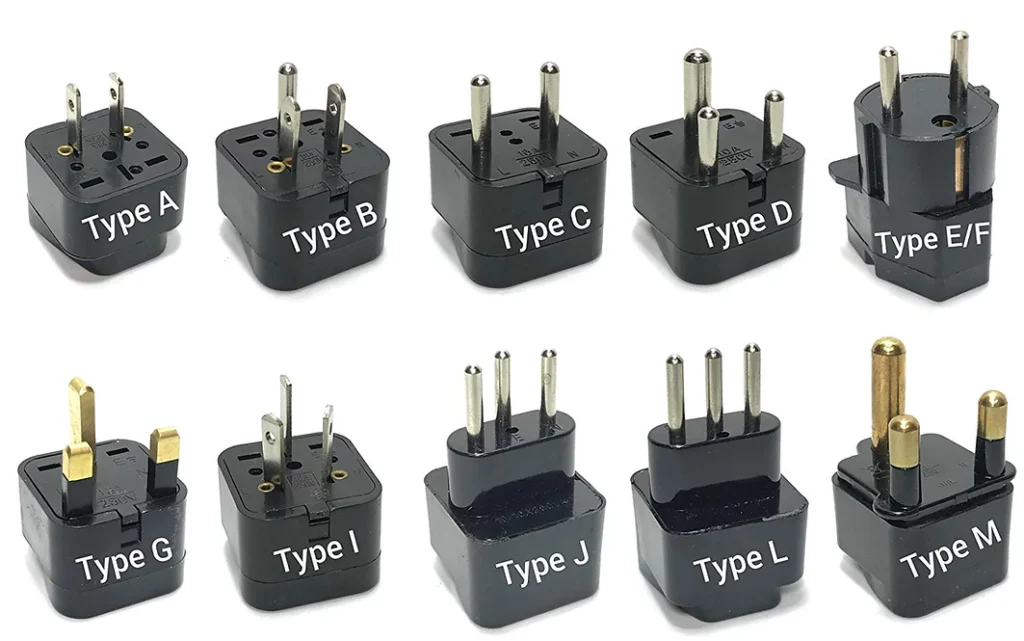
  • Plug types:
    • Type C (Europlug): Two round 4mm pins, ungrounded, slim oval body.
    • Type F (Schuko): Two round 4.8mm pins with side grounding clips, round body, grounded.
  • Consistency: The same voltage, frequency, and plug types are used everywhere in Spain, including islands.
  • Older buildings: Some rural or older properties may have ungrounded Type C-only outlets, but these are being phased out.
  • North American plugs (Type A/B): Two flat blades (A) or two flat blades plus a round ground pin (B), 110–120V at 60Hz, not compatible with Spanish outlets without an adapter and possibly a voltage converter.

Device Compatibility and Power Requirements

Knowing whether your devices can safely be used in Spain is crucial. Here’s how to check and what to expect:

  • Check the charger or power brick: Look for a label marked “Input” or “AC Input.”
  • Dual-voltage devices: Marked “100-240V, 50/60Hz” or similar. These work safely in Spain with just a plug adapter.
    • Common dual-voltage cycling electronics:
      • Smartphones and tablets
      • GPS units (Garmin, Wahoo)
      • Bike computers
      • GoPro/action cameras
      • Laptop chargers
      • Camera battery chargers
  • Single-voltage devices: Marked “110V” or “120V” only. These require a voltage converter to be used in Spain.
    • Risks of using single-voltage devices without a converter:
      • Device burnout or permanent damage
      • Fire hazard
      • Voided warranties
  • Tip: Most modern cycling and travel electronics are dual-voltage, but always check before you go.

Necessary Adapters and Converters

To use your devices in Spain, you’ll need the right accessories. Here’s what to bring and when:

  • Plug adapter:
    • Changes the plug shape only, does NOT convert voltage.
    • Needed for all non-European plugs (e.g., North American, UK, Australian).
    • For dual-voltage devices, a plug adapter is all you need.
  • Voltage converter/transformer:
    • Changes the voltage from 110/120V to 230V (or vice versa).
    • Required for single-voltage devices (110V/120V only).
    • Use both a plug adapter and a voltage converter for these devices.
  • Recommended adapters:
    • Type C or Type F plug adapters (or a universal travel adapter with USB ports).
    • Carry at least two adapters, outlets can be scarce in hostels or albergues.
  • Safety notes:
    • Never use a plug adapter alone with a single-voltage device.
    • Ensure your adapter/converter is rated for your device’s wattage and is certified for travel use.

Power Solutions Specific to Cycling

Cycling travelers often need to charge devices on the move or in remote areas. Here’s how to stay powered up:

Power Banks

  • Capacity: 20,000 mAh is ideal for multi-day tours (actual usable is about 60–65% of rated capacity).
  • Top models:
    • Anker 737 (628g, 140W, 48min recharge)
    • Baseus Blade 20000 (443g, 60W)
    • Nitecore NB20000 (291g, 30W)
    • INIU P51 (314g, budget)
    • Nitecore NB10000 (153g, ultralight)
  • Solar-compatible: Many models can be recharged via USB from a solar panel.

Dynamo Hubs

  • How they work: Generate 3W at 6V from wheel rotation, charging devices as you ride.
  • Brands:
    • Schmidt SON (57% efficiency, best performance)
    • Shimano UR700/3D32 (39–44%, great for hills)
    • Shutter Precision (34%, lightest)
  • USB chargers: Cinq Plug5/Plug6, Sinewave Reactor, Busch & Müller USB Werk.
  • Optimal output: 17–20 km/h for best charging, buffer battery chargers recommended.

Solar Chargers

  • Panel wattage: 10–28W recommended for practical charging.
  • Top models: BigBlue SolarPowa 28, Goal Zero Nomad series, Voltaic Fuse.
  • Charging speed: In direct Spanish sun, a smartphone charges in 2–4 hours, best used to recharge a power bank during the day.
  • Best use: Stationary charging (at camp, lunch stops), not while riding.

Combination Strategies

  • Dynamo + Power Bank: Charge the bank while riding, then use it to top up devices at night.
  • Solar + Power Bank: Recharge the bank with solar during sunny stops.
  • All three: For maximum independence on long, remote tours.

Recommendations for Cycling Travelers in Spain

To keep your electronics safe, charged, and organized, follow these practical tips:

  • Charging Locations:
    • Campsites: Communal Type C/F sockets, bring a short extension cord or multi port USB charger
    • Albergues/Hostels: Outlets can be limited, a power bank is useful for overnight charging
    • Cafes and Bars: Always ask permission before plugging in, make a purchase as a courtesy
    • Hotels: Most reliable for charging, often with multiple outlets in rooms
  • Weather and Heat Protection:
    • Waterproofing: Use waterproof phone cases (Quad Lock with rain cover, Sea To Summit TPU Guide, Zéfal Console Dry), or IPX7/IPX8-rated bags for multi day tours. A ziplock bag works in a pinch
    • Heat: Keep devices out of direct sunlight, use insulated or reflective handlebar bags, ride early or late in the day, and let devices cool during breaks
  • Apps and Organization:
    • Recommended apps Komoot (route planning, turn by turn, offline maps), OsmAnd (detailed offline maps for remote areas), Google Maps offline mode, Maps.me
    • Cable management: Use a small zippered pouch for cables and chargers, bring a multi port USB charger, label or color code cables for quick identification
  • Backup Charging Strategy:
    • Power bank: Carry a 15,000–20,000 mAh model for backup
    • Charge opportunistically: Top up at every stop, even if not low
    • Dynamo or solar: Use as a secondary source for remote or multi day stretches

Currency Exchange

Currency Overview: The Euro in Spain

Denominations & Visual Features

  • Banknotes:
    • €5 (grey, classical architecture)
    • €10 (red, Romanesque)
    • €20 (blue, Gothic)
    • €50 (orange, Renaissance)
    • €100 (green, Baroque/Rococo)
    • €200 (yellow-brown, 19th-century iron/glass)
    • €500 (purple, modern, rarely seen, no longer issued but still legal tender)
  • Coins:
    • 1c, 2c, 5c (copper color, Santiago de Compostela cathedral on Spanish side)
    • 10c, 20c, 50c (gold color, Cervantes portrait)
    • €1, €2 (bi-metallic, King Felipe VI or Juan Carlos I on Spanish side)
  • Security & Accessibility:
    • Each note increases in size and has distinct colors and tactile marks for the visually impaired.
    • Coins have unique sizes, weights, and edge designs for easy identification.
  • See official images: European Central Bank Euro Gallery
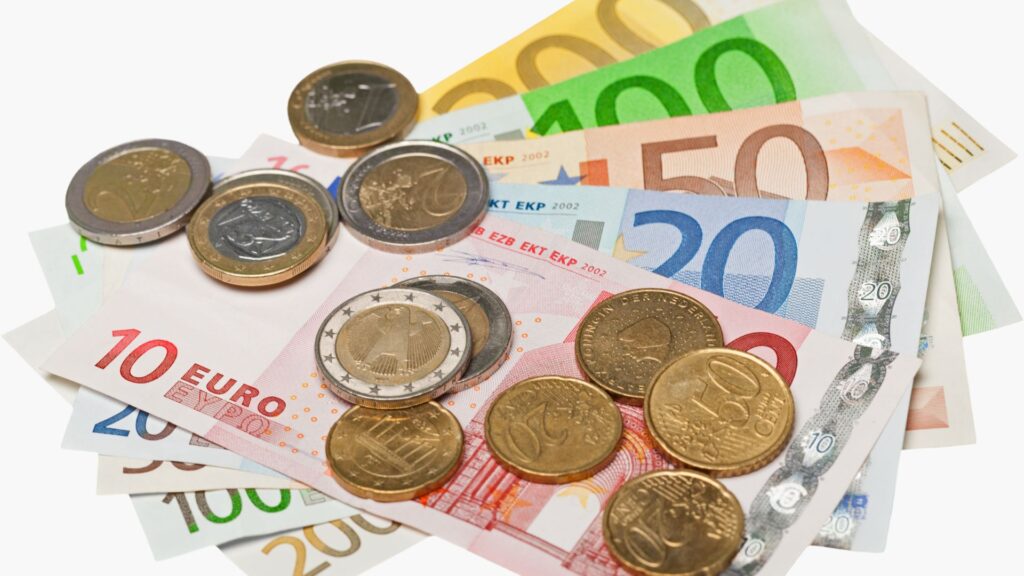

Currency Exchange Options: Ranked & Explained

  1. Major Bank ATMs (Santander, BBVA, CaixaBank, Sabadell):
    • Best rates (real Visa/Mastercard exchange rate), widespread in cities and towns.
    • Fees: €2–€5 per withdrawal for foreign cards, avoid independent ATMs (Euronet) which charge more.
    • Tips: Use ATMs inside bank branches for security, withdraw larger amounts less often to minimize fees.
  2. Digital Travel Cards (Wise, Revolut, Fee-Free Debit/Credit Cards):
    • Pros:
      • Mid-market rates, low/no foreign transaction fees, app-based security.
      • Widely accepted for payments and ATM withdrawals (limits apply before small fees kick in).
    • Tips: Always pay in euros (not your home currency) to avoid hidden markups.
  3. Currency Exchange Bureaus (Casas de Cambio):
    • Pros: Immediate cash, convenient in tourist areas.
    • Cons: Poorer rates (2–5% margin), commissions (3–10%), especially at airports/hotels.
    • Tip: Only use reputable chains and check the total you’ll receive before exchanging.
  4. Banks (Over-the-Counter Exchange):
    • Pros: Reliable, transparent rates for account holders.
    • Cons: Limited hours, may not serve non-customers, higher fees for non-account holders.
  5. Hotels & Airport Exchange Counters:
    • Worst rates and highest fees: Only use for small, immediate needs on arrival.

Best Practices for Currency Exchange

  • Avoid Dynamic Currency Conversion (DCC): Always choose to be charged in euros at ATMs and shops, never in your home currency.
  • ATM Safety:
    • Use ATMs inside banks, not standalone machines in tourist areas.
    • Avoid Euronet and other independent ATMs.
  • Timing: No need to bring large amounts of cash, use ATMs on arrival.
  • Card Notifications: Inform your bank of your travel dates to avoid card blocks.
  • Contactless & Mobile Payments: Widely accepted in Spain, even in small towns.
  • How Much Cash to Carry: €50–100 for emergencies and small purchases, replenish as needed.

Safety Considerations for Cycling Travelers

  • Carrying Cash:
    • Keep only €20–50 on your person for daily needs.
    • Split cash and cards between different locations (wallet, saddlebag, hidden pouch).
  • Secure Storage:
    • Use zippered, waterproof pouches or frame bags.
    • Consider a money belt or under-jersey pouch for valuables.
  • Theft Prevention:
    • Never leave cash/cards unattended on your bike.
    • In accommodation, use safes or lock valuables in your luggage.
    • Carry two cards (one as backup), keeping one securely stored in your luggage.
  • Multi-Day Trips:
    • Plan ATM stops in larger towns.
    • Keep digital copies of card details and emergency contacts in a secure, password-protected location.

Regional Considerations for Cyclists

  • Canary Islands:
    • Urban/Resort Areas: ATMs and cards widely accepted
    • Rural/Remote Areas: Some small cafés and shops may be cash only, carry a small cash reserve
  • Camino de Santiago:
    • Cities/Towns: ATMs and cards are common
    • Rural Villages/Albergues: Many are cash only, withdraw enough cash in larger towns for rural stretches
  • Spanish Pyrenees:
    • Towns: ATMs and cards available
    • Mountain Villages/Refuges: Cash often required, ATM access can be sparse
  • Andalusia & Mediterranean Coast:
    • Cities/Resorts: Cards and ATMs everywhere
    • Inland Villages: Some small businesses prefer cash
  • Meseta Plateau:
    • Towns: ATMs and cards available
    • Remote Villages: Limited ATM access, plan cash needs in advance

Recommendations for Cycling Travelers

  • Before Your Trip:
    • Obtain a debit card with no foreign transaction or ATM fees (e.g., Wise, Revolut)
    • Set up mobile payments (Apple Pay, Google Pay)
    • Inform your bank of your travel plans
  • On the Road:
    • Carry minimal cash, split between secure locations
    • Use major bank ATMs for withdrawals, avoid independent ATMs
    • Always pay in euros and decline DCC
    • Use contactless/mobile payments where possible
    • Keep backup cards and emergency cash in your luggage or accommodation
  • Emergency Planning:
    • Store backup cards and cash separately from your main wallet
    • Keep digital copies of important documents and card info
    • Plan ATM stops in larger towns, especially before rural or remote stretches

Food & Water Quality

Food Safety in Different Settings

Food safety practices and risks can vary depending on where you eat or shop. Here’s what to expect and look out for in each setting.

Restaurants & Tapas Bars

Spain’s restaurants and tapas bars are generally safe, but vigilance is wise.

  • Hygiene: Regular inspections ensure compliance with EU and national standards. Look for clean dining areas, visible hygiene certificates, and allergen labeling.
  • Menu del Día: Fixed-price lunch menus are popular and typically safe, featuring freshly prepared dishes.
  • Best Practices: Choose busy establishments with high turnover for fresher food. Avoid places with poor cleanliness or food left out at room temperature.

Local Markets & Mercados

Markets are central to Spanish food culture and offer fresh, regulated produce.

  • Regulation: Vendors must comply with hygiene laws, including proper storage and handling.
  • Produce Safety: Inspect fruits and vegetables for freshness and cleanliness. Wash all produce before eating, especially if consumed raw.
  • Sampling: Sampling is common and generally safe at reputable stalls, but avoid samples from unsanitary conditions.

Street Food & Festivals

Street food is popular at markets and festivals, with churros, bocadillos, and tapas among the favorites.

  • Safety: Licensed vendors are inspected and must follow hygiene rules. Choose busy stalls with visible cleanliness and freshly cooked food.
  • Risks: Avoid food from vendors with poor hygiene, low turnover, or food sitting out for long periods.

Supermarkets & Packaged Foods

Supermarkets in Spain are highly regulated and safe for travelers.

  • Standards: Strict controls on temperature, labeling, and traceability. Packaged foods must display ingredients, allergens, and expiration dates.
  • What to Check: Inspect packaging for damage and check expiration dates. Refrigerate perishable items promptly.

Water Quality & Safety

Spain’s water quality is among the best in Europe, but taste and source can vary by region.

  • Tap Water:
    • General Safety: Tap water is safe to drink in nearly all of Spain, meeting strict EU standards
    • Madrid: Excellent taste and quality, sourced from mountain reservoirs
    • Barcelona & Catalonia: Safe but often has a mineral or chlorine taste, many opt for bottled water for flavor
    • Andalusia & Southern Spain: Safe in cities, but taste may be affected by minerals or chlorine, especially in coastal or rural areas
    • Canary & Balearic Islands: Tap water is safe but often desalinated, resulting in a salty or metallic taste. Bottled or filtered water is common for drinking
  • Public Drinking Fountains (Fuentes):
    • Availability: Common in cities and towns. Use only fountains labeled “agua potable” (drinking water)
    • Rural Areas: Fountain safety may be less reliable, ask locals or use bottled water if unsure
  • Bottled Water:
    • Availability: Widely available and affordable. Not necessarily safer than tap water, but often preferred for taste or in areas with advisories
    • Environmental Impact: Consider using a reusable bottle and filtered water to reduce plastic waste
  • Water Quality Standards:
    • Compliance: Spain fully complies with the EU Drinking Water Directive, with regular testing and public reporting
    • Desalination: Common in the Canary and Balearic Islands, water is safe but may taste different

Safety Tips & Precautions for Travelers

A few simple precautions can help you avoid foodborne illness and dehydration while enjoying Spain’s cuisine.

  • Recognizing Safe vs. Unsafe Establishments:
    • Choose busy, clean restaurants and stalls with high turnover
    • Avoid places with dirty utensils, sticky surfaces, or food left out at unsafe temperatures
    • Inspect produce for freshness and cleanliness
  • High Risk Foods to Be Cautious About:
    • Only eat thoroughly cooked seafood and shellfish from reputable sources
    • Be cautious with raw or undercooked eggs, meats, and unpasteurized dairy
    • Consume cold soups (like gazpacho) and salads only if freshly prepared and refrigerated
    • Avoid pre cut or pre prepared salads from uncertain sources
  • Food Poisoning: Symptoms & What to Do:
    • Symptoms: Nausea, vomiting, diarrhea, stomach cramps, fever
    • Action: Rest, hydrate with bottled or boiled water, and eat bland foods once tolerated
    • Seek medical help if symptoms are severe, persistent, or include high fever or blood in stools
  • Hydration & Heat Illness Prevention:
    • Drink water regularly, especially in hot regions or during summer
    • Carry a reusable water bottle and refill at safe sources
    • Add electrolytes on long rides or hikes
    • Avoid excessive alcohol and caffeine
    • Plan outdoor activities for cooler parts of the day and wear sun protection
  • Food Allergy Considerations:
    • Learn and communicate your allergens in Spanish (e.g., “frutos secos” for nuts)
    • Inform restaurant staff clearly, carry a translation card if needed
    • Carry your own snacks and emergency medication
  • Traveler’s Diarrhea Prevention & Treatment:
    • Wash hands before eating
    • Avoid uncooked meat, shellfish, eggs, and peeled fruits or vegetables from uncertain sources
    • Use bottled or treated water if unsure
    • Hydrate with oral rehydration solutions if needed
    • Seek medical help for severe or persistent symptoms
  • Vaccinations & Health Precautions:
    • Ensure routine vaccines are up to date (MMR, tetanus, polio, influenza, COVID 19)
    • Hepatitis A is recommended for most travelers, consider hepatitis B and rabies for longer stays or higher risk
    • Consult your doctor 4–6 weeks before travel for personalized advice
  • Medical Resources in Spain:
    • Emergency number: 112 for ambulance, police, or fire
    • Pharmacies (“farmacias”): Widely available for over the counter medications and advice
    • Hospitals and clinics: High quality care throughout Spain, bring insurance documents and ID
    • Travel insurance: Ensure coverage for medical care and emergencies
    • EU/UK travelers: Carry your EHIC/GHIC card for access to public healthcare

What do the US Dept of State, US Embassy, and CDC say?

Check out the latest Travel Advisory to Spain from the US Dept of State.  Contacts from all US Embassies in Spain are listed on the website.  Use the Smart Traveler Enrollment Program (STEP) to inform them of your travels.

Read the Travel Health Notices & suggested vaccinations from the CDC

For the latest updates and resources, visit the U.S. Embassy in Spain’s official website: U.S. Embassy & Consulates in Spain

Supplement Your Health / Travel Insurance

General Insurance Requirements & Recommendations

  • Schengen Visa Holders: Travel insurance is legally required for those needing a Schengen visa, with a minimum of €30,000 coverage for medical emergencies and repatriation.
  • Visa-Exempt Travelers (US, Canada, Australia, UK, EU): Insurance is not mandatory but strongly recommended due to high medical costs and limited home-country coverage.

EHIC/GHIC for EU/UK Travelers

  • EHIC (European Health Insurance Card) / GHIC (Global Health Insurance Card):
    • Grants access to Spain’s public healthcare (SNS) for medically necessary treatment at the same cost as locals (often free or reduced).
    • Does NOT cover: Private care, mountain rescue, repatriation, or non-urgent planned treatment.
    • Apply: NHS EHIC/GHIC

Spain’s Public Healthcare (SNS) for Tourists

  • EU/UK Travelers: Covered for emergencies and necessary care with EHIC/GHIC.
  • Non-EU Travelers: Must pay for all care, emergency treatment is provided but billed at full cost.
  • SNS does NOT cover: Private hospitals, dental care (except emergencies), mountain rescue, or repatriation.
  • Official Info: Spanish Ministry of Health

Recommendations for Non-EU Travelers

  • Strongly advised:
    • Purchase travel health insurance covering:
    • Emergency medical treatment
    • Hospitalization
    • Medical evacuation/repatriation
    • Personal liability
    • Cycling-related accidents and theft
  • Upfront payment: May be required for treatment, keep receipts for claims.

Cycling-Specific Legal Requirements

  • Third-party liability insurance is NOT legally required for regular bicycles or standard e-bikes (up to 25 km/h, 250W).
  • From 2026: Mandatory for high-powered e-bikes and scooters.
  • Strongly recommended: Liability insurance for all cyclists to cover injury or damage to others.

Specialized Insurance Options for Cyclists

Velosurance

  • Website: velosurance.com
  • Phone: 800-362-7535
  • Email: newclaims@markel.com
  • Coverage:
    • Theft (worldwide extension required for Spain)
    • Accidental/crash damage
    • Medical gap (US only)
    • Third-party liability (optional, US only)
    • Race/event coverage (optional)
    • Roadside assistance, rental reimbursement, spare parts, apparel
  • Worldwide Extension: Add for Spain/Europe trips (10% of annual premium, prorated)
  • Claims: File by phone or email, police report required for theft

Sundays Insurance

  • Website: sundaysinsurance.com
  • Phone: (805) 448-6558
  • Email: hello@sundaysinsurance.com
  • Coverage:
    • Theft (worldwide extension required for Spain)
    • Accidental/crash damage
    • Medical (up to $1,000 for emergencies)
    • Race/event coverage (optional)
    • Accessories, e-bikes, rental reimbursement
  • Worldwide Extension: Add for up to 90 days abroad
  • Claims: File online, by phone, or email, police report required for theft

World Nomads

  • Website: worldnomads.com
  • Phone (Emergency): +1 954-334-8143
  • Coverage:
    • Medical emergencies and evacuation (select cycling as a covered activity)
    • Baggage/theft coverage (including bikes, up to policy limits)
    • Mountain rescue (Adventurer Plan for higher-risk activities)
    • Personal liability (check cycling exclusions)
  • Plan Tiers:
    • Standard: Basic cycling coverage
    • Adventurer: Competitive/high-risk cycling coverage
  • Claims: File online, police report required for theft

Other Insurance Options for Cycling Travelers in Spain

Spanish & European Providers


Key Coverage Considerations for Cycling Travelers

  • Theft Coverage & Denuncia Process:
    • Police Report (Denuncia): Required for all theft claims. File at the nearest police station with ID, bike details, and proof of ownership
    • Insurer Requirements: Police report, proof of purchase, evidence of secure locking, and timely notification (usually within 24–72 hours)
    • Coverage Amounts: Policies typically cover bikes up to their current market or purchase value (e.g., €1,100–€7,900), high value bikes may need comprehensive policies
  • Medical Emergencies:
    • Uninsured Costs: Hospitalization averages €400/day, ICU €800–€1,800/day, surgeries can exceed €2,000
    • Insured Costs: EU/UK travelers with EHIC/GHIC pay reduced or no cost in public hospitals, non EU travelers must have private insurance or pay full price
    • Recommendation: Minimum $100,000 in medical coverage, private health insurance in Spain starts at €45–€80/month
  • Mountain Rescue:
    • Helicopter Rescue Costs: €3,000–€15,000 depending on region and resources
    • Coverage: Mountain federation licenses (e.g., FEDME), private mountain rescue insurance, and some travel insurance (e.g., World Nomads Adventurer Plan) cover rescue, always check for altitude/activity exclusions
    • Recommendation: Ensure your policy explicitly covers air rescue and the maximum elevation you’ll reach
  • Third Party Liability:
    • Legal Requirement: Not mandatory for regular bikes, but strongly recommended
    • Recommended Coverage: At least €150,000, many Spanish and international policies include this as standard or add on
    • Federation Licenses: RFEC and Carnet Ciclista include liability and legal defense
  • Medical Repatriation:
    • Costs: Medical evacuation can cost tens of thousands of euros
    • Coverage: Travel insurance should include at least $250,000 for evacuation and repatriation
    • EHIC/GHIC: Does NOT cover repatriation, private insurance is required

How to Stay Safe

Road Safety & Traffic Conditions

Cycling in Spain is generally safe, but understanding local traffic laws and road conditions is essential for a smooth journey. Spain’s DGT (Dirección General de Tráfico) has updated regulations for 2025 to further protect cyclists.

  • Key Traffic Laws & Regulations:
    • Cyclists are considered vehicle drivers and must obey all traffic laws, including stop signs, traffic lights, and signaling turns
    • Helmet use is mandatory on interurban (non urban) roads for all ages, in cities, helmets are optional for those over 16 but strongly recommended
    • Alcohol limits for cyclists are the same as for drivers, random breath tests are possible, with fines from €500 to €1,000
    • Using mobile phones or headphones while cycling is strictly prohibited, fines are typically €200
    • Reflective gear is compulsory at night or in low light conditions
    • Bicycles must be equipped with a bell, front and rear lights, and reflectors to be road legal
  • Roads, Bike Lanes, and Overtaking:
    • Use dedicated bike lanes where available, if unsafe or absent, cyclists may use the main roadway
    • On roads, ride as far to the right as safely possible, except when turning left, overtaking, or avoiding obstacles
    • Riding on pavements (sidewalks) is generally prohibited unless marked for shared use
    • Cyclists must dismount to use zebra crossings
    • When overtaking cyclists, drivers must reduce speed by at least 20 km/h below the posted limit and maintain a minimum 1.5 meter distance
    • Drivers may cross a solid white line to overtake a cyclist if safe
    • Overtaking is prohibited if cyclists are approaching from the opposite direction
  • Cyclist Rights & Responsibilities:
    • Cyclists may ride two abreast on most roads but must switch to single file in poor visibility or heavy traffic
    • Cyclists have priority at roundabouts and pedestrian crossings (when riding, not walking)
    • Cyclists must signal all turns and lane changes
    • Cyclists may overtake vehicles on the right or left in urban traffic jams and may ride in the center of the lane if no bike lane is available
    • In one way streets with a 30 km/h limit, cyclists may ride against the flow of traffic
  • Common Road Hazards:
    • Watch for potholes, gravel, cobblestones (especially in historic centers), and painted cycle lanes that may be slippery
    • Mountain descents can be steep and technical, ensure brakes are well maintained
    • Urban areas have more cycling infrastructure but also more congestion, rural areas have higher vehicle speeds and less infrastructure

Safety Equipment & Legal Requirements

Spain enforces strict safety equipment laws for cyclists, with significant fines for non-compliance. Proper gear is essential for both legal compliance and personal safety.

  • Legally Required Equipment:
    • Helmet: Mandatory for all on interurban roads and for under 16s everywhere, optional but recommended in cities for over 16s
    • Front white light and rear red light: Required at night, in tunnels, or low visibility conditions, must be visible from at least 150 meters
    • Reflectors: Red rear reflector, pedal reflectors, and wheel reflectors are required
    • High visibility vest or reflective clothing: Mandatory outside urban areas at night or in poor visibility, visible from 150 meters
    • Bell: All bikes must have a functioning bell
    • Identification: Carry your passport or national ID at all times
  • Fines for Non Compliance:
    • No helmet (when required): €200
    • No lights (when required): €200
    • No reflectors or reflective gear: €80
    • No bell: Fines vary, but it is a legal requirement
  • Recommended Optional Gear:
    • Gloves for hand protection and grip
    • Protective glasses for debris and sun
    • Rear view mirror for traffic awareness
    • First aid kit for emergencies

Bicycle Maintenance

Proper bike maintenance is crucial for safety and reliability, especially when touring Spain’s varied terrain. Prepare for both urban and remote riding conditions.

  • Essential Tools & Spares:
    • Tire repair kit and tire levers
    • Spare tubes (at least one, preferably two)
    • Multi tool with chain tool
    • Chain lube and spare chain links
    • Spoke wrench and spare spokes
    • Spare brake pads (especially for mountain descents)
    • Mini pump or frame pump
    • Patch kit, zip ties, duct tape, and spare nuts/bolts
    • Cleaning rag and small bottle of grease
  • Maintenance Checks:
    • Before your tour: Inspect tires, brakes, chain, gears, and bolt tightness
    • Daily: Check tires for debris, brakes, gears, and quick releases
    • After rough terrain: Inspect wheels, spokes, and clean/lube the chain
  • Dealing with Breakdowns:
    • In cities and large towns, search for “taller de bicicletas” (bike shop)
    • In rural or mountain areas, self sufficiency is key, carry essential spares
    • On the Camino de Santiago, a network of bike mechanics and emergency contacts is available
    • Mallorca and Pyrenees have good bike shop coverage in major cycling hubs
  • Road Surface Considerations:
    • Cobblestones can loosen bolts and cause pinch flats, check tire pressure and bolts
    • Gravel and mountain roads increase puncture risk, use wider tires and carry extra tubes
    • Hot asphalt in summer can soften tires, avoid over inflation and check for damage

Health & Medical Precautions

Spain offers excellent healthcare, but cycling travelers should take specific health precautions, especially in hot or remote areas.

  • Emergency & Medical Access:
    • Emergency number: 112 (for police, ambulance, or fire)
    • Pharmacies (farmacias): Ubiquitous, marked by a green cross, and provide over the counter medications and advice
    • EU/UK travelers: Bring your EHIC/GHIC card for access to public healthcare, non EU travelers need comprehensive travel insurance
  • Vaccinations & Health:
    • Ensure routine vaccines are up to date: MMR, tetanus, COVID 19, flu
    • Hepatitis A and B are recommended, rabies only for high risk activities
    • Use insect repellent to prevent bites (dengue risk in some regions)
  • Heat, Hydration & Sun Protection:
    • Avoid cycling during peak midday heat (10am–4pm), especially in Andalusia and central Spain
    • Drink water regularly, carry a refillable bottle, and use electrolytes on long rides
    • Tap water is safe in most areas, check for “agua no potable” signs in remote regions
    • Use high SPF sunscreen, UV protective clothing, sunglasses, and lip balm with SPF
    • UV exposure increases by 15–20% per 1,000 meters of altitude, extra caution in mountains
  • Altitude Sickness:
    • Risk above 2,500 meters (Pyrenees, Sierra Nevada): Symptoms include headache, nausea, dizziness, descend if symptoms worsen
    • Ascend gradually, stay hydrated, and avoid overexertion at altitude

Seasonal Considerations

Spain’s climate varies widely by region and season. Plan your cycling trip according to the best times for your chosen route.

By Season

  • Spring (March–May): Ideal for most regions, mild temperatures and blooming landscapes.
  • Summer (June–August): Extreme heat (35–40°C) in Andalusia and Meseta, best for Pyrenees and mild in the Canary Islands.
  • Autumn (September–November): Excellent for most regions, moderate temperatures and fewer crowds.
  • Winter (December–February): Good for coastal and southern Spain, avoid northern Spain and Pyrenees due to cold and snow.

By Region

  • Catalonia/Pyrenees: May–September for mountain routes, avoid winter due to snow.
  • Andalusia: October–May for comfortable temperatures, avoid peak summer.
  • Canary Islands: Year-round cycling with mild, stable weather.
  • Galicia/Northern Spain: May–September, expect rain even in summer.
  • Central Spain: April–June and September–October, avoid summer and winter extremes.

Weather Hazards

  • Rain is frequent in northern Spain, especially in autumn and winter, bring a rain jacket.
  • The Canary Islands and mountain areas can be windy.
  • Pyrenees and high-altitude routes can have sudden storms and rapid temperature changes.
  • For cold weather riding in the Pyrenees, wear layered, windproof clothing and check forecasts.

Cultural Awareness & Local Customs

Respecting Spanish customs and etiquette will enhance your cycling experience and interactions with locals.

  • Key Cultural Points:
    • Siesta hours: 2–5pm in small towns, shops may close and streets quieten, plan resupply and avoid noise during this time
    • Noise etiquette: Keep noise low in residential areas, especially after 10pm
    • Dress code: Cover shoulders and knees when visiting religious sites
    • Greetings: Use “hola” or “buenos días” for polite interactions
  • Social Etiquette for Cyclists:
    • Yield to pedestrians on shared paths, use a bell or verbal warning when overtaking
    • Walk your bike at crosswalks unless it’s a designated shared crossing
    • Cycling on sidewalks is prohibited unless marked as shared, children under 14 may ride with supervision
    • In bike lanes, cyclists have right of way, on roads, drivers must give at least 1.5 meters when overtaking
    • Always use hand signals and obey traffic laws

Crime Prevention & Personal Safety

Bicycle theft and petty crime can occur, especially in urban areas. Take proactive steps to protect yourself and your gear.

  • Bicycle Theft Prevention:
    • Use high quality U locks and heavy duty chain locks, double lock frame and both wheels to a fixed object
    • Park in well lit, busy areas, avoid secluded spots
    • Remove lights, bags, and valuables when leaving your bike
    • Register your bike with local authorities or online databases, consider a GPS tracker for recovery
    • Store your bike indoors or in a locked garage when possible
  • Personal Safety:
    • Be aware of distraction scams, especially in cities and tourist areas
    • Higher theft risk exists near transport hubs and attractions, rural areas are generally safer
    • Avoid isolated areas after dark and keep belongings secure
    • Trust your instincts, if a situation feels unsafe, move on

Insurance & Legal Considerations

Proper insurance and understanding your legal responsibilities are vital for peace of mind while cycling in Spain.

  • Insurance Recommendations:
    • Use specialist cycling travel insurance providers: World Nomads, SportsCover Direct, Ripcord/Redpoint, SOVENTURE.
    • Ensure your policy covers:
      • Medical evacuation and repatriation
      • Bike theft and accidental damage
      • Trip cancellation/interruption
      • Personal liability (injury/damage to others)
      • Baggage and personal belongings
    • Read policy exclusions carefully, some require helmet use or approved locks for theft claims.
  • Legal Considerations:
    • Cyclists are legally classified as vehicle operators and must obey all traffic laws.
    • Liability insurance is not mandatory but highly recommended, especially for foreign travelers.
    • Cycling under the influence is illegal, same BAC limits as drivers, with fines of €500–1,000.
    • No special permit is required for foreign cyclists, but always carry ID and comply with Spanish road rules.

Practical Safety Tips for Cyclists

A few Spain-specific tips can make your cycling adventure safer and more enjoyable.

  • Plan rides for early morning or late afternoon in summer to avoid extreme heat.
  • Carry extra water and snacks, especially in remote or mountainous areas.
  • Wear bright clothing for visibility, especially near agricultural vehicles and during harvest season.
  • Watch for free-range livestock in mountain regions.
  • In group rides, signal intentions, maintain at least two bike lengths between riders, and switch to single file on narrow roads.
  • On mountain passes, use both brakes on descents and maintain a safe speed.
  • Save emergency contacts and roadside assistance numbers in your phone.
  • On the Camino de Santiago, take advantage of the well-supported network of bike mechanics and emergency contacts.
  • In the Pyrenees, carry extra food, water, and spares due to remote stretches.
  • Mallorca roads are smooth but can be busy during cycling season, use lights and reflective gear for safety.

Resources

How to learn the local language FAST!

Essential Spanish Words & Phrases for Travelers

Before you arrive in Spain, mastering these words and phrases will make your journey smoother and more enjoyable. Pronunciation tips are included for clarity.

Survival Phrases: Greetings & Politeness

  • ¡Hola! – Hello (O-la)
  • Buenos días – Good morning (BWAY-nos DEE-as)
  • Buenas tardes – Good afternoon/evening (BWAY-nas TAR-des)
  • Buenas noches – Good night (BWAY-nas NOH-chays)
  • Adiós – Goodbye (ah-dee-OS)
  • Hasta luego – See you later (AHS-ta LWEH-go)
  • Por favor – Please (por fa-BOR)
  • Gracias – Thank you (GRA-thee-as, Spain)
  • De nada – You’re welcome (de NA-da)
  • Disculpe / Perdón – Excuse me / Sorry (Dis-KUL-pay / Per-DOHN)
  • Lo siento – I’m sorry (lo SYEN-toh)
  • Sí / No – Yes / No (see / noh)
  • ¿Cómo está(s)? – How are you? (KOH-moh es-TAH/eh-STAHS)
  • Bien, gracias – I’m fine, thank you (bee-EN GRA-thee-as)

Travel & Navigation

  • ¿Dónde está…? – Where is…? (DON-day es-TAH)
  • A la derecha / izquierda – On the right / left (de-RE-cha / iz-kee-ER-da)
  • Derecho / Todo recto – Straight ahead (De-RE-cho / TOH-doh REK-toh)
  • Aquí / Allí – Here / There (ah-KEE / ay-EE)
  • ¿Cómo llego a…? – How do I get to…? (KOH-moh YAY-goh a…)

Transportation

  • Taxi / Autobús / Tren / Metro – Taxi / Bus / Train / Subway
  • Aeropuerto / Estación / Parada – Airport / Station / Stop
  • Billete – Ticket (bee-YET-ay)
  • ¿Dónde está la parada de autobús más cercana? – Where’s the nearest bus stop?

Accommodation & Food

  • Hotel / Habitación / Reserva – Hotel / Room / Reservation
  • ¿Tiene una habitación libre? – Do you have a free room?
  • La cuenta, por favor – The bill, please
  • Restaurante / Menú / Agua / Vino / Cerveza / Café – Restaurant / Menu / Water / Wine / Beer / Coffee
  • ¿Qué me recomienda? – What do you recommend?
  • Soy vegetariano/a – I’m vegetarian
  • Tengo alergia a… – I’m allergic to…

Shopping & Money

  • ¿Cuánto cuesta? – How much is it? (KWAN-to KWES-ta)
  • ¿Aceptan tarjetas? – Do you accept credit cards?
  • ¿Tiene otra talla? – Do you have another size?
  • ¿Me puede dar una bolsa? – Can I have a bag?

Emergencies

  • ¡Ayuda! / Socorro – Help!
  • ¿Dónde está el hospital / la farmacia? – Where is the hospital / pharmacy?
  • Llama a la policía – Call the police
  • Me duele… – My … hurts
  • No me siento bien – I don’t feel well

Numbers, Time & Days

  • Uno, dos, tres, cuatro, cinco… – One, two, three, four, five…
  • ¿Qué hora es? – What time is it?
  • Hoy / Mañana / Ayer – Today / Tomorrow / Yesterday
  • Lunes, martes, miércoles… – Monday, Tuesday, Wednesday…

Question Words & Basic Sentences

  • ¿Quién? / ¿Qué? / ¿Dónde? / ¿Cuándo? / ¿Por qué? / ¿Cómo? / ¿Cuánto? – Who? / What? / Where? / When? / Why? / How? / How much?
  • Me llamo… – My name is…
  • ¿Cómo te llamas? – What’s your name?
  • Yo quiero… / Quisiera… – I want… / I would like…
  • No entiendo – I don’t understand
  • ¿Habla inglés? – Do you speak English?
  • ¿Puede repetirlo? – Can you repeat that?
  • ¿Me puede ayudar? – Can you help me?

Spain-Specific Expressions

  • Vale – Okay, all right (VAH-leh)
  • Guay – Cool (GWHY)
  • Tío / Tía – Dude, mate, friend (TEE-oh / TEE-ah)
  • Venga – Come on, let’s go (VEN-gah)
  • Tapear – To go for tapas
  • Finde – Weekend (short for “fin de semana”)

Top Mobile Apps & Online Tools for Learning Spanish

Harness technology to accelerate your Spanish learning, these apps and resources are traveler favorites for 2025–2026.

Mobile Apps

  • Duolingo: Free, gamified, habit-forming.
  • Babbel: Structured, grammar-focused, practical phrases.
  • Pimsleur: Audio-based, great for speaking/listening.
  • Rosetta Stone: Immersive, visual, strong pronunciation tools.
  • Busuu: Native speaker feedback, AI review.
  • Memrise: Real native speaker videos, spaced repetition.
  • **Anki:** Customizable flashcards, spaced repetition.

Online Resources & Tools


Structured Language Courses & Formal Learning

For a more guided approach, these platforms and schools offer progressive, traveler-friendly Spanish courses.

Online Course Platforms

  • Coursera: University-backed, self-paced or instructor-led.
  • edX: University-created, flexible, certificates available.
  • Udemy: Affordable, targeted courses for all levels.
  • FutureLearn: Short, practical courses, some free.

Dedicated Spanish Platforms

  • Instituto Cervantes / AVE Global: Official, CEFR-aligned, cultural depth.
  • SpanishPod101: Audio/video lessons, all levels.
  • Baselang: Unlimited live lessons, rapid progress.
  • Rocket Spanish: Comprehensive, self-paced, lifetime access.
  • Lingoda: Live group/private classes, certificates.

Immersive Language Schools in Spain

Tutoring Platforms

  • iTalki: 1-on-1 lessons with native tutors, flexible scheduling.
  • Preply: Regular lessons, progress tracking, subscription-based.

30-Day Accelerated Spanish Learning Plan

You can achieve basic conversational Spanish in 30 days by following this evidence-based, traveler-focused plan.

Core Methods

  • Spaced Repetition: Use apps like Anki or Memrise to review vocabulary daily.
  • Comprehensible Input: Watch/listen to Spanish just above your level (Dreaming Spanish, Coffee Break Spanish).
  • Active Output: Speak from day one, shadow audio, record yourself, or practice with a partner.
  • Immersion: Change device settings to Spanish, label household items, and use Spanish in daily life.

Week-by-Week Progression

  • Week 1: Survival Spanish & Pronunciation
    • Master greetings, numbers, directions, food, and emergency phrases
    • Practice pronunciation with YouTube or app audio
    • Start using flashcards for 100+ essential words
  • Week 2: Grammar Basics & Sentence Building
    • Learn present tense verbs, question formation, and basic sentence structure
    • Build simple sentences and practice with apps or tutors
    • Begin short conversations (introductions, ordering food)
  • Week 3: Practical Conversations & Listening
    • Role-play travel scenarios (transport, shopping, asking for help)
    • Listen to beginner podcasts and watch Spanish videos
    • Practice speaking with a tutor or language exchange partner
  • Week 4: Immersion & Review
    • Change your phone and apps to Spanish
    • Watch Spanish TV or YouTube daily
    • Join a language exchange or conversation group
    • Review all previous material and focus on weak spots

Daily Routine (30–60 Minutes)

  • 10 min: Review flashcards (SRS app)
  • 10 min: Listen to Spanish audio (dialogues, podcasts)
  • 10 min: Speak aloud (shadowing, role-play, or with a partner)
  • 10–30 min: Complete a daily challenge (vocabulary, grammar, or conversation task)

Polyglot Tips for Fast Progress

  • Focus on high-frequency words and phrases.
  • Memorize whole sentences, not just isolated words.
  • Speak early and often, don’t wait for perfection.
  • Use only Spanish for set periods each day.
  • Track your progress and celebrate small wins.

In-Country Immersion Strategies

  • Practice Spanish in markets, cafés, and shops, locals appreciate the effort.
  • Join “intercambio” (language exchange) meetups.
  • Watch local TV, listen to Spanish radio, and read newspapers.
  • Ask for clarification: “¿Puede repetir, por favor?” (“Can you repeat, please?”)
  • Use every opportunity to interact in Spanish, even if it feels awkward.

Cycling Influencers

1. Movistar Team

  • Instagram: movistar_team
  • YouTube: Movistar Team
  • Summary: The official account of the Movistar Team, a professional cycling team in Spain, showcases race highlights, rider insights, and cycling culture with occasional travel elements.

2. Alejandro Valverde

  • Instagram: alejandvalverde
  • Summary: Alejandro Valverde, a retired professional cyclist, shares his cycling experiences and occasional travel adventures across Spain, drawing on his celebrated career.

3. J Sabao

  • Instagram: j_sabao
  • Summary: Based in the Canary Islands, J Sabao combines cycling with stunning travel content, showcasing Spain’s diverse landscapes and cultural highlights as a local influencer.

4. Bienvenido Aguado

  • Instagram: bienvenidoaguado
  • Summary: Bienvenido Aguado, a professional mountain biker from Spain, posts thrilling biking content focusing on mountain biking and scenic trails across the country.

5. Ainara Albert Bosch

  • Instagram: ainaraalbertbos
  • Summary: Ainara Albert Bosch, a road cyclist based in Spain, shares her cycling journey and lifestyle, focusing on road biking and personal experiences.

6. Sergi Llongueras

  • Instagram: sergi.llongueras
  • TikTok: sergillongueras
  • Summary: Sergi Llongueras is a UCI Trials World Champion and co-founder of Campmajó Bikes, known for his explosive urban bike stunts and elite trials riding.

7. José María López

  • Instagram: josemaria_lpz
  • TikTok: josemaria_lpz
  • Summary: José María López is an endurance cyclist known for completing the 4,251 km Vuelta a España route.

8. Diego Vos

  • Instagram: diegovos__
  • TikTok: diegovos__
  • Summary: Diego Vos is a cycling-focused athlete who promotes a healthy lifestyle by sharing his personal fitness journey and inspiring others through his sports content.

Travel Influencers

1. Marina Comes

  • Instagram: marinacomes
  • Summary: Marina Comes, a Spanish travel creator based in Spain since 2016, shares adventures, luxury hotel experiences, and travel tips across Spain and beyond, recognized by Forbes as a top influencer.

2. Laura Eguizabal

  • Instagram: laura_eguizabal
  • Summary: Laura Eguizabal, based in Madrid, Spain, is a fashion, travel, and art lover sharing vibrant content about her travels and cultural experiences across Spain.

3. Dos Nomadas Mas

  • Instagram: dosnomadasmas
  • Summary: A travel-focused couple from Barcelona and Costa Brava, Spain, they share inspiring travel diaries and adventures to encourage exploration without influencing.

4. Silvia Rodriguez

  • Instagram: elblogdesilvia
  • YouTube: El Blog de Silvia
  • Summary: Silvia Rodriguez, based in Madrid, Spain, is a prominent travel and fashion influencer sharing inspiring travel diaries, beauty recommendations, and lifestyle content across Spain and globally.

5. Jesús Mateo

  • Instagram: jesusmatteeo
  • Summary: Jesús Mateo, based in Madrid, shares travel inspiration across Europe and local plans in Madrid, offering tips and guides for travelers.

6. Camilo De La Fuente

  • Instagram: delafuentecam
  • Summary: Camilo De La Fuente, based in Jaén and Marbella, Spain, shares travel content focused on unique accommodations, destinations, and lifestyle experiences.

Cycling Blogs and Resources

1. Ciclismo a Fondo

  • Website: ciclismoafondo.es
  • Summary: A leading Spanish cycling magazine based in Madrid, Ciclismo a Fondo provides news, bike reviews, training tips, and route guides for road and mountain biking across Spain.

2. Esciclismo

  • Website: esciclismo.com
  • Summary: Esciclismo is a Spanish-managed platform offering cycling news, event updates, and practical guides for cyclists, focusing on Spain’s cycling culture and routes.

Travel Blogs

1. Meraviglia

  • Website: meraviglia.es
  • Summary: Run by Eva, a Valencia-based travel blogger, Meraviglia offers articles on Spanish destinations, travel tips, and cultural routes, ideal for planning authentic travel experiences.

2. Spanish Sabores

  • Website: spanishsabores.com
  • Summary: Based in Madrid, Spanish Sabores is a treasure trove of Spanish culinary travel content, featuring recipes, food tours, and cultural insights from across Spain.

3. Viajero Nómada

  • Website: viajeronomada.com
  • Summary: This Spanish travel blog provides firsthand experiences, guides, and practical tips for exploring Spain and beyond, with a focus on independent travel.

4. Oh My Good Guide

  • Website: ohmygoodguide.com
  • Summary: This Andalusia-focused travel blog inspires visitors with guides to explore the region’s cultural marvels, landscapes, and hidden gems.

Online Travel and Tourism Government Resources

1. Spain.info

  • Website: spain.info
  • Summary: The official tourism website of Spain, managed by Turespaña, provides comprehensive information on cycle tourism routes, cultural attractions, and sustainable travel initiatives across the country.

2. IGN Visualizador de Naturaleza, Cultura y Ocio

  • Website: ign.es
  • Summary: Provided by Spain’s National Geographic Institute, this tool offers interactive maps for planning cycling routes, cultural itineraries, and visits to national parks and natural spaces.

3. Turismo Valencia

  • Website: visitvalencia.com
  • Summary: The official tourism board for Valencia provides resources on cycling routes, cultural attractions, and sustainable travel options in the Valencian Community.

Cycling and Travel Brands in the country

Cycling Products

1. Etxeondo

  • Website: etxeondo.com
  • Instagram: @etxeondo
  • Summary: Etxeondo, a Basque Country-based leader in premium cycling clothing, designs and manufactures high-quality bib shorts, jerseys, and accessories using top materials for performance and comfort, ideal for cycling travelers tackling Spain’s diverse routes.

2. Gobik

  • Website: gobik.com
  • Instagram: @gobik_wear
  • Summary: Gobik, a Murcia-based company, designs and manufactures inspirational cycling apparel, including customizable jerseys and bibs, crafted for cyclists exploring Spain’s roads and trails.

3. NDLSS (Endless)

  • Website: endless.cc
  • Instagram: @endlss.cc
  • Summary: NDLSS, a Madrid-based premium cycling apparel brand, offers sustainable jerseys, bibs, and accessories made from recycled materials, perfect for eco-conscious cycling travelers in Spain.

4. Rocacorba Clothing

  • Website: rocacorbagirona.com
  • Instagram: @rocacorbaclothing
  • Summary: Founded in Girona, Rocacorba Clothing produces premium road and gravel cycling apparel, including jerseys and bibs, designed for travelers exploring Spain’s iconic cycling routes like the Rocacorba climb.

5. Ossby

  • Website: ossby.com
  • Instagram: @ossby_bikes
  • Summary: Ossby, a Spanish company, manufactures lightweight, foldable electric bikes like the award-winning Ossby GEO, ideal for cycling travelers needing portable, eco-friendly transport in Spain’s cities and countryside.

6. CDC Sport

  • Website: cdc-sport.com
  • Instagram: @bestcyclingbrands
  • Summary: CDC Sport, a Spanish distributor based in Barcelona, provides cycling travelers with high-quality gear like helmets, saddles, and custom kits from brands like Selle Italia and Castelli, available through their B2B portal.

7. hummiBIKES

  • Website: hummibikes.com
  • Instagram: @hummibikes
  • Summary: hummiBIKES, a Valencia-based chain, offers high-end road, mountain, and electric bikes, plus accessories and repair services, catering to cycling travelers with over 60,000 products in their online store.

8. Biciescapa

  • Website: biciescapa.com
  • Instagram: biciescapa
  • Summary: Located in Sabadell near Barcelona, Biciescapa provides premium mountain, road, and electric bikes, along with expert repair services, making it a go-to for cycling travelers in Catalonia.

Hop on your bike and join the adventure with Cycle Travel Club's thrilling hosted tours throughout the year!

  • Cycle The Myth: Peloponnese, Greece

    From$2,600
    Availability : July 30 - Aug 15, 2025
    Delhi, Manali to Leh, India
    Experience the bustling chaos and historic majesty of Delhi’s ancient streets before embarking on one of the world’s most epicView Tour
  • Golden Triangle + Himalayan Cycling Adventure

    From$2,600
    Availability : July 30 - Aug 15, 2025
    Delhi, Manali to Leh, India
    Experience the bustling chaos and historic majesty of Delhi’s ancient streets before embarking on one of the world’s most epicView Tour
  • Munnar, India

    Kerala Spice Trail Cycling Tour

    From$1,750
    Availability : January 15 - 25, 2026
    Kerala, India
    Kerala, aka “God’s Own Country”, is known for stunning landscapes, serene backwaters, vibrant culture, & diverse cycling routes through tropicalView Tour
Pedal Deeper into Adventure
Read more about epic Destinations here....

Join the Cycle Travel Club!

Proceed Booking