Let me say this upfront:
E-bike travel in 2026 is exploding.
More trails are opening.
More cities are investing.
More riders who never thought they’d climb mountains are suddenly doing 60-mile days.
And yet…
More riders are getting stranded.
Denied boarding.
Fined.
Or shocked by costs no one warned them about.
So this is not another fluffy “Top 10 Scenic Trails” article.
This is the real guide.
If you’re planning to travel with (or rent) an e-bike in 2026, here’s what’s changed — where to go — what’s legal — and what most websites conveniently skip.
What’s Changed in E-Bike Travel in 2026
Three major shifts are shaping this year:
-
Trail access is expanding rapidly.
-
Battery and airline rules are tightening.
-
Smart tech is changing how we travel.
And if you understand these three forces, you’ll travel smarter than 90% of riders.
Best E-Bike Travel Destinations in 2026
These aren’t recycled lists. These are places with real infrastructure shifts happening now.
🇺🇸 Moab, Utah
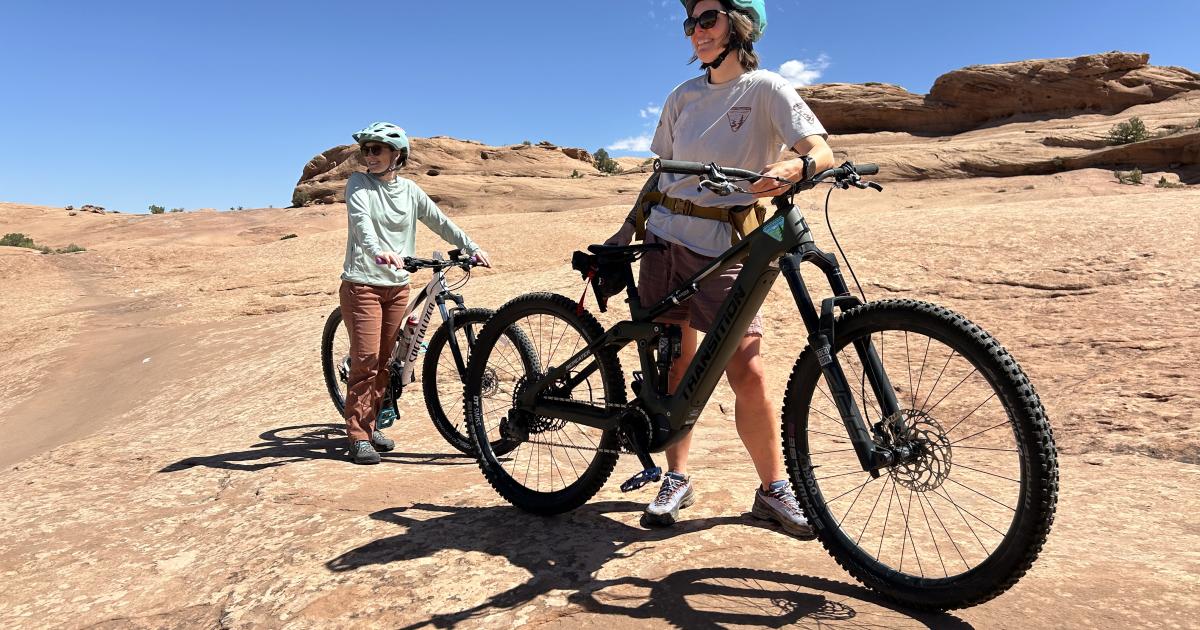
What’s new: Over 200 miles of singletrack opened to Class 1 e-bikes for the first time.
Moab has always been iconic. But now pedal-assist riders can legally access terrain that was previously off-limits.
This is huge.
But here’s what no one tells you:
-
Range anxiety is real in desert heat.
-
Charging infrastructure is minimal.
-
Sand and dust eat drivetrains.
Pro tip: Choose torque-efficient bikes and bring a spare chain + brake pads.
Best for: Adventure riders who want epic terrain without destroying their knees.
🇺🇸 Bend, Oregon & Lake Tahoe

Over 270 miles of additional singletrack opened to e-bikes in 2026.
Forests. Elevation. Flow trails.
But here’s the reality:
-
Local rules vary by trail system.
-
Rangers are enforcing Class distinctions.
-
Some communities welcome e-bikes. Others tolerate them.
Know your class. Don’t assume.
Best for: Intermediate riders who want nature without desert extremes.
🇪🇸 🇮🇹 🇩🇪 Europe’s Cycling Highway Boom

This is where e-bike travel shines:
-
Long distances
-
Safe corridors
-
Café culture
-
Train integration
But here’s the hidden truth:
Cross-border class definitions differ.
Insurance expectations differ.
Helmet laws differ.
Don’t assume “EU means uniform.”
Best for: Couples, foodies, long-distance leisure travelers.
🇵🇹 🇸🇮 Portugal & Slovenia (Underrated in 2026)
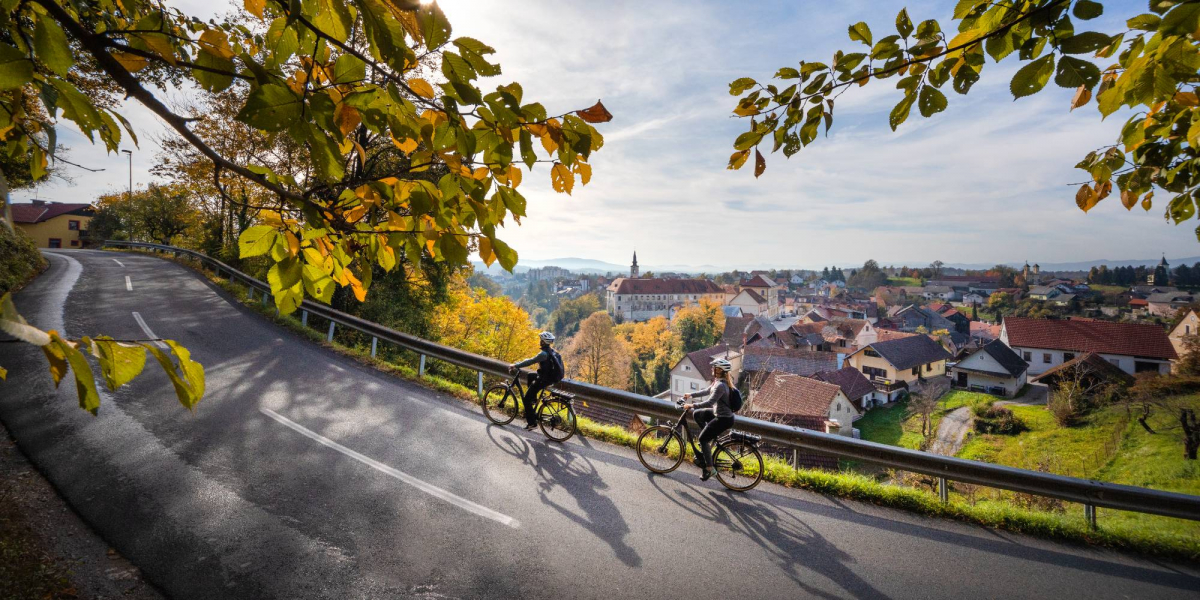
New infrastructure. E-bike friendly policies. Stunning scenery.
Portugal = coastal + wine routes.
Slovenia = alpine + lake magic.
Less crowded than Italy.
Less regulated than Germany.
Growing fast.
Best for: Riders who want beauty without chaos.
🚨 E-Bike Laws in 2026: What You Actually Need to Know
Most articles list laws.
That’s not enough.
Here’s how to think about it strategically.
1. Know Your Class
Class 1 (pedal assist only, 20 mph)
Class 2 (throttle, 20 mph)
Class 3 (28 mph assist)
Many trail systems now allow only Class 1.
If you show up with throttle-only?
You may be denied access.
2. Airline Reality Check
Here’s the uncomfortable truth:
Most airline policies still prohibit large lithium-ion batteries.
That means:
-
You cannot fly with most standard e-bike batteries.
-
Shipping costs can range from $150–$400.
-
Many travelers are forced to rent locally.
Smart move in 2026:
-
Rent at destination.
-
Choose modular/swappable battery systems.
-
Research ground shipping ahead of time.
3. Insurance & Theft: The Part No One Wants to Think About (Until It’s Too Late)
Let me say this plainly:
If you’re traveling with a $3,000–$8,000 e-bike in 2026 and you don’t have proper insurance… you’re gambling.
And most riders don’t realize they’re uninsured until after something happens.
Here’s the uncomfortable truth.
❌ Why Your Regular Insurance Probably Doesn’t Cover You
Many riders assume:
-
“My homeowner’s insurance has me covered.”
-
“My travel insurance will protect it.”
-
“It’s basically just a bike.”
Not quite.
In 2026, most standard homeowner or renter policies:
-
Cap bike coverage at a low amount
-
Exclude motors and batteries
-
Don’t cover theft away from your home
-
Require forced entry proof
-
Don’t cover international touring
And many travel insurance policies:
-
Exclude high-value sporting equipment
-
Cap coverage at $500–$1,000
-
Don’t cover unattended theft
If your e-bike disappears outside a café in Barcelona or Bend…
There’s a good chance you’re paying out of pocket.
✅ So Is There Insurance That Covers E-Bikes?
Yes. But it’s not automatic. And it’s not mainstream.
In 2026, you need specialized e-bike insurance.
Here are the types of policies riders are using.
Standalone E-Bike Insurance (Best Option for Travelers)
These are policies built specifically for bikes and e-bikes — not adapted homeowner policies.
Examples available in the U.S. include:
✔ Velosurance
-
Covers theft (home and away)
-
Covers accidental damage
-
Optional liability protection
-
Covers Class 1, 2, and 3 e-bikes
-
Often pays full replacement value
-
Can include worldwide coverage options
✔ BikeInsure
-
Covers bikes & e-bikes
-
Accidental Damage Coveage
-
Theft Protection
-
Accessories Covered
-
Transit Included
-
Low Deductible
✔ Markel Bicycle Insurance (sometimes via GEICO partnerships)
-
Theft
-
Crash damage
-
Liability
-
Worldwide travel add-ons available
Policies vary by country, but similar specialized providers exist in the UK, EU, and Australia.
What Good E-Bike Insurance Typically Covers
A strong policy in 2026 should include:
🟢 Theft (at home AND away)
🟢 Accidental damage (including crash damage)
🟢 Transit damage (train, airline handling, vehicle rack)
🟢 Liability (if you injure someone or damage property)
🟢 Battery and motor coverage (covered during accident only; otherwise it may be a warranty issue)
🟢 Optional worldwide travel extensions
If it doesn’t include the motor and battery — it’s not true e-bike coverage.
⚡ Speed Pedelecs & Legal Requirements
In most U.S. states and many EU countries:
Standard Class 1 and 2 e-bikes do not legally require insurance.
However:
High-speed “speed pedelecs” (often 28+ mph assist or 45 km/h in Europe) may be classified more like mopeds.
That can trigger:
-
Mandatory insurance
-
Registration requirements
-
Helmet laws
-
License requirements
Know your class before crossing borders.
Theft Protection Plans vs Full Insurance
There’s also a lighter option emerging in 2026: theft protection services.
These are not full insurance policies. Instead, they offer:
-
Theft deterrent tech
-
GPS tracking integration
-
Recovery assistance
-
Partial replacement reimbursement
These can be cheaper than full insurance — but they usually don’t cover crash damage or liability.
Good for:
-
Mid-range bikes
-
Urban commuters
-
Short domestic trips
Not ideal for:
-
International touring
-
High-value rigs
-
Adventure travel
💰 The Real Risk: E-Bikes Are Prime Theft Targets
Let’s be real.
E-bikes are:
-
High value
-
Easy to resell
-
In demand
-
Increasingly targeted
In major cities across the U.S. and Europe, theft rates are rising.
And here’s the kicker:
Insurance companies often require:
-
Approved lock types
-
Proof of secure locking
-
Police report within 24 hours
-
Serial number documentation
If you don’t follow those rules exactly, claims can be denied.
That’s the fine print no one reads.
📋 Smart Rider Checklist for 2026
If you’re traveling with an e-bike, do this before you go:
✔ Photograph your bike from multiple angles
✔ Record serial numbers
✔ Keep receipts for bike + upgrades
✔ Use a high-grade lock (U-lock + secondary cable minimum)
✔ Consider GPS tracking
✔ Verify international coverage
✔ Confirm deductible + payout terms
Preparation isn’t paranoia.
It’s freedom.
🔋 Charging: The Part That Looks Easy Online
Instagram makes it look simple.
Reality:
-
Hotels sometimes ban in-room charging.
-
Rural regions lack outlets.
-
Voltage compatibility varies internationally.
Practical strategy:
-
Confirm charging policies before booking.
-
Carry your own compatible adapters.
-
Plan routes around confirmed charging points.
-
Consider bikes with extended-range modular batteries.
This is where trips fall apart.
🛠 Maintenance & Repairs on the Road
Here’s something most blogs won’t say:
Not all bike shops service all e-bike brands.
Some require brand-certified diagnostics.
If you’re traveling internationally:
-
Choose brands with global service networks.
-
Carry spare brake pads, chain links, basic tools.
-
Download your bike’s service manual PDF offline.
Preparation = freedom.
2026 E-Bike Tech Trends Changing Travel
E-bike travel is smarter now.
We’re seeing:
-
AI-powered navigation systems
-
Predictive maintenance alerts
-
Smart theft detection & GPS recovery
-
Lightweight foldable touring builds
-
Seamless rental integration in major cities
In 2026, e-bike travel is being reshaped by several major technology trends:
- Solid-state and modular batteries are extending range and enabling rapid, flexible charging.
- AI-powered smart features—including adaptive assistance, predictive maintenance, and intelligent navigation—are making rides smoother, safer, and more personalized.
- Lightweight, foldable, and modular designs are making e-bikes easier to transport, store, and use across multiple travel modes.
- Integrated infrastructure and sharing systems are connecting e-bikes seamlessly with public transit and urban mobility networks.
- Advanced security and safety systems are reducing theft and accidents, giving travelers greater peace of mind.
- Segment-specific innovations are making e-bike travel more inclusive for families, seniors, adventure tourists, and urban commuters.
Battery & Charging Innovations: Range, Speed, and Flexibility
| Trend | 2026 Status | Travel Impact |
|---|---|---|
| Solid-state batteries | Up to 500 Wh/kg, 80% charge in <20 min | 35%+ range boost, lighter bikes, less downtime |
| Modular/swappable packs | Dual-battery, universal packs, 1.2M+ units in EU | Extended range, instant swaps, long-distance travel |
| Fast/smart charging | 4A–6A+ chargers, AI BMS, 15–20 min full charge | Rapid top-ups, less trip planning around charging |
| Wireless charging | Inductive kickstands, public pilots in 2026 | Effortless charging at stops, supports multi-modal |
| Public charging stations | Urban cabinets, solar hubs, 35%+ reduction in at-home charging | Safer, more convenient, supports shared/personal |
Smart Features, Connectivity & AI: The Intelligent E-Bike
- Adaptive Motor Assistance: AI adjusts power based on terrain, rider input, and conditions for optimal efficiency and comfort.
- Predictive Maintenance: IoT sensors and machine learning predict issues before breakdowns, reducing travel disruptions.
- Intelligent Navigation: Real-time GPS, 3D mapping, and AI route planning optimize for safety, speed, and battery range.
- App & Voice Control: Riders manage settings, security, and navigation via smartphone or voice assistants.
- Advanced Security: GPS tracking, remote locking, biometric access, and tamper alarms protect bikes and batteries.
Design Innovations: Portability, Modularity & Multi-Modal Travel
- Ultra-light folding e-bikes: Carbon fiber and magnesium frames bring weights down to 12–20 kg, with compact folding for easy transport on planes, trains, and cars.
- Modular batteries/components: Swappable batteries and convertible frames allow for quick adaptation to different travel needs and airline regulations.
- Tool-free folding mechanisms: Enable seamless transitions between cycling and other transport modes in under 20 seconds.
Infrastructure & Integration: Seamless Urban and Adventure Travel
- Smart city integration: E-bikes communicate with traffic signals, vehicles, and infrastructure for safer, prioritized travel.
- Mobility-as-a-Service (MaaS): Unified apps and payment systems integrate e-bikes with public transit, car-sharing, and more.
- Smart mobility hubs: Secure parking and charging at transit nodes support multi-modal journeys.
- Dedicated e-bike lanes and superhighways: Cities are building longer, protected routes for safe, efficient travel.
Translation?
Multi-modal travel is easier.
Urban exploration is easier.
But dependence on tech is higher.
Always have backup plans.
Who Benefits Most from E-Bike Travel in 2026?
This is where it gets exciting.
Seniors
Longer range. More comfort. Independence regained.
Families
Mixed fitness levels? No problem.
Couples
You no longer have to ride at mismatched speeds.
Adventure Riders
Climb more. Explore farther. Recover faster.
The e-bike isn’t replacing cycling.
It’s expanding who gets to participate.
And I love that.
The Hidden Costs No One Talks About
Let’s talk numbers.
Possible extra costs:
-
Battery shipping
-
Insurance riders
-
Theft replacements
-
International charging adapters
-
Service diagnostics
-
Trail access permits
E-bike travel can be magical.
But it isn’t automatically cheaper.
Plan accordingly.
🎯 Final Thoughts: The Real State of E-Bike Travel in 2026
E-bike travel in 2026 is powerful.
It’s inclusive.
It’s expanding.
It’s opening doors.
But it requires more awareness than traditional touring.
If you understand:
-
Legal nuance
-
Battery logistics
-
Charging realities
-
Insurance fine print
-
Local infrastructure differences
You win.
And when you win, you don’t just ride.
You explore further than you thought possible.