Cycle Travel Club

Kampot

This riverside gem is a cyclist’s dream, pedal past world-famous pepper plantations, glide along tranquil riverside trails, conquer the legendary climb up Bokor Mountain, and see the shimmering salt fields and mysterious caves, all set against a backdrop of lush countryside and colonial charm. Every ride in Kampot is a vibrant journey through Cambodia’s flavors, landscapes, and local adventurous cyclists!

At A Glance

★★★★★ KAMPOT COUNTRYSIDE & PEPPER PLANTATIONS

Glide past endless green rice paddies, wave to water buffalo, and roll into the heart of Kampot’s world-famous pepper farms, where you can taste the spice that put this region on the map. The flat, scenic roads are perfect for all levels, and every pedal stroke brings you closer to authentic village life, local markets, and the kind of smiles that make you want to stay forever. This is the ride every cycling traveler raves about, and for good reason!


★★★★☆ BOKOR MOUNTAIN NATIONAL PARK

Ready to crank up the adventure? Bokor Mountain is a four-and-a-half-star legend among cyclists, offering a long, winding climb through misty jungle to a summit packed with colonial ruins, cloud forests, and jaw-dropping views over the Gulf of Thailand. The ride is challenging but oh-so-rewarding, with every switchback revealing new panoramas and the cool mountain air a welcome break from the lowland heat. At the top, explore the eerie Bokor Hill Station, snap photos at the old French church, and soak in the wild, otherworldly vibe, this is a bucket-list climb for every cycling thrill-seeker.


★★★★☆ KAMPOT TO KEP COASTAL ROUTE

Craving a classic Cambodian road trip? The Kampot to Kep coastal route is a four-star favorite, winding through shimmering salt fields, sleepy fishing villages, and lush pepper groves before delivering you to Kep’s breezy beaches and famous crab market. The ride is mostly flat and easy, making it perfect for a day of laid-back exploration with plenty of stops for fresh seafood, ocean views, and snapshots of rural life. It’s the ultimate blend of countryside charm and seaside relaxation, don’t forget your swimsuit!


★★★★☆ SECRET LAKE & CAVES LOOP

For those who love a little mystery with their mileage, the Secret Lake and caves loop is a four-star hidden gem. Pedal quiet backroads to the tranquil waters of Secret Lake, then venture into the limestone hills to discover ancient cave temples like Phnom Chhngok. Along the way, you’ll pass lotus ponds, stilted villages, and fields alive with the rhythms of rural Cambodia. Bring a headlamp and your sense of wonder—this route is all about off-the-beaten-path adventure and local surprises.


★★★☆☆ KAMPOT RIVERSIDE & OLD TOWN

If you prefer your rides easy and scenic, Kampot’s riverside and colonial Old Town score a solid three-and-a-half stars. Cruise along the palm-lined river, admire faded French architecture, and stop for a coffee at a riverside café as boats drift by. The flat terrain and relaxed pace make this perfect for families, casual cyclists, or anyone looking to soak up Kampot’s laid-back vibe. It’s the ideal starting point for longer countryside rides, or just a blissful way to end your day.

Watch

Photos

Plan

Geography of the Region?

Location & Boundaries

  • Position: Kampot Province is located in southwestern Cambodia, forming part of the country’s coastal region along the Gulf of Thailand.
  • Coordinates: Centered at approximately 10°36′N, 104°10′E.
  • Area: Covers 4,873 km².
  • Borders:
    • North: Kampong Speu and Koh Kong Provinces
    • East: Takéo Province
    • South: Kep Province and Vietnam (Kiên Giang Province)
    • West: Preah Sihanouk Province and the Gulf of Thailand
  • Coastline: 45–76 km along the Gulf of Thailand, with several seaport checkpoints.
  • Administrative Structure: 7 districts, 2 municipalities (Kampot City and Bokor City), and nearly 500 villages.

Topography & Physical Landscape

  • General Terrain:
    • Flat Coastal Plains: Surrounding Kampot town and along the coast, ideal for easy cycling.
    • River Valleys: The Kampot River (Prek Kampot) flows through the province, creating broad, flat valleys perfect for scenic rides.
    • Rolling Hills & Uplands: Low hills and gradual elevation gains as you move inland.
    • Mountains: The Elephant Mountains (Dâmrei) rise in the west, with Bokor Hill (1,081 m) offering a challenging climb and panoramic views.
    • Coastal Features: Estuaries, mangroves, and sandy beaches, especially near Kep and the Gulf of Thailand.
  • Elevation:
    • Lowest: Sea level (coastal areas)
    • Average: ~97 meters above sea level
    • Highest: Bokor Hill at 1,081 meters

Climate & Best Cycling Seasons

  • Climate Type: Tropical monsoon (Köppen Am), with distinct wet and dry seasons.
  • Dry Season (Nov–Apr):
    • Sunny, warm, and less humid.
    • Average temps: 25–29°C (77–84°F).
    • Minimal rainfall; best for cycling.
  • Wet Season (May–Oct):
    • Frequent, heavy rainfall, especially Sep–Oct.
    • Slightly cooler but very humid (up to 88%).
    • Roads can be muddy or flooded, cycling is more challenging.
  • UV Index: Extreme year-round, sun protection is essential.
  • Best Time to Cycle: November to April (dry season) for comfort and safety.

Cycling Infrastructure

  • Road Quality:
    • Main Roads: National Roads 3, 31, and 33 are generally paved and in good condition, though some rural stretches can be rough or muddy after rain.
    • Secondary Roads: Many are red dirt or gravel, smooth in dry weather but challenging in the wet season.
  • Bike Lanes: No dedicated bike lanes, cycling is on shared roads.
  • Bike Rentals: Widely available in Kampot town and at guesthouses, typically $1–$2/day. Quality varies; mountain bikes are best for rougher routes.
  • Repair Shops: Basic repairs available in town. Bring spare parts for longer trips.
  • Cycling Tours: Several operators offer guided countryside, pepper farm, and coastal rides.
  • Cycling-Friendly Accommodations: Many guesthouses and hotels offer secure bike storage, rentals, and local cycling info.

Key Geographical Features & Attractions for Cyclists

  • Bokor National Park & Bokor Hill Station: Challenging mountain climb (33 km from Kampot), with colonial ruins, waterfalls, and sweeping views.
  • Phnom Chhngok Cave Temple: Limestone cave with a pre-Angkorian temple, accessible via scenic rural roads.
  • Secret Lake: Tranquil reservoir, ideal for countryside rides and picnics.
  • Salt Fields: Expansive salt marshes near town, best visited in the dry season.
  • Pepper Plantations: World-renowned Kampot pepper farms, easily reached by bike.
  • Kampot Countryside & Riverside: Flat, scenic rides through rice paddies, villages, and along the river.
  • Kep & Kep National Park: 25 km flat ride to the coast, with park trails and seafood markets.
  • Popokvil Waterfall: Jungle waterfall in Bokor National Park, accessible as part of the hill climb.
  • Phnom Kampong Trach Caves: Limestone caves and pagodas, suitable for a full-day countryside adventure.
  • Coastal Routes: Flat rides with sea views, mangroves, and fishing villages.
  • Kampot Town: French colonial architecture, riverside promenades, and local markets.

Practical Considerations for Cyclists

  • Population Centers: Kampot town is the main hub. Rural villages offer cultural stops and rest points.
  • Transport Hubs: Bus and railway stations connect Kampot to Phnom Penh, Sihanoukville, and Kep. Ride-hailing apps (Grab, PassApp) and tuk-tuks are widely available.
  • Safety:
    • Roads can be rough or slippery, especially in the wet season.
    • Traffic is lighter than in major cities, but always ride defensively.
    • Helmets are mandatory and strongly recommended.
    • Avoid cycling at night due to poor lighting.
    • Stick to established roads, landmine risk is very low but present in remote areas.
  • Weather Hazards:
    • Heavy rain, flooding, and high heat/humidity can impact rides.
    • Start early, stay hydrated, and use sun protection.
  • Local Support:
    • Basic bike repairs and supplies are available in town; bring essentials for rural rides.
    • Guesthouses often provide route advice and secure bike storage.
  • Cultural Etiquette:
    • Dress modestly, especially in villages and temples.
    • Learn basic Khmer greetings for positive local interactions.

Summary

Kampot is a cycling paradise, offering:

  • Flat, accessible terrain and challenging mountain climbs
  • Scenic countryside, rivers, and coastal routes
  • Unique attractions like Bokor Hill, pepper farms, and salt fields
  • A welcoming cycling culture with practical infrastructure and support

What are the Roads like? Road rules?

Cycling Infrastructure & Road Types

  • Main Roads & Highways:
    • National Road 3 (NR3): The primary route connecting Phnom Penh to Kampot, fully paved and recently upgraded for smooth, reliable cycling. Expect moderate to heavy traffic near urban centers.
    • National Road 41: Newly inaugurated in 2025, this 95 km road links NR4 to NR3, providing another high-quality, smooth-surfaced option for cyclists.
    • Other Provincial Roads: Connect Kampot to neighboring provinces and attractions like Kep. Surface quality varies, some are newly improved, others remain rough or partially unpaved.
  • Urban Streets (Kampot City):
    • The city center features a grid of paved streets, many wide enough for both vehicles and bicycles. Riverside boulevards are especially popular for cycling, offering scenic views and colonial-era architecture.
    • No dedicated cycling lanes, but low traffic and flat terrain make urban cycling accessible.
  • Rural & Countryside Roads:
    • Extensive network of rural roads, mostly unpaved (dirt or gravel), connecting villages, farms, and natural attractions like pepper plantations and cave temples
    • Surfaces range from hard-packed dirt to rough gravel. Some are being upgraded, but many remain basic, especially outside main tourist routes.
  • Dedicated Cycling Infrastructure:
    • As of 2025, there are no dedicated cycling lanes or segregated bike paths in the Kampot region. Cyclists share all roads with motor vehicles, motorcycles, and agricultural traffic.
    • Several guesthouses and tour operators cater to cyclists with rentals, maps, and guided tours.

Road Conditions

  • Main Roads:
    • NR3 and NR41 are in excellent condition, with smooth, resilient surfaces designed to withstand heavy use and seasonal weather.
    • These roads are the most reliable for long-distance cycling and provide safe passage even during the wet season.
  • Secondary & Rural Roads:
    • Most remain unsealed, with surfaces ranging from hard-packed dirt and gravel to older, potholed pavement
    • In the dry season (Nov–Apr), roads are firm but can be very dusty; in the wet season (May–Oct), heavy rains can turn dirt roads into muddy, rutted tracks, sometimes impassable.
    • Flooding is common during the wet season, especially in low-lying rural areas, and can cause temporary closures or hazardous conditions.
  • Urban Streets: Generally well-maintained and paved, though some side roads may have potholes or uneven surfaces, especially after heavy rains.

Cycling Rules & Regulations

  • Helmet Use: Not legally required, but strongly recommended for safety.
  • Lighting: Front and rear lights are required at night or in low-visibility conditions. Enforcement is relaxed but using lights is essential for safety.
  • Traffic Laws:
    • Ride on the right-hand side of the road.
    • Obey all traffic signals and signage.
    • Do not ride against traffic or on expressways.
    • Cycling on sidewalks is discouraged and may result in a fine if it obstructs pedestrians.
  • Permitted Areas: Bicycles are allowed on all public roads except expressways or where signage prohibits non-motorized vehicles. Cycling is permitted in tourist areas and parks, but respect local signage and restrictions.
  • Licensing: No license required for bicycles. E-bikes under 125cc do not require a license but must follow the same traffic laws.
  • Enforcement: Generally relaxed, with occasional safety campaigns. Fines for violations are rare and modest.

Unique Features & Challenges

  • Scenic Flatlands & Riverside Rides Flat coastal plains, rice paddies, salt fields, and riverside boulevards make for easy, picturesque cycling.
  • Bokor Mountain Ascent: The climb to Bokor Hill Station is a classic challenge: a 32 km paved road with over 1,000 meters of elevation gain, sharp turns, and rapidly changing weather (fog, rain, cooler temperatures).
  • Pepper Farms & Cave Temples
    • Quiet countryside routes lead to famous pepper plantations and cave temples like Phnom Chhnork, accessible via a mix of sealed and dirt roads.
  • Navigation & Signage: Signage is minimal, especially outside main tourist routes. GPS or offline maps are highly recommended for rural rides.
  • Cultural Encounters: Cycling offers close-up experiences of village life, traditional stilted houses, and friendly locals. Dress modestly and be respectful at religious sites.

Safety Considerations

  • Traffic Hazards: Main roads can have moderate to heavy traffic, especially near town. Rural roads are quieter but watch for motorbikes, trucks, and agricultural vehicles.
  • Road Hazards:
    • Potholes, loose gravel, makeshift bridges, and livestock are common on rural routes.
    • Night riding is strongly discouraged due to poor lighting and increased accident risk.
  • Weather & Seasonal Risks:
    • The dry season is best for cycling; the wet season brings mud, flooding, and potential road closures.
    • Sudden weather changes on Bokor Mountain can reduce visibility to near zero.
  • Crime & Security: Petty theft is rare but possible. Secure your bike and valuables, especially in town.
  • Medical Facilities: Limited outside Kampot town. Carry a basic first aid kit and ensure you have travel insurance.
  • Navigation: Always carry navigation tools and avoid venturing off marked roads or trails, especially due to the risk of landmines in remote areas.

Practical Tips for Cyclists

  • Use a mountain bike or hybrid with good tires for rural and off-road segments.
  • Always wear a helmet and high-visibility clothing.
  • Carry water, sunscreen, rain gear (in wet season), and a basic repair kit.
  • Travel in groups for increased safety, especially on rural roads.
  • Check local conditions and weather before setting out, especially during the wet season.
  • Respect local customs and ask permission before entering villages or photographing people.

When to Go?

Ideal Months for Cycling

  • November to April is the prime window for cycling in Kampot.
  • December to March are especially ideal, with:
    • Pleasant temperatures (average 25–28°C)
    • Minimal rainfall and lower humidity
    • Clear skies and long sunshine hours
    • Firm, dust-free roads and lush post-monsoon landscapes
    • November and early April are also good, but April can get hot towards the end of the month.

Months to Avoid

May to October (Wet/Monsoon Season)

  • Frequent, heavy rainfall, especially from June to September
  • High humidity (often above 85%)
  • Muddy, slippery, or flooded rural roads, some routes may become impassable
  • Reduced visibility and increased risk of accidents
  • Afternoon storms are common, making planning unpredictable

Late April

  • Hottest period of the year, with temperatures often exceeding 35°C
  • High risk of heat exhaustion and dehydration
  • Dusty conditions before the rains begin

Pro Tips for the Best Cycling Experience

  • Start Early: Begin rides at dawn (6:00–7:00 AM) to enjoy cooler temperatures and quieter roads.
  • Hydrate Well: Carry at least 2–3 liters of water per day and use electrolyte supplements.
  • Dress Smart:
    • Wear lightweight, moisture-wicking clothing, a helmet, sunglasses, and sunscreen.
    • Use a buff or scarf for sun and dust protection.
  • Choose the Right Bike: A sturdy mountain or hybrid bike with good tires is best for Kampot’s mix of paved and dirt roads.
  • Check Road Conditions: After heavy rains, some rural roads may be muddy or flooded, ask locals or guides for updates.
  • Pack Essentials: Bring a repair kit, spare tubes, a pump, and a small first-aid kit.
  • Navigation: Download offline maps or use a GPS device, as mobile coverage can be patchy in rural areas.
  • Respect Local Customs: Dress modestly, especially in villages or temples, and greet locals with a smile.
  • Stay Flexible: Be prepared to adjust your route or schedule in case of sudden weather changes, especially during transitional months.
  • Avoid Flooded Areas: Never attempt to cycle through deep or fast-moving water during the wet season.

Before arranging your travel plans around a festival, ensure to confirm the festival dates on the official festival website or with a local tourist information office. For further details on these and other events, please visit the official tourism website for Cambodia.

Local Holidays, Cultural & Food Festivals

Khmer New Year (Chaul Chnam Thmey)

  • Date: April 13–16, 2025
  • Description: Cambodia’s most important holiday, celebrated with traditional games, temple offerings, street parties, music, and food. Kampot comes alive with cultural performances and communal festivities.

Pchum Ben (Ancestors’ Day)

  • Date: September 22 – October 6, 2025
  • Description: A deeply spiritual festival where Cambodians honor their ancestors by visiting pagodas, making food offerings, and participating in ceremonies. Kampot’s pagodas host special rituals and community gatherings.
  • Website: visit-angkor.org

Water Festival (Bon Om Touk)

  • Date: November 6–8, 2025
  • Description: Celebrates the reversal of the Tonle Sap River. In Kampot, enjoy boat races on the river, lantern-lit processions, music, and local food stalls—a vibrant time for both locals and visitors.
  • Website: pharecircus.org

Kampot Pepperfest

  • Date: December 27–28, 2024
  • Description: A dedicated festival celebrating Kampot’s world-famous pepper. Features tastings, culinary demonstrations, farm tours, and cultural performances. Entry passes and camping options available.
  • Website: kampot-pepperfest.com

Sea Festival Kampot

  • Date: December 13–15, 2024
  • Description: A major annual event (rotating among coastal provinces) showcasing Kampot’s seafood, food fairs, live concerts, sports competitions, and cultural performances. A highlight for foodies and festival lovers.

Kampot Salt Fields Experience

  • Date: Salt production season: December–April (no fixed festival)
  • Description: While there’s no dedicated salt festival, visitors can tour the Kampot salt fields during the production season. Guided visits offer insights into traditional salt harvesting and its role in local cuisine.

Cycling Events, Tours & Activities

National Cycling Championship 2025 – Kampot

  • Date: January 25, 2025
  • Description: Cambodia’s premier national cycling event, featuring a long-road race and a Criterium Open competition for men (16+), with the main event starting and finishing in front of Kampot Provincial Hall.

Immerse Yourself with Culture & Traditions

General Cultural Norms & Etiquette

Social Interactions & Behavior

  • Respect for Elders & Authority
    • Always show deference to elders and those in authority.
    • Use polite language and appropriate titles (e.g., “Lok” for men, “Lok Srey” for women).
  • Politeness & Calmness
    • Avoid public displays of anger or frustration; Cambodians value harmony and “saving face.”
    • Smiling is common, even in awkward situations.
  • Personal Space & Touch
    • Less personal space than in some cultures; do not touch anyone’s head (considered sacred).
    • Avoid pointing your feet at people or religious objects.

Dress Code

  • Modesty is Key
    • Cover shoulders and knees, especially in rural areas and religious sites.
    • Lightweight, modest clothing is recommended for cycling; carry a scarf or sarong for extra coverage when needed.

Greetings & Gestures

  • Traditional Greeting (Sampeah): Press palms together in a prayer-like gesture and bow slightly; the higher the hands, the greater the respect.
  • Handshakes: Common among men; women may prefer the traditional greeting.
  • Passing Objects: Use your right hand or both hands, especially with elders.

Cycling-Specific Considerations

Road Etiquette & Safety

  • Traffic Flow:
    • Ride on the right side; traffic rules are loosely enforced.
    • Be vigilant. Roads are shared with motorbikes, tuk-tuks, and pedestrians.
  • No Dedicated Bike Lanes: Most roads lack cycling lanes. Stay alert and ride predictably.
  • Group Cycling: Cycling in small groups increases visibility and safety.
  • Helmet & Gear: Helmets are highly recommended. Carry a repair kit, water, and first aid supplies.

Interactions on the Road

  • Be Predictable: Use hand signals, avoid sudden movements, and make eye contact with drivers.
  • Use a Bell or Horn: Alert others to your presence, especially in busy or rural areas.
  • Bike Security: Lock your bike when not in use, especially in cities.

Cultural Sensitivity While Cycling

  • Dress Appropriately When Off the Bike: Change into modest attire when stopping in villages or visiting temples.
  • Respect Local Customs: Observe how locals cycle and interact. Adapt but prioritize your safety.

Religious & Spiritual Considerations

Temple Etiquette

  • Dress Modestly: Cover shoulders and knees. Avoid revealing clothing.
  • Remove Shoes & Hats: Always take off shoes and hats before entering temple buildings.
  • Quiet & Respectful Behavior: Speak softly and avoid loud conversations.

Interacting with Monks

  • Respect Boundaries
    • Women should not touch monks or hand items directly; place offerings on a surface.
    • Always give way to monks and avoid sitting higher than them.

Photography & Participation

  • Ask Permission: Always ask before photographing monks or inside temples.
  • Respect Rituals: Observe quietly, do not disturb ceremonies or offerings.

Food & Dining Customs

Table Manners & Eating Etiquette

  • Communal Meals: Dishes are shared family-style. Wait for elders or hosts to begin.
  • Utensils
    • Use a spoon (right hand) and fork (left hand); chopsticks mainly for noodles.
    • Do not stick chopsticks upright in rice (bad luck).
  • Serving & Receiving Food: Use your right hand or both hands. Avoid using the left hand.

Dining Behavior

  • Finish Your Food: It’s polite to finish your plate, but observe your hosts for cues.
  • Tipping: Not traditionally expected, but small tips are appreciated in urban restaurants.
  • Street Food: Choose busy, clean stalls. Use hand sanitizer and drink bottled water.

Regional Variations

Urban vs. Rural

  • Cities (Phnom Penh, Siem Reap)
    • More relaxed about some customs; English is widely spoken.
    • Greater variety of food and amenities.
  • Rural & Highland Areas
    • Traditions are more strictly observed. Modesty and etiquette are paramount.
    • Indigenous groups in the northeast have unique customs, ask permission before entering villages or taking photos.

Ethnic & Linguistic Diversity

  • Khmer is the official language, but regional dialects and minority languages are common.
  • Ethnic Minorities: Highland provinces: Jarai, Tampuan, Brao, and others with distinct traditions.

Food & Cuisine

  • Regional Specialties: Seafood dominates the coast. Chinese and Vietnamese influences in the northwest and southeast.

General Travel Tips

Practical Advice

  • Best Time to Cycle: November to April (dry season) is ideal; avoid heavy rains from May to October.
  • Health & Safety: Carry insect repellent, sunscreen, and bottled water; have travel insurance.
  • Money: Cambodia is cash-based; US dollars are widely accepted.
  • Connectivity: Wi-Fi is patchy outside cities; consider a local SIM card.
  • Environmental Responsibility: Do not litter. Support local businesses and practice responsible tourism.

Safety & Security

  • Personal Belongings: Petty theft can occur in cities, so keep valuables secure.
  • Night Travel: Avoid cycling or walking alone at night, especially in urban areas.
  • Landmines: Stick to marked paths, especially near the Thai border and in the northwest.
Getting Around (Other Transportation)

Air Transport: Domestic Flights & Airports

Nearest Major Airport: Phnom Penh International Airport (PNH)

  • Description: The closest major airport to Kampot, located about 140–150 km away. Offers frequent domestic and international flights, making it the main air gateway for Kampot visitors.
  • Ideal For: Travelers flying into Cambodia who wish to reach Kampot by ground transport.
  • Ticketing/Booking URLs:

Intercity Buses & Minivans

Phnom Penh ↔ Kampot

  • Description: Frequent, comfortable bus and minivan services connect Phnom Penh and Kampot, with up to 85 daily departures. Major operators include Giant Ibis, Virak Buntham, Cambodia Post VIP Van, and others. Buses are air-conditioned and reliable.
  • Ideal For: Budget travelers, groups, and those seeking a direct, affordable ride.
  • Ticketing/Booking URLs:

Sihanoukville ↔ Kampot

  • Description: Several daily buses and minivans connect Sihanoukville and Kampot, with a journey time of 2.5–3 hours.
  • Ideal For: Travelers coming from the coast or islands.
  • Ticketing/Booking URLs:

Kep ↔ Kampot

  • Description: Short, frequent minivan and bus rides (every 15–60 minutes) connect Kampot and Kep, taking 30–45 minutes.
  • Ideal For: Day-trippers and those exploring the coast.
  • Ticketing/Booking URLs:

Royal Railway Train Service

  • Description: The Royal Railway Southern Line connects Phnom Penh, Takeo, Kampot, Kep, and Sihanoukville. Trains run mainly on weekends and holidays, offering a scenic and relaxed journey.
  • Ideal For: Travelers seeking a unique, comfortable, and scenic travel experience.
  • Ticketing/Booking URLs:

Taxis, Ride-Hailing, and Local Transport

Private Taxis

  • Description: Private taxis are available for intercity and local travel. They offer door-to-door service and can be arranged in advance or at transport hubs.
  • Ideal For: Families, groups, or those seeking comfort and flexibility.
  • Ticketing/Booking URLs:

Ride-Hailing Apps (Grab & PassApp)

  • Description: Both Grab and PassApp operate in Kampot, offering tuk-tuks, cars, and motorbikes via mobile apps. These services provide transparent pricing and real-time ride tracking.
  • Ideal For: Convenient, safe, and cashless local travel.
  • Ticketing/Booking URLs:

Tuk-Tuks & Remorques

  • Description: Traditional tuk-tuks and trailer-style remorques are widely available for short trips, sightseeing, and local transport. Can be hailed on the street or booked via apps.
  • Ideal For: Short distances, sightseeing, and local exploration.
  • Ticketing/Booking URLs:

Motorbike & Bicycle Rentals

  • Description: Numerous rental shops and guesthouses in Kampot offer motorbikes ($4–$7/day) and bicycles ($1–$3/day). Mountain bikes are recommended for rural or hilly routes.
  • Ideal For: Independent travelers, adventure seekers, and those exploring the countryside.
  • Ticketing/Booking URLs:
    • Riderly
    • Inquire locally at hotels and guesthouses for bicycle rentals.

Water Transport

Kampot–Phu Quoc International Ferry (Launching January 2025)

  • Description: A new international ferry service will connect Kampot with Phu Quoc, Vietnam, starting January 15, 2025. The port is located at the mouth of the Teuk Chhou River.
  • Ideal For: Cross-border travelers and those seeking a scenic maritime route.
  • Ticketing/Booking URLs: Details to be announced via official social media and Telegram channels; check with local travel agencies for updates.

Car Rental Services

  • Description: Car rentals (with or without driver) are available through international and local agencies, suitable for independent exploration or custom tours.
  • Ideal For: Families, groups, or travelers wanting flexibility and comfort.
  • Ticketing/Booking URLs:

Flying With Your Bicycle

Top Airlines for Bicycle Travel to Kampot, Cambodia

1. Singapore Airlines

  • Description: Renowned for excellent service and reliability, Singapore Airlines connects major global cities to Phnom Penh and Siem Reap.
  • Bicycle Policy: Bicycles are accepted as part of your checked baggage allowance if within size (200x75x80 cm) and weight (32 kg) limits. No extra fee if within allowance; excess/oversize fees apply if over.
  • Why It’s Best: Generous baggage policy, careful handling, and consistently positive reviews from cyclists.
  • URL: Singapore Airlines Non-Standard Baggage Policy
  • Bicycle Luggage Fees: No extra fee if within allowance. Excess baggage fees from USD 6–42 per kg (pre-purchase), oversize fee USD 40–180 depending on route.

2. Thai Airways

  • Description: Offers direct flights from Bangkok to Phnom Penh and Siem Reap, with a reputation for being bike-friendly.
  • Bicycle Policy: Bicycles are included in the standard checked baggage allowance (max 32 kg). If over, excess baggage fees apply.
  • Why It’s Best: Flexible policy, positive cyclist experiences, and easy regional connections.
  • URL: Thai Airways Special Baggage Policy
  • Bicycle Luggage Fees: No extra fee if within allowance. Excess baggage USD 12–70 per kg.

3. Vietnam Airlines

  • Description: The national carrier with extensive regional connections, especially from Vietnam to Cambodia.
  • Bicycle Policy: Bicycles are accepted as checked baggage (max 23 kg for Economy, 158 cm total dimensions). No extra fee if within allowance; excess fees apply if over.
  • Why It’s Best: Clear, published policy and affordable excess fees.
  • URL: Vietnam Airlines Baggage Information
  • Bicycle Luggage Fees: No extra fee if within allowance. Excess baggage approx. $80–130 USD for international routes.

4. Qatar Airways

  • Description: Connects to Phnom Penh via regional partners, popular for long-haul travelers.
  • Bicycle Policy: Bicycles are included in the checked baggage allowance (max 32 kg). No extra fee if within allowance; excess fees apply if over.
  • Why It’s Best: Generous allowance, reliable handling, and good long-haul service.
  • URL: Qatar Airways Sports Equipment Policy
  • Bicycle Luggage Fees: No extra fee if within allowance; standard excess baggage rates (USD 15–30/kg) apply.

5. Emirates

  • Description: Connects to Phnom Penh via Singapore and to Siem Reap via Bangkok, favored for long-haul connections.
  • Bicycle Policy: Bicycles are included in the standard checked baggage allowance (usually 30 kg for Economy). No extra fee if within allowance; excess fees apply if over.
  • Why It’s Best: Generous baggage, good service, and positive cyclist reviews.
  • URL: Emirates Sports Equipment Policy
  • Bicycle Luggage Fees: No extra fee if within allowance. Excess baggage rates apply.

6. AirAsia & Thai AirAsia (Budget Option)

  • Description: Budget airlines with extensive Southeast Asia coverage, including direct flights to Phnom Penh and Sihanoukville.
  • Bicycle Policy: Bicycles are not included in standard baggage, must be checked as sports equipment for a fee. Max 32 kg per item, proper packing required.
  • Why It’s Best: Affordable fares, clear sports equipment policy, and easy online booking.
  • URL: AirAsia Sports Equipment Policy
  • Bicycle Luggage Fees: USD 30–50 one-way if pre-booked online. Higher if paid at the airport.

7. Cambodia Angkor Air (Air Cambodia)

  • Description: Main domestic carrier, connecting Phnom Penh, Siem Reap, and Sihanoukville.
  • Bicycle Policy: Bicycles accepted as checked baggage (max 32 kg, 320 cm). No extra fee if within allowance; oversize fee USD 80 (domestic), USD 100 (international).
  • Why It’s Best: Best for domestic connections within Cambodia.
  • URL: Air Cambodia Baggage Information
  • Bicycle Luggage Fees: No extra fee if within allowance. Oversize fee applies if over.

8. New Options for 2025: Etihad Airways & Turkish Airlines

  • Etihad Airways: Direct Abu Dhabi–Phnom Penh flights, 5x weekly. Bicycles included in standard checked baggage if within allowance; excess fees apply. Etihad Sports Equipment Policy
  • Turkish Airlines: Direct Istanbul–Phnom Penh flights, 3x weekly. Bicycles often free or for a sports equipment fee ($50–$100); advance notice required. Turkish Airlines Sports Equipment Policy

Pro Tips for Traveling with Your Bicycle in Cambodia

  • Pack Smart: Use a hard case or sturdy bike bag. Remove pedals, turn handlebars, deflate tires, and protect fragile parts with padding.
  • Book in Advance: Always pre-book your bicycle as special baggage, especially with budget airlines, to secure space and lower fees.
  • Arrive Early: Allow extra time at the airport for check-in and inspection of your bike.
  • Carry Tools & Spares: Bring essential tools, spare tubes, and unique parts, bike shops are limited outside major cities.
  • Check Customs: No import duties for personal bikes, but carry proof of ownership and your passport.
  • Insurance: Get travel insurance that covers cycling, medical emergencies, and bike theft or damage.
  • Stay on Marked Roads: Due to landmine risks, never cycle off established paths, especially in rural or border areas.
  • Hydrate & Protect: Cambodia is hot and humid, carry water, use sunscreen, and take breaks in the shade.
  • Local Transport: From Phnom Penh or Sihanoukville, arrange ground transport (bus, taxi, or private transfer) to Kampot. Bicycles are usually accepted if bagged or boxed.

Customs & Entry Requirements

  • Personal bicycles for travel are allowed duty-free as part of your baggage, with no special permit required.
  • Declare if value exceeds USD 300. Otherwise, pass through the Green Channel.
  • Visa on arrival and e-visa are available for most travelers. E-Arrival Card is mandatory.
  • No restrictions on bringing bicycles for personal use. Follow standard customs and entry procedures.

Using a CTC Certified Bike Tour Operator:

If it’s your first time going to Cambodia or you prefer a hassle-free cycling experience, using a CTC (Cycle Travel Club) certified bike tour operator can be an excellent choice. These operators provide guided tours, bike rentals, and logistical support, making your cycling trip more enjoyable and less stressful.

Benefits of CTC Certified Operators:

Local Expertise:

  • CTC certified bike tour operators have extensive knowledge of the region’s cycling routes, terrain, and attractions.
  • They can customize tours based on your preferences and skill level.

Bike Rental Options:

  • These operators offer a variety of well-maintained rental bikes suitable for different types of cycling adventures.
  • You can choose from road bikes, mountain bikes, or hybrid bikes based on your preference.

Guided Tours and Support:

  • Enjoy guided cycling tours led by experienced local guides who can provide insights into culture, history, traditions, natural beauty, and cuisines.
  • Benefit from logistical support, including vehicle backup, accommodations, and meals arranged along the route.

As a paid CTC member, you qualify for the following:

  • Discounted Bike Tours from CTC Certified Tour Operators, Bike Rentals, Bike Shops, Accommodations, Cafes / Restaurants, and Cycling Events!
  • Unlock a treasure trove of exclusive deals and discounts. Enjoy savings on all things travel and cycling. We’ve partnered with leading brands to bring you unbeatable offers, so you can invest more in your adventures without breaking the bank.
  • Bike Tour Lottery Access: Seeking a unique way to secure your spot on an upcoming tour? Our Bike Tour Lotteries offer just that! Become one of the confirmed riders on a specific tour by giving your deposit. Once we confirm all the riders for each tour, we’ll be holding an exclusive live raffle among the riders themselves. The winner not only secures a spot on the tour but also won’t need to pay for the balance of their bike tour expense. With the raffle limited to the confirmed riders, you have a fantastic chance at winning the opportunity to embark on an incredible cycling adventure without worrying about additional costs.
  • Tour Drops for VIP Members: Ever thought about bidding on last-minute tours? With our Tour Drops, you can do just that! Stay on the lookout for incredible last-minute opportunities and bid for your spot. It’s a thrilling way to embrace spontaneity and grab a slot on an unforgettable cycling adventure
  • Join HERE!

Important Info (MUST READ)

Local Emergencies

Emergency Contact Numbers

  • Police: 117
  • Fire: 118
  • Ambulance: 119
  • Tourist Police (Phnom Penh): 012 942 484
  • Kampot Area Code: 033

Note: English-speaking operators are not always available. If possible, ask a local, hotel staff, or guide to assist with calls.


Foreign-Friendly Hospitals in Kampot

Sonja Kill Memorial Hospital (SKMH)

  • Address: National Road 3, 6–7 km west of Kampot city center, near the road to Bokor Mountain
  • Emergency Phone: +855 78 265 782
  • General/Reception: +855 77 666 752, +855 10 853 680
  • Email: skmh.assistance@gmail.com
  • Website: skmh.org
  • Services: 24/7 emergency, outpatient/inpatient care, surgery, pediatrics, diagnostics, English-speaking staff, international insurance accepted

Kampot Provincial Referral Hospital

  • Address: Kampot city (central)
  • Services: General emergency and medical care, minor eye care
  • English-speaking capabilities: Limited; best for minor issues

For serious emergencies, evacuation to Phnom Penh or Bangkok may be necessary. Always carry travel insurance with evacuation coverage.


Consular Assistance

US Embassy (Phnom Penh)

  • Address: #1, Street 96, Sangkat Wat Phnom, Khan Daun Penh, Phnom Penh, Cambodia
  • Phone: +855-23-728-000 (24/7 emergency: press 1, then 0)
  • Email: ACSPhnomPenh@state.gov
  • Website: US Embassy in Cambodia
  • Services: Emergency assistance, lost/stolen passports, legal/medical help, STEP registration

Canadian Embassy (Phnom Penh)

British Embassy (Phnom Penh)

Australian Embassy (Phnom Penh)

  • Address: 16B, National Assembly Street, Sangkat Tonle Bassac, Khan Chamkamon, Phnom Penh
  • Phone: +855 (0)23 266 500 | After Hours: +61 2 6261 3305
  • Website: Australian Embassy Cambodia

French Embassy (Phnom Penh)

German Embassy (Phnom Penh)

All major embassies are in Phnom Penh, about 3–4 hours from Kampot. Emergency consular support is available 24/7 by phone or online.

For other countries’ embassies, refer to Embassy Finder for a complete list.


Travel Insurance for Cyclists

Velosurance

Sunday’s Insurance

  • Website: sundaysinsurance.com
  • Coverage: Bike damage/theft, up to $1,000 emergency medical expenses, worldwide add-on for Cambodia (up to 90 days)
  • Claims: (805) 448-6558 | [email protected]

World Nomads

  • Website: worldnomads.com
  • Coverage: Medical emergencies, evacuation, cycling accidents, 24/7 multilingual emergency assistance
  • Claims/Emergency: +1 954-334-8143 (collect) | +1 877-289-0968 (US/Canada) | wnclaims@tripmate.com

World Nomads is the most comprehensive for medical and evacuation support. Always check your policy for cycling-specific coverage and emergency procedures.


Emergency Procedures for Cyclists

  • In an Accident: Move to safety, assess injuries, call 117 (police) or 119 (ambulance). Administer first aid if trained.
  • Medical Emergency: Go to Sonja Kill Memorial Hospital or call for an ambulance. For serious cases, request evacuation to Phnom Penh or Bangkok.
  • Theft: Do not resist. Report to local police and obtain a report for insurance. Notify your embassy if important documents are stolen.
  • Remote Areas: Mobile coverage may be limited. Inform someone of your route, use a local guide, or consider a satellite device for emergencies.
  • Language Barriers: Use translation apps, written emergency phrases in Khmer, or seek help from locals or guides.

Preventative Measures

  • Safety Gear: Always wear a helmet, bright/reflective clothing, and use front/rear lights.
  • Health Prep: Get recommended vaccinations (Hepatitis A/B, Typhoid, Japanese Encephalitis, Rabies, COVID-19). Use insect repellent and drink only bottled/boiled water.
  • Route Planning: Stick to main roads and marked trails to avoid landmines. Avoid cycling at night.
  • Crime Prevention: Carry minimal valuables, keep bags away from the road, and travel in groups when possible.
  • First Aid & Tools: Carry a first aid kit, repair kit, and spare parts.
  • Insurance: Ensure your policy covers cycling, medical emergencies, and evacuation.

Cultural and Legal Considerations

  • Helmet Law: Legally required for cyclists and passengers.
  • Traffic Rules: Obey all local traffic laws; fines apply for violations.
  • Accidents: Remain at the scene, cooperate with police, and provide documentation. Foreigners may be held liable even if not at fault.
  • Respectful Conduct: Stay calm, polite, and modestly dressed. Avoid public displays of anger.
  • Language: English is not widely spoken among police/medical staff—be patient and use translation aids.
  • Bribery: If asked for unofficial fees, request a receipt and report to your embassy.

Additional Resources

Do I need a Visa to Enter?

Visa Requirements for US Citizens

Do US Citizens Need a Visa?

  • Yes, a visa is required for all purposes (tourism, business, etc.)

Visa Options for US Citizens

  • E-Visa (Online):
    • Apply at evisa.gov.kh
    • Fee: $36–$37 (including processing)
    • Processing: ~3 business days
    • Valid for 30 days, single entry
    • Entry at major airports and select land borders
  • Visa on Arrival:
    • Available at Phnom Penh, Siem Reap, Sihanoukville airports, and major land borders
    • Fee: $30 (tourist), $35 (business), USD cash preferred
    • Processing: 5–10 minutes at entry
    • Valid for 30 days, single entry
  • Embassy Application:
    • Apply at Cambodian Embassy in Washington, DC
    • Fee: $30 (tourist), $35 (business)
    • Processing: 7–10 working days plus shipping
    • Submit by mail or in person

Additional Requirements

  • Passport: Valid at least 6 months beyond entry, with at least one blank page
  • Photo: Recent passport-sized photo (digital for e-visa, physical for others)
  • e-Arrival Card: Mandatory for all air arrivals; submit online within 7 days before arrival (arrival.gov.kh)
  • Visa Extension: Tourist visas can be extended once for 30 days at immigration offices (fee ~$45)
  • Overstay Penalty: $10 per day

Visa Requirements for Non-US Citizens

ASEAN Nationals (Visa-Free Access)

  • Citizens of ASEAN countries (e.g., Singapore, Malaysia, Thailand, Indonesia, Vietnam, Philippines, Laos, Myanmar, Brunei) can enter visa-free for 14–30 days, depending on nationality.

Other Nationalities

  • Visa Required: Most non-ASEAN travelers (EU, UK, Canada, Australia, New Zealand, Japan, South Korea, China, India, etc.) need a visa.
  • Visa-on-Arrival: Available for most nationalities at major airports and land borders
  • E-Visa: Available for most nationalities; apply online at evisa.gov.kh
  • Restricted Nationalities: Some countries (e.g., Afghanistan, Algeria, Bangladesh, Iran, Iraq, Nigeria, Pakistan, Saudi Arabia, Sri Lanka, Sudan) must apply in advance at a Cambodian embassy.
  • Visa-Free (Non-ASEAN): Seychelles (15 days), Maldives (30 days)

General Entry Requirements

  • Passport: Valid at least 6 months from entry, with at least one blank page
  • Return/Onward Ticket: Required for all foreign citizens
  • e-Arrival Card: Mandatory for all air arrivals

Check the Passport Index to see if your passport has visa requirements for this country.


General Visa Application Requirements

E-Visa (Online)

  • Apply at evisa.gov.kh
  • Upload passport bio-page and digital photo
  • Provide hotel reservation, travel insurance, and COVID-19 vaccine certificate (if required)
  • Pay fee online (credit/debit card, PayPal)
  • Receive approval by email (print for arrival)

Visa on Arrival

  • Complete visa form at entry point
  • Submit passport, photo, and fee in USD cash
  • Receive visa sticker in passport

Embassy/Consulate Application

  • Download and complete application form
  • Submit passport, photos, and supporting documents
  • Pay fee by money order/cashier’s check
  • Include prepaid return envelope for mail-in applications

Important Notes & Recent Changes

  • E-Arrival Card: Mandatory for all air arrivals; submit online within 7 days before arrival
  • Overstay Penalty: $10 per day; excessive overstays may result in detention/deportation
  • Currency Declaration: Declare amounts over $10,000 USD on arrival
  • Visa Extensions: Tourist visas can be extended once for 30 days; business visas have multiple extension options
  • Entry Points: Not all land borders accept e-visa, check evisa.gov.kh for updates
Cell Phone & Wifi Access

Mobile Network Coverage & Providers

Major Providers

  • Metfone: Largest network, best rural and remote coverage—ideal for cyclists venturing off the beaten path.
  • Smart Axiata: Excellent urban and tourist area coverage, fast 4G/5G in cities and towns.
  • Cellcard: Good speeds and coverage in both cities and countryside, but rural reach is slightly less than Metfone.

Coverage Highlights

  • Urban Areas: All major providers offer strong 4G LTE and emerging 5G in Phnom Penh, Siem Reap, Sihanoukville, and other cities.
  • Rural Areas: Metfone leads in rural coverage, reaching over 95% of the country. Smart and Cellcard are reliable on main roads and in larger towns, but expect weaker signals in remote villages and mountain regions.
  • Cycling Routes:
    • Angkor/Siem Reap: Reliable 4G from all providers, even in the temple park.
    • Countryside: Good coverage on main roads; patchy in deep rural areas.
    • Coast (Kampot, Kep, Sihanoukville): Good in towns and along highways; weaker in isolated beaches or national parks.
    • Mountains (Cardamom, Ratanakiri, Mondulkiri): Limited and unreliable; Metfone is your best bet, but black spots are common.

📦 Prepaid SIM Card & eSIM Options for Tourists

Tourist SIM Cards

  • Smart Traveller SIM: 30 GB data, local/international minutes, valid 15 days, ~$5 USD.
  • Metfone Tourist SIM: 40 GB for 14 days ($7) or 30 days ($12).
  • Cellcard Tourist SIM: 8 GB for 7 days ($5), with other packages available.

Key Points:

  • All major providers offer tourist SIMs with generous data, short validity, and affordable prices.
  • SIM registration with your passport is mandatory.
  • Top-ups are easy at stores, online, or via provider apps.

eSIM Options

  • Local eSIMs: Available from Smart, Metfone, and Cellcard at airports and official stores. Same pricing and plans as physical SIMs.
  • International eSIMs: Providers like Airalo, Holafly, and Nomad offer instant eSIMs online, starting at ~$4.50 for 1GB. These use local networks (usually Smart or Metfone) and are data-only.

eSIM Advantages:

  • Instant activation—no need to visit a store.
  • Keep your home SIM active for calls/SMS.
  • Great for cyclists who want to avoid SIM swaps on the road.

🛒 Where to Purchase & Activate SIMs/eSIMs

  • Airports (Phnom Penh, Siem Reap): SIM/eSIM kiosks from all major providers in arrivals halls. Staff speak English and can help with setup.
  • Official Stores: Located in all major cities and towns. Best for support, plan selection, and English-speaking staff.
  • Convenience Stores & Phone Shops: Widely available in cities and towns, but staff may have limited English. Always bring your passport.
  • Rural Areas: Small phone shops and general stores often sell SIMs, but options and English support are limited. Activate your SIM before heading into remote areas.
  • Online: International eSIMs can be purchased and activated before arrival.

🌐 WiFi Availability Across Cambodia

Urban Areas

  • Widespread free WiFi in hotels, guesthouses, hostels, cafes, restaurants, and shopping malls.
  • Coworking spaces in Phnom Penh and Siem Reap offer the fastest, most reliable WiFi—ideal for digital nomads or work breaks.
  • WiFi speeds in cities are generally good (often 20–60 Mbps), but can slow during peak hours or in budget accommodations.

Rural Areas

  • WiFi is much less common and often unreliable. Many guesthouses and small hotels may offer WiFi, but expect slow speeds and frequent outages.
  • In remote villages, WiFi is rare—mobile data is your best option.

Along Cycling Routes

  • Urban stops and larger towns along popular cycling routes usually have WiFi in accommodations and cafes.
  • In rural stretches, plan to rely on mobile data, as WiFi is scarce or slow.

Security & Practical Tips

  • Public WiFi is often unsecured—use a VPN for sensitive activities.
  • Power outages can disrupt WiFi, especially in rural areas.
  • Always have a mobile data backup for navigation and communication.

🚴‍♂️ Special Considerations for Cyclists

Coverage on the Road

  • Metfone is the best choice for rural and remote cycling.
  • Smart and Cellcard are excellent in cities and along main highways.
  • Expect dead zones in deep countryside, mountains, and national parks—plan accordingly.

Power & Device Protection

  • Bring a high-capacity, rugged power bank (10,000–20,000mAh or more) to keep devices charged on long rides.
  • Use waterproof phone cases and dry bags, especially in the rainy season.
  • Store devices out of direct sun to prevent overheating.

Navigation & Safety

  • Download offline maps (Google Maps, Maps.me, Komoot) before heading into areas with weak signal.
  • Consider carrying a backup SIM from a different provider for emergencies.
  • For remote expeditions, a satellite messenger or GPS tracker is recommended.
  • Inform someone of your route and expected arrival when cycling in remote areas.

Charging & Connectivity

  • Recharge devices at every opportunity—cafes, guesthouses, restaurants.
  • Use frame or top tube bags for easy access to power banks and cables.
  • In rural areas, electricity may be unreliable—plan for longer stretches without charging.

📝 Final Tips for Cycling Travelers

  • Buy and activate your SIM or eSIM in a city before heading into rural areas.
  • Metfone is best for rural adventures; Smart and Cellcard excel in cities and tourist hubs.
  • Rely on mobile data for connectivity in the countryside; WiFi is a bonus in towns and cities.
  • Protect your devices from rain, dust, and shocks—Cambodia’s weather and roads can be tough.
  • Always have a backup plan for navigation and emergency communication, especially in remote regions.
Are your Electronics Compatible?

Electrical System Specifications in Cambodia

  • Voltage: 230 volts
  • Frequency: 50 Hz
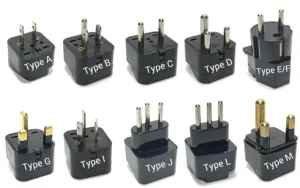
  • Outlet/Plug Types:
    • Type A (two flat pins)
    • Type C (two round pins)
    • Type G (three rectangular pins)
  • Nationwide Standardization: These specifications are consistent across the country, with no significant regional variations.

Device Compatibility & Power Requirements

Dual-Voltage Devices

  • Most modern electronics (smartphones, cameras, GPS units, laptops, power banks) are dual voltage (marked “100–240V, 50/60Hz”) and work directly with Cambodia’s power system.
  • What to check:
    • Look for “100–240V, 50/60Hz” on your device’s charger or power brick.
    • If present, you only need a plug adapter.

Single-Voltage Devices

  • Devices from North America, Japan, or other 110V countries may be single voltage.
  • If your device only supports 110V:
    • You must use a step-down voltage converter to avoid damaging your device.

High-Power Appliances

  • Hair dryers, curling irons, and some electric razors are often single voltage and high wattage.
  • Recommendation:
    • Leave these at home or buy dual-voltage travel versions.

Necessary Adapters & Converters

Plug Adapters

  • Essential for all travelers:
    • If your plug doesn’t match Type A, C, or G, bring a universal travel adapter.
  • Universal adapters are best, as they cover all Cambodian outlet types and often include multiple USB ports for charging several devices at once.
  • Remember:
    • Plug adapters only change the plug shape—they do NOT convert voltage.

Voltage Converters

  • Needed only for single-voltage (110V) devices.
  • Choose a step-down converter if you must bring a non-dual-voltage device.
  • Converters are bulky and not always reliable for high-powered or motorized devices.

Where to Buy

  • Best to purchase before your trip (online or at airports) for quality and selection.
  • Adapters are available in Cambodian cities but may be limited or more expensive.

Power Solutions Specific to Cycling

Power Banks

  • Must-have for cycling travelers:
    • 10,000–30,000mAh capacity recommended for multi-day trips.
    • Choose water-resistant, rugged models for tropical conditions.
    • Rechargeable from Cambodian outlets with a USB wall charger and the right adapter.

Solar Chargers

  • Useful for remote or off-grid travel:
    • Best during the dry season with strong sunlight.
    • Foldable, lightweight panels can recharge power banks or devices directly.
    • Less effective during the rainy season or cloudy days.

Dynamo Hubs

  • Generate power as you ride:
    • Reliable in all weather, unaffected by rain or clouds.
    • Best for charging GPS, lights, or power banks while cycling.
    • Requires installation on your bike and a compatible USB charger.

Charging Strategies

  • Charge at every opportunity:
    • Power outages are common in rural areas.
    • Hotels, guesthouses, and cafes in cities offer reliable charging, but rural options are limited.
  • Carry a multi-port USB charger to maximize charging from a single outlet.
  • Use surge-protected adapters to guard against voltage spikes.

Recommendations for Cycling Travelers

  • Check all device chargers for dual-voltage support (“100–240V, 50/60Hz”).
  • Bring a universal travel adapter compatible with Types A, C, and G.
  • Carry a high-capacity power bank (20,000mAh+ for longer autonomy).
  • Supplement with a solar charger if traveling off-grid, especially in the dry season.
  • Consider a dynamo hub for continuous charging on the move.
  • Use only manufacturer-approved chargers for e-bike batteries and check voltage compatibility.
  • Charge devices whenever possible and never rely solely on finding power in remote regions.
  • Protect electronics from heat, humidity, and rain with waterproof cases and desiccant packs.
  • Avoid charging unattended in areas with unstable power or old wiring.
Currency Exchange

Currency Overview & Denominations

Cambodia uses both the Cambodian Riel (KHR) and the US Dollar (USD) in daily life. Understanding how these currencies work together is crucial for travelers.

Cambodian Riel (KHR)

  • Official national currency.
  • Used for small purchases, local markets, and as change for amounts under $10.
  • Common denominations: 100, 500, 1,000, 2,000, 5,000, 10,000, 20,000, 50,000, and 100,000 riel.
  • No coins in circulation—only banknotes.

US Dollar (USD)

  • Widely accepted for most transactions, especially in cities, hotels, and tourist areas.
  • Common denominations: $10, $20, $50, $100.
  • $1, $2, and $5 bills are being phased out and may be refused.
  • Only clean, undamaged bills are accepted.
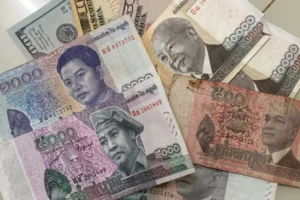
Credit: https://southeastasiabackpacker.com/

💱 Currency Exchange Options & Best Methods

Choosing the right way to exchange money can save you time, hassle, and money—especially on a bike tour.

Best Exchange Options

  • Banks: Safe and reliable, with competitive rates. Found in all major cities. Bring your passport.
  • Licensed Exchange Counters: Often offer the best rates, especially in city centers and markets. Always check for official licensing.
  • ATMs: Widely available in cities and tourist hubs. Dispense both USD and KHR. Expect a $3–$6 fee per withdrawal; withdraw larger amounts to minimize fees.
  • Hotels: Convenient but offer less favorable rates. Use only for small amounts or emergencies.
  • Street Vendors/Unofficial Exchanges: Not recommended due to risks of scams and counterfeit bills.

Best Practices for Currency Exchange

  • Exchange money at banks or licensed counters in cities for the best rates and safety.
  • Avoid exchanging large sums at airports, border crossings, or hotels due to poor rates.
  • Use ATMs attached to bank branches for added security.
  • Always check the condition of USD bills—torn or marked notes may be rejected.
  • Count your cash before leaving the counter and keep receipts.

🛡️ Safety Considerations for Cycling Travelers

Cyclists face unique risks when carrying and exchanging cash. Follow these tips to stay safe:

  • Distribute Cash: Split your money between your person (money belt), bike bags, and accommodation. Never keep all your cash in one place.
  • Use Concealed Storage: Money belts or under-clothing pouches are highly recommended.
  • Plastic Sleeves: Protect bills from sweat and rain.
  • Limit Cash on Hand: Carry only what you need for a few days; keep the rest hidden.
  • ATM Safety: Use ATMs inside banks or shopping centers. Cover your PIN and avoid isolated machines.
  • Be Wary of Scams: Only use reputable exchange services. Inspect all bills you receive.
  • Avoid Displaying Cash: Especially in public or when stopped on the roadside.
  • Prepare for Rural Areas: Withdraw enough cash before leaving urban centers, as ATMs and exchange services are scarce in remote regions.
  • Keep Small Denominations: Essential for small purchases and in rural areas where change may be limited.

🌍 Regional Considerations

Currency use and exchange options vary across Cambodia’s regions:

Urban Centers (Phnom Penh, Siem Reap, Sihanoukville)

  • USD is widely accepted for most transactions.
  • Abundant banks, ATMs, and licensed exchange counters.
  • Digital payments are increasingly accepted in cities.

Rural Areas & Small Towns

  • Riel is the primary currency for nearly all transactions.
  • USD may not be accepted for small purchases.
  • Fewer exchange options and ATMs—plan ahead and carry enough cash.
  • Exchange rates may be less favorable than in cities.

Border Regions

  • Thai Baht and Vietnamese Dong may be accepted near respective borders.
  • Exchange rates at border crossings are usually poor—prepare cash in advance.

Along Cycling Routes

  • Major towns along popular routes have banks, ATMs, and exchange counters.
  • In villages and remote stretches, only cash (preferably Riel) is accepted.

🚴‍♀️ Recommendations for Cycling Travelers

  • Carry a mix of USD and Riel, focusing on small denominations.
  • Budget $30–$100 USD per day depending on your comfort level and route.
  • Use ATMs in cities, but stock up on cash before rural stretches.
  • Rely on cash for most transactions; cards are a backup in larger towns.
  • Keep emergency cash and a spare card separate and secure.
  • Inspect all bills for damage before accepting them.
  • Spend or exchange all Riel before leaving Cambodia, as it cannot be converted abroad.
  • Integrate cash management into your route planning for a smooth cycling adventure.
Food & Water Quality

Food & Safety Landscape

  • Cambodia has modernized its food safety system, notably with the 2022 Law on Food Safety, aligning with international standards and covering the entire food chain.
  • Multiple government agencies oversee food safety, conduct inspections, and issue hygiene certificates, especially in formal settings.
  • Despite progress, enforcement is inconsistent, particularly in informal sectors like street food and rural markets, where foodborne illness outbreaks remain common.
  • Risks are highest in settings with poor hygiene, improper storage, and use of unsafe water or ingredients.

Food Safety in Different Settings

Street Food Vendors & Markets

  • Offer authentic flavors but carry the highest risk due to inconsistent hygiene, lack of refrigeration, and potential cross-contamination.
  • Common issues include use of unclean water, food left exposed, and improper handling of raw meats.
  • Precautions:
    • Choose busy stalls with high turnover and visible cleanliness.
    • Prefer hot, freshly cooked items. Avoid food that’s been sitting out or handled without gloves.
    • Avoid raw or pre-cut fruits and salads unless you peel them yourself.

Local Restaurants

  • Hygiene standards vary widely. Some are clean and busy, others may have poor food handling practices.
  • Certification from the Ministry of Health is a positive sign but not a guarantee.
  • Precautions:
    • Eat at busy, reputable establishments with visible cleanliness.
    • Avoid raw vegetables and salads unless washed with safe water.

Upscale Restaurants & Hotels

  • Generally maintain higher hygiene standards, especially those with international management or certifications.
  • Lower risk of foodborne illness, but buffets can be problematic if food sits out too long.
  • Precautions:
    • Opt for freshly prepared dishes over buffets.
    • Avoid communal serving utensils and always wash hands before eating.

Food Courts

  • Modern food courts in malls may have better oversight, but standards are inconsistent.
  • Precautions:
    • Choose stalls with visible cleanliness and high customer turnover.
    • Avoid food that has been sitting out or is not hot.

Water Quality & Safety

Urban Areas (Phnom Penh, Siem Reap, Sihanoukville)

  • Tap water is treated to meet national and WHO standards, but contamination can occur in distribution pipes.
  • Locals and travelers avoid drinking tap water directly. Bottled or filtered water is the norm.
  • Boiling tap water is a common precaution, but bottled water is widely available.

Rural & Remote Areas

  • Access to safe water is a major challenge. Many rely on rainwater, wells, or surface water, which are often contaminated.
  • Boiling water or using bottled water is essential. Even bottled water can be unreliable, always check seals and consider using personal water filters.

Bottled Water & Ice

  • Bottled water is widely available, but some local brands have failed purity tests. Use reputable brands and check for unbroken seals.
  • Factory-produced ice in cities is generally safe, but avoid ice in rural areas or if unsure of its source.

General Water Safety

  • Use bottled or boiled water for brushing teeth and making drinks.
  • Avoid swimming or wading in lakes, rivers, or ponds due to the risk of parasitic diseases like schistosomiasis.

Common Foodborne & Waterborne Illnesses

  • Traveler’s Diarrhea: Most common, caused by bacteria (E. coli, Salmonella), viruses, or parasites. Symptoms include loose stools, cramps, nausea, and fever.
  • Typhoid & Paratyphoid Fever: Endemic, especially in rural areas. Symptoms include prolonged fever, headache, and abdominal pain.
  • Hepatitis A: Highly endemic, transmitted via contaminated food or water. Causes fever, jaundice, and malaise.
  • Cholera: Risk increases during outbreaks or in areas with poor sanitation.
  • Parasitic Infections: Giardia, Entamoeba, and others are common, especially with exposure to untreated water or raw produce.
  • Other Risks: Leptospirosis, melioidosis, and hepatitis E, especially during the rainy season or after exposure to contaminated water.

Safety Tips & Precautions for Travelers

  • Food Safety:
    • Eat at busy, reputable establishments with visible cleanliness.
    • Choose hot, freshly cooked foods; avoid raw or undercooked meats, seafood, and eggs.
    • Only eat fruits you can peel yourself. Avoid pre-cut fruits and salads unless washed with safe water.
    • Be cautious with dairy and greasy foods if you develop stomach issues.
  • Water Safety:
    • Never drink tap water. Use bottled, boiled, or filtered water.
    • Check bottled water seals and use reputable brands.
    • Avoid ice in rural areas or if unsure of its source.
    • Use safe water for brushing teeth and making drinks.
  • Hand Hygiene:
    • Wash hands with soap and water before eating and after using the restroom.
    • Carry hand sanitizer (at least 60% alcohol) for when soap and water aren’t available.
  • Vaccinations:
    • Get vaccinated for typhoid and hepatitis A; ensure all routine immunizations are up to date.
    • Consider hepatitis B, rabies, and Japanese encephalitis if staying long-term or visiting rural areas.
  • If You Get Sick:
    • For mild diarrhea, stay hydrated with bottled water or oral rehydration salts and eat bland foods.
    • Carry antidiarrheal medication and antibiotics as recommended by your doctor.
    • Seek medical attention for severe symptoms (high fever, blood in stool, persistent vomiting, dehydration).
  • Other Precautions:
    • Avoid swimming in lakes, rivers, or ponds to prevent parasitic infections.
    • Monitor for local outbreaks and follow official health advisories.
    • Obtain comprehensive travel insurance covering medical evacuation.
What do the US Dept of State, US Embassy, and CDC say?

Check out the latest Travel Advisory to Cambodia from the US Dept of State.  Contacts from all US Embassies in Cambodia are listed on the website.  Use the Smart Traveler Enrollment Program (STEP) to inform them of your travels.

Read the Travel Health Notices & suggested vaccinations from the CDC

For the latest updates and resources, visit the U.S. Embassy in Cambodia’s official website: U.S. Embassy & Consulates in Cambodia

Supplement Your Health / Travel Insurance

General Insurance Requirements & Recommendations

  • No Mandatory Insurance for Entry: Cambodia does not require proof of health or travel insurance for tourists. However, the Cambodian Ministry of Tourism and major embassies (US, UK, Australia) strongly advise all visitors to secure comprehensive coverage before arrival .
  • Recommended Coverage Includes:
    • Emergency medical expenses (minimum $50,000 USD)
    • Medical evacuation and repatriation (critical due to limited local facilities)
    • Personal accident and liability
    • Trip cancellation/interruption
    • Baggage and personal belongings (including your bicycle and gear)
    • COVID-19 treatment and related expenses
  • Official Guidance: Insurance should cover all planned activities, especially adventure sports like cycling. Always check for exclusions and policy limits.

Specialized Insurance Options for Cyclists

Velosurance (for U.S. Residents)

  • Comprehensive bicycle insurance covering theft, crash/accidental damage, loss in transit, spare parts, and more. Optional worldwide coverage (including Cambodia), liability, and medical payments.
  • Key Features:
    • Worldwide coverage for theft and damage (with add-on)
    • Transit protection (airlines, shipping, vehicles)
    • E-bike coverage
    • No depreciation on total loss claims
    • Fast online claims
  • Eligibility: U.S. residents only; bike must be registered to a U.S. address.
  • Website: velosurance.com

Sundays Insurance

  • Specialist bicycle and e-bike insurance for theft, accidental/crash damage, custom parts, accessories, and emergency medical expenses. Optional worldwide coverage for up to 90 days abroad.
  • Key Features:
    • Theft protection at home and away (with approved locks)
    • Accidental and crash damage
    • Coverage for custom parts and accessories
    • Event and racing coverage add-ons
    • Rental and event fee reimbursement
    • No premium increase after a claim
  • Eligibility: U.S., UK, Australia, and New Zealand residents.
  • Website: sundaysinsurance.com

World Nomads Insurance

  • Flexible travel insurance for adventurous travelers, including cycling, mountain biking, and bikepacking. Covers emergency medical, evacuation, trip cancellation, and baggage (including bikes and gear).
  • Key Features:
    • Two plan levels (Standard and Explorer)
    • Emergency medical and evacuation (including remote area rescue)
    • Baggage and equipment protection (policy limits apply)
    • 24/7 emergency assistance
    • Online purchase and extension, even while traveling
  • Important: Select cycling as a covered activity and review policy wording for your country of residence.
  • Website: worldnomads.com

Key Considerations for Cycling Travelers in Cambodia

  • Healthcare Quality: Medical facilities are limited, especially outside Phnom Penh and Siem Reap. Serious injuries may require evacuation to Thailand or Singapore.
  • Medical Evacuation: Essential for cyclists, ensure your policy covers air or land evacuation and 24/7 emergency assistance.
  • Cycling Injuries: Risks include road rash, fractures, head injuries, and heat-related illnesses. Choose a policy that covers a wide range of cycling injuries and emergencies.
  • Theft & Equipment Loss: Bicycle and gear theft is a risk, especially in cities. Opt for insurance that covers theft, loss, and damage both in transit and while in use.
  • Road & Weather Risks: Cambodian traffic can be chaotic, and road conditions vary. The rainy season brings flooding and increased accident risk. Make sure your policy covers trip interruption/cancellation due to weather.
  • Remote Areas: If cycling in rural or remote regions, prioritize insurance with robust evacuation and search-and-rescue coverage.

Additional Insurance Options for Cycling Travelers

  • Allianz Travel Insurance: Adventure Pack covers cycling and medical evacuation.
  • SafetyWing: Flexible, subscription-based travel insurance with adventure sports add-on.
  • IMG Global: Adventure sports coverage, medical evacuation, and gear protection.
  • SportsCover Direct: Specialized cycling travel insurance for road, mountain, and touring.
  • VisitorsCoverage: Travel medical and trip insurance, some plans cover adventure sports.
  • Travelex: Travel insurance with medical, baggage, and cancellation coverage.
  • Faye Global: International travel insurance with adventure coverage.
  • Insubuy: Specialized cycling travel insurance for competitive and adventure cycling.
  • Fast Cover (Bicycle Pack): Optional pack for bikes under three years old, covering loss, theft, or damage.

Final Tips for Cycling Travelers

  • Always read the policy wording to confirm cycling and all planned activities are covered.
  • Check for exclusions (e.g., helmet use, professional racing, unattended bikes).
  • Ensure your policy covers the full value of your bicycle and gear.
  • Carry digital and paper copies of your insurance documents and emergency contact numbers.
How to Stay Safe

Road Safety & Traffic Conditions

Road Infrastructure & Hazards

  • Urban Roads: Major cities like Phnom Penh and Siem Reap have improved roads but are congested, lack cycling lanes, and are considered hazardous for cyclists.
  • Rural Roads: Quieter and more scenic, but often poorly maintained, with potholes, mud, and flooding during the rainy season.
  • Traffic Behavior: Drivers frequently ignore traffic laws. Expect unpredictable maneuvers, minimal signaling, and frequent intoxicated driving, especially at night.
  • Cyclist Accident Risk: Cyclists and pedestrians account for 12% of road fatalities; risk is highest in urban areas and after dark.
  • Landmine Risk: Remote and border areas (e.g., near the Thai border, Battambang, Pailin) may have landmines, never leave marked roads or trails.

Safety Equipment & Bicycle Maintenance

Essential Safety Gear

  • Helmet: Bring a high-quality, well-ventilated helmet (not always available for rent).
  • Eyewear: Sunglasses for sun, dust, and debris protection.
  • Gloves: For grip and hand protection.
  • Lights: USB-rechargeable front and rear lights for visibility.
  • Lock: Sturdy lock for urban and overnight security.
  • Rain Gear: Lightweight, waterproof jacket for sudden downpours.
  • First Aid Kit: Include basic medications, antiseptics, and rehydration salts.

Repair & Maintenance

  • Repair Kit: Multi-tool, tire levers, patch kit, spare tubes, mini-pump, chain tool, and spare chain links.
  • Lubricant: Wet/humid-specific chain lube. Clean and lube chain frequently.
  • Spare Parts: Bring unique or hard-to-find parts, especially for high-end bikes.
  • Bike Shops: Good shops in Phnom Penh and Siem Reap; limited options in rural areas.
  • Daily Checks: Inspect tires, brakes, and chain before each ride; clean and dry your bike after wet or muddy rides.

Health & Medical Precautions

Vaccinations & Disease Prevention

  • Vaccines: Ensure you’re up to date on routine vaccines, plus Hepatitis A/B, Typhoid, Japanese Encephalitis (for rural/long stays), Rabies, and COVID-19.
  • Mosquito-Borne Diseases: Malaria (rural/border areas), dengue, chikungunya, and Japanese encephalitis are present. Use DEET repellent, wear long sleeves, and sleep under nets.
  • Food & Water Safety: Drink only bottled/boiled water, avoid ice, and eat well-cooked food. Carry oral rehydration salts and hand sanitizer.
  • Heat Illness: Hydrate frequently, rest in shade, and avoid midday rides during hot months (March–April).
  • Medical Facilities: Limited outside Phnom Penh and Siem Reap. Serious cases may require evacuation to Bangkok or Singapore.
  • Medications: Bring all prescriptions in original packaging; beware of counterfeit drugs locally.

Seasonal Considerations

Weather & Route Planning

  • Dry Season (Nov–Apr): Best for cycling, cooler, drier, and safer roads. March–April can be extremely hot; start rides early.
  • Wet Season (May–Oct): Heavy rains, flooding, and muddy roads, some routes may be impassable. Increased risk of mosquito-borne diseases.
  • Extreme Weather: Avoid cycling during thunderstorms, floods, or extreme heat. Always check weather forecasts and plan accordingly.

Cultural Awareness & Local Customs

Etiquette & Sensitivity

  • Dress Modestly: Cover shoulders and knees, especially in rural areas and religious sites.
  • Temple Visits: Remove shoes and hats, speak quietly, and never touch monks (especially as a woman).
  • Greetings: Use the “Sampeah” (palms together, slight bow) for formal situations.
  • Respect for Elders: Show deference and use polite language.
  • Photography: Always ask permission before photographing people, especially monks or in villages.

Crime Prevention & Personal Safety

Crime Risks & Prevention

  • Petty Theft: Bag snatching, pickpocketing, and phone theft are common in cities and tourist areas.
  • Armed Robbery: Rare but possible, especially at night or in isolated areas.
  • Scams: ATM skimming, fake currency, and rental scams occur, use reputable services and check notes.
  • Accommodation Security: Choose reputable hotels/guesthouses, use safes, and lock doors/windows.
  • Money Safety: Carry minimal cash, use secure ATMs, and never use your passport as collateral.

High-Risk Areas

  • Phnom Penh: Riverfront and nightlife areas are theft hotspots.
  • Sihanoukville: Increased organized crime and scams.
  • Remote/Border Areas: Landmine risk, never leave marked paths.

Insurance & Legal Considerations

Legal Requirements

  • Visa: Required for all travelers; ensure your passport is valid for at least six months.
  • Bicycle Import: No restrictions for personal use. No registration needed for tourists.
  • Traffic Laws: Ride on the right, obey signals, use lights at night. Helmet use is strongly recommended.
  • Police Checkpoints: Carry ID and visa at all times.

Insurance

  • Travel Insurance: Must cover medical expenses, evacuation, and cycling activities.
  • Liability Coverage: Check if your policy covers third-party liability for cycling accidents.
  • Rental Agreements: Never use your passport as collateral; use cash or alternative ID.

Emergency Procedures

  • Emergency Numbers:
    • Police: 117
    • Ambulance: 119
    • Fire: 118
    • Tourist Police: +855 23 724 793 (Phnom Penh), 012 402 424 (Siem Reap)
  • Embassy Support: Register with your embassy and keep contact details handy.

Practical Safety Tips for Cyclists

  • Travel in Groups: Increases visibility and deters theft.
  • Avoid Night Cycling: Poor lighting and increased accident/crime risk.
  • Stay on Marked Roads: Especially in rural/border areas due to landmines.
  • Charge Devices Regularly: Power outages are common in rural areas.
  • Carry Emergency Kit: First aid, water, snacks, and a whistle.
  • Use GPS/Offline Maps: Download maps for areas with poor connectivity.
  • Learn Basic Khmer Phrases: For emergencies and daily interactions.
  • Monitor Local News: For weather, safety, and travel advisories.
Essential Apps

Navigation & Maps

MAPS.ME

  • Why it’s essential: Fully offline maps of Cambodia, including rural and remote areas. Offers turn-by-turn cycling navigation and reliable search even without internet.
  • Android
  • iOS

Komoot

  • Why it’s essential: Advanced route planning for cycling, with surface type info, elevation profiles, and offline navigation. Great for both road and off-road adventures.
  • Android
  • iOS

Ride with GPS

  • Why it’s essential: Built for cyclists, with detailed route planning, offline maps, and a large library of user-curated routes in Cambodia.
  • Android
  • iOS

Bikemap

  • Why it’s essential: Access thousands of cycling routes in Cambodia, filter by surface type, and use offline navigation (premium).
  • Android
  • iOS

🌏 Translation & Language

Google Translate

  • Why it’s essential: Supports Khmer language, works offline (download the Khmer pack), and offers instant camera translation for signs and menus.
  • Android
  • iOS

English Khmer Translator (by Khmer Tool)

  • Why it’s essential: Designed for English-Khmer translation, works fully offline, and includes photo translation for printed Khmer text (Android only).
  • Android

🏨 Accommodation & Local Services

Agoda

  • Why it’s essential: Best coverage of hotels, guesthouses, and hostels in Cambodia, with flexible booking and last-minute deals.
  • Android
  • iOS

Booking.com

  • Why it’s essential: Wide selection of accommodations, real guest reviews, and easy booking management.
  • Android
  • iOS

Airbnb

  • Why it’s essential: Find unique homestays and local experiences, often in areas not covered by hotels.
  • Android
  • iOS

Grab

  • Why it’s essential: Cambodia’s leading ride-hailing and food delivery app. Book tuk-tuks, cars, or order food—especially useful in cities.
  • Android
  • iOS

PassApp

  • Why it’s essential: Local ride-hailing app, especially for tuk-tuks and budget rides in Phnom Penh and Siem Reap.
  • Android
  • iOS

Nham24

  • Why it’s essential: Cambodia’s top food and grocery delivery app, great for rest days or when you need supplies delivered.
  • Android
  • iOS

⛑️ Safety, Weather & Emergency

AccuWeather

  • Why it’s essential: Accurate, hyperlocal weather forecasts and severe weather alerts—crucial for planning safe rides.
  • Android
  • iOS

Smart Traveler

  • Why it’s essential: Official U.S. State Department app with travel advisories, embassy contacts, and emergency info for Cambodia.
  • Android
  • iOS

First Aid – IFRC

  • Why it’s essential: Instant, offline access to first aid instructions for common emergencies, including cycling injuries.
  • Android
  • iOS

GeoSure

  • Why it’s essential: Real-time safety ratings for neighborhoods and cities, including crime and health data—helpful for route planning.
  • Android
  • iOS

🚴‍♀️ Cycling-Specific & Fitness

Strava

  • Why it’s essential: Track your rides, analyze performance, join challenges, and connect with the global cycling community. Works offline for ride recording.
  • Android
  • iOS

ProBikeGarage

  • Why it’s essential: Track bike maintenance, get reminders for servicing, and log component wear—vital for long journeys (Android only).
  • Android

Link My Ride

  • Why it’s essential: Discover and join group rides, connect with local cyclists, and find cycling events—great for meeting others on the road.
  • Android
  • iOS

Resources

How to learn the local language FAST!

Must-Know Khmer Words & Phrases Before Arrival

Familiarize yourself with these essential words and phrases, including phonetic pronunciations and usage notes, to handle common travel situations:

Greetings & Politeness

  • Hello (formal): Chom reap sour (chum-REE-up SOOR)
  • Hello (informal): Sous-dey (soo-SDEY)
  • Goodbye: Lea suhn haey (lee-AH soon HAY)
  • Thank you: Ar-kun (aw-KOON)
  • Please: Som (sa-OHM)
  • Yes (male): Bat (baht)
  • Yes (female): Cha (chah)
  • No: Te (teh)
  • Sorry/Excuse me: Som toh (sohm-TOH)
  • How are you?: Sok sabai? (sok sah-BYE?)
  • I’m fine: Chon sabai (chon sah-BYE)

Numbers (1–10)

  • 1: Muoy (moo-ay)
  • 2: Pii (pee)
  • 3: Bei (bay)
  • 4: Boun (boon)
  • 5: Pram (prahm)
  • 6: Pram muoy (prahm moo-ay)
  • 7: Pram pii (prahm pee)
  • 8: Pram bei (prahm bay)
  • 9: Pram boun (prahm boon)
  • 10: Dop (dop)

Directions & Transportation

  • Where is…? Nov e na…? (nohv ay NAH)
  • Go straight: Tov trong (tov trohng)
  • Turn left/right: Baht schweng/saddam (baht shweng/sah-dahm)
  • Stop: Chop (chop)
  • Tuk-tuk: Tuk-tuk (took-took)
  • Hotel: Son-tha-kea (son-tha-kea)

Food & Shopping

  • Menu: Meunouy (meu-nouy)
  • Water: Teuk (tuke)
  • Rice: Bai (bye)
  • How much is this?: Tamlai ponman? (tam-LAY pohn-MAHN?)
  • Bill, please: Som kit luy (som kit loo-ee)
  • Market: Psar (psar)
  • Cheap/Expensive: Thaok/Thlai (thaok/thlai)

Emergencies

  • Help!: Chuoy khnhom phang (chuoy khnhom phang)
  • I need a doctor: K’nyom trouv krouh peit (k’nyom trov krouh peit)
  • I’m lost: K’nyom vung vehng plouv (k’nyom vung vehng plouv)

Tip: Cambodians appreciate any effort to speak Khmer, even if imperfect. Use polite forms and smile!


Top Mobile Apps for Learning Khmer

  • Ling – Learn Khmer
    • Interactive lessons, native audio, conversation practice, offline access
    • Free version; full access from $14.99/month or $79/year
  • KHMER Language – Cambodia
    • 275+ essential words/phrases, native audio, works offline
    • Free basic; $3.99 for full version
  • Learn Khmer Language Offline (Eduven)
    • 2,000+ words, audio, images, offline, multi-language support
    • Free with ads; in-app purchases
  • Learn Khmer Speak & Listen (iVoca)
    • Video-based lessons, AI pronunciation feedback, progress tracking

For real conversation practice, try HelloTalk to chat with native speakers.


Online Resources & Tools

  • Loecsen Khmer Course: Free, audio-based phrasebook for travelers
  • KhmerLessons.com: Online lessons with native tutors, flexible scheduling
  • SpeakLikeKhmer.com: Group/private Zoom lessons, cultural immersion
  • SEAlang Khmer-English Dictionary: Comprehensive online dictionary
  • YouTube Channels:
    • Dara Yin (700+ videos, pronunciation, conversation)
    • Khmer Lesson (practical travel scenarios)
  • Podcasts:
    • Rean Podcast (casual Khmer conversations)
    • RFI Khmer (news, culture, listening practice)
  • Community:
    • Reddit r/learnkhmer, Facebook “Learn Khmer Online” group

Formal Khmer Language Courses

  • Be Like Khmer Language School: Survival courses (2 hours/day, $280/month), in-person or online
  • Gateway to Khmer (G2K): Kickstart Khmer (2-week basics), hybrid options from $195
  • Speak Like Khmer: Intensive and part-time survival courses, from $85/month
  • Royal University of Phnom Penh: Khmer for Foreigners, 8–10 week levels, $200/level
  • Private Tutors: $5–$10/hour, flexible scheduling (find via Preply, SuperPROF)
  • Online Courses: Udemy, Live Lingua (free), Preply

For rapid progress, consider daily private lessons or intensive group courses during your stay.


Effective Methods & 30-Day Step-by-Step Plan

Key Strategies

  • Prioritize practical vocabulary (greetings, numbers, food, directions)
  • Master pronunciation early with audio and repetition
  • Practice daily (15–30 minutes minimum)
  • Immerse yourself: watch Khmer videos, listen to podcasts, speak with locals
  • Use memory techniques: flashcards, spaced repetition, mnemonics
  • Track progress and celebrate milestones

30-Day Plan Outline

Week 1: Foundations

  • Focus: Greetings, numbers, polite phrases
  • Method: Listen and repeat audio, use flashcards, practice aloud

Week 2: Daily Life

  • Focus: Directions, food, shopping, transportation
  • Method: Role-play scenarios, label items, join online exchanges

Week 3: Immersion

  • Focus: Expand vocabulary, basic grammar, cultural etiquette
  • Method: Watch Khmer media, practice with a tutor, review with spaced repetition

Week 4: Real-Life Practice

  • Focus: Conversation, review, confidence
  • Method: Simulate travel situations, record yourself, spend a day using only Khmer

Cycling Influencers and Content Creators in Cambodia

1. Tev Dararith

  • Instagram: @dararithtiv
  • Youtube: @dararithtiv
  • Summary: A prominent Cambodian long-distance cyclist and humanitarian traveler known for undertaking epic rides across Southeast Asia to raise funds for children’s hospitals.

2. Cambo Vlogs

  • Instagram: @cambovlogs
  • Youtube: @CamboVlogs
  • Summary: A channel that documents real-life adventures and travel experiences throughout Cambodia, frequently featuring challenging motorcycle, cycling, and off-road trips.

Travel Influencers and Vlogging Personalities

1. Travelwithchris

  • Instagram: @Whichchris_
  • Youtube: @Travelwithchris
  • Summary: A popular travel vlogger who has been dubbed “Cambodia’s favourite YouTuber,” known for frequent and deep dives into local Cambodian culture, cuisine, and lifestyle.

2. Pov Arun

  • Instagram: @arunpov_photographer
  • Youtube: @arunpov
  • Summary: A prominent Cambodian cinematographer and photographer dedicated to promoting cultural and natural tourism sites, with a focus on Siem Reap and the Angkor area.

3. Sophie Sin

  • Instagram: @sophiepetunia
  • Summary: A Cambodian lifestyle and travel creator known for stylish visual content that highlights hotels, cafes, and scenic locations across the Kingdom.

Official Cambodia Tourism & Government Resources

1. Tourism of Cambodia

  • Website: tourismcambodia.com
  • Summary: The official tourism website for the Kingdom of Cambodia, offering information on destinations, attractions (including a section on cycling and biking), and travel essentials.

2. eVisa Kingdom of Cambodia

  • Website: evisa.gov.kh
  • Summary: The official government portal for applying for an electronic visa (e-Visa) for single-entry tourist or business purposes, which is essential for most international visitors.

3. Cambodia Tourism Board

  • Website: ctb.gov.kh
  • Summary: The official board website providing the latest news, events, and strategic initiatives to foster tourism development across the country.

4. Department of Kampot Tourism

  • Website: https://kampottourism.gov.kh/
  • Summary: Official tourism department for Kampot Province providing local tourism info, attractions, and community highlights.

Popular Cambodia General Travel Blogs & Guides

The Blonde Abroad (Cambodia Guides)

  • Website: theblondeabroad.com
  • Summary: A highly influential female solo travel blog offering detailed guides and personal accounts of destinations in Cambodia, like Kampot, with a focus on ethical travel.

Templeseeker (Cambodia Guides)

  • Website: templeseeker.com
  • Summary: Provides honest, in-depth reviews and guides on Cambodian destinations, covering historical sites like Angkor Wat, city life in Phnom Penh, and travel challenges.

Backpacking with a Book (Cambodia Itinerary)

  • Website: backpackingwithabook.com
  • Summary: Offers a comprehensive, budget-friendly itinerary guide for Cambodia, covering the major cities (Phnom Penh, Siem Reap) and popular destinations like Battambang.
Cycling and Travel Brands in the country

Local Cycling & Logistics Support

Flying Bikes Cambodia

  • Website: flyingbikes2.com
  • Summary: A key local cycling retailer and service center that provides maintenance, repairs, and high-quality parts, which is essential for long-distance bike tourists.

Local Social Enterprise & Craft Products

Artisans Angkor

  • Website: artisans-angkor.com
  • Summary: A major social enterprise dedicated to reviving traditional Khmer crafts (silk, wood carving, lacquerware) that employs and trains thousands of local artisans.

Smateria

  • Website: smateria.com
  • Summary: A women-owned business that creates high-quality, durable bags, including backpacks and totes, using recycled and upcycled materials like net and moto seats.

Hop on your bike and join the adventure with Cycle Travel Club's thrilling hosted tours throughout the year!

  • Cycle The Myth: Peloponnese, Greece

    From$2,600
    Availability : July 30 - Aug 15, 2025
    Delhi, Manali to Leh, India
    Experience the bustling chaos and historic majesty of Delhi’s ancient streets before embarking on one of the world’s most epicView Tour
  • Golden Triangle + Himalayan Cycling Adventure

    From$2,600
    Availability : July 30 - Aug 15, 2025
    Delhi, Manali to Leh, India
    Experience the bustling chaos and historic majesty of Delhi’s ancient streets before embarking on one of the world’s most epicView Tour
  • Munnar, India

    Kerala Spice Trail Cycling Tour

    From$1,750
    Availability : January 15 - 25, 2026
    Kerala, India
    Kerala, aka “God’s Own Country”, is known for stunning landscapes, serene backwaters, vibrant culture, & diverse cycling routes through tropicalView Tour
Pedal Deeper into Adventure
Read more about epic Destinations here....

Join the Cycle Travel Club!

Proceed Booking