Redshift Sports Mousetrap Review for Cycling Travelers (2026) The Sound...
Read More
Local Emergencies
Emergency Contact Numbers
- 999 – National Emergency Helpline (Police, Fire, Ambulance; 24/7, English support available)
- 01713-374364 – Sylhet Metropolitan Police Foreigners Help Desk (24/7, English-speaking officers)
- +8801320222222 – Tourist Police Helpline (24/7, English support)
- 16263 – National Health Helpline (medical advice, hospital info, ambulance)
- 199 – Fire Service and Ambulance Hotline
- 09666789333 – Tourist Information for Expatriates (24/7, English support)
Foreign-Friendly Hospitals in Sylhet
Jalalabad Ragib-Rabeya Medical College & Hospital
- Website: jrrmc.edu.bd
- Phone: +880 1722 255233
- Address: Ragib-Rabeya Medical College Road, Pathantula, Sylhet 3100, Bangladesh
- Services: 24/7 emergency, trauma/orthopedics, English-speaking staff, international patient care
Al Haramain Hospital Pvt. Ltd.
- Website: haramainhospital.com
- Phone: 10607, +880 1931 225555, +880 821 729981
- Address: Kazi Tower, Samato-30, Chali Bandar, Bishwa Road, Subhani Ghat, Sylhet 3100, Bangladesh
- Services: 24/7 emergency, trauma, critical care, English-speaking staff
Mount Adora Hospital (Akhaliya & Nayasarak)
- Website: mountadorahospital.com
- Phone (Akhaliya): +880 1707 079717, 09610 848484
- Phone (Nayasarak): +880 1786 637476, 09610 858585
- Address: Akhalia, Sylhet-Sunamganj Road, and Nayasarak Rd, Sylhet 3100, Bangladesh
- Services: 24/7 emergency, trauma, ICU, English-speaking staff
Oasis Hospital
- Website: oasishospitalbd.com
- Phone: (+88) 01611 99 0000 (24 hours)
- Address: Subhanighat, Bishwa Road, Sylhet 3100, Bangladesh
- Services: 24/7 emergency, trauma, orthopedics, English-speaking staff
Ibn Sina Hospital Sylhet Limited
- Website: ibnsinahospital.com/sylhet
- Phone: +880 821 727933-42, +880 1713 301523
- Address: Mirabazar-Subhanighat Rd, Sylhet 3100, Bangladesh
- Services: 24/7 emergency, trauma, English-speaking staff
Parkview Medical College and Hospital
- Website: parkviewmedicalcollege.edu.bd
- Phone: 0821-728587, 01715-944733
- Address: VIP Rd, Sylhet 3100, Bangladesh
- Services: 24/7 emergency, ICU, trauma care
Sylhet MAG Osmani Medical College Hospital
- Website: somch.gov.bd
- Phone: +88 0821 717055, +88 0821 717051
- Address: New Medical Road, Kajalshah, Sylhet Sadar, Sylhet 3100, Bangladesh
- Services: 24/7 emergency, trauma, foreigner help desk
Consular Assistance
US Embassy (serving Sylhet)
- Website: bd.usembassy.gov
- Phone: +88 02 5566-2000 (24/7, press “3” after hours)
- Address: Madani Avenue, Baridhara, Dhaka 1212, Bangladesh
- Email: DhakaACS@state.gov
UK Consular Office in Sylhet
- Website: gov.uk
- Phone: (+880) 2 55668700
- Address: 7th Floor, Nirvana Inn, Mirza Jungle Road, Ramerdhigir par, Sylhet 3100, Bangladesh
Canada High Commission (Dhaka)
- Website: international.gc.ca
- Phone: +880 2 5566 8444
Australia High Commission (Dhaka)
- Website: bangladesh.embassy.gov.au
- Phone: +880 2 8813105Germany Embassy (Dhaka)
- Phone: +880 2 8853521–24
France Embassy (Dhaka)
- Phone: +880 2 8813811–14
For other countries’ embassies, refer to Embassy Finder for a complete list.
Travel Insurance: Velosurance, Sunday’s Insurance, World Nomads
Velosurance
- Website: velosurance.com
- Emergency Claims: +1-800-362-7535
- Coverage: US residents only; must add worldwide coverage for Bangladesh. Covers theft, damage, medical payments, and liability. Police report required for claims.
Sunday’s Insurance
- Website: sundaysinsurance.com
- Emergency Claims: +1-805-448-6558
- Coverage: US, UK, Australia, NZ residents. Add worldwide coverage for Bangladesh. Covers theft, damage, accessories, and medical payments. Police report required for claims.
World Nomads
- Website: worldnomads.com
- Emergency Assistance: +1-954-334-8143 (collect, outside US), +1-877-289-0968 (US/Canada)
- Claims: +1-844-207-1930
- Coverage: Most nationalities; covers medical emergencies, evacuation, cycling accidents, and gear (if declared at purchase).Emergency Procedures for Cyclists
- Move to Safety: Get yourself and your bike off the road to avoid further danger.
- Assess Injuries: Check for injuries. For serious cases, do not move the injured unless necessary.
- Call for Help: Dial 999 for police, ambulance, or fire. Clearly state your location and request English support if needed.
- First Aid: Administer basic first aid if trained. For bleeding, apply pressure, for fractures, immobilize the limb.
- Document the Scene: Take photos of the accident, injuries, and surroundings for insurance and police reports.
- Wait for Authorities: Remain at the scene until help arrives. Cooperate fully and provide identification.
- Report Theft: If your bike or belongings are stolen, report immediately to the police and request a written report.
- Mechanical Breakdowns: Move to a safe area, attempt repairs with your kit, or seek help from local workshops. Use ride-hailing apps for transport if needed.
- Contact Insurance: Notify your insurer as soon as possible, providing all required documentation.
Preventative Measures
- Personal Security: Stay alert, avoid night cycling, and secure your bike with a high-quality lock.
- Health: Stay up to date on vaccinations, use insect repellent, drink bottled/boiled water, and carry a first aid kit.
- Weather: Avoid cycling during monsoon (June–September). Check weather forecasts before rides.
- Road Safety: Wear a helmet, high-visibility clothing, and use lights. Avoid night riding and congested highways.
- Equipment: Carry repair tools, spare tubes, and a power bank. Use waterproof gear during the rainy season.
- Travel in Groups: Safer in remote or rural areas.
- Share Itinerary: Inform someone of your route and expected return.
Cultural and Legal Considerations
- Dress Modestly: Cover shoulders and legs, especially in rural or religious areas.
- Behavior: Remain calm and respectful with authorities, avoid confrontation.
- Identification: Always carry a copy of your passport and visa.
- Legal Rights: If detained, request consular notification. Comply with local laws and police instructions.
- Communication: Use simple English, translation apps, and non-verbal cues. Use your right hand when handing over documents.
- Community Response: Crowds may gather after accidents. If you feel unsafe, seek shelter at a police station.
Additional Resources
- BDCyclists: bdcyclists.com | facebook.com
- Bangladesh Police Expatriate Help Cell: police.gov.bd
- Bangladesh Meteorological Department: bmd.gov.bd
- CDC Traveler’s Health: wwwnc.cdc.gov
- Ride-Hailing Apps: Uber, Pathao, Shohoz
- Smart Traveler Enrollment Program (US): step.state.gov
- UK FCDO Travel Advice: gov.uk
Do I need a Visa to Enter?
Visa Overview & Types
Bangladesh offers several visa categories, each tailored to the purpose of your visit:
- Tourist Visa: For leisure, sightseeing, or visiting friends/family.
- Business Visa: For business meetings, trade, or conferences.
- Employment/Work Visa: For those employed in Bangladesh.
- Student Visa: For study at Bangladeshi institutions.
- Transit Visa: For short stays while transiting.
- Journalist/NGO/Volunteer Visas: For media or NGO work.
- No Visa Required (NVR): For foreign nationals of Bangladeshi origin and their families.
- Visa on Arrival (VOA): Available to citizens of many countries for short visits (see below).
Visa Requirements for US Citizens
US citizens must obtain a visa to enter Bangladesh.
There are two main options:
1. Advance Visa (Recommended)
- Apply Online: Bangladesh Visa Portal
- Submit Documents: Print the form and submit with required documents to the nearest Bangladesh Embassy/Consulate (in person or by mail).
- Processing Time: 10–15 business days (may be longer if additional clearance is needed).
- Visa Types: Tourist, Business, Work, Official, NVR (for Bangladeshi origin).
- Fees:
- Tourist/Business: $160
- Work: $190
- NVR: Varies, contact embassy
2. Visa on Arrival (VOA)
- Eligibility: US citizens are eligible for VOA for tourism, business, investment, or official work.
- Where: Available at major airports (e.g., Dhaka) and some land ports.
- Duration: Single entry, up to 30 days (extendable once for another 30 days).
- Fee: $50 (plus tax), payable in cash (USD, Euro, or Pound Sterling).
- Required Documents:
- Passport (valid 6+ months, 2 blank pages)
- Return/onward ticket
- Proof of accommodation or invitation
- Proof of sufficient funds (min. $500 or credit card)
- Discretion: Issuance is at the discretion of the immigration officer, not guaranteed.
3. No Visa Required (NVR) Seal
- For US citizens of Bangladeshi origin, their spouses, and children.
- Allows unlimited entries for the validity of the passport.
Visa Requirements for Non-US Citizens
Visa requirements vary by nationality. Here’s a breakdown for major groups:
1. European Union (EU) & Canadian Citizens
- Visa on Arrival: Eligible for up to 30 days (tourism, business, investment, official).
- Required Documents: Passport (6+ months validity), return ticket, proof of accommodation/invitation, sufficient funds.
- Fee: US$51 or €51, cash.
- Extension: Possible for another 30 days in Dhaka.
- Advance Visa: Optional; can apply at Bangladeshi embassies/consulates.
2. Indian Citizens
- Visa Required: Must apply in advance. VOA not available for ordinary passport holders.
- Fee: No visa fee for Indian citizens.
- Application: Online at visa.gov.bd, submit to Bangladesh High Commission/Consulates in India.
- Diplomatic/Official Passports: Exempt for stays up to 45 days.
- NVR: Available for Indian spouses/children of Bangladeshi citizens.
3. SAARC Countries & Others
- SAARC Nationals: Special arrangements (e.g., Bhutan: VOA without fees; Maldives: no visa for up to 90 days).
- Other Major Countries (Australia, Japan, Singapore, etc.): VOA available for 30 days, extendable.
4. Israeli Citizens
- Entry and transit are refused.
Check the Passport Index to see if your passport has visa requirements for this country.
General Visa Application Requirements
All applicants (regardless of nationality) must provide:
- Passport: Valid for at least 6 months, with 2 blank pages.
- Visa Application Form: Complete online at visa.gov.bd, print and sign.
- Photographs: Two recent passport-size photos (35x45mm, white background).
- Proof of Payment: As per embassy/consulate instructions.
- Supporting Documents: Vary by visa type (see below).
- Proof of Accommodation: Hotel booking or invitation letter.
- Return/Onward Ticket: Required for most visa types.
- Proof of Funds: Minimum $500 or equivalent for VOA.
- Additional Documents: May be requested (e.g., employment contract, admission letter, marriage certificate).
Step-by-Step Application Guide
A. Regular Visa (Embassy/Consulate)
- Complete Online Application: visa.gov.bd
- Print & Sign: The completed form.
- Gather Documents: As per visa category.
- Submit Application: In person or by mail to the nearest Bangladesh mission.
- Pay Fees: As instructed (cash, bank draft, etc.)
- Interview: If requested by the consular officer.
- Collect Passport: In person or by post.
B. Visa on Arrival (VOA)
- (Optional) Pre-register: VOA Registration
- Arrive in Bangladesh: Go to the VOA counter.
- Submit Documents: Passport, photo, proof of funds, return ticket, invitation (if applicable).
- Pay Fee: $50 (cash) at the airport bank counter.
- Receive Visa: Present receipt and get visa stamp.
- Proceed to Immigration: Complete entry formalities.
Important Official Links & Contacts
- Bangladesh Visa Application Portal: visa.gov.bd
- Visa on Arrival Guidelines: voa.specialbranch.gov.bd
- Ministry of Foreign Affairs, Bangladesh: mofa.gov.bd
Cell Phone & Wifi Access
Mobile Network Coverage & Providers
Bangladesh’s mobile network is robust in cities and along major roads, but can be less reliable in remote or hilly areas. Four main operators serve the country:
Grameenphone (GP)
- Widest 4G coverage, including rural and coastal regions.
- Limited 5G in select urban/tourist areas.
- eSIM support for compatible devices.
- Website: grameenphone.com
Robi
- 4G coverage in all districts, strong indoor/urban performance.
- 5G-ready in major cities.
- Website: robi.com.bd
Banglalink
- Nationwide 4G, expanding rural reach.
- No 5G as of late 2025.
- Website: banglalink.net
Teletalk
- State-owned, best for remote/rural access (e.g., Sundarbans).
- Budget-friendly, but slower speeds.
- Website: teletalk.com.bd
Prepaid SIM Card Options for Tourists
Tourists can easily get prepaid SIM cards or eSIMs with generous data packages. Here’s what you need to know:
Physical SIM Cards
- Where to Buy:
- Airport kiosks (Dhaka, Chittagong, Sylhet) right after customs.
- Official operator stores in all major cities and tourist areas.
- Authorized mobile shops nationwide.
- Required Documents:
- Passport (with visa/entry stamp).
- 1–2 passport-sized photos (available at airport booths).
- Local address (hotel booking is accepted).
- Biometric verification (fingerprint scan).
- Activation:
- Usually instant, but can take up to 2–4 hours.
- Staff will activate and test the SIM for you.
- Top-Up: Widely available at phone shops, corner stores, and online. Ask for “flexi-load” (Grameenphone), “EasyLoad” (Robi), etc.
eSIM Options for Tourists
eSIMs are a convenient, instant-activation alternative for travelers with compatible devices.
- International eSIM Providers:
- Airalo, Holafly, BitJoy, Nomad, SimOptions, and others.
- Data-only plans: 1–20 GB (7–30 days) from $5.60–$45.10 USD.
- Unlimited data (Holafly): $64.90/month.
- How to Purchase & Activate:
- Buy online before or after arrival.
- Receive a QR code by email.
- Scan QR code in your phone’s settings to activate (2–5 minutes).
- No local documentation or in-person registration needed.
- Device Compatibility: iPhone XS/XR and newer, Samsung Galaxy S20+ and newer, Google Pixel 3+, and select other models.
WiFi Availability Across Bangladesh
Urban Areas
- Hotels: Free WiFi is standard in mid-range and high-end hotels. Budget hotels often provide it too.
- Cafes & Restaurants: Major chains and many local spots in cities offer free WiFi.
- Shopping Malls & Public Spaces: Free WiFi in large malls, libraries, and some tourist attractions.
- Speed & Reliability: Urban WiFi is generally fast (20–50 Mbps) and reliable, but occasional power outages can disrupt service.
Rural & Remote Areas
- Limited WiFi: Rare outside towns and market centers.
- Mobile Data: Your primary internet source, coverage may drop to 2G/3G in remote or hilly regions.
- Community WiFi Initiatives: Some villages have pay-per-use WiFi, but this is not widespread.
Special Considerations for Cyclists
- Coverage on Cycling Routes:
- Main roads and cities: Strong 4G.
- Rural/remote: Expect slower 2G/3G or occasional dead zones, especially in the Chittagong Hill Tracts, Sundarbans, and islands.
- Power Solutions:
- Carry a high-capacity power bank (10,000mAh+).
- Consider a dynamo hub or solar charger for multi-day rides.
- Backup Communication:
- Carry SIMs from two different operators for maximum coverage.
- In extreme remoteness, satellite internet (Starlink) is available but expensive.
- Emergency Calls: 999 works on any network with signal, even without credit.
- Community Support:
- Join local cycling groups (e.g., BDCyclists on Facebook) for route and safety tips.
- Share your route and emergency contacts before long rides.
Are your Electronics Compatible?
Electrical System Specifications in Bangladesh
- Voltage: 220V (sometimes cited as 230V)
- Frequency: 50 Hz
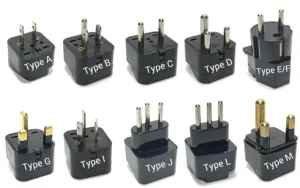
- Plug/Outlet Types:
- Type C: Two round pins (Europlug)
- Type D: Three round pins (South Asian standard)
- Type G: Three rectangular pins (UK standard)
- Type K: Three round pins (Danish/Bangladesh variant)
- Grid Reliability:
- Frequent power outages, especially in rural areas (up to 7–8 hours/day)
- Voltage and frequency fluctuations are common
- Urban areas have better but still inconsistent supply
Device Compatibility & Power Requirements
Common Cycling Electronics
Smartphone
- Charging Input: 5V USB (A/C)
- Typical Power Source: Power bank, wall charger
- Dual Voltage: Yes (100–240V AC)
GPS Unit
- Charging Input: 5V USB (A/C/micro)
- Typical Power Source: Power bank, dynamo, wall
- Dual Voltage: Yes
Action Camera (GoPro)
- Charging Input: 5V USB-C
- Typical Power Source: Power bank, wall charger
- Dual Voltage: Yes
Bike Lights
- Charging Input: 5V USB
- Typical Power Source: Power bank, dynamo, wall
- Dual Voltage: Yes
Power Bank
- Charging Input: 5V USB
- Typical Power Source: Wall charger, solar, dynamo
- Dual Voltage: Yes
E-Bike Battery
- Charging Input: 36–48V DC (AC in)
- Typical Power Source: Wall charger (AC)
- Dual Voltage: Check label
Fitness Tracker
- Charging Input: 5V USB
- Typical Power Source: Power bank, wall charger
Dual Voltage: Yes
- Most modern cycling electronics are dual voltage (100–240V, 50/60Hz) and only require a plug adapter.
- E-bike batteries require a dedicated charger; check for 220V compatibility.
Necessary Adapters and Converters
Plug Adapters
- Required for: All travelers whose device plugs do not match Type C, D, G, or K outlets.
- Universal travel adapters are highly recommended for flexibility and surge protection.
- Recommended models:
- Ceptics 220V to 110V Converter (with surge protection)
- BESTEK Universal Adapter (multi-port, surge protection)
- TESSAN Universal Adapter (supports Type D, compact)
- EPICKA/Jmfone Universal Adapter (multi-USB, surge protection)
Voltage Converters
- When needed:
- Only if your device is single voltage (110V/120V only, common in North America).
- Most USB-powered devices and modern chargers are dual voltage—check your device label.
- Not needed for: Phones, GPS, cameras, power banks, and most cycling electronics.
Surge Protection
- Essential due to frequent voltage spikes and unstable grid.
- Choose adapters with built-in surge protection and safety certifications (CE, FCC, ETL).
Power Solutions Specific to Cycling
1. Hub Dynamo Systems
- What: Front wheel hub generates 6V/3W AC power while riding.
- How: Paired with a USB converter (e.g., Sinewave Revolution, Cinq Plug5 Plus) to charge devices or a buffer battery.
- Pros: Reliable, all-weather, self-sufficient charging for phones, GPS, lights.
- Cons: Requires wheel build or replacement; initial investment.
2. Bottle Dynamos
- What: Side-mounted dynamo on fork or seat stay.
- How: Generates 6V/3W (some up to 12V/6W) for lights and basic charging.
- Pros: Retrofit to existing bikes.
- Cons: Less efficient, more friction, best for lighting.
3. Solar Panels
- What: Foldable, weather-resistant panels (20W+ recommended).
- How: Charge a power bank during the day; use the bank to charge devices.
- Pros: Useful for remote or off-grid travel.
- Cons: Weather-dependent; less effective in monsoon/cloudy conditions.
4. High-Capacity Power Banks
- Specs: 10,000–30,000mAh, multiple USB ports, rugged/water-resistant (IP65+).
- Use: Charge all devices overnight or during outages; essential for multi-day trips.
- Features: Fast-charging (PD, QC), pass-through charging, multiple outputs.
5. Multi-Port USB Chargers
- Why: Charge several devices at once when grid power is available.
- Tip: Use whenever you have access to reliable power (hotels, guesthouses, cafes).
Environmental & Practical Considerations
- Power Outages: Charge whenever possible. Don’t wait until devices are empty.
- Humidity & Rain: Use waterproof/dustproof cases and dry bags for all electronics.
- Voltage Fluctuations: Always use surge-protected adapters.
- Charging in Rural Areas: Be prepared to ask for permission to use outlets. Offer a small payment if needed.
- Device Protection: Use rugged, shockproof, and water-resistant gear (IP65+ recommended).
Recommendations for Cycling Travelers in Bangladesh
- Bring a universal adapter supporting Type C, D, G, and K with surge protection.
- Verify all devices are dual voltage (100–240V, 50/60Hz). If not, pack a reliable voltage converter.
- Carry at least one high-capacity, rugged power bank (20,000mAh+).
- Consider a hub dynamo system for self-sufficient charging, especially for long tours.
- Supplement with a solar panel if you expect to be off-grid for extended periods.
- Use multi-port chargers to maximize charging opportunities during grid access.
- Protect devices from water and dust, especially during the monsoon.
- Charge opportunistically, top up whenever power is available.
- Inspect outlets before use and avoid visibly damaged or loose sockets.
- Carry backup cables and a spare adapter in case of loss or failure.
Currency Exchange
Currency Overview: The Bangladeshi Taka (BDT)
- Currency Name: Bangladeshi Taka
- Symbol: ৳ or Tk
- ISO Code: BDT
- Subunit: 1 Taka = 100 poisha (poisha coins are now rarely used)
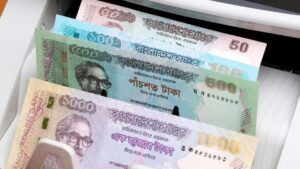
Banknote Denominations in Circulation: ৳2, ৳5, ৳10, ৳20, ৳50, ৳100, ৳200, ৳500, ৳1000
Coin Denominations in Circulation: ৳1, ৳2, ৳5
Note: Lower-value poisha coins are technically legal but almost never used in daily life.
Currency Exchange Options in Bangladesh
1. ATMs (Automated Teller Machines)
- Widely available in major cities and tourist areas.
- Accept international cards (Visa, MasterCard, AmEx).
- Offer the best exchange rates (close to mid-market).
- Local ATM fees can be up to 500 BDT per transaction.
- Not reliable in rural or remote areas, plan withdrawals accordingly.
2. Banks
- Found in all cities and larger towns.
- Exchange major foreign currencies (USD, EUR, GBP).
- Require your passport for transactions.
- Official, secure, and reliable, but limited hours (usually Sunday–Thursday, 9am–3pm).
- Not available in rural areas.
3. Authorized Money Changers
- Located in city centers, tourist districts, and some border towns.
- Fast service, competitive rates, and longer hours than banks.
- Always use licensed, reputable changers, avoid street exchangers.
4. Airport Exchange Counters
- Convenient for immediate cash needs upon arrival.
- Offer less favorable rates and higher fees.
- Best for small amounts only (e.g., taxi fare, first meal).
5. Digital & Mobile Payment Options
- International travel cards (e.g., Wise, Revolut) work at ATMs and some shops.
- Local mobile wallets (bKash, Nagad) are popular but require a Bangladeshi SIM and ID, usually not practical for short-term visitors.
Best Practices for Currency Exchange
- Use ATMs in major cities for the best rates and convenience. Withdraw enough cash before heading into rural areas.
- Exchange only at banks or authorized money changers. Never use street exchangers or accept “special rate” offers from strangers.
- Avoid exchanging large sums at airports or hotels due to poor rates and high fees.
- Always check the current exchange rate before exchanging money.
- Count your money and request a receipt before leaving the counter.
- Carry your passport when exchanging money at banks or official changers.
- Keep all exchange receipts, you may need them for reconversion or proof of funds.
- Declare amounts over US$5,000 (or equivalent) on arrival and keep the declaration form.
Safety Considerations for Cycling Travelers
- Carry only what you need: Limit the amount of cash on your person. For longer rural stretches, split your cash into several hidden stashes.
- Use a concealed money belt or neck wallet for your main cash reserve.
- Distribute cash across different bags (e.g., some in a pannier, some on your person, some in a hidden compartment).
- Avoid displaying large amounts of cash in public or at exchange counters.
- Use lockable or anti-theft bags for added security.
- Be discreet and alert when withdrawing cash from ATMs, prefer machines inside banks or shopping centers.
- Have a dummy wallet with a small amount of cash and expired cards to hand over in case of robbery.
- Keep emergency cash in a separate, hard-to-find spot.
- If money is stolen: Report to local police, contact your embassy, and use digital transfer services (like Wise) for emergency funds.
Regional Considerations
- Urban Areas (Dhaka, Chittagong, Sylhet, Khulna):
- Easy access to ATMs, banks, and money changers.
- Card payments accepted in hotels, restaurants, and shops.
- Tourist Areas (Cox’s Bazar, Sylhet, Chittagong): Good coverage of ATMs and exchange services, but still carry some cash.
- Rural Areas and Small Towns:
- Very limited or no access to ATMs or money changers.
- Cash is essential for all transactions.
- Withdraw or exchange enough cash before leaving urban centers.
- Border Regions:
- Some exchange booths at major crossings, but rates are often worse than in cities.
- Do not rely on border posts for major currency needs.
Recommendations for Cycling Travelers
- Plan your cash needs before leaving cities, always have enough for several days in rural areas.
- Use ATMs in cities for the best rates, but be mindful of withdrawal fees and limits.
- Exchange a small amount at the airport for immediate expenses, then seek better rates in the city.
- Carry a mix of cash and cards for flexibility and security.
- Download offline maps and banking apps to locate ATMs and branches along your route.
- Monitor exchange rates using apps or online tools to get the best value.
- Stay vigilant, secure your cash, avoid risky areas at night, and never leave valuables unattended.
Food & Water Quality
Food & Safety Landscape
Bangladesh’s food scene is rich and diverse, but food safety standards and enforcement vary widely. The Bangladesh Food Safety Authority (BFSA) has made progress in aligning regulations with international standards, but challenges remain, especially in informal sectors and rural areas. Food adulteration, poor hygiene, and limited regulatory oversight are ongoing issues, particularly in street food and local markets. While high-end hotels and restaurants generally maintain better standards, no setting is entirely risk-free.
Food Safety in Different Settings
High-End Restaurants & Hotels
- Generally maintain higher hygiene standards, with better infrastructure and staff training.
- More likely to use clean water, proper refrigeration, and safe food handling practices.
- Still, avoid raw salads, unpeeled fruits, and ice unless you’re confident in the source.
- Buffets can be risky if food sits out for long periods.
Mid-Range Restaurants
- Standards vary. Some are clean and reputable, others less so.
- Risks include inconsistent handwashing, improper food storage, and cross-contamination.
- Choose busy places with high food turnover and visible cleanliness.
Street Food & Local Markets
- Street food is popular but carries a high risk due to poor hygiene, lack of refrigeration, and exposure to dust and flies.
- Vendors often lack access to clean water and proper handwashing facilities.
- Avoid food that’s been sitting out, raw or undercooked items, and anything handled without gloves.
- In local markets, buy only whole, uncut produce and wash it with safe water before eating.
Home-Cooked & Local Food
- Risks depend on water quality and hygiene in the home.
- Politely decline raw or undercooked dishes, unpeeled fruits, and unpasteurized dairy.
Water Quality & Safety
Bangladesh faces major water safety challenges:
- Tap water is not safe for drinking, brushing teeth, or making ice, contamination with bacteria, parasites, arsenic, and other chemicals is common.
- Bottled water is widely available in cities and tourist areas. Always check the seal before drinking.
- In rural areas, water from wells and tube wells may contain arsenic or bacteria. Deep tube wells are generally safer but not always accessible.
- Municipal water in cities is treated but can be re-contaminated due to aging infrastructure and illegal connections.
- Rainwater harvesting is a safe alternative if properly maintained.
- Avoid ice unless you know it’s made from purified water.
Common Health Risks for Travelers
- Traveler’s Diarrhea: Most common illness, caused by contaminated food or water.
- Cholera & Typhoid: Endemic, especially during monsoon season and in areas with poor sanitation.
- Hepatitis A & E: Spread through contaminated food and water because outbreaks are common.
- Other Risks: Amoebiasis, giardiasis, and other parasitic infections from unsafe water or raw foods.
Safety Tips & Precautions for Travelers
- Drink only sealed bottled water or water you have boiled or treated yourself.
- Use bottled or boiled water for brushing teeth and making ice.
- Avoid raw or undercooked meats, seafood, eggs, and unpasteurized dairy.
- Peel fruits and vegetables yourself after washing your hands.
- Avoid salads, cut fruits, and foods washed with untreated water.
- Eat only food that is thoroughly cooked and served hot.
- Wash hands frequently with soap and water. Use hand sanitizer when necessary.
- Avoid street food unless it’s freshly cooked and served piping hot.
- Carry oral rehydration salts and anti-diarrheal medication for emergencies.
- Get recommended vaccinations (typhoid, hepatitis A, cholera) before travel.
- Purchase comprehensive travel health insurance that covers medical care and evacuation.
- If you get sick, stay hydrated and seek medical attention for severe symptoms.
Additional Considerations
- Food safety is improving, especially in formal sectors, but enforcement and public awareness are still developing.
- The informal food sector (street vendors, small eateries) is difficult to regulate and poses the highest risk.
- Waterborne diseases remain a leading cause of illness, especially in rural and coastal regions.
- Always check for visible cleanliness and food safety practices wherever you eat.
What do the US Dept of State, US Embassy, and CDC say?
Check out the latest Travel Advisory to Bangladesh from the US Dept of State. Contacts from all US Embassies in Bangladesh are listed on the website. Use the Smart Traveler Enrollment Program (STEP) to inform them of your travels.
Read the Travel Health Notices & suggested vaccinations from the CDC
For the latest updates and resources, visit the U.S. Embassy in Bangladesh’s official website: U.S. Embassy & Consulates in Bangladesh
Supplement Your Health / Travel Insurance
General Insurance Requirements & Recommendations
- Not Legally Required: Bangladesh does not require proof of health or travel insurance for entry or visa applications.
- Strongly Recommended: All major government travel advisories (US, UK, Canada, Australia) urge travelers to secure comprehensive travel insurance covering:
- Medical expenses (hospitalization, outpatient care)
- Emergency medical evacuation and repatriation
- Personal accident and injury
- Personal liability (in case you injure others or damage property)
- Trip interruption/cancellation and baggage loss
- Adventure Activities: Standard travel insurance may exclude cycling, especially if it’s considered an adventure or high-risk activity. Always check your policy for cycling inclusions and add adventure sports coverage if needed.
- Documentation: Carry proof of insurance and emergency contact numbers at all times.
Specialized Insurance Options for Cyclists
Velosurance
- What It Covers:
- Comprehensive bicycle insurance for theft, accidental damage, loss in transit (including airlines), fire, vandalism, and impact damage.
- Optional add-ons for medical payments, liability, uninsured motorist protection, worldwide coverage (including Bangladesh), racing, spare parts, and apparel.
- Suitable for bicycle touring, commuting, racing, and e-bikes.
- Who Can Buy: US residents only.
- Worldwide Coverage: Must be selected as an add-on; covers theft and damage anywhere, including Bangladesh.
- How to Get a Quote: Online, with premiums typically 3–8% of the bike’s value per year.
- URL: velosurance.com
Sunday’s Insurance
- What It Covers:
- Specialized bicycle insurance for theft (home and away), accidental and malicious damage, custom parts, accessories, and loss/damage in transit.
- Optional worldwide coverage for up to 90 days, including cycling tours and international events.
- Event and racing coverage, rental reimbursement, medical payments, and transportation reimbursement.
- Who Can Buy: Available in most US states, UK, Australia, and New Zealand.
- Travel Coverage: Optional worldwide add-on covers your bike during international cycling tours in Bangladesh.
- How to Get a Quote: Quick online process based on your bike’s value and selected options.
- URL: sundaysinsurance.com
World Nomads Insurance
- What It Covers:
- International travel insurance for medical emergencies, evacuation, trip cancellation, and baggage loss.
- Adventure sports coverage, including road cycling, mountain biking, and independent cycle touring (must be declared at purchase).
- Medical evacuation and 24/7 emergency assistance.
- Who Can Buy: Residents of most countries, for travel worldwide including Bangladesh.
- Cycling Coverage: Must specify cycling activities and select the appropriate plan (Standard or Explorer) for your needs.
- How to Get a Quote: Online, with flexible policy durations and extensions.
- URL: worldnomads.com
Other International Insurance Options for Cycling Travelers
- Redpoint Travel Protection (Ripcord): High-limit evacuation and cycling-specific coverage.
- SportsCover Direct: Tailored cycling holiday insurance, including amateur competitions and e-bikes.
- SOVENTURE: Adventure and cycling travel insurance for medical, trip, and gear protection.
- Insubuy: Specialized cycling travel insurance for medical, bike, and liability.
- Allianz Global Assistance: Offers travel insurance with cycling and sports activity coverage.
- AXA Travel Insurance: Includes cycle touring and adventure sports add-ons.
- IMG (International Medical Group): Adventure sports riders available for cycling.
- Seven Corners: Customizable plans for cycling and adventure travel.
- SafetyWing: Travel medical insurance for long-term travelers, including cycling.
Key Considerations for Cycling Travelers in Bangladesh
- Road Safety Risks: Bangladesh has a high rate of road accidents, poor cycling infrastructure, and unpredictable traffic. Cyclists are especially vulnerable in urban areas and on highways.
- Monsoon Hazards: Heavy rains and flooding (June–September) can make cycling dangerous and disrupt emergency services.
- Theft & Equipment Security: Bicycle theft is a concern, especially in cities. Use high-quality locks and ensure your insurance covers theft and loss.
- Medical Evacuation: Access to quality medical care is limited outside major cities. Medical evacuation coverage is essential.
- Policy Exclusions: Always check for exclusions related to competitive cycling, e-bikes, or adventure activities. Declare all planned cycling activities when purchasing insurance.
- Documentation: Carry digital and paper copies of your insurance policy, emergency contacts, and claim instructions.
Final Recommendations
- Purchase comprehensive travel insurance with medical, evacuation, and liability coverage before your trip.
- Add specialized cycling insurance (Velosurance, Sunday’s Insurance, or similar) for high-value bikes and gear.
- Declare all cycling activities and ensure your policy covers them, especially for touring, off-road, or competitive events.
- Use international providers for the best protection, as local Bangladeshi insurers do not offer cycling-specific coverage for foreign travelers.
- Review all policy documents and keep emergency contact information accessible during your travels.
How to Stay Safe
Road Safety & Traffic Conditions
- Expect chaotic, dense traffic in cities like Dhaka and Chittagong. Roads are shared with rickshaws, buses, trucks, and motorcycles, many of which ignore traffic rules. Defensive cycling is essential, always assume drivers may not see you.
- Urban roads are often congested, with little space for cyclists and no dedicated bike lanes. Rural roads are quieter but may be in poor condition, with potholes, mud, and limited signage.
- Driver behavior toward cyclists is unpredictable. Motorists may pass closely, overtake aggressively, or ignore your right of way. Make eye contact at intersections and use clear hand signals.
- Main hazards include: lack of cycling lanes, poor road surfaces, high-speed vehicles, low visibility (especially at night or during monsoon), and roadside obstructions.
- Best practices:
- Use side streets or rural byways when possible.
- Avoid cycling after dark.
- Plan your route in advance and check for safe rest stops.
Safety Equipment & Bicycle Maintenance
- Helmet: Always wear a certified, well-ventilated helmet. While not legally required, it’s your best protection in a crash.
- Visibility gear: Use front (white) and rear (red) lights at all times. Wear reflective vests, bands, or stickers, and choose bright clothing for day and night riding.
- Protective gear: Padded gloves, closed-toe shoes, and (optionally) knee pads and goggles.
- Bike security: Use a strong U-lock or heavy-duty chain lock, especially in cities. Consider a GPS tracker for high-value bikes.
- Maintenance:
- Inspect brakes, tire pressure, and chain before every ride.
- Lubricate your chain frequently, humidity and rain accelerate rust.
- Carry a basic repair kit: spare tubes, patch kit, pump, multitool, and essential spares (especially for rural travel).
- Bike shops: Major cities have good repair shops and parts. In rural areas, services are limited—bring spares for uncommon components.
Health & Medical Precautions
- Vaccinations:
- Routine: MMR, Tdap, polio, influenza, varicella.
- Strongly recommended: Hepatitis A, typhoid, cholera, hepatitis B, rabies, Japanese encephalitis (for rural travel), COVID-19.
- Malaria prophylaxis: Needed for Chittagong Hill Tracts and Cox’s Bazar.
- Mosquito-borne diseases: Dengue, malaria, and chikungunya are present. Use DEET or picaridin repellents, wear long sleeves, and sleep under nets.
- Food & water safety:
- Drink only bottled, boiled, or filtered water.
- Avoid ice and raw foods unless you peel them yourself.
- Eat at busy, clean restaurants.
- First aid: Carry a kit with bandages, antiseptics, common medications, and water purification tablets.
- Medical facilities: Good in major cities, limited elsewhere. Know the location of hospitals along your route and carry insurance with medical evacuation coverage.
- Air quality: Urban pollution can be severe, cyclists with respiratory issues should take precautions.
Seasonal Considerations
- Best time to cycle: December–February (cool, dry winter).
- Monsoon (June–September): Heavy rain, flooding, and landslides make cycling dangerous. Avoid rural and low-lying areas.
- Cyclone seasons: March–May and October–November, especially in coastal regions. Monitor weather alerts and avoid travel during warnings.
- Heat: March–May is hot and humid, risk of dehydration and heatstroke. Hydrate often and avoid midday rides.
- Precautions:
- Always check weather forecasts.
- Carry waterproof gear and high-visibility clothing.
- Plan for delays and have shelter options during storms.
Cultural Awareness & Local Customs
- Dress modestly: Cover shoulders and knees. Women should wear long skirts or pants and consider a headscarf in conservative areas. Men should avoid shorts.
- Religious sensitivity:
- Bangladesh is predominantly Muslim. During Ramadan, avoid eating, drinking, or smoking in public during daylight.
- Friday is the main prayer day, expect closures and crowds.
- Always remove shoes before entering homes or religious sites.
- Behavior:
- Greet with “As-salamu alaykum” and use your right hand for giving/receiving.
- Avoid public displays of affection and physical contact with the opposite sex.
- Ask permission before photographing people, especially women or at religious sites.
- Gender considerations:
- Women may attract attention, dress conservatively and avoid solo travel at night.
- Men should not initiate contact with local women.
- General: Be patient, polite, and observant. Respect local customs even if they differ from your own.
Crime Prevention & Personal Safety
- Petty theft: Pickpocketing and bag snatching are common in crowded areas. Keep valuables secure and avoid displaying cash or electronics.
- Bike theft: Always lock your bike securely, even for short stops.
- Avoid high-risk areas:
- Chittagong Hill Tracts (Khagrachari, Rangamati, Bandarban) due to violence and kidnapping.
- Isolated or poorly lit areas, especially at night.
- Political gatherings and demonstrations.
- Solo travel: Safer to ride in groups or join local cycling communities. Share your itinerary and live location with someone you trust.
- Emergency contacts:
- Know the local police and embassy numbers.
- Register with your embassy for safety updates.
- Carry copies of your passport, visa, and insurance.
- If you’re a victim: Report to police, get an official report, and contact your embassy.
Insurance & Legal Considerations
- Travel insurance: Strongly recommended. Ensure your policy covers cycling, medical emergencies, evacuation, and personal liability.
- Legal requirements:
- No license needed for non-motorized bicycles.
- For motorized bikes, an international driving permit and registration are required.
- Always obey local traffic laws and signals.
- Documentation:
- Carry your passport, visa, insurance, and (if applicable) driving permit.
- Keep receipts and reports for insurance claims.
- Legal assistance:
- Your insurer may offer emergency legal support.
- Contact your embassy for legal help if needed.
Practical Safety Tips for Cyclists
- Ride defensively: Assume drivers don’t see you. Make yourself visible and predictable.
- Plan your route: Use navigation apps with offline maps. Avoid main roads during peak hours.
- Stay hydrated and fueled: Carry water and snacks, especially in rural areas.
- Emergency preparedness:
- Carry a power bank for your phone.
- Share your live location with a trusted contact.
- Know the location of hospitals and police stations along your route.
- Join local cycling groups: They offer support, advice, and safety in numbers.
- Trust your instincts: If a situation feels unsafe, leave immediately.
Essential Apps
Navigation & Route Planning
OsmAnd
- Android: OsmAnd on Google Play
- iOS: OsmAnd on App Store
- Why it’s essential: Fully offline navigation, cycling-optimized routes, GPX support, and detailed OpenStreetMap data—perfect for rural and urban Bangladesh.
Organic Maps
- Android: Organic Maps on Google Play
- iOS: Organic Maps on App Store
- Why it’s essential: Free, open-source, privacy-focused, and works 100% offline with up-to-date cycling and walking paths.
Komoot
- Android: Komoot on Google Play
- iOS: Komoot on App Store
- Why it’s essential: Advanced route planning, offline maps, elevation profiles, and community-sourced highlights for both city and adventure rides.
Bikemap
- Android: Bikemap on Google Play
- iOS: Bikemap on App Store
- Why it’s essential: Millions of user-generated cycling routes, turn-by-turn navigation, and the ability to find bike shops along your route.
Ride with GPS
- Android: Ride with GPS on Google Play
- iOS: Ride with GPS on App Store
- Why it’s essential: Detailed route planning, offline maps, ride sharing, and live tracking—ideal for long-distance touring.
Fitness Tracking & Cycling Community
Strava
- Android: Strava on Google Play
- iOS: Strava on App Store
- Why it’s essential: Track your rides, analyze performance, join local cycling clubs, and connect with the global cycling community.
MapMyRide
- Android: MapMyRide on Google Play
- iOS: MapMyRide on App Store
- Why it’s essential: Ride tracking, route creation, and device syncing for fitness-focused cyclists.
Weather, Safety & Emergency
BMD Weather App (Bangladesh Meteorological Department)
- Android: BMD Weather App on Google Play
- Why it’s essential: Official weather forecasts and real-time alerts for monsoons and cyclones.
RainViewer
- Android: RainViewer on Google Play
- iOS: RainViewer on App Store
- Why it’s essential: Real-time weather radar and precipitation tracking—vital during monsoon season.
AccuWeather
- Android: AccuWeather on Google Play
- iOS: AccuWeather on App Store
- Why it’s essential: Severe weather alerts, long-range forecasts, and push notifications for cyclones and heavy rain.
Disaster Alert (PDC Global)
- Android: Disaster Alert on Google Play
- iOS: Disaster Alert on App Store
- Why it’s essential: Real-time alerts for cyclones, floods, and other hazards.
bSafe
- Android: bSafe on Google Play
- iOS: bSafe on App Store
- Why it’s essential: Personal safety with live GPS tracking, SOS alerts, and emergency contacts.
Life360
- Android: Life360 on Google Play
- iOS: Life360 on App Store
- Why it’s essential: Real-time location sharing with family or friends, SOS panic alerts, and crash detection.
First Aid by IFRC (Red Cross/Red Crescent)
- Android: First Aid on Google Play
- iOS: First Aid on App Store
- Why it’s essential: Step-by-step first aid instructions for emergencies, available offline.
Patient Aid
- Android: Patient Aid on Google PlayWhy it’s essential: Find doctors, hospitals, and pharmacies in Bangladesh, with offline access.
Communication & Language
- Android: WhatsApp on Google Play
- iOS: WhatsApp on App Store
- Why it’s essential: Most popular messaging app in Bangladesh for local and international communication.
Facebook Messenger
- Android: Messenger on Google Play
- iOS: Messenger on App Store
- Why it’s essential: Widely used for connecting with locals, businesses, and cycling groups.
imo
- Android: imo on Google Play
- iOS: imo on App Store
- Why it’s essential: Popular for voice and video calls with locals.
Google Translate
- Android: Google Translate on Google Play
- iOS: Google Translate on App Store
- Why it’s essential: Instantly translate between English and Bengali, with offline packs and conversation mode.
Payments & Utilities
Wise
- Android: Wise on Google Play
- iOS: Wise on App Store
- Why it’s essential: International payments, currency conversion, and a multi-currency debit card—ideal for foreign travelers.
bKash
- Android: bKash on Google Play
- iOS: bKash on App Store
- Why it’s essential: Most widely accepted mobile wallet in Bangladesh (requires local ID for full access).
Nagad
- Android: Nagad on Google Play
- iOS: Nagad on App Store
- Why it’s essential: Alternative mobile wallet for local payments (requires local ID).
Food Delivery & Accommodation
Foodpanda
- Android: Foodpanda on Google Play
- iOS: Foodpanda on App Store
- Why it’s essential: Widest food delivery coverage in Bangladesh, including groceries.
Pathao
- Android: Pathao on Google Play
- iOS: Pathao on App Store
- Why it’s essential: Local super-app for food delivery, ride-hailing, and courier services.
- Android: Booking.com on Google Play
- iOS: Booking.com on App Store
- Why it’s essential: Find and book hotels, guesthouses, and hostels across Bangladesh.
ShareTrip
- Android: ShareTrip on Google Play
- iOS: ShareTrip on App Store
- Why it’s essential: Local hotel booking with access to budget options and deals.
Warmshowers
- Android: Warmshowers on Google Play
- iOS: Warmshowers on App Store
- Why it’s essential: Connect with a global network of cycling hosts for free accommodation and local advice.
Final Tips
- Download offline maps and language packs before your trip.
- Prioritize weather and safety apps, especially during monsoon and cyclone seasons.
- Use international payment apps like Wise for hassle-free transactions.
- Stay connected with WhatsApp, Messenger, and imo for local coordination.
- Join local cycling communities via Strava and Warmshowers for support and advice.

Cycle The Myth: Peloponnese, Greece
From$2,600Availability : July 30 - Aug 15, 2025Delhi, Manali to Leh, IndiaExperience the bustling chaos and historic majesty of Delhi’s ancient streets before embarking on one of the world’s most epicView TourGolden Triangle + Himalayan Cycling Adventure
From$2,600Availability : July 30 - Aug 15, 2025Delhi, Manali to Leh, IndiaExperience the bustling chaos and historic majesty of Delhi’s ancient streets before embarking on one of the world’s most epicView Tour
Kerala Spice Trail Cycling Tour
From$1,750Availability : January 15 - 25, 2026Kerala, IndiaKerala, aka “God’s Own Country”, is known for stunning landscapes, serene backwaters, vibrant culture, & diverse cycling routes through tropicalView Tour

E-Bike Travel in 2026: Best Destinations, Laws & What No One Tells You
Let me say this upfront: E-bike travel in 2026 is...
Read More
The 2026 Guide to Planning Stress-Free Group Cycling Trips (Clubs & Friends Edition)
How to turn group ride chaos into an AI-powered, purpose-driven,...
Read More
2026: The Breakout Year for Cycling Travelers (Routes, Visas, Bridges & Billions Invested)
Imagine a year where the world is actually reshaping itself...
Read More