
Redshift Sports Mousetrap Review for Cycling Travelers (2026) The Sound...
Read More
Local Emergencies
Emergency Contact Numbers
- Police (nationwide): 117
- Fire (nationwide): 118
- Ambulance (nationwide): 119
- Mondulkiri Provincial Police: 078 777 777
- Tourist Police (Mondulkiri): 097 778 0002
- Tourist Police (Phnom Penh, national support): 012 942 484
Note: English-speaking operators are rare. Ask hotel staff, guides, or locals for help if needed. Mobile coverage is limited outside Sen Monorom and main roads.
Foreign-Friendly Hospitals in Mondulkiri
Mondulkiri Provincial Hospital
- Address: Sen Monorom, Mondulkiri Province, Cambodia
- Phone: +855 78 777 777
- Website: Cambodia Ministry of Health
- Services: General care, emergency stabilization, basic diagnostics, inpatient/outpatient care
- Language: Khmer (primary), very limited English
This is the only major hospital in the province. For serious emergencies, request stabilization and immediate evacuation to Phnom Penh (6–8 hours by road) or onward to Bangkok. Air evacuation is not available directly from Mondulkiri.
Consular Assistance
US Embassy (Phnom Penh)
- Address: #1, Street 96, Sangkat Wat Phnom, Khan Daun Penh, Phnom Penh
- Phone: +855 23 728 000 (24/7 emergency: press 1, then 0)
- Email: ACSPhnomPenh@state.gov
- Website: kh.usembassy.gov
Canadian Embassy (Phnom Penh)
- Address: 27-29 Street 75, Sangkat Srah Chak, Khan Daun Penh, Phnom Penh
- Phone: +855 (0) 99 430 811
- Email: pnpen-consular@international.gc.ca
- Website: Canada in Cambodia
British Embassy (Phnom Penh)
- Address: 27-29 Street 75, Sangkat Srah Chak, Khan Daun Penh, Phnom Penh 12201
- Phone: +855 23 427 124, +855 23 428 153
- Email: consular.phnompenh@fco.gov.uk
- Website: British Embassy Phnom Penh
Australian Embassy (Phnom Penh)
- Address: 16B, National Assembly Street, Sangkat Tonle Bassac, Khan Chamkamon, Phnom Penh
- Phone: +855 (0)23 266 500 | After Hours: +61 2 6261 3305
- Email: australian.embassy.cambodia@dfat.gov.au
- Website: Australian Embassy Cambodia
French Embassy (Phnom Penh)
- Address: 1 Boulevard Monivong, Phnom Penh
- Phone: +855 23 260 010 (main), Emergency: +855 12 951 401
- Email: consulat.phnom-penh-amba@diplomatie.gouv.fr
- Website: France Embassy Cambodia
German Embassy (Phnom Penh)
- Address: No. 76-78 Rue Yougoslavie (Street 214), Phnom Penh 120308
- Phone: +855 23 216 193, Emergency (until 22:00): +855 10 990002
- Email: info@phnom-penh.diplo.de
- Website: German Embassy Cambodia
For other countries’ embassies, refer to Embassy Finder for a complete list.
Travel Insurance for Cyclists
Velosurance
- Website: velosurance.com
- Coverage: Bike damage/theft, optional medical payments, liability, worldwide extension for Cambodia
- Claims: 800-362-7535 | newclaims@markel.com
Sunday’s Insurance
- Website: sundaysinsurance.com
- Coverage: Bike damage/theft, up to $1,000 emergency medical expenses, worldwide add-on for Cambodia (up to 90 days)
- Claims: (805) 448-6558 | [email protected]
World Nomads
- Website: worldnomads.com
- Coverage: Medical emergencies, evacuation (up to $700,000), cycling accidents, 24/7 multilingual emergency assistance
- Claims/Emergency: +1 954-334-8143 (collect) | +1 877-289-0968 (US/Canada) | wnclaims@tripmate.com
Emergency Procedures for Cyclists
- In an Accident: Move to safety, assess injuries, call 117 (police) or 119 (ambulance). Administer first aid if trained.
- Medical Emergency: Go to Mondulkiri Provincial Hospital or call for an ambulance. For serious cases, request evacuation to Phnom Penh or Bangkok (contact your insurer’s emergency hotline for assistance).
- Theft: Do not resist. Report to local police and obtain a report for insurance. Notify your embassy if important documents are stolen.
- Remote Areas: Mobile coverage is limited. Inform someone of your route, use a local guide, or consider a satellite device for emergencies.
- Language Barriers: Use translation apps, written emergency phrases in Khmer, or seek help from locals or guides.
Preventative Measures
- Safety Gear: Always wear a helmet (legally required), bright/reflective clothing, and use front/rear lights.
- Health Prep: Get recommended vaccinations (Hepatitis A/B, Typhoid, Japanese Encephalitis, Rabies, COVID-19). Use insect repellent and drink only bottled/boiled water.
- Route Planning: Stick to main roads and marked trails to avoid unexploded ordnance (UXO). Avoid cycling at night.
- Crime Prevention: Carry minimal valuables, keep bags away from the road, and travel in groups when possible.
- First Aid & Tools: Carry a first aid kit, repair kit, and spare parts.
- Insurance: Ensure your policy covers cycling, medical emergencies, and evacuation.
- Landmine/UXO Risk: Mondulkiri is declared mine-free, but ERW (unexploded ordnance) risk remains in remote/forested areas. Never leave marked roads or trails; report suspicious objects to the Cambodia Mine Action Center (CMAC).
Cultural and Legal Considerations
- Helmet Law: Mandatory for all cyclists and passengers; fine is 60,000 riel (~$15).
- Traffic Rules: Ride on the right, obey all signs, and carry identification (passport or copy). IDP required for e-bikes/scooters over 50cc.
- Accidents: Remain at the scene, cooperate with police, and provide documentation. Foreigners may be held liable even if not at fault.
- Bribery: Never attempt to bribe police. If asked for unofficial fees, request a receipt and report to your embassy.
- Respectful Conduct: Stay calm, polite, and modestly dressed. Avoid public displays of anger.
- Language: English is not widely spoken among police/medical staff. Be patient and use translation aids.
- Community Etiquette: Greet locals with a smile, dress modestly in villages/temples, and respect local customs.
Additional Resources
- Cambodia Mine Action Center (CMAC): cmac.gov.kh | 012-800-473 / 023-995-437
- Smart Traveler Enrollment Program (STEP): step.state.gov
- World Nomads Travel Safety: worldnomads.com/travel-safety
- Cambodia National Road Safety Committee: nrsc.gov.kh
Do I need a Visa to Enter?
Visa Requirements for US Citizens
Do US Citizens Need a Visa?
- Yes, a visa is required for all purposes (tourism, business, etc.)
Visa Options for US Citizens
- E-Visa (Online):
- Apply at evisa.gov.kh
- Fee: $36–$37 (including processing)
- Processing: ~3 business days
- Valid for 30 days, single entry
- Entry at major airports and select land borders
- Visa on Arrival:
- Available at Phnom Penh, Siem Reap, Sihanoukville airports, and major land borders
- Fee: $30 (tourist), $35 (business), USD cash preferred
- Processing: 5–10 minutes at entry
- Valid for 30 days, single entry
- Embassy Application:
- Apply at Cambodian Embassy in Washington, DC
- Fee: $30 (tourist), $35 (business)
- Processing: 7–10 working days plus shipping
- Submit by mail or in person
Additional Requirements
- Passport: Valid at least 6 months beyond entry, with at least one blank page
- Photo: Recent passport-sized photo (digital for e-visa, physical for others)
- e-Arrival Card: Mandatory for all air arrivals; submit online within 7 days before arrival (arrival.gov.kh)
- Visa Extension: Tourist visas can be extended once for 30 days at immigration offices (fee ~$45)
- Overstay Penalty: $10 per day
Visa Requirements for Non-US Citizens
ASEAN Nationals (Visa-Free Access)
- Citizens of ASEAN countries (e.g., Singapore, Malaysia, Thailand, Indonesia, Vietnam, Philippines, Laos, Myanmar, Brunei) can enter visa-free for 14–30 days, depending on nationality.
Other Nationalities
- Visa Required: Most non-ASEAN travelers (EU, UK, Canada, Australia, New Zealand, Japan, South Korea, China, India, etc.) need a visa.
- Visa-on-Arrival: Available for most nationalities at major airports and land borders
- E-Visa: Available for most nationalities; apply online at evisa.gov.kh
- Restricted Nationalities: Some countries (e.g., Afghanistan, Algeria, Bangladesh, Iran, Iraq, Nigeria, Pakistan, Saudi Arabia, Sri Lanka, Sudan) must apply in advance at a Cambodian embassy.
- Visa-Free (Non-ASEAN): Seychelles (15 days), Maldives (30 days)
General Entry Requirements
- Passport: Valid at least 6 months from entry, with at least one blank page
- Return/Onward Ticket: Required for all foreign citizens
- e-Arrival Card: Mandatory for all air arrivals
Check the Passport Index to see if your passport has visa requirements for this country.
General Visa Application Requirements
E-Visa (Online)
- Apply at evisa.gov.kh
- Upload passport bio-page and digital photo
- Provide hotel reservation, travel insurance, and COVID-19 vaccine certificate (if required)
- Pay fee online (credit/debit card, PayPal)
- Receive approval by email (print for arrival)
Visa on Arrival
- Complete visa form at entry point
- Submit passport, photo, and fee in USD cash
- Receive visa sticker in passport
Embassy/Consulate Application
- Download and complete application form
- Submit passport, photos, and supporting documents
- Pay fee by money order/cashier’s check
- Include prepaid return envelope for mail-in applications
Important Notes & Recent Changes
- E-Arrival Card: Mandatory for all air arrivals; submit online within 7 days before arrival
- Overstay Penalty: $10 per day; excessive overstays may result in detention/deportation
- Currency Declaration: Declare amounts over $10,000 USD on arrival
- Visa Extensions: Tourist visas can be extended once for 30 days; business visas have multiple extension options
- Entry Points: Not all land borders accept e-visa, check evisa.gov.kh for updates
Cell Phone & Wifi Access
Mobile Network Coverage & Providers
Major Providers
- Metfone: Largest network, best rural and remote coverage—ideal for cyclists venturing off the beaten path.
- Smart Axiata: Excellent urban and tourist area coverage, fast 4G/5G in cities and towns.
- Cellcard: Good speeds and coverage in both cities and countryside, but rural reach is slightly less than Metfone.
Coverage Highlights
- Urban Areas: All major providers offer strong 4G LTE and emerging 5G in Phnom Penh, Siem Reap, Sihanoukville, and other cities.
- Rural Areas: Metfone leads in rural coverage, reaching over 95% of the country. Smart and Cellcard are reliable on main roads and in larger towns, but expect weaker signals in remote villages and mountain regions.
- Cycling Routes:
- Angkor/Siem Reap: Reliable 4G from all providers, even in the temple park.
- Countryside: Good coverage on main roads; patchy in deep rural areas.
- Coast (Kampot, Kep, Sihanoukville): Good in towns and along highways; weaker in isolated beaches or national parks.
- Mountains (Cardamom, Ratanakiri, Mondulkiri): Limited and unreliable; Metfone is your best bet, but black spots are common.
📦 Prepaid SIM Card & eSIM Options for Tourists
Tourist SIM Cards
- Smart Traveller SIM: 30 GB data, local/international minutes, valid 15 days, ~$5 USD.
- Metfone Tourist SIM: 40 GB for 14 days ($7) or 30 days ($12).
- Cellcard Tourist SIM: 8 GB for 7 days ($5), with other packages available.
Key Points:
- All major providers offer tourist SIMs with generous data, short validity, and affordable prices.
- SIM registration with your passport is mandatory.
- Top-ups are easy at stores, online, or via provider apps.
eSIM Options
- Local eSIMs: Available from Smart, Metfone, and Cellcard at airports and official stores. Same pricing and plans as physical SIMs.
- International eSIMs: Providers like Airalo, Holafly, and Nomad offer instant eSIMs online, starting at ~$4.50 for 1GB. These use local networks (usually Smart or Metfone) and are data-only.
eSIM Advantages:
- Instant activation—no need to visit a store.
- Keep your home SIM active for calls/SMS.
- Great for cyclists who want to avoid SIM swaps on the road.
🛒 Where to Purchase & Activate SIMs/eSIMs
- Airports (Phnom Penh, Siem Reap): SIM/eSIM kiosks from all major providers in arrivals halls. Staff speak English and can help with setup.
- Official Stores: Located in all major cities and towns. Best for support, plan selection, and English-speaking staff.
- Convenience Stores & Phone Shops: Widely available in cities and towns, but staff may have limited English. Always bring your passport.
- Rural Areas: Small phone shops and general stores often sell SIMs, but options and English support are limited. Activate your SIM before heading into remote areas.
- Online: International eSIMs can be purchased and activated before arrival.
🌐 WiFi Availability Across Cambodia
Urban Areas
- Widespread free WiFi in hotels, guesthouses, hostels, cafes, restaurants, and shopping malls.
- Coworking spaces in Phnom Penh and Siem Reap offer the fastest, most reliable WiFi—ideal for digital nomads or work breaks.
- WiFi speeds in cities are generally good (often 20–60 Mbps), but can slow during peak hours or in budget accommodations.
Rural Areas
- WiFi is much less common and often unreliable. Many guesthouses and small hotels may offer WiFi, but expect slow speeds and frequent outages.
- In remote villages, WiFi is rare—mobile data is your best option.
Along Cycling Routes
- Urban stops and larger towns along popular cycling routes usually have WiFi in accommodations and cafes.
- In rural stretches, plan to rely on mobile data, as WiFi is scarce or slow.
Security & Practical Tips
- Public WiFi is often unsecured—use a VPN for sensitive activities.
- Power outages can disrupt WiFi, especially in rural areas.
- Always have a mobile data backup for navigation and communication.
🚴♂️ Special Considerations for Cyclists
Coverage on the Road
- Metfone is the best choice for rural and remote cycling.
- Smart and Cellcard are excellent in cities and along main highways.
- Expect dead zones in deep countryside, mountains, and national parks—plan accordingly.
Power & Device Protection
- Bring a high-capacity, rugged power bank (10,000–20,000mAh or more) to keep devices charged on long rides.
- Use waterproof phone cases and dry bags, especially in the rainy season.
- Store devices out of direct sun to prevent overheating.
Navigation & Safety
- Download offline maps (Google Maps, Maps.me, Komoot) before heading into areas with weak signal.
- Consider carrying a backup SIM from a different provider for emergencies.
- For remote expeditions, a satellite messenger or GPS tracker is recommended.
- Inform someone of your route and expected arrival when cycling in remote areas.
Charging & Connectivity
- Recharge devices at every opportunity—cafes, guesthouses, restaurants.
- Use frame or top tube bags for easy access to power banks and cables.
- In rural areas, electricity may be unreliable—plan for longer stretches without charging.
📝 Final Tips for Cycling Travelers
- Buy and activate your SIM or eSIM in a city before heading into rural areas.
- Metfone is best for rural adventures; Smart and Cellcard excel in cities and tourist hubs.
- Rely on mobile data for connectivity in the countryside; WiFi is a bonus in towns and cities.
- Protect your devices from rain, dust, and shocks—Cambodia’s weather and roads can be tough.
- Always have a backup plan for navigation and emergency communication, especially in remote regions.
Are your Electronics Compatible?
Electrical System Specifications in Cambodia
- Voltage: 230 volts
- Frequency: 50 Hz
- Outlet/Plug Types:
- Type A (two flat pins)
- Type C (two round pins)
- Type G (three rectangular pins)
- Nationwide Standardization: These specifications are consistent across the country, with no significant regional variations.
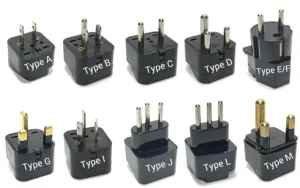
Device Compatibility & Power Requirements
Dual-Voltage Devices
- Most modern electronics (smartphones, cameras, GPS units, laptops, power banks) are dual voltage (marked “100–240V, 50/60Hz”) and work directly with Cambodia’s power system.
- What to check:
- Look for “100–240V, 50/60Hz” on your device’s charger or power brick.
- If present, you only need a plug adapter.
Single-Voltage Devices
- Devices from North America, Japan, or other 110V countries may be single voltage.
- If your device only supports 110V:
- You must use a step-down voltage converter to avoid damaging your device.
High-Power Appliances
- Hair dryers, curling irons, and some electric razors are often single voltage and high wattage.
- Recommendation:
- Leave these at home or buy dual-voltage travel versions.
Necessary Adapters & Converters
Plug Adapters
- Essential for all travelers:
- If your plug doesn’t match Type A, C, or G, bring a universal travel adapter.
- Universal adapters are best, as they cover all Cambodian outlet types and often include multiple USB ports for charging several devices at once.
- Remember:
- Plug adapters only change the plug shape—they do NOT convert voltage.
Voltage Converters
- Needed only for single-voltage (110V) devices.
- Choose a step-down converter if you must bring a non-dual-voltage device.
- Converters are bulky and not always reliable for high-powered or motorized devices.
Where to Buy
- Best to purchase before your trip (online or at airports) for quality and selection.
- Adapters are available in Cambodian cities but may be limited or more expensive.
Power Solutions Specific to Cycling
Power Banks
- Must-have for cycling travelers:
- 10,000–30,000mAh capacity recommended for multi-day trips.
- Choose water-resistant, rugged models for tropical conditions.
- Rechargeable from Cambodian outlets with a USB wall charger and the right adapter.
Solar Chargers
- Useful for remote or off-grid travel:
- Best during the dry season with strong sunlight.
- Foldable, lightweight panels can recharge power banks or devices directly.
- Less effective during the rainy season or cloudy days.
Dynamo Hubs
- Generate power as you ride:
- Reliable in all weather, unaffected by rain or clouds.
- Best for charging GPS, lights, or power banks while cycling.
- Requires installation on your bike and a compatible USB charger.
Charging Strategies
- Charge at every opportunity:
- Power outages are common in rural areas.
- Hotels, guesthouses, and cafes in cities offer reliable charging, but rural options are limited.
- Carry a multi-port USB charger to maximize charging from a single outlet.
- Use surge-protected adapters to guard against voltage spikes.
Recommendations for Cycling Travelers
- Check all device chargers for dual-voltage support (“100–240V, 50/60Hz”).
- Bring a universal travel adapter compatible with Types A, C, and G.
- Carry a high-capacity power bank (20,000mAh+ for longer autonomy).
- Supplement with a solar charger if traveling off-grid, especially in the dry season.
- Consider a dynamo hub for continuous charging on the move.
- Use only manufacturer-approved chargers for e-bike batteries and check voltage compatibility.
- Charge devices whenever possible and never rely solely on finding power in remote regions.
- Protect electronics from heat, humidity, and rain with waterproof cases and desiccant packs.
- Avoid charging unattended in areas with unstable power or old wiring.
Currency Exchange
Currency Overview & Denominations
Cambodia uses both the Cambodian Riel (KHR) and the US Dollar (USD) in daily life. Understanding how these currencies work together is crucial for travelers.
Cambodian Riel (KHR)
- Official national currency.
- Used for small purchases, local markets, and as change for amounts under $10.
- Common denominations: 100, 500, 1,000, 2,000, 5,000, 10,000, 20,000, 50,000, and 100,000 riel.
- No coins in circulation—only banknotes.
US Dollar (USD)
- Widely accepted for most transactions, especially in cities, hotels, and tourist areas.
- Common denominations: $10, $20, $50, $100.
- $1, $2, and $5 bills are being phased out and may be refused.
- Only clean, undamaged bills are accepted.
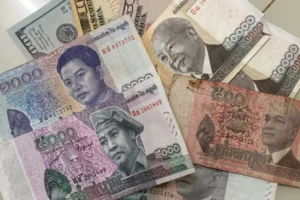
💱 Currency Exchange Options & Best Methods
Choosing the right way to exchange money can save you time, hassle, and money—especially on a bike tour.
Best Exchange Options
- Banks: Safe and reliable, with competitive rates. Found in all major cities. Bring your passport.
- Licensed Exchange Counters: Often offer the best rates, especially in city centers and markets. Always check for official licensing.
- ATMs: Widely available in cities and tourist hubs. Dispense both USD and KHR. Expect a $3–$6 fee per withdrawal; withdraw larger amounts to minimize fees.
- Hotels: Convenient but offer less favorable rates. Use only for small amounts or emergencies.
- Street Vendors/Unofficial Exchanges: Not recommended due to risks of scams and counterfeit bills.
Best Practices for Currency Exchange
- Exchange money at banks or licensed counters in cities for the best rates and safety.
- Avoid exchanging large sums at airports, border crossings, or hotels due to poor rates.
- Use ATMs attached to bank branches for added security.
- Always check the condition of USD bills—torn or marked notes may be rejected.
- Count your cash before leaving the counter and keep receipts.
🛡️ Safety Considerations for Cycling Travelers
Cyclists face unique risks when carrying and exchanging cash. Follow these tips to stay safe:
- Distribute Cash: Split your money between your person (money belt), bike bags, and accommodation. Never keep all your cash in one place.
- Use Concealed Storage: Money belts or under-clothing pouches are highly recommended.
- Plastic Sleeves: Protect bills from sweat and rain.
- Limit Cash on Hand: Carry only what you need for a few days; keep the rest hidden.
- ATM Safety: Use ATMs inside banks or shopping centers. Cover your PIN and avoid isolated machines.
- Be Wary of Scams: Only use reputable exchange services. Inspect all bills you receive.
- Avoid Displaying Cash: Especially in public or when stopped on the roadside.
- Prepare for Rural Areas: Withdraw enough cash before leaving urban centers, as ATMs and exchange services are scarce in remote regions.
- Keep Small Denominations: Essential for small purchases and in rural areas where change may be limited.
🌍 Regional Considerations
Currency use and exchange options vary across Cambodia’s regions:
Urban Centers (Phnom Penh, Siem Reap, Sihanoukville)
- USD is widely accepted for most transactions.
- Abundant banks, ATMs, and licensed exchange counters.
- Digital payments are increasingly accepted in cities.
Rural Areas & Small Towns
- Riel is the primary currency for nearly all transactions.
- USD may not be accepted for small purchases.
- Fewer exchange options and ATMs—plan ahead and carry enough cash.
- Exchange rates may be less favorable than in cities.
Border Regions
- Thai Baht and Vietnamese Dong may be accepted near respective borders.
- Exchange rates at border crossings are usually poor—prepare cash in advance.
Along Cycling Routes
- Major towns along popular routes have banks, ATMs, and exchange counters.
- In villages and remote stretches, only cash (preferably Riel) is accepted.
🚴♀️ Recommendations for Cycling Travelers
- Carry a mix of USD and Riel, focusing on small denominations.
- Budget $30–$100 USD per day depending on your comfort level and route.
- Use ATMs in cities, but stock up on cash before rural stretches.
- Rely on cash for most transactions; cards are a backup in larger towns.
- Keep emergency cash and a spare card separate and secure.
- Inspect all bills for damage before accepting them.
- Spend or exchange all Riel before leaving Cambodia, as it cannot be converted abroad.
- Integrate cash management into your route planning for a smooth cycling adventure.
Food & Water Quality
Food & Safety Landscape
- Cambodia has modernized its food safety system, notably with the 2022 Law on Food Safety, aligning with international standards and covering the entire food chain.
- Multiple government agencies oversee food safety, conduct inspections, and issue hygiene certificates, especially in formal settings.
- Despite progress, enforcement is inconsistent, particularly in informal sectors like street food and rural markets, where foodborne illness outbreaks remain common.
- Risks are highest in settings with poor hygiene, improper storage, and use of unsafe water or ingredients.
Food Safety in Different Settings
Street Food Vendors & Markets
- Offer authentic flavors but carry the highest risk due to inconsistent hygiene, lack of refrigeration, and potential cross-contamination.
- Common issues include use of unclean water, food left exposed, and improper handling of raw meats.
- Precautions:
- Choose busy stalls with high turnover and visible cleanliness.
- Prefer hot, freshly cooked items. Avoid food that’s been sitting out or handled without gloves.
- Avoid raw or pre-cut fruits and salads unless you peel them yourself.
Local Restaurants
- Hygiene standards vary widely. Some are clean and busy, others may have poor food handling practices.
- Certification from the Ministry of Health is a positive sign but not a guarantee.
- Precautions:
- Eat at busy, reputable establishments with visible cleanliness.
- Avoid raw vegetables and salads unless washed with safe water.
Upscale Restaurants & Hotels
- Generally maintain higher hygiene standards, especially those with international management or certifications.
- Lower risk of foodborne illness, but buffets can be problematic if food sits out too long.
- Precautions:
- Opt for freshly prepared dishes over buffets.
- Avoid communal serving utensils and always wash hands before eating.
Food Courts
- Modern food courts in malls may have better oversight, but standards are inconsistent.
- Precautions:
- Choose stalls with visible cleanliness and high customer turnover.
- Avoid food that has been sitting out or is not hot.
Water Quality & Safety
Urban Areas (Phnom Penh, Siem Reap, Sihanoukville)
- Tap water is treated to meet national and WHO standards, but contamination can occur in distribution pipes.
- Locals and travelers avoid drinking tap water directly. Bottled or filtered water is the norm.
- Boiling tap water is a common precaution, but bottled water is widely available.
Rural & Remote Areas
- Access to safe water is a major challenge. Many rely on rainwater, wells, or surface water, which are often contaminated.
- Boiling water or using bottled water is essential. Even bottled water can be unreliable, always check seals and consider using personal water filters.
Bottled Water & Ice
- Bottled water is widely available, but some local brands have failed purity tests. Use reputable brands and check for unbroken seals.
- Factory-produced ice in cities is generally safe, but avoid ice in rural areas or if unsure of its source.
General Water Safety
- Use bottled or boiled water for brushing teeth and making drinks.
- Avoid swimming or wading in lakes, rivers, or ponds due to the risk of parasitic diseases like schistosomiasis.
Common Foodborne & Waterborne Illnesses
- Traveler’s Diarrhea: Most common, caused by bacteria (E. coli, Salmonella), viruses, or parasites. Symptoms include loose stools, cramps, nausea, and fever.
- Typhoid & Paratyphoid Fever: Endemic, especially in rural areas. Symptoms include prolonged fever, headache, and abdominal pain.
- Hepatitis A: Highly endemic, transmitted via contaminated food or water. Causes fever, jaundice, and malaise.
- Cholera: Risk increases during outbreaks or in areas with poor sanitation.
- Parasitic Infections: Giardia, Entamoeba, and others are common, especially with exposure to untreated water or raw produce.
- Other Risks: Leptospirosis, melioidosis, and hepatitis E, especially during the rainy season or after exposure to contaminated water.
Safety Tips & Precautions for Travelers
- Food Safety:
- Eat at busy, reputable establishments with visible cleanliness.
- Choose hot, freshly cooked foods; avoid raw or undercooked meats, seafood, and eggs.
- Only eat fruits you can peel yourself. Avoid pre-cut fruits and salads unless washed with safe water.
- Be cautious with dairy and greasy foods if you develop stomach issues.
- Water Safety:
- Never drink tap water. Use bottled, boiled, or filtered water.
- Check bottled water seals and use reputable brands.
- Avoid ice in rural areas or if unsure of its source.
- Use safe water for brushing teeth and making drinks.
- Hand Hygiene:
- Wash hands with soap and water before eating and after using the restroom.
- Carry hand sanitizer (at least 60% alcohol) for when soap and water aren’t available.
- Vaccinations:
- Get vaccinated for typhoid and hepatitis A; ensure all routine immunizations are up to date.
- Consider hepatitis B, rabies, and Japanese encephalitis if staying long-term or visiting rural areas.
- If You Get Sick:
- For mild diarrhea, stay hydrated with bottled water or oral rehydration salts and eat bland foods.
- Carry antidiarrheal medication and antibiotics as recommended by your doctor.
- Seek medical attention for severe symptoms (high fever, blood in stool, persistent vomiting, dehydration).
- Other Precautions:
- Avoid swimming in lakes, rivers, or ponds to prevent parasitic infections.
- Monitor for local outbreaks and follow official health advisories.
- Obtain comprehensive travel insurance covering medical evacuation.
What do the US Dept of State, US Embassy, and CDC say?
Check out the latest Travel Advisory to Cambodia from the US Dept of State. Contacts from all US Embassies in Cambodia are listed on the website. Use the Smart Traveler Enrollment Program (STEP) to inform them of your travels.
Read the Travel Health Notices & suggested vaccinations from the CDC
For the latest updates and resources, visit the U.S. Embassy in Cambodia’s official website: U.S. Embassy & Consulates in Cambodia
Supplement Your Health / Travel Insurance
General Insurance Requirements & Recommendations
- No Mandatory Insurance for Entry: Cambodia does not require proof of health or travel insurance for tourists. However, the Cambodian Ministry of Tourism and major embassies (US, UK, Australia) strongly advise all visitors to secure comprehensive coverage before arrival .
- Recommended Coverage Includes:
- Emergency medical expenses (minimum $50,000 USD)
- Medical evacuation and repatriation (critical due to limited local facilities)
- Personal accident and liability
- Trip cancellation/interruption
- Baggage and personal belongings (including your bicycle and gear)
- COVID-19 treatment and related expenses
- Official Guidance: Insurance should cover all planned activities, especially adventure sports like cycling. Always check for exclusions and policy limits.
Specialized Insurance Options for Cyclists
Velosurance (for U.S. Residents)
- Comprehensive bicycle insurance covering theft, crash/accidental damage, loss in transit, spare parts, and more. Optional worldwide coverage (including Cambodia), liability, and medical payments.
- Key Features:
- Worldwide coverage for theft and damage (with add-on)
- Transit protection (airlines, shipping, vehicles)
- E-bike coverage
- No depreciation on total loss claims
- Fast online claims
- Eligibility: U.S. residents only; bike must be registered to a U.S. address.
- Website: velosurance.com
Sundays Insurance
- Specialist bicycle and e-bike insurance for theft, accidental/crash damage, custom parts, accessories, and emergency medical expenses. Optional worldwide coverage for up to 90 days abroad.
- Key Features:
- Theft protection at home and away (with approved locks)
- Accidental and crash damage
- Coverage for custom parts and accessories
- Event and racing coverage add-ons
- Rental and event fee reimbursement
- No premium increase after a claim
- Eligibility: U.S., UK, Australia, and New Zealand residents.
- Website: sundaysinsurance.com
World Nomads Insurance
- Flexible travel insurance for adventurous travelers, including cycling, mountain biking, and bikepacking. Covers emergency medical, evacuation, trip cancellation, and baggage (including bikes and gear).
- Key Features:
- Two plan levels (Standard and Explorer)
- Emergency medical and evacuation (including remote area rescue)
- Baggage and equipment protection (policy limits apply)
- 24/7 emergency assistance
- Online purchase and extension, even while traveling
- Important: Select cycling as a covered activity and review policy wording for your country of residence.
- Website: worldnomads.com
Key Considerations for Cycling Travelers in Cambodia
- Healthcare Quality: Medical facilities are limited, especially outside Phnom Penh and Siem Reap. Serious injuries may require evacuation to Thailand or Singapore.
- Medical Evacuation: Essential for cyclists, ensure your policy covers air or land evacuation and 24/7 emergency assistance.
- Cycling Injuries: Risks include road rash, fractures, head injuries, and heat-related illnesses. Choose a policy that covers a wide range of cycling injuries and emergencies.
- Theft & Equipment Loss: Bicycle and gear theft is a risk, especially in cities. Opt for insurance that covers theft, loss, and damage both in transit and while in use.
- Road & Weather Risks: Cambodian traffic can be chaotic, and road conditions vary. The rainy season brings flooding and increased accident risk. Make sure your policy covers trip interruption/cancellation due to weather.
- Remote Areas: If cycling in rural or remote regions, prioritize insurance with robust evacuation and search-and-rescue coverage.
Additional Insurance Options for Cycling Travelers
- Allianz Travel Insurance: Adventure Pack covers cycling and medical evacuation.
- SafetyWing: Flexible, subscription-based travel insurance with adventure sports add-on.
- IMG Global: Adventure sports coverage, medical evacuation, and gear protection.
- SportsCover Direct: Specialized cycling travel insurance for road, mountain, and touring.
- VisitorsCoverage: Travel medical and trip insurance, some plans cover adventure sports.
- Travelex: Travel insurance with medical, baggage, and cancellation coverage.
- Faye Global: International travel insurance with adventure coverage.
- Insubuy: Specialized cycling travel insurance for competitive and adventure cycling.
- Fast Cover (Bicycle Pack): Optional pack for bikes under three years old, covering loss, theft, or damage.
Final Tips for Cycling Travelers
- Always read the policy wording to confirm cycling and all planned activities are covered.
- Check for exclusions (e.g., helmet use, professional racing, unattended bikes).
- Ensure your policy covers the full value of your bicycle and gear.
- Carry digital and paper copies of your insurance documents and emergency contact numbers.
How to Stay Safe
Road Safety & Traffic Conditions
Road Infrastructure & Hazards
- Urban Roads: Major cities like Phnom Penh and Siem Reap have improved roads but are congested, lack cycling lanes, and are considered hazardous for cyclists.
- Rural Roads: Quieter and more scenic, but often poorly maintained, with potholes, mud, and flooding during the rainy season.
- Traffic Behavior: Drivers frequently ignore traffic laws. Expect unpredictable maneuvers, minimal signaling, and frequent intoxicated driving, especially at night.
- Cyclist Accident Risk: Cyclists and pedestrians account for 12% of road fatalities; risk is highest in urban areas and after dark.
- Landmine Risk: Remote and border areas (e.g., near the Thai border, Battambang, Pailin) may have landmines, never leave marked roads or trails.
Safety Equipment & Bicycle Maintenance
Essential Safety Gear
- Helmet: Bring a high-quality, well-ventilated helmet (not always available for rent).
- Eyewear: Sunglasses for sun, dust, and debris protection.
- Gloves: For grip and hand protection.
- Lights: USB-rechargeable front and rear lights for visibility.
- Lock: Sturdy lock for urban and overnight security.
- Rain Gear: Lightweight, waterproof jacket for sudden downpours.
- First Aid Kit: Include basic medications, antiseptics, and rehydration salts.
Repair & Maintenance
- Repair Kit: Multi-tool, tire levers, patch kit, spare tubes, mini-pump, chain tool, and spare chain links.
- Lubricant: Wet/humid-specific chain lube. Clean and lube chain frequently.
- Spare Parts: Bring unique or hard-to-find parts, especially for high-end bikes.
- Bike Shops: Good shops in Phnom Penh and Siem Reap; limited options in rural areas.
- Daily Checks: Inspect tires, brakes, and chain before each ride; clean and dry your bike after wet or muddy rides.
Health & Medical Precautions
Vaccinations & Disease Prevention
- Vaccines: Ensure you’re up to date on routine vaccines, plus Hepatitis A/B, Typhoid, Japanese Encephalitis (for rural/long stays), Rabies, and COVID-19.
- Mosquito-Borne Diseases: Malaria (rural/border areas), dengue, chikungunya, and Japanese encephalitis are present. Use DEET repellent, wear long sleeves, and sleep under nets.
- Food & Water Safety: Drink only bottled/boiled water, avoid ice, and eat well-cooked food. Carry oral rehydration salts and hand sanitizer.
- Heat Illness: Hydrate frequently, rest in shade, and avoid midday rides during hot months (March–April).
- Medical Facilities: Limited outside Phnom Penh and Siem Reap. Serious cases may require evacuation to Bangkok or Singapore.
- Medications: Bring all prescriptions in original packaging; beware of counterfeit drugs locally.
Seasonal Considerations
Weather & Route Planning
- Dry Season (Nov–Apr): Best for cycling, cooler, drier, and safer roads. March–April can be extremely hot; start rides early.
- Wet Season (May–Oct): Heavy rains, flooding, and muddy roads, some routes may be impassable. Increased risk of mosquito-borne diseases.
- Extreme Weather: Avoid cycling during thunderstorms, floods, or extreme heat. Always check weather forecasts and plan accordingly.
Cultural Awareness & Local Customs
Etiquette & Sensitivity
- Dress Modestly: Cover shoulders and knees, especially in rural areas and religious sites.
- Temple Visits: Remove shoes and hats, speak quietly, and never touch monks (especially as a woman).
- Greetings: Use the “Sampeah” (palms together, slight bow) for formal situations.
- Respect for Elders: Show deference and use polite language.
- Photography: Always ask permission before photographing people, especially monks or in villages.
Crime Prevention & Personal Safety
Crime Risks & Prevention
- Petty Theft: Bag snatching, pickpocketing, and phone theft are common in cities and tourist areas.
- Armed Robbery: Rare but possible, especially at night or in isolated areas.
- Scams: ATM skimming, fake currency, and rental scams occur, use reputable services and check notes.
- Accommodation Security: Choose reputable hotels/guesthouses, use safes, and lock doors/windows.
- Money Safety: Carry minimal cash, use secure ATMs, and never use your passport as collateral.
High-Risk Areas
- Phnom Penh: Riverfront and nightlife areas are theft hotspots.
- Sihanoukville: Increased organized crime and scams.
- Remote/Border Areas: Landmine risk, never leave marked paths.
Insurance & Legal Considerations
Legal Requirements
- Visa: Required for all travelers; ensure your passport is valid for at least six months.
- Bicycle Import: No restrictions for personal use. No registration needed for tourists.
- Traffic Laws: Ride on the right, obey signals, use lights at night. Helmet use is strongly recommended.
- Police Checkpoints: Carry ID and visa at all times.
Insurance
- Travel Insurance: Must cover medical expenses, evacuation, and cycling activities.
- Liability Coverage: Check if your policy covers third-party liability for cycling accidents.
- Rental Agreements: Never use your passport as collateral; use cash or alternative ID.
Emergency Procedures
- Emergency Numbers:
- Police: 117
- Ambulance: 119
- Fire: 118
- Tourist Police: +855 23 724 793 (Phnom Penh), 012 402 424 (Siem Reap)
- Embassy Support: Register with your embassy and keep contact details handy.
Practical Safety Tips for Cyclists
- Travel in Groups: Increases visibility and deters theft.
- Avoid Night Cycling: Poor lighting and increased accident/crime risk.
- Stay on Marked Roads: Especially in rural/border areas due to landmines.
- Charge Devices Regularly: Power outages are common in rural areas.
- Carry Emergency Kit: First aid, water, snacks, and a whistle.
- Use GPS/Offline Maps: Download maps for areas with poor connectivity.
- Learn Basic Khmer Phrases: For emergencies and daily interactions.
- Monitor Local News: For weather, safety, and travel advisories.
Essential Apps
Navigation & Maps
- Why it’s essential: Fully offline maps of Cambodia, including rural and remote areas. Offers turn-by-turn cycling navigation and reliable search even without internet.
- Android
- iOS
Komoot
- Why it’s essential: Advanced route planning for cycling, with surface type info, elevation profiles, and offline navigation. Great for both road and off-road adventures.
- Android
- iOS
Ride with GPS
- Why it’s essential: Built for cyclists, with detailed route planning, offline maps, and a large library of user-curated routes in Cambodia.
- Android
- iOS
Bikemap
- Why it’s essential: Access thousands of cycling routes in Cambodia, filter by surface type, and use offline navigation (premium).
- Android
- iOS
🌏 Translation & Language
Google Translate
- Why it’s essential: Supports Khmer language, works offline (download the Khmer pack), and offers instant camera translation for signs and menus.
- Android
- iOS
English Khmer Translator (by Khmer Tool)
- Why it’s essential: Designed for English-Khmer translation, works fully offline, and includes photo translation for printed Khmer text (Android only).
- Android
🏨 Accommodation & Local Services
Agoda
- Why it’s essential: Best coverage of hotels, guesthouses, and hostels in Cambodia, with flexible booking and last-minute deals.
- Android
- iOS
- Why it’s essential: Wide selection of accommodations, real guest reviews, and easy booking management.
- Android
- iOS
Airbnb
- Why it’s essential: Find unique homestays and local experiences, often in areas not covered by hotels.
- Android
- iOS
Grab
- Why it’s essential: Cambodia’s leading ride-hailing and food delivery app. Book tuk-tuks, cars, or order food—especially useful in cities.
- Android
- iOS
PassApp
- Why it’s essential: Local ride-hailing app, especially for tuk-tuks and budget rides in Phnom Penh and Siem Reap.
- Android
- iOS
Nham24
- Why it’s essential: Cambodia’s top food and grocery delivery app, great for rest days or when you need supplies delivered.
- Android
- iOS
⛑️ Safety, Weather & Emergency
AccuWeather
- Why it’s essential: Accurate, hyperlocal weather forecasts and severe weather alerts—crucial for planning safe rides.
- Android
- iOS
Smart Traveler
- Why it’s essential: Official U.S. State Department app with travel advisories, embassy contacts, and emergency info for Cambodia.
- Android
- iOS
First Aid – IFRC
- Why it’s essential: Instant, offline access to first aid instructions for common emergencies, including cycling injuries.
- Android
- iOS
GeoSure
- Why it’s essential: Real-time safety ratings for neighborhoods and cities, including crime and health data—helpful for route planning.
- Android
- iOS
🚴♀️ Cycling-Specific & Fitness
Strava
- Why it’s essential: Track your rides, analyze performance, join challenges, and connect with the global cycling community. Works offline for ride recording.
- Android
- iOS
ProBikeGarage
- Why it’s essential: Track bike maintenance, get reminders for servicing, and log component wear—vital for long journeys (Android only).
- Android
Link My Ride

Cycle The Myth: Peloponnese, Greece
From$2,600Availability : July 30 - Aug 15, 2025Delhi, Manali to Leh, IndiaExperience the bustling chaos and historic majesty of Delhi’s ancient streets before embarking on one of the world’s most epicView TourGolden Triangle + Himalayan Cycling Adventure
From$2,600Availability : July 30 - Aug 15, 2025Delhi, Manali to Leh, IndiaExperience the bustling chaos and historic majesty of Delhi’s ancient streets before embarking on one of the world’s most epicView Tour
Kerala Spice Trail Cycling Tour
From$1,750Availability : January 15 - 25, 2026Kerala, IndiaKerala, aka “God’s Own Country”, is known for stunning landscapes, serene backwaters, vibrant culture, & diverse cycling routes through tropicalView Tour

E-Bike Travel in 2026: Best Destinations, Laws & What No One Tells You
Let me say this upfront: E-bike travel in 2026 is...
Read More
The 2026 Guide to Planning Stress-Free Group Cycling Trips (Clubs & Friends Edition)
How to turn group ride chaos into an AI-powered, purpose-driven,...
Read More
2026: The Breakout Year for Cycling Travelers (Routes, Visas, Bridges & Billions Invested)
Imagine a year where the world is actually reshaping itself...
Read More