
Cycle Travel Club

Guilin

Ride along the peaceful Yulong River on a path through the famous Ten-Mile Gallery,” where limestone peaks rise like giant green towers over golden rice fields. You can pedal past the ancient stone arches of the Yulong Bridge, stop to see the natural hole in Moon Hill, and finish your trip with a breezy glide into the lively, historic streets of Yangshuo.

At A Glance

ā˜…ā˜…ā˜…ā˜…ā˜… YANGSHUO & YULONG RIVER

If you only ride one place in Guilin, make it Yangshuo! This is China’s cycling capital, topping every search engine and travel guide for good reason. Pedal through the dreamy Yulong River valley, where misty limestone peaks rise above rice paddies and ancient stone bridges. The Ten-Mile Gallery route is a must, winding past Moon Hill, the Big Banyan Tree, and a string of storybook villages. Bike rentals are everywhere, routes suit all levels, and every turn is a postcard moment. Whether you’re a casual cruiser or a cycling fanatic, Yangshuo is the five-star, can’t-miss heart of Guilin’s cycling scene.


ā˜…ā˜…ā˜…ā˜…ā˜… LI RIVER (GUILIN TO YANGSHUO)

Ready for a legendary ride? The Li River route is world-famous, and for good reason: it’s the landscape on China’s 20-yuan note! Cycle from Guilin to Yangshuo (or hop on for a segment like Daxu to Xingping), gliding past ancient towns, bamboo groves, and those iconic karst mountains. The riverside paths are well-paved, the scenery is pure magic, and you can even combine your ride with a bamboo rafting adventure. This route is a staple in every top cycling itinerary and a favorite for both guided tours and independent explorers.


ā˜…ā˜…ā˜…ā˜…ā˜† LONGJI RICE TERRACES (LONGSHENG)

Craving a challenge with a side of wow? Head north to the Longji Rice Terraces, where winding roads snake through terraced hills and Zhuang and Yao minority villages. This is adventure cycling at its best. Expect climbs, epic views, and a deep dive into local culture. The scenery is spectacular year-round, especially in spring and autumn, and the area is a rising star in cycling searches for those seeking something truly unique.


ā˜…ā˜…ā˜…ā˜…ā˜† GUILIN CITY & SURROUNDINGS

For a gentler spin, Guilin city offers scenic urban cycling with a dash of culture. Cruise around the Two Rivers and Four Lakes, snap a selfie at Elephant Trunk Hill, or pedal out to Reed Flute Cave. The city’s flat terrain and easy bike rentals make it perfect for families and first-timers. While it’s not as famous as Yangshuo, it’s a fantastic way to soak up Guilin’s charm at your own pace.


ā˜…ā˜…ā˜…ā˜†ā˜† XINGPING & ANCIENT VILLAGES

Want to escape the crowds? Xingping and the surrounding ancient villages are your ticket to off-the-beaten-path adventure. Cycle through cobbled lanes, past centuries-old houses, and along quiet riverside trails. The scenery is serene, the pace is slow, and the experience is pure, authentic China. It’s a hidden gem for repeat visitors and those who love a little mystery with their mileage.

Watch

Photos

Plan

Geography of the Region?

Location & Boundaries

Northeastern Guangxi Zhuang Autonomous Region, southern China.

  • Coordinates: Approx. 25°16′N, 110°17′E.
  • Area: ~27,800 km², encompassing both urban and extensive rural areas.
  • Administrative Divisions: 6 urban districts (e.g., Xiufeng, Qixing), 8 counties (including Yangshuo and Longsheng), 2 autonomous counties, and 1 county-level city.
  • Borders:
    • North: Hunan Province
    • West: Liuzhou
    • South: Wuzhou
    • East: Hezhou
  • Proximity:
    • 78 km to Yangshuo (cycling hub)
    • 88 km to Longsheng (rice terraces)
    • 390 km to Guangzhou
    • 460 km to Hong Kong

Topography & Terrain

  • Karst Plain: Guilin city and the Li River valley sit on a flat karst plain (100–200 m elevation), ideal for easy cycling.
  • Karst Hills & Mountains:
    • Iconic limestone towers and cones rise abruptly from the plain, with heights of 50–300 m above the valley.
    • Notable peaks: Yao Mountain (909 m), Mao’er Mountain (2,142 m), Moon Hill (380+ m).
  • Rivers: The Li River and Yulong River meander through the landscape, creating lush valleys and scenic cycling corridors.
  • Terrain Suitability:
    • Flat/Leisure Cycling: City, Li River valley, Yulong River area.
    • Road Cycling: Guilin–Yangshuo, riverside byways.
    • Mountain Biking: Outskirts, Yao Mountain, Moon Hill, and remote karst areas.
    • Mixed/Adventure Cycling: Yangshuo countryside, Ten-mile Gallery, rural village loops.

Climate & Weather

  • Type: Humid subtropical monsoon climate.
  • Seasons:
    • Spring (Mar–May): 10–25°C, lush scenery, frequent rain.
    • Summer (Jun–Aug): 22–33°C, hot, humid, heavy rain, thunderstorms.
    • Autumn (Sep–Nov): 11–30°C, cool, dry, best for cycling.
    • Winter (Dec–Feb): 5–15°C, cool, dry, occasional mist/frost.
  • Rainfall: Annual: 1,800–1,900 mm, with 50%+ from April to August.
  • Humidity: High year-round, peaking in spring/summer.
  • Air Quality: Generally moderate, but can worsen in winter (check AQI before long rides).
  • Best Cycling Seasons:
    • Autumn (Sep–Oct): Cool, dry, clear.
    • Spring (Mar–Apr): Mild, green, but bring rain gear.

Cycling Infrastructure

  • Urban Cycling:
    • Limited dedicated bike lanes; most cycling is along rivers, lakes, and scenic urban areas.
    • Shared-use paths on Li River banks and through parks.
  • Bike Rentals:
    • Numerous shops in Guilin and Yangshuo offer mountain, leisure, and tandem bikes.
    • Prices: 10–60 RMB/day; deposit and ID/passport required.
    • Quality varies—test bikes before departure.
  • Guided Tours: Local agencies offer city, countryside, and multi-day tours with support vehicles and English-speaking guides.
  • Bike-Sharing: Limited in Guilin; more robust in Yangshuo and tourist areas.
  • Support Services: Car support for bike transfers, custom itineraries, and logistics available via tour operators.

Key Geographical Features for Cyclists

  • Li River: Iconic cycling along riverside paths from Guilin to Yangshuo, passing through karst peaks, bamboo groves, and ancient towns.
  • Yulong River Valley: Tranquil countryside, rice paddies, and stone bridges; ideal for leisure and family cycling.
  • Yangshuo: Cycling hub with mapped routes, rentals, and scenic loops (e.g., Ten-mile Gallery, Yulong River Loop).
  • Karst Peaks: Moon Hill, Yao Mountain, Xianggongshan, offer challenging climbs and panoramic views.
  • Longji Rice Terraces: Mountainous routes to terraced fields and minority villages; combine cycling and hiking.
  • Ancient Towns: Daxu, Xingping, Jiuxian, reachable by bike, rich in history and local culture.
  • Caves: Reed Flute Cave, Seven Star Cave—short rides from city center, unique karst formations.

Popular Cycling Routes

  • Guilin–Yangshuo: Classic 65–80 km ride through rural scenery and karst landscapes.
  • Yulong River Loop: ~30 km, flat, scenic, passes ancient villages and stone bridges.
  • Ten-mile Gallery: ~30 km, gentle hills, karst peaks, Moon Hill, and rural attractions.
  • Guilin–Reed Flute Cave: Short urban ride to a famous cave.
  • Yangshuo–Xingping: Riverside and backroad cycling to historic towns and iconic Li River views.

Practical Considerations & Tips

  • Safety:
    • Avoid main highways (G321, G322) due to heavy traffic.
    • Rural roads can be rough, muddy, or poorly signed—use a guide for remote routes.
    • Always lock bikes securely; bring your own lock if possible.
    • Helmets recommended; not always provided by rental shops.
  • Weather:
    • Bring rain gear in spring/summer; hydrate and avoid midday rides in summer heat.
    • Check AQI in winter and after rainless periods.
  • Navigation:
    • Use maps or GPS; rural signage may be limited.
    • English is not widely spoken—translation apps are helpful.
  • Community:
    • Cycling is popular among locals; e-bikes and bikes are common for daily transport.
    • Join group tours for safety and cultural immersion.

Other Noteworthy Categories

  • Multi-Modal Transport:
    • Trains and buses connect Guilin to Yangshuo, Longsheng, and other cycling areas (bike transport policies vary).
    • Ferries and bamboo rafts on the Li and Yulong Rivers (bikes may require special arrangements).
  • Events: Guilin hosts the final stage of the UCI Tour of Guangxi, an international cycling event.
  • Cultural Encounters:
    • Cycling routes often pass through Zhuang, Yao, and other minority villages, offering unique cultural experiences.

What are the Roads like? Road rules?

Cycling Infrastructure & Road Types

  • Urban Dedicated Bike Lanes
    • Marked, separated lanes on main city roads, especially near tourist sites and transport hubs.
    • Generally smooth and well-maintained, with clear signage.
  • Shared Paths & Greenways
    • Multi-use paths along rivers, through parks, and connecting city to countryside.
    • Greenways link urban areas with rural villages and major attractions, offering scenic, low-traffic rides.
  • Scenic & Countryside Routes
    • Quiet country roads and riverside trails, especially along the Li and Yulong Rivers.
    • Mix of paved, gravel, and dirt roads; some sections may be narrow, winding, or stepped.
  • Bike-Sharing & Rentals
    • Public bike-sharing stations throughout the city, accessible via mobile apps.
    • Private rental shops in Guilin and Yangshuo offer city bikes, mountain bikes, and e-bikes.

šŸ›£ļø Road Conditions

  • Urban Roads
    • Main city streets are mostly smooth and well-paved, though some older sections may have rough patches or ongoing construction.
    • Traffic can be heavy in the city center, but bike lanes help mitigate risks.
  • Rural & Scenic Routes
    • Well-maintained asphalt and cement roads in tourist areas; rougher, sometimes muddy or broken surfaces in remote countryside.
    • Occasional macadam, dirt, or muddy tracks—especially after rain or in less-traveled areas.
    • Some routes include short stair sections or narrow paths requiring cyclists to dismount.
  • Seasonal Impacts
    • Rainy season (May–September): Flooding and slippery surfaces common on riverside and low-lying paths.
    • Autumn (September–November): Best cycling weather—mild, dry, and scenic.
    • Ongoing infrastructure upgrades may cause temporary detours or rough patches.

šŸ“œ Cycling Rules & Regulations

  • General Rules
    • Ride on the right; use bike lanes where available.
    • Obey all traffic signals and signs.
    • Night riding requires front and rear lights.
  • Helmet Laws
    • Strongly recommended for all cyclists; mandatory for e-bike riders (20–50 RMB fine for non-compliance).
  • E-Bike Registration
    • All e-bikes must be registered and display a license plate.
    • Riders must be at least 16 years old to operate an e-bike.
  • Sidewalks & Pedestrian Areas
    • Cycling on sidewalks is prohibited unless specifically marked; 20 RMB fine for violations.
    • Some scenic areas restrict cycling during peak hours or on pedestrian-only paths.
  • Bike-Sharing
    • Register with valid ID and mobile payment.
    • Park only in designated areas; improper parking can result in fines.

šŸŒ„ Unique Features & Challenges

  • Karst Landscape
    • Dramatic limestone peaks, caves, and rivers create stunning backdrops and shape cycling routes.
    • Expect frequent elevation changes, hill climbs, and winding roads.
  • Scenic Must-Ride Routes
    • Li River & Yulong River Paths:Ā Flat, scenic rides with panoramic views and access to ancient villages.
    • Ten-mile Gallery (Yangshuo):Ā Well-paved, iconic road through karst scenery.
    • Countryside Loops:Ā Quiet roads through rice paddies, citrus groves, and traditional villages.
  • Weather & Terrain
    • Hot, humid summers with heavy rain; mild, dry autumns are ideal for cycling.
    • Muddy or flooded paths after rain; some routes may require carrying your bike over steps or rough sections.
  • Tourist Crowds
    • Popular spots (Yangshuo, Longji Rice Terraces) can be crowded, especially on weekends and holidays.
  • Navigation
    • Rural and mountain routes can be confusing; local guides or GPS apps are recommended.

šŸ›”ļø Safety Considerations

  • Traffic & Road Hazards
    • Urban roads can be busy; always use bike lanes and ride defensively.
    • Rural roads may have potholes, loose gravel, or livestock—stay alert.
  • Accident Risks
    • Most cycling accidents involve motor vehicles, especially on roads without segregated bike lanes.
    • Helmet use is crucial for safety, especially on e-bikes and mountain descents.
  • Weather Precautions
    • Avoid cycling during heavy rain or typhoon warnings.
    • Carry rain gear, water, and sun protection.
  • Theft Prevention
    • Use sturdy locks and park in secure, well-lit areas.
  • Emergency Info
    • Police: 110 | Ambulance: 120 | Fire: 119
    • Major hospitals in Guilin have international or VIP departments; rural clinics may have limited services.
    • Comprehensive travel insurance is strongly recommended.
  • Equipment & Preparation
    • Use a well-maintained bike suitable for mixed terrain (hybrid or mountain bike).
    • Bring a helmet, lights, repair kit, and navigation tools.
    • Download offline maps and carry your hotel’s address in Chinese.

When to Go?

Ideal Months for Cycling

Guilin’s subtropical climate means conditions can vary dramatically throughout the year. For cycling travelers, these months offer the most comfortable and scenic experience:

Autumn (September–November):

  • Mild temperatures (62–80°F / 17–27°C)
  • Low rainfall and humidity (humidity drops to 70–73%)
  • Clear skies and golden rice fields, especially in October
  • All major cycling routes, including riverside and rural paths, are fully accessible and safe
  • Air quality is generally good

Early Spring (March):

  • Warming temperatures (around 58°F / 14°C)
  • Moderate rainfall and humidity (81%), but less than in late spring
  • Lush, green landscapes and blooming flowers
  • Fewer tourists compared to peak seasons

Months to Avoid

Certain periods in Guilin are less suitable for cycling due to weather extremes or heavy crowds:

Late Spring (April–June):

  • Heavy rainfall: April (9.15″), May (13.59″), June (17.85″)—the wettest months
  • High humidity (80–83%) leads to discomfort and slippery roads
  • Risk of flooding and muddy paths, especially along rivers and in rural areas

Summer (July–August):

  • Very hot and humid: Temperatures peak at 84°F (29°C) with high humidity
  • Frequent thunderstorms and heavy rain, especially in July
  • Sun exposure and risk of heat exhaustion
  • Crowded due to school holidays

Winter (December–February):

  • Cool and damp: Temperatures drop to 48–52°F (9–11°C)
  • Air quality can be affected by PM2.5, especially for sensitive individuals
  • The landscape is less vibrant, and some services may be limited

Major Chinese Holidays:

  • Labor Day (May 1–5) and National Day (October 1–7):
    • Expect peak domestic travel, crowded attractions, and higher prices
    • Cycling routes, especially near tourist hotspots, can be congested

Pro Tips for the Best Cycling Experience in Guilin

  • Route Selection:
    • Choose riverside paths (Li River, Yulong River) and rural backroads for the best scenery and less traffic
    • Avoid main national roads (G321, G322) due to congestion and poor air quality
  • Bike Rental & Gear:
    • Rent a well-maintained mountain bike; test brakes and gears before departure
    • Helmets are strongly recommended and often available with rentals
    • Bring gloves, sunglasses, and a lightweight rain jacket, especially in spring and summer
  • Weather & Health:
    • Hydrate frequently, humidity can cause rapid dehydration
    • Dress in lightweight, breathable layers; bring rain gear in spring/summer
    • Use sun protection (hat, sunscreen, UV-protective clothing)
    • Avoid strenuous activity during the hottest part of the day
  • Navigation & Safety:
    • Use GPS or join guided tours for remote or mountainous routes—getting lost is common in the karst region
    • Stick to rural or riverside routes for safety and better scenery
    • Always lock your bike securely and never leave it unattended
  • Cultural & Practical Tips:
    • Book accommodation and bike rentals in advance during peak seasons
    • Download translation apps or carry a phrasebook—English is not widely spoken outside tourist areas
    • Respect local customs and ask permission before photographing people
  • Monitor Air Quality: Sensitive individuals should check PM2.5 levels, especially in winter and summer

Before arranging your travel plans around a festival, ensure to confirm the festival dates on the official festival website or with a local tourist information office. For further details on these and other events, please visit the official tourism website for China.

Local Cultural, Traditional & Food Festivals

Spring Festival (Chinese New Year)

  • Date:Ā January 29 – February 12, 2025
  • Description:Ā The city’s most important celebration, featuring bustling flower markets, lantern displays, fireworks, and family reunions. Major events take place citywide, especially in public squares and traditional markets.

Lantern Festival (including GBA Lantern Festival, Yuexiu Temple Fair)

  • Date:Ā February 12, 2025 (Lantern Festival); January 22 – March 30, 2025 (GBA Lantern Festival)
  • Description:Ā Marking the end of Chinese New Year, this festival features spectacular lantern displays, cultural performances, and temple fairs, especially in Nansha and Yuexiu Districts.
  • Facebook:Ā (GBA LANTERN)

Dragon Boat Festival

  • Date:Ā May 31, 2025 (main festival); June 1, 2025 (International Invitational)
  • Description:Ā Watch thrilling dragon boat races on the Pearl River, enjoy zongzi (sticky rice dumplings), and experience folk performances. A highlight of Guangzhou’s cultural calendar.
  • Website: chinahighlights.com

Mid-Autumn Festival

  • Date:Ā October 6, 2025
  • Description:Ā Families gather to admire the full moon, share mooncakes, and enjoy lantern fairs and cultural performances in parks and along the Pearl River.

Guangzhou International Light Festival

Guangzhou International Gourmet Festival

  • Date:Ā November 19–23, 2025
  • Description:Ā A five-day culinary extravaganza with 220+ booths, international and local cuisine, cultural performances, and sports-themed activities. Main venue at Wanbo Center, Panyu District.
  • Website:Ā eguangzhou.gov.cn

Guangzhou Gourmet Week

  • Date:Ā October 11–19, 2025
  • Description:Ā Premium dining event at Haixinsha Island, featuring Michelin-starred restaurants, wine tastings, and heritage foods. Free entry and international visitor support.
  • Website:Ā eguangzhou.gov.cn

China (Guangzhou) International Food Industry Expo (GFE China)

  • Date:Ā June 12–14, 2025
  • Description:Ā South China’s leading food industry expo, with 40+ activities, product launches, and networking at the Canton Fair Complex.
  • Website:Ā i.gzyfzl.com

Food2China Expo

  • Date:Ā September 11–13, 2025
  • Description:Ā International food, wine, tea, and spirits expo at the Canton Fair Complex, connecting global suppliers and buyers.
  • Website: food2chinaexpo.com

International Beer and Food Festival

  • Date:Ā October 1–3, 2025
  • Description:Ā Celebrate with global flavors, craft brews, and live music at Baiyun International Convention Center during China’s National Day Golden Week.
  • Website: cnbayarea.org.cn

Guangzhou International Tea Industry Expo (Autumn)

  • Date:Ā November 20–23, 2025
  • Description:Ā Major tea industry event with trade, tastings, and cultural activities at the Canton Fair Complex.
  • Website: globalomp.com

Cycling Events and Experiences

Guangzhou Marathon (with Cycling-Friendly Features)

  • Date:Ā December 21, 2025
  • Description:Ā While primarily a running event, the marathon features cycling-friendly side events and exhibitions. The route runs along the scenic Pearl River, showcasing city landmarks.

CEBIKE Guangzhou International Bicycle Show

  • Date:Ā September 12–14, 2025
  • Description:Ā Major cycling expo at Poly World Trade Center Expo Center, featuring the latest in cycling technology, outdoor lifestyle, and cycling tourism.
  • Website:Ā globalomp.com

Immerse Yourself with Culture & Traditions

General Cultural Norms and Etiquette

China’s rich cultural heritage and societal norms may differ significantly from Western practices. Being mindful of these customs will help you navigate interactions respectfully.

  • Respect for Elders: Always show deference to older individuals, addressing them with proper titles and prioritizing their comfort in social settings.
  • Saving Face: Avoid public criticism or confrontation, as maintaining dignity (ā€œfaceā€) is highly valued.
  • Personal Space: Expect closer proximity in public spaces, but avoid physical contact like back-slapping unless among close friends.
  • Greetings: Handshakes are common, but a slight nod or bow is also acceptable. Address people formally using their title and surnameĀ .
  • Public Behavior: Loud or aggressive behavior is frowned upon. Maintain decorum in public spaces.

Cycling-Specific Considerations

Cycling in China is a fantastic way to explore, but it comes with unique challenges and cultural nuances.

  • Road Safety: Be cautious of pedestrians and vehicles, as traffic rules are often loosely followed. Always yield to larger vehicles.
  • Bike Rentals: Choose well-maintained bikes, and ensure brakes, tires, and chains are in good condition before setting off.
  • Cycling Gear: Helmets are not mandatory but recommended. Bring your own helmet, as they are rarely available for rent.
  • Weather Preparedness: Carry rain capes and waterproof bags during the monsoon season (April to August).
  • Navigation: Use maps with Chinese characters or apps like Baidu Maps for accurate directions.

Religious & Spiritual Considerations

China is home to diverse religious practices, including Buddhism, Taoism, and Christianity. Respect for these traditions is essential.

  • Temple Etiquette: Dress modestly and avoid loud behavior when visiting temples. Do not touch statues or sacred objects.
  • Photography: Always ask for permission before taking photos in religious sites or of worshippers.
  • Festivals: Participate respectfully in local religious festivals, such as the Lantern Festival or Dragon Boat Festival.

Food & Dining Customs

Dining in China is a communal and culturally rich experience. Understanding table manners will enhance your interactions.

  • Seating Arrangements: Wait for the host to assign seats, as age and seniority determine seating order.
  • Chopstick Etiquette: Avoid sticking chopsticks upright in rice, as it resembles incense offerings for the dead.
  • Sharing Dishes: Meals are served family-style. Use communal chopsticks to take food from shared plates.
  • Slurping & Burping: These are considered signs of enjoyment and are not rude in Chinese culture.

Regional Variations

China’s vast size means customs and traditions can vary significantly by region. Be aware of these differences as you travel.

  • Northern China: Known for hearty wheat-based dishes like dumplings and noodles. People may appear more direct in communication.
  • Southern China: Rice is a staple, and the culture is often more reserved. Expect spicier food in Sichuan and Hunan provinces.
  • Ethnic Minority Areas: Regions like Tibet, Xinjiang, and Yunnan have unique customs and traditions. Research local practices before visiting.

General Travel Tips

Traveling in China requires some preparation to ensure a smooth experience.

  • Language: Learn basic Mandarin phrases, such as ā€œNǐ hĒŽoā€ (Hello) and ā€œXiĆØxiĆØā€ (Thank you), to facilitate communication.
  • Cash & Payments: Mobile payment apps like WeChat Pay and Alipay are widely used. Carry some cash for rural areas.
  • Local Laws: Familiarize yourself with Chinese laws, such as restrictions on photography in certain areas.
  • Health Precautions: Carry bottled water, as tap water is not potable. Be cautious of street food hygiene.
Getting Around (Other Transportation)

Domestic Flights & Airport

Guilin Liangjiang International Airport (KWL)

  • Description: Guilin’s only airport, located 28 km southwest of the city center, with a modern terminal (T2) serving all domestic and international flights. The airport connects Guilin to over 70 Chinese cities and several international destinations. Facilities include free WiFi, lounges, restaurants, currency exchange, and accessible ground transport.
  • Ideal For: Fastest access to/from other Chinese cities and select international destinations; business and leisure travelers.
  • Ticketing / Booking Platform URL:

Rail Transportation

Guilin is served by three main stations:

1. Guilin North Railway Station

  • Description: Largest and most modern station, main hub for high-speed trains to Guangzhou, Shenzhen, Nanning, Yangshuo, Guiyang, Chengdu, Kunming, Beijing, Shanghai, and more. Facilities include spacious waiting halls, lounges, shops, eateries, and direct airport shuttle.
  • Ideal For: Most high-speed rail travelers, especially to/from Guangzhou, Nanning, and Yangshuo.
  • Ticketing / Booking Platform URL:

2. Guilin Railway Station (Main/South)

  • Description: Centrally located, closest to downtown and bus terminals. Serves both high-speed and conventional trains, with direct access to city buses and airport shuttle.
  • Ideal For: Travelers staying in the city center or connecting to city buses.
  • Ticketing / Booking Platform URL:

3. Guilin West Railway Station

  • Description: Smallest, 12–15 km from downtown, focused on high-speed trains on the Guiyang–Guangzhou line. Basic facilities, limited public transport.
  • Ideal For: High-speed rail travelers on the Guiyang–Guangzhou corridor.
  • Ticketing / Booking Platform URL:

Long-Distance & City Buses

Long-Distance Bus Stations

  • Description: Three main stations:
    • Guilin South Bus Station:Ā For Yangshuo, city buses 12, 36, 82, K99
    • Qintan Bus Station:Ā For Longsheng/Longji Rice Terraces, city buses 1, 12, 23
    • Guilin North Bus Station:Ā Near Guilin North Railway Station, city buses 1, K99Frequent departures to Yangshuo, Longsheng, and other Guangxi destinations. Tickets can be purchased at the station or online (passport required for foreigners).
  • Ideal For: Regional travel to Yangshuo, Longsheng, and other Guangxi destinations.
  • Ticketing / Booking Platform URL:

City Bus Network

  • Description: 150+ lines, covering all urban areas and some counties. Tourist Bus Line 1 connects major attractions. Double-decker buses on select routes. Bilingual announcements.
  • Ideal For: Budget travelers, local sightseeing, and reaching bus/train stations.
  • Ticketing / Booking Platform URL: Onboard (cash, Alipay, WeChat Pay); no online booking required

Taxis & Ride-Hailing

Official Taxis

  • Description: Metered, available citywide and at airport/train stations. Fares: CNY 9–11 base, CNY 2–2.4/km, CNY 100–120 to airport. No tipping required.
  • Ideal For: Direct, flexible city or airport transfers; travelers with luggage or in groups.
  • Booking / Info URL: Hail on street or at taxi stands

Ride-Hailing (DiDi Chuxing)

  • Description: DiDi is fully available in Guilin and Yangshuo, supports English, international cards, and Alipay Tour Pass. Multiple ride types (Express, Premier, Taxi, Pool).
  • Ideal For: International travelers, cashless payment, English interface, and premium ride options.
  • Booking Platform URL: DiDi Chuxing

Cycling & Bike-Sharing

Bike Rentals & Bike-Sharing

  • Description: Numerous rental shops in Guilin and Yangshuo (mountain, city, tandem bikes; 30–60 RMB/day). Bike-sharing (Meituan, Hellobike, Didi Bike) available in urban areas—app-based, pay via Alipay/WeChat (supports foreign cards).
  • Ideal For: Exploring city, riverside, and countryside routes; independent and group travelers.
  • Booking Platform URL:

Water Transportation

Li River Cruises

Bamboo Rafts

  • Description: Short scenic trips on the Li and Yulong Rivers (Yangdi–Xingping, Yulong River). Book on-site or via local agencies.
  • Ideal For: Intimate, flexible, and scenic river experiences.
  • Booking Platform URL:

Flying With Your Bicycle

Top Airlines for Cyclists

1. China Eastern Airlines

  • Description:Major Chinese carrier with frequent direct flights to Guilin Liangjiang International Airport (KWL) from major Chinese cities.
  • Bicycle Policy:
    • Bicycles accepted as checked baggage.
    • Included in free checked allowance if ≤23kg and ≤158cm (linear); otherwise, oversize/overweight fees apply.
    • Oversize (158–203cm): CNY 1,000; >203cm: CNY 2,000; overweight (23–32kg): CNY 1,000.
    • Only the higher of oversize or overweight fee is charged.
    • Must be packed in a hard case, bike bag, or box; handlebars turned, pedals removed, tires deflated.
    • Advance notice recommended.
  • Why It’s Best:
    • Clear, cyclist-friendly policy.
    • Direct flights to Guilin.
    • Reasonable and transparent fees.
  • Official Policy URL: China Eastern Baggage Policy

2. Hainan Airlines

  • Description:Leading Chinese airline with direct domestic flights to Guilin from key hubs.
  • Bicycle Policy:
    • Non-motorized bicycles accepted as checked baggage.
    • Included in free checked allowance if ≤23kg and ≤203cm; otherwise, CNY 1,200 (23–32kg or oversize), CNY 2,000 (32–45kg, with approval).
    • Must be packed in a sturdy box or bag; pedals and handlebars turned, tires deflated.
    • Advance approval required for oversize/overweight bikes.
  • Why It’s Best:
    • Transparent, cyclist-friendly policy.
    • Direct flights to Guilin.
    • Good reputation for careful handling.
  • Official Policy URL: Hainan Airlines Special Baggage

3. Air China

  • Description:Flag carrier of China, with direct flights to Guilin from major cities.
  • Bicycle Policy:
    • Bicycles accepted as checked baggage if within 158cm (standard) or up to 203cm (oversize).
    • Included in free checked allowance (23kg Economy); oversize (158–203cm) or overweight (23–32kg): RMB 980; both: RMB 1,400.
    • Must be declared at check-in; proper packing required.
  • Why It’s Best:
    • Allows bikes as part of standard baggage.
    • Moderate oversize/overweight fees.
    • Direct flights to Guilin.
  • Official Policy URL: Air China Baggage Policy

4. China Airlines (Taiwan)

  • Description:Major international airline with connecting service to Guilin via Taipei and Chinese hubs.
  • Bicycle Policy:
    • Bicycles included in free checked allowance if ≤30kg and ≤292cm.
    • If over 292cm: 2x excess baggage charge (varies by route).
    • Advance notice and proper packing required.
  • Why It’s Best:
    • No extra charge if within allowance.
    • Highly recommended by cycling travelers for smooth check-in and handling.
  • Official Policy URL: China Airlines Sports Equipment Policy

Major International Airlines (Connecting via Chinese Hubs)

Note: These airlines do not fly directly to Guilin; you must connect via a Chinese hub and transfer to a domestic carrier for the final leg. Confirm through-checking of baggage and bicycle with both airlines.


Bicycle Luggage Fees (One-Way, Typical)

  • China Eastern: Free if within allowance. CNY 1,000–2,000 if oversize/overweight.
  • Hainan Airlines: Free if within allowance. CNY 1,200–2,000 if oversize/overweight.
  • Air China: Free if within allowance. RMB 980 (oversize/overweight), RMB 1,400 (both).
  • China Airlines (Taiwan): Free if within allowance. 2x excess charge if over 292cm.
  • Emirates: $75–$95 if over allowance.
  • Qatar Airways: $80–$300 if over allowance.
  • Turkish Airlines: €30–€60 ($47–$65) if over allowance.
  • Singapore Airlines: Standard excess fees if over allowance.

Why These Airlines Are Best for Cyclists

  • Clear, published policies and transparent fees.
  • Bikes often included in standard checked baggage if within limits, minimizing extra costs.
  • Positive cyclist testimonials for smooth check-in and careful handling.
  • Direct and frequent flights to Guilin (for Chinese carriers); easy connections via major hubs for international travelers.

Pro Tips for Traveling with Your Bicycle in China


  • Pack Smart:
    • Use a hard case or sturdy bike bag.
    • Remove pedals, turn handlebars, deflate tires, and add padding.
    • Label your case as ā€œFragile.ā€
  • Advance Notice:
    • Inform the airline at booking or check-in that you’re bringing a bike.
    • Some airlines require pre-approval for oversized items.
  • Documentation:
    • Bring proof of ownership, flight details, and a copy of the airline’s bike policy.
    • For e-bikes, carry battery safety certificates if required.
  • Customs in China:
    • Duty-free allowance: RMB 5,000 for residents, RMB 2,000 for non-residents.
    • If your bike exceeds this value, declare it and keep the customs form for re-export.
    • Have receipts and proof of ownership ready.
  • On Arrival:
    • Collect your bike at the oversized luggage area.
    • Be prepared for random inspection.
  • Local Travel:
    • Trains: Bike must be boxed or consigned; check station rules.
    • Buses: Usually allowed in luggage compartment.
    • Subways: Bike must be boxed.
  • Security: Always lock your bike securely; theft can occur in cities.
  • Navigation: Download Chinese map apps (AMap, Baidu Maps) before arrival.
  • Insurance: Get travel insurance that covers cycling and bike transport.
  • Language: Learn basic Mandarin phrases or have them written down for emergencies.

Using a CTC Certified Bike Tour Operator:

If it’s your first time going to China or you prefer a hassle-free cycling experience, using a CTC (Cycle Travel Club) certified bike tour operator can be an excellent choice. These operators provide guided tours, bike rentals, and logistical support, making your cycling trip more enjoyable and less stressful.

Benefits of CTC Certified Operators:

Local Expertise:

  • CTC certified bike tour operators have extensive knowledge of the region’s cycling routes, terrain, and attractions.
  • They can customize tours based on your preferences and skill level.

Bike Rental Options:

  • These operators offer a variety of well-maintained rental bikes suitable for different types of cycling adventures.
  • You can choose from road bikes, mountain bikes, or hybrid bikes based on your preference.

Guided Tours and Support:

  • Enjoy guided cycling tours led by experienced local guides who can provide insights into culture, history, traditions, natural beauty, and cuisines.
  • Benefit from logistical support, including vehicle backup, accommodations, and meals arranged along the route.

As a paid CTC member, you qualify for the following:

  • Discounted Bike Tours from CTC Certified Tour Operators, Bike Rentals, Bike Shops, Accommodations, Cafes / Restaurants, and Cycling Events!
  • Unlock a treasure trove of exclusive deals and discounts. Enjoy savings on all things travel and cycling. We’ve partnered with leading brands to bring you unbeatable offers, so you can invest more in your adventures without breaking the bank.
  • Bike Tour Lottery Access:Ā Seeking a unique way to secure your spot on an upcoming tour? Our Bike Tour Lotteries offer just that! Become one of the confirmed riders on a specific tour by giving your deposit. Once we confirm all the riders for each tour, we’ll be holding an exclusive live raffle among the riders themselves. The winner not only secures a spot on the tour but also won’t need to pay for the balance of their bike tour expense. With the raffle limited to the confirmed riders, you have a fantastic chance at winning the opportunity to embark on an incredible cycling adventure without worrying about additional costs.
  • Tour Drops for VIP Members:Ā Ever thought about bidding on last-minute tours? With our Tour Drops, you can do just that! Stay on the lookout for incredible last-minute opportunities and bid for your spot. It’s a thrilling way to embrace spontaneity and grab a slot on an unforgettable cycling adventure
  • Join HERE!

Important Info (MUST READ)

Local Emergencies

Emergency Contact Numbers

  • Police: 110Ā  For immediate police assistance (theft, assault, public safety).
  • Medical Emergency (Ambulance): 120Ā  For urgent medical help and ambulance services.
  • Fire Department: 119Ā  For fire or rescue emergencies.
  • Traffic Accident: 122Ā  For reporting road accidents or requesting traffic police.
  • Tourist Assistance Hotline: 12301Ā  For travel-related help, complaints, and English support.
  • Immigration/Foreigners’ Assistance: 12367Ā  For visa, entry/exit, and general foreigner support.

Foreign-Friendly Hospitals in Guilin

1. Guilin People’s Hospital (ę”‚ęž—åø‚äŗŗę°‘åŒ»é™¢)

  • Website: health.guilinlife.com
  • Phone: +86 773-2825000
  • Address: No. 12 Wenming Road, Xiangshan District, Guilin, Guangxi
  • Major public hospital with an international department and some English-speaking staff.

2. The First Affiliated Hospital of Guilin Medical University (ę”‚ęž—åŒ»å­¦é™¢é™„å±žåŒ»é™¢)

  • Website: glmc.edu.cn
  • Phone: +86 773-2823000
  • Address: No. 15 Lequn Road, Xiangshan District, Guilin, Guangxi
  • Large teaching hospital, generally good facilities, limited English.

3. Guilin Traditional Chinese Medicine Hospital (ę”‚ęž—åø‚äø­åŒ»åŒ»é™¢)

  • Website: glzyy.org.cn
  • Phone: +86 773-2815000
  • Address: No. 10 Longzhu Road, Xiangshan District, Guilin, Guangxi
  • Offers both traditional Chinese and Western medicine, limited English.

Consular Assistance

US Embassy (Covers Guilin/Guangxi)

  • Website: china.usembassy-china.org.cn
  • Phone: +86 10-8531-4000 (24/7 emergency)
  • Address: No. 55 An Jia Lou Road, Chaoyang District, Beijing 100600

Major Non-US Consulates (Nearest in Guangzhou)

  • UK Consulate General in Guangzhou:
    • Website: UK Consulate General Guangzhou
    • Phone: +86 (0) 20 8314 3000
    • Address: 22/F Guangzhou International Finance Centre, 5 Zhujiang Road West, Zhujiang New Town, 510623
  • Canada Consulate General in Guangzhou:
  • Australia Consulate General in Guangzhou:
  • Germany Consulate General in Guangzhou:
  • France Consulate General in Guangzhou:

For other countries’ embassies, refer to Embassy Finder for a complete list.


Travel Insurance for Cyclists

Velosurance

  • Website: velosurance.com
  • US residents only; worldwide coverage must be activated before travel
  • Covers theft, damage, liability, and medical (if selected)
  • Emergency: 800-362-7535, newclaims@markel.com

Sunday’s Insurance

World Nomads

  • Website:.worldnomads.com
  • Available to most nationalities; covers medical, evacuation, theft, and cycling activities
  • Emergency: +44 20 7183 3751 (global), +1 954-334-8143 (US)

Emergency Procedures for Cyclists

  • Accident:
    • Stay calm and move to safety if possible.
    • Call 110 (police) or 120 (ambulance) as needed.
    • Take photos of the scene and any injuries.
    • Exchange information with involved parties.
    • Wait for police and file a report (needed for insurance claims).
  • Injury:
    • Call 120 for ambulance.
    • Provide first aid if trained.
    • Carry an emergency info card (in English and Chinese) with your name, blood type, allergies, and emergency contact.
  • Bike Theft:
    • Report immediately to police (110).
    • Provide bike details, serial number, and photos.
    • Obtain a police report for insurance claims.
  • Interaction with Authorities:
    • Always carry your passport and visa.
    • Be respectful and cooperative.
    • Use translation apps if needed.
    • Request embassy contact if detained.

Preventative Measures

  • Wear a helmet and gloves (especially on rural roads).
  • Use sun protection (hat, sunglasses, sunscreen).
  • Hydrate, bring your own water, especially in humid conditions.
  • Test your rental bike before departure.
  • Obey traffic laws and ride on the right. Be aware of scooters and motorbikes.
  • Avoid cycling in poor weather (heavy rain, fog) or at night on unlit roads.
  • Lock your bike securely when unattended.
  • Register with your embassy for travel alerts.
  • Carry a basic first-aid kit and any necessary personal medications.

Cultural and Legal Considerations

  • Always carry your passport and accommodation registration.
  • Obey local traffic laws:
    • Use cycle lanes where available.
    • Yield to larger vehicles.
    • Dismount at pedestrian crossings.
  • Do not argue with police; remain calm and polite.
  • Avoid public confrontations and political discussions.
  • Cycling under the influence is illegal.
  • Accidents:
    • Minor: may be settled privately.
    • Serious: wait for police, do not move vehicles.
  • Insurance: Most locals do not have third-party liability. Be prepared for on-the-spot settlements.

Additional Resources & Useful Websites

Do I need a Visa to Enter?

Visa Requirements for US Citizens

US citizens must obtain a visa before entering China for tourism, business, family visits, or study, except for certain transit and regional exemptions.

Common Visa Types:

  • Tourist (L) Visa:Ā For sightseeing, visiting friends/family.
  • Business (M) Visa:Ā For commercial and trade activities.
  • Transit (G) Visa:Ā For transiting through China to a third country.
  • Other Types:Ā Work (Z), Student (X), Family Reunion (Q/S), Talent (R), etc.

Visa-Free/Transit Exceptions:

  • Hainan Province:Ā Up to 30 days visa-free for tourism (special conditions apply).
  • 144/240-Hour Transit Visa-Free:Ā Available in select cities for onward travel to a third country.

Application Process:

  • Complete the online visa application (COVA system).
  • Submit in person at a Chinese embassy, consulate, or Visa Application Service Center (CVASC).
  • Required documents: valid passport, application form, photo, and supporting documents (see below).

Fees & Processing:

  • Standard fee: $140 (single, double, or multiple entry, up to 10 years).
  • Processing time: 4 business days (express/rush available for extra fee).

Special Notes:

  • US citizens are generally eligible for 10-year multiple-entry visas for tourism and business.
  • No round-trip tickets, hotel bookings, or invitation letters required for tourist visa applications as of 2024.
  • Overstaying or expired visas can result in fines or deportation.

Visa Requirements for Non-US Citizens

  • Visa-Free Entry (2024–2026):
    • Citizens of 45+ countries, including most of Europe, UK, Canada, Australia, New Zealand, Japan, South Korea, Singapore, Brazil, and others—can enter China visa-free for up to 15 or 30 days for tourism, business, family visits, or transit.
    • Recent Additions:Ā Australia, New Zealand, Poland, Bulgaria, Romania, Malta, Croatia, Montenegro, North Macedonia, Estonia, Latvia, and Japan now enjoy visa-free access.
    • Duration:Ā Most visa-free stays are up to 30 days; some countries have 15-day limits.
    • Purpose:Ā Visa-free entry is not valid for work or study.
  • Transit Visa-Free:Ā 24-hour, 144-hour, and 240-hour visa-free transit policies for citizens of 55 countries, including the US, UK, Canada, Australia, and most EU countries.
  • Standard Visa Application:
    • For longer stays, work, study, or if not eligible for visa-free entry, apply for a visa at a Chinese embassy, consulate, or CVASC.
    • Visa types: Tourist (L), Business (M), Student (X), Work (Z), Family (Q/S), etc.
    • Fees and processing times vary by nationality (e.g., UK: Ā£64–£130, Canada: C$75–C$133, Australia: A$95–A$185, Japan: Ā„7,250–„8,750).

Check theĀ Passport IndexĀ to see if your passport has visa requirements for this country.


General Requirements for Visa Applications

Universal Requirements:

  • Valid passport (at least 6 months validity, 2 blank pages).
  • Completed online visa application form (COVA system).
  • Recent passport-sized color photo (white background, 48mm x 33mm).
  • Proof of legal stay/residence if applying outside your home country.
  • Previous Chinese visas/passports if applicable.
  • Additional documents depending on visa type:
    • Tourist (L):Ā (For most applicants) round-trip tickets, hotel bookings, or invitation letter (waived for US citizens).
    • Business (M):Ā Invitation letter from a Chinese business partner.
    • Student (X):Ā Admission notice from a Chinese school.
    • Work (Z):Ā Work permit from Chinese authorities.

Application Steps:

  • Complete the COVA online application:Ā cova.cs.mfa.gov.cn
  • Book an appointment (if required):Ā avas.cs.mfa.gov.cn
  • Submit documents in person at the embassy/consulate or CVASC.
  • Pay the visa fee (varies by nationality and visa type).
  • Collect your passport and visa after processing.

Recent Policy Updates (2024–2025)

  • Expanded Visa-Free Access:Ā Most EU countries, UK, Canada, Australia, New Zealand, Japan, South Korea, and others now enjoy visa-free entry for up to 15 or 30 days.
  • Transit Visa-Free Extended:Ā 144-hour and 240-hour visa-free transit policies now cover more cities and ports.
  • No COVID-19 Restrictions:Ā All COVID-19 testing and health declaration requirements have been lifted.
  • Digitalization:Ā Online visa application (COVA), digital arrival cards, and e-payment options are now standard.
  • Fee Reductions:Ā Temporary 25% reduction in visa fees for some categories and nationalities until December 31, 2024.
  • No Appointment Needed in Many Locations:Ā Walk-in applications are accepted at many embassies and consulates.

Important Official Links


Summary & Tips

Key Points for Travelers:

  • US citizens:Ā Visa required for most visits; 10-year multiple-entry visas available; simplified application for tourists.
  • Non-US citizens:Ā Many now enjoy 15–30 days visa-free entry; check your country’s eligibility.
  • Universal requirements:Ā Valid passport, online application, photo, and supporting documents.
  • Always use official linksĀ for applications and updates to avoid scams.
  • Check for the latest policy changesĀ before travel, as visa rules can change rapidly.
Cell Phone & Wifi Access

Staying connected while cycling through China is crucial for navigation, communication, and safety. This guide will help you navigate the complexities of mobile and internet access in China, ensuring you remain connected throughout your journey.

Mobile Network Coverage

China boasts extensive mobile network coverage, even in rural areas, which is beneficial for cyclists venturing into less populated regions.

  • 5G Coverage: As of July 2024, Chinese carriers have deployed 3.84 million 5G base stations, accounting for over 60% of the global total.
  • Major Providers: China Mobile, China Unicom, and China Telecom are the primary mobile network providers.
  • Rural Coverage: Significant focus on expanding coverage in rural villages and remote areas, aligning with the cycling boom.

SIM Card Options

For international travelers, obtaining a local SIM card is often the most practical solution for staying connected in China.

Major Providers and Options:

  1. China Unicom: Known for compatibility with international smartphones and extensive 3G/4G coverage.
  2. China Mobile: Offers excellent coverage, especially in rural areas.
  3. China Telecom: Provides competitive prepaid plans suitable for travelers.

Where to Purchase:

  • Airports: Available upon arrival at major airports like Beijing and Shanghai.
  • Operator Stores: Visit China Mobile, China Unicom, or China Telecom stores.
  • Online Purchase: Pre-purchase options are available for delivery before your trip.

Activation Process:

  • Present your passport for identification.
  • The vendor will check, copy your ID, and may take a photo.
  • Some international SIM providers offer pre-activated cards.

eSIM Options:

  • Providers like Airalo and Holafly offer convenient eSIM options for compatible devices.

Data Plans and Costs

Costs vary depending on the provider and plan duration. Here’s a comparison of some options:

  • Holafly eSIM: $19 for 5 days of unlimited data.
  • SimOptions SIM Card: $49.90 for 14 days with 10GB of data.
  • Airalo eSIM: $9.00 for 7 days with 1GB of data.
  • Local SIM Cards: Generally more cost-effective but may involve language barriers during purchase and activation.

WiFi Access

  1. Hotels: Most hotels, including small ones, offer free WiFi to guests.
  2. Public Spaces: Free WiFi is widely available in airports, restaurants, cafes, and shopping malls.
  3. Rural Areas: Some rural areas offer public WiFi hotspots, particularly at local hotels or tourist attractions.

Pocket WiFi Devices:

  • Renting a pocket WiFi device can provide constant internet access.
  • Available for rent at airports or online before traveling.

VPN Requirements

Due to China’s internet restrictions (Great Firewall), a VPN is essential for accessing many international websites and apps.

Recommended VPNs:

  1. NordVPN: Robust security features and effective at bypassing the Great Firewall.
  2. ExpressVPN: Offers automatic obfuscation and is highly reliable in China.
  3. Surfshark: Provides excellent value with unlimited simultaneous connections.

Important Considerations:

  • Install and set up your VPN before entering China.
  • Have multiple VPN options installed as backups.
  • Be aware of potential legal risks associated with VPN use in China.

Useful Apps for Cyclists in China

  1. Navigation:
    • Baidu MapsĀ (ē™¾åŗ¦åœ°å›¾)
    • AmapĀ (高德地图)
  2. Translation:
    • WaygoĀ (offline visual translation)
    • PlecoĀ (comprehensive Chinese-English dictionary)
  3. Communication and Payments:
  4. Bike-sharing:

Restrictions and Limitations

  1. Internet Censorship: Many international websites and social media platforms are blocked.
  2. Device Inspections: Authorities may inspect electronic devices without a warrant.
  3. Network Compatibility: Ensure your phone supports Chinese mobile network standards (GSM and CDMA).
  4. Security Concerns: Be cautious with device use due to potential cyber surveillance.
  5. Legal Considerations: Be aware of China’s broad national security laws that can apply to online activities.

Tips for Cycling Travelers

  1. Pre-trip Preparation:
    • Ensure your device is unlocked and compatible with Chinese networks.
    • Install and test your VPN before departure.
    • Download essential apps like WeChat and navigation tools.
  2. Data Management:
    • Use offline maps when possible to conserve data.
    • Take advantage of hotel and public WiFi, but use a VPN for security.
  3. Communication:
    • Set up WeChat for easy communication with locals and other travelers.
    • Consider using international calling apps over WiFi to stay in touch with home.
  4. Safety:
    • Share your location with trusted contacts using secure apps.
    • Keep emergency contact numbers easily accessible.
  5. Cultural Sensitivity:
    • Be mindful of local regulations regarding internet use and content sharing.
    • Avoid posting sensitive content on social media platforms.
Are your Electronics Compatible?

Understanding China’s electrical system is crucial for ensuring your devices function properly during your cycling journey.

  • Voltage and Frequency: China operates on a 220V voltage supply with a frequency of 50HzĀ .
  • Plug Types: The most common plug types in China are:
    • Type A: Two flat parallel pins, ungrounded
    • Type C: Two round pins, ungrounded
    • Type I: Three flat pins in a triangular configuration, grounded
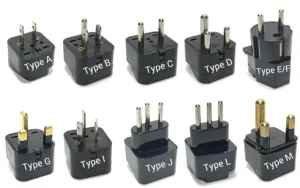

Device Compatibility

Common Traveler Devices

  1. Laptops and Smartphones:
    • Most modern devices are dual-voltage (100V-240V) and compatible with China’s 220V system.
    • Only require a plug adapter, not a voltage converterĀ .
  2. Cameras and Tablets:
    • Generally dual-voltage and compatible with China’s electrical system.
    • Require only a plug adapter.
  3. High-Power AppliancesĀ (e.g., hair dryers, curling irons):
    • Often require specific voltage settings.
    • May need a voltage converter if not rated for 220V.

Cycling-Specific Devices

  1. GPS Devices:
    • Popular models like Garmin eTrex Legend are compatible with AA batteries, making them convenient for long trips.
  2. Bike Lights:
    • Essential for safety, especially during night rides.
    • Check voltage compatibility; most are USB-rechargeable and thus compatible.
  3. Action Cameras:
    • Popular among cycling travelers for documenting their journey.
    • Most are dual-voltage and require only a plug adapter.

Adapters and Converters

Plug Adapters

  • Essential for fitting foreign plugs into Chinese sockets.
  • Do not convert voltage; only allow physical connection.
  • Recommendation: Invest in a high-quality, universal adapter that covers Type A, C, and I plugs.

Voltage Converters

  • Necessary for devices not compatible with 220V (e.g., some US appliances designed for 110V).
  • Choose based on the wattage requirements of your devices.
  • Consider durability and portability for cycling trips.

Power Banks and Portable Chargers

Power banks are essential for cycling travelers to keep devices charged during long rides.

Recommended Features:

  1. Capacity: 10,000mAh to 20,000mAh for a balance of power and portability.
  2. Portability: Compact and lightweight designs like the Miady 2-Pack 5000mAh Mini Portable Charger.
  3. Compatibility: Support for USB Type-C and USB Type-A connectors.
  4. Multiple Ports: Allows charging of several devices simultaneously.
  5. Safety Features: Look for overcharge protection, short circuit protection, and temperature control.

Additional Considerations:

  • Shared Power Banks: Popular in China, offering a convenient option for travelers.
  • Environmental Conditions: Choose power banks rated for extreme temperatures if cycling in varied climates.

Mobile Network and WiFi Access

Staying connected is crucial for navigation, communication, and safety.

Mobile Network Coverage:

  • Extensive 5G coverage with 3.84 million base stations as of July 2024.
  • Major providers: China Mobile, China Unicom, and China Telecom.

SIM Card Options:

  1. Local SIM Cards: Available at airports, operator stores, or online.
  2. eSIM Options: Providers like Airalo and Holafly offer convenient solutions.

WiFi Access:

  • Widely available in hotels, public spaces, and some rural areas.
  • Consider renting a pocket WiFi device for constant internet access.

VPN Requirements

Due to internet restrictions in China, a VPN is essential for accessing many international websites and apps.

Recommended VPNs:

  1. NordVPN
  2. ExpressVPN
  3. Surfshark

Important: Install and set up your VPN before entering China.


Safety and Legal Considerations

  1. Be aware of China’s internet censorship and potential device inspections.
  2. Familiarize yourself with local cycling regulations, including restrictions on e-bikes and cycling directions.
  3. Children under 12 are prohibited from riding bicycles on streets in Shanghai.

Tips for Cycling Travelers

  1. Pre-trip Preparation:
    • Ensure devices are unlocked and compatible with Chinese networks.
    • Install and test VPN before departure.
    • Download essential apps like WeChat and navigation tools.
  2. Data Management:
    • Use offline maps when possible to conserve data.
    • Take advantage of hotel and public WiFi, but use a VPN for security.
  3. Device Care:
    • Protect devices from dust, moisture, and physical damage during your cycling trip.
    • Consider waterproof cases for smartphones and other sensitive electronics.
  4. Power Management:
    • Carry multiple power banks for extended trips.
    • Look for accommodation with reliable power outlets for overnight charging.
  5. Emergency Preparedness:
    • Keep a paper copy of important information and emergency contacts.
    • Consider a backup phone with a local SIM for emergencies.
Currency Exchange

Understanding Chinese Currency

The official currency of China is the Renminbi (RMB), which translates to ā€œthe people’s currencyā€ in Mandarin. The basic unit of the Renminbi is the Yuan (CNY). While the terms RMB and Yuan are often used interchangeably, they have distinct meaningsĀ .

  • Denominations: Chinese banknotes are available in Ā„1, Ā„2, Ā„5, Ā„10, Ā„20, Ā„50, and Ā„100. Coins are issued in Ā„0.1 (1 jiao), Ā„0.5 (5 jiao), and Ā„1.
  • Subunits: One Yuan is divided into 10 jiao, and one jiao is further divided into 10 fen (though fen are rarely used due to their low value).


Methods of Currency Exchange

1. Banks

  • Major Banks: The Bank of China, Industrial and Commercial Bank of China (ICBC), and Agricultural Bank of China offer competitive exchange rates.
  • Process: Exchanging money at banks can be time-consuming, requiring you to present your passport and fill out paperwork.
  • Exchange Limits: There is an annual exchange limit of USD 50,000 for both Chinese and non-Chinese citizens.

2. ATMs

  • Availability: ATMs are widely available throughout China, including in major cities and some rural areas.
  • Card Acceptance: Most ATMs accept international cards such as Visa, MasterCard, Cirrus, and Maestro.
  • Withdrawal Limits and Fees: The typical withdrawal limit is around CNY 3,000 per transaction, with a daily limit of CNY 20,000. ATMs charge a fee ranging from CNY 20 to CNY 30 per transaction, and your home bank may also impose additional fees.

3. Exchange Offices

  • Locations: Available at airports, hotels, and tourist areas, but often offer less favorable rates compared to banks
  • Convenience vs. Cost: While convenient for emergency cash needs, they typically charge higher fees and offer poorer exchange rates.

Tips for Managing Money Safely

  1. Diversify Your Money Storage: Use neck wallets, money belts, or secret pockets to distribute your money and reduce the risk of losing everything in case of theft.
  2. Carry Cash: While mobile payments are popular in China, cash is still widely accepted, especially in rural areas where digital payment infrastructure may be lacking.
  3. Use Reputable Services: Stick to reputable banks and ATMs to avoid counterfeit currency and ensure you receive authentic banknotes.
  4. Notify Your Bank: Inform your bank of your travel plans to prevent your card from being blocked due to suspicious activity.
  5. Keep Receipts: Retain all ATM and exchange receipts, as they may be required if you wish to convert leftover RMB back to your home currency.
  6. Backup Funds: Have a backup source of funds, such as a second debit or credit card, and a few hundred dollars in travelers’ checks.
  7. Stay Informed: Keep track of exchange rates and fees using reliable apps or websites to ensure you get the best rates.

Cultural and Legal Considerations

  1. Capital Controls: China maintains capital controls, which restrict the free flow of capital in and out of the country. These controls are intended to stabilize the currency and prevent excessive volatility.
  2. Dynamic Currency Conversion: Some merchants may offer to charge in USD instead of CNY, but this usually results in higher costs due to dynamic currency conversion fees.
  3. Mobile Payments: WeChat Pay and Alipay are popular, but they typically require a Chinese bank account. Recent developments have made it possible for tourists to use these platforms, but the process can be cumbersome.

Recommendations for Cycling Travelers

  1. Plan Ahead: Exchange a small amount of currency in your home country to cover initial expenses upon arrival.
  2. Use ATMs Strategically: Withdraw larger amounts to minimize fees, but be cautious of your surroundings when doing so.
  3. Avoid Tourist Traps: Exchange money in city centers rather than airports or hotels to avoid excessive fees.
  4. Research and Compare Rates: Before exchanging money, compare rates from multiple sources, including banks, exchange kiosks, and online platforms, to ensure you get a favorable rate.
  5. Consider Online Platforms: Services like Wise offer currency exchange at the mid-market rate without hidden fees, making them a cost-effective option for travelers.
  6. Emergency Preparedness: Keep a list of emergency contact numbers for your bank and credit card companies in case you need to report a lost or stolen card.
Food & Water Quality

Food Safety Standards and Regulations

China has made significant strides in improving its food safety standards and regulations in recent years. The country has established a national strategy for food safety with the aim of achieving zero tolerance for food safety risks.

Key aspects of China’s current food safety framework include:

  1. Regulatory Bodies: The National Health Commission (NHC) and State Administration for Market Regulation (SAMR) are responsible for developing and enforcing food safety standards.
  2. National Food Safety Standards (NFSS): These standards cover various aspects of food safety, including limits on contaminants, usage of food additives, and hygiene requirements for food production.
  3. Coregulation Approach: China is adopting a collaborative approach between public authorities and food operators to enhance compliance and reduce regulatory costs.

Despite these improvements, challenges remain, particularly in rural areas where enforcement may be less stringent.


Water Quality and Safety

Water quality in China varies significantly between urban and rural areas.

Urban Areas:

  • Water quality has generally improved, with stricter regulatory oversight and advanced infrastructure.
  • However, tap water is still generally not safe to drink without boiling or filtering.

Rural Areas:

  • Face more significant challenges due to less developed infrastructure and pollution from agricultural and industrial activities.
  • Access to safe drinking water in rural areas has increased from 36% to 88% by 2022, thanks to government initiatives.

Common Foodborne Illnesses and Health Risks

Travelers to China should be aware of the following health risks:

  1. Bacterial Infections: Vibrio parahaemolyticus (associated with seafood) and Salmonella (linked to meat products) are common causes of foodborne illnesses.
  2. Viral Infections: Adenovirus and enterotoxigenic Escherichia coli (ETEC) have been identified in foodborne illness cases.
  3. Hepatitis A and E: Both are prevalent in China and can be contracted through contaminated food and water.
  4. Travelers’ Diarrhea: The risk is moderate, particularly outside luxury accommodations.
  5. Tuberculosis: China remains moderately endemic for tuberculosis.

Safe Eating Practices and Food Hygiene Tips

To minimize health risks, travelers should follow these guidelines:

  1. Avoid Tap Water: Stick to bottled or boiled water for drinking and even brushing teeth.
  2. Be Cautious with Street Food: Choose busy stalls with high turnover and ensure food is cooked thoroughly and served hot.
  3. Select Reputable Restaurants: Opt for popular, busy restaurants to reduce the risk of consuming stale or contaminated food.
  4. Avoid Raw and Uncooked Foods: Steer clear of raw meat, eggs, and unpasteurized dairy products.
  5. Handle Fruits and Vegetables Carefully: Wash produce with bottled water before consumption.
  6. Practice Good Hand Hygiene: Use hand sanitizer, especially when soap and water are not available.
  7. Be Wary of Seafood: Purchase seafood from reputable markets or well-regarded restaurants due to potential contamination issues.

Specific Recommendations for Cycling Tourists

Cycling tourists face unique challenges due to their high energy expenditure and exposure to various environments. Here are specific recommendations:

  1. Water Management:
    • Carry a portable water filter or purification tablets, especially when traveling through rural areas.
    • Plan routes to ensure regular access to safe water sources.
    • Consider using hydration packs for easy access to water while cycling.
  2. Nutrition and Energy Management:
    • Maintain a balanced diet rich in carbohydrates, proteins, and fats to support high energy expenditure.
    • Carry energy bars or snacks for long stretches between towns.
    • Learn basic Mandarin phrases related to food safety to communicate dietary needs effectively.
  3. Food Safety on the Go:
    • Opt for cooked foods from reputable establishments when possible.
    • Be cautious with street food, especially in rural areas where hygiene standards may be lower.
    • Consider carrying a small supply of safe, non-perishable food items for emergencies.
  4. Health Precautions:
    • Ensure vaccinations, including Hepatitis A and Typhoid, are up to date before traveling.
    • Carry a basic first aid kit with medications for common travel illnesses.
    • Consider travel insurance that covers medical emergencies and evacuation.
  5. Cultural Considerations:
    • Be aware of regional differences in cuisine and food preparation methods.
    • Respect local customs and dining etiquette to maintain positive interactions with locals.
  6. Emergency Preparedness:
    • Familiarize yourself with local emergency numbers (110 for police, 120 for ambulance).
    • Research locations of hospitals or clinics along your route, particularly those with English-speaking staff.
  7. Climate and Environmental Factors:
    • Be aware of how different climates across China may affect food and water safety.
    • In hot and humid regions, be extra cautious about food spoilage and increase water intake to prevent dehydration.
  8. Technology and Information:
    • Use apps or websites to stay informed about local food and water safety conditions.
    • Consider using translation apps to help communicate dietary needs or ask about food preparation methods.
What do the US Dept of State, US Embassy, and CDC say?

Check out the latest Travel Advisory to China from theĀ US Dept of State. Ā Contacts from all US Embassies in China are listed on the website. Ā Use theĀ Smart Traveler Enrollment Program (STEP)Ā to inform them of your travels.

Read the Travel Health Notices & suggested vaccinations from theĀ CDC

For the latest updates and resources, visit the U.S. Embassy in China’s official website:Ā U.S. Embassy & Consulates in China

Supplement Your Health / Travel Insurance

General Insurance Requirements and Recommendations

While travel insurance is not mandatory for entry into China, it is highly recommended for all travelers, especially those engaging in activities like cyclingĀ . This recommendation stems from several factors:

  1. High Medical Costs: Foreigners in China do not have access to free healthcare, and medical expenses can be substantial.
  2. Limited Rural Healthcare: While major cities have good medical facilities, rural areas may have limited healthcare options.
  3. Potential for Accidents: Cycling, particularly in urban areas or on long-distance tours, carries inherent risks.

Types of Insurance Coverage Recommended

  1. Travel Medical Insurance: Essential for covering emergency medical expenses, hospitalization, surgery, and prescription medications.
  2. Trip Insurance: Covers non-refundable travel expenses in case of cancellations, delays, or interruptions.
  3. Emergency Evacuation and Repatriation: Crucial for ensuring transport to adequate medical facilities or back to the home country if necessary.
  4. Personal Accident Insurance: Provides coverage for injuries sustained by the cyclist.
  5. Third-Party Liability Insurance: Covers damages or injuries caused to others while cycling.

Specific Insurance Options for Cyclists

Sunday Insurance

Sunday Insurance offers comprehensive coverage tailored specifically for cyclists:

  1. Theft Protection: Covers bicycle theft both from home and while away.
  2. Accidental Damage: Includes repair or replacement for accidental damage.
  3. Custom Parts and Accessories: Covers custom-fitted parts and cycling accessories.
  4. Transportation Coverage: Protects bicycles during transit, including on airlines and other modes of transport.
  5. Emergency Medical Expenses: Provides up to $1,000 for out-of-pocket emergency medical expenses.
  6. Worldwide Coverage: Optional coverage for up to 90 days while traveling abroad, which is particularly relevant for trips to China.
  7. Racing and Event Coverage: Optional coverage for damage during races or events.
  8. Rental Reimbursement: Up to $300 for bicycle rental if your bike is damaged and cannot be repaired in time for an event.

Considerations for China Travel:

  • Ensure the optional worldwide coverage is selected to extend protection to China.
  • Verify compliance with local regulations, as these may affect coverage applicability.
  • Sunday Insurance policies are not available in New York, which may affect some travelers.

Website:Ā www.sundaysinsurance.com

World Nomad Insurance

World Nomad Insurance offers plans that cater to adventure travelers, including cyclists:

  1. Multiple Plan Options: Standard, Explorer, Epic, and Annual plans with varying levels of coverage.
  2. Medical and Emergency Coverage: Includes coverage for injuries sustained during activities like cycling.
  3. Trip Cancellation and Interruption: Covers non-refundable travel expenses due to unforeseen events.
  4. Lost or Delayed Baggage: Protects against loss, theft, or damage of personal belongings, including cycling gear.
  5. 24/7 Emergency Assistance: Provides access to emergency assistance teams for medical referrals and communication with local healthcare providers.
  6. Adventure Sports Coverage: Specifically covers cycling and over 250 other activities, making it suitable for multi-sport travelers.

Considerations for China Travel:

  • Select the appropriate plan based on the intensity and risk level of cycling activities planned in China.
  • Utilize non-insurance services like FootprintID for managing personal health records during travel.

Website:Ā www.worldnomads.com

Additional Considerations for Cycling in China

  1. Bike-Sharing Insurance: Bike-sharing companies in China are required to provide insurance for their users, including life accident and third-party liability coverageĀ .
  2. E-Bike Regulations: Be aware of local restrictions on e-bikes, as these may affect insurance coverage and legal compliance.
  3. Local Health Risks: Consider vaccinations for hepatitis A, hepatitis B, and typhoid, and be aware of risks such as avian influenza and high pollution levels.

Recommendations for Cycling Travelers

  1. Comprehensive Coverage: Opt for insurance plans that offer extensive coverage, including medical expenses, trip cancellations, and emergency evacuation.
  2. Activity-Specific Coverage: Ensure that chosen policies explicitly cover cycling activities.
  3. Evaluate Personal Needs: Consider factors such as trip duration, cycling intensity, and personal health conditions when selecting insurance.
  4. Stay Informed: Keep updated on travel advisories and any changes in local regulations that may affect insurance coverage or cycling activities.
  5. Documentation: Carry all necessary insurance documentation and emergency contact information while cycling in China.
  6. Local Compliance: Familiarize yourself with local cycling regulations, especially in urban areas, to ensure compliance and maintain valid insurance coverage.
How to Stay Safe

Health and Medical Safety

Vaccinations and Health Precautions

  1. Routine Vaccinations: Ensure you’re up-to-date on all routine vaccinations recommended by the CDC, including measles-mumps-rubella (MMR), diphtheria-tetanus-pertussis (DTaP), and influenza.
  2. Recommended Vaccinations for China:
    • Hepatitis A and B
    • Typhoid Fever (especially for rural areas)
    • Yellow Fever (if arriving from a country with risk of transmission)
    • Malaria prophylaxis (for rural regions)
  3. Consultation: Visit a travel physician at least six weeks before departure to receive necessary vaccinations and obtain vaccination records.

Healthcare Access

  1. Medical Insurance: Healthcare in China is not free and can be expensive. Ensure you have comprehensive travel and medical insurance that covers healthcare and medical evacuation.
  2. Medical Facilities: Major cities have hospitals with international standards, but rural areas may have limited facilities. Carry a basic first-aid kit and personal medications.
  3. Emergency Services: Familiarize yourself with local emergency services and keep important contacts handy, including your embassy or consulate.

General Health Tips

  1. Hygiene: Practice good hygiene, including frequent hand washing and using hand sanitizers.
  2. Food and Water Safety: Drink bottled or boiled water and avoid raw or undercooked foods to prevent foodborne illnesses.
  3. Insect Protection: Use insect repellent, wear long-sleeved clothing, and ensure your accommodation is insect-proof to protect against mosquito-borne diseases.

Personal Safety and Crime Prevention

  1. Stay Vigilant: Always be aware of your surroundings, especially in crowded places like markets, public transport, and tourist attractions.
  2. Avoid Large Gatherings: Steer clear of demonstrations and large gatherings, which may be dispersed by force.
  3. Carry Identification: Always carry your passport, as police may conduct random checks.
  4. Prevent Petty Crime:
    • Be cautious of pickpocketing in crowded areas.
    • Avoid common scams, such as invitations to tea houses or art galleries where you may be overcharged.
    • Use only reputable taxi services and avoid unlicensed ā€œblack taxisā€.
  5. Secure Your Belongings: Keep your belongings close and secure, especially in public transport and crowded places.
  6. Cybersecurity: Be cautious when accessing sensitive information on public networks. Consider using a government-approved VPN.

Emergency Services and Important Contacts

  1. Key Emergency Numbers:
    • Police: 110
    • Ambulance: 120
    • Fire Department: 119
    • Traffic Accidents: 122
    • Tourist Assistance: 12301
  2. Additional Useful Numbers:
    • Directory Assistance: 114
    • Consumer Complaints: 12315
    • Weather Information: 12121
  3. Support Systems for Foreigners:
    • International Call Center (in English): 115
    • Information Service for Foreigners in Critical Situations:
      • Shanghai: 6-439-0630
      • Guangzhou: 8-667-7422
  4. Embassy Support: Keep contact information for your country’s embassy or consulate handy for assistance with passport replacement, legal advice, and emergency travel documents.

Cycling-Specific Safety Considerations

Route Planning

  1. Weather and Road Conditions:
    • Check weather forecasts and be prepared for diverse conditions.
    • Be aware that road conditions can vary greatly, especially in rural or mountainous areas.
  2. Traffic Safety:
    • Use designated bicycle paths when available.
    • Ride defensively, especially during rush hours and at intersections.
    • Consider routes that are part of cycling networks or ā€œgreenwaysā€ for safer travel.

Equipment Recommendations

  1. Bicycle: Choose a sturdy bike suitable for long-distance travel. Consider a folding bike like the Bike Friday New World Tourist for convenience.
  2. Tires: Use kevlar tires to reduce the risk of flats on roads that may have broken glass.
  3. Panniers and Bags: Use waterproof panniers that are easy to attach and detach. Consider a panpack that converts into a backpack.
  4. Safety and Repair Kits:
    • Carry a basic repair kit (bike tool, patches, spare tube, lube).
    • Always have a first aid kit with essentials.
  5. Clothing and Protection:
    • Dress in layers and carry rain and wind protection gear.
    • Wear a helmet and consider using a filter mask for pollution in urban areas.

Road Safety and Traffic Regulations

  1. Speed Limits: Adhere to the legal speed limit of 15 km/h for non-motorized vehicles (NMVs).
  2. Helmet Use: Although not mandatory, helmet use is strongly recommended due to the high risk of head injuries in crashes.
  3. Lane Usage: Use non-motorized lanes when available. Be cautious when sharing lanes with motor vehicles.
  4. Traffic Signal Compliance: Always obey traffic signals to reduce the risk of accidents.
  5. Awareness: Remain vigilant and aware of your surroundings, especially in areas with heavy traffic or inadequate infrastructure.

General Safety Tips for Cyclists in China

  1. Cultural Awareness: Familiarize yourself with local customs and laws to avoid misunderstandings.
  2. Language Preparation: Learn basic Mandarin phrases related to cycling, directions, and emergencies.
  3. Documentation: Carry copies of important documents (passport, visa, insurance) separate from the originals.
  4. Stay Connected: Consider purchasing a local SIM card or portable WiFi device for easy access to maps and emergency services.
  5. Regular Check-ins: Establish a system to regularly check in with family or friends, especially when cycling in remote areas.
  6. Accommodation Safety: Choose reputable accommodations and be cautious with personal belongings.
  7. Group Travel: Consider joining cycling groups or tours for added safety and local knowledge.
Essential Apps

Essential Travel Apps

1. WeChat

WeChat is the quintessential ā€œsuper appā€ for China, combining messaging, social media, and mobile payment featuresĀ . It’s indispensable for daily life in China, allowing you to communicate, make payments, and even book services. For travelers, it’s a must-have for staying connected and navigating the Chinese digital ecosystem.

2. Alipay

While primarily a payment app, Alipay also offers features for public transportation, making it a convenient all-in-one solution for travelersĀ . It can be used to pay for subway and bus rides, as well as various other services.

3. Pleco

Pleco is one of the best pocket dictionary apps for China. It can use your phone’s camera to scan and translate documents, which is particularly useful for reading signs and menusĀ . This feature makes it invaluable for overcoming language barriers during your travels.

4. Baidu MapsĀ orĀ AutoNavi (Gaode Maps)

These are the two leading navigation apps in China. Baidu Maps offers comprehensive map data, navigation, and location-based search servicesĀ . AutoNavi (Gaode Maps) is particularly popular for its GPS car navigation capabilities and English support, making it more accessible to international travelers.

5. VPN App (e.g., NordVPN or ExpressVPN)

A reliable VPN is crucial for accessing blocked international services in China. NordVPN and ExpressVPN are highly recommended for their ability to consistently bypass the Great Firewall using advanced obfuscation technology.


Cycling-Specific Apps

1. MobikeĀ orĀ Hellobike

These are popular bike-sharing apps in China. They allow users to locate, unlock, and pay for bike rentals directly through their smartphonesĀ . Hellobike is particularly user-friendly and integrates well with Alipay and WeChat Pay.

2. Strava

While not specific to China, Strava is popular among cyclists worldwide for tracking rides, analyzing performance, and connecting with other cyclists. It’s useful for keeping track of your cycling activities while traveling in China.

3. CycleMap

Available on iOS and Android, CycleMap is useful for planning cycling routes and finding bike-friendly paths. It can be a helpful tool for navigating both urban and rural areas in China.


Content Creation and Social Media Apps

1. Douyin (TikTok)

Known internationally as TikTok, Douyin is a short video platform that allows users to create, edit, and share videos. It’s particularly popular among younger demographics and is excellent for creating and sharing visual content of your travels.

2. Xiaohongshu (Little Red Book)

This platform combines social media with e-commerce, focusing on lifestyle, beauty, and fashionĀ . It’s ideal for sharing product reviews, travel experiences, and lifestyle content, making it perfect for travel bloggers and content creators.

3. Sina Weibo

Often compared to Twitter, Weibo is a microblogging platform that allows users to post text, images, and videosĀ . It’s widely used for topic marketing and event promotions, making it valuable for reaching a broad audience with your travel content.


Additional Useful Apps

1. Shanghai Metro Daduhui App

This app is specifically designed for navigating the Shanghai Metro system. It allows users to purchase single-trip tickets and provides information on metro routesĀ , which is essential if you’re planning to explore Shanghai by public transport.

2. XE Currency

A popular choice among travelers, XE Currency offers real-time exchange rates and allows users to track various currenciesĀ . This is crucial for managing your finances while traveling in China.

3. DiDi

Known as China’s answer to Uber, DiDi offers ride-hailing services and has also integrated bike-sharing options. It’s a versatile app for various transportation needs in Chinese cities.

By installing and familiarizing yourself with these apps before your trip, you’ll be well-equipped to navigate China’s unique digital landscape, enjoy cycling experiences, create and share content, and make the most of your travel experience. Remember to download and set up these apps, especially the VPN, before entering China, as some may be difficult to access or set up once you’re there.

Resources

How to learn the local language FAST!

Understanding the Language Landscape

Mandarin Chinese is the official language of the People’s Republic of China and is spoken by approximately 71.5% of the populationĀ . It serves as the lingua franca across the country, facilitating communication among people from different regionsĀ . With over 1.1 billion speakers in China alone, Mandarin’s prevalence is significant, making it the most commonly used language for communication in the countryĀ .

The origin and spread of the Sino-Tibetan language family, which includes Mandarin Chinese

Essential Mandarin Words and Phrases for Travelers

Before arriving in China, it’s crucial to familiarize yourself with some key words and phrases. Here’s a list of essential Mandarin expressions:

1. Greetings and Basic Interactions:

  • 你儽 (nǐ hĒŽo) – Hello
  • 谢谢 (xiĆØ xiĆØ) – Thank you
  • å†č§ (zĆ i jiĆ n) – Goodbye
  • 请 (qǐng) – Please
  • åÆ¹äøčµ· (duƬ bu qǐ) – Sorry
  • 沔关系 (mĆ©i guān xi) – It’s okay/No problem

2. Directions and Transportation:

  • 车站 (chē zhĆ n) – Station
  • å‡ŗē§Ÿč½¦ (chÅ« zÅ« chē) – Taxi
  • 地铁 (dƬ tiě) – Subway
  • č‡Ŗč”Œč½¦ (zƬ xĆ­ng chē) – Bicycle

3. Dining and Food:

  • čœå• (cĆ i dān) – Menu
  • ę°“ (shuǐ) – Water
  • 米鄭 (mǐ fĆ n) – Rice
  • 瓠食 (sù shĆ­) – Vegetarian

4. Shopping and Numbers:

  • 多少钱 (duō shĒŽo qiĆ”n) – How much?
  • ä¾æå®œäø€ē‚¹ (piĆ”n yi yÄ« diĒŽn) – Cheaper, please
  • äø€ (yÄ«) – One
  • 二 (ĆØr) – Two

5. Emergency and Help:

  • 帮助 (bāng zhù) – Help
  • 医院 (yÄ« yuĆ n) – Hospital
  • 警察 (jǐng chĆ”) – Police

6. Cycling-Specific Terms:

  • č‡Ŗč”Œč½¦ (zƬ xĆ­ng chē) – Bicycle
  • éŖ‘č‡Ŗč”Œč½¦ (qĆ­ zƬ xĆ­ng chē) – Ride a bicycle
  • č‡Ŗč”Œč½¦é“ (zƬ xĆ­ng chē dĆ o) – Bicycle lane
  • č‡Ŗč”Œč½¦ē§Ÿčµ (zƬ xĆ­ng chē zÅ« lƬn) – Bicycle rental

Best Resources for Quick Language Acquisition

To effectively learn Mandarin for your trip to China, consider using a combination of the following resources:

1. Online Platforms and Apps

a) FluentU

  • Uses real-world videos like music videos and TV shows to teach Mandarin.
  • Provides context-based learning, ideal for understanding everyday language.
  • Website:Ā www.fluentu.com

b) HelloChinese

  • A gamified app suitable for beginners.
  • Covers essential vocabulary and phrases for travelers.
  • Website:Ā www.www.hellochinese.cc

c) Pleco

  • Highly recommended for its dictionary and flashcard features.
  • Useful for quick word lookups during your trip.
  • Website:Ā www.www.pleco.com

d) iTalki

  • Connects learners with native Mandarin speakers for one-on-one lessons.
  • Great for practicing speaking and listening skills before your trip.
  • Website:Ā www.www.italki.com

e) Duolingo

  • Offers a gamified learning experience with interactive exercises.
  • Covers vocabulary, grammar, and pronunciation.
  • Website:Ā www.www.duolingo.com

2. Online Courses

a) Coursera – Learning Chinese: Start From Scratch

  • Six-week introduction to Mandarin Chinese conversation.
  • Emphasizes practical language skills for travelers.
  • Website:Ā www.www.coursera.org

b) YoYoChinese

  • Designed for beginners and travelers.
  • Focuses on fundamentals needed for everyday conversation.
  • Website:Ā www.yoyochinese.com

c) Rocket Chinese

  • Comprehensive course for beginners.
  • Includes interactive activities, short plays, and cultural guidance.
  • Website:Ā www.www.rocketlanguages.com

d) GoEast Mandarin

  • Offers a variety of courses for different skill levels.
  • Flexible platform allowing travelers to choose lessons that fit their schedules.
  • Website:Ā www.goeastmandarin.com

3. Offline Resources

a) Phrasebooks

  • ā€œLonely Planet Mandarin Phrasebookā€ (approx. $8)
  • Covers essential phrases for various situations.

b) Audio Courses

  • Pimsleur Mandarin Chinese
  • Living Languages Mandarin (complete version available for less than $40.)

c) Learn Chinese Offline App

  • Provides over 1300 commonly-used Chinese phrases across 18 categories.
  • Includes native speaker pronunciation and offline functionality.

4. Pronunciation Resources

a) Forvo

  • Offers pronunciations of words by native speakers.

b) HowJSay

  • Provides audio pronunciations of English-transliterated Mandarin phrases.

c) AudioEloquence

  • Offers phonetic transcriptions and audio samples.

Learning Strategies for Quick Acquisition

  1. Focus on Practical Vocabulary: Prioritize learning words and phrases related to travel, such as directions, food, and accommodation.
  2. Use Spaced Repetition: Utilize apps like Anki or Quizlet to review vocabulary regularly.
  3. Immerse Yourself: Listen to Mandarin podcasts or watch Chinese movies with subtitles to familiarize yourself with the language’s sounds and rhythms.
  4. Practice Tones: Mandarin is a tonal language, so focus on mastering the four tones to improve your pronunciation.
  5. Learn Basic Characters: While not essential for short-term travel, understanding some basic characters can help with reading signs and menus.
  6. Combine Methods: Use a mix of audio, visual, and interactive learning methods to reinforce your language skills.

Cycling Influencers

1. Waisze Lee (@sarah_leewaisze)

  • Instagram:Ā www.instagram.com/sarah_leewaisze/
  • Summary: Top cycling influencer on Instagram in China with a substantial following of 95.4K, known for engaging content and significant impact in the cycling community.

2. Chris (@chris_0816hk)

  • Instagram:Ā www.instagram.com/chris_0816hk/
  • Summary: Influential cyclist with a highly engaged audience of 14.2K followers, demonstrating strong community interaction despite a smaller follower count.

3. Jason Ng (@jason_ng_tai_long)

4. Ebikes Factory (@ebikefactory)

  • TikTok:Ā www.tiktok.com/@ebikefactory
  • Summary: Major player in the cycling niche on TikTok with 300K followers, focusing on electric bikes and cycling trends.

Travel Influencers and Bloggers

1. Rachel Meets China

2. WildChina Blog

  • Website:Ā www.www.wildchina.com/blog/
  • Summary: Renowned travel company offering unique, socially responsible adventures in China and Tibet, recognized by National Geographic.

3. China Travel News

  • Website:Ā www.www.chinatravelnews.com/
  • Summary: Leading platform providing up-to-date news and feature stories about the travel and tourism industry in China.

Cycling-Specific Bloggers and Resources

1. Sidetracked Magazine – China Cycling Story

  • Website:Ā Sidetracked Magazine
  • Summary: Features stories like Rebecca’s cycling journey across China from Kazakhstan to Vietnam, offering vivid depictions of cycling challenges in diverse terrains.

2. Road to the Rising Sun

  • Medium:Ā Road to the Rising Sun
  • Summary: Details a two-month cycling journey through China, providing insights into cultural experiences and logistical aspects of cycling in different Chinese provinces.

Travel Bloggers and Websites

1. Rachel Meets China

  • Blog:Ā Rachel Meets China
  • Instagram:Ā @rachelmeetschina
  • Summary: An American expat sharing insights about life, teaching, and travel in China, with a significant Instagram following of 41.3K.

2. WildChina Blog

  • Website:Ā WildChina Blog
  • Summary: Offers insights into off-the-beaten-path adventures and socially responsible travel in China, recognized by National Geographic.

3. China Travel News

  • Website:Ā China Travel News
  • Summary: Provides up-to-date news, feature stories, and in-depth analysis of the travel and tourism industry in China.

4. The Blonde Abroad – China Travel Guide

  • Website:Ā The Blonde Abroad – China
  • Summary: Provides an ā€œUltimate China Travel Guideā€ with valuable insights and tips for navigating the unique challenges of traveling in China.

5. Shanghai Street Stories

  • Website:Ā Shanghai Street Stories
  • Summary: Combines photojournalism and street photography to document the changing landscape of Shanghai, offering deep dives into local life and culture.

Travel Forums and Communities

1. Reddit’s r/travelchina

  • Subreddit:Ā r/travelchina
  • Summary: A subreddit dedicated to travel in China, where users share experiences, ask questions, and provide recommendations.

2. Mafengwo

  • Website:Ā Mafengwo
  • Summary: A popular travel review website among Chinese millennials, offering destination guides, travel diaries, and user-generated content.

3. Qyer

  • Website:Ā Qyer
  • Summary: A travel community platform that provides reviews, travel diaries, and a forum for sharing travel tips and experiences, particularly popular among Chinese travelers.

Official China Tourism & Government Resources

1. Ministry of Culture and Tourism of the People’s Republic of China

  • Summary:Ā This is the primary government body responsible for formulating tourism policies, managing national cultural resources, and overseeing the industry’s development.
  • Website:Ā mct.gov.cn

2.Ā ChinaCulture.org

  • Summary:Ā Managed by the Ministry of Culture and Tourism, this site serves as the official English-language window into China’s history, festivals, arts, and cultural heritage.
  • Website:Ā chinaculture.org

3. Visit China (Official Government Services)

  • Summary:Ā A dedicated section of the central government’s portal that provides authoritative information on visas, customs, and essential travel regulations for international visitors.
  • Website:Ā gov.cn

4. China Tourism

  • Summary:Ā Official overseas tourism office that highlights all of China and its regions as a gateway for cultural and nature tourism — useful for broader travel context and planning permits/visa option
  • Website:Ā https://www.china-tourism.de/

5. Guilin Official Travel Guide

  • Summary: A comprehensive official visitor guide to Guilin with detailed info on top attractions, transportation, cycling options, local tips, visa info, and travel planning resources.
  • Website: https://visitguilin.org/

6. Lijiang (Li River) Scenic Area Official Tourism Site

  • Summary: Official site for the Li River scenic area — including ticketing, transportation guidance, and visitor info for one of Guilin’s most iconic natural attractions.
  • Website: https://en.liriver.com.cn/
Cycling and Travel Brands in the country

Bicycles and E-Bikes

1. Tianjin Fuji-ta Group Co., Ltd.

  • Website:Ā Fuji-ta Group
  • Summary: The largest bicycle export enterprise in China and the world’s largest bicycle manufacturer, offering a wide range of bicycles and electric vehicles.

2. Shanghai Phoenix Enterprise (Group) Co. Ltd.

  • Website:Ā Phoenix Bicycles
  • Summary: A well-established brand designing and manufacturing bicycles for global markets.

3. DOMLIN

  • Website:Ā DOMLIN
  • Summary: Innovator in e-mobility solutions, producing bicycles, electric bicycles, and scooters with a focus on environmental responsibility.

4. Winspace

  • Website:Ā Winspace
  • Summary: Leading manufacturer of carbon bike frames, known for quality and innovation in high-end bicycle market.

Bicycle Components and Accessories

1. Shimano (Manufacturing in China)

  • Website:Ā Shimano
  • Summary: Japanese company with significant manufacturing presence in China, producing high-quality bicycle components.

2. KMC Chain Industrial Co. Ltd.

  • Website:Ā KMC Chain
  • Summary: Major manufacturer of bicycle chains, known for durability and performance.

4. Vittoria Industries Ltd.

  • Website:Ā Vittoria
  • Summary: Specializes in bicycle tires and accessories with a strong manufacturing base in China.

6. Cheng Shin Rubber Ind. Co. Ltd. (Maxxis)

  • Website:Ā Maxxis
  • Summary: Major supplier of tires and tubes for bicycles and other vehicles.

Outdoor and Adventure Gear

1. Toread

  • Website:Ā Toread
  • Summary: Specializes in outdoor apparel and equipment, offering weather-resistant jackets and durable gear suitable for cycling travelers.

2. Naturehike

  • Website:Ā Naturehike
  • Summary: Offers affordable, high-quality outdoor gear including lightweight tents and backpacks ideal for cycling travelers.

3. Camel

  • Website:Ā Camel
  • Summary: Long-established brand offering practical and durable outdoor apparel and gear.

4. Beneunder

  • Website:Ā Beneunder
  • Summary: Specializes in sun-protective gear, particularly useful for cycling travelers exposed to prolonged sunlight.

Travel Gear and Luggage

1. Samsonite (China) Co., Ltd.

  • Website:Ā Samsonite China
  • Summary: International brand with a significant presence in China, offering a range of luggage and travel bags.

2. Delsey China

  • Website:Ā Delsey China
  • Summary: Popular international brand providing high-quality luggage options in China.

International Brands with Significant Presence in China

1. Giant

  • Website:Ā Giant Bicycles
  • Summary: Prominent international cycling brand with a significant presence in the Chinese market.

2.Merida

  • Website:Ā Merida Bikes
  • Summary: Well-established international brand with a strong presence in China’s cycling market.

3. Decathlon

  • Website:Ā Decathlon China
  • Summary: French sporting goods retailer with an expanded presence in China, offering a wide range of cycling products.

4. Basso

  • Website:Ā Basso Bikes
  • Summary: Italian brand that has re-entered the Chinese market, offering a full range of high-end bicycles.

5. Pas Normal Studios

  • Website:Ā Pas Normal Studios
  • Summary: Danish apparel brand with a dedicated office in Shanghai, focusing on premium cycling apparel.

Hop on your bike and join the adventure with Cycle Travel Club's thrilling hosted tours throughout the year!

  • Cycle The Myth: Peloponnese, Greece

    From$2,600
    Availability : July 30 - Aug 15, 2025
    Delhi, Manali to Leh, India
    Experience the bustling chaos and historic majesty of Delhi’s ancient streets before embarking on one of the world’s most epicView Tour
  • Golden Triangle + Himalayan Cycling Adventure

    From$2,600
    Availability : July 30 - Aug 15, 2025
    Delhi, Manali to Leh, India
    Experience the bustling chaos and historic majesty of Delhi’s ancient streets before embarking on one of the world’s most epicView Tour
  • Munnar, India

    Kerala Spice Trail Cycling Tour

    From$1,750
    Availability : January 15 - 25, 2026
    Kerala, India
    Kerala, aka “God’s Own Country”, is known for stunning landscapes, serene backwaters, vibrant culture, & diverse cycling routes through tropicalView Tour

Pedal Deeper into Adventure
Read more about epic Destinations here....

Join the Cycle Travel Club!

Proceed Booking