Are you ready to revolutionize your cycling adventures? We’re thrilled...
Read More
Local Emergencies
Emergency Contact Numbers
- Emergency Services: Dial 911 for police, fire, or medical emergencies.
- Local Police: 117
- Tourist Assistance: (032) 346-8730
Foreign-Friendly Hospitals
1. Chong Hua Hospital
- Website: Chong Hua Hospital
- Phone: +63 32 255 8000
- Address: 25 S. Osmeña Blvd., Cebu City, Cebu, Philippines
2. Cebu Doctors’ University Hospital
- Website: Cebu Doctors’ University Hospital
- Phone: +63 32 255 7777
- Address: 8 Dr. V. Rodriguez St., Cebu City, Cebu, Philippines
3. Perpetual Succour Hospital
- Website: Perpetual Succour Hospital
- Phone: +63 32 255 3333
- Address: 40 F. Ramos St., Cebu City, Cebu, Philippines
Consular Assistance
U.S. Embassy in the Philippines
- Website: U.S. Embassy Manila
- Phone: +63 2 5301 2000
- Address: 1201 Roxas Blvd, Ermita, Manila, 1000, Philippines
British Embassy in Manila
- Website: British Embassy Manila
- Phone: +63 2 8858 2200
- Address: 38th Floor, Tower 2, RCBC Plaza, 6819 Ayala Ave, Makati, 1200, Philippines
Canadian Embassy in Manila
- Website: Canadian Embassy Manila
- Phone: +63 2 8571 1000
- Address: 555 Dela Rosa St, Legaspi Village, Makati, 1229, Philippines
For other countries’ embassies, refer to Embassy Finder for a complete list.
Travel Insurance Options
1. Sunday’s Insurance
- Website: Sunday’s Insurance
- Overview: Offers customizable travel insurance plans, including coverage for cycling-related incidents.
2. World Nomads
- Website: World Nomads
- Overview: Provides travel insurance tailored for adventurous travelers, covering activities like cycling.
Emergency Procedures for Cyclists
- In Case of an Accident:
- Assess your injuries and those of others involved.
- Move to a safe location if possible, and avoid further danger.
- Call emergency services (911) if medical assistance is needed.
- Gather information from other parties involved (names, contact numbers, vehicle information).
- Take photos of the scene for documentation.
- For Theft or Loss:
- Report the incident to the local police immediately (117).
- Obtain a copy of the police report for your records or insurance claims.
- Notify your travel insurance provider about the incident.
Preventative Measures
- Safety Gear: Always wear a helmet and reflective clothing to increase visibility.
- Plan Your Route: Stick to well-trafficked and safer cycling routes.
- Stay Hydrated: Carry water and snacks, especially during long rides.
- Emergency Kit: Carry a basic first-aid kit, bike repair tools, and a whistle.
- Local Knowledge: Familiarize yourself with the area, including hospital locations and emergency contacts.
Do I need a Visa to Enter?
Visa Information for Traveling to the Philippines (For US and Non-US Citizens)
The Philippines offers visa-free entry to many nationalities for short stays, but the requirements vary depending on your citizenship. Below is a detailed guide for both US citizens and non-US citizens, including essential links for accurate and updated information.
Visa Information for US Citizens
- Visa-Free Entry: US citizens can enter the Philippines visa-free for up to 30 days for tourism or business purposes.
- Requirements for Visa-Free Entry:
- A valid passport with at least 6 months of validity beyond the intended stay.
- A return or onward ticket to another destination.
- Extension of Stay: If you plan to stay beyond 30 days, you can apply for a visa extension at the Bureau of Immigration (BI) office in the Philippines. Extensions can be granted for an additional 29 days or longer.
- For Longer Stays:
- 9(a) Temporary Visitor’s Visa: If you plan to stay longer than 30 days before entering the country, you can apply for a 59-day visa at a Philippine Consulate in the US.
- Requirements for 9(a) Visa:
- Duly accomplished visa application form.
- Passport with a minimum of 6-month validity.
- Confirmed flight itinerary or ticket.
- Proof of financial capability (e.g., bank statements).
- Philippine Embassy in the US – Visa Information
Visa Information for Non-US Citizens
For non-US citizens, visa requirements vary based on your nationality. Below are the key categories:
Visa-Free Entry for Certain Nationalities
- Citizens of over 150 countries can enter the Philippines visa-free for up to 30 days.
- Examples of visa-free countries: Canada, Australia, EU member states, Japan, Singapore, South Korea, and most ASEAN countries (e.g., Thailand, Malaysia, Vietnam).
- Requirements:
- A passport valid for at least 6 months.
- A return or onward ticket.
- For the complete list of visa-free countries, visit: Philippines DFA Visa-Free Countries
Visa Required for Other Nationalities
- If your nationality is not on the visa-free list, you’ll need to apply for a 9(a) Temporary Visitor’s Visa at the nearest Philippine Embassy or Consulate before traveling.
- Requirements:
- Completed application form.
- Passport valid for at least 6 months.
- Recent passport-size photo.
- Proof of travel itinerary and return ticket.
- Visa fee (varies by nationality).
- Check with the nearest Philippine Embassy for specific requirements: Philippine Embassy Locator
- Requirements:
Visa Extensions:
- Like US citizens, travelers from visa-free countries can extend their stay beyond 30 days by applying for a visa extension at the Bureau of Immigration (BI) office in the Philippines.
Special Visas
In addition to tourist visas, the Philippines offers special visas for specific purposes:
Balikbayan Program (For Former Filipino Citizens and Their Families)
- Former Filipino citizens and their immediate family members can enter the Philippines visa-free for up to 1 year under the Balikbayan Program.
- Requirements:
- Proof of Filipino origin (e.g., old Philippine passport, birth certificate).
- For family members: Marriage or birth certificates to prove the relationship.
- Balikbayan Program Details
Special Resident Retiree’s Visa (SRRV)
- For retirees who want to stay long-term in the Philippines, the SRRV allows indefinite residency.
- Requirements:
- Minimum age of 35 years.
- A time deposit in a Philippine bank (amount depends on age and other factors).
- Special Resident Retiree’s Visa Information
COVID-19 Travel Restrictions (Updated as of 2025)
The Philippines may implement health-related entry requirements. Stay up to date with any COVID-19 guidelines or restrictions:
- Vaccination Requirement: Fully vaccinated travelers typically have fewer restrictions.
- Health Declaration Form: Some travelers may need to complete a health declaration form before arrival.
- Philippine Bureau of Immigration COVID-19 Updates
Important Reminders
- Onward Travel Requirement: The Philippines strictly checks for onward or return tickets. Make sure to have proof, such as a printed itinerary or e-ticket.
- Penalties for Overstaying: If you overstay your visa, you will face fines and may encounter difficulties leaving the country.
- Consular Assistance: If you encounter any visa issues, contact the nearest Philippine Embassy or Consulate for guidance.
Useful Links
- Philippine Bureau of Immigration:https://immigration.gov.ph
- Philippine Department of Foreign Affairs (DFA): https://dfa.gov.ph
- Visa-Free Country List and Requirements:https://dfa.gov.ph/list-of-countries-for-visa-free-entry
- Philippine Embassy Locator:https://dfa.gov.ph/embassies-and-consulates
- Philippine Embassy in the US:https://www.philippineembassy-usa.org
By ensuring you meet all visa requirements and understanding the rules for extensions or exemptions, you can enjoy a seamless and stress-free trip to the beautiful islands of the Philippines!
Cell Phone & Wifi Access
Cell Phone Networks
The Philippines has a robust mobile network, with most areas—especially cities and towns—having good coverage. However, some remote or mountainous regions may experience weak or no signal. The two main network providers are:
- Globe Telecom:
- Known for its better coverage in urban areas and tourist hubs.
- Offers affordable mobile data packages and reliable 4G LTE services.
- Great for travelers visiting major cities and popular destinations like Cebu, Palawan, and Davao.
- Website: https://www.globe.com.ph
- Smart Communications:
- Known for better coverage in rural and remote areas, making it a great option for cycling travelers exploring the countryside or lesser-known destinations.
- Also offers affordable mobile data plans and 4G LTE services.
- Website: https://smart.com.ph
Both providers have nationwide networks, but Smart is often recommended for its reach in more isolated areas, while Globe is preferred for faster speeds in urban zones.
SIM Cards
Purchasing a local SIM card is the most affordable and convenient way to stay connected during your trip. Both Globe and Smart offer prepaid SIM cards for tourists.
- Where to Buy SIM Cards:
- At airports: SIM card kiosks are available at major international airports like Manila (NAIA) and Cebu (MCIA).
- Convenience stores: 7-Eleven, MiniStop, and other stores often sell SIM cards.
- Retail stores: Official Globe or Smart stores are available in malls and cities.
- Cost of SIM Cards:
- SIM cards typically cost around ₱40-100 (USD 1-2).
- Tourist SIM cards with preloaded data plans are available for ₱300-600 (USD 5-10).
- Requirements:
- As of 2023, the Philippines implemented a SIM card registration law. You will need to present a valid ID (e.g., passport) to register your SIM card upon purchase.
Mobile Data Plans
Both Globe and Smart offer affordable prepaid data plans, which are perfect for navigation apps, social media, and staying connected while cycling.
- Popular Data Packages:
- Globe Go90 (₱90 for 7 days):
- Includes 8GB of data + free access to specific apps (e.g., YouTube, Facebook).
- Smart Giga99 (₱99 for 7 days):
- Includes 2GB of open data + 1GB daily for specific apps (e.g., Instagram, YouTube, Waze).
- Unlimited Data Plans: Both providers sometimes offer unlimited data promos, which are great for heavy users.
- Globe Go90 (₱90 for 7 days):
- How to Load (Add Credit):
- Buy prepaid load (credits) at convenience stores, sari-sari stores (small neighborhood shops), or online via apps like GCash or Maya.
Wi-Fi Access
Wi-Fi is widely available in the Philippines, especially in cities and tourist areas. However, speeds and reliability can vary depending on the location.
- Where to Find Wi-Fi:
- Hotels and Hostels: Most accommodations offer free Wi-Fi, but speeds may be slower in budget accommodations.
- Cafes and Restaurants: Chains like Starbucks, Coffee Bean, and local coffee shops often provide free Wi-Fi to customers.
- Malls: Major malls like SM, Ayala, and Robinsons offer free public Wi-Fi zones.
- Airports: Free Wi-Fi is available at major airports, though connection speeds may be limited.
- Portable Wi-Fi Devices:
- For cycling travelers who need consistent internet access, renting or buying a portable Wi-Fi (pocket Wi-Fi) device is a great option.
- Providers like Globe MyFi or Smart Bro Pocket Wi-Fi offer devices with prepaid data plans. Rental services are also available at airports or online.
- Cost: Devices start at ₱1,000-2,000 (USD 18-35), with data packages priced separately.
Tips for Staying Connected
- Use Offline Maps: Download maps on apps like Google Maps or Maps.me for offline navigation, especially in areas with weak signal.
- Apps for Cyclists:
- Use Strava or Komoot for tracking your cycling routes and finding popular trails.
- Waze is widely used for real-time navigation and traffic updates.
- Signal in Remote Areas: Be prepared for weak or no signal in some rural or remote areas, such as parts of Palawan, Batanes, or mountain ranges like the Cordilleras. Consider using a GPS device as a backup.
Emergency Numbers
In case of emergencies, it’s important to know the local emergency numbers:
- National Emergency Hotline: 911
- Tourist Assistance Hotline: 1343 (for assistance or reporting issues)
Summary of Key Links
- Globe Telecom: https://www.globe.com.ph
- Smart Communications: https://smart.com.ph
- GCash (Mobile Payment App):https://www.gcash.com
- SIM Registration Law Info: https://ntc.gov.ph
Are your Electronics Compatible?
Outlet Types in the Philippines
The Philippines uses two types of electrical outlets/plugs:
- Type A:
- Two flat parallel pins (commonly used in North America and Japan).
- Compatible with devices from the US, Canada, and Japan without an adapter.
- Type B:
- Two flat parallel pins with a round grounding pin (similar to the US three-prong outlets).
- Less common than Type A but can be found in some accommodations.
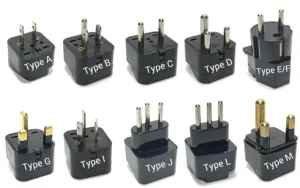
2. Voltage and Frequency
- Voltage: The standard electricity voltage in the Philippines is 220V.
- This is different from the 110V used in the US and Canada.
- Many modern electronic devices (like smartphones, laptops, and cameras) are dual voltage (110-240V), but check your device’s label or charger to confirm.
- Frequency: The electrical frequency is 60Hz, which is the same as in North America. Devices designed for 60Hz will work without issues in the Philippines.
Devices That Are Typically Dual Voltage
Most modern travel-friendly devices are dual voltage, meaning they can handle both 110V and 220V. Look for a label like this on your device or charger:
“Input: 100-240V, 50-60Hz.”
If you see this, you won’t need a voltage converter.
- Smartphones (iPhone, Samsung, etc.)
- Laptops (MacBook, Dell, HP, etc.)
- Tablets (iPad, Android tablets)
- Cameras (DSLRs, GoPros, action cameras)
- Power Banks
- Cycling GPS Devices (e.g., Garmin, Wahoo)
- Rechargeable Bike Lights or other USB-powered accessories
Devices That May Require a Voltage Converter
Some single-voltage devices are only designed to handle 110V. Plugging these directly into a 220V outlet without a converter will damage them. Examples include:
- Older electronics (e.g., some hair dryers, electric razors)
- Non-dual voltage chargers for cycling gadgets
If your device is not dual voltage, you’ll need a voltage converter to safely use it in the Philippines. Look for a lightweight travel voltage converter specifically designed for small electronics.
Adapters for Outlets
If your plugs are different from the Type A or Type B outlets in the Philippines, you’ll need a plug adapter. Here’s how to choose the right one:
- For US Travelers:
- If your devices use Type A or Type B plugs, you won’t need an adapter, as these are commonly used in the Philippines.
- However, if your device uses a Type B plug (with three prongs) and the outlet only has two prongs (Type A), you may need a simple grounding adapter.
- For Non-US Travelers:
- Travelers from Europe (Type C or Type F plugs), the UK (Type G), or Australia (Type I) will need a universal travel adapter to fit the Type A or Type B outlets used in the Philippines.
Recommended Universal Adapter:
- Look for a compact adapter that supports multiple plug types and includes USB ports for charging multiple devices simultaneously.
- Example: EPICKA Universal Travel Adapter(compact, affordable, and reliable for global travel).
USB Charging and Power Banks
- USB Ports: Many accommodations in the Philippines now offer outlets or adapters with USB ports for convenient charging. This is especially useful for charging cycling accessories like bike lights or GPS devices.
- Power Banks: Since power outages can occur in rural areas or during storms, carry a good-quality power bank to charge your devices on the go.
- Recommended Capacity: At least 10,000mAh for smartphones and cycling gadgets.
- Example: Anker PowerCore 10000 (lightweight and durable).
Charging Tips for Cycling Travelers
- Bring a Multi-Port Charger: Save space and charge multiple devices simultaneously with a multi-port USB charger. Some models also include Type A or B plugs compatible with the Philippines.
- Portable Solar Chargers: For remote cycling trips, consider a portable solar charger to power your devices when you’re away from electricity for extended periods.
- Waterproof Accessories: For cycling in rainy areas, ensure chargers, power banks, and cables are stored in waterproof bags to avoid damage.
Summary Checklist
Here’s a quick checklist to ensure your devices are compatible and ready for use in the Philippines:
- Check Device Voltage: Verify if your devices are dual voltage (100-240V). If not, pack a voltage converter.
- Bring a Plug Adapter: US travelers generally don’t need one, but non-US travelers will require an adapter for Type A or B outlets.
- Carry a Power Bank: Useful for long cycling trips or areas with limited electricity access.
- Pack a Multi-Port USB Charger: Save space and charge multiple devices efficiently.
- Download Offline Maps: Ensure key apps like Google Maps or GPS devices are charged and ready for offline use.
By ensuring compatibility with the outlets and voltage in the Philippines, you can focus on enjoying your cycling adventure without worrying about dead devices or incompatible electronics. Stay powered up and safe travels!
Currency Exchange
The Philippine Currency
- The currency in the Philippines is the Philippine Peso (PHP). Locally, it is often referred to as “piso.”
- Currency symbol: ₱
- Common denominations:
- Banknotes: ₱20, ₱50, ₱100, ₱200, ₱500, ₱1,000, and ₱1,000 polymer notes (newer).
- Coins: ₱1, ₱5, ₱10, and centavo coins (₱0.25, ₱0.50), though centavo coins are rarely used.
Currency Exchange Options
To get Philippine pesos, you can exchange your money at various locations. Here are the most common options:
Airports
- Where: Money changers are available at major airports such as Ninoy Aquino International Airport (Manila) and Mactan-Cebu International Airport.
- Pros:
- Convenient, especially if you need pesos immediately upon arrival.
- Cons:
- Exchange rates at airports are typically less favorable compared to other options.
- Best for small amounts to cover initial expenses (e.g., transportation to your hotel).
Banks
- Where: Banks like BDO, Metrobank, and BPI offer currency exchange services.
- Pros:
- Reliable and secure.
- Fair exchange rates compared to airports.
- Cons:
- Limited operating hours (usually 9 AM to 3 PM, Monday to Friday).
- Long queues in some branches.
- You’ll need to present your passport and possibly fill out forms.
Money Changers
- Where: Found in cities, malls, and tourist areas like Makati, Cebu City, and Boracay. Popular money changer chains include Czarina Foreign Exchange and Sanry’s Money Changer.
- Pros:
- Offers some of the best exchange rates.
- Easy to find in tourist hubs.
- Cons:
- Be cautious of smaller, unverified exchange shops, as some may scam you with counterfeit bills or unfair rates.
- Always count your money before leaving the counter.
ATMs
- Using ATMs to withdraw pesos directly from your foreign bank account is one of the most convenient ways to get local currency.
- ATM Networks:
- BDO, Metrobank, BPI, Landbank, and Security Bank are widely available.
- International networks like Visa and Mastercard are accepted in most ATMs.
- Pros:
- Convenient access to cash in cities and towns.
- Competitive exchange rates offered by your home bank.
- Cons:
- ATM withdrawal fees:
- Local ATM fee: ₱200-250 per transaction.
- Foreign bank fees: Check with your bank for international withdrawal fees.
- Withdrawal limits: Usually ₱10,000-20,000 per transaction.
- ATMs can be scarce in rural or remote areas, so plan ahead if you’re cycling through places like Palawan or the Cordilleras.
- ATM withdrawal fees:
Hotels and Resorts
- Where: Many hotels, especially in tourist areas, offer currency exchange services.
- Pros:
- Convenient for hotel guests.
- Cons:
- Exchange rates are usually less favorable than money changers or banks.
Digital and Cashless Transactions
The Philippines is increasingly adopting cashless payment methods, especially in urban areas and tourist destinations.
A. Credit and Debit Cards
- Cards like Visa, Mastercard, and American Express are accepted in most hotels, restaurants, malls, and bike shops in cities.
- Tip: Inform your bank about your travel plans to avoid your card being blocked for “suspicious activity.”
B. Mobile Wallets
- Popular mobile payment apps in the Philippines include:
- GCash: Widely used for paying in stores, restaurants, and even small vendors.
- Maya (formerly PayMaya): Another popular e-wallet for cashless payments.
- Tip: While convenient, you’ll need a local SIM card to register and use these apps.
C. Cash is King
- In rural and remote areas, cash is the primary form of payment. Be sure to carry enough pesos when cycling through less developed regions, as card payments and ATMs may not be available.
Exchange Rates
Exchange rates fluctuate daily, so check the current rate before exchanging money. Use trusted apps or websites for real-time exchange rates:
- XE Currency App: Download here
- Google Currency Converter: Search “USD to PHP” or your currency to PHP on Google.
Tips for Currency Exchange in the Philippines
- Avoid exchanging money on the street: Stick to reputable money changers, banks, or ATMs.
- Carry small bills and coins: Many small vendors, jeepney drivers, or tricycle operators may not have change for large denominations like ₱1,000.
- Plan ahead for remote areas: If you’re cycling in rural areas or islands like Batanes, Siargao, or Palawan, bring enough cash as ATMs and money changers may be scarce.
- Check the bills: Always inspect Philippine peso bills for damages or tears, as some vendors may refuse damaged notes.
- Keep your receipts: Some exchange services (especially banks) may ask for original receipts if you want to exchange leftover pesos back to your home currency.
Sample USD to PHP Exchange
- As of February 2025:
- 1 USD ≈ 55 PHP (approximate rate; check live rates for accuracy).
- Example: Exchanging $100 USD would give you approximately ₱5,500 PHP(minus any fees).
Summary of Best Practices
- Use money changers in cities for the best rates.
- Withdraw cash from ATMs for convenience but be mindful of fees.
- Use credit cards or mobile wallets in urban areas when possible.
- Carry enough cash when cycling in rural or remote places.
- Always double-check exchange rates and count your money carefully.
By following these tips and planning ahead, you can efficiently manage your finances during your cycling adventure in the Philippines, giving you more time to enjoy the incredible landscapes, scenic routes, and vibrant culture!
Food & Water Quality
Water Quality in the Philippines
Tap Water
- Tap water in the Philippines is generally not safe for drinking. It may contain contaminants such as bacteria, viruses, and heavy metals due to aging infrastructure, pollution, and inadequate water treatment systems.
- In urban areas like Manila, tap water is treated but may still be unsafe due to potential contamination during distribution.
- In rural areas, access to clean water is more limited, and untreated water sources are common.
Bottled Water
- Bottled water is widely available and is the safest option for drinking. Look for sealed, reputable brands to avoid counterfeit products.
- Tip: Avoid reusing plastic bottles unless you can clean them thoroughly, as bacteria can grow inside.
Filtered Water
- Many hotels, restaurants, and cafes offer filtered water, which is generally safe for drinking. However, always confirm the source of the filtration system.
- If you’re staying long-term or cycling through remote areas, consider using a portable water filter or purification tablets.
Boiled Water
- Boiling water for at least 1-3 minutes is an effective way to kill bacteria and viruses, making it safe for drinking.
Water for Brushing Teeth
- Use bottled or filtered water for brushing your teeth to avoid accidental ingestion of tap water.
Ice
- Be cautious with ice in drinks, as it may be made from untreated water. In tourist areas, ice is often made from purified water, but it’s always best to ask.
Food Quality in the Philippines
The Philippines is known for its delicious and diverse cuisine, but food safety practices can vary. Here’s what you need to know:
Street Food
- Street food is a popular and affordable way to experience Filipino cuisine, but it comes with risks.
- Risks: Food may be exposed to contamination due to poor hygiene, improper storage, or unclean water used in preparation.
- Tips for Safe Street Food:
- Choose vendors with high turnover (freshly cooked food is less likely to be contaminated).
- Avoid raw or undercooked items like seafood or meat.
- Stick to hot, freshly cooked dishes like grilled meats (e.g., “isaw” or chicken intestines) or fried snacks (e.g., “kwek-kwek” or quail eggs).
Restaurants
- Restaurants in urban areas and tourist destinations generally follow better hygiene standards.
- Tips:
- Opt for well-reviewed establishments.
- Avoid buffets where food may have been sitting out for long periods.
- Be cautious with raw dishes like “kinilaw” (Filipino ceviche) unless you’re confident in the restaurant’s quality.
- Tips:
Fruits and Vegetables
- Fresh fruits and vegetables are widely available, but they may be washed with untreated water.
- Tips:
- Peel fruits like mangoes and bananas before eating.
- Wash vegetables with bottled or filtered water if you’re preparing your own meals.
- Tips:
Seafood
- The Philippines is famous for its seafood, but freshness and proper cooking are key.
- Tips:
- Eat seafood only in reputable restaurants or markets where it’s freshly caught.
- Avoid raw seafood unless you’re certain of its quality.
- Tips:
Common Food and Waterborne Illnesses
Travelers to the Philippines may encounter illnesses caused by contaminated food or water. These include:
- Traveler’s Diarrhea: Often caused by bacteria or viruses in food or water.
- Hepatitis A: Spread through contaminated food or water.
- Typhoid Fever: Caused by consuming food or water contaminated with Salmonella bacteria.
- Cholera: Rare but possible in areas with poor sanitation.
Prevention Tips:
- Wash your hands frequently with soap and water or use hand sanitizer.
- Avoid raw or undercooked foods, especially in rural areas.
- Drink only bottled, boiled, or filtered water.
- Consider getting vaccinated for Hepatitis A and Typhoid before traveling.
Hydration for Cyclists
As a cycling traveler, staying hydrated is crucial, especially in the tropical climate of the Philippines. Here’s how to ensure safe hydration:
- Carry a Reusable Water Bottle: Use a bottle with a built-in filter (e.g., LifeStraw or Grayl) to purify water on the go.
- Electrolyte Drinks: Replenish lost electrolytes with drinks like Gatorade or local alternatives like Pocari Sweat, which are widely available in convenience stores.
- Plan Ahead: If cycling through remote areas, stock up on bottled water or use purification tablets for untreated water sources.
Environmental Considerations
- The Philippines faces challenges with plastic waste, so consider using a reusable water bottle and refilling it at water stations or hotels offering filtered water.
- Avoid buying single-use plastic bottles whenever possible to reduce your environmental impact.
Summary of Key Tips
- Water: Avoid tap water; stick to bottled, boiled, or filtered water.
- Food: Choose freshly cooked meals, avoid raw or undercooked items, and peel fruits.
- Hygiene: Wash hands frequently and use hand sanitizer.
- Cycling Hydration: Carry a reusable water bottle with a filter and stay hydrated with electrolyte drinks.
By following these precautions, you can enjoy the vibrant food culture and stay healthy during your cycling adventure in the Philippines!
What do the US Dept of State, US Embassy, and CDC say?
Check out the latest Travel Advisory to COUNTRY from the US Dept of State. Contacts from all US Embassies in Japan are listed on the website. Use the Smart Traveler Enrollment Program (STEP) to inform them of your travels.
Read the Travel Health Notices & suggested vaccinations from the CDC
For the latest updates and resources, visit the U.S. Embassy in Japan’s official website: U.S. Embassy & Consulates in Philippines
Supplement Your Health / Travel Insurance
Why Do You Need Health & Travel Insurance in the Philippines?
Health Risks
- The Philippines is a tropical country, and travelers may encounter risks such as:
- Heat exhaustion or dehydration while cycling.
- Injuries from accidents on uneven or poorly maintained roads.
- Tropical diseases like dengue fever or typhoid in certain areas.
- Limited access to high-quality medical care in rural or remote regions.
Travel Risks
- Potential risks include:
- Theft or damage to your bicycle or gear.
- Flight delays, cancellations, or lost luggage.
- Natural disasters, such as typhoons, that can disrupt travel plans.
Having comprehensive insurance ensures you’re covered for these scenarios, allowing you to focus on enjoying your cycling adventure.
Travel Insurance Options
World Nomads Travel Insurance
World Nomads is a popular choice for adventure travelers, including cyclists, as it offers coverage for a wide range of activities and emergencies.
- Key Features:
- Covers over 150+ adventure activities, including cycling, mountain biking, and cycle touring.
- Provides coverage for medical emergencies, evacuation, trip cancellations, and lost or stolen gear .
- Available to travelers from 140+ countries.
- Flexible plans that can be purchased or extended while you’re already traveling.
- Cycling-Specific Coverage:
- Covers injuries sustained during cycling adventures, including mountain biking and road cycling.
- Includes coverage for stolen or damaged bicycles (depending on the plan).
- How to Get It:
- You can get a quote and purchase a plan online 24/7 .
- Why Choose World Nomads?
- It’s designed for adventure travelers and offers comprehensive coverage for cycling-related risks.
- It’s ideal for both short-term trips and long-term travel.
Bicycle Insurance Options
Sunday Insurance for Bicycles
Sunday Insurance is a great option for insuring your bicycle, especially if you’re bringing your own bike to the Philippines or renting a high-value bike during your trip.
- Key Features:
- Covers theft, accidental damage, and loss of bicycles.
- Offers coverage for cycling gear and accessories.
- May include liability coverage in case you accidentally damage someone else’s property while cycling.
- Why Choose Sunday Insurance?
- It’s tailored specifically for cyclists, ensuring your bike and gear are protected.
- Ideal for travelers who rely heavily on their bicycles for transportation and adventure.
- How to Get It:
- Visit Sunday Insurance’s website to explore plans and get a quote.
Health Insurance for Travelers
Health Coverage in Travel Insurance Plans
Most travel insurance plans, including World Nomads, include health coverage for:
- Emergency medical treatment.
- Hospitalization costs.
- Medical evacuation to the nearest suitable facility or back to your home country if necessary.
Vaccinations and Preventive Care
- Before traveling to the Philippines, ensure you’re up to date on recommended vaccinations, such as:
- Hepatitis A and B.
- Typhoid.
- Tetanus.
- Rabies (if you plan to cycle in rural areas where stray animals are common).
What to Look for in Travel Insurance as a Cyclist
When choosing travel insurance, consider the following factors:
A. Coverage for Cycling Activities
- Ensure the plan explicitly covers cycling, mountain biking, or cycle touring.
- Check if it includes coverage for injuries, accidents, and liability while cycling.
B. Bicycle Protection
- Look for plans that cover theft, loss, or damage to your bicycle and accessories.
- Confirm the maximum coverage amount for high-value bikes.
C. Medical Coverage
- Opt for plans with high limits for emergency medical expenses and evacuation.
- Check if the plan covers pre-existing conditions (if applicable).
D. Trip Interruption and Cancellation
- Coverage for trip delays, cancellations, or interruptions due to unforeseen events like natural disasters or illness.
E. Gear and Equipment Coverage
- If you’re traveling with expensive cycling gear, ensure it’s covered under the plan.
Additional Insurance Providers
While World Nomads and Sunday Insurance are excellent options, here are a few other providers to consider:
- SafetyWing: Offers affordable travel and health insurance for digital nomads and long-term travelers.
- Travel Guard: Provides customizable travel insurance plans for trips to the Philippines.
- Allianz Travel Insurance: Known for comprehensive coverage and global assistance.
Tips for Choosing and Using Insurance
- Compare Plans: Use online tools to compare coverage, limits, and exclusions.
- Read the Fine Print: Understand what is and isn’t covered, especially for cycling-related activities.
- Keep Documentation: Carry digital and physical copies of your insurance policy, emergency contact numbers, and receipts for your bicycle and gear.
- Emergency Contacts: Save the local emergency numbers in the Philippines (e.g., 911 for general emergencies) and your insurance provider’s hotline.
Summary
- World Nomads is an excellent choice for travel insurance, offering comprehensive coverage for cycling activities, medical emergencies, and trip interruptions.
- Sunday Insurance is ideal for protecting your bicycle and cycling gear from theft, damage, or loss.
- Ensure your plan includes medical coverage, evacuation, and liability protection for a worry-free cycling adventure in the Philippines.
By securing the right insurance, you can explore the Philippines’ stunning landscapes and cycling routes with confidence and peace of mind!
How to Stay Safe
Road Safety for Cyclists
A. Road Conditions
- Urban Areas: Major cities like Manila, Cebu, and Davao have heavy traffic, and roads can be congested. While some areas, like Ortigas Center, have bike lanes due to cycling advocacy efforts, these lanes are not always consistent or well-maintained.
- Rural Areas: Roads in rural areas can be uneven, poorly lit, or unpaved. Be cautious of potholes, loose gravel, and sudden changes in terrain.
- Night Cycling: Avoid cycling at night, as street lighting in many areas is inadequate, and visibility can be poor.
B. Traffic Behavior
- Drivers in the Philippines may not always follow traffic rules strictly, and motorcycles, jeepneys, and tricycles dominate the roads. Be vigilant and assertive but cautious when navigating traffic.
- Use hand signals to communicate your intentions and always stay alert for sudden stops or swerves by other vehicles.
C. Helmet and Gear
- Always wear a helmet to protect yourself in case of accidents. If you’re bringing your own helmet, ensure it meets safety standards .
- Equip your bike with front and rear lights, especially if you’re cycling early in the morning or late in the afternoon.
- Wear reflective clothing to increase visibility.
Personal Safety
A. Avoid High-Risk Areas
- Some areas in the Philippines, particularly in Mindanao, have been flagged for safety concerns due to political unrest or crime,. Check travel advisories before planning your route.
- Stick to well-traveled and tourist-friendly areas like Luzon, Visayas, and Palawan.
B. Stay Alert to Petty Crime
- Pickpocketing and bag snatching can occur in crowded areas. Keep your belongings secure and avoid displaying valuables like expensive cameras or smartphones.
- Use a bike lock to secure your bicycle when leaving it unattended.
C. Interact with Locals Wisely
- Filipinos are generally friendly and hospitable, but it’s still important to exercise caution when interacting with strangers. Avoid sharing too much personal information or your travel plans with people you don’t know well.
Health and Hydration
A. Stay Hydrated
- The Philippines has a tropical climate, and dehydration is a real risk, especially when cycling long distances. Carry enough water and electrolyte drinks to stay hydrated.
- Avoid drinking tap water; stick to bottled or filtered water.
B. Protect Against Heat
- Wear sunscreen and a hat or cap under your helmet to protect yourself from the sun.
- Plan your rides during cooler parts of the day, such as early morning or late afternoon, to avoid the intense midday heat.
C. Vaccinations and Health Precautions
- Ensure you’re up to date on vaccinations for diseases like Hepatitis A, Typhoid, and Tetanus.
- Carry a basic first aid kit with bandages, antiseptic wipes, and any personal medications.
Bicycle Security
A. Theft Prevention
- Bicycle theft can occur, especially in urban areas. Always lock your bike securely when leaving it unattended.
- Use a high-quality U-lock or chain lock and secure both the frame and wheels to a fixed object.
B. Insurance
- Consider getting bicycle insurance, such as Sunday Insurance, to cover theft or damage to your bike. This is especially important if you’re traveling with a high-value bicycle.
Emergency Preparedness
A. Know Emergency Numbers
- The national emergency hotline in the Philippines is 911.
- Save the contact information for your travel insurance provider (e.g., World Nomads) and local embassy.
B. Medical Emergencies
- In case of an accident, seek medical attention immediately. Major cities have good hospitals, but rural areas may have limited healthcare facilities.
- Ensure your travel insurance covers medical evacuation in case of serious injuries.
C. Natural Disasters
- The Philippines is prone to typhoons, earthquakes, and volcanic activity. Check weather forecasts regularly and avoid cycling during typhoon season (June to November).
Cultural and Environmental Awareness
A. Respect Local Customs
- Filipinos are generally conservative, especially in rural areas. Dress modestly and be respectful of local traditions and customs.
B. Environmental Responsibility
- Avoid littering and respect the natural environment. Many cycling routes pass through pristine landscapes, so leave no trace behind.
Tips for Safe Cycling Routes
A. Recommended Cycling Destinations
- Batanes: Known for its scenic and quiet roads, perfect for cycling.
- Palawan: Offers stunning coastal routes and less traffic.
- Cebu and Bohol: Popular for their rolling hills and countryside views.
- Ilocos Norte: Features the famous Patapat Viaduct and windmill farms.
B. Plan Your Route
- Use apps like Komoot or Google Maps to plan your cycling routes. Avoid roads marked as highways or expressways, as bicycles are not allowed on these.
Summary of Key Safety Tips
- Road Safety: Wear a helmet, use lights, and avoid cycling at night.
- Personal Safety: Avoid high-risk areas and secure your belongings.
- Health: Stay hydrated, protect against the sun, and carry a first aid kit.
- Bicycle Security: Use a sturdy lock and consider bicycle insurance.
- Emergency Preparedness: Know emergency numbers and have travel insurance for medical coverage.
By following these safety tips and staying vigilant, you can enjoy a safe and memorable cycling adventure in the Philippines!

Cycle The Myth: Peloponnese, Greece
From$2,600Availability : July 30 - Aug 15, 2025Delhi, Manali to Leh, IndiaExperience the bustling chaos and historic majesty of Delhi’s ancient streets before embarking on one of the world’s most epicView TourGolden Triangle + Himalayan Cycling Adventure
From$2,600Availability : July 30 - Aug 15, 2025Delhi, Manali to Leh, IndiaExperience the bustling chaos and historic majesty of Delhi’s ancient streets before embarking on one of the world’s most epicView Tour
Kerala Spice Trail Cycling Tour
From$1,750Availability : January 15 - 25, 2026Kerala, IndiaKerala, aka “God’s Own Country”, is known for stunning landscapes, serene backwaters, vibrant culture, & diverse cycling routes through tropicalView Tour
🚲 Win Big with Pack2Ride: Your Ultimate Bikepacking Adventure Awaits!
Hey adventure seekers! Ready to level up your bikepacking game?...
Read More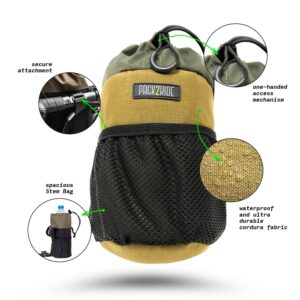

Ride into Bliss: March Raffle Extravaganza for Transformative Travel Mindset Coaching!
Ready to take your cycling adventures to the next level?...
Read More