Cycle Travel Club

Metro Manila

Cycling in Metro Manila offers a mix of urban exploration and scenic routes, with popular spots like theĀ Intramuros historical district, where you can bike along centuries-old walls and cobblestone streets, and theĀ Marikina River Park, known for its bike-friendly paths amidst lush greenery. For a more modern vibe, cyclists can head toĀ BGC (Bonifacio Global City), which features wide bike lanes, urban art, and trendy cafes perfect for post-ride breaks.

At A Glance

ā˜…ā˜…ā˜…ā˜… AYALA TRIANGLE GARDENS (MAKATI) A tranquil green space in the middle of the financial district, Ayala Triangle Gardens provides a short but scenic route perfect for leisurely cycling amidst towering skyscrapers and lush greenery.

ā˜…ā˜…ā˜…ā˜… BONIFACIO GLOBAL CITY (BGC, TAGUIG) Known for its wide, well-paved roads and bike lanes, BGC is a cyclist-friendly urban area where you can enjoy a smooth ride while exploring its modern architecture, parks, and cafes.

ā˜…ā˜…ā˜…ā˜… CCP COMPLEX (PASAY CITY)Ā The Cultural Center of the Philippines complex offers a flat and spacious route with views of Manila Bay, making it ideal for early-morning or sunset rides with a refreshing sea breeze.

ā˜…ā˜…ā˜…ā˜… UP DILIMAN CAMPUS (QUEZON CITY) The University of the Philippines Diliman campus is a favorite for cyclists due to its tree-lined Academic Oval and peaceful environment, offering a safe and traffic-free loop.

ā˜…ā˜…ā˜…ā˜… SM MALL OF ASIA (MOA) SEASIDE BLVD (PASAY CITY) This coastal route along Seaside Boulevard provides a relaxing cycling experience with a view of the stunning Manila Bay sunset and a vibrant atmosphere near the SM Mall of Asia complex.

ā˜…ā˜…ā˜…ā˜… LA MESAĀ  NATURE RESERVE (QUEZON CITY) A hidden gem for mountain bikers, La Mesa Nature Reserve features dirt trails surrounded by lush forests, offering a more adventurous and nature-filled cycling experience.

ā˜…ā˜…ā˜…ā˜… INTRAMUROS (MANILA) Cycling through the historic walled city of Intramuros lets you step back in time, with cobblestone streets, Spanish-era architecture, and iconic landmarks like Fort Santiago and San Agustin Church.

ā˜…ā˜…ā˜…ā˜… MARIKINA RIVERBANKS (MARIKINA CITY) A popular area for biking, the Marikina Riverbanks feature dedicated bike paths that follow the river, perfect for both leisurely rides and commuting across the city.

ā˜…ā˜…ā˜…ā˜… GREENHILLS SHOPPING CENTER (SAN JUAN CITY) offers a safe cycling route around its commercial area in the early mornings, with plenty of dining spots to refuel after your ride.

ā˜…ā˜…ā˜…ā˜… QUEZON MEMORIAL CIRCLE (QUEZON CITY) This large park features a dedicated bike lane encircling the iconic Quezon Memorial Shrine, perfect for casual riding in a family-friendly environment.

ā˜…ā˜…ā˜…ā˜… ANINOY AQUINO PARKS & WILDLIFE CENTER (QUEZON CITY) A serene cycling spot with lush greenery and a peaceful environment, this park is ideal for cyclists looking to escape the urban chaos for a relaxing ride.

ā˜…ā˜…ā˜…ā˜… C6 ROAD (TAGUIG / PATEROS) A longer route for road cyclists, the C6 Road provides open roads with fewer vehicles, scenic views of Laguna de Bay, and a mix of urban and rural landscapes.

ā˜…ā˜…ā˜…ā˜… RIZAL PARK (LUNETA, MANILA) One of the most iconic landmarks in Manila, Rizal Park offers a relaxing bike ride through historical monuments, wide pathways, and manicured gardens.

ā˜…ā˜…ā˜…ā˜… EDSA GREENWAYS PROJECTĀ As part of Metro Manila’s push for bike-friendly infrastructure, the EDSA Greenways are expanding protected bike lanes, providing safer routes for urban cycling.

ā˜…ā˜…ā˜…ā˜… ARROCEROS FOREST PARK (MANILA) Known as the “last lung of Manila,” this small urban forest offers a peaceful space for short rides amidst nature, with beautiful trees and quiet paths.

Other Places

Watch

Photos

Plan

Geography of the Region?

Metro Manila, officially known as the National Capital Region (NCR), is the heart of the Philippines. It is a sprawling metropolitan area composed of 16 cities and 1 municipality, with a mix of urbanized landscapes, historical landmarks, and developing green spaces. For cycling travelers, understanding the geography of Metro Manila can help in navigating its diverse environment and planning routes.


General Overview

  • Area Size:Ā Approximately 619.57 square kilometers (239.22 square miles).
  • Topography:Ā Mostly flat with some hilly areas, making it accessible for all types of cyclists, from beginners to experienced riders.
  • Climate:Ā Tropical climate with two main seasons—wet (June to November) and dry (December to May). The best time for cycling is during the cooler months (December to February).
  • Infrastructure:Ā A mix of well-paved urban roads, protected bike lanes in select areas, and some off-road trails. Traffic can be heavy in central areas but lighter early in the morning or in suburban locations.

Key Geographic Divisions of Metro Manila

Metro Manila is divided into four districts, each offering unique cycling opportunities and attractions.

Northern Metro Manila

  • Cities:Ā Caloocan, Malabon, Navotas, Valenzuela (often referred to as CAMANAVA).
  • Highlights for Cyclists:
    • Mostly residential and industrial areas with limited cycling-friendly routes.
    • Valenzuela People’s ParkĀ offers a small but peaceful area for leisure rides.
    • Cyclists can explore coastal areas in Navotas for scenic views of Manila Bay.

Eastern Metro Manila

  • Cities:Ā Quezon City, Marikina, Pasig, Mandaluyong, San Juan.
  • Highlights for Cyclists:
    • Marikina CityĀ is a cycling hub with bike-friendly infrastructure, including dedicated bike lanes and the beautifulĀ Marikina Riverbanks.
    • Quezon CityĀ offers cycling spots like theĀ UP Diliman Campus,Ā Quezon Memorial Circle, andĀ La Mesa Nature ReserveĀ for both road cycling and mountain biking.
    • Pasig CityĀ has improved cycling paths, particularly in business districts like Ortigas Center, and connects to nearby cities through bike lanes like the C6 Road.

Southern Metro Manila

  • Cities:Ā Makati, Taguig, Pasay, Pateros, Muntinlupa, ParaƱaque, Las PiƱas.
  • Highlights for Cyclists:
    • The business hubs ofĀ MakatiĀ andĀ Bonifacio Global City (BGC)Ā are cyclist-friendly with wide roads, bike lanes, and cafes catering to cycling travelers.
    • Mall of Asia Seaside BoulevardĀ in Pasay offers a flat route with scenic views of Manila Bay.
    • The southernmost city,Ā Muntinlupa, has access to scenic areas likeĀ Filinvest City, which has bike trails and green spaces.
    • Las PiƱasĀ features theĀ Zapote River DriveĀ and connects to Cavite for longer rides.

Western Metro Manila

  • Cities:Ā Manila, Malate, Ermita.
  • Highlights for Cyclists:
    • The historic city of Manila offers a cultural cycling experience with routes throughĀ Intramuros,Ā Rizal Park, andĀ Binondo (Chinatown).
    • Coastal cycling routes alongĀ Roxas BoulevardĀ provide a scenic view of Manila Bay, particularly during sunrise and sunset.

Waterways and Natural Features

  • Pasig River:
    • The Pasig River runs through the heart of Metro Manila, connecting Manila Bay to Laguna de Bay. Cycling along the riverbanks, particularly inĀ Pasig City, provides a unique urban-nature experience.
  • Marikina River:
    • A major tributary of the Pasig River, the Marikina River is surrounded by dedicated cycling paths and parks, making it a top destination for leisure cyclists.
  • Manila Bay:
    • The western boundary of Metro Manila, Manila Bay offers beautiful coastal routes likeĀ Seaside BoulevardĀ andĀ Roxas Boulevard.

Transportation and Accessibility

  • Bike Lanes:Ā Metro Manila has been improving its cycling infrastructure, with bike lanes in key areas such as EDSA, Commonwealth Avenue, and C6 Road.
  • Connectivity:
    • Metro Manila connects to nearby provinces likeĀ Rizal,Ā Cavite, andĀ Bulacan, which offer scenic and challenging routes for cycling enthusiasts seeking longer rides.
  • Public Transportation with Bikes:
    • Some train systems, like the MRT and LRT, now allow cyclists to bring folding bikes during off-peak hours, making it easier to explore different parts of the metro.

Challenges for Cyclists

  • Traffic:Ā Metro Manila is infamous for its traffic congestion. Early morning rides or cycling on weekends is recommended for safer and smoother trips.
  • Air Quality:Ā Urban areas can have poor air quality, especially along major roads. Consider wearing a mask if cycling in heavy traffic zones.
  • Weather:Ā Sudden rain showers during the wet season can make roads slippery, so it’s best to plan rides during the dry months or carry waterproof gear.

Cultural and Scenic Highlights

Cycling in Metro Manila allows you to explore both modern and historical landmarks:

  • Intramuros:Ā A Spanish-era walled city with cobblestone streets and centuries-old architecture.
  • Rizal Park (Luneta):Ā A historical park and open space perfect for cycling and sightseeing.
  • Bonifacio Global City (BGC):Ā A vibrant business district with clean streets, public art, and bike-friendly amenities.

Cycling in Metro Manila is a mix of urban exploration, cultural discovery, and green escapes. With careful planning and an adventurous spirit, this densely populated region offers rewarding experiences for cycling travelers.

What are the Roads like? Road rules?

Road Conditions in Metro Manila

Urban Roads

  • Main Highways (e.g., EDSA, Commonwealth Avenue, C5 Road):
    • These are multi-lane roads with heavy traffic, often congested with cars, buses, and motorcycles.
    • Cycling on these roads can be challenging due to the lack of consistent bike lanes and aggressive drivers.
    • Some areas, likeĀ EDSA, now haveĀ protected bike lanes, but they can still be crowded during rush hour.

Secondary Roads

  • Residential Streets:
    • Secondary and residential roads are often quieter and safer for cyclists, with less traffic and slower-moving vehicles.
    • These roads sometimes feature potholes or uneven surfaces, so staying alert is crucial.
  • Business Districts (e.g., Makati, BGC):
    • These areas tend to have better-maintained roads with bike lanes and lower speed limits, making them more cyclist-friendly.

Bike Lanes

  • Metro Manila has been improving its cycling infrastructure, withĀ dedicated bike lanesĀ in areas like:
    • EDSA: Protected bike lanes along sections of this major highway.
    • C6 Road: A quieter alternative to EDSA, often used by cyclists.
    • Commonwealth Avenue (Quezon City): Features bike lanes but shares space with motorcycles and pedestrians.
    • Marikina City: One of the most bike-friendly cities with well-maintained, dedicated cycling paths.

Road Hazards

  • Potholes and Uneven Surfaces:Ā Common in older areas of Metro Manila.
  • Flooding:Ā Roads can become waterlogged during the rainy season (June to November), so check weather conditions before heading out.
  • Traffic Congestion:Ā Expect heavy traffic during peak hours (7:00 AM – 10:00 AM and 4:00 PM – 8:00 PM), especially on major thoroughfares.

Road Rules for Cyclists

As a cyclist in Metro Manila, it’s essential to be familiar with road rules to ensure safety and compliance with local laws.

General Cycling Rules

  1. Ride on the Right Side of the Road:
    • Cyclists are required to stay as close as possible to the right-hand side of the road, except when overtaking or avoiding obstacles.
  2. Use Bike Lanes Where Available:
    • Cyclists are encouraged to use designated bike lanes, but in areas without them, riding on the road is allowed.
  3. Follow Traffic Signals and Signs:
    • Cyclists must obey traffic lights, pedestrian crossings, and road signs just like motorized vehicles.
  4. Helmet Requirement:
    • While not strictly enforced nationwide, wearing a helmet is strongly recommended for safety and may be required in some cities (e.g., Marikina).
  5. Stay Visible:
    • Use lights (front and rear) and reflectors when cycling at night or during low-visibility conditions.
  6. Avoid Sidewalks:
    • Sidewalks are for pedestrians, and cycling on them is generally prohibited unless explicitly marked for shared use.

Road Sharing Etiquette

  1. Be Aware of Other Road Users:
    • Metro Manila roads are shared with cars, buses, jeepneys, motorcycles, and pedestrians. Be vigilant, especially in high-traffic areas.
  2. Hand Signals:
    • Use hand signals to indicate turning or stopping to ensure other road users are aware of your movements.
  3. No Counterflow:
    • Avoid riding against traffic, as this is dangerous and illegal.
  4. Yield to Pedestrians:
    • Always give way to pedestrians at crosswalks and intersections.

Traffic Enforcement and Cycling Laws

  • Bicycle-Friendly Ordinances:
    • Some cities likeĀ Marikina,Ā Pasig, andĀ Quezon CityĀ have local ordinances supporting cycling infrastructure and safety.
  • Bike Registration:
    • In certain cities, bikes may need to be registered, but this is not strictly enforced in Metro Manila.
  • No Riding on Expressways:
    • Cyclists are prohibited from riding on expressways or toll roads like theĀ SkywayĀ andĀ NLEX (North Luzon Expressway).

Common Challenges

  1. Aggressive Driving Culture:
    • Drivers in Metro Manila often exhibit aggressive behavior, so always stay alert and maintain defensive cycling habits.
  2. Motorcycles in Bike Lanes:
    • Motorcycles frequently encroach on bike lanes, especially during traffic congestion.
  3. Jeepneys and Buses:
    • Be cautious around jeepneys and buses, as they often stop abruptly to pick up or drop off passengers.

Tips for Cycling Travelers

  • Plan Safe Routes:
    • Use apps like Google Maps or cycling-specific platforms (e.g., Strava) to identify safer roads and bike lanes.
  • Avoid Peak Hours:
    • Early mornings (before 7:00 AM) and weekends are the best times to cycle with less traffic.
  • Stay Hydrated and Protected:
    • Bring sufficient water, wear sun protection, and plan breaks, especially during hot and humid weather.
  • Join Local Cycling Communities:
    • Groups like theĀ Firefly BrigadeĀ orĀ Marikina Bike Lane AdvocatesĀ can provide route advice, tips, and even group rides for added safety.

Metro Manila’s roads can be hectic, but with proper planning and adherence to road rules, cycling travelers can enjoy a mix of urban adventures and scenic routes. Always prioritize safety and be prepared for the dynamic and lively cycling environment of the region!

When to Go?

Best Months to Cycle in Metro Manila

The ideal months for cycling in Metro Manila are December to February, during the cooler dry season. Here’s why:

December to February (Cool Dry Season)

  • Weather:Ā Cooler temperatures (around 22°C–28°C or 72°F–82°F), lower humidity, and minimal rainfall make these months the most comfortable for cycling.
  • Conditions:Ā Roads are dry, and the skies are clear, perfect for scenic rides and avoiding slippery conditions.
  • Festive Atmosphere:Ā December in Metro Manila is lively due to holiday decorations and events, adding a unique charm to your cycling routes.

Months to Be Cautious About

March to May (Hot Dry Season)

  • Weather:Ā These months are the hottest, with temperatures reaching up to 35°C (95°F) or higher, especially in April and May.
  • Tips for Cyclists:
    • Plan rides early in the morning (before 7:00 AM) or late in the afternoon (after 4:00 PM) to avoid extreme heat.
    • Stay hydrated and wear sun protection (e.g., sunscreen, sunglasses, and a cap under your helmet).

June to November (Rainy Season)

  • Weather:Ā Heavy rainfall and typhoons are common during these months, especially from July to October.
  • Challenges:
    • Roads can flood quickly, especially in low-lying areas like Manila, Makati, and Pasay.
    • Slippery roads and poor visibility can make cycling risky.
  • Tips for Cyclists:
    • If cycling during this season, invest in waterproof gear (e.g., rain jackets, fenders) and avoid cycling during heavy downpours or typhoon warnings.

Best Times of Day to Cycle

Regardless of the season, the time of day can significantly impact your cycling experience in Metro Manila:

  • Early Morning (5:00 AM–7:00 AM):
    • The best time to cycle due to cooler temperatures, lighter traffic, and fresher air quality.
    • Sunrise rides are particularly scenic along coastal routes likeĀ Roxas BoulevardĀ orĀ Seaside Boulevard.
  • Late Afternoon to Early Evening (4:00 PM–6:00 PM):
    • Another good time to cycle as temperatures cool down, but traffic may start to build up in some areas.
    • Sunset rides alongĀ Manila BayĀ or in open areas likeĀ **Bonifacio Global City (BGC)**are a beautiful experience.

Special Considerations for Cyclists

  • Avoid Peak Traffic Hours:
    • Metro Manila’s infamous traffic congestion peaks duringĀ 7:00 AM–10:00 AMĀ andĀ 4:00 PM–8:00 PMĀ on weekdays. Opt for weekends or early mornings to avoid the crowd.
  • Public Holidays and Long Weekends:
    • Cycling during holidays (e.g., Christmas, New Year’s Day, and Holy Week) can be a great time as traffic is significantly lighter. Holy Week (March or April) often empties the city, creating rare opportunities for peaceful rides.
  • Weather Monitoring:
    • Always check the weather forecast before heading out, especially during the rainy season, using apps like PAGASA (Philippine Atmospheric, Geophysical and Astronomical Services Administration) or AccuWeather.

Summary: Best Months and Times

  • Best Months:Ā December to FebruaryĀ (cool dry season).
  • Best Time of Day:Ā Early mornings (5:00 AM–7:00 AM) or late afternoons (4:00 PM–6:00 PM).
  • Months to Avoid:Ā July to October (peak rainy season).

By planning your rides during the cooler months and off-peak hours, you can fully enjoy the vibrant cycling culture and diverse routes Metro Manila has to offer.

Before arranging your travel plans around a festival, ensure to confirm the festival dates on the official festival website or with a local tourist information office. For further details on these and other events, please visit the official tourism website for Philippines.

Metro Manila is a vibrant region with a rich calendar of holidays and festivals that reflect its culture, history, and traditions. As a cycling traveler, participating in or cycling around these events can add a unique flavor to your journey. Additionally, Metro Manila hosts several cycling-specific events that cater to enthusiasts like yourself.


Popular Holidays in Metro Manila

These holidays are widely celebrated and often transform the city, creating opportunities for leisurely and cultural rides due to lighter traffic or festive atmospheres:

New Year’s Day (January 1)

  • The city celebrates the new year with plenty of fireworks and festivities. Early morning on January 1 is ideal for cycling as the streets are unusually quiet after the celebrations.
  • Best Routes:Ā Major roads like EDSA, Roxas Boulevard, and the CCP Complex are less congested.

Holy Week (March or April, dates vary)

  • A solemn religious observance, Holy Week sees Metro Manila significantly empty out as many residents travel to provinces. Good Friday is particularly quiet, perfect for cycling.
  • Best Routes:Ā Intramuros and Quiapo, where religious processions occur, offer cultural immersion but expect some road closures.
  • Tip:Ā Avoid cycling near churches on Maundy Thursday and Good Friday, as these areas get crowded with devotees.

Independence Day (June 12)

  • A national holiday commemorating the country’s independence. Expect flag-raising ceremonies and parades, often held in historical sites likeĀ Rizal ParkĀ andĀ Intramuros.
  • Cycling Tip:Ā Ride early to explore these historical areas before the crowds gather.

Christmas Season (December)

  • Metro Manila is known for its extended Christmas season, starting as early as September and peaking in December. Streets are decorated with lights and parols (traditional lanterns), and festive markets pop up.
  • Best Routes:Ā ExploreĀ Ayala Triangle Gardensin Makati for its dazzling light displays or cycle through Intramuros to see traditional Christmas decor.

Bonifacio Day (November 30)

  • A day celebrating the revolutionary hero Andres Bonifacio, often marked by parades and ceremonies in places likeĀ Bonifacio Global City (BGC)Ā andĀ Caloocan.
  • Cycling Tip:Ā Explore BGC for a mix of history and modernity while enjoying its bike-friendly roads.

Festivals in Metro Manila

These festivals bring the city to life with colorful celebrations, food, and music, creating a dynamic backdrop for cycling:

Feast of the Black Nazarene (January 9)

  • A massive religious procession in Quiapo, Manila, where devotees carry the iconic Black Nazarene statue. Roads in Manila are closed, but cycling around the outskirts offers a glimpse of this intense cultural event.
  • Cycling Tip:Ā Avoid the heart of Quiapo due to heavy crowds; instead, explore nearby areas like Intramuros or Binondo.

Chinese New Year (January or February, dates vary)

  • Binondo, the world’s oldest Chinatown, becomes a hub of celebration with dragon dances, food stalls, and lanterns. Cycling through Binondo during this time offers a unique cultural experience.
  • Cycling Tip:Ā Visit early in the morning to avoid pedestrian congestion.

Manila Day (June 24)

  • Celebrated in Manila City with parades, cultural shows, and sporting events. Historical sites likeĀ IntramurosĀ andĀ Rizal ParkĀ are the focal points.
  • Cycling Tip:Ā Plan your route to explore historical landmarks while enjoying the festivities.

Paskuhan sa CCP (December)

  • Held at the Cultural Center of the Philippines (CCP) Complex, this Christmas festival features bazaars, light displays, and performances. Cycling along Roxas Boulevard during this time offers a festive vibe with Manila Bay as a backdrop.

Cycling Events in Metro Manila

Metro Manila is home to a growing cycling community, and several events throughout the year cater to enthusiasts of all levels:

Tour of the Fireflies

  • When:Ā Typically in April or May.
  • What:Ā A fun, family-friendly cycling event organized by theĀ Firefly BrigadeĀ to promote cleaner air and sustainable transportation. Thousands of cyclists ride through Metro Manila’s major roads, often in colorful costumes.
  • Why It’s Great:Ā Perfect for cycling travelers to join a vibrant community and explore iconic routes.
  • Starting Point:Ā Usually begins in Pasig City or Marikina.

National Bicycle Day

  • When:Ā November (3rd Sunday of the month).
  • What:Ā A nationwide celebration promoting cycling as a sustainable mode of transport. Metro Manila often hosts group rides and cycling expos.
  • Cycling Tip:Ā Join local cycling groups to participate in rides and activities.

Padyak Para sa Kalikasan (Pedal for the Environment)

  • When:Ā Varies; often held in April or May.
  • What:Ā A cycling event aimed at raising awareness about environmental conservation, with rides through Metro Manila and nearby provinces.
  • Why It’s Great:Ā Combines cycling with a cause, and routes often highlight scenic areas like La Mesa Nature Reserve.

Bike for Hope

  • When:Ā Varies.
  • What:Ā A charity cycling event organized to support various causes. The rides are accessible for cyclists of all levels.
  • Cycling Tip:Ā Check local cycling groups or social media for announcements about this event.

Freedom Ride

  • When:Ā February, around Valentine’s Day.
  • What:Ā Organized by groups likeĀ Dakila, this ride promotes human rights and freedom. It often takes participants on scenic and historical routes in Metro Manila.
  • Why It’s Great:Ā Combines advocacy with cycling, giving you a meaningful experience.

Tips for Cycling During Events and Festivals

  • Plan Your Route:Ā Check for road closures or rerouting due to parades or processions to avoid delays.
  • Join Local Groups:Ā Cycling clubs like theĀ Firefly BrigadeĀ orĀ Marikina Bike Lane AdvocatesĀ often organize group rides during events.
  • Arrive Early:Ā Whether participating in a cycling event or exploring festivals, arriving early ensures you get the best experience with fewer crowds.
  • Stay Hydrated:Ā Metro Manila’s tropical climate can be challenging, so carry water, especially during outdoor events.
  • Secure Your Bike:Ā Festivals can get crowded—bring a sturdy lock and avoid leaving your bike unattended.

Metro Manila’s mix of cycling events, cultural festivals, and holidays makes it an exciting destination for cycling travelers. By planning your rides around these occasions, you can combine your passion for cycling with unforgettable cultural experiences!

Immerse Yourself with Culture & Traditions

The Philippines is a country rich in culture, traditions, and warm hospitality. As a cycling traveler, being mindful of local customs will enhance your experience and allow you to connect with locals more meaningfully. Here’s what you should keep in mind:


General Cultural Etiquette

  • ā€œHiyaā€ (Sense of Shame):Ā Filipinos value respect and politeness. Avoid confrontations or public criticisms, as saving face is important in their culture.
  • Warm Greetings:Ā Filipinos are very hospitable and friendly. A smile and a polite ā€œMagandang arawā€ (ā€œGood dayā€) go a long way in connecting with locals.
  • Respect for Elders:Ā Use ā€œpoā€ and ā€œopoā€ when speaking to elders or those in authority. For example, ā€œSalamat poā€ means ā€œThank youā€ in a respectful manner.
  • Modest Clothing:Ā While cycling gear is acceptable, dress modestly when visiting rural areas, churches, or other places of cultural significance.

Traffic and Road Culture

  • Driving Style:Ā Be prepared for unpredictable traffic, especially in urban areas. Drivers often prioritize larger vehicles, so always stay alert while cycling.
  • Local Rules:Ā Many roads don’t have marked bike lanes. Stick to the right side of the road and follow local traffic regulations.
  • Jeepneys and Tricycles:Ā These forms of public transport dominate the roads. Be cautious when cycling near them, as they stop frequently.
  • Honking:Ā Drivers often honk as a friendly warning to indicate their presence rather than out of aggression.

Festivals and Religious Observances

  • Respect Religious Practices:Ā The Philippines is predominantly Catholic, and religious traditions are deeply ingrained in daily life. Avoid cycling through church areas during mass or religious festivals unless you’re observing respectfully.
  • Holy Week Sensitivity:Ā During Holy Week (usually in March or April), many Filipinos observe solemn traditions. Roads in certain regions may be quieter, but some towns hold processions that could affect your cycling routes.
  • Festive Crowds:Ā Festivals like Sinulog (Cebu) and Pahiyas (Lucban) are colorful and lively, but they can make roads crowded. Plan your cycling routes accordingly during such events.

Interacting with Locals

  • Hospitality:Ā Filipinos are incredibly welcoming. If you’re invited into someone’s home or offered food, it’s polite to accept, even in small amounts.
  • Language:Ā English is widely spoken, but learning simple Filipino phrases like ā€œSalamatā€ (Thank you) or ā€œPaumanhinā€ (Excuse me) shows respect and effort.
  • Photography:Ā Always ask permission before taking photos of people, especially in rural areas or during cultural ceremonies.

Food and Dining Culture

  • Sharing Meals:Ā Food is central to Filipino culture, and sharing meals is a common gesture of hospitality. Don’t hesitate to try local delicacies like ā€œadobo,ā€ ā€œsinigang,ā€ or snacks like ā€œkakaninā€ (rice cakes).
  • Street Food:Ā While delicious, not all street food is prepared under strict hygienic conditions. Be cautious, especially if you’re cycling long distances and want to avoid stomach troubles.

Environmental Awareness

  • Respect Nature:Ā The Philippines boasts beautiful landscapes. Avoid littering and be mindful of preserving the natural environment while cycling through scenic areas.
  • Cycling in Rural Areas:Ā When passing through indigenous communities or farming villages, respect their way of life and avoid disrupting daily activities.

Other Tips

  • Tipping Culture:Ā Tipping is not mandatory but is appreciated in restaurants, cafes, and by local guides or helpers.
  • Bayanihan Spirit:Ā Filipinos value the spirit of community and helping others. If you’re ever in need, don’t hesitate to ask for assistance—they’re likely to gladly help.


By respecting these cultural practices and traditions, you’ll not only enjoy a more enriching cycling experience but also build meaningful connections with the locals!

Getting Around (Other Transportation)

Domestic Flights

  • Description:Ā Domestic flights are the fastest way to travel between Metro Manila and other parts of the Philippines, especially the islands far from Luzon. Flights operate fromĀ Ninoy Aquino International Airport (NAIA), which has four terminals serving both domestic and international routes. Major airlines such asĀ Philippine Airlines (PAL),Ā Cebu Pacific, andĀ AirAsia PhilippinesĀ offer frequent flights to popular destinations like Cebu, Boracay (Caticlan), Davao, and Palawan.
  • How to Access:Ā NAIA is located in Pasay City, easily reachable by taxis, ride-hailing apps, or public transportation.

Metro Manila Rail Systems

MRT (Metro Rail Transit – Line 3)

  • Description:Ā The MRT-3 runs alongĀ EDSA, Metro Manila’s busiest thoroughfare, connecting major cities like Quezon City, Mandaluyong, Makati, and Pasay. It’s a fast and affordable way to avoid traffic during peak hours. Trains can get crowded, especially during rush hours (7:00 AM–9:00 AM and 5:00 PM–8:00 PM).
  • Website:Ā www.dotcmrt3.gov.ph

LRT (Light Rail Transit – Lines 1 and 2)

  • Description:Ā The LRT-1 connects northern and southern parts of Metro Manila, fromĀ Baclaran (Pasay)Ā toĀ Monumento (Caloocan), while LRT-2 serves the east-west corridor fromĀ Recto (Manila)Ā toĀ Antipolo (Rizal). Both systems are efficient for traveling to historical landmarks like Intramuros, Rizal Park, and Binondo.
  • Website:Ā www.lrta.gov.ph

PNR (Philippine National Railways)

  • Description:Ā The PNR provides a commuter rail service fromĀ Tutuban (Manila)Ā to provinces like Laguna and Bicol. It’s a budget-friendly option for longer trips south of Metro Manila.
  • Website:Ā www.pnr.gov.ph

Jeepneys

  • Description:Ā Jeepneys are the most iconic form of public transportation in Metro Manila. These colorful, customized vehicles follow fixed routes and are a cheap way to get around. However, routes can be confusing for first-timers, so it’s best to ask locals for help or use navigation apps like Google Maps.
  • Fare:Ā Starts at ₱12 (~$0.20 USD) for the first 4 kilometers.
  • Note:Ā Metro Manila is transitioning toĀ modern jeepneysĀ (electric or air-conditioned variants) under the government’s modernization program for safer and cleaner transportation.

Buses

  • Description:Ā Buses in Metro Manila operate on major roads like EDSA and connect the city to nearby provinces. There are air-conditioned buses for longer commutes and modernĀ point-to-point (P2P)Ā buses that provide direct, comfortable services with fewer stops. P2P buses are ideal for travelers heading to airports or malls.
  • Fare:Ā Ranges from ₱15 ($0.27 USD) to ₱150 ($2.70 USD) depending on the distance.
  • Schedule:Ā Check schedules and routes with providers likeĀ UBE ExpressĀ for airport connections (www.ubeexpress.com).

Taxis

  • Description:Ā Metered taxis are available throughout Metro Manila and are convenient for door-to-door travel. However, some drivers may negotiate fixed fares instead of using the meter, especially during peak hours or in tourist-heavy areas. Always insist on using the meter or book through a ride-hailing app for transparency.
  • Fare:Ā Starts at ₱45 ($0.80 USD) for the first 500 meters, plus ₱13.50 ($0.25 USD) per kilometer.

Ride-Hailing Apps

  • Description:Ā Apps likeĀ GrabĀ andĀ Angkas(motorcycle taxis) are popular in Metro Manila for quick and convenient travel.Ā GrabĀ offers car, van, and taxi services, whileĀ AngkasĀ is ideal for navigating heavy traffic on a motorcycle.
  • How to Use:Ā Download the app, book your ride, and pay via cash or card.

Tricycles

  • Description:Ā Tricycles are motorbikes with sidecars that operate in residential areas and smaller streets. They’re great for short trips to places where larger vehicles can’t reach. Fares are negotiable but typically range from ₱10 ($0.18 USD) to ₱50 ($0.90 USD).
  • Tip:Ā Always agree on the fare before the ride to avoid confusion.

Beep Cards

  • Description:Ā Metro Manila uses aĀ Beep Card system for seamless payment on MRT, LRT, P2P buses, and some modern jeepneys. It’s a reloadable card that makes commuting more convenient.
  • Where to Buy:Ā Available at train stations and convenience stores like 7-Eleven.
  • Website:Ā www.beeptopay.com

Ferries (Pasig River Ferry Service)

  • Description:Ā The Pasig River Ferry is a scenic and traffic-free way to travel along the Pasig River, connecting cities like Manila, Makati, and Pasig. It’s a unique commuting experience that avoids road congestion.
  • Fare: ₱20–₱50 (~$0.36–$0.90 USD) depending on the distance.
  • Website:Ā mmda.gov.phĀ (search for Pasig River Ferry Service).

E-Scooters and Bike Rentals

  • Description:Ā E-scooters and bike rentals are gaining popularity in areas likeĀ Bonifacio Global City (BGC)Ā andĀ Intramuros, where bike-friendly paths are available. Apps likeĀ MoovrĀ offer bike and e-scooter rentals for short trips.
  • How to Use:Ā Download the app, locate a bike/e-scooter, and pay via the app.
  • Moovr:Ā www.moovr.ph

Private Cars

  • Description:Ā Travelers can rent private cars for flexibility and comfort, especially for trips outside Metro Manila. Rental companies likeĀ AvisĀ andĀ HertzĀ provide a range of vehicles.
  • Website:

Walking

  • Description:Ā In pedestrian-friendly areas likeĀ Bonifacio Global City (BGC),Ā Intramuros, andĀ Makati, walking is a great way to explore streets, parks, and malls. Make sure to use pedestrian crossings and footbridges for safety.
Flying With Your Bicycle

Cebu Pacific Air

  • Why It’s a Good Choice:
    • Cebu Pacific is the Philippines’ leading budget airline and offers affordable rates for travelers, including those bringing bicycles.
    • They allow bicycles as part of theirĀ sports equipment baggage, which must be pre-booked to save on costs.
    • The airline has clear guidelines for packing bicycles, requiring them to be disassembled and packed in a bike bag or box.
  • Baggage Policy for Bikes:
    • Maximum weight: 32 kg (sports equipment allowance).
    • Additional fees apply, but pre-booking online is cheaper than paying at the airport.
  • Website:Ā Cebu Pacific Air

Philippine Airlines (PAL)

  • Why It’s a Good Choice:
    • As the Philippines’ flagship carrier, PAL offers excellent service and more generous baggage allowances compared to budget airlines.
    • Bicycles are accepted as part of theĀ free baggage allowanceĀ if they meet the weight and size limits. If the bike exceeds these limits, it will be charged as oversized baggage.
    • PAL is known for its reliability and direct flights to Manila from many international destinations.
  • Baggage Policy for Bikes:
    • Free baggage allowance varies by ticket class (economy, premium economy, business).
    • Bikes must be packed in a bike bag or box, with handlebars turned sideways and pedals removed.
  • Website:Ā Philippine Airlines

AirAsia

  • Why It’s a Good Choice:
    • AirAsia is another budget-friendly option for cycling travelers, with competitive rates for sports equipment.
    • Bicycles are consideredĀ sports equipmentĀ and must be pre-booked to avoid higher fees at the airport.
    • The airline frequently offers promotions, making it a cost-effective choice for budget-conscious travelers.
  • Baggage Policy for Bikes:
    • Maximum weight: 20 kg or 40 kg (depending on the sports equipment package purchased).
    • Bikes must be packed in a bike bag or box, with handlebars turned and pedals removed.
  • Website:Ā AirAsia

Singapore Airlines

  • Why It’s a Good Choice:
    • Singapore Airlines is a premium carrier with excellent service and generous baggage allowances, making it ideal for long-haul travelers bringing bicycles.
    • Bicycles are included in theĀ free baggage allowance, provided they meet the weight and size limits.
    • The airline is known for its smooth handling of special baggage, including bikes.
  • Baggage Policy for Bikes:
    • Free baggage allowance depends on the ticket class (economy, premium economy, business, or first class).
    • Bikes must be packed in a bike bag or box, with handlebars turned and pedals removed.
  • Website:Ā Singapore Airlines

Emirates

  • Why It’s a Good Choice:
    • Emirates is a top-tier airline with generous baggage policies and excellent customer service.
    • Bicycles are included in theĀ free baggage allowance, provided they meet the weight and size limits.
    • The airline offers direct flights to Manila from major hubs, making it convenient for international travelers.
  • Baggage Policy for Bikes:
    • Free baggage allowance varies by ticket class and route.
    • Bikes must be packed in a bike bag or box, with handlebars turned and pedals removed.
  • Website:Ā Emirates

Qatar Airways

  • Why It’s a Good Choice:
    • Qatar Airways is another premium airline with excellent service and generous baggage allowances.
    • Bicycles are included in theĀ free baggage allowance, provided they meet the weight and size limits.
    • The airline is known for its smooth handling of special baggage, including bikes.
  • Baggage Policy for Bikes:
    • Free baggage allowance depends on the ticket class and route.
    • Bikes must be packed in a bike bag or box, with handlebars turned and pedals removed.
  • Website:Ā Qatar Airways

Tips for Flying with Your Bicycle

  1. Pack Your Bike Properly:
    • Use a bike bag or box to protect your bicycle during transit.
    • Remove pedals, turn handlebars sideways, and deflate tires slightly to comply with airline requirements.
  2. Pre-Book Sports Equipment:
    • Always pre-book your bike as sports equipment to save on fees and ensure space availability.
  3. Check Airline Policies:
    • Policies can vary, so always check the airline’s website for the most up-to-date information on baggage allowances and fees.
  4. Arrive Early:
    • Arrive at the airport early to allow extra time for checking in your bike and ensuring it is handled properly.
  5. Travel Insurance:
    • Consider purchasing travel insurance that covers your bike in case of damage or loss during transit.

Conclusion

For budget-friendly options, Cebu Pacific and AirAsia are excellent choices for cycling travelers heading to Metro Manila. If you prefer premium service and more generous baggage allowances, Philippine Airlines, Singapore Airlines, Emirates, and Qatar Airways are highly recommended. Be sure to check the airline’s website for specific policies and fees to ensure a hassle-free journey with your bicycle. Safe travels and happy cycling!

Using a CTC Certified Bike Tour Operator:

If it’s your first time going to Philippines or you prefer a hassle-free cycling experience, using a CTC (Cycle Travel Club) certified bike tour operator can be an excellent choice. These operators provide guided tours, bike rentals, and logistical support, making your cycling trip more enjoyable and less stressful.

Benefits of CTC Certified Operators:

Local Expertise:

  • CTC certified bike tour operators have extensive knowledge of the region’s cycling routes, terrain, and attractions.
  • They can customize tours based on your preferences and skill level.

Bike Rental Options:

  • These operators offer a variety of well-maintained rental bikes suitable for different types of cycling adventures.
  • You can choose from road bikes, mountain bikes, or hybrid bikes based on your preference.

Guided Tours and Support:

  • Enjoy guided cycling tours led by experienced local guides who can provide insights into culture, history, traditions, natural beauty, and cuisines.
  • Benefit from logistical support, including vehicle backup, accommodations, and meals arranged along the route.

As a paid CTC member, you qualify for the following:

  • Discounted Bike Tours from CTC Certified Tour Operators, Bike Rentals, Bike Shops, Accommodations, Cafes / Restaurants, and Cycling Events!
  • Unlock a treasure trove of exclusive deals and discounts. Enjoy savings on all things travel and cycling. We’ve partnered with leading brands to bring you unbeatable offers, so you can invest more in your adventures without breaking the bank.
  • Bike Tour Lottery Access:Ā Seeking a unique way to secure your spot on an upcoming tour? Our Bike Tour Lotteries offer just that! Become one of the confirmed riders on a specific tour by giving your deposit. Once we confirm all the riders for each tour, we’ll be holding an exclusive live raffle among the riders themselves. The winner not only secures a spot on the tour but also won’t need to pay for the balance of their bike tour expense. With the raffle limited to the confirmed riders, you have a fantastic chance at winning the opportunity to embark on an incredible cycling adventure without worrying about additional costs.
  • Tour Drops for VIP Members:Ā Ever thought about bidding on last-minute tours? With our Tour Drops, you can do just that! Stay on the lookout for incredible last-minute opportunities and bid for your spot. It’s a thrilling way to embrace spontaneity and grab a slot on an unforgettable cycling adventure
  • Join HERE!

Important Info (MUST READ)

Local Emergencies

Emergency Contact Numbers

Save these numbers in your phone or write them down for immediate access:

  • Philippine National Police (PNP):Ā 117 or (02) 8722-0650
  • Emergency Medical Services / Ambulance (Philippine Red Cross):Ā 143 or (+63 2) 8790-2300
  • Fire Department:Ā 160 or (02) 8426-0219
  • Tourist Police Hotline:Ā (+63 2) 524-1660 or (+63 2) 524-1728
  • Metro Manila Development Authority (MMDA) Hotline:Ā 136 or (+63 2) 8882-4151
  • Traffic Accidents (MMDA Traffic Command Center):Ā (+63 2) 8882-0859
  • US Embassy Emergency Line (Manila):Ā (+63 2) 5301-2000
  • Foreign Embassies Assistance:Ā Contact your specific embassy (see details below).

Foreign-Friendly Hospitals in Metro Manila

If you’re injured or require medical attention, these hospitals are known for providing foreign-friendly services and quality care:

St. Luke’s Medical Center (Global City Branch)

  • Website:Ā www.stlukes.com.ph
  • Phone:Ā (+63 2) 8789-7700 or (+63 2) 8723-0101
  • Address:Ā Rizal Drive corner 32nd Street, Bonifacio Global City, Taguig, Metro Manila
  • Why Choose:Ā Offers excellent healthcare services, English-speaking staff, and an international patient services department.

Makati Medical Center

  • Website:Ā www.makatimed.net.ph
  • Phone:Ā (+63 2) 8888-8999 or (+63 2) 8888-8998
  • Address:Ā 2 Amorsolo Street, Legazpi Village, Makati City
  • Why Choose:Ā Located in the central business district with top-notch facilities and services catered to foreigners.

The Medical City (Ortigas)

  • Website:Ā www.themedicalcity.com
  • Phone:Ā (+63 2) 8988-1000 or (+63 2) 8988-7000
  • Address:Ā Ortigas Avenue, Pasig City
  • Why Choose:Ā Known for its modern facilities, excellent care, and a dedicated international services unit.

Asian Hospital and Medical Center

  • Website:Ā www.asianhospital.com
  • Phone:Ā (+63 2) 8771-9000
  • Address:Ā 2205 Civic Drive, Filinvest City, Alabang, Muntinlupa City
  • Why Choose:Ā High-quality care and services tailored for expatriates and international travelers.

Consular Assistance

US Embassy in Manila

  • Website:Ā ph.usembassy.gov
  • Phone:Ā (+63 2) 5301-2000 (24-hour emergency assistance)
  • Address:Ā 1201 Roxas Boulevard, Ermita, Manila
  • Services:Ā Passport replacement, emergency loans, legal assistance, and help in the event of arrest or other emergencies.

Other Foreign Embassies in Manila

  • UK Embassy:
  • Australian Embassy:
  • Canadian Embassy:
  • For other countries’ embassies, refer toĀ Embassy FinderĀ for a complete list.

Travel Insurance

Having travel insurance is crucial for cycling travelers to cover medical emergencies, accidents, theft, or trip cancellations. Two popular options include:

Sunday’s Insurance

  • Website:Ā www.sundaysinsurance.com
  • Special Features:
    • Specialized cycling coverage for accidents, medical emergencies, and bike theft.
    • Covers bike damage or theft during air travel.

World Nomads

  • Website:Ā www.worldnomads.com
  • Special Features:
    • Comprehensive travel insurance, including adventure sports like cycling.
    • Covers medical expenses, emergency evacuation, and trip cancellations.

Emergency Procedures for Cyclists

If an emergency happens while you’re cycling in Metro Manila, follow these steps:

In Case of an Accident

  1. Move to Safety:Ā If you’re in traffic, move yourself (and your bicycle) to the side of the road, if possible.
  2. Call for Help:Ā Dial 117 (police) or 143 (Red Cross) for immediate assistance.
  3. Document the Incident:Ā Take photos of the scene, your injuries, and any damage to your bike.
  4. Exchange Information:Ā If another party is involved, exchange contact details and insurance information.
  5. Seek Medical Attention:Ā Visit a foreign-friendly hospital (listed above) even if injuries seem minor.

In Case of Theft

  1. Report to the Police:Ā Call 117 or visit the nearest police station. File a police report (required for insurance claims).
  2. Contact Your Insurance Provider:Ā File a claim if your bike is insured (e.g., through Sunday’s Insurance).
  3. Monitor Local Marketplaces:Ā Stolen bikes are sometimes sold online; keep an eye on local platforms like Facebook Marketplace or OLX

Do I need a Visa to Enter?

Visa Information for Traveling to the Philippines (For US and Non-US Citizens)

The Philippines offers visa-free entry to many nationalities for short stays, but the requirements vary depending on your citizenship. Below is a detailed guide for bothĀ US citizensĀ andĀ non-US citizens, including essential links for accurate and updated information.


Visa Information for US Citizens

  • Visa-Free Entry:Ā US citizens can enter the PhilippinesĀ visa-free for up to 30 daysĀ for tourism or business purposes.
  • Requirements for Visa-Free Entry:
    • A valid passport with at leastĀ 6 months of validityĀ beyond the intended stay.
    • A return or onward ticket to another destination.
  • Extension of Stay:Ā If you plan to stay beyond 30 days, you can apply for a visa extension at theĀ Bureau of Immigration (BI)Ā office in the Philippines. Extensions can be granted for an additional 29 days or longer.
  • For Longer Stays:
    • 9(a) Temporary Visitor’s Visa:Ā If you plan to stay longer than 30 days before entering the country, you can apply for a 59-day visa at a Philippine Consulate in the US.
    • Requirements for 9(a) Visa:
      • Duly accomplished visa application form.
      • Passport with a minimum of 6-month validity.
      • Confirmed flight itinerary or ticket.
      • Proof of financial capability (e.g., bank statements).
    • Philippine Embassy in the US – Visa Information

Visa Information for Non-US Citizens

For non-US citizens, visa requirements vary based on your nationality. Below are the key categories:

Visa-Free Entry for Certain Nationalities

  • Citizens of over 150 countries can enter the PhilippinesĀ visa-free for up to 30 days.
    • Examples of visa-free countries: Canada, Australia, EU member states, Japan, Singapore, South Korea, and most ASEAN countries (e.g., Thailand, Malaysia, Vietnam).
    • Requirements:
      • A passport valid for at leastĀ 6 months.
      • A return or onward ticket.
    • For the complete list of visa-free countries, visit:Ā Philippines DFA Visa-Free Countries

Visa Required for Other Nationalities

  • If your nationality is not on the visa-free list, you’ll need to apply for aĀ 9(a) Temporary Visitor’s VisaĀ at the nearest Philippine Embassy or Consulate before traveling.
    • Requirements:
      • Completed application form.
      • Passport valid for at least 6 months.
      • Recent passport-size photo.
      • Proof of travel itinerary and return ticket.
      • Visa fee (varies by nationality).
    • Check with the nearest Philippine Embassy for specific requirements:Ā Philippine Embassy Locator

Visa Extensions:

  • Like US citizens, travelers from visa-free countries can extend their stay beyond 30 days by applying for a visa extension at theĀ Bureau of Immigration (BI)Ā office in the Philippines.

Special Visas

In addition to tourist visas, the Philippines offers special visas for specific purposes:

Balikbayan Program (For Former Filipino Citizens and Their Families)

  • Former Filipino citizens and their immediate family members can enter the PhilippinesĀ visa-free for up to 1 yearĀ under the Balikbayan Program.
  • Requirements:
    • Proof of Filipino origin (e.g., old Philippine passport, birth certificate).
    • For family members: Marriage or birth certificates to prove the relationship.
    • Balikbayan Program Details

Special Resident Retiree’s Visa (SRRV)

  • For retirees who want to stay long-term in the Philippines, the SRRV allows indefinite residency.
  • Requirements:

COVID-19 Travel Restrictions (Updated as of 2025)

The Philippines may implement health-related entry requirements. Stay up to date with any COVID-19 guidelines or restrictions:

  • Vaccination Requirement:Ā Fully vaccinated travelers typically have fewer restrictions.
  • Health Declaration Form:Ā Some travelers may need to complete a health declaration form before arrival.
  • Philippine Bureau of Immigration COVID-19 Updates

Important Reminders

  • Onward Travel Requirement:Ā The Philippines strictly checks for onward or return tickets. Make sure to have proof, such as a printed itinerary or e-ticket.
  • Penalties for Overstaying:Ā If you overstay your visa, you will face fines and may encounter difficulties leaving the country.
  • Consular Assistance:Ā If you encounter any visa issues, contact the nearest Philippine Embassy or Consulate for guidance.

Useful Links

By ensuring you meet all visa requirements and understanding the rules for extensions or exemptions, you can enjoy a seamless and stress-free trip to the beautiful islands of the Philippines!

Cell Phone & Wifi Access

Cell Phone Networks

The Philippines has a robust mobile network, with most areas—especially cities and towns—having good coverage. However, some remote or mountainous regions may experience weak or no signal. The two main network providers are:

  • Globe Telecom:
    • Known for its better coverage in urban areas and tourist hubs.
    • Offers affordable mobile data packages and reliable 4G LTE services.
    • Great for travelers visiting major cities and popular destinations like Cebu, Palawan, and Davao.
    • Website:Ā https://www.globe.com.ph
  • Smart Communications:
    • Known for better coverage in rural and remote areas, making it a great option for cycling travelers exploring the countryside or lesser-known destinations.
    • Also offers affordable mobile data plans and 4G LTE services.
    • Website:Ā https://smart.com.ph

Both providers have nationwide networks, but Smart is often recommended for its reach in more isolated areas, while Globe is preferred for faster speeds in urban zones.


SIM Cards

Purchasing a local SIM card is the most affordable and convenient way to stay connected during your trip. Both Globe and Smart offer prepaid SIM cards for tourists.

  • Where to Buy SIM Cards:
    • At airports: SIM card kiosks are available at major international airports like Manila (NAIA) and Cebu (MCIA).
    • Convenience stores: 7-Eleven, MiniStop, and other stores often sell SIM cards.
    • Retail stores: Official Globe or Smart stores are available in malls and cities.
  • Cost of SIM Cards:
    • SIM cards typically cost around ₱40-100 (USD 1-2).
    • Tourist SIM cards with preloaded data plans are available for ₱300-600 (USD 5-10).
  • Requirements:
    • As ofĀ 2023, the Philippines implemented a SIM card registration law. You will need to present a valid ID (e.g., passport) to register your SIM card upon purchase.

Mobile Data Plans

Both Globe and Smart offer affordable prepaid data plans, which are perfect for navigation apps, social media, and staying connected while cycling.

  • Popular Data Packages:
    • Globe Go90 (₱90 for 7 days):
      • Includes 8GB of data + free access to specific apps (e.g., YouTube, Facebook).
    • Smart Giga99 (₱99 for 7 days):
      • Includes 2GB of open data + 1GB daily for specific apps (e.g., Instagram, YouTube, Waze).
    • Unlimited Data Plans:Ā Both providers sometimes offer unlimited data promos, which are great for heavy users.
  • How to Load (Add Credit):
    • Buy prepaid load (credits) at convenience stores, sari-sari stores (small neighborhood shops), or online via apps like GCash or Maya.

Wi-Fi Access

Wi-Fi is widely available in the Philippines, especially in cities and tourist areas. However, speeds and reliability can vary depending on the location.

  • Where to Find Wi-Fi:
    • Hotels and Hostels:Ā Most accommodations offer free Wi-Fi, but speeds may be slower in budget accommodations.
    • Cafes and Restaurants:Ā Chains like Starbucks, Coffee Bean, and local coffee shops often provide free Wi-Fi to customers.
    • Malls:Ā Major malls like SM, Ayala, and Robinsons offer free public Wi-Fi zones.
    • Airports:Ā Free Wi-Fi is available at major airports, though connection speeds may be limited.
  • Portable Wi-Fi Devices:
    • For cycling travelers who need consistent internet access, renting or buying a portable Wi-Fi (pocket Wi-Fi) device is a great option.
    • Providers likeĀ Globe MyFiĀ orĀ Smart Bro Pocket Wi-FiĀ offer devices with prepaid data plans. Rental services are also available at airports or online.
    • Cost: Devices start at ₱1,000-2,000 (USD 18-35), with data packages priced separately.

Tips for Staying Connected

  • Use Offline Maps:Ā Download maps on apps like Google Maps or Maps.me for offline navigation, especially in areas with weak signal.
  • Apps for Cyclists:
    • UseĀ StravaĀ orĀ KomootĀ for tracking your cycling routes and finding popular trails.
    • WazeĀ is widely used for real-time navigation and traffic updates.
  • Signal in Remote Areas:Ā Be prepared for weak or no signal in some rural or remote areas, such as parts of Palawan, Batanes, or mountain ranges like the Cordilleras. Consider using a GPS device as a backup.

Emergency Numbers

In case of emergencies, it’s important to know the local emergency numbers:

  • National Emergency Hotline:Ā 911
  • Tourist Assistance Hotline:Ā 1343 (for assistance or reporting issues)

Summary of Key Links

Are your Electronics Compatible?

Outlet Types in the Philippines

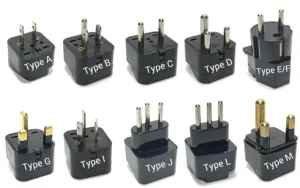
The Philippines uses two types of electrical outlets/plugs:

  • Type A:
    • Two flat parallel pins (commonly used in North America and Japan).
    • Compatible with devices from the US, Canada, and Japan without an adapter.
  • Type B:
    • Two flat parallel pins with a round grounding pin (similar to the US three-prong outlets).
    • Less common than Type A but can be found in some accommodations.

2. Voltage and Frequency

  • Voltage:Ā The standard electricity voltage in the Philippines isĀ 220V.
    • This isĀ different from the 110V used in the US and Canada.
    • Many modern electronic devices (like smartphones, laptops, and cameras) areĀ dual voltageĀ (110-240V), but check your device’s label or charger to confirm.
  • Frequency:Ā The electrical frequency isĀ 60Hz, which is the same as in North America. Devices designed for 60Hz will work without issues in the Philippines.

Devices That Are Typically Dual Voltage

Most modern travel-friendly devices are dual voltage, meaning they can handle both 110V and 220V. Look for a label like this on your device or charger:

“Input: 100-240V, 50-60Hz.”

If you see this, you won’t need a voltage converter.

  • SmartphonesĀ (iPhone, Samsung, etc.)
  • LaptopsĀ (MacBook, Dell, HP, etc.)
  • TabletsĀ (iPad, Android tablets)
  • CamerasĀ (DSLRs, GoPros, action cameras)
  • Power Banks
  • Cycling GPS DevicesĀ (e.g., Garmin, Wahoo)
  • Rechargeable Bike LightsĀ or other USB-powered accessories

Devices That May Require a Voltage Converter

Some single-voltage devices are only designed to handle 110V. Plugging these directly into a 220V outlet without a converter will damage them. Examples include:

  • Older electronics (e.g., some hair dryers, electric razors)
  • Non-dual voltage chargers for cycling gadgets

If your device is not dual voltage, you’ll need a voltage converter to safely use it in the Philippines. Look for a lightweight travel voltage converter specifically designed for small electronics.


Adapters for Outlets

If your plugs are different from the Type A or Type B outlets in the Philippines, you’ll need a plug adapter. Here’s how to choose the right one:

  • For US Travelers:
    • If your devices use Type A or Type B plugs, you won’t need an adapter, as these are commonly used in the Philippines.
    • However, if your device uses a Type B plug (with three prongs) and the outlet only has two prongs (Type A), you may need a simple grounding adapter.
  • For Non-US Travelers:
    • Travelers from Europe (Type C or Type F plugs), the UK (Type G), or Australia (Type I) will need aĀ universal travel adapterĀ to fit the Type A or Type B outlets used in the Philippines.

Recommended Universal Adapter:

  • Look for a compact adapter that supports multiple plug types and includes USB ports for charging multiple devices simultaneously.
  • Example:Ā EPICKA Universal Travel Adapter (compact, affordable, and reliable for global travel).

USB Charging and Power Banks

  • USB Ports:Ā Many accommodations in the Philippines now offer outlets or adapters with USB ports for convenient charging. This is especially useful for charging cycling accessories like bike lights or GPS devices.
  • Power Banks:Ā Since power outages can occur in rural areas or during storms, carry a good-quality power bank to charge your devices on the go.
    • Recommended Capacity: At leastĀ 10,000mAhĀ for smartphones and cycling gadgets.
    • Example:Ā Anker PowerCore 10000 (lightweight and durable).

Charging Tips for Cycling Travelers

  • Bring a Multi-Port Charger:Ā Save space and charge multiple devices simultaneously with a multi-port USB charger. Some models also include Type A or B plugs compatible with the Philippines.
  • Portable Solar Chargers:Ā For remote cycling trips, consider a portable solar charger to power your devices when you’re away from electricity for extended periods.
  • Waterproof Accessories:Ā For cycling in rainy areas, ensure chargers, power banks, and cables are stored in waterproof bags to avoid damage.

Summary Checklist

Here’s a quick checklist to ensure your devices are compatible and ready for use in the Philippines:

  1. Check Device Voltage:Ā Verify if your devices are dual voltage (100-240V). If not, pack a voltage converter.
  2. Bring a Plug Adapter:Ā US travelers generally don’t need one, but non-US travelers will require an adapter for Type A or B outlets.
  3. Carry a Power Bank:Ā Useful for long cycling trips or areas with limited electricity access.
  4. Pack a Multi-Port USB Charger:Ā Save space and charge multiple devices efficiently.
  5. Download Offline Maps:Ā Ensure key apps like Google Maps or GPS devices are charged and ready for offline use.


Currency Exchange

The Philippine Currency

  • The currency in the Philippines is theĀ Philippine Peso (PHP). Locally, it is often referred to as ā€œpiso.ā€
  • Currency symbol: ₱
  • Common denominations:
    • Banknotes: ₱20, ₱50, ₱100, ₱200, ₱500, ₱1,000, and ₱1,000 polymer notes (newer).
    • Coins: ₱1, ₱5, ₱10, and centavo coins (₱0.25, ₱0.50), though centavo coins are rarely used.

Currency Exchange Options

To get Philippine pesos, you can exchange your money at various locations. Here are the most common options:

Airports

  • Where:Ā Money changers are available at major airports such as Ninoy Aquino International Airport (Manila) and Mactan-Cebu International Airport.
  • Pros:
    • Convenient, especially if you need pesos immediately upon arrival.
  • Cons:
    • Exchange rates at airports are typicallyĀ less favorableĀ compared to other options.
    • Best for small amounts to cover initial expenses (e.g., transportation to your hotel).

Banks

  • Where:Ā Banks like BDO, Metrobank, and BPI offer currency exchange services.
  • Pros:
    • Reliable and secure.
    • Fair exchange rates compared to airports.
  • Cons:
    • Limited operating hours (usually 9 AM to 3 PM, Monday to Friday).
    • Long queues in some branches.
    • You’ll need to present your passport and possibly fill out forms.

Money Changers

  • Where:Ā Found in cities, malls, and tourist areas like Makati, Cebu City, and Boracay. Popular money changer chains includeĀ Czarina Foreign ExchangeĀ andĀ Sanry’s Money Changer.
  • Pros:
    • Offers some of theĀ best exchange rates.
    • Easy to find in tourist hubs.
  • Cons:
    • Be cautious of smaller, unverified exchange shops, as some may scam you with counterfeit bills or unfair rates.
    • Always count your money before leaving the counter.

ATMs

  • Using ATMs to withdraw pesos directly from your foreign bank account is one of the most convenient ways to get local currency.
  • ATM Networks:
    • BDO, Metrobank, BPI, Landbank, and Security Bank are widely available.
    • International networks likeĀ VisaĀ andĀ MastercardĀ are accepted in most ATMs.
  • Pros:
    • Convenient access to cash in cities and towns.
    • Competitive exchange rates offered by your home bank.
  • Cons:
    • ATM withdrawal fees:
      • Local ATM fee: ₱200-250 per transaction.
      • Foreign bank fees: Check with your bank for international withdrawal fees.
    • Withdrawal limits: Usually ₱10,000-20,000 per transaction.
    • ATMs can be scarce in rural or remote areas, so plan ahead if you’re cycling through places like Palawan or the Cordilleras.

Hotels and Resorts

  • Where:Ā Many hotels, especially in tourist areas, offer currency exchange services.
  • Pros:
    • Convenient for hotel guests.
  • Cons:
    • Exchange rates are usuallyĀ less favorableĀ than money changers or banks.

Digital and Cashless Transactions

The Philippines is increasingly adopting cashless payment methods, especially in urban areas and tourist destinations.

A. Credit and Debit Cards

  • Cards likeĀ Visa,Ā Mastercard, andĀ American ExpressĀ are accepted in most hotels, restaurants, malls, and bike shops in cities.
  • Tip:Ā Inform your bank about your travel plans to avoid your card being blocked for ā€œsuspicious activity.ā€

B. Mobile Wallets

  • Popular mobile payment apps in the Philippines include:
    • GCash:Ā Widely used for paying in stores, restaurants, and even small vendors.
    • Maya (formerly PayMaya):Ā Another popular e-wallet for cashless payments.
  • Tip:Ā While convenient, you’ll need a local SIM card to register and use these apps.

C. Cash is King

  • In rural and remote areas, cash is the primary form of payment. Be sure to carry enough pesos when cycling through less developed regions, as card payments and ATMs may not be available.

Exchange Rates

Exchange rates fluctuate daily, so check the current rate before exchanging money. Use trusted apps or websites for real-time exchange rates:

  • XE Currency App:Ā Download here
  • Google Currency Converter:Ā Search ā€œUSD to PHPā€ or your currency to PHP on Google.

Tips for Currency Exchange in the Philippines

  • Avoid exchanging money on the street:Ā Stick to reputable money changers, banks, or ATMs.
  • Carry small bills and coins:Ā Many small vendors, jeepney drivers, or tricycle operators may not have change for large denominations like ₱1,000.
  • Plan ahead for remote areas:Ā If you’re cycling in rural areas or islands like Batanes, Siargao, or Palawan, bring enough cash as ATMs and money changers may be scarce.
  • Check the bills:Ā Always inspect Philippine peso bills for damages or tears, as some vendors may refuse damaged notes.
  • Keep your receipts:Ā Some exchange services (especially banks) may ask for original receipts if you want to exchange leftover pesos back to your home currency.

Sample USD to PHP Exchange

  • As of February 2025:
    • 1 USD ā‰ˆ 55 PHPĀ (approximate rate; check live rates for accuracy).
    • Example: Exchanging $100 USD would give you approximately ₱5,500 PHP(minus any fees).

Summary of Best Practices

  • UseĀ money changersĀ in cities for the best rates.
  • WithdrawĀ cash from ATMsĀ for convenience but be mindful of fees.
  • UseĀ credit cards or mobile walletsĀ in urban areas when possible.
  • CarryĀ enough cashĀ when cycling in rural or remote places.
  • Always double-check exchange rates and count your money carefully.


By following these tips and planning ahead, you can efficiently manage your finances during your cycling adventure in the Philippines, leaving you more time to enjoy the incredible landscapes, scenic routes, and vibrant culture!

Food & Water Quality

Water Quality in the Philippines

Tap Water

  • Tap water in the Philippines is generally not safe for drinking. It may contain contaminants such as bacteria, viruses, and heavy metals due to aging infrastructure, pollution, and inadequate water treatment systems.
  • In urban areas like Manila, tap water is treated but may still be unsafe due to potential contamination during distribution.
  • In rural areas, access to clean water is more limited, and untreated water sources are common.

Bottled Water

  • Bottled water is widely available and is the safest option for drinking. Look for sealed, reputable brands to avoid counterfeit products.
  • Tip:Ā Avoid reusing plastic bottles unless you can clean them thoroughly, as bacteria can grow inside.

Filtered Water

  • Many hotels, restaurants, and cafes offer filtered water, which is generally safe for drinking. However, always confirm the source of the filtration system.
  • If you’re staying long-term or cycling through remote areas, consider using a portable water filter or purification tablets.

Boiled Water

  • Boiling water for at least 1-3 minutes is an effective way to kill bacteria and viruses, making it safe for drinking.

Water for Brushing Teeth

  • Use bottled or filtered water for brushing your teeth to avoid accidental ingestion of tap water.

Ice

  • Be cautious with ice in drinks, as it may be made from untreated water. In tourist areas, ice is often made from purified water, but it’s best to ask.

Food Quality in the Philippines

The Philippines is known for its delicious and diverse cuisine, but food safety practices can vary. Here’s what you need to know:

Street Food

  • Street food is a popular and affordable way to experience Filipino cuisine, but it comes with risks.
    • Risks:Ā Food may be exposed to contamination due to poor hygiene, improper storage, or unclean water used in preparation.
    • Tips for Safe Street Food:
      • Choose vendors with high turnover (freshly cooked food is less likely to be contaminated).
      • Avoid raw or undercooked items like seafood or meat.
      • Stick to hot, freshly cooked dishes like grilled meats (e.g., ā€œisawā€ or chicken intestines) or fried snacks (e.g., ā€œkwek-kwekā€ or quail eggs).

Restaurants

  • Restaurants in urban areas and tourist destinations generally follow better hygiene standards.
    • Tips:
      • Opt for well-reviewed establishments.
      • Avoid buffets where food may have been sitting out for long periods.
      • Be cautious with raw dishes like ā€œkinilawā€ (Filipino ceviche) unless you’re confident in the restaurant’s quality.

Fruits and Vegetables

  • Fresh fruits and vegetables are widely available, but they may be washed with untreated water.
    • Tips:
      • Peel fruits like mangoes and bananas before eating.
      • Wash vegetables with bottled or filtered water if you’re preparing your own meals.

Seafood

  • The Philippines is famous for its seafood, but freshness and proper cooking are key.
    • Tips:
      • Eat seafood only in reputable restaurants or markets where it’s freshly caught.
      • Avoid raw seafood unless you’re certain of its quality.

Common Food and Waterborne Illnesses

Travelers to the Philippines may encounter illnesses caused by contaminated food or water. These include:

  • Traveler’s Diarrhea:Ā Often caused by bacteria or viruses in food or water.
  • Hepatitis A:Ā Spread through contaminated food or water.
  • Typhoid Fever:Ā Caused by consuming food or water contaminated with Salmonella bacteria.
  • Cholera:Ā Rare but possible in areas with poor sanitation.

Prevention Tips:

  • Wash your hands frequently with soap and water or use hand sanitizer.
  • Avoid raw or undercooked foods, especially in rural areas.
  • Drink only bottled, boiled, or filtered water.
  • Consider getting vaccinated for Hepatitis A and Typhoid before traveling.

Hydration for Cyclists

As a cycling traveler, staying hydrated is crucial, especially in the tropical climate of the Philippines. Here’s how to ensure safe hydration:

  • Carry a Reusable Water Bottle:Ā Use a bottle with a built-in filter (e.g., LifeStraw or Grayl) to purify water on the go.
  • Electrolyte Drinks:Ā Replenish lost electrolytes with drinks like Gatorade or local alternatives like Pocari Sweat, which are widely available in convenience stores.
  • Plan Ahead:Ā If cycling through remote areas, stock up on bottled water or use purification tablets for untreated water sources.

Environmental Considerations

  • The Philippines faces challenges with plastic waste, so consider using a reusable water bottle and refilling it at water stations or hotels offering filtered water.
  • Avoid buying single-use plastic bottles whenever possible to reduce your environmental impact.

Summary of Key Tips

  • Water:Ā Avoid tap water; stick to bottled, boiled, or filtered water.
  • Food:Ā Choose freshly cooked meals, avoid raw or undercooked items, and peel fruits.
  • Hygiene:Ā Wash hands frequently and use hand sanitizer.
  • Cycling Hydration:Ā Carry a reusable water bottle with a filter and stay hydrated with electrolyte drinks.


By following these precautions, you can enjoy the vibrant food culture and stay healthy during your cycling adventure in the Philippines!

What do the US Dept of State, US Embassy, and CDC say?

Check out the latest Travel Advisory to COUNTRY from theĀ US Dept of State. Ā Contacts from all US Embassies in Japan are listed on the website. Ā Use theĀ Smart Traveler Enrollment Program (STEP)Ā to inform them of your travels.

Read the Travel Health Notices & suggested vaccinations from theĀ CDC

For the latest updates and resources, visit the U.S. Embassy in Japan’s official website:Ā U.S. Embassy & Consulates in Philippines

Supplement Your Health / Travel Insurance

Why Do You Need Health & Travel Insurance in the Philippines?

Health Risks

  • The Philippines is a tropical country, and travelers may encounter risks such as:
    • Heat exhaustion or dehydration while cycling.
    • Injuries from accidents on uneven or poorly maintained roads.
    • Tropical diseases like dengue fever or typhoid in certain areas.
    • Limited access to high-quality medical care in rural or remote regions.

Travel Risks

  • Potential risks include:
    • Theft or damage to your bicycle or gear.
    • Flight delays, cancellations, or lost luggage.
    • Natural disasters like typhoons, which can disrupt travel plans.

Having comprehensive insurance ensures you’re covered for these scenarios, allowing you to focus on enjoying your cycling adventure.


Travel Insurance Options

World Nomads Travel Insurance

World Nomads is a popular choice for adventure travelers, including cyclists, as it offers coverage for a wide range of activities and emergencies.

  • Key Features:
    • Covers overĀ 150+ adventure activities, including cycling, mountain biking, and cycle touring.
    • Provides coverage for medical emergencies, evacuation, trip cancellations, and lost or stolen gearĀ .
    • Available to travelers fromĀ 140+ countries.
    • Flexible plans that can be purchased or extended while you’re already traveling.
  • Cycling-Specific Coverage:
    • Covers injuries sustained during cycling adventures, including mountain biking and road cycling.
    • Includes coverage for stolen or damaged bicycles (depending on the plan).
  • How to Get It:
    • You can get a quote and purchase a plan online 24/7Ā .
  • Why Choose World Nomads?
    • It’s designed for adventure travelers and offers comprehensive coverage for cycling-related risks.
    • It’s ideal for both short-term trips and long-term travel.

Bicycle Insurance Options

Sunday Insurance for Bicycles

Sunday Insurance is a great option for insuring your bicycle, especially if you’re bringing your own bike to the Philippines or renting a high-value bike during your trip.

  • Key Features:
    • Covers theft, accidental damage, and loss of bicycles.
    • Offers coverage for cycling gear and accessories.
    • May include liability coverage in case you accidentally damage someone else’s property while cycling.
  • Why Choose Sunday Insurance?
    • It’s tailored specifically for cyclists, ensuring your bike and gear are protected.
    • Ideal for travelers who rely heavily on their bicycles for transportation and adventure.
  • How to Get It:
    • Visit Sunday Insurance’s website to explore plans and get a quote.

Health Insurance for Travelers

Health Coverage in Travel Insurance Plans

Most travel insurance plans, including World Nomads, include health coverage for:

  • Emergency medical treatment.
  • Hospitalization costs.
  • Medical evacuation to the nearest suitable facility or back to your home country if necessary.

Vaccinations and Preventive Care

  • Before traveling to the Philippines, ensure you’re up to date on recommended vaccinations, such as:
    • Hepatitis A and B.
    • Typhoid.
    • Tetanus.
    • Rabies (if you plan to cycle in rural areas where stray animals are common).

What to Look for in Travel Insurance as a Cyclist

When choosing travel insurance, consider the following factors:

A. Coverage for Cycling Activities

  • Ensure the plan explicitly covers cycling, mountain biking, or cycle touring.
  • Check if it includes coverage for injuries, accidents, and liability while cycling.

B. Bicycle Protection

  • Look for plans that cover theft, loss, or damage to your bicycle and accessories.
  • Confirm the maximum coverage amount for high-value bikes.

C. Medical Coverage

  • Opt for plans with high limits for emergency medical expenses and evacuation.
  • Check if the plan covers pre-existing conditions (if applicable).

D. Trip Interruption and Cancellation

  • Coverage for trip delays, cancellations, or interruptions due to unforeseen events like natural disasters or illness.

E. Gear and Equipment Coverage

  • If you’re traveling with expensive cycling gear, ensure it’s covered under the plan.

Additional Insurance Providers

While World Nomads and Sunday Insurance are excellent options, here are a few other providers to consider:

  • SafetyWing:Ā Offers affordable travel and health insurance for digital nomads and long-term travelers.
  • Travel Guard:Ā Provides customizable travel insurance plans for trips to the Philippines.
  • Allianz Travel Insurance:Ā Known for comprehensive coverage and global assistance.

Tips for Choosing and Using Insurance

  • Compare Plans:Ā Use online tools to compare coverage, limits, and exclusions.
  • Read the Fine Print:Ā Understand what is and isn’t covered, especially for cycling-related activities.
  • Keep Documentation:Ā Carry digital and physical copies of your insurance policy, emergency contact numbers, and receipts for your bicycle and gear.
  • Emergency Contacts:Ā Save the local emergency numbers in the Philippines (e.g., 911 for general emergencies) and your insurance provider’s hotline.

Summary

  • World NomadsĀ is an excellent choice for travel insurance, offering comprehensive coverage for cycling activities, medical emergencies, and trip interruptions.
  • Sunday InsuranceĀ is ideal for protecting your bicycle and cycling gear from theft, damage, or loss.
  • Ensure your plan includes medical coverage, evacuation, and liability protection for a worry-free cycling adventure in the Philippines.


By securing the right insurance, you can explore the Philippines’ stunning landscapes and cycling routes with confidence and peace of mind!

How to Stay Safe

Road Safety for Cyclists

A. Road Conditions

  • Urban Areas:Ā Major cities like Manila, Cebu, and Davao have heavy traffic, and roads can be congested. While some areas, like Ortigas Center, have bike lanes due to cycling advocacy efforts, these lanes are not always consistent or well-maintained.
  • Rural Areas:Ā Roads in rural areas can be uneven, poorly lit, or unpaved. Be cautious of potholes, loose gravel, and sudden changes in terrain.
  • Night Cycling:Ā Avoid cycling at night, as street lighting in many areas is inadequate, and visibility can be poor.

B. Traffic Behavior

  • Drivers in the Philippines may not always follow traffic rules strictly, and motorcycles, jeepneys, and tricycles dominate the roads. Be vigilant and assertive but cautious when navigating traffic.
  • Use hand signals to communicate your intentions and always stay alert for sudden stops or swerves by other vehicles.

C. Helmet and Gear

  • Always wear a helmet to protect yourself in case of accidents. If you’re bringing your own helmet, ensure it meets safety standardsĀ .
  • Equip your bike with front and rear lights, especially if you’re cycling early in the morning or late in the afternoon.
  • Wear reflective clothing to increase visibility.

Personal Safety

A. Avoid High-Risk Areas

  • Some areas in the Philippines, particularly in Mindanao, have been flagged for safety concerns due to political unrest or crime,. Check travel advisories before planning your route.
  • Stick to well-traveled and tourist-friendly areas like Luzon, Visayas, and Palawan.

B. Stay Alert to Petty Crime

  • Pickpocketing and bag snatching can occur in crowded areas. Keep your belongings secure and avoid displaying valuables like expensive cameras or smartphones.
  • Use a bike lock to secure your bicycle when leaving it unattended.

C. Interact with Locals Wisely

  • Filipinos are generally friendly and hospitable, but it’s still important to exercise caution when interacting with strangers. Avoid sharing too much personal information or your travel plans with people you don’t know well.

Health and Hydration

A. Stay Hydrated

  • The Philippines has a tropical climate, and dehydration is a real risk, especially when cycling long distances. Carry enough water and electrolyte drinks to stay hydrated.
  • Avoid drinking tap water; stick to bottled or filtered water.

B. Protect Against Heat

  • Wear sunscreen and a hat or cap under your helmet to protect yourself from the sun.
  • Plan your rides during cooler parts of the day, such as early morning or late afternoon, to avoid the intense midday heat.

C. Vaccinations and Health Precautions

  • Ensure you’re up to date on vaccinations for diseases like Hepatitis A, Typhoid, and Tetanus.
  • Carry a basic first aid kit with bandages, antiseptic wipes, and any personal medications.

Bicycle Security

A. Theft Prevention

  • Bicycle theft can occur, especially in urban areas. Always lock your bike securely when leaving it unattended.
  • Use a high-quality U-lock or chain lock and secure both the frame and wheels to a fixed object.

B. Insurance

  • Consider getting bicycle insurance, such asĀ Sunday Insurance, to cover theft or damage to your bike. This is especially important if you’re traveling with a high-value bicycle.

Emergency Preparedness

A. Know Emergency Numbers

  • The national emergency hotline in the Philippines isĀ 911.
  • Save the contact information for your travel insurance provider (e.g.,Ā World Nomads) and local embassy.

B. Medical Emergencies

  • In case of an accident, seek medical attention immediately. Major cities have good hospitals, but rural areas may have limited healthcare facilities.
  • Ensure your travel insurance covers medical evacuation in case of serious injuries.

C. Natural Disasters

  • The Philippines is prone to typhoons, earthquakes, and volcanic activity. Check weather forecasts regularly and avoid cycling during typhoon season (June to November).

Cultural and Environmental Awareness

A. Respect Local Customs

  • Filipinos are generally conservative, especially in rural areas. Dress modestly and be respectful of local traditions and customs.

B. Environmental Responsibility

  • Avoid littering and respect the natural environment. Many cycling routes pass through pristine landscapes, so leave no trace behind.

Tips for Safe Cycling Routes

A. Recommended Cycling Destinations

  • Batanes:Ā Known for its scenic and quiet roads, perfect for cycling.
  • Palawan:Ā Offers stunning coastal routes and less traffic.
  • Cebu and Bohol:Ā Popular for their rolling hills and countryside views.
  • Ilocos Norte:Ā Features the famous Patapat Viaduct and windmill farms.

B. Plan Your Route

  • Use apps likeĀ KomootĀ orĀ Google MapsĀ to plan your cycling routes. Avoid roads marked as highways or expressways, as bicycles are not allowed on these.

Summary of Key Safety Tips

  • Road Safety:Ā Wear a helmet, use lights, and avoid cycling at night.
  • Personal Safety:Ā Avoid high-risk areas and secure your belongings.
  • Health:Ā Stay hydrated, protect against the sun, and carry a first aid kit.
  • Bicycle Security:Ā Use a sturdy lock and consider bicycle insurance.
  • Emergency Preparedness:Ā Know emergency numbers and have travel insurance for medical coverage.


By following these safety tips and staying vigilant, you can enjoy a safe and memorable cycling adventure in the Philippines!

Resources

How to learn the local language FAST!

Tagalog, also officially known asĀ Filipino, is the national language of the Philippines and is widely spoken across the country. While English is also an official language and commonly understood, especially in urban areas and tourist destinations, learning a few Tagalog phrases can go a long way in making your trip smoother, connecting with locals, and showing respect for the culture.Here’s a detailed guide to help you learn Tagalog quickly, including must-know words, essential phrases, and resources to speed up your language learning journey.


Must-Know Tagalog Words and Phrases

Here’s a list of essential Tagalog words and phrases to help you navigate daily interactions in the Philippines:

Greetings and Politeness

  • Hello: Kamusta (kah-moo-stah)
  • How are you?: Kumusta ka? (koo-moo-stah kah?)
  • Good morning: Magandang umaga (mah-gahn-dahng oo-mah-gah)
  • Good afternoon: Magandang hapon (mah-gahn-dahng hah-pon)
  • Good evening: Magandang gabi (mah-gahn-dahng gah-bee)
  • Thank you: Salamat (sah-lah-maht)
  • You’re welcome: Walang anuman (wah-lahng ah-noo-mahn)
  • Excuse me / Sorry: Paumanhin (pah-oo-mahn-heen)
  • Please: Paki (pah-kee)

Basic Questions

  • What is this?: Ano ito? (ah-no ee-toh?)
  • Where is…?: Nasaan ang…? (nah-sah-ahn ahng…?)
  • How much?: Magkano? (mahg-kah-noh?)
  • Do you speak English?: Marunong ka bang mag-Ingles? (mah-roo-nohng kah bahng mahg-eeng-glehs?)
  • Can you help me?: Pwede mo ba akong tulungan? (pweh-deh moh bah ah-kohng too-loo-gahn?)

Numbers

  • One: Isa (ee-sah)
  • Two: Dalawa (dah-lah-wah)
  • Three: Tatlo (taht-loh)
  • Four: Apat (ah-paht)
  • Five: Lima (lee-mah)
  • Ten: Sampu (sahm-poo)

Travel and Directions

  • Where is the restroom?: Nasaan ang banyo? (nah-sah-ahn ahng bahn-yoh?)
  • Left: Kaliwa (kah-lee-wah)
  • Right: Kanan (kah-nahn)
  • Straight ahead: Diretso (dee-reht-soh)
  • Stop: Hinto (heen-toh)

Food and Dining

  • I’m hungry: Gutom ako (goo-tohm ah-koh)
  • I’m thirsty: Nauuhaw ako (nah-oo-oo-hahw ah-koh)
  • Delicious: Masarap (mah-sah-rahp)
  • Water: Tubig (too-big)
  • Rice: Kanin (kah-neen)
  • Chicken: Manok (mah-nok)

Emergencies

  • Help!: Tulong! (too-lohng!)
  • Call the police: Tawagin ang pulis (tah-wah-geen ahng poo-lees)
  • I’m lost: Nawawala ako (nah-wah-wah-lah ah-koh)
  • I need a doctor: Kailangan ko ng doktor (kah-ee-lahng-ahn koh nahng dok-tohr)

Common Expressions

  • Yes: Oo (oh-oh)
  • No: Hindi (heen-dee)
  • I don’t understand: Hindi ko naiintindihan (heen-dee koh nah-ee-een-teen-dee-hahn)
  • I like it: Gusto ko ito (goos-toh koh ee-toh)
  • I don’t like it: Ayaw ko nito (ah-yahw koh nee-toh)

Tips for Using Tagalog in the Philippines

  • Be Patient with Yourself:Ā Filipinos are very accommodating and will appreciate your effort, even if your Tagalog isn’t perfect.
  • Mix Tagalog and English:Ā Many Filipinos speak ā€œTaglishā€ (a mix of Tagalog and English), so don’t hesitate to use English words if you don’t know the Tagalog equivalent.
  • Practice Daily:Ā Use the phrases you’ve learned in real-life situations, such as ordering food or asking for directions.
  • Ask for Help:Ā If you’re unsure about pronunciation or meaning, locals will often be happy to teach you.


By focusing on practical phrases, using effective learning tools, and practicing regularly, you’ll be able to pick up Tagalog quickly and make your trip to the Philippines even more enjoyable!

1. Jemuel Punzalan (@BisikletaPilipinas)

  • Facebook:Ā Bisikleta Pilipinas
  • Summary:Ā Jemuel creates inspiring cycling content, showcasing scenic routes in the Philippines and encouraging Filipinos to embrace cycling for fitness and exploration.

2. Tara Lets AnywhereĀ 

  • Blog:Ā Tara Lets Anywhere
  • Instagram:Ā @taraletsanywhere
  • Summary:Ā A travel blog that includes cycling itineraries and tips for exploring the Philippines’ hidden gems and off-the-beaten-path destinations.

3. Wil Dasovich

  • Instagram:Ā @wil_dasovich
  • Summary: Wil Dasovich is one of the most established Filipino travel influencers, known for his engaging content that often highlights various destinations in the Philippines.

4. Gabz (PinoyTravelFreak)

  • Website: PinoyTravelFreak.com
  • Summary: Gabz, known as PinoyTravelFreak, focuses on nature and landscapes, providing travel content that highlights the scenic destinations within the Philippines.

5. Everyday Cyclist PH

  • Instagram: @everydaycyclistph
  • Summary: Everyday Cyclist PH is likely a significant player in the cycling community in the Philippines, focusing on cycling content and community engagement.

6. Xzar LimĀ 

  • Instagram: @xzarlim
  • Facebook: @xzarlim
  • Youtube: @xzarlim
  • Summary:Ā Xzar is a filmmaker and bikepacker from Philippines and now traveling in other countries

6. Ian How

  • Instagram:Ā @ianhowbikevlog
  • Facebook: @ianhow
  • Youtube: @ianhow
  • Summary: Adventure Cyclist and content creator.Ā  One of the pioneers of cycling youtubing in the Philippines.

7. Angelo Biker Dude


By following these influencers, you can gain inspiration, learn about the best cycling routes, and immerse yourself in the stunning landscapes, culture, and hospitality of the Philippines. Happy cycling and exploring!

Travel Bloggers and Influencers

  1. Our Awesome Planet by Anton Diaz
    • Link:Ā https://www.ourawesomeplanet.com
    • Summary: The No. 1 food and travel media in the Philippines, focusing on “Food and Travel Secrets of a Destination.”
  2. Lakwatsero by Angel Juarez
    • Link:Ā https://www.lakwatsero.com
    • Summary: Adventure-focused blog sharing breathtaking clips of tourist attractions, diving, hiking, and climbing experiences in the Philippines.
  3. I am Aileen by Aileen Adalid
    • Link:Ā https://iamaileen.com
    • Summary: Detailed travel guides and tips for exploring the Philippines, inspiring readers to create a life of travel.
  4. The Poor Traveler by Yoshke Dimen and Vins Carlos
  5. Two Monkeys Travel Group by Kach and Jonathan Howe
  6. Nomadic Experiences
    • Website:Ā Nomadic Experiences
    • Summary:Ā A blog by travel writer Marky Ramone that showcases his adventures across the Philippines, including eco-tourism destinations and cycling-friendly locales.

Cycling-Specific Bloggers and Resources

  1. RedditPHCyclingClub
  2. Cycling Matters
    • Website:Ā Cycling Matters
    • Summary:Ā A dedicated cycling advocacy blog that promotes the benefits of cycling, shares urban cycling tips, and features articles on cycling infrastructure in the Philippines.
  3. Travel Up
    • Website:Ā Travel Up
    • Summary:Ā A travel and gaming blog by Kara Santos, who also shares her love for cycling and motorbiking adventures in the Philippines’ most beautiful spots.

Online Resources for Cycling and Travel

  1. Komoot
    • Link:Ā https://www.komoot.com
    • Summary: Comprehensive platform offering cycling routes in the Philippines with detailed information and community tips.
  2. Singletracks
    • Link:Ā https://www.singletracks.com
    • Summary: Website listing mountain bike trails in the Philippines, detailing difficulty, length, and location.
  3. Bikemap
    • Link:Ā https://www.bikemap.net
    • Summary: World’s largest bike route collection, allowing users to find and create cycling routes in the Philippines.

Cycling and Travel Brands in the country

By supporting these local brands and businesses, you can enrich your cycling travel experience in the Philippines while contributing to the country’s economy and sustainable practices. Ride safe and enjoy your adventure!

Cycling Gear and Accessories

R.O.X. (Recreational Outdoor Exchange)

  • Website:Ā R.O.X. Philippines
  • Summary:Ā A premier outdoor gear retailer in the Philippines, R.O.X. carries cycling equipment, apparel, and accessories from both local and international brands, perfect for adventure-seeking cyclists.

Bicycles and Local Bike Manufacturers

Bambike (Bamboo Bikes)

  • Website:Ā Bambike
  • Summary:Ā Bambike is a Filipino social enterprise that creates eco-friendly bicycles handcrafted from bamboo, promoting sustainability and supporting local artisans.

Bikepacking and Travel Gear

Habagat Outdoor Equipment

  • Website:Ā Habagat
  • Summary:Ā A homegrown outdoor gear brand offering durable backpacks, pannier bags, and waterproof gear perfect for bikepacking and cycling tours.

Sandugo Philippines

  • Website:Ā Sandugo
  • Summary:Ā A Filipino brand known for its durable outdoor footwear, Sandugo also offers travel and cycling gear like hydration packs and lightweight backpacks.

Sustainable and Eco-Friendly Products

Sip PH

  • Website:Ā Sip PH
  • Summary:Ā Sip PH offers reusable water bottles and metal straws, perfect for eco-conscious cycling travelers looking to reduce plastic waste during their adventures.

Hop on your bike and join the adventure with Cycle Travel Club's thrilling hosted tours throughout the year!

  • Cycle The Myth: Peloponnese, Greece

    From$2,600
    Availability : July 30 - Aug 15, 2025
    Delhi, Manali to Leh, India
    Experience the bustling chaos and historic majesty of Delhi’s ancient streets before embarking on one of the world’s most epicView Tour
  • Golden Triangle + Himalayan Cycling Adventure

    From$2,600
    Availability : July 30 - Aug 15, 2025
    Delhi, Manali to Leh, India
    Experience the bustling chaos and historic majesty of Delhi’s ancient streets before embarking on one of the world’s most epicView Tour
  • Munnar, India

    Kerala Spice Trail Cycling Tour

    From$1,750
    Availability : January 15 - 25, 2026
    Kerala, India
    Kerala, aka “God’s Own Country”, is known for stunning landscapes, serene backwaters, vibrant culture, & diverse cycling routes through tropicalView Tour

Pedal Deeper into Adventure
Read more about epic Destinations here....

Join the Cycle Travel Club!

Proceed Booking