Cycle Travel Club

Kazbegi (Stepantsminda)

Get ready for a wild ride in Kazbegi, where you’ll conquer the thrilling climb to the iconic Gergeti Trinity Church beneath the mighty Mount Kazbek, cruise through the alpine landscapes of Juta and the Chaukhi Massif, and roll past ancient villages in the breathtaking Sno Valley. Each route delivers jaw-dropping scenery and a true sense of Georgia’s untamed spirit. If you’re chasing high-altitude adventure or postcard-worthy views, Kazbegi’s cycling trails offer unforgettable moments at every turn.

At A Glance

★★★★☆ JUTA VILLAGE & CHAUKHI MASSIF

Craving alpine magic? Pedal up to Juta, the “Georgian Dolomites,” where wildflower meadows and the dramatic Chaukhi peaks set the stage for epic rides. If you’re tackling technical singletrack or cruising scenic jeep roads, Juta’s trails are a magnet for adventure cyclists and are rapidly climbing the popularity charts. The views? Absolutely next-level, with every turn revealing a new slice of Caucasus wonder.


★★★★☆ TRUSO VALLEY

For a ride that’s as relaxing as it is spectacular, Truso Valley delivers. This flat, gravel route is perfect for beginners and families, winding past bubbling mineral springs, abandoned villages, and the mysterious Zakagori Fortress. It’s a favorite in travel blogs and tour itineraries, offering a taste of Georgia’s wild side without the lung-busting climbs, just pure, unfiltered mountain beauty.


★★★★☆ SNO VALLEY

History buffs and scenery seekers, rejoice! The Sno Valley route takes you through ancient stone villages, past medieval towers, and along a river framed by the soaring Caucasus. It’s a moderate ride with plenty of photo stops, and its growing online buzz makes it a rising star for cyclists looking to blend culture with adventure.


★★★★☆ DARIALI GORGE

Ready for a dramatic change of pace? The Dariali Gorge route follows the Tergi River north, threading between towering cliffs and leading to the thundering Gveleti Waterfalls. With a mix of gravel and paved sections, this moderate ride is a favorite for those who want a taste of the borderlands and some of the region’s most awe-inspiring landscapes.


★★★☆☆ GUDAURI (EXTENSION)

If you’re up for a multi-day adventure, consider extending your ride to Gudauri, Georgia’s adventure sports capital. While not as popular as the core Kazbegi routes, Gudauri offers high-altitude thrills and is often included in epic cycling tours that link the best of the Greater Caucasus

Watch

Photos

Plan

Geography of the Region?

Location & Boundaries

  • Region: Northern Georgia, in the Mtskheta-Mtianeti administrative region.
  • Administrative Center: Stepantsminda (often called Kazbegi).
  • Borders:
    • North: Russia (North Ossetia–Alania), defined by the main ridge of the Greater Caucasus.
    • East/South: Dusheti municipality and other parts of Mtskheta-Mtianeti.
    • West: High Caucasus valleys (Truso, Arkhmo, Khada).
  • Elevation: Ranges from 1,400 m (valley floors) to 5,054 m (Mount Kazbek summit).
  • Major Settlements: Stepantsminda, Gergeti, Juta, Sno, Kobi, Gveleti.

Topography & Terrain

  • Dominated by the Greater Caucasus Range:
    • Towering, snow-capped peaks (notably Mount Kazbek at 5,054 m).
    • Deep river valleys (Tergi/Terek, Truso, Sno, Snostskali).
    • Alpine meadows, rocky ridges, and glaciated summits.
  • Elevation Profile:
    • Stepantsminda sits at 1,740 m.
    • Gergeti Trinity Church: 2,170 m (steep climb from town).
    • Juta: 2,200 m (gateway to Chaukhi Massif, “Georgian Dolomites”).
    • Truso Valley: broad, almost flat, ideal for easy cycling.
  • Terrain Types:
    • Paved main roads (Georgian Military Highway).
    • Gravel and dirt tracks in side valleys (Truso, Juta, Sno).
    • Rocky, technical trails and occasional glacier crossings for advanced routes.

Climate & Weather

  • Alpine Continental Climate:
    • Summer (June–September): Warm (15–25°C in town), long days, best for cycling. Occasional afternoon thunderstorms; rapid weather changes at altitude.
    • Spring/Autumn: Cool (5–15°C), variable, with possible snow at higher elevations. May and October are wettest.
    • Winter (December–February): Cold (-5 to -20°C), heavy snow, most routes inaccessible except for winter sports.
  • Precipitation: Annual average ~1,339 mm. Wettest in June and October.
  • Wind: Frequent and strong, especially at higher elevations, wind chill can be significant.
  • Best Cycling Season: Mid-June to late September for high-mountain routes. May and October for lower valleys.

Cycling Infrastructure

  • Bike Lanes: None, all cycling is on shared roads or off-road tracks.
  • Road Conditions:
    • Georgian Military Highway: Paved, busy, and narrow, caution required due to heavy truck traffic.
    • Side Valleys (Truso, Juta, Sno): Mix of gravel, dirt, and rocky tracks; less traffic, more scenic and safer for cycling.
  • Bike Rentals: Available in Stepantsminda (mountain and e-bikes from local shops and agencies).
  • Repair Facilities: Limited, some rental shops offer basic repairs, but bring essential tools and spares.
  • Accommodation: Wide range from hotels to guesthouses and hostels. Many are cyclist-friendly and offer secure storage.
  • Transport Connections: Marshrutkas (minibuses) from Tbilisi, local shuttles and taxis to side valleys and trailheads.

Key Geographical Features & Cycling Routes

  • Mount Kazbek (Mkinvartsveri): Iconic 5,054 m peak, visible from most routes.
  • Gergeti Trinity Church: 14th-century church perched at 2,170 m. Steep, rocky climb from Stepantsminda.
  • Truso Valley: Broad, almost flat valley with mineral springs, travertine formations, and abandoned villages; ideal for all levels.
  • Juta & Chaukhi Massif: High-altitude village (2,200 m) and dramatic peaks, access to Chaukhi Pass and Abudelauri Lakes.
  • Sno Valley: Scenic rides through ancient villages and river valleys.
  • Dariali Gorge: Deep canyon north of Stepantsminda, wild and dramatic.
  • Gveleti Waterfalls: Short, easy ride or hike from town.
  • Notable Passes: Jvari (Cross) Pass (2,379 m) on the main highway; Chaukhi Pass (3,334 m) for advanced riders.

Practical Considerations for Cyclists

  • Safety:
    • Main highway is busy, prefer side valleys for safer, more enjoyable rides.
    • Watch for aggressive shepherd dogs near flocks.
    • Weather can change rapidly; always check forecasts and carry layers.
  • Local Laws:
    • No special cycling laws, but helmets and lights are strongly recommended.
    • Some border-adjacent areas (e.g., upper Truso Valley) require permits.
  • Emergency Services: 24-hour medical clinic and police station in Stepantsminda. National emergency number is 112.
  • Food & Water:
    • Restaurants and supermarkets in town; limited options in remote valleys, carry supplies and water purification.
  • Seasonal Access: Most routes open June–September. Winter brings road closures and avalanche risk.
  • Border Considerations: Russian border nearby. Crossing not possible by bike or on foot, vehicle required.
  • Navigation: Download offline maps and GPX tracks before arrival. Mobile coverage is good in town, limited in remote areas.

What are the Roads like? Road rules?

Cycling Infrastructure & Road Types

  • No Dedicated Bike Lanes: There are currently no purpose-built bike lanes or cycling paths in Stepantsminda or the wider Kazbegi region. All cycling is on shared roads or off-road tracks.
  • Main Highway (Georgian Military Highway, E117):
    • The principal paved route connecting Tbilisi to the Russian border, passing through Stepantsminda.
    • Generally well-maintained, two-lane, with significant elevation changes (Cross Pass at 2,379 m).
    • Heavy vehicle traffic, including trucks and buses, especially in summer and at border crossing times.
  • Secondary & Local Roads:
    • Connect Stepantsminda to villages like Gergeti, Sno, Juta, and scenic valleys (Truso, Sno).
    • Mostly gravel or dirt, with some short paved sections near towns.
    • Surfaces can be rough, muddy after rain, and occasionally washed out, mountain or gravel bikes are recommended.
  • Mountain Passes & Tracks:
    • Access to Gergeti Trinity Church: Steep, rough dirt track or a newer paved road (subject to closures and local restrictions).
    • Juta & Chaukhi Massif: Combination of paved, gravel, and singletrack, with steep gradients and technical sections.
    • Truso Valley: Flat, scenic dirt road, suitable for most mountain bikes.

Road Conditions

  • Georgian Military Highway (E117):
    • Mostly paved and in good condition, but expect narrow, winding sections, potholes, and debris, especially near the Cross Pass.
    • Prone to landslides, rockfalls, and avalanches—especially in winter and spring, which can cause temporary closures.
    • Ongoing construction projects (e.g., new tunnels, border checkpoint upgrades) may cause delays and rougher surfaces.
  • Local Roads to Attractions:
    • Gergeti Trinity Church: New paved road (generally open, but sometimes closed for economic or weather reasons); old road is a rough, rutted track.
    • Juta: Paved to Sno, then unpaved, narrow, and steep; subject to closures due to landslides and seasonal snow.
    • Truso Valley: Initial approach is paved, final stretch is a rough 4×4 track; best accessed June–September.
  • Seasonal Accessibility:
    • Main highway is maintained year-round but can be closed for hours or days due to snow or avalanches.
    • Roads to Juta and Truso Valley are typically closed from October to May.
    • Summer brings the best conditions; spring and autumn can be unpredictable.

Cycling Rules & Regulations

  • Traffic Laws:
    • Bicycles are classified as vehicles; cyclists must obey all traffic laws, signals, and signs.
    • Ride as close to the right as practicable; no more than two cyclists abreast.
    • Use of sidewalks is prohibited for those over 12 unless local ordinances allow.
  • Helmet Use:
    • Mandatory for cyclists and passengers under 16; strongly recommended for all ages.
    • Helmets must meet ANSI or Snell standards and be properly fastened.
  • Lighting & Visibility:
    • At night, a white front light and red rear light or reflector (visible from 300 feet) are required.
    • Reflective clothing is recommended, especially in low-light or mountain conditions.
  • Brakes & Equipment: Bicycles must have functional brakes capable of skidding on dry pavement.
  • Insurance: From January 2026, all foreign visitors must have health and accident insurance, with an adventure sports add-on for mountain cycling. Proof may be required at the border.

Unique Features & Challenges

  • High-Altitude Terrain:
    • Stepantsminda sits at 1,740 m; routes climb to 2,200–2,300 m (Gergeti, Juta) and higher (Chaukhi Pass, 3,300+ m).
    • Steep ascents and descents, with rapid elevation changes and thin air, acclimatization is essential.
  • Weather Extremes:
    • Weather can change rapidly: sudden rain, fog, or snow even in summer.
    • Winter brings heavy snow, ice, and frequent road closures.
  • Remote & Rugged:
    • Many routes are far from services; mobile coverage is good on main routes but patchy in remote areas.
    • Limited signage and wayfinding; GPS and offline maps are recommended.
  • Wildlife & Livestock:
    • Shepherd dogs, livestock, and occasional wildlife (bears, wolves, snakes) may be encountered.
    • Livestock and stray dogs are common road hazards.
  • Cultural & Natural Attractions: Iconic sites like Gergeti Trinity Church, Truso Valley, Juta, and the Chaukhi Massif are accessible by bike for those prepared for challenging conditions.

Safety Considerations

  • Traffic Hazards:
    • The Military Highway is busy, especially with trucks; tunnels and narrow sections require extra caution.
    • Avoid cycling on the highway during peak traffic or poor visibility.
  • Road Hazards:
    • Potholes, debris, landslides, and sudden animal crossings are common.
    • Descents require careful braking and attention to surface conditions.
  • Altitude Sickness: Acclimatize gradually, symptoms include headache, nausea, and dizziness. Descend if symptoms worsen.
  • Emergency Services:
    • Dial 112 for police, ambulance, or mountain rescue (multilingual, works without a SIM card).
    • Stepantsminda has a small hospital, serious cases may require evacuation to Tbilisi.
    • Mountain rescue is basic, response times can be long, especially in bad weather.
  • Preparation:
    • Carry a helmet, lights, repair kit, first aid kit, water, snacks, and navigation device.
    • Inform someone of your route and expected return.
    • Download offline maps and save emergency contacts.

When to Go?

Ideal Months for Cycling

July – Early September

  • Weather:
    • Warmest and most stable period, with daytime highs around 20–21°C and cool nights.
    • Minimal snow at lower elevations; mountain passes and scenic routes are fully accessible.
    • Long daylight hours (14–15 hours), perfect for extended rides.
  • Road & Trail Conditions:
    • Main roads, including the Georgian Military Highway and the new Gergeti Trinity Church access road, are clear and in good repair.
    • Side routes to Juta, Truso Gorge, and Gveleti Waterfalls are open and rideable.
  • Cycling Services: Full range of bike rentals, guided tours, and repair support available.
  • Atmosphere: Lively with fellow travelers, but early July and early September are less crowded than peak August.
  • Cultural Events: Local festivals like Gergetoba (mid-July) and Kazbegoba (early October) offer unique cultural experiences, though they may increase crowds and accommodation demand.

Late June & September

  • Weather:
    • Still favorable, though late June can see lingering rain and occasional snow at higher elevations.
    • September brings cooler nights and the first hints of autumn, with beautiful changing foliage.
  • Roads: Most routes remain open, but always check for early snow or weather-related closures, especially later in September.
  • Tourism: Fewer crowds than peak summer, making for a more peaceful experience and easier accommodation booking.

Months to Avoid

November – April (Winter & Early Spring)

  • Weather:
    • Very cold, with frequent snow and ice; daytime highs often below freezing.
    • Persistent snow cover, especially from December to March.
  • Road & Trail Conditions:
    • Mountain passes (including Jvari Pass) and side routes are often closed or hazardous due to snow and avalanche risk.
    • Main highway may be temporarily closed during severe weather.
  • Cycling Services: Most bike rentals, tours, and guesthouses are closed or operate on a limited basis.
  • Safety: High risk of hypothermia, frostbite, and avalanche; not recommended for cycling.

May – June & October

  • May – June:
    • Wettest period, with frequent rain, muddy roads, and lingering snow at higher elevations.
    • Mountain passes may still be blocked or unstable, especially in early June.
  • October:
    • Early October can be pleasant, but weather deteriorates quickly.
    • First snowfalls at higher elevations; mountain passes may close by late October.
    • Cycling services begin to wind down, and some accommodations close for the season.

Pro Tips for the Best Cycling Experience

  • Check Weather and Road Conditions: Mountain weather is unpredictable, always check local forecasts and road status before setting out, especially for high passes and side routes.
  • Acclimatize to Altitude:
    • Spend at least a day in Stepantsminda (1,740m) before tackling higher climbs to reduce the risk of altitude sickness.
  • Be Self-Sufficient: Bike shops and repair services are limited. Carry a comprehensive repair kit, spare tubes, and essential tools.
  • Pack for All Weather: Bring layers, waterproof gear, and sun protection. Even in summer, mountain weather can change rapidly.
  • Start Early: Afternoon storms are common in the mountains, plan to finish high-altitude rides before midday.
  • Book Accommodation in Advance: Especially in July–August and during local festivals, as rooms fill quickly.
  • Respect Local Culture: Dress modestly in villages and religious sites, and be courteous during local festivals.
  • Stay Safe:
    • Ride defensively on the Georgian Military Highway, which is shared with heavy truck traffic.
    • Inform someone of your route and expected return, especially on remote or high-altitude rides.
  • Navigation: Download offline maps and consider carrying a paper map, as mobile coverage can be patchy in the mountains.
  • Hydrate and Fuel Up: Carry plenty of water and snacks, as resupply points are sparse on mountain routes.

Before arranging your travel plans around a festival, ensure to confirm the festival dates on the official festival website or with a local tourist information office. For further details on these and other events, please visit the official tourism website for Georgia.

Local Events: Cultural, Traditional, Wine & Food Festivals

1. Kazbegoba (Kazbegi Day)

  • Date: Late July or early August, annually (exact date varies; check closer to your visit)
  • Description: The signature festival of Stepantsminda, Kazbegoba is a lively celebration of local culture and community. Expect traditional Georgian folk music and dance, local crafts, food stalls with regional specialties, and sometimes horse racing or other highland sports. The festival is set against the dramatic backdrop of Mount Kazbek and draws both locals and visitors for a festive, communal atmosphere.

2. Gergetoba (Gergeti Trinity Festival)

  • Date: July 16, annually
  • Description: Held at the iconic Gergeti Trinity Church, this religious and folk festival features church services, communal feasting, traditional music, and dance. It’s a major event for both pilgrims and travelers, offering a unique window into the spiritual and cultural life of the region.
  • Website: georgia.to

3. Terekoba (Terek River Festival)

  • Date: Late August, annually (exact date varies)
  • Description: A community festival celebrating the Terek River, which flows through Kazbegi. Activities often include fishing competitions, local food and drink, and cultural performances along the riverbanks. It’s a relaxed, local event highlighting the importance of the river in highland life.

4. Orthodox Easter & Alilo (Christmas Procession)

  • Date: Easter (April 20, 2025), Alilo (January 7, annually)
  • Description: Major religious holidays in Kazbegi, marked by unique highland traditions. Easter features communal feasts and church services, while Alilo is a Christmas procession with caroling and gift-giving, culminating in communal meals and celebrations.

5. Bedoba (Day of Luck)

  • Date: January 2, annually
  • Description: A beloved Georgian holiday, including in Kazbegi, where families gather for festive meals and visit friends and neighbors to exchange good wishes for the year ahead.

Immerse Yourself with Culture & Traditions

General Cultural Norms & Etiquette

Social Customs & Values

  • Hospitality: Guests are considered a blessing, accept invitations graciously and show appreciation.
  • Respect for Elders: Always greet and address elders formally unless invited otherwise.
  • Personal Connections: Building trust is valued, small talk and politeness go a long way.
  • Language: Learning basic Georgian greetings (e.g., “gamarjoba” for hello) is highly appreciated.

Greetings & Interactions

  • Handshakes with direct eye contact are standard.
  • Physical Proximity: Georgians may stand close and use expressive gestures.
  • Public Behavior: Avoid loud or disruptive actions, especially in religious or formal settings.
  • Public Affection: Overt displays are generally frowned upon

Dress Code

  • Modesty is Key: Men rarely wear shorts, women opt for loose, well-groomed clothing, especially in rural areas.
  • Religious Sites: Both genders should cover shoulders and knees, women may need a headscarf, men should remove hats.

Cycling-Specific Considerations

On the Road

  • Traffic Awareness: Roads can be busy and drivers unpredictable, especially near cities and the Black Sea. Rural routes are quieter and safer.
  • Legal Requirements:
    • Obey all traffic laws, ride with the flow of traffic.
    • Helmets are mandatory for under-16s, recommended for adults.
    • Use lights and reflectors at night.
    • No cycling on sidewalks if over 12 years old.
  • Road Conditions: Surfaces vary, expect gravel and rough patches, especially in mountains. Wide tires are recommended.
  • Stray Dogs: Common in rural areas, most are harmless, but be cautious of bites.

Social Interactions

  • Curiosity: Cyclists may attract attention, especially in remote areas. Friendly greetings and openness are appreciated.
  • Dress: Cycling gear is fine on the road, but carry modest clothing for village stops or religious sites.

Infrastructure

  • Bike Transport: Trains often accept bikes, marshrutkas (minibuses) may not.
  • Popular Routes: Svaneti, Kakheti, and rural regions offer scenic cycling; avoid main highways when possible.

Religious & Spiritual Considerations

The Georgian Orthodox Church

  • Central Role: Over 80% of Georgians are Orthodox Christians; religious traditions shape daily life.
  • Church Etiquette:
    • Dress conservatively: women cover heads and shoulders, men remove hats.
    • Remain quiet and respectful, avoid eating, chewing gum, or using phones inside.
    • Do not cross your legs when seated in church.
    • Ask before taking photos, often restricted during services.
  • Religious Holidays: Major events like Orthodox Christmas (Jan 7), Easter, and local festivals may affect business hours and public transport.

Behavior at Religious Sites

  • Lighting Candles: Common act of reverence, follow local cues.
  • Participation: Non-Orthodox visitors are welcome but should not participate in sacraments unless invited.

Food & Dining Customs

Georgian Cuisine & Table Manners

  • Communal Eating: Meals are shared, expect large platters and abundant food.
  • Supra (Feast): Central to hospitality, led by a tamada (toastmaster). Wait for the first toast before drinking.
  • Toasting Rituals:
    • Hold your glass with both hands and make eye contact.
    • Only toast when invited by the tamada.
  • Refusing Food: Considered impolite, try a little of everything offered.
  • Eating Khinkali: Use your hands, not utensils.
  • Tipping: 10-15% is standard in restaurants if no service charge is included.

Dietary Considerations

  • Vegetarian Options: Many dishes are plant-based, fasting menus are common.
  • Bread: Always present at meals.
  • Wine Culture: Georgia is one of the world’s oldest wine regions, wine is central to social gatherings.

Regional Variations

Tbilisi (Capital)

  • Cosmopolitan: More relaxed norms, English widely spoken, diverse food and nightlife.

Svaneti (Mountains)

  • Conservative Traditions: Unique Svan language, ancient customs, and strong hospitality. Prepare for challenging terrain and weather.

Kakheti (Wine Region)

  • Wine & Feasts: Expect invitations to taste wine and join supras. Roads are generally good, but rural areas may have limited services.

Samtskhe-Javakheti (South)

  • Ethnic Diversity: Significant Armenian population; respect both Orthodox and Armenian Apostolic traditions.

Adjara (Coastal/West)

  • Muslim Influence: Conservative dress appreciated in rural areas; Batumi is cosmopolitan.

General Travel Tips

Communication & Language

  • Learn Key Phrases: Basic Georgian is appreciated; Russian is common in rural areas.
  • Politeness: Always greet with a smile and “gamarjoba.”

Shopping & Markets

  • Haggling: Common in markets; negotiate politely.
  • Payment: Carry cash in rural areas; credit cards accepted in cities.

Safety & Practicalities

  • General Safety: Georgia is very safe, with low crime rates.
  • Road Safety: Be vigilant, especially on mountain roads and after dark.
  • Water: Tap water is safe in cities; use bottled water in rural areas.
  • Emergency Number: 112 for all emergencies.

Seasonal & Festival Considerations

  • Best Seasons: Spring and fall are ideal for cycling.
  • Festivals: Participate in local events like Tbilisoba (October) and Rtveli (wine harvest) for cultural immersion.
Getting Around (Other Transportation)

Air Transportation: Domestic Flights & Airports

Tbilisi Shota Rustaveli International Airport (TBS)

Description: Tbilisi International Airport is the closest major airport to Kazbegi, located about 150 km (3–4 hours by road) from Stepantsminda. It serves as the main international gateway to Georgia, with direct flights from Europe, the Middle East, and Asia. There are no direct flights or airfields serving Kazbegi itself.

Ideal For:

  • International arrivals and departures
  • The main access point for travelers heading to Kazbegi

Ticketing / Booking Platform URL: Tbilisi International Airport


Natakhtari Airfield (Domestic Flights)

Description: Natakhtari Airfield, north of Tbilisi, is Georgia’s domestic flight hub. However, there are currently no scheduled domestic flights to Kazbegi or the region. All air access to Kazbegi requires a road transfer from Tbilisi or Natakhtari.

Ideal For:

  • Domestic flights to other regions of Georgia (not Kazbegi)
  • Not applicable for direct Kazbegi access

Ground Transportation: Getting to Kazbegi

Marshrutkas (Minibuses)

Description: Marshrutkas are the most common and affordable way to reach Kazbegi from Tbilisi. They depart from Didube Bus Terminal in Tbilisi, run frequently throughout the day, and take about 3–4 hours via the scenic Georgian Military Highway. Marshrutkas arrive at the central bus station in Stepantsminda.

Ideal For:

  • Budget travelers, solo adventurers, and those seeking frequent, flexible departures
  • Direct, no-frills travel from Tbilisi to Kazbegi

Ticketing / Booking Platform URL:

  • No advance booking; pay cash to the driver at Didube Bus Terminal
  • TKT.GE (limited online info for some routes)

Shared Taxis

Description: Shared taxis (four-seaters) also depart from Didube Bus Terminal in Tbilisi. They offer a faster, more comfortable alternative to marshrutkas, leaving when full or when a group charters the whole car.

Ideal For:

  • Small groups, families, or travelers with luggage
  • Those seeking a quicker, more comfortable journey

Ticketing / Booking Platform URL: No advance booking, pay cash to the driver at Didube Bus Terminal


Private Transfers

Description: Private transfers provide door-to-door service from Tbilisi (city or airport) to Kazbegi, with the option to customize stops along the way (e.g., Ananuri Fortress, Gudauri, Friendship Monument). Vehicles range from sedans to minivans, and English-speaking drivers are available.

Ideal For:

  • Families, groups, or travelers wanting comfort, flexibility, and sightseeing stops
  • Direct airport-to-Kazbegi transfers

Ticketing / Booking Platform URL:


Local & Regional Transportation in Kazbegi

Local Buses and Shuttle Services

Description: During the summer season (May–October), daily shuttle buses operate from Stepantsminda to popular hiking destinations such as Juta, Truso Valley, and Darial Gorge. These are organized by local agencies (notably Mountain Freaks) and are the most convenient way to reach trailheads without a private car.

Ideal For:

  • Hikers, day-trippers, and those without private vehicles
  • Access to remote valleys and trekking routes

Ticketing / Booking Platform URL: Viator (for online booking)


Taxis and Shared Vans

Description: Taxis are widely available in Stepantsminda for local trips to Gergeti Trinity Church, Juta, Sno, Truso Valley, and other villages. Fares are typically fixed and can be negotiated for longer or custom routes. 4WD vehicles are common and recommended for mountain roads.

Ideal For:

  • Flexible, on-demand travel to local attractions and trailheads
  • Small groups or travelers with specific destinations

Ticketing / Booking Platform URL: Hail on the street, arrange via guesthouses, or use GoTrip for custom transfers


Walking and Hiking

Description: Stepantsminda is compact and walkable, with most guesthouses, shops, and restaurants within easy reach. The town is also the starting point for scenic hikes, including the popular trail to Gergeti Trinity Church (1.5–2 hours on foot).

Ideal For:

  • Budget travelers, hikers, and those seeking scenic, active exploration
  • Exploring the town and nearby sites without a vehicle

Ticketing / Booking Platform URL: Not required, all routes are free and well-marked


Bicycle and E-Bike Rentals

Description: Several local providers offer mountain bikes and e-bikes for rent, suitable for exploring the valleys and trails around Stepantsminda. Rentals are available in town and can be booked in advance.

Ideal For:

  • Active travelers, cyclists, and those seeking independent exploration
  • Reaching trailheads and nearby villages

Ticketing / Booking Platform URL:


Specialized Tourist & Adventure Transport

4WD Services to Gergeti Trinity Church

Description: Gergeti Trinity Church sits high above Stepantsminda and is accessible by a steep, winding road. 4WD taxis and shuttle vans are the most popular way to reach the church, especially in poor weather or for those unable to hike.

Ideal For:

  • Travelers with limited time, mobility issues, or visiting in winter
  • Groups wanting a quick, comfortable ascent

Ticketing / Booking Platform URL: Book on the spot in Stepantsminda, via Mountain Freaks, or Viator


Shuttle Buses to Trekking Areas (Juta, Truso Valley, Darial Gorge)

Description: Seasonal shuttle buses and shared minivans connect Stepantsminda with key trekking destinations. These are ideal for solo travelers and small groups.

Ideal For:

  • Hikers and trekkers without private vehicles
  • Day trips to remote valleys

Ticketing / Booking Platform URL:


Private Drivers and Custom 4WD Tours

Description: Private drivers and 4WD vehicles can be hired for custom itineraries, including off-road adventures and visits to remote villages. These services are available year-round and can be arranged through local agencies or guesthouses.

Ideal For:

  • Groups, families, or travelers with specific destinations or time constraints
  • Flexible, personalized sightseeing and adventure

Ticketing / Booking Platform URL:


Mount Kazbek Climbing & Expedition Transport

Description: For mountaineering expeditions to Mount Kazbek, local agencies provide 4WD transfers to the trailhead at Gergeti Trinity Church, as well as logistics for base camp access (including horse transport for gear).

Ideal For: Climbers, guided groups, and trekkers heading to the glacier or base camp

Ticketing / Booking Platform URL:


Private Transportation & Car Rentals

Car Rentals (Including 4WD)

Description:

Car rental services are available in Kazbegi, with options for delivery to Stepantsminda. 4WD vehicles are strongly recommended for mountain roads and winter travel.

Ideal For:

  • Independent travelers, families, or groups wanting to explore at their own pace
  • Accessing remote villages and trailheads

Ticketing / Booking Platform URL:


Ride-Sharing Apps

Description: Bolt operates in Kazbegi, but the fleet is small and availability can be limited, especially outside peak times. Yandex Go and Maxim have limited or no coverage.

Ideal For:

  • Travelers seeking app-based convenience and transparent pricing
  • Occasional city trips (availability not guaranteed)

Ticketing / Booking Platform URL: Bolt


Final Notes for Travelers

  • No direct flights or trains serve Kazbegi. All access is by road from Tbilisi.
  • Marshrutkas and shared taxis are the most common and cost-effective way to reach Kazbegi.
  • Private transfers, 4WD rentals, and local shuttles offer the most flexibility, especially for mountain adventures.
  • Most ticketing is done in person and in cash. Only private transfers and some tours offer online booking.
  • In winter, check road conditions and weather before travel, as the Georgian Military Highway can close temporarily.

Flying With Your Bicycle

Top Airlines for Cyclists: Description, Bicycle Policy, Why They’re Best, and Valid URLs

1. Turkish Airlines

  • Description: Leading full-service carrier with frequent flights to Tbilisi via Istanbul, connecting major cities worldwide.
  • Bicycle Policy:
    • Bicycles accepted as checked baggage.
    • Must be packed in a sturdy box or bike bag; pedals removed, handlebars turned, tires deflated.
    • Maximum weight: 32 kg.
    • Advance reservation required.
    • E-bikes not permitted.
  • Why It’s Best:
    • Excellent global network and reliability.
    • Consistent, cyclist-friendly policy and reasonable fees.
  • Bicycle Luggage Fee: €60 per direction.
  • Official Policy URL: Turkish Airlines Sports Equipment Policy

2. Lufthansa

  • Description: Direct flights from Frankfurt and Munich to Tbilisi, with a strong reputation for handling sports equipment.
  • Bicycle Policy:
    • Bicycles must be registered at least 72 hours before departure.
    • Packed in a hard or padded bike case/box; pedals removed, handlebars turned, tires deflated.
    • Maximum weight: 32 kg.
    • E-bikes not permitted.
  • Why It’s Best:
    • Direct flights from major European hubs.
    • Transparent, well-established sports baggage policy.
  • Bicycle Luggage Fee: €100–€150 each way (depending on route and fare).
  • Official Policy URL: Lufthansa Sports Baggage

3. Qatar Airways

  • Description: Connects Tbilisi to the world via Doha, with high service standards and flexible baggage policies.
  • Bicycle Policy:
    • Bicycles included in standard checked baggage allowance if within weight/piece limits.
    • Must be packed in a hard case, box, or bike bag; pedals removed, handlebars turned, tires deflated, front wheel removed.
    • Maximum weight: 32 kg.
    • E-bikes not permitted.
  • Why It’s Best:
    • Generous baggage allowance on many fares.
    • Global network, especially for travelers from Asia, Africa, and Oceania.
  • Bicycle Luggage Fee: Included in standard allowance. Excess fees apply if over limit ($200 per extra piece or $15–$30 per kg).
  • Official Policy URL: Qatar Airways Special Baggage

4. Wizz Air

  • Description: Major European low-cost carrier with direct flights to Tbilisi from several European cities.
  • Bicycle Policy:
    • Bicycles accepted as special baggage for an additional fee.
    • Must be packed in a bike case or box; wheels and pedals removed, handlebars turned, tires deflated.
    • Maximum size: 149 x 119 x 171 cm; maximum weight: 32 kg.
    • No e-bikes allowed.
  • Why It’s Best:
    • Budget-friendly fares and straightforward booking.
    • Good for travelers from Central and Eastern Europe.
  • Bicycle Luggage Fee: €40–€60 per flight segment (cheaper online, higher at airport).
  • Official Policy URL: Wizz Air Special Baggage

5. AirBaltic

  • Description: Connects Tbilisi with the Baltics and Northern Europe, offering reliable service for cyclists.
  • Bicycle Policy:
    • One bicycle per passenger, declared in advance.
    • Pedals removed, handlebars turned, tires deflated.
    • Maximum weight: 23 kg (standard), up to 32 kg with a heavy baggage fee.
  • Why It’s Best:
    • Clear, cyclist-friendly policy.
    • Good for travelers from Northern and Eastern Europe.
  • Bicycle Luggage Fee: €44.99–€75 per one-way journey, depending on booking/payment method.
  • Official Policy URL: AirBaltic Sports Equipment

6. easyJet (New Direct Route)

  • Description: Direct flights from London, Milan, Geneva.
  • Bicycle Policy:
    • Bicycles accepted as sports equipment; must be packed in a bike box or bag, pedals removed or fixed inwards, handlebars turned parallel, tires deflated.
    • Maximum weight: 32 kg.
    • No e-bikes allowed.
  • Why It’s Best:
    • Expands options for UK and Western Europe travelers.
  • Bicycle Luggage Fee: £45–£55 (€52–€64) per segment.
  • Official Policy URL: easyJet Sports Equipment Policy

7. British Airways (New Direct Route)

  • Description: Direct flights from London Heathrow.
  • Bicycle Policy:
    • Bicycles included in standard checked baggage if within allowance, must be packed in a protective bike bag or box, pedals removed or fixed inwards, handlebars turned parallel, tires deflated.
    • Maximum weight: 23 kg (standard), up to 32 kg with heavy bag fee.
    • No e-bikes allowed.
  • Why It’s Best:
    • Premium service and included baggage for many fares.
  • Bicycle Luggage Fee: Included in standard allowance. Excess fees £65–£120 (€75–€140) if over limit.
  • Official Policy URL: British Airways Sporting Goods Policy

Pro Tips for Traveling with Your Bicycle in Georgia

  • Book Bicycle Transport Early: Reserve your bike space at booking or as soon as possible—space is limited, especially on low-cost carriers.
  • Pack Carefully: Use a hard case or padded bike bag. Remove pedals, deflate tires, turn handlebars, and secure all loose parts. Label your case inside and out.
  • Check Weight and Size: Weigh your packed bike and measure dimensions to avoid excess fees.
  • Documentation: Carry proof of ownership and your booking confirmation for the bicycle.
  • Insurance: Consider travel insurance that covers bicycle damage or loss.
  • Arrival in Tbilisi: There is space at Tbilisi Airport to reassemble your bike. Bring basic tools and zip ties.
  • Ground Transport to Kazbegi:
    • Private transfers are the most reliable for boxed bikes.
    • Marshrutkas (minibuses) run from Tbilisi to Stepantsminda, but space for bike boxes is limited—arrive early or pre-arrange.
  • Local Bike Shops: Tbilisi has several reputable bike shops for repairs and parts—stock up before heading to the mountains, as Stepantsminda has only basic repair options.
  • Customs: Bicycles for personal use generally do not incur import duties, but declare high-value or multiple bikes if needed.
  • Local Laws: Cyclists must follow traffic laws; helmets are recommended (mandatory for under 16), and lights are required at night.
  • Security: Always lock your bike, especially in urban areas and at public racks.
  • Emergency: The emergency number in Georgia is 112.

Using a CTC Certified Bike Tour Operator:

If it’s your first time going to Georgia or you prefer a hassle-free cycling experience, using a CTC (Cycle Travel Club) certified bike tour operator can be an excellent choice. These operators provide guided tours, bike rentals, and logistical support, making your cycling trip more enjoyable and less stressful.

Benefits of CTC Certified Operators:

Local Expertise:

  • CTC certified bike tour operators have extensive knowledge of the region’s cycling routes, terrain, and attractions.
  • They can customize tours based on your preferences and skill level.

Bike Rental Options:

  • These operators offer a variety of well-maintained rental bikes suitable for different types of cycling adventures.
  • You can choose from road bikes, mountain bikes, or hybrid bikes based on your preference.

Guided Tours and Support:

  • Enjoy guided cycling tours led by experienced local guides who can provide insights into culture, history, traditions, natural beauty, and cuisines.
  • Benefit from logistical support, including vehicle backup, accommodations, and meals arranged along the route.

As a paid CTC member, you qualify for the following:

  • Discounted Bike Tours from CTC Certified Tour Operators, Bike Rentals, Bike Shops, Accommodations, Cafes / Restaurants, and Cycling Events!
  • Unlock a treasure trove of exclusive deals and discounts. Enjoy savings on all things travel and cycling. We’ve partnered with leading brands to bring you unbeatable offers, so you can invest more in your adventures without breaking the bank.
  • Bike Tour Lottery Access: Seeking a unique way to secure your spot on an upcoming tour? Our Bike Tour Lotteries offer just that! Become one of the confirmed riders on a specific tour by giving your deposit. Once we confirm all the riders for each tour, we’ll be holding an exclusive live raffle among the riders themselves. The winner not only secures a spot on the tour but also won’t need to pay for the balance of their bike tour expense. With the raffle limited to the confirmed riders, you have a fantastic chance at winning the opportunity to embark on an incredible cycling adventure without worrying about additional costs.
  • Tour Drops for VIP Members: Ever thought about bidding on last-minute tours? With our Tour Drops, you can do just that! Stay on the lookout for incredible last-minute opportunities and bid for your spot. It’s a thrilling way to embrace spontaneity and grab a slot on an unforgettable cycling adventure
  • Join HERE!

Important Info (MUST READ)

Local Emergencies

Emergency Contact Numbers

  • 112 — Unified emergency number for police, ambulance, fire, and mountain rescue
    • Availability: 24/7, free, works from any phone (even without a SIM card or credit)
    • Languages: Georgian, English, Russian, Armenian, Azerbaijani, Turkish

Foreign-Friendly Hospitals

Stepantsminda Local Hospital (Kazbegi Regional Hospital)

  • Address: Stepantsminda, Kazbegi Municipality, Mtskheta-Mtianeti region, Georgia
  • Phone: Not reliably published; dial 112 for ambulance dispatch
  • Website: No official website
  • Details: Basic emergency care and stabilization only. English-speaking staff not guaranteed. For serious cases, evacuation to Tbilisi is standard.

Major Hospitals in Tbilisi (for advanced care)

  • American Medical Centers Tbilisi 10a M. Aleksidze St, Tbilisi | 0160+995 32 247 00 00 | amcenters.com
  • Caucasus Medical Center (CMC) 23 Kavtaradze St, Tbilisi | +995 32 2 600 600 | cmchospital.ge
  • MediClub Georgia 22a Tashkenti St, Tbilisi | +995 32 225 19 91 | mediclubgeorgia.ge

Consular Assistance: Embassies in Tbilisi

All major embassies are in Tbilisi and provide 24/7 emergency support for travelers in Kazbegi. Register with your embassy before travel for timely alerts and assistance.

U.S. Embassy

British Embassy

Canadian Consulate

German Embassy

French Embassy

For other countries’ embassies, refer to Embassy Finder for a complete list.


Travel Insurance for Cyclists

Velosurance

  • Website: velosurance.com
  • Phone: 800-362-7535 (US)
  • Email: newclaims@markel.com
  • Coverage: US residents; worldwide coverage (including Georgia) as an add-on. Covers adventure cycling, medical evacuation, theft, and damage.

Sunday’s Insurance

  • Website: sundaysinsurance.com
  • Phone: (805) 448-6558 (US)
  • Coverage: US, UK, AU, NZ residents; worldwide coverage (up to 90 days), adventure cycling, medical emergencies, theft, and damage.

World Nomads

  • Website: worldnomads.com
  • Emergency Assistance: +1 954-334-8143
  • Coverage: Most nationalities; covers adventure sports, high-altitude cycling, medical evacuation, gear theft/damage, and trip interruption.

Emergency Procedures for Cyclists

  • Accident or Injury:
    1. Move to safety if possible.
    2. Call 112 and clearly state your location (use GPS or What3words).
    3. Provide first aid if trained.
    4. Stay at the scene unless urgent care is needed.
    5. Document the incident (photos, witness info).
    6. Ensure a police report is filed for significant injury, death, or property damage.
  • Mechanical Breakdown (Remote Areas):
    • Move off the road/trail.
    • Attempt basic repairs with your kit.
    • If stranded, flag down a passing vehicle or walk to the nearest village.
    • If you have signal, call 112 or your emergency contact.
  • Theft of Bike/Equipment:
    • Report immediately to police (112 or nearest station).
    • Provide serial numbers, photos, and receipts.
    • Obtain a police report for insurance.
    • Notify your insurer to initiate a claim.
  • Injury in Remote/Mountain Areas (No Signal):
    • Administer first aid.
    • Seek or create shelter from the elements.
    • Signal for help (whistle, mirror, bright clothing).
    • Stay together if in a group.
    • Use a satellite messenger (e.g., Garmin inReach, Spot) if available.
  • Communication: 112 operators are multilingual. For local interactions, use simple English, a phrasebook, or a translation app.

Preventative Measures

  • Gear:
    • Helmet (mandatory under 16, strongly recommended for all), high-visibility clothing, front/rear lights
    • Robust repair kit, comprehensive first aid kit, water and purification tablets, high-energy snacks, GPS with offline maps, power bank, emergency blanket/bivy, whistle, headlamp
  • Preparation:
    • Inspect your bike before each ride
    • Check mountain weather forecasts frequently
    • Download offline maps (MAPS.ME, OsmAnd)
    • Share your route and expected return time with someone reliable
    • Acclimatize to altitude before attempting high climbs
  • Insurance: Health and accident insurance is mandatory for all foreign visitors from Jan 2026. Ensure it covers cycling, adventure sports, and medical evacuation.
  • Register with Embassy: Enroll in your country’s traveler program (e.g., STEP for US citizens)
  • Emergency Contacts: Program 112 and embassy numbers into your phone; carry a physical list
  • Local SIM Card: For reliable calls and data (MagtiCom offers best mountain coverage)

Cultural and Legal Considerations

  • Legal Duties:
    • Report accidents with injury or major damage
    • Remain at the scene and provide assistance
    • Carry your passport and proof of insurance at all times
  • Cultural Norms:
    • Be polite and respectful with authorities
    • Use formal greetings (“Gamarjoba” = Hello)
    • Georgians are known for their hospitality; accept help graciously
  • Language:
    • Georgian is official; English is limited outside tourist centers
    • Useful phrases:
      • “Help!”: დახმარება! (Dakhmareba!)
      • “I need a doctor”: ექიმი მჭირდება (Ekimi mch’irdeba)
      • “Call the police!”: გამოიძახეთ პოლიცია! (Gamoidzakhet p’olitsia!)
      • “Where is the hospital?”: სად არის საავადმყოფო? (Sad aris saavandmkopo?)

Additional Resources

Do I need a Visa to Enter?

Visa Requirements for US Citizens

Visa-Free Entry

  • No visa required for US citizens for stays up to 365 days (1 year) per entry.
  • Applies to tourism, business, transit, work, and study purposes.
  • No pre-arrival application or e-visa needed for short-term visits .

Entry Requirements

  • Valid US passport (recommended: at least 3 months’ validity beyond entry).
  • Proof of onward/return travel and sufficient funds may be requested at the border.
  • Entry is at the discretion of border officers.
  • No COVID-19 restrictions as of June 2022.

Visa Requirements for Non-US Citizens

Visa-Free Access

  • EU/Schengen, CIS, UK, Canada, Australia, Japan, Israel, UAE, and many others: Visa-free for up to 1 year per entry.
  • ID Card Entry: Citizens of certain countries (e.g., EU, Türkiye, Ukraine) may enter with a national ID card.

E-Visa Eligible Countries

  • 62 countries/territories can apply for a Georgian e-Visa online.
  • Permitted stay:
    • 30 days within 120 days, or
    • 90 days within 180 days (varies by nationality).
  • Purpose: Tourism, business, or transit only.

Traditional Visa Required

  • All other nationalities must apply for a sticker visa at a Georgian embassy/consulate.
  • Processing time: 5–30 days, depending on visa type.

Special Agreements

  • China: Visa-free for 30 days per visit (max 90 days in 180 days), not for work/study.
  • GCC Visa/Residence Permit Holders: May enter visa-free for up to 90 days if holding a valid multiple-entry visa or residence permit from a GCC country.

Check the Passport Index to see if your passport has visa requirements for this country.


General Visa Application Requirements

Required Documents (All Visa Types)

  • Valid passport (at least 3 months beyond visa expiry, 2 blank pages)
  • Recent passport photo (4 x 5.16 cm, digital or printed)
  • Completed application form
  • Proof of accommodation (hotel booking, rental, or invitation)
  • Travel insurance (mandatory, covering entire stay)
  • Proof of financial means (bank statement or employment letter)
  • Travel itinerary (round-trip ticket or plan)
  • Visa fee payment receipt

Application Procedures

E-Visa Application (Online)

  • Check eligibility: e-Visa Portal
  • Prepare and upload documents
  • Complete online form and pay fee (approx. $20 + 2% service fee)
  • Processing time: ~5 business days
  • Print and present e-Visa upon arrival

Sticker Visa Application (Embassy/Consulate)

  • Gather documents and fill out application form
  • Schedule and attend appointment at nearest embassy/consulate
  • Pay visa fee ($50–$200)
  • Processing time: 10–30 days
  • Collect passport with visa sticker

Important Notes

  • Entry is always at the discretion of border officers.
  • Overstaying can result in fines, deportation, or future entry bans.
  • Visa-free travelers may still be asked for proof of accommodation, funds, and insurance.
  • Visa extensions must be applied for in Georgia at the Public Service Development Agency.

Official Links & Resources

For urgent or country-specific inquiries, contact the nearest Georgian embassy or consulate.

Cell Phone & Wifi Access

Mobile Network Coverage & Providers

Main Providers

  • MagtiCom (Magti):
    • Best overall coverage, especially in rural and mountainous areas.
    • Offers 4G LTE and expanding 5G in major cities.
    • Website: magticom.ge
  • Geocell:
    • Strong coverage in populated areas and along main roads.
    • Reliable 4G LTE network.
    • Website: silknet.com
  • Beeline: Budget-friendly, but less extensive coverage outside major cities.

Coverage Highlights

  • 4G LTE is standard in most populated and tourist areas.
  • 5G is available in major cities (primarily with MagtiCom).
  • Remote/mountainous regions:
    • Coverage can be spotty or absent.
    • Always download offline maps and inform someone of your route before venturing into these areas.

SIM Card & eSIM Options for Tourists

Where to Buy & Activate

  • International Airports (Tbilisi, Kutaisi):
    • Convenient kiosks for MagtiCom, Geocell, and Beeline.
    • English-speaking staff, easy activation.
  • Provider Stores in Cities: Reliable service and assistance.
  • Smaller Shops/Kiosks: Available, but official stores are safer for registration and support.

What You’ll Need

  • Passport: Required for SIM registration by law.
  • Unlocked Phone: Ensure your device is unlocked for foreign SIMs.

eSIM Options

  • MagtiCom: Offers eSIMs online and in service centers.
  • Third-Party eSIM Providers:
    • Airalo, Holafly, Nomad, etc.
    • Can be purchased and activated before arrival for instant connectivity.

Tourist Packages

  • All major providers offer tourist SIM packages:
    • Generous data, local calls, and sometimes international minutes.
    • Valid for 15 or 30 days.
    • Cost-effective and easy to set up.

Wi-Fi Availability

  • Hotels & Guesthouses: Nearly all offer free Wi-Fi.
  • Cafes, Restaurants, Bars: Free Wi-Fi is common, especially in cities and tourist towns.
  • Public Wi-Fi:
    • Available in central squares/parks in cities like Tbilisi and Batumi.
    • Less secure and sometimes unreliable.
  • Hostels: Usually have Wi-Fi, but speeds may vary.

Connectivity Tips for Cyclists

  • Offline Maps: Download maps (Google Maps, Maps.me, OsmAnd) for your routes.
  • Power Bank: Essential for long rides and remote areas.
  • Emergency Contacts: Save key numbers (emergency services, embassy, accommodation) in your phone and on paper.
  • Communication Plan: Agree on check-in times or meeting points if cycling in a group.
  • Waterproof Phone Case: Protects against rain, sweat, and dust.
  • Data Usage: A local SIM with ample data is crucial for real-time updates and emergencies, especially when Wi-Fi is unavailable.

Summary & Recommendations

  • Urban and tourist areas: Expect strong mobile and Wi-Fi connectivity.
  • Remote/mountainous regions: Plan for limited coverage, offline maps and backup power are essential.
  • SIM/eSIM: Get a local SIM or eSIM for affordable, reliable data and calls.
  • Wi-Fi: Widely available in accommodations and eateries, but not a substitute for mobile data in remote areas.
  • Cyclist essentials: Offline navigation, power bank, emergency contacts, and a waterproof phone case.
Are your Electronics Compatible?

Electrical System Specifications in Georgia

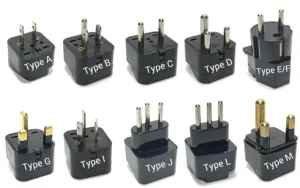
  • Outlet Types: Georgia uses Type C (Europlug) and Type F (Schuko) outlets, both with two round pins.
  • Voltage: Standard voltage is 220V.
  • Frequency: 50Hz is the national standard.
  • Infrastructure: The electrical grid is modern and reliable, with no significant regional variations.

Device Compatibility & Power Requirements

Common Cycling Electronics

  • Smartphones, Tablets, GPS Devices, Action Cameras, Bike Lights, Power Banks, Laptops, Cycling Computers
    • Most charge via USB (5V), with some supporting fast charging (up to 20V for laptops).
    • Chargers for these devices almost always accept 100–240V, 50/60Hz input, making them compatible with Georgia’s system.
    • E-bike batteries require dedicated chargers (usually 100–240V input) and access to mains power.

What to Check

  • Dual-Voltage Support: Look for “Input: 100–240V 50/60Hz” on your device’s charger. If present, you only need a plug adapter.
  • Single-Voltage Devices: Older or specialized electronics (e.g., some hair dryers, certain battery chargers) may only support 110V. These require a voltage converter to avoid damage.
  • USB Charging: Universal for phones, GPS, cameras, and lights. Power banks and solar chargers with USB-A and USB-C ports are highly recommended.

Necessary Adapters and Converters

Plug Adapters

  • Who Needs Them: Travelers from North America, the UK, Australia, and other regions with non-European plugs.
  • What to Bring: A universal travel adapter with Type C/F compatibility and multiple USB ports for simultaneous charging.
  • Recommended Features: USB-A and USB-C ports, surge protection, and compact design.

Voltage Converters

  • When Needed: Only for single-voltage (110V) devices that do not support 220V.
  • How to Choose: Select a step-down converter rated for your device’s wattage.
  • Surge Protection: Adapters with built-in fuses or surge protection are recommended for sensitive electronics like laptops and cameras.

Power Solutions Specific to Cycling

Power Banks

  • Capacity: 20,000–30,000mAh is ideal for multi-day trips, providing several full charges for phones, GPS, and lights.
  • Features: Multiple output ports (USB-A, USB-C PD), fast charging, rugged and water-resistant casing (IP65+ recommended).

Solar Chargers

  • Output: Foldable panels with 15–20W output are effective for charging power banks and small devices.
  • Usage: Best used to recharge power banks during sunny days. Less reliable in cloudy or rainy weather.
  • Mounting: Attach to panniers or racks for charging while stationary or riding.

Dynamo Hubs

  • Function: Generate power as you ride, suitable for charging phones, GPS, and small power banks.
  • Setup: Requires a compatible USB charger (e.g., Cinq Plug6 Plus, B&M eWerk) to convert dynamo output to USB power.
  • Limitations: Not suitable for high-drain devices like laptops or e-bike batteries.

Device Protection

  • Weatherproofing: Use waterproof cases or dry bags for all electronics.
  • Vibration Protection: Store devices in padded bags or panniers to minimize shock on rough terrain.
  • Cold Weather: Insulate batteries and devices in high-altitude or cold regions to maintain efficiency.

Recommendations for Cycling Travelers in Georgia

  • Bring a universal plug adapter (Type C/F) with multiple USB ports.
  • Carry a high-capacity, rugged power bank (20,000mAh+), ideally with fast-charging capability.
  • Pack a foldable solar charger (15–20W) for off-grid charging, especially in remote or mountainous areas.
  • Consider a dynamo hub for continuous charging of low-power devices while riding.
  • Use waterproof and padded storage for all electronics to protect against rain and vibration.
  • Charge devices at every opportunity (cafes, guesthouses, hotels) to maximize reserves.
  • Enable power-saving modes and download offline maps to conserve battery life.
  • Check all device chargers for dual-voltage compatibility before departure.
  • Test your adapters and chargers before your trip to ensure everything works as expected.
  • Avoid high-wattage appliances unless you have a suitable voltage converter.
Currency Exchange

Currency Overview: The Georgian Lari (GEL)

The Georgian Lari (₾, GEL) is the only legal tender in Georgia. All goods and services must be paid for in GEL, and foreign currencies are not accepted for daily transactions.

Banknotes in Circulation

  • 5, 10, 20, 50, 100, and 200 GEL notes
  • Modern banknotes feature enhanced security and tactile elements for the visually impaired

Coins in Circulation

  • 1, 2, 5, 10, 20, 50 tetri (subunits; 100 tetri = 1 GEL)
  • 1 and 2 GEL coins


Currency Exchange Options: What’s Best for Cyclists?

  • ATMs:
    • Widely available in cities and towns; limited in rural areas.
    • Use ATMs attached to major banks (TBC Bank, Bank of Georgia, Liberty Bank) for safety and better rates.
    • Most ATMs accept Visa/Mastercard; some charge a small withdrawal fee.
    • Always choose to be charged in GEL, not your home currency, to avoid extra fees.
  • Authorized Exchange Bureaus:
    • Found in city centers, tourist areas, and near transport hubs.
    • Offer the most competitive rates, usually with no extra fees.
    • No ID required for small transactions; check rates before exchanging.
  • Banks:
    • Reliable and secure, but may have shorter hours and require your passport.
    • Slightly less favorable rates than exchange bureaus, but still a good option.
  • Hotels & Airports:
    • Convenient but offer the worst rates and higher fees.
    • Only use for small amounts upon arrival or in emergencies.
  • Street Moneychangers: Strongly discouraged due to risk of scams and counterfeit notes.

Best Practices for Currency Exchange

  • Exchange or withdraw enough GEL in cities before heading into rural or mountainous regions.
  • Carry a mix of small denominations (1–10 GEL) for small purchases and easier transactions.
  • Always count your money and check the posted rate before confirming a transaction.
  • Avoid exchanging large amounts at airports or hotels—use city-center exchange bureaus or ATMs for better rates.
  • Bring USD or EUR in good condition if you need to exchange cash; damaged notes may be rejected.
  • Retain your exchange receipt; you can cancel a transaction within 30 minutes for amounts under 5,000 GEL.
  • Monitor exchange rates using apps like Wise or XE.

Safety Considerations for Cycling Travelers

  • Distribute cash and cards: Split your money between a money belt, hidden pockets, and your wallet to minimize loss if one stash is compromised.
  • Use anti-theft gear: Opt for theft-resistant bags and clothing with hidden pockets.
  • Be discreet: Avoid displaying large amounts of cash in public.
  • Use only official exchange points and ATMs inside banks or busy areas.
  • Carry a backup card and a small emergency cash reserve hidden in your gear.
  • At night or while camping, keep valuables in a hidden pouch inside your sleeping bag or tent.
  • Set up bank alerts and inform your bank of your travel plans to avoid card blocks.
  • Never exchange money with individuals on the street.

Regional Considerations

Tbilisi, Batumi, Kutaisi (Major Cities)

  • Abundant ATMs, banks, and exchange bureaus.
  • Card payments widely accepted in hotels, restaurants, and supermarkets.
  • Digital wallets (Apple Pay, Google Pay) increasingly accepted.

Rural Areas & Mountainous Regions (Svaneti, Samtskhe-Javakheti, Kakheti)

  • ATMs and exchange services are rare or nonexistent.
  • Cash is essential for all transactions.
  • Exchange or withdraw enough GEL in cities before venturing into these regions.
  • Carry small bills for easier transactions and to avoid issues with change.

Popular Cycling Routes

  • Urban-connected routes have better access to exchange services.
  • Remote and mountainous routes (e.g., Mestia–Ushguli, Vardzia, Kakheti wine trails) require advance cash preparation.

Seasonal Variations

  • Fewer exchange services in off-peak months; always plan ahead, especially for multi-day rides.

Recommendations for Cycling Travelers

  • Budget 30–40 GEL per day for basic needs, 80–100 GEL for more comfort.
  • Carry at least 100 GEL in cash at all times, especially outside cities.
  • Use a multi-currency travel card (e.g., Wise, Revolut) for best rates and ATM access.
  • Exchange currency at banks or city-center exchange offices, not at airports or hotels.
  • Keep a backup card and emergency cash hidden in your gear.
  • Monitor exchange rates and spending with budgeting apps.
  • Request small denominations for rural travel and small purchases.
  • Familiarize yourself with local payment apps if staying in cities.
  • Notify your bank before travel and check for foreign transaction fees.
  • For bike repairs, food, and accommodation in rural areas, expect to pay cash.
Food & Water Quality

Food Safety in Different Settings

Restaurants

  • High-End & Popular Local Restaurants
    • Generally adhere to strict hygiene standards and are regularly inspected.
    • Safer choices for travelers, especially in major cities.
  • Budget Restaurants
    • Also regulated, but standards and enforcement may vary.
    • Choose busy, clean establishments with high customer turnover.

Street Food Vendors

  • Street food is popular and often safe from busy vendors who cook food fresh.
  • Hygiene standards can be inconsistent; risk increases if food sits out, especially in hot weather.
  • Opt for vendors who prepare food in front of you and avoid items exposed to the elements.

Local Markets

  • Markets offer fresh, local products, but not all vendors are registered or inspected.
  • Unpasteurized dairy and raw meats from markets carry higher risk.
  • Enforcement of food safety regulations is improving but remains a challenge.

Grocery Stores

  • Large chains and supermarkets generally follow food safety regulations and are regularly inspected.
  • Packaged and processed foods from reputable stores are considered safe.
  • Small stores, especially in rural areas, may stock products from unregistered producers.

Traditional Georgian Dining

  • Rural and traditional settings often feature homegrown or homemade foods.
  • Homemade wine and dairy are common. While often safe, they may not meet formal safety standards.
  • Be cautious with unpasteurized dairy, undercooked meats, and foods prepared in informal settings.

Water Quality & Safety

Tap Water

  • Urban Areas (Tbilisi, Batumi, etc.):
    • Municipal water is treated, but travelers are advised not to drink tap water due to potential contamination from aging infrastructure or inconsistent treatment.
    • Use bottled or disinfected water for drinking and brushing teeth.
  • Rural Areas:
    • Many rely on wells or springs, which are more prone to contamination and lack regular monitoring.
    • Tap water should be considered unsafe for drinking without proper treatment.

Bottled Water

  • Widely available and recommended for drinking, brushing teeth, and preparing food.
  • Always choose factory-sealed bottles from reputable stores.
  • Avoid ice, as it is likely made from tap water.

Water Contamination Issues

  • Some regions (e.g., Clayton County, Calhoun, Augusta) have reported PFAS (“forever chemicals”) contamination in water supplies.
  • Localized outbreaks of waterborne illness (e.g., E. coli, Campylobacter) have occurred, often linked to community water systems or after natural disasters.
  • Ongoing monitoring and new regulations are addressing these issues, but caution is still advised.

Safety Tips & Precautions for Travelers

Food Safety

  • Choose clean, busy restaurants and avoid those with poor hygiene or low patronage.
  • Opt for thoroughly cooked foods, especially meats and dairy.
  • Peel fruits and vegetables yourself.
  • Avoid unpasteurized dairy products and raw or undercooked meats.
  • Be cautious with homemade alcoholic beverages and local spices (risk of contamination).

Water Safety

  • Drink only bottled, boiled, or filtered water.
  • Avoid ice and fountain drinks.
  • Brush teeth with bottled or disinfected water.
  • Use portable water filters or purification tablets if traveling to remote areas.
  • Monitor local advisories, especially after natural disasters or in regions with known contamination.

Health & Hygiene

  • Wash hands frequently with soap and water, especially before eating.
  • Carry hand sanitizer for situations where soap and water are unavailable.
  • Stay up to date on recommended vaccinations: Hepatitis A, typhoid, routine vaccines, and consider hepatitis B and rabies if at risk.
  • Carry a traveler’s diarrhea kit with oral rehydration salts and medications as advised by a travel clinic.
  • Have comprehensive travel health insurance and know the location of reputable medical facilities, especially in Tbilisi.

Summary

  • Urban areas and reputable establishments: Generally safe for food and water, but bottled water is still recommended.
  • Rural areas and informal vendors: Exercise extra caution; risk of food and waterborne illness is higher.
  • Stay informed: Check for local advisories, food recalls, and water quality updates.
  • Practice good hygiene: Handwashing, safe food choices, and using bottled water are key to a healthy trip.
What do the US Dept of State, US Embassy, and CDC say?

Check out the latest Travel Advisory to Georgia from the US Dept of State.  Contacts from all US Embassies in Georgia are listed on the website.  Use the Smart Traveler Enrollment Program (STEP) to inform them of your travels.

Read the Travel Health Notices & suggested vaccinations from the CDC

For the latest updates and resources, visit the U.S. Embassy in Georgia’s official website: U.S. Embassy & Consulates in Georgia

Supplement Your Health / Travel Insurance

General Insurance Requirements for Georgia

  • Mandatory Insurance: From January 1, 2026, all foreign visitors must have valid health and accident insurance for the entire duration of their stay in Georgia.
    • Minimum coverage: 30,000 GEL (approx. $11,200 USD) for hospitalization/inpatient care, and 5,000 GEL for emergency outpatient care.
    • Proof of insurance (in English or Georgian) may be required at the border.
    • Insurance can be purchased from Georgian or international providers, but must meet these requirements.
  • Recommendation: Buy your insurance in advance and ensure it covers medical emergencies, accidents, and repatriation.
    • Standard travel insurance is often sufficient for casual travel, but cyclists should check for activity-specific exclusions and consider adventure sports add-ons.

Specialized Insurance Options for Cyclists

Velosurance

  • What It Is: US-based, cyclist-focused insurance offering comprehensive coverage for bikes, including theft, accidental damage, loss in transit, and liability.
  • Key Features:
    • Worldwide coverage (including Georgia) available as an add-on.
    • Covers racing, events, and high-value bikes.
    • No depreciation on claims; full-value payout.
    • Optional medical payments, third-party liability, and roadside assistance.
    • Only available to US residents.
  • Website: velosurance.com

Sunday’s Insurance

  • What It Is: International specialist in bicycle and e-bike insurance, run by cyclists for cyclists.
  • Key Features:
    • Theft, accidental damage, and full-value coverage.
    • Optional worldwide protection for up to 90 days abroad.
    • Covers racing, events, accessories, and travel.
    • Fast, cyclist-friendly claims process.
    • Available in the US, UK, Australia, and New Zealand.
  • Website: sundaysinsurance.com

World Nomads Insurance

  • What It Is: Flexible travel insurance designed for adventure travelers, with explicit coverage for cycling and mountain biking.
  • Key Features:
    • Medical emergencies, evacuation, and repatriation.
    • Gear and baggage protection (including bikes, subject to limits).
    • Trip cancellation/interruption.
    • Adventure sports add-ons for higher-risk cycling activities.
    • Coverage available for trips to Georgia; policies can be purchased or extended while traveling.
  • Website: worldnomads.com

Other International Insurance Options for Cyclists

Local Georgian Insurance Options

  • GPI Holding: Major Georgian insurer offering health, travel, and property insurance.
  • Aldagi: Reliable travel insurance, including emergencies and luggage loss.
  • Imedi L: Specializes in health insurance for visitors.
  • TBC Insurance: Short-term travel insurance, available at TBC Bank branches.
  • Unison: Visitor-focused health and travel insurance.
  • Euroins: Affordable travel insurance for foreigners.
  • eCover.ge: Digital insurance marketplace for comparing and purchasing Georgian policies.

Key Considerations & Best Practices for Cycling Travelers

  • Check Activity Coverage: Not all travel insurance covers cycling, especially mountain biking, racing, or touring. Always check for exclusions and add adventure sports coverage if needed.
  • Bicycle Value & Gear: Standard travel insurance may not cover high-value bikes or accessories. Use specialized insurance for full protection.
  • Liability & Medical: Ensure your policy includes third-party liability and emergency medical evacuation.
  • Proof of Insurance: Carry printed or digital proof of insurance in English or Georgian for border checks.
  • Emergency Procedures: In Georgia, dial 112 for ambulance, police, or fire. Notify your insurer immediately in case of an incident and keep all receipts and documentation.
  • Combine Policies if Needed: For maximum protection, consider both travel insurance (for medical/trip issues) and specialized bike insurance (for theft/damage).
  • Buy in Advance: Purchase insurance before arrival for better coverage and pricing. Policies bought at the border may be more expensive and limited.
How to Stay Safe

Road Safety & Traffic Conditions

  • Urban Cycling:
    • Tbilisi has limited and often disconnected bike lanes; traffic is heavy, and drivers are aggressive and inattentive.
    • Batumi is more cyclist-friendly, with a flat, well-maintained boulevard bike lane.
  • Rural & Mountain Roads:
    • Road quality varies; expect potholes, gravel, and rough surfaces, especially in mountainous regions.
    • Main highways are narrow and crowded, avoid them when possible.
    • Mountain passes can be treacherous, especially in winter due to snow and ice.
  • Driver Behavior: Drivers often disregard cyclists and traffic rules. Always ride defensively and assume you are not seen.
  • Hazards:
    • Stray dogs are common and can be aggressive, especially in rural areas.
    • Watch for sudden weather changes, landslides, and poor visibility in the mountains.
  • Safer Corridors: Batumi boulevard, parks, and group rides with local cyclists are recommended for increased safety.

Safety Equipment & Bicycle Maintenance

  • Mandatory Gear:
    • Helmets are required for cyclists under 16, but all riders should wear one.
    • White front light and red rear light/reflector are mandatory at night.
    • Reflective clothing and materials on moving body parts (elbows, knees) are highly recommended.
  • Recommended Gear: Gloves, padded shorts, bell or horn, and a sturdy lock.
  • Maintenance Essentials:
    • Carry a multi-tool, tire levers, patch kit, pump, spare tubes, chain links, brake pads, and chain lubricant.
    • In remote areas, bring extra spokes, derailleur hanger, and water purification tablets.
  • Bike Shops: Good availability in Tbilisi, limited in Batumi and Kutaisi, almost none in mountain regions—be self-sufficient.
  • Bike Choice: Sturdy touring or mountain bike with wide, durable tires (over 2″) is best for mixed terrain.

Health & Medical Precautions

  • Vaccinations:
    • Ensure routine vaccines are up to date (MMR, dTP, polio).
    • Hepatitis A and B, typhoid, and rabies (especially for rural/remote travel) are recommended.
  • Common Health Risks: Rabies (from stray dogs), tick-borne diseases, traveler’s diarrhea, sunburn, and altitude sickness in mountains.
  • Healthcare Access:
    • Good hospitals in Tbilisi, Batumi, and Kutaisi; limited facilities in rural/mountain areas.
    • Emergency number: 112.
  • Insurance:
    • Comprehensive travel and health insurance (including cycling and evacuation) is mandatory from 2026.
  • Water & Food Safety:
    • Tap water is safe in cities; use bottled or filtered water in rural areas.
    • Avoid unpasteurized dairy, raw/undercooked meats, and unpeeled fruits/vegetables.
  • Altitude: Acclimatize gradually, stay hydrated, and watch for symptoms of altitude sickness in high regions.

Seasonal Considerations

  • Spring (March–May): Variable weather, rain, and muddy roads, high passes may be closed.
  • Summer (June–August): Hot in lowlands, storms in mountains, increased insect activity. Start early to avoid heat.
  • Autumn (September–November): Best season: stable, dry, cooler temperatures, but shorter daylight and early snow at altitude.
  • Winter (December–February): Cold, snow, and ice, so most mountain passes closed. Stick to lowland routes.
  • General Tips:
    • Always check weather and road conditions before setting out.
    • Dress in layers and carry waterproof gear.

Cultural Awareness & Local Customs

  • Dress & Behavior:
    • Modest dress is expected, especially in rural areas and religious sites.
    • Women should cover shoulders and knees. Men should remove hats in churches.
    • Avoid public displays of affection and disruptive behavior.
  • Hospitality:
    • Accept food and drink when offered; politely explain if you must refuse.
    • Bring a small gift if invited to someone’s home.
  • Religious Sensitivity: Be quiet and respectful in churches, ask before taking photos.
  • Gender Considerations: Solo female travelers may attract attention, avoid isolated areas at night and dress conservatively.
  • LGBTQ+ Travelers: Discretion is advised, especially outside urban centers.
  • Language: Learn basic Georgian greetings. English is limited outside cities.

Crime Prevention & Personal Safety

  • Crime Rates: Georgia is generally safe, but petty theft (pickpocketing, bag snatching) occurs in tourist areas.
  • Areas to Avoid: South Ossetia, Abkhazia, Pankisi Gorge, and border areas with Russia.
  • Scams:
  • Personal Security:
    • Keep valuables secure and out of sight.
    • Lock your bike, especially in cities and overnight.
    • Use reputable accommodation with secure bike storage.
  • Emergency Contacts: 112 for all emergencies. Embassy/consulate for serious incidents.
  • Solo & Female Travelers: Avoid walking or cycling alone at night, use ride-hailing apps for taxis.

Insurance & Legal Considerations

  • Insurance:
    • Health and accident insurance is mandatory for all foreign tourists from 2026; minimum coverage of 30,000 GEL.
    • Ensure your policy covers cycling, accidents, theft, and emergency evacuation.
  • Legal Requirements:
    • No license or registration needed for bicycles.
    • Helmets required for under-16s; lights and reflectors required at night.
    • Obey all traffic laws; cyclists have the same rights and responsibilities as drivers.
  • Accidents:
    • Stop and provide assistance if involved in an accident; exchange information and contact authorities.
    • Carry your passport, insurance, and permits at all times.
  • Border Crossings: Check current rules for your intended crossing; some may restrict bicycles.

Practical Safety Tips for Cyclists

  • Before You Ride:
    • Check weather, route, and bike condition daily.
    • Inform someone of your route and expected arrival.
    • Carry ID, emergency contacts, and insurance details.
  • On the Road:
    • Wear a helmet and visible clothing.
    • Use lights and reflectors in low light or at night.
    • Ride defensively and predictably; obey all traffic laws.
    • Take regular breaks and monitor your health.
  • In Remote Areas:
    • Carry a satellite messenger or PLB for emergencies.
    • Download offline maps and carry a paper map as backup.
    • Stock up on food and water before entering remote regions.
  • If Lost or Stranded:
    • Stay calm, use navigation tools, and contact help if needed.
    • Set up camp in a safe location if necessary.
  • Daily End-of-Ride: Secure your bike and gear, recharge devices, and review the next day’s plan.
Essential Apps

Georgia-Specific & Local Information Apps

1. Georgia Travel Guide

official digital travel companion that helps visitors explore Georgia with detailed maps, regional highlights, suggested itineraries, and practical planning tools right from your phone.

2. Tbilisi Travel Guide

City-focused travel companion that helps visitors navigate Tbilisi with curated maps, local tips, attractions, and practical information for exploring the capital with ease.

3. Tbilisi Transport

City mobility tool that provides real-time public transport routes, schedules, and ticketing information to help users navigate buses, metro, and other transit options around Tbilisi easily.


Cycling Navigation & Route Planning

1. Komoot

Bike-specific route planning, turn-by-turn navigation, offline maps, and community highlights. Ideal for both road and off-road adventures.

2. Ride with GPS

Advanced route planning, offline navigation, and custom routes. Great for long-distance and bikepacking.

3. Bikemap

Huge database of user-generated cycling routes, offline navigation, and bike-optimized directions.

4. Strava

GPS ride tracking, route planning, performance analytics, and a vibrant cycling community.

5. Organic Maps

Free, privacy-focused offline navigation with detailed cycling overlays. No ads or tracking.

6. OsmAnd

Powerful offline maps, GPX support, and customizable cycling layers.

7. Google Maps

Reliable for bike-friendly directions, restaurant searches, and offline map downloads.

8. Trailforks

Best for mountain biking: detailed trail maps, user reports, and offline access.


Accommodation, Camping & Travel Planning

1. Warm Showers

Hospitality exchange for cyclists—find local hosts and bike-friendly stays.

2. Booking.com

Find hotels, guesthouses, and apartments—filter for bike-friendly amenities.

3. Hostelworld

Book hostels with cyclist-friendly facilities.

4. Couchsurfing

Connect with locals for free stays and cultural exchange.

5. iOverlander

User-generated database of campsites, hostels, water points, and more—especially useful for wild camping and remote travel.

6. The Dyrt

Find and book campgrounds, read reviews, and access offline maps.


Safety, Emergency & Communication

1. First Aid by British Red Cross

Step-by-step first aid guidance, works offline—crucial for remote rides.

2. Bike Index

Register your bike, report theft, and help recover stolen bikes.

3. What3words

Pinpoint your exact location anywhere in the world—works offline and is used by emergency services.

4. bSafe

Share live location, send SOS alerts, and set up trusted contacts.

5. Noonlight

Silent panic button for quick, discreet emergency help.

6. MAPS.ME

Offline maps and navigation, with location sharing for safety and coordination.


Utility: Weather, Maintenance, Expenses, and Photography

Epic Ride Weather

Ride-specific weather forecasts, integrating with Strava, Komoot, and Ride with GPS.

Windy

Detailed wind, rain, and temperature forecasts—vital for route planning.

ProBikeGarage

Track bike maintenance, get reminders, and log service history.

Resources

How to learn the local language FAST!

Must-Know Georgian Words & Phrases

Mastering these essentials will help you greet locals, navigate, dine, and handle emergencies with confidence.

Greetings & Polite Expressions

  • Hello: გამარჯობა (gamarjoba) — gah-mahr-joh-bah
  • Goodbye: ნახვამდის (nakhvamdis) — nah-khvam-dis
  • Please: თუ შეიძლება (tu sheidzleba) — too she-idz-leh-bah
  • Thank you: მადლობა (madloba) — ma-dloh-bah
  • Yes: კი (ki) — kee
  • No: არა (ara) — ah-rah
  • Excuse me/Sorry: უკაცრავად (ukatsravad) — oo-kats-ra-vad
  • You’re welcome: არაფრის (arapris) — ah-rah-pris

Numbers

  • One: ერთი (erti) — air-tee
  • Two: ორი (ori) — oh-ree
  • Three: სამი (sami) — sah-mee
  • Ten: ათი (ati) — ah-tee

Directions & Getting Around

  • Where is…? სად არის? (sad aris?) — sahd ah-rees
  • Left/Right: მარცხნივ/მარჯვნივ (martskhnev/marjvnev) — martskh-neev/marj-vneev
  • Straight ahead: პირდაპირ (pirdapir) — peer-da-peer

Emergencies

  • Help! დახმარება! (dakhmareba) — dahkh-ma-reh-bah
  • Police: პოლიცია (politsia) — poh-leet-see-ah
  • I’m lost: დავიკარგე (davikarge) — dah-vee-kar-geh

Food & Dining

  • Water: წყალი (tskali) — ts-kah-lee
  • Food: საჭმელი (sachmeli) — sah-ch-meh-lee
  • Wine: ღვინო (ghvino) — ghvee-no
  • Delicious: გემრიელია (gemrielia) — gem-ri-eli-ia

Shopping & Money

  • How much is this? რა ღირს? (ra ghirs?) — rah gheehrs
  • Expensive/Cheap: ძვირი/იაფი (dzviri/iapi) — dzvee-ree/ee-ah-pee
  • Money: ფული (puli) — poo-lee

Conversation Starters

  • What is your name? რა გქვია? (ra gkvia?) — rah gkvee-ah
  • Do you speak English? ინგლისურად საუბრობთ? (inglisurad saubrobT?) — ing-lee-soo-rad sah-oo-brobt
  • I speak a little Georgian: ცოტა ქართულად ვლაპარაკობ (tsota kartulad vlaparakob) — tso-ta kar-too-lad vla-pa-ra-kob

Top Mobile Apps for Learning Georgian

  • Ling: Learn Georgian Language:
    • 200+ lessons, native audio, speech recognition, scenario-based learning, offline mode.
    • Highly rated for beginners and travelers.
  • Kartulingo:
    • Focuses on the Georgian alphabet and basic vocabulary with flashcards.
    • Free and works offline.
  • 50 Languages: 100 lessons (30 free), audio/text, practical travel phrases, offline access.
  • LinGo Play: Vocabulary and phrase memorization, all levels, offline mode.
  • Fast – Speak Georgian: Audio lessons for pronunciation and essential vocabulary.
  • Kartuli (Games): Gamified learning for vocabulary, grammar, and pronunciation.

Best Online Resources & Tools

Dictionaries: Lexilogos | Glosbe


Formal Language Courses (In-Person & Online)

  • Languages & Tourism Centre Georgia (Tbilisi):
    • Group/individual, short-term, intensive, and “survival” courses.
    • Flexible start dates, affordable, communicative approach.
  • American Language Center (Tbilisi): “Survival Georgian” (3 weeks, 12 hours, 180 GEL), practical for travelers.
  • ASPIRANTUM Intensive Course (Tbilisi): 10–15 days, grammar, speaking, and colloquial focus.
  • Preply (Online): 1-on-1 lessons with native tutors, flexible scheduling.
  • Udemy (Online): Self-paced video courses for beginners and travelers.
  • University Programs (UCL, Oxford, Harvard Extension): Semester or year-long, comprehensive, suitable for long-term stays.

Effective Methods & 30-Day Learning Plan

You can achieve basic conversational Georgian in 30 days with a focused, daily routine!

Accelerated Learning Strategies

  • Spaced Repetition: Use flashcards and apps to reinforce vocabulary.
  • Immersion: Listen to Georgian music, podcasts, and practice with native speakers.
  • Thematic Learning: Focus on travel-relevant topics (greetings, food, directions).
  • Microlearning: Study 15–30 minutes daily for better retention.
  • Memory Techniques: Use mnemonics and visualization for tricky words and the alphabet.

Sample 30-Day Plan

  • Days 1–7: Master the Georgian alphabet and basic greetings.
  • Days 8–14: Learn numbers, food, transportation, and simple dialogues.
  • Days 15–21: Practice essential grammar, short conversations, and listening.
  • Days 22–30: Simulate real-life scenarios (ordering food, asking for help), review, and reinforce.

Daily Routine Example:

  • 10 min: Flashcards (alphabet, core words)
  • 10 min: Listen to audio lessons or YouTube
  • 10 min: Practice speaking (apps or language partner)

Key Steps:

  • Set clear, practical goals (e.g., order food, ask for directions).
  • Practice speaking early and often—don’t fear mistakes!
  • Use idle time (commutes, breaks) for quick reviews.
  • Track your progress and celebrate milestones.

Summary & Recommendations

  • Start with must-know phrases and the alphabet.
  • Use mobile apps and online resources for daily practice.
  • Enroll in a short-term or online course for structure.
  • Immerse yourself in Georgian media and real-life situations.
  • Stick to a daily routine, consistency is key!

With these resources and strategies, you’ll be ready to connect, navigate, and enjoy your Georgian adventure with confidence. ბედნიერი მოგზაურობა! (Happy travels!)

Top 10 Cycling Influencers from Georgia

Mar Mikhelidze

  • Summary: Georgian cycling advocate and bike guide, co-founder of the Caucasus Cycling Network, sharing cycling lifestyle, tours, and urban biking tips in Georgia.
  • Instagram:@marmikhelidze

Top 10 Travel Influencers from Georgia

Baia Dzagnidze

  • Summary: Tbilisi-born travel content creator offering destination tips, curated city guides, and explorations of Georgia and beyond.
  • Instagram:@redfedoradiary

Soso Nebieridze

  • Summary: Georgian traveler and founder of a travel company, sharing adventures from over 75 countries with cultural insights and tips.
  • Instagram:@soso_aroundtheworld

Tbilisi Living

  • Summary: Tbilisi-based local travel blogger highlighting food, adventures, lifestyle, and hidden spots in Georgia.
  • Instagram:@tbilisi_living

Elizabeth Leps

  • Summary: Georgian travel enthusiast and co-founder of Glitterrapp, documenting picturesque adventures, personal growth, and explorations.
  • Instagram:@elizabethleps

Mariam Pkhovelishvili

  • Summary: Tbilisi-based Georgian content creator sharing vibrant life stories, local experiences, and colorful narratives from Georgia.
  • Instagram:@mariamulaaaa

Top 10 Cycling Blogs and Resources for Georgia

1. BIKEPACKING.com – Caucasus Crossing

  • Summary: Premier bikepacking resource featuring detailed routes like the Caucasus Crossing, with maps, GPX files, and rider experiences across Georgia’s high Caucasus mountains.
  • Website: bikepacking.com

2. Seeking by Cycle

  • Summary: Personal cycle touring blog with practical advice, route inspirations, and vivid accounts of bikepacking adventures in Georgia’s diverse landscapes.
  • Website: seekingbycycle.com

3. Farawayistan

  • Summary: Adventure cycling blog documenting challenging bikepacking journeys through remote Georgian villages and high-altitude Caucasus trails.
  • Website: farawayistan.com

4. Komoot – Georgia’s Caucasus Crossing

  • Summary: User-generated collection of bikepacking routes in the Greater Caucasus, with elevation profiles, photos, and community tips.
  • Website: komoot.com

5. Bicycle Junkies – Georgia by Bike

  • Summary: Bikepacking stories and routes following challenging Caucasus paths, with personal recaps and winter cycling insights.
  • Website: bicycle-junkies.com

6. Wiepke Luehmann – Georgia by Bike

  • Summary: Bikepacking adventure blog inspired by Caucasus Crossing, sharing daily experiences, routes, and tips for Georgia’s terrain.
  • Website  wiebkeluehmann.com

7. Komoot Cycling Routes in Georgia

  • Summary: Community-driven platform with top-rated road and gravel cycling routes across Georgia’s varied landscapes and elevations.
  • Website: komoot.com

Top 10 Travel Blogs and Resources for Georgia

1. Wander-Lush

  • Summary: In-depth travel blog with comprehensive itineraries, cultural insights, city guides, and practical tips for exploring Georgia in 2025.
  • Website: wander-lush.org

2. Indie Traveller

  • Summary: Independent travel guide focusing on top destinations, budget advice, and unique experiences in Georgia’s cities and mountains.
  • Website: indietraveller.co

3. Against the Compass

  • Summary: Off-the-beaten-path blog with detailed itineraries, trekking routes, and insider tips for adventurous travel in Georgia.
  • Website: againstthecompass.com

4. A Little Adrift

  • Summary: Personal travel resource sharing essential tips, cultural experiences, and first-time visitor guides to Georgia.
  • Website: alittleadrift.com

5. Adventurous Tastes

6. Salt in Our Hair

  • Summary: Visual travel guide with 2025 itineraries, top places, safety advice, and regional highlights for Georgia.
  • Website: saltinourhair.com

7. Nomadic Matt

  • Summary: Budget travel guide covering costs, attractions, accommodations, and comprehensive tips for visiting Georgia.
  • Website: nomadicmatt.com

8. Georgia Travel (Official Government Tourism Website)

  • Summary: Official tourism portal of the Georgian National Tourism Administration offering attractions, visa info, events, itineraries, and comprehensive trip planning resources for Georgia.
  • Website: georgia.travel

9. Georgian National Tourism Administration (GNTA)

  • Summary: Official government administration site providing tourism statistics, news, research, promotional materials, and industry insights for travelers and professionals interested in Georgia.
  • Website: gnta.ge

10. Georgian Travel Guide

  • Summary: A comprehensive listing of visitor info centers throughout Georgia where travelers can get maps, brochures, tour advice, and more on the ground.
  • Website: https://georgiantravelguide.com/en

11. Kazbegi National Park – Agency of Protected Areas (Official)

  • Summary: Official site for Kazbegi National Park managed by the Georgian Agency of Protected Areas, offering park maps, trail info, and nature tourism details ideal for outdoor and cycling exploration.
  • Website: https://nationalparks.ge/en/site/kazbeginp
Cycling and Travel Brands in the country

Cycling and Travel Products from Georgia

1. Qisa Bags

  • Summary: Hand-tooled leather bags including convertible backpacks, totes, wallets, and laptop cases inspired by historical Georgian pouches, ideal for durable travel and cycling storage.
  • Website: qisabags.com

2. AlterSocks

  • Summary: Comfortable cotton socks with fun patterns, suitable for long cycling rides or travel to keep feet comfortable and dry.
  • Website: altersocks.com

3. Gallery 27

  • Summary: Silk neck scarves with abstract patterns using batik technique, useful for cyclists as multifunctional accessories for sun protection or warmth.
  • Website: gallery-27.com

Hop on your bike and join the adventure with Cycle Travel Club's thrilling hosted tours throughout the year!

  • Cycle The Myth: Peloponnese, Greece

    From$2,600
    Availability : July 30 - Aug 15, 2025
    Delhi, Manali to Leh, India
    Experience the bustling chaos and historic majesty of Delhi’s ancient streets before embarking on one of the world’s most epicView Tour
  • Golden Triangle + Himalayan Cycling Adventure

    From$2,600
    Availability : July 30 - Aug 15, 2025
    Delhi, Manali to Leh, India
    Experience the bustling chaos and historic majesty of Delhi’s ancient streets before embarking on one of the world’s most epicView Tour
  • Munnar, India

    Kerala Spice Trail Cycling Tour

    From$1,750
    Availability : January 15 - 25, 2026
    Kerala, India
    Kerala, aka “God’s Own Country”, is known for stunning landscapes, serene backwaters, vibrant culture, & diverse cycling routes through tropicalView Tour

Pedal Deeper into Adventure
Read more about epic Destinations here....

Join the Cycle Travel Club!

Proceed Booking