
Let me say this upfront: E-bike travel in 2026 is...
Read More
Do I need a Visa to Enter?
Visa Requirements for US Citizens
- Visa-Free Entry: US citizens do not require a visa for stays up to 90 days for tourism or business purposes. This applies to holders of US Diplomatic, Official, and Regular passports.
- Passport Validity: Your passport must be valid for at least six months beyond your date of entry into Brunei.
- Onward/Return Travel: Proof of onward or return travel may be requested upon arrival.
- Sufficient Funds: You may be asked to show evidence of sufficient funds for your stay.
- E-Arrival Card: All travelers must complete an E-Arrival Card registration online before arrival (effective September 2024).
- Health Declaration: Completion of a health declaration via the Bruhealth app or healthinfo.gov.bn/travel is required before arrival.
- Mandatory Medical Insurance: As of July 1, 2025, all visitors must have valid medical insurance covering their stay in Brunei.
- Longer Stays or Other Purposes: For stays longer than 90 days, or for work, study, or other non-tourist purposes, a visa must be obtained in advance.
Visa Requirements for Non-US Citizens
Visa requirements for non-US citizens depend on nationality and purpose of visit. The main categories are:
Visa-Exempt Countries
- ASEAN Member States: Most ASEAN countries (e.g., Malaysia, Singapore, Indonesia, Thailand, Philippines, Vietnam) enjoy visa-free entry for 14–90 days, depending on the country.
- Other Major Countries: Citizens of the UK, Australia, New Zealand, Japan, South Korea, and most EU countries can enter visa-free for up to 90 days.
- Recent Updates: As of 2025, there have been no major changes to the list of visa-exempt countries, but always check the latest updates before travel.
Visa-on-Arrival (VOA)
- Eligibility: Available to citizens of a limited number of countries. Always confirm eligibility before travel.
- Requirements:
- Passport valid for at least 6 months
- Proof of onward/return travel
- Sufficient funds
- Payment of visa fee in cash
- Duration and Fees: T ypically for 14–30 days; fees range from BND 20–50 (approx. USD 15–35).
Visa Required in Advance
- Other Nationalities: If your country is not on the visa-exempt or VOA list, you must apply for a visa at a Brunei embassy or consulate before travel.
- Special Cases:
- Some nationalities (e.g., India, Bangladesh, Pakistan) may require a sponsor for certain visa types.
- Entry and transit are refused to Israeli citizens.
Check the Passport Index to see if your passport has visa requirements for this country.
General Visa Application Requirements
If you need to apply for a visa, the following are the standard requirements and steps:
Required Documents
- Valid passport (at least 6 months’ validity, with blank pages)
- Completed visa application form (available from Brunei MFA or embassies)
- Recent passport-sized color photographs
- Proof of onward/return travel (flight tickets)
- Proof of accommodation (hotel booking or invitation letter)
- Proof of sufficient funds (bank statements)
- Payment of visa fee
- Additional documents for special visas:
- Business: Invitation letter from Brunei company
- Student: Acceptance letter from Brunei institution
- Work: Employment contract and work permit approval
- Transit: Confirmed onward ticket and visa for next destination (if required)
Application Steps
- Determine visa type (tourist, business, work, student, transit).
- Gather required documents as listed above.
- Submit application at the nearest Brunei embassy/consulate, or online if available.
- Pay the visa fee (amount varies by visa type and nationality).
- Wait for processing (typically 3–5 working days for tourist/business visas. Longer for work/student visas).
- Collect your visa or receive your passport by mail/courier.
Additional Requirements
- E-Arrival Card: All travelers must complete this online before arrival.
- Health Declaration: Required for all travelers.
- Mandatory Medical Insurance: All visitors must have valid medical insurance for the duration of their stay.
- Visa Extensions: Possible for some visa types by applying at local immigration offices in Brunei.
- Travel Insurance: Now mandatory as of July 2025.
Special Visa Categories
Brunei offers several special visa categories beyond the standard tourist and employment visas, including:
- Dependent Visa: For family members of expatriates working or studying in Brunei.
- Religious/Religious Worker Visa: For religious missions or assignments.
- Transit Visa: For short stays (up to 72 hours) while transiting to a third country.
- Student Visa: For study at Brunei institutions.
- Special Authorization Work Pass: For specialized or short-term work assignments.
- Business Visitor Visa: For short-term business activities (meetings, conferences).
- Diplomatic/Official/Media Visas: For diplomats, officials, and journalists.
Recent Updates and Important Notes
- Mandatory Medical Insurance: All visitors must have valid medical insurance as of July 1, 2025 .
- E-Arrival Card: Required for all travelers before arrival (since September 2024).
- Health Declaration: Must be completed before arrival.
- Strict Enforcement: Overstaying or violating immigration rules can result in severe penalties, including jail, fines, and caning.
- No Major Changes to Visa-Free/VOA List: As of October 2025, but always check official sources before travel.
Official Government Resources and Important Links
- Brunei Ministry of Foreign Affairs – Visa Information: mfa.gov.bn
- Brunei Immigration and National Registration Department: immigration.gov.bn
- Brunei E-Arrival Card Portal: immigration.gov.bn
- Health Declaration Portal: healthinfo.gov.bn
- US State Department – Brunei Country Information: travel.state.gov
Key Takeaways
- US citizens can visit Brunei visa-free for up to 90 days, but must have a passport valid for at least six months, complete the E-Arrival Card, health declaration, and have medical insurance.
- Non-US citizens should check if they are eligible for visa-free entry, VOA, or need to apply in advance. Requirements vary by nationality and purpose of visit.
- General requirements include a valid passport, completed application form, photos, proof of travel/accommodation, sufficient funds, and payment of fees.
- Recent updates include mandatory medical insurance and E-Arrival Card registration for all travelers.
- Always consult official sources before travel, as visa policies and procedures can change frequently and sometimes at short notice.
Cell Phone & Wifi Access
Mobile Network Coverage and Providers
Brunei has three main mobile network operators:
- Progresif: Widest 4G and 5G coverage, fastest data speeds, and highly rated customer service. Best for both urban and rural travel.
- DST (Datastream Technology Sdn Bhd): State-owned, extensive 2G/3G/4G coverage, and limited 5G trials. Reliable, especially in cities and along major roads.
- Imagine: Focused on urban areas, with more limited rural coverage and slower data speeds. Suitable for city-based travelers.
Key Points:
- Progresif is the top choice for most travelers, especially those venturing into rural or less developed areas, due to its superior coverage and speed.
- DST is a solid alternative, particularly for voice and basic data needs.
- Imagine is best for those staying primarily in urban centers.
Coverage Maps:
National Coverage:
- 3G coverage reaches 99.73% of the population.
- Mobile phone penetration is high, with 127 subscribers per 100 people.
Prepaid SIM Card Options for Tourists
Main Providers and Tourist SIMs
- DST
- Easi Tourist SIM: BND 15 (~$11 USD), 3GB data, BND 5 call/SMS credit, valid 7 days. Top-ups available.
- Standard Prepaid SIM: Free with BND 10 top-up, flexible data add-ons.
- Progresif: Tourist Plan SIM: BND 15 (45GB, 20 mins/20 SMS, 30 days) or BND 30 (100GB, 30 mins/30 SMS, 30 days). Best value for heavy data users.
- Imagine: Wish SIM: BND 8, 2GB data, 20 mins/20 SMS, valid 30 days. Other flexi plans available.
- Brunei International Airport (BWN): Kiosks and provider counters in arrivals make it easy to get connected immediately.
- Provider Stores: DST and Progresif have outlets in major cities, malls, and commercial areas.
- Convenience Stores: Some urban convenience stores sell SIMs, but with limited support.
Activation:
- On-the-spot activation is standard at airport and provider stores. Staff will register and activate your SIM using your passport.
- Self-activation is rare for tourist SIMs, but instructions are provided if needed.
Top-up: Available at provider stores, convenience stores, and via mobile apps.
eSIM Options for Travelers
Local and International eSIM Providers
- DST: Offers eSIM for postpaid and prepaid (Easi) plans, but not for Easi Tourist plans. eSIMs can be requested at DST branches for a small fee. Not available for tablets or wearables.
- International Providers: Holafly, SimOptions, GigSky, Airalo, and others offer eSIMs for Brunei, with instant delivery and a range of data packages. These are ideal for travelers with compatible devices.
Activation Procedure:
- Check device compatibility (see below).
- Purchase eSIM online or at a provider branch.
- Receive QR code via email.
- Install eSIM by scanning the QR code in your device’s settings.
- Activate and set as default for data, calls, or SMS as needed.
Device Compatibility:
- Most modern smartphones (iPhone XS/XR and newer, Samsung S20 and newer, Google Pixel 3 and newer, etc.) support eSIM. Device must be unlocked.
- Tablets (iPad 7th gen+, Samsung Tab S9, etc.) and some smartwatches are compatible, but DST does not support wearables.
Tip: Always check your device’s eSIM compatibility and unlock status before purchase.
WiFi Availability
Urban Areas and Tourist Spots
- Public WiFi Hotspots: Available in shopping malls, Brunei International Airport, bus terminals, public libraries, and major tourist attractions (e.g., Sultan Omar Ali Saifuddin Mosque, Kampong Ayer Water Village).
- Cafes and Coffee Shops: Many offer free WiFi, including Coffee Bean & Tea Leaf, Starbucks, Gloria Jeans, and numerous local cafes. Some require a password or purchase.
- Hotels and Guesthouses: Most urban accommodations provide complimentary WiFi. Always confirm when booking, as some budget options may charge extra or have limited coverage.
Rural Areas
- Limited WiFi: Rural and semi-rural areas have patchy or slow WiFi. Some rural accommodations may offer WiFi, but reliability varies.
- Mobile Data as Backup: Mobile broadband is the primary means of internet access outside urban centers. Around half of Brunei’s internet subscribers use mobile broadband.
Finding WiFi
- WiFi Map App: Use apps like WiFi Map to locate free or open WiFi hotspots. Download offline maps for use in areas with limited connectivity.
Specific Considerations for Cyclists
- Mobile Coverage: Progresif offers the best coverage for cyclists, especially those exploring rural or less developed areas. DST is a solid backup. Imagine is best for city rides.
- Route Planning: Check coverage maps before heading out, especially for remote or off-road routes. Download offline maps (e.g., Google Maps, Komoot) for navigation in areas with weak signal.
- Emergency Access: Reliable mobile coverage is crucial for safety. Ensure your SIM or eSIM is active and has sufficient data/credit before long rides.
- WiFi on the Go: Urban cafes and hotels are good for rest stops and connectivity. In rural areas, rely on mobile data.
- Bike-Friendly Cafes: Many urban cafes with WiFi are cyclist-friendly, offering outdoor seating and space for bikes.
- Power and Charging: Bring a power bank, as long rides and navigation apps can drain your phone battery, and charging points may be scarce outside cities.
Final Tips
- Buy and activate your SIM or eSIM at the airport or in town before heading out on rural rides.
- Use Progresif for the best overall coverage, especially if you plan to cycle outside urban areas.
- Download offline maps and WiFi hotspot apps for backup navigation and connectivity.
- Plan rest stops at cafes or hotels with WiFi for longer rides.
- Carry a power bank and check your device’s compatibility for eSIMs if you prefer a digital solution.
Essential Apps
Essential Navigation & Cycling Apps
1. Komoot
- Why: Best for route planning, turn-by-turn navigation, and offline maps—crucial for Brunei’s mix of urban and rural cycling.
- Android | iOS
2. Strava
- Why: Popular for GPS ride tracking, performance analytics, and connecting with the global and local cycling community.
- Android | iOS
3. Ride with GPS
- Why: Advanced route planning, offline navigation, and community features; great for both road and off-road cycling.
- Android | iOS
4. Bikemap
- Why: Discover and share cycling routes, with offline navigation and points of interest.
- Android | iOS
Weather Apps
5. Brunei WX
- Why: The official Brunei weather app, providing highly localized forecasts, weather alerts, radar, and tide information.
- Android | iOS
6. AccuWeather
- Why: Accurate global and local forecasts, severe weather alerts, and radar—helpful for planning rides in Brunei’s tropical climate.
- Android | iOS
Safety & Emergency Apps
7. bSafe
- Why: Personal safety app for sharing your location and sending SOS alerts to emergency contacts.
- Android | iOS
8. Life360
Local Transportation & Services
9. DART
- Why: Brunei’s main ride-hailing app, useful for getting around when not cycling or in case of emergencies.
- Android | iOS
10. Grab
- Why: Regional app for ride-hailing, food delivery, and groceries—widely used in Brunei.
- Android | iOS
Food Delivery
11. GoMamam
- Why: Leading local food delivery app, convenient for ordering meals after a long ride.
- Android
Translation & Communication
12. Google Translate
- Why: Supports Malay, English, Chinese, and more; offers offline translation, voice, and camera features.
- Android | iOS
13. Microsoft Translator
Accommodation & Travel Booking
14. Agoda
15. Booking.com
Maintenance & Repairs
16. Hubtiger
Final Tips
- Download offline maps and translation packs before you travel to ensure access in areas with poor connectivity.
- Join local cycling groups on Strava or Facebook for route tips and community support.
- Set up emergency contacts in your safety apps before heading out on rides.
- Check weather conditions daily, Brunei’s tropical climate can change quickly.
Are your Electronics Compatible?
Brunei’s Electrical System Specifications
- Voltage: 240V (standard supply)
- Frequency: 50 Hz
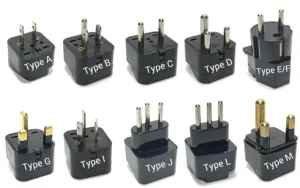
- Plug Type: Type G (three rectangular pins in a triangular pattern, same as the UK)
- Infrastructure: Brunei’s electrical infrastructure is standardized and reliable, making it straightforward for travelers to adapt with the correct plug adapter.
Device Compatibility and Power Requirements
Dual Voltage Devices
- Most modern travel electronics (smartphones, tablets, laptops, cameras, power banks) are designed to be dual voltage (100–240V, 50/60Hz). These devices can be used in Brunei with just a plug adapter if your plug is not Type G.
- How to check: Look for “Input: 100-240V, 50/60Hz” on your device or charger. If present, only a plug adapter is needed.
Single Voltage Devices
- Some devices (especially older or less expensive ones, such as certain hair dryers, curling irons, or shavers) may only support a single voltage (e.g., 110V or 120V).
- If your device is single voltage and not rated for 240V: You will need a voltage converter to safely use it in Brunei. Using a 110V-only device on 240V power without a converter can damage the device or cause safety hazards.
Frequency Considerations
- Brunei’s frequency is 50Hz. Most modern electronics (especially those with switching power supplies, like phone and laptop chargers) are not affected by this. However, devices with motors or timing mechanisms (e.g., some clocks, electric shavers) may not function correctly if they are designed for 60Hz.
Plug Compatibility
- Type G plug: Used in Brunei. If your device’s plug is not Type G, you will need a plug adapter.
- Plug adapters: Only change the shape of the plug, not the voltage.
Necessary Adapters and Converters
Plug Adapters
- Type G Plug Adapter: Essential for travelers whose devices do not have a Type G plug.
- Universal Travel Adapter: Recommended for those visiting multiple countries.
- Note: Adapters do not convert voltage. They only allow your plug to fit the socket.
Voltage Converters/Transformers
- When Needed: For single-voltage devices (e.g., 110V-only hair dryers, shavers).
- Converters: Suitable for short-duration, low-wattage devices.
- Transformers: Needed for continuous use or higher-wattage devices.
- Warning: High-wattage appliances may not work well with converters. Consider travel-specific dual voltage models.
USB Chargers and Power Strips
- USB Travel Charger: Ideal for charging multiple devices. Ensure it has a Type G plug or bring an adapter.
- Travel Power Strip: Useful for charging several devices from one outlet. Some offer built-in surge protection.
Power Solutions Specific to Cycling
Cycling travelers often face stretches without access to mains electricity, especially when camping or riding through rural areas. Here are the most effective solutions:
Power Banks
- High-capacity power banks (20,000 mAh or higher) are essential for multi-day trips without reliable access to outlets.
- Can be charged from solar, dynamo, or wall outlets in cafes/hotels.
- Useful for charging devices overnight or during periods without sun or riding.
Solar Chargers
- Foldable solar panels (15–28W) are popular for off-grid charging, especially in sunny weather.
- Attach to your bike or set up at camp to charge power banks or devices directly.
- Less effective in cloudy/rainy conditions or dense jungle.
Dynamo Hubs
- Dynamo hubs generate power as you ride and are ideal for charging small devices (phones, GPS units, lights).
- Require a USB converter and, ideally, a cache battery (power bank) to store energy.
- Reliable in all weather, but installation requires a wheel rebuild.
Charging at Cafes, Hotels, and Public Places
- Many travelers rely on charging devices at cafes, hotels, or by asking locals, especially in towns and cities.
- Plan stops in bakeries/restaurants for charging, as facilities can be sparse between towns.
Integrated E-Bike Power Systems
- Some modern e-bikes and accessory systems offer integrated solutions combining solar panels, inverters, and large batteries for high-power needs.
- Suitable for extended off-grid adventures, but heavier and more expensive.
Recommendations for Cycling Travelers in Brunei
- Bring a Type G plug adapter (or a universal adapter) for all your devices.
- Check all device labels for dual voltage (100-240V, 50/60Hz). If not dual voltage, bring a voltage converter or use travel-specific dual voltage models.
- Rely on power banks for charging on the go, especially during long rides or in rural areas.
- Consider a dynamo hub if you plan extended or remote tours, and pair it with a buffer battery for best results.
- Use a solar charger as a backup, especially for stationary charging during sunny breaks.
- Plan charging stops at hotels, cafes, or guesthouses, which are generally clean and reliable in Brunei.
- Carry a power strip if you have multiple devices, and consider one with surge protection.
- Cable management and weatherproofing are important, secure cables and protect charging ports from rain.
- Ask locals or join cycling groups for tips on bike-friendly stops and charging points.
- Buy adapters and power solutions before your trip for better selection and pricing.
Final Tips
- Most modern electronics only need a plug adapter in Brunei.
- High-wattage appliances (hair dryers, etc.) are best left at home unless dual voltage.
- Power banks, dynamo hubs, and solar chargers provide flexibility and security for cyclists.
- Brunei’s infrastructure is reliable, but always plan ahead for remote sections.
- Be respectful of local customs and the environment when seeking power solutions.
Currency Exchange
Currency Overview: The Brunei Dollar (BND)
Brunei’s official currency is the Brunei Dollar (BND). The BND is pegged at par (1:1) with the Singapore Dollar (SGD), and both currencies are accepted interchangeably throughout Brunei due to a longstanding Currency Interchangeability Agreement.
Denominations
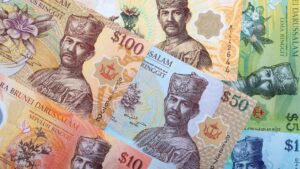
- Banknotes: $1, $5, $10, $50, $100, $500, $1,000 (Commemorative: $20, $25, $50, $10,000, rare or discontinued but still legal tender)
- Coins: 5, 10, 20, 50 cents (sen); 1 sen and $1 coin (rarely used, but still legal tender)
Design Features:
- All current banknotes feature the portrait of Sultan Hassanal Bolkiah.
- Notes are printed on polymer and include advanced security features such as see-through windows, raised printing, and UV images.
Currency Exchange Options in Brunei
Brunei offers several reliable options for exchanging currency and accessing cash. Here’s what you need to know:
1. Banks
- Major banks (e.g., Baiduri Bank, BIBD, Bank of China) offer currency exchange at competitive rates.
- Operating hours: Typically 9:00 AM to 4:00 PM on weekdays.
- ID required: Bring your passport for transactions.
- Best for: Security and exchanging larger amounts.
2. Licensed Money Changers
- Widely available in Bandar Seri Begawan (the capital), shopping centers, and at the airport.
- Examples: EzXchange, Zamada Money Changer, BruXchange.
- Rates: Often better than hotels or airport counters, but always compare rates.
- ID required: Passport or photo I.
3. ATMs
- ATMs are common in cities and towns, less so in rural areas.
- Cards accepted: Visa, Mastercard, Maestro, Plus, Cirrus.
- Fees: Check with your home bank for international withdrawal fees.
- Best for: Quick access to BND cash, especially if you have a card with low international fees.
4. Hotels and Airports
- Offer currency exchange but at less favorable rates and higher fees.
- Best for: Small, urgent amounts only.
5. Digital Alternatives
- Services like Wise offer digital currency exchange and travel cards, often at mid-market rates with low fees.
- Best for: Online payments, card spending, and avoiding traditional exchange fees.
Best Practices for Currency Exchange
- Exchange in the city: Use banks or licensed money changers in Bandar Seri Begawan for the best rates.
- Avoid airport/hotel exchanges for large amounts due to poor rates and higher fees.
- Compare rates: Always check and compare rates between different providers.
- Bring your passport: Required for most exchange transactions.
- Use ATMs for local currency: Withdraw BND directly, and always opt to be charged in BND (not your home currency) to avoid unfavorable conversion rates.
- Avoid unofficial vendors: Only use licensed money changers or banks to prevent scams and counterfeit currency.
- Monitor exchange rates: Use apps or online tools to check current rates before exchanging.
- Carry a mix of cash and cards: Especially important for rural travel where digital payments may not be accepted.
Safety Considerations for Cycling Travelers
Brunei is generally very safe, but standard precautions are still important:
- Carry only what you need: Bring enough cash for daily expenses; keep the rest securely stored.
- Distribute your valuables: Split cash and cards between your person, bike bags, and a hidden pouch.
- Use small bills: For daily purchases, to avoid drawing attention.
- Avoid public displays: Don’t count or display large amounts of cash in public.
- Backup cards: Carry at least two cards (preferably from different networks) in separate locations.
- Hotel safes: Use them for passports, backup cards, and extra cash.
- Copies of documents: Keep digital and paper copies of your passport, cards, and emergency contacts.
- Stay alert: Especially in crowded or unfamiliar areas, and ask locals about any areas to avoid after dark.
- Secure your bike and bags: Lock your bike and secure bags when stopping, especially in public places.
- Declaration requirement: If carrying BND 15,000 or more (or equivalent), you must declare it at the border.
Regional Considerations
Urban Areas (e.g., Bandar Seri Begawan)
- Easy access to banks, money changers, and ATMs.
- Both BND and SGD are widely accepted.
- Electronic payments are more common.
Rural Areas
- Limited access to currency exchange and ATMs.
- Cash is essential, BND is universally accepted, SGD is generally accepted but not guaranteed everywhere.
- Electronic payments are rare; plan ahead and carry enough cash for your journey.
Border Areas
- Money changers are more common, and there may be more options for exchanging Malaysian Ringgit (MYR) due to cross-border trade and travel.
Recommendations for Cycling Travelers
- Plan ahead: Obtain sufficient BND (and possibly SGD) cash before venturing into rural areas.
- Use banks or licensed money changers in the capital for the best rates and reliability.
- Carry a backup card and emergency cash in a hidden spot on your bike or person.
- Track your expenses: Use budgeting apps to monitor spending and avoid overspending.
- Set a daily budget: Helps control spending and reduces the risk of carrying too much cash.
- Stay vigilant: Brunei is safe, but standard travel precautions still apply.
- Exchange only what you need: Don’t carry excessive cash, and avoid exchanging large amounts at airports or hotels.
- Use SGD as a backup: It is accepted at par with BND and can be useful if you run out of local currency.
- Keep receipts and log expenses: This helps you stay on budget and track where you might be overspending.
- Emergency fund: Always have a small emergency stash of cash hidden separately from your main funds.
Food & Water Quality
Food Safety Landscape in Brunei
Brunei has established a comprehensive and internationally aligned food safety regulatory framework. The country’s food safety is overseen by several key government agencies:
- Ministry of Health (MOH): Central authority for food safety, responsible for policy implementation, regular inspections, laboratory testing, and risk management.
- Brunei Darussalam Food Authority (BDFA): Handles food handler certification, import/export regulation, and collaborates with international agencies.
- Brunei Darussalam National Accreditation Council (BDNAC): Accredits food testing laboratories to ensure international standards.
- Ministry of Primary Resources and Tourism (MPRT): Oversees agriculture and fisheries, ensuring safe production and processing.
- Halal Food Control Division: Ensures food products comply with Halal standards, which also include strict hygiene and safety requirements.
Key Features:
- Regular inspections and laboratory testing of food establishments.
- Mandatory Halal certification for most food businesses, adding an extra layer of safety.
- Active participation in international food safety summits and cooperation with regional agencies.
Food Safety in Different Settings
Restaurants and Food Premises
- Inspections: Restaurants and cafes are regularly inspected by MOH and BDFA for hygiene, food handling, and safety compliance. In 2022, 31% of inspected premises were found not satisfactory, indicating ongoing challenges and the need for continuous improvement.
- Certifications: Many establishments pursue HACCP, ISO 22000, and GMP certifications to meet international standards and build consumer trust.
Food Processing and Manufacturing
- Standards: Food manufacturers are encouraged or required to implement HACCP, ISO 22000, and GMP systems. These standards help control hazards and ensure consistent hygiene.
- Laboratory Testing: Accredited labs test food samples for contaminants, ensuring product safety.
Street Food and Small Vendors
- Hygiene Monitoring: Street vendors must comply with food safety regulations, though enforcement can be more challenging. Spot checks and hygiene training are provided by authorities .
- Certification: While large-scale certifications may not be feasible, basic hygiene training and compliance with local guidelines are required.
Water Quality and Safety
Brunei has invested in modern water treatment infrastructure, and the government reports nearly 100% access to clean water. However, practical concerns remain for travelers.
Tap Water
- Infrastructure: Six government-run and two private water treatment plants serve the country, with official reports of clean water access for all.
- Risks: Despite treatment, tap water quality can degrade during distribution due to aging pipes and inconsistent maintenance. Risks include bacteria, parasites, viruses, and possible chemical contaminants.
- Traveler Advisory: Tap water is not recommended for drinking by travelers. Most locals and visitors use bottled water for drinking and cooking.
Bottled Water
- Availability: Bottled water is widely available, affordable, and the preferred choice for both locals and travelers.
- Usage: Use bottled or filtered water for drinking, brushing teeth, and washing fruits/vegetables.
Boiling and Filtering
- Boiling: Boiling tap water kills most pathogens but does not remove chemical contaminants. For best results, filter tap water before boiling.
- Ice: Avoid ice unless you are certain it is made from purified water.
Other Uses
- Showering and Washing Face: Generally safe, but avoid swallowing water.
Foodborne Illnesses and Regional Concerns
Brunei shares many food-borne illness risks with Southeast Asia, where the burden of food-borne diseases is high:
- Common Pathogens: Campylobacter, Shigella, enterotoxigenic E. coli (ETEC), norovirus, and Listeria are prevalent, often linked to undercooked meats, contaminated water, and raw produce.
- Vulnerable Groups: Children, the elderly, and immunocompromised individuals are at higher risk.
- Acute Diarrhea: A major public health issue in the region, often caused by contaminated food or water.
Safety Tips & Precautions for Travelers
Food Safety Tips
- Eat freshly cooked, piping hot food.
- Avoid raw or undercooked meat, fish, seafood, and eggs.
- Peel fruits and vegetables yourself. Avoid salads and cut fruit unless you are sure they were washed in safe water.
- Consume only pasteurized dairy products.
- Be cautious with street food: Choose vendors with high turnover and visible cleanliness; ensure food is cooked in front of you and served hot.
Water Safety Tips
- Drink only bottled or boiled water. Always check the seal on bottled water.
- Use bottled or boiled water for brushing teeth and washing food.
- Avoid ice in drinks unless you are certain it is made from purified water.
- Hot drinks (tea, coffee) are generally safe if made with boiling water and served hot.
Hand Hygiene
- Wash hands frequently with soap and water, especially before eating and after using the toilet.
- Use alcohol-based hand sanitizer when soap and water are not available.
Travelers’ Diarrhea Precautions
- Bring oral rehydration salts and anti-diarrheal medication (not for children under 12 or if you have a high fever or bloody diarrhea).
- Stay hydrated with safe fluids if you develop diarrhea or vomiting.
Vaccination and Disease Prevention
- Recommended vaccines: Hepatitis A and typhoid for most travelers; ensure routine vaccinations are up to date.
- Consider additional vaccines (hepatitis B, Japanese encephalitis, rabies) depending on activities and length of stay.
Other Precautions
- Avoid bushmeat and wild game.
- Be cautious with seafood: Only eat thoroughly cooked seafood from reputable sources.
- Monitor local advisories for Red Tide or water contamination alerts.
Final Notes
- Brunei’s food and water safety standards are high, but travelers should remain vigilant and follow standard precautions to avoid food- and water-borne illnesses.
- Bottled water is the safest choice for drinking and food preparation.
- Choose reputable food establishments and practice good hygiene at all times.
- Stay informed about local advisories, especially regarding seafood and water quality.
What do the US Dept of State, US Embassy, and CDC say?
Check out the latest Travel Advisory to Brubei from the US Dept of State. Contacts from all US Embassies in Brunei are listed on the website. Use the Smart Traveler Enrollment Program (STEP) to inform them of your travels.
Read the Travel Health Notices & suggested vaccinations from the CDC
For the latest updates and resources, visit the U.S. Embassy in Brunei’s official website: U.S. Embassy & Consulates in Brunei
Supplement Your Health / Travel Insurance
General Insurance Requirements in Brunei
As of July 2025, all non-Bruneian residents and visitors must have valid medical insurance to enter Brunei. This insurance must:
- Cover a minimum of 50,000 BND (approx. 37,000 USD) in medical expenses.
- Be valid for the entire duration of your stay.
- Be presented as proof upon entry; failure to do so may result in denial of entry or a shortened visa validity.
- Health Declaration Card: All travelers must complete and submit a Health Declaration Card upon arrival.
- Recommended Coverage: Your policy should include coverage for emergency medical care, hospitalization, COVID-19, and medical evacuation.
Specialized Insurance Options for Cyclists
Cyclists should consider insurance that goes beyond basic health coverage, protecting both themselves and their bicycles. Here are leading options:
1. Velosurance
- Type: Standalone bicycle insurance (US-based, with worldwide coverage add-on)
- Key Features:
- Theft, accidental damage (including crash), and loss/damage in transit
- Optional worldwide coverage (must be requested, includes Brunei)
- Medical payments and third-party liability (optional)
- No depreciation on claims; full value paid
- Coverage for accessories and apparel
- Permissive use (covers anyone you lend your bike to)
- Limitations: Primarily for US residents. Worldwide coverage is an add-on and must be confirmed for Brunei
- Official URL: velosurance.com
2. Sunday’s Insurance
- Type: Standalone bicycle insurance (available in select countries, including the US, UK, and Australia)
- Key Features:
- Theft (at and away from home), accidental damage, and vandalism
- Custom parts and accessories coverage
- Emergency medical expenses (up to $1,000 for covered accidents)
- Optional worldwide coverage (up to 90 days per trip and must be added)
- Event/race coverage and entry fee reimbursement
- Rental reimbursement if your bike is lost/damaged before a race
- Limitations: Worldwide coverage is optional and limited to 90 days per trip. Check if your home country is supported and if Brunei is included
- Official URL: sundaysinsurance.com
3. World Nomads
- Type: Comprehensive travel insurance (global provider)
- Key Features:
- Emergency medical expenses, evacuation, and 24/7 assistance
- Coverage for cycling and mountain biking (must be declared as an activity)
- Gear coverage for loss, theft, or damage (including bicycles)
- Trip cancellation/interruption coverage
- Multiple plan levels (Standard, Explorer, Epic, Annual)
- Limitations:
- Not a standalone bike policy; activity restrictions may apply (e.g., racing may require higher-tier plans)
- Must declare all cycling activities at purchase
- Official URL: worldnomads.com
Other Insurance Options for Cycling Travelers
International Comparison Platforms
- AARDY: aardy.com – Compare travel insurance plans for Brunei.
- InsureMyTrip: insuremytrip.com – Compare multiple providers for Brunei.
Local Bruneian Insurance Providers
While Brunei has several established insurers, none currently offer dedicated cycling or bicycle insurance. However, they do provide general travel and health insurance, which may cover:
- Medical expenses due to accidents (including cycling)
- Personal accident coverage
- Loss or theft of personal belongings (bicycles may be included as baggage, but with low limits and exclusions for sports equipment)
Major Local Insurers:
Note: Local policies typically do not cover accidental damage to the bicycle during use, theft outside of baggage scenarios, or cycling-specific liability. For comprehensive cycling coverage, international providers are recommended.
Key Considerations for Cycling Travelers
Cycling in Brunei presents unique risks and requirements that should shape your insurance choices:
- Mandatory Health Insurance: Proof of medical insurance is required for entry, with a minimum coverage of 50,000 BND.
- Theft and Security: High-value bikes are targets for theft. Ensure your policy covers theft both in transit and at your destination, and check for any security requirements (e.g., specific locks).
- Accidents and Medical Emergencies: Unfamiliar roads, tropical weather, and local traffic patterns increase accident risk. Your insurance should cover emergency medical care, hospitalization, and evacuation.
- Damage or Loss During Transit: Bicycles are at risk during flights and other transport. Choose a policy that covers loss or damage in transit and keep documentation for claims.
- Personal Liability: Essential if you cause injury or property damage while cycling. Not all travel insurance includes this, verify before purchase.
- Event Participation: If you plan to race or join organized events, ensure your policy covers competitive cycling, as many standard policies exclude this.
- Trip Cancellation/Interruption: Look for coverage that reimburses non-refundable expenses if you must cancel or cut your trip short due to illness, injury, or other covered reasons.
- Documentation: Keep receipts for your bike, accessories, and any repairs, as well as incident reports for claims.
- Emergency Assistance: O pt for providers with 24/7 emergency support, ideally with local assistance in Brunei.
- Policy Exclusions: Review exclusions, especially for adventure or off-road cycling, as some policies may not cover these activities.
Final Recommendations
- Comply with Brunei’s mandatory health insurance requirement (minimum 50,000 BND coverage).
- For comprehensive cycling protection, use international providers like Velosurance, Sundays Insurance, or World Nomads, and confirm that your policy covers Brunei and all planned cycling activities.
- For basic travel and health coverage, local Bruneian insurers are suitable, but coverage for cycling-related incidents is limited.
- Always read the policy wording and contact the insurer directly to clarify coverage for cycling, gear, and liability.
- Keep all documentation (receipts, incident reports) to support any insurance claims.
How to Stay Safe
Road Safety & Traffic Conditions
- Road Regulations: Brunei enforces strict road safety regulations. Cyclists must ride on the left side of the road, use hand signals when turning or stopping, and are required to use lights at night. Wearing a helmet is mandatory.
- Traffic Conditions: Brunei’s roads are generally well-maintained, with a relatively low road fatality rate (5.8 per 100,000 in 2014), but vigilance is still necessary. Traffic congestion is less severe than in neighboring countries, but single-lane village roads can be narrow and challenging for cyclists, especially during peak hours.
- Cycling Infrastructure: While road infrastructure has improved, dedicated cycling lanes are limited. Cyclists should be cautious, especially in areas with heavy vehicle traffic or limited overtaking space.
- Practical Tips:
- Avoid cycling during peak traffic hours.
- Ride single file or in small groups to minimize disruption and risk.
- Always obey traffic signals and use hand signals for turns.
- Be extra cautious in village areas and on roads with limited visibility.
Safety Equipment and Bicycle Maintenance
Essential Equipment:
- Helmet: Well-ventilated and certified for safety.
- Gloves: For grip and hand protection.
- Reflective Clothing: High-visibility vests or bands, especially for low-light or rainy conditions.
- Lights: Front white and rear red lights are required, even during the day in poor weather.
- Sunglasses: For UV protection and debris.
- Rain Gear: Lightweight, breathable rain jackets and waterproof shoe covers.
- Bell or Horn: For alerting pedestrians and other road users.
Bicycle Features:
- Reflectors: On front, rear, pedals, and wheels.
- Mudguards: To protect against water and mud.
- Puncture-resistant Tires: With good tread for mixed terrain.
Maintenance:
- Clean your bike regularly to prevent rust, especially after rain.
- Use wet-condition chain lubricant and check tire pressure before every ride.
- Inspect brake pads and cables frequently, as wet conditions accelerate wear.
- Store your bike in a dry, sheltered place.
Health & Medical Precautions
- Heat and Hydration: Brunei’s tropical climate means high temperatures and humidity year-round. Dehydration, heat exhaustion, and heatstroke are risks. Carry plenty of water, use sunscreen, and avoid riding during midday heat.
- Mosquito Protection: Use insect repellent and wear long sleeves/pants in rural or forested areas to prevent mosquito-borne diseases like dengue.
- First Aid: Carry a basic first aid kit with bandages, antiseptic, and personal medications.
- Vaccinations: Ensure routine vaccinations are up to date. Consider hepatitis A/B, typhoid, and Japanese encephalitis if traveling to rural areas.
- Medical Facilities: Modern hospitals and clinics are available in urban areas. Emergency services can be reached at 991 (ambulance) and 993 (police). In rural areas, access may be limited, so plan accordingly.
- Insurance: Comprehensive travel and health insurance that covers cycling-related injuries and medical evacuation is strongly recommended.
Seasonal Considerations
- Wet Season (Oct–Jan): Heavy rainfall, thunderstorms, and flooding are common. Roads can be slippery, visibility is reduced, and sudden storms may occur. Use mudguards, waterproof gear, and ensure your lights are functional.
- Dry Season (Feb–Apr): Less rain but high temperatures and humidity. Risk of dehydration and sunburn increases. Hydrate well and use sun protection.
- Transitional Periods (May–Sep): Variable weather. Be prepared for sudden changes and occasional heavy showers.
- General Tips:
- Monitor weather forecasts before rides.
- Plan for shelter in case of storms.
- Maintain your bike more frequently during wet periods to prevent rust and wear.
Cultural Awareness & Local Customs
- Dress Modestly: Brunei is a conservative Muslim country. Both men and women should cover shoulders and knees. Avoid revealing cycling attire, especially in rural or religious areas.
- Ramadan & Religious Events: During Ramadan, avoid eating, drinking, or smoking in public during daylight hours. Many businesses close for Friday prayers. Plan your rides and stops accordingly.
- Alcohol: Public consumption is illegal. Non-Muslims may consume alcohol privately, but never in public spaces.
- Respect for Religious Sites: Dress modestly when visiting mosques, remove shoes before entering, and maintain a respectful demeanor.
- Social Etiquette: Use traditional greetings, avoid public displays of affection, and always ask permission before photographing people or religious sites.
- Gender Considerations: Solo female cyclists should be especially mindful of dress codes and may prefer to cycle in groups for comfort and security.
Crime Prevention & Personal Safety
- Low Crime Rate: Brunei is one of the safest countries in Asia, with very low rates of violent and petty crime. However, petty theft and house burglaries do occur, so standard precautions are advised.
- Personal Security:
- Keep valuables secure and avoid leaving belongings unattended.
- Be vigilant in crowded areas and tourist spots.
- Lock your bike when unattended.
- Wildlife Risks: Be cautious near rivers and forests due to the presence of crocodiles and snakes. Avoid cycling alone in remote areas and heed local wildlife warnings.
- Cybercrime: Use strong passwords and be wary of online scams, especially when using public WiFi.
- Emergency Numbers: Ambulance (991), Police (993), Fire (995).
Insurance & Legal Considerations
- Bicycle Insurance: Optional but available (e.g., Takaful Brunei’s “All Risk for Bicycle Takaful” covers theft, damage, and fire) .
- Medical Insurance: Required for visa holders and strongly recommended for all cyclists. Ensure your policy covers cycling-related injuries and medical evacuation.
- Legal Requirements:
- Helmet use is mandatory.
- Use lights at night.
- Ride on the left, use hand signals, and do not tow bicycles or carry more than one person unless the bike is designed for it.
- No specific third-party liability insurance is required for cyclists, but personal accident or liability coverage is recommended.
- Emergency Services: Modern hospitals in urban areas; limited access in rural regions. Know the location of nearby medical facilities and carry a first aid kit.
Practical Safety Tips for Cyclists
- Avoid Peak Traffic: Cycle outside of rush hours to reduce risk from traffic congestion and narrow roads.
- Ride Single File: Especially on narrow or busy roads, to minimize disruption and risk.
- Join Local Groups: Local cycling communities (e.g., Cycling Nation, Amori, BDCF) offer safety in numbers, local knowledge, and organized events.
- Plan Your Route: Use local advice and online resources to find the safest and most scenic routes. Avoid flood-prone or poorly lit areas.
- Hydrate and Rest: Carry enough water, take breaks in shaded or air-conditioned places, and avoid riding during the hottest part of the day.
- Prepare for Rain: Always carry a lightweight rain jacket and be cautious on wet roads.
- Carry Identification: Have your ID, emergency contact information, and insurance details with you.
- First Aid and Tools: Bring a basic first aid kit and essential bike repair tools.
- Respect Local Customs: Dress modestly, be polite, and observe local etiquette, especially during religious events and in rural areas.
- Stay Informed: Monitor weather and health advisories, and keep up to date with local news and cycling forums for any safety alerts.

Cycle The Myth: Peloponnese, Greece
From$2,600Availability : July 30 - Aug 15, 2025Delhi, Manali to Leh, IndiaExperience the bustling chaos and historic majesty of Delhi’s ancient streets before embarking on one of the world’s most epicView TourGolden Triangle + Himalayan Cycling Adventure
From$2,600Availability : July 30 - Aug 15, 2025Delhi, Manali to Leh, IndiaExperience the bustling chaos and historic majesty of Delhi’s ancient streets before embarking on one of the world’s most epicView Tour
Kerala Spice Trail Cycling Tour
From$1,750Availability : January 15 - 25, 2026Kerala, IndiaKerala, aka “God’s Own Country”, is known for stunning landscapes, serene backwaters, vibrant culture, & diverse cycling routes through tropicalView Tour
The 2026 Guide to Planning Stress-Free Group Cycling Trips (Clubs & Friends Edition)
How to turn group ride chaos into an AI-powered, purpose-driven,...
Read More
2026: The Breakout Year for Cycling Travelers (Routes, Visas, Bridges & Billions Invested)
Imagine a year where the world is actually reshaping itself...
Read More
Romantic Cycling Destinations That Actually Work for Real Couples
Most articles about romantic cycling destinations are written like this:...
Read More