Cycle Travel Club

Baku

Cycling in Baku, Azerbaijan, is a vibrant experience that takes you along the scenic Caspian Sea promenade and through the city’s modern and historic highlights, including the iconic Flame Towers, the UNESCO-listed Old City (Icherisheher), and the lush Baku Boulevard. The city’s flat, well-maintained cycling paths and dedicated bike lanes make it easy to explore top attractions like the Heydar Aliyev Center, Highland Park, and the lively Boulevard Park, all while enjoying panoramic sea views and Baku’s unique blend of ancient and futuristic architecture.

At A Glance

★★★★★ BAKU BOULEVARD (SEASIDE PROMENADE) Cycle along the iconic, flat, and well-paved Baku Boulevard stretching up to 26 km beside the Caspian Sea, enjoying panoramic waterfront views, landscaped parks, and easy access to major city landmarks like the Carpet Museum and Flag Square. This is Baku’s most popular and accessible cycling route, perfect for all levels and especially vibrant at sunrise or sunset.


★★★★☆ OLD CITY (ICHERISHEHER) LOOP Pedal through the UNESCO-listed Old City’s narrow, cobbled streets, passing ancient walls, the Maiden Tower, and historic caravanserais for a unique blend of exercise and cultural immersion. While the area’s medieval layout and pedestrian crowds can be challenging, it’s a must for those seeking history and atmosphere on two wheels.


★★★★☆ HEYDAR ALIYEV CENTER & MODERN ARCHITECTURE TOUR Ride through Baku’s modern districts to the futuristic Heydar Aliyev Center, designed by Zaha Hadid, and continue past the striking Flame Towers, Baku Crystal Hall, and the Crescent Project, all accessible via bike-friendly roads and paths. This route showcases Baku’s innovative skyline and is especially stunning in the evening when the landmarks are illuminated.


★★★☆☆ HIGHLAND PARK & FLAME TOWERS ASCENT Challenge yourself with a climb up to Highland Park, where you’ll be rewarded with sweeping views of the city, the Caspian Sea, and the iconic Flame Towers. The ascent is steep but short, making it ideal for experienced cyclists seeking a workout and a photo opportunity.


★★★☆☆ ATESHGAH FIRE TEMPLE & YANAR DAG RIDE Embark on a moderate 50 km round-trip ride from Baku to the ancient Ateshgah Fire Temple and the natural gas fires of Yanar Dag, traversing mostly paved roads with light traffic outside the city. This day trip combines physical activity with the exploration of Azerbaijan’s unique cultural and natural heritage.


★★★☆☆ GOBUSTAN ROCK ART RIDE  For adventurous cyclists, take on the challenging 130 km round-trip to Gobustan National Park, home to UNESCO-listed petroglyphs and mud volcanoes, riding through open steppe and along the Caspian coast. This endurance route is best for experienced riders seeking a mix of history, geology, and wide-open landscapes.


★★★☆☆ ZABITLƏR PARKI & DƏDƏ QORQUD PARKI Enjoy a relaxed ride in these quieter urban parks, which offer green spaces and internal paths suitable for families or those looking for a peaceful cycling environment away from the city’s main crowds.


★★★☆☆ ABSHERON NATIONAL PARK TRAILS Venture about an hour from central Baku to cycle sandy trails and coastal paths in Absheron National Park, where you can spot wildlife and enjoy wild Caspian landscapes, ideal for trail and adventure cyclists seeking nature escapes.

Watch

Photos

Plan

Geography of the Region?

Location & Boundaries

Baku is situated on the western shore of the Caspian Sea, specifically on the southern side of the Absheron Peninsula. The city is built around the Bay of Baku, which provides a natural harbor and protection from strong northerly winds.

Geographical Coordinates:

  • Latitude: 40.409264° N
  • Longitude: 49.867092° E

Boundaries

  • Administrative Boundaries: Baku is divided into 12 administrative districts (raions) and 48 townships. The metropolitan area covers almost the entire Absheron Peninsula, several offshore islands (Baku Archipelago), and even artificial settlements like Neft Daşları.
  • Area: Approximately 2,140 km² (830 sq mi), making it the largest city in Azerbaijan and the Caucasus region.

Topography

Elevation:

  • Baku is the lowest-lying national capital in the world, with its city center at about −28 meters (−92 feet) below sea level.
  • The city’s elevation ranges from −33 meters (lowest point) to 350 meters (highest point) above sea level, with an average elevation around 30 meters.

Terrain Types:

  • Coastal Plains: Flat, low-lying areas along the Caspian Sea, ideal for easy cycling.
  • Hills and Uplands: The terrain rises toward the north and west, with undulating hills and uplands reaching up to 350 meters, offering more challenging routes for cyclists.
  • Mud Volcanoes: The Absheron Peninsula is famous for its mud volcanoes, which create unique landforms and off-road cycling opportunities for adventurous riders.
  • Urban and Industrial Land: Dense city areas and industrial zones, especially related to oil extraction.

Climate

General Climate

Baku has a semi-arid climate, characterized by hot, dry summers and cool, relatively dry winters. The city is also known for its persistent winds, earning it the nickname “City of Winds”.

Temperature Ranges

  • Summer (June–September):
    • Average highs: 27–31°C (80–88°F)
    • July is the hottest month, with highs up to 31°C (88°F) and lows around 22°C (72°F).
  • Winter (November–March):
    • Average highs: 7–12°C (45–53°F)
    • January is the coldest month, with lows around 2°C (36°F).

Precipitation

  • Annual rainfall is low, with most months receiving less than 25 mm of precipitation.
  • Rainy season: September to May, with October being the wettest month (about 28 mm).
  • Dry season: May to September, with July being the driest month (about 2.5 mm).

Wind & Humidity

  • Winds are strong and persistent year-round, especially from June to April, with average speeds above 18 km/h (11 mph). November is the windiest month.
  • Humidity peaks in late summer, with August being the muggiest month.

Cycling Infrastructure

Dedicated Bike Lanes

  • Baku has 35 kilometers of dedicated bicycle paths across 31 streets and avenues, with plans to expand to 100 kilometers.
  • Safety features include green-colored bike lane surfacing at intersections, dedicated bike traffic lights, and marked crossings.
  • Bike-sharing service: Launched in 2024, with around 50 bike parking stations mainly in central Baku. Rentals are managed via a mobile app and QR codes.

Popular Cycling Routes

  • Baku Boulevard: A long, flat, scenic promenade along the Caspian Sea, ideal for all levels of cyclists.
  • Ataturk Avenue Loop: A 10.4 km route with minimal elevation change, suitable for casual rides.
  • Old City (Icherisheher): Historic, cobbled streets best explored partly on foot, but some sections are accessible by bike.
  • Absheron Peninsula: Offers rolling terrain and access to cultural sites like Ateshgah Fire Temple and Yanar Dag (Burning Mountain).
  • Gobustan National Park: For experienced cyclists, this longer, exposed route features ancient petroglyphs and mud volcanoes.

Bike-Friendly Areas

  • Central Baku: Most bike lanes and parking stations are concentrated here.
  • Parks and Boulevards: Parks and the waterfront are particularly welcoming to cyclists, with dedicated paths and pleasant environments.

Key Geographical Features for Cyclists

  • Caspian Sea Coastline: Flat, scenic, and breezy, the coastline is ideal for leisurely rides and sightseeing. The Baku Boulevard is the main artery for cycling along the sea.
  • Old City & Historical Landmarks: Narrow, cobbled streets and ancient architecture provide a unique cultural backdrop. Cyclists may need to dismount in crowded or tight areas.
  • Flame Towers & Highland Park: Hilly terrain with panoramic views. Routes around the Flame Towers and Highland Park involve elevation gain and are more challenging, but offer rewarding vistas.
  • Absheron Peninsula & Outskirts: Rolling hills, mud volcanoes, and semi-arid landscapes. These areas are suitable for moderate to experienced cyclists seeking adventure and cultural exploration.
  • Urban Terrain: Mostly flat in central and coastal areas, with some elevation changes toward the hills. The expanding bike lane network makes urban cycling increasingly accessible.

Additional Considerations for Cyclists

Safety

  • Traffic can be heavy and unpredictable; always remain vigilant, especially in areas with limited cycling infrastructure.
  • Road conditions vary, with some areas having potholes or uneven surfaces.
  • Bike theft is a concern; use secure locks and be cautious about where you leave your bike.
  • Helmets, lights, and reflective clothing are strongly recommended for safety.

Cycling Culture

  • Cycling is gaining popularity, especially among youth and expatriates, but car ownership remains a status symbol.
  • Community events and advocacy are helping to promote cycling as a healthy and eco-friendly alternative.

Best Times to Cycle

  • Late spring and early autumn offer the most comfortable weather for cycling.
  • Early mornings and evenings are best during summer to avoid heat and heavy traffic.

Health & Environment

  • Cycling is promoted for health benefits and to reduce air pollution in Baku, which suffers from high vehicle emissions.

What are the Roads like? Road rules?

Cycling Infrastructure & Road Types

Cycling Infrastructure:

  • Dedicated Bike Lanes:
    • Baku has recently expanded its cycling infrastructure, with dedicated bike lanes now present along the Baku Boulevard (Seaside National Park) and in select central areas. As of 2024, approximately 10 km of bike lanes have been installed, with plans to reach 285 km by 2040.
    • The city has also introduced 53 bicycle traffic light sections at 24 intersections and thousands of safety barriers to enhance cyclist safety.
    • However, the network is still limited and not always continuous. Some lanes abruptly end, requiring cyclists to merge with regular traffic.
  • Shared Paths: In parks and recreational zones, cyclists often share wide, paved paths with pedestrians. This is especially true along the Baku Boulevard, which is a popular and scenic route for both locals and tourists.
  • Bike Parking and Sharing:
    • Around 50 bike parking stations have been established, mainly in central Baku, equipped with information boards and QR codes for rentals.
    • A bike-sharing service launched in August 2024 allows app-based rentals, though daily usage is limited to one hour for subscribers.
  • Limited Network: Outside the central areas and the Boulevard, dedicated cycling infrastructure is sparse. Cyclists must often share roads with vehicles, especially on city streets and in residential neighborhoods.

Road Types:

  • Main Avenues and Boulevards :
    • Wide, multi-lane, and generally well-paved, these roads carry heavy traffic and are the backbone of Baku’s urban network. Some have dedicated or shared bike lanes, but most require cyclists to ride alongside vehicles.
  • City Streets: Vary in quality, some are well-maintained, while others have potholes, cracks, or uneven surfaces. Many are narrow and can be congested, especially during peak hours.
  • Cobblestone Streets: Found in the Old City (Icherisheher) and historical districts, these streets are picturesque but challenging for cycling due to their uneven surfaces and heavy pedestrian traffic.
  • Parks and Promenades: The Baku Boulevard offers a flat, scenic, and relatively safe cycling environment, separated from motor traffic.

Road Conditions

  • Urban Roads: Central Baku’s main roads are generally in good condition, but side streets and older neighborhoods may have variable surfaces, including potholes and high curbs (though some improvements have been made recently).
  • Construction Zones: Ongoing urban development means frequent construction sites, temporary road closures, and rough surfaces in some areas.
  • Traffic Congestion: Baku experiences significant congestion, especially during rush hours. Cyclists must navigate through slow-moving or stopped vehicles, which can be hazardous.
  • Weather Impact:
    • Summer: Hot and dry, with temperatures often exceeding 30°C (86°F).
    • Winter: Can be cold and wet, with occasional snow and slippery roads.
    • Spring/Autumn : Generally pleasant, offering the best cycling conditions.
    • Heavy rains can cause large puddles and flooding, making some roads temporarily impassable for cyclists.

Cycling Rules & Regulations

  • Minimum Age: Cyclists must be at least 14 years old to ride on public roads.
  • Traffic Laws:
    • Cyclists must obey all traffic lights, road signs, and signals from traffic regulators.
    • Where bike lanes exist, cyclists are required to use them. Otherwise, they should ride as close as possible to the right edge of the road.
  • Prohibited Areas: Cycling is not allowed on certain motorways or pedestrian-only zones, as indicated by signage.
  • Safety Equipment: While not legally required, wearing a helmet and using lights/reflectors at night or in poor visibility is strongly recommended.
  • Conduct: Cyclists must not ride under the influence of alcohol or drugs and should avoid behavior that distracts from safe riding.

Unique Features & Challenges

Unique Features :

  • Baku Boulevard: A highlight for cyclists, this flat, dedicated path along the Caspian Sea offers beautiful views and a relaxed atmosphere, ideal for both casual and experienced riders.
  • Historical and Modern Landmarks: Routes pass by the Old City, Flame Towers, and Highland Park, offering a blend of history and modern architecture. Some areas, like Highland Park, involve steep climbs and stairs.
  • Night Cycling: The city’s illuminated skyline and vibrant nightlife make evening rides particularly appealing.
  • Bike Festivals and Events: Baku hosts cycling festivals and group rides, reflecting a growing cycling culture.

Challenges :

  • Infrastructure Gaps: The cycling network is still developing, with many areas lacking dedicated lanes or safe crossings. Bike lanes are sometimes blocked by parked cars or encroached upon by pedestrians.
  • Driver Behavior: Motorists may not be accustomed to sharing the road with cyclists, and aggressive driving or close passing can occur.
  • Cultural Attitudes: Car ownership is seen as a status symbol, which can discourage cycling and affect driver attitudes.
  • Weather and Exposure: Many routes are exposed to sun and wind, with little shade. Hydration and sun protection are essential, especially in summer.
  • Bike Security: Bike theft is a concern, secure parking is limited outside major attractions.

Safety Considerations

  • Traffic Awareness: Be vigilant of vehicle traffic, especially on roads without dedicated bike lanes. Assume drivers may not see you.
  • Visibility: Wear bright, high-visibility clothing and use front and rear lights, even during the day. Reflective gear is essential at night.
  • Route Planning: Plan routes in advance, prioritizing roads with bike lanes or less traffic. Use online maps and local cycling forums for up-to-date information.
  • Emergency Services: Baku has modern emergency services, with relatively quick response times within the city.
  • Mobile Phone Coverage: Excellent coverage throughout Baku, crucial for navigation and emergencies.
  • Bike Security: Always use a strong lock when leaving your bicycle unattended, even for short periods.
  • Pedestrian Conflicts: Shared paths, especially on the Boulevard and in parks, can be crowded. Ride slowly and yield to pedestrians.

When to Go?

Ideal Months for Cycling

Spring (April – June)

  • Why Spring is Ideal:
    • Temperatures are mild, typically ranging from 18°C to 28°C (64–82°F), making for comfortable riding conditions.
    • The city’s parks and boulevards are lush and inviting, with blooming flowers and vibrant greenery.
    • Rainfall is moderate, but most days are dry and sunny.
    • Spring festivals, such as Novruz Bayram in March, add cultural vibrancy, though central areas may be busier during these events.
  • What to Expect:
    • Occasional rain showers, so pack a light rain jacket.
    • Lively atmosphere in the city, especially around the Old City and Baku Boulevard.

Autumn (September – October)

  • Why Autumn is Ideal:
    • Cooler temperatures return, with highs between 18°C and 25°C (64–77°F) and pleasant evenings.
    • The city and surrounding regions showcase beautiful fall foliage, especially in parks and along the waterfront.
    • Rainfall is slightly higher in October, but most days remain suitable for cycling.
    • Fewer tourists compared to spring and summer, resulting in quieter roads and attractions [[research_report:tourism seasons]].
  • What to Expect:
    • Crisp, clear air and stable weather, perfect for longer rides.
    • Occasional cultural festivals and food fairs that add to the city’s charm.

Months to Avoid

Summer (July – August)

  • Challenges:
    • High temperatures, with average highs reaching 31°C (88°F) or more, can make midday cycling uncomfortable and increase the risk of heat exhaustion.
    • Humidity can be high, especially in August, making some days feel muggy.
    • The city is busier with tourists, especially along the waterfront and in major parks.
    • Sun exposure is intense, particularly on exposed routes like the Absheron Peninsula.
  • If You Must Ride:
    • Limit rides to early mornings or late evenings to avoid the heat.
    • Hydrate frequently and use sun protection (sunscreen, sunglasses, cap).
    • Take advantage of shaded areas and frequent stops for water.

Winter (December – February)

  • Challenges:
    • Cold temperatures, with average highs around 7°C (45°F) and lows down to 2°C (36°F) in January.
    • Strong, chilly winds from the Caspian Sea can make cycling less pleasant.
    • Occasional rain and overcast skies, especially in January, reduce visibility and comfort.
    • Daylight hours are shorter, and some rental shops may have reduced hours.
  • If You Must Ride:
    • Dress in layers and bring a windbreaker.
    • Use lights and reflectors for night rides or low-visibility conditions.
    • Stick to central routes like Baku Boulevard, which are well-lit and maintained.

Pro Tips for the Best Cycling Experience

1. Plan Your Rides Around the Weather

  • Check the local forecast before heading out, especially in spring and autumn when weather can change quickly.
  • In summer, start rides early in the morning or after 6pm to avoid peak heat.

2. Choose the Right Routes

  • Baku Boulevard is the safest and most scenic option, suitable year-round.
  • For historical exploration, cycle through the Old City (Icherisheher) during spring or autumn when crowds are manageable.
  • Avoid highways and high-traffic roads, especially at night.

3. Prepare for Wind

  • Baku is known as the “City of Winds.” Even in warmer months, a windbreaker can be useful, especially for rides along the coast.

4. Stay Hydrated and Protected

  • Carry extra water, especially in summer.
  • Use sunscreen, sunglasses, and a cap to protect against sun and wind.

5. Embrace Local Events

  • Major festivals like Novruz Bayram (March) and Independence Day (May 28) can bring crowds and road closures in central areas. Plan your routes accordingly or enjoy the festive atmosphere from your bike.

6. Night Cycling

  • Baku’s illuminated skyline and lively evening atmosphere make night cycling along the Boulevard a memorable experience. Use proper lights and reflective gear for safety.

7. Safety and Infrastructure

  • Stick to designated cycling areas, especially if you are new to the city.
  • Be cautious of pedestrians and vehicles, as bike lanes may be shared or interrupted.
  • Rental bikes and bike-sharing services are available, but check for availability and pricing in advance.

In Summary

The best time to cycle in Baku is during spring (April–June) and autumn (September–October), when the weather is mild, the scenery is at its most beautiful, and road conditions are optimal.

Avoid the extremes of summer heat and winter cold for the safest and most enjoyable experience. With thoughtful planning, respect for local customs, and proper preparation, your cycling journey in Baku will be both memorable and rewarding.

Before arranging your travel plans around a festival, ensure to confirm the festival dates on the official festival website or with a local tourist information office. For further details on these and other events, please visit the official tourism website for Azerbaijan.

Local Events: Cultural, Traditional, Wine & Food Festivals

Novruz Bayram (Novruz Festival)

  • Date: March 20–21, 2025 (Spring Equinox; dates may vary slightly)
  • Description: Azerbaijan’s most significant traditional festival, Novruz marks the Persian New Year and the arrival of spring. Baku comes alive with bonfires, traditional sweets (like shekerbura and pakhlava), painted eggs, music, dance, and public festivities. Streets are filled with parades, performances, and communal gatherings, offering a vibrant cultural experience.

Baku International Jazz Festival

  • Date: September/October 2025 (Exact dates TBA; typically in autumn)
  • Description: An internationally acclaimed festival that transforms Baku into a jazz hub, featuring world-renowned musicians and emerging artists. The festival includes concerts, workshops, and jam sessions across the city, blending Azerbaijani mugham with modern jazz.
  • Website: bakujazzfestival.com

Maiden Tower International Art Festival

  • Date: September 2025 (Exact dates TBA)
  • Description: Centered around Baku’s iconic Maiden Tower, this festival turns the landmark into an open-air gallery. Artists from Azerbaijan and abroad create and display works inspired by the tower and Azerbaijani symbols, with art exhibitions, music, dance, and traditional crafts.

Uzeyir Hajibeyov International Music Festival

  • Date: September 2025 (Exact dates TBA)
  • Description: Honoring the father of Azerbaijani classical music, this festival features performances of Uzeyir Hajibeyov’s operas and works by other Azerbaijani composers, as well as concerts, workshops, and lectures.

International Mstislav Rostropovich Festival

  • Date: December 2025 (Exact dates TBA)
  • Description: Named after the legendary cellist and conductor, this festival features classical music concerts by leading international and Azerbaijani musicians.

Baku International Book Fair

  • Date: October 2025
  • Description: A major literary event bringing together authors, publishers, and readers for book launches, signings, discussions, and cultural exchange.
  • Website: bakubookfair.az

Nasimi Festival of Poetry, Arts and Spirituality

  • Date: September 2025
  • Description: Celebrating the legacy of poet Imadaddin Nasimi, this festival features poetry readings, art exhibitions, and performances that bridge classical Azerbaijani poetry with modern artistic interpretations.
  • Website: icesco.org

Holiday of Music and Theatre in Baku

  • Date: September 2025 (Exact dates TBA)
  • Description: A vibrant celebration of Azerbaijani performing arts, including theatrical performances, traditional dances, and music, showcasing the country’s rich artistic heritage.

Wine Harvest Festival at Chabiant Wine Complex

  • Date: September 6–7, 20–21, and 27–28, 2025
  • Description: The Chabiant Wine Complex, near Baku, hosts a wine harvest festival featuring tastings, vineyard tours, and opportunities to sample and purchase local wines. It’s a celebration of Azerbaijan’s growing wine industry.
  • Website: habiant.az

Cycling Events

Tour d’Azerbaidjan (Tour of Azerbaijan)

  • Date: Next edition planned for 2026 (exact dates TBA; typically held in May in previous years)
  • Description: Azerbaijan’s premier multi-stage road cycling race, historically part of the UCI Europe Tour. The 2026 edition will feature five stages, starting in Baku and passing through 20 cities and regions. The first stage begins in Baku, making it a major event for the city and cycling enthusiasts.
  • Website: bikeraceinfo.com

UCI Calendar and International Races

  • Date: 2026 (Tour d’Azerbaidjan application submitted for inclusion; check for updates)
  • Description: Azerbaijan is listed in the UCI cycling calendar, and the Tour d’Azerbaidjan is expected to be included in the 2026 UCI calendar, pending official confirmation.
  • Website: UCI Cycling Calendar – Azerbaijan

Immerse Yourself with Culture & Traditions

Cycling in Azerbaijan: Cultural Awareness & Etiquette

Azerbaijan, straddling Europe and Asia, offers a unique blend of cultures, traditions, and landscapes for cycling travelers. To make the most of your journey and interact respectfully, it’s essential to be mindful of local customs, norms, and etiquette.


General Cultural Norms & Etiquette

Greetings:

  • A handshake is standard when meeting someone, especially among men.
  • Greet elders respectfully; a nod or verbal greeting is appreciated.

Dress Code:

  • Dress modestly, especially in rural areas and religious sites.
  • For women, covering shoulders and knees is advised. Men should avoid shorts in conservative regions.

Personal Space:

  • Locals may stand closer during conversations than you might be used to.
  • Public displays of affection are uncommon and may be frowned upon.

Hospitality:

  • Azerbaijanis are known for their hospitality; it’s polite to accept tea or food when offered.
  • Remove shoes when entering someone’s home.

Cycling-Specific Considerations

Road Conditions & Safety:

  • Urban roads are generally paved, but rural paths can be rough or gravelly.
  • Traffic can be unpredictable; always remain alert and wear a helmet.

Visibility: Wear bright clothing and use lights, especially at dawn, dusk, or in foggy weather.

Respect for Rural Life:

  • Yield to livestock and be cautious around herding areas.
  • Greet villagers courteously. A simple “Salam” (hello) goes a long way.

Bike Security:

  • Lock your bike, especially in cities.
  • In villages, locals may offer to watch your bike, accept with gratitude.

Religious & Spiritual Considerations

Islamic Traditions:

  • Azerbaijan is a secular country with a Muslim majority.
  • During Ramadan, respect those fasting by being discreet when eating or drinking in public.

Mosques:

  • Dress modestly when near or entering mosques (headscarves for women, covered legs for all).
  • Remove shoes before entering prayer areas.

Food & Dining Customs

Dining Etiquette:

  • Wait for your host to begin eating before you start.
  • It’s polite to try everything offered to you.
  • Toasts are common; tea is often served at the end of a meal.

Eating Out:

  • Tipping (5–10%) is appreciated but not always expected.
  • In restaurants, ask if food is halal if you have dietary restrictions.

Vegetarian/Vegan Options: Traditional cuisine is meat-heavy; vegetarian dishes are available but less common outside major cities.


Regional Variations

Urban vs. Rural:

  • Baku and larger cities are more cosmopolitan and relaxed.
  • Rural areas are more traditional; customs and hospitality are especially strong here.

Mountain Villages:

  • Language barriers may be present; learning a few Azerbaijani or Russian phrases is helpful.
  • Traditions and religious observance may be more pronounced.

General Travel Tips

Language:

  • Azerbaijani is the official language. Russian is widely understood.
  • English is spoken in tourist spots but less so in rural areas.

Currency:

  • Carry some cash, as card payments may not be accepted everywhere.
  • ATMs are common in cities but rare in remote villages.

Health & Safety:

  • Tap water is generally safe in Baku, but use bottled water in rural areas.
  • Carry a basic first aid kit and sun protection.
Getting Around (Other Transportation)

Domestic Flights & Airports

Heydar Aliyev International Airport (GYD)

  • Description:Heydar Aliyev International Airport (GYD) is Azerbaijan’s largest and busiest airport, located about 20 km northeast of Baku’s city center. It serves as the main international gateway and, historically, as a hub for domestic flights. The airport features modern facilities, two main terminals, and easy access to the city via taxi, shuttle, or private transfer.
  • Ideal For:International arrivals and departures, and (when available) domestic connections to cities like Nakhchivan, Gabala, and Ganja.
  • Booking Platform: Azerbaijan Airlines (AZAL) | Buta Airways

Train Services

Azerbaijan Railways (ADY)

  • Description: Baku Central Railway Station (Bakı Dəmir Yolu Vağzalı) is the city’s main rail hub, offering both domestic and international train services. The station is centrally located and features modern amenities.
  • Ideal For: Budget travelers, those seeking scenic journeys, and travelers with larger luggage.
  • Booking Platform:
  • Note: Passport information is required for ticket purchase. Advance booking is recommended, especially for popular or overnight routes.

Key Domestic Train Routes

  • Baku – Gabala: Modern, comfortable trains to the tourist region of Gabala.
  • Baku – Ganja: Regular services to Azerbaijan’s second-largest city.
  • Baku – Yevlakh: Gateway to Shaki and the northwest (onward travel by bus/taxi).
  • Baku – Astara: Connects to the southern border with Iran.

Intercity Bus and Minibus (Marshrutka) Services

Baku International Bus Terminal

  • Description: The main hub for intercity and international bus services, located on the western edge of Baku. Buses and marshrutkas (minibuses) are affordable and connect Baku to all major cities and regions.
  • Ideal For: Budget travelers, those seeking frequent departures, and access to towns not served by train.
  • Booking Platform:
  • Note: Marshrutkas depart when full and are more flexible but less comfortable than large buses .

Popular Intercity Bus Routes

  • Baku – Shaki: 4.5–5.5 hours.
  • Baku – Ganja: 4–5 hours.
  • Baku – Quba: 2.5–3 hours.
  • Baku – Ismayilli: 3–4 hours.
  • Baku – Lankaran: 3–4 hours.

Baku Metro

Baku Metro System

  • Description: The Baku Metro is a fast, efficient, and affordable subway system with three lines (Red, Green, Purple) serving most major areas. Stations are known for their unique architecture and art.
  • Ideal For: Quick city navigation, avoiding surface traffic, and experiencing a piece of local culture.
  • Ticketing: **BakiKART (**A rechargeable smart card used for metro and city buses. Purchase and top up at metro stations and some bus stops.)
  • Note: Operating hours are generally 06:00–00:00. The metro can be crowded during rush hours.

Local Bus Services

Baku Bus Network

  • Description: Baku’s extensive bus network covers the entire city and suburbs, with over 2,000 buses on 150 routes. BakuBus is the main operator for modern, comfortable buses.
  • Ideal For: Budget-conscious travelers, reaching areas not served by the metro, and experiencing local life.
  • Ticketing: BakiKART (Used for both metro and most city buses).
  • Note: Use the BakuBus app for real-time bus locations and route planning.

Taxis and Ride-Hailing Services

Taxi and Ride-Hailing Apps

  • Description:Taxis are widely available, including official “London cabs” (purple TX4 taxis) and private cars. Ride-hailing apps offer transparent pricing and convenience.
  • Ideal For:Door-to-door travel, short distances, or when carrying luggage.
  • Booking Platforms:
    • Bolt (most popular, user-friendly, competitive prices)
    • Uber (available, but less prevalent)
    • Yandex Go/Yango (transparent pricing, premium options)
    • inDriver (fare negotiation model)
    • Maxim (wide coverage, flexible payment)
  • Note: Always agree on a fare with unofficial taxis before starting the journey. Most apps support cash and card payments.

Car Rentals

Car Rental Agencies

  • Description: Renting a car is ideal for independent exploration of Baku, the Absheron Peninsula, and beyond. International and local agencies offer a range of vehicles.
  • Ideal For: Independent travelers, families, or those planning day trips outside the city.
  • Booking Platforms: Hertz | Avis | Europcar | iTransport.az | Travelway Azerbaijan
  • Note:An International Driving Permit (IDP) is recommended. Book in advance during peak seasons.

Walking

Baku City Center

  • Description: The city center, including the Old City (Icherisheher), Baku Boulevard, and Fountain Square, is highly pedestrian-friendly. Many attractions are within walking distance.
  • Ideal For: Exploring historical sites, enjoying the atmosphere, and short-distance travel.

Cycling

Bike-Sharing and Rentals

  • Description: Baku is expanding its cycling infrastructure, with dedicated bike lanes and a bike-sharing system (launched in 2024). Parks and the Baku Boulevard are especially suitable for cycling.
  • Ideal For: Active travelers, sightseeing, and enjoying scenic routes.
  • Booking Platform:
    • Bike-sharing app: Search for “Baku Bike” or similar in local app stores.
    • Private rentals: Some hotels and shops offer rentals.
  • Note: Cycling is best in central and coastal areas; traffic can be challenging elsewhere.

Ferries and Boat Tours

Caspian Sea Ferries and Cruises

  • Description: Baku offers local ferry services across the bay and international ferries to Turkmenistan and Kazakhstan. Sightseeing cruises are also available for city views.
  • Ideal For: Unique city perspectives, international overland travel, and leisure.
  • Booking Platform:
    • ASCO Ferries (for international routes)
    • Local tour agencies and ticket booths at the port (for cruises.

Tour Services

City Tours and Day Trips

  • Description: Numerous operators offer guided city tours, day trips to Gobustan, Ateshgah, and Yanar Dag, and boat tours on the Caspian Sea.
  • Ideal For: Tourists seeking convenience, local insight, and guided experiences.
  • Booking Platforms: GetYourGuide | Viator | Azerbaijan Travel International | Local agencies and hotel concierges

Flying With Your Bicycle

Top Airlines for Cyclists Traveling to Azerbaijan

Azerbaijan Airlines (AZAL)

  • Description: Azerbaijan Airlines is the national carrier, offering direct flights to Baku from many European, Middle Eastern, and Asian cities. It is the most direct and reliable way to reach Azerbaijan, with good baggage handling and local support.
  • Bicycle Policy: Bicycles are accepted as checked baggage. They must be packed in a bike box or bag, with handlebars turned parallel, pedals removed, and tires deflated.
  • Fee: Bicycles are generally treated as standard checked baggage if within the weight and size limits (usually 23–32 kg and up to 158 cm linear dimensions). If exceeding these, excess baggage fees apply, typically around $50–$100 per direction. For bags between 158 and 203 cm, the fee is 50 EUR; for bags larger than 203 cm, the fee is 100 EUR. For some destinations, the fee may be 80–160 EUR.
  • **Why It’s Best:**Direct flights, local expertise, and staff familiar with handling bicycles make AZAL a top choice for cyclists.
  • Website: azal.az

Turkish Airlines

  • Description: Turkish Airlines is a major international carrier with frequent flights to Baku via Istanbul, making it accessible from almost anywhere in the world.
  • Bicycle Policy: Bicycles are accepted as special sports equipment. They must be packed in a hard or soft bike case, with pedals removed and handlebars turned parallel.
  • Fee: For most international flights, the fee is $55 per direction for a bicycle (as of 2025). If your total checked baggage allowance covers the bike, you may not pay extra, but this depends on your ticket class and route.
  • Why It’s Best: Excellent global connectivity, reliable baggage handling, and clear policies for sports equipment.
  • Website: turkishairlines.com

Qatar Airways

  • Description: Qatar Airways connects Baku with its Doha hub and onward to many global destinations.
  • Bicycle Policy: Bicycles are accepted as checked baggage and must be packed in a bike box or bag.
  • Fee: If within your checked baggage allowance, no extra fee applies. Otherwise, excess baggage fees start at $50–$100 per direction, depending on route and weight. Some reports indicate a minimum of $300 for excess, so always check your specific route.
  • Why It’s Best: High-quality service, generous baggage policies, and good connections from Asia, Australia, and the Middle East.
  • Website: qatarairways.com

Lufthansa

  • Description: Lufthansa offers direct and connecting flights from Europe to Baku, with a reputation for reliable service.
  • Bicycle Policy: Bicycles are accepted as special baggage. They must be registered in advance and packed in a bike box or bag.
    • Fee: €100–€150 per direction for intercontinental flights, €70–€100 for European flights (as of 2025).
  • Why It’s Best: Reliable European connections and clear, cyclist-friendly policies.
  • Website: lufthansa.com

Pegasus Airlines

  • Description: A low-cost Turkish carrier with direct flights from Istanbul to Baku, ideal for budget travelers.
  • Bicycle Policy: Bicycles are accepted as special baggage, must be packed in a bike box or bag.
  • Fee: €30–€40 per direction (as of 2025).
  • Why It’s Best: Affordable fares and straightforward bike fees, especially for those connecting via Turkey.
  • Website: flypgs.com

Pro Tips for Traveling with Your Bicycle in Azerbaijan

  • Pack Your Bike Properly: Use a sturdy bike box or bag. Remove pedals, turn handlebars, deflate tires, and secure loose parts. Label your box with your contact details and destination. Most airlines require handlebars to be turned sideways and tires deflated.
  • Book Your Bike in Advance: Always notify the airline in advance that you are traveling with a bicycle, as some require pre-registration for sports equipment. Request written confirmation if possible.
  • Carry Essentials in Hand Luggage: In case your bike is delayed, keep tools, pedals, and a change of clothes in your carry-on.
  • Use Cargo Taxis in Baku: Upon arrival, standard taxis may not fit a large bike box. Use ride-hailing apps (Bolt, Uber, Yango) and request a larger vehicle, or use the local “166 carrier line” for cargo transport.
  • Expect Occasional Delays: Baggage handling in Baku is generally reliable, but there have been reports of bikes being delayed or misrouted. Keep tracking information and receipts handy.
  • Customs Is Straightforward: No special permits are needed for personal bicycles unless your total personal items exceed $10,000 in value. For standard (non-electric) bikes, there is generally no duty if the value is under $300. Electric bikes with a speed over 50 km/h may incur a 15% duty.
  • Bring Spare Parts: Bike shops are rare outside Baku. Bring essential spares and tools for repairs.
  • Check Airline Schedules: Flights to Baku may not operate daily from all cities. Plan for possible layovers or limited schedules.
  • Airport Facilities: Heydar Aliyev International Airport in Baku has a dedicated “Cycle Station” for bike assembly and signage for cyclists. If you plan to ride out of the airport, follow the designated paths and be prepared for city traffic.

Using a CTC Certified Bike Tour Operator:

If it’s your first time going to Azerbaijan or you prefer a hassle-free cycling experience, using a CTC (Cycle Travel Club) certified bike tour operator can be an excellent choice. These operators provide guided tours, bike rentals, and logistical support, making your cycling trip more enjoyable and less stressful.

Benefits of CTC Certified Operators:

Local Expertise:

  • CTC certified bike tour operators have extensive knowledge of the region’s cycling routes, terrain, and attractions.
  • They can customize tours based on your preferences and skill level.

Bike Rental Options:

  • These operators offer a variety of well-maintained rental bikes suitable for different types of cycling adventures.
  • You can choose from road bikes, mountain bikes, or hybrid bikes based on your preference.

Guided Tours and Support:

  • Enjoy guided cycling tours led by experienced local guides who can provide insights into culture, history, traditions, natural beauty, and cuisines.
  • Benefit from logistical support, including vehicle backup, accommodations, and meals arranged along the route.

As a paid CTC member, you qualify for the following:

  • Discounted Bike Tours from CTC Certified Tour Operators, Bike Rentals, Bike Shops, Accommodations, Cafes / Restaurants, and Cycling Events!
  • Unlock a treasure trove of exclusive deals and discounts. Enjoy savings on all things travel and cycling. We’ve partnered with leading brands to bring you unbeatable offers, so you can invest more in your adventures without breaking the bank.
  • Bike Tour Lottery Access: Seeking a unique way to secure your spot on an upcoming tour? Our Bike Tour Lotteries offer just that! Become one of the confirmed riders on a specific tour by giving your deposit. Once we confirm all the riders for each tour, we’ll be holding an exclusive live raffle among the riders themselves. The winner not only secures a spot on the tour but also won’t need to pay for the balance of their bike tour expense. With the raffle limited to the confirmed riders, you have a fantastic chance at winning the opportunity to embark on an incredible cycling adventure without worrying about additional costs.
  • Tour Drops for VIP Members: Ever thought about bidding on last-minute tours? With our Tour Drops, you can do just that! Stay on the lookout for incredible last-minute opportunities and bid for your spot. It’s a thrilling way to embrace spontaneity and grab a slot on an unforgettable cycling adventure
  • Join HERE!

Important Info (MUST READ)

Local Emergencies

Emergency Contact Numbers

The following emergency numbers are valid throughout Azerbaijan, including Baku. Dial these from any phone (mobile or landline):

  • General Emergencies : 112 (This is the universal emergency number in Azerbaijan and will connect you to the relevant service)
  • Fire Service : 101
  • Police : 102
  • Ambulance : 103
  • Urgent Medical Aid : 113
  • Gas Supply Emergency : 104

These numbers are toll-free and accessible from both mobile and landline phones. Save them in your phone and keep a written copy with you.


Foreign-Friendly Hospitals in Baku

Baku has the best medical facilities in Azerbaijan, with several foreign-friendly options:

Central Clinical Hospital (Mərkəzi Klinik Xəstəxana)

  • Address : Parliament Avenue 1, Baku, Azerbaijan
  • Phone: +994 (12) 492-00-00
  • Website: centralhospital.az
  • Notes: One of the most modern private hospitals in Baku, with English-speaking staff and a wide range of services.

Medistyle Hospital

  • Address : 1001 Jafar Jabbarli Street, Baku, Azerbaijan
  • Phone: +994 (12) 497-00-00
  • Website: medistyle.az
  • Notes: Another reputable private hospital with good facilities and often English-speaking personnel.

Baku City Hospital (Bakı Şəhər Xəstəxanası)

  • Address: 100 Hasan Aliyev Street, Baku, Azerbaijan
  • Phone: +994 (12) 430-00-03
  • Website: N/A (public hospital)
  • Notes: A large public hospital, but private clinics are generally recommended for foreigners due to better standards and English communication.

Consular Assistance

If you need consular support (such as for lost passports, legal issues, or medical emergencies), contact your embassy. Most embassies are located in Baku.

US Embassy in Azerbaijan

  • Address: 111 Azadliq Prospecti, AZ1007 Baku, Azerbaijan
  • Phone (General/Emergency): +994 12 488-3300
  • Alternate Phone: +994 12 310 30 22 (Azerbaijan) / +1-313-639-0896 (USA)
  • Website: U.S. Embassy in Azerbaijan
  • Services: Emergency assistance, lost/stolen passports, legal/medical help, travel advisories .

Non-US Embassies and Consulates

Most non-US embassies are also located in Baku. Examples:

Embassy of France in Baku

Directory of Embassies:

If your country lacks an embassy in Azerbaijan, some EU embassies may assist other EU citizens in emergencies.

For other countries’ embassies, refer to Embassy Finder for a complete list.


Travel Insurance : Emergency Coverage

Having comprehensive travel and health insurance is essential. Here are three recommended providers for cycling travelers:

World Nomads

  • Website: World Nomads Cycling Insurance
  • Coverage: Emergency medical expenses, evacuation, cycling accidents, gear loss/theft, trip interruption, 24/7 assistance.
  • Emergency Contact: +1 954-334-8143 (collect, outside US) / +1 877-289-0968 (US/Canada), email: ops@gga-usa.com.

Velosurance

  • Website: velosurance.com
  • Coverage: Comprehensive bike theft/damage, some medical payments, liability. Limited medical/evacuation coverage—pair with travel insurance for full protection.

Sunday’s Insurance

  • Website: sundaysinsurance.com
  • Coverage: Bike theft/damage, liability, limited personal accident. Not a substitute for full travel medical insurance.

For full emergency protection, combine a specialist bike policy (Velosurance or Sunday’s) with a comprehensive travel insurance plan like World Nomads.


Emergency Procedures for Cyclists

If you encounter an emergency while cycling in Baku, follow these steps:

  1. Evacuate if Needed: If you are in immediate danger (such as a traffic accident, fire, or severe weather), move to a safe location with your essentials if it is safe to do so.
  2. Assess the Situation: Determine the nature and severity of the emergency, if it is an injury, mechanical breakdown, or environmental hazard.
  3. Call for Help: Dial 112 for all emergencies and provide your location. If possible, share your GPS coordinates.
  4. First Aid & Injury Management: Carry a basic first aid kit. Treat minor injuries yourself. For serious injuries, stabilize the person and wait for professional help. Do not move someone with a suspected spinal injury unless absolutely necessary.
  5. Communication: Inform someone of your situation and location. Use GPS or offline maps to help responders find you.
  6. Mechanical Breakdowns: Carry essential tools (multi-tool, spare tubes, patch kit, pump, chain links) and know how to perform basic repairs. Baku has bike shops, but they might not be immediately accessible.
  7. Navigation & Survival: Bring navigation tools (map, compass, GPS device), and extra water and food, especially if you venture outside the city center.
  8. Evacuation : If your bike is unrideable, consider using a ride-hailing app like Bolt or Uber (available in Baku) to transport yourself and your bike to a safe location or repair shop.

If the emergency involves another vehicle, significant injury, or property damage, you are required to remain at the scene and wait for authorities. Document the incident with photos and gather contact information for all parties involved.


Preventative Measures

To reduce the risk of emergencies:

  • Bike Maintenance: Check your tires, brakes, and chain before each ride. Carry repair tools and spare parts.
  • Personal Protective Equipment: Always wear a helmet and use reflective or bright clothing, especially when cycling in traffic or at night.
  • Route Planning: Stick to designated cycling paths (like Baku Boulevard) or quieter streets. Avoid high-traffic roads and highways.
  • Weather Preparedness: Monitor forecasts, dress in layers, and carry rain gear. Be aware of strong winds, which are common in Baku.
  • Hydration & Nutrition: Bring enough water and snacks.
  • Ride in Groups: If possible, cycle with others, especially in less familiar areas.
  • Know Local Laws: Obey all traffic rules and respect local customs.
  • Emergency Numbers: Save all key contacts in your phone and keep a written copy.

Baku is expanding its cycling infrastructure, including green-marked bike lanes at intersections, and aims to reach 250 km of bike lanes by 2040. Use these lanes where available and be extra cautious at intersections.


Cultural and Legal Considerations

  • Respect Authority: Always follow instructions from officials during emergencies. Compliance is expected and important.
  • Carry Identification: Keep your passport, visa, and insurance documents with you at all times. Police can fine or detain you if you cannot show valid travel documents when asked.
  • Obey Restrictions: During emergencies (such as curfews or quarantines), follow all rules to avoid fines or deportation.
  • Interaction with Authorities: Be polite and cooperative. Avoid public criticism of government measures.
  • Community Support: Locals may offer help, especially if you are in distress. Language barriers may exist, so use translation apps if needed.
  • Legal Protections: Some rights, such as protection from torture and the right to life, are non-derogable even in emergencies.
  • Dress and Behavio: Azerbaijan is generally conservative, especially outside Baku. Modest dress is recommended, and public displays of affection are not widely accepted.
  • Avoid Protests: Participation in demonstrations is illegal and can result in swift police action. Avoid large gatherings and monitor local media for updates.

Additional Resources

For further information and support, consult the following resources:

Do I need a Visa to Enter?

Visa Requirements for US Citizens

US citizens must obtain a visa before traveling to Azerbaijan. There is no visa-free entry for US passport holders. The most common and convenient option is the ASAN e-Visa system, but consular visas are also available for longer stays or special purposes.

Main Visa Options for US Citizens

e-Visa (ASAN Visa)

  • Purpose: Tourism, business, education, humanitarian, official, culture, medical, science, sports, personal trips
  • Entries: Single entry
  • Duration of Stay: Up to 30 days
  • Validity: 90 days from date of issue (entry can be any time within this period, but stay cannot exceed 30 days)
  • Application: Online via evisa.gov.az
  • Processing Time: Standard (3–6 business days), Urgent (4–6 hours, extra fee)
  • Fee: ~$20–25 USD
  • Documents: Passport (valid at least 6 months from entry), scanned passport page, accommodation details, contact info
  • Print the e-Visa and present it at the border.

Embassy/Consular Visa

  • When needed: For stays longer than 30 days, multiple entries, work, or official purposes
  • Application: By mail to the Embassy of Azerbaijan in Washington, DC
  • Documents: Application form, passport, photos, hotel booking, flight tickets, visa fee, prepaid return envelope
  • Processing Time: 5–7 business days
  • Fee: $20 (single entry), $250 (multiple entry).

Registration Requirement: If staying more than 15 days, you must register with the State Migration Service within 15 calendar days of arrival. Hotels often assist, but private stays require self-registration.

Special Cases: Temporary visa-on-arrival may be available for major events (e.g., Formula 1 Grand Prix) for accredited travelers or ticket holders.


Visa Requirements for Non-US Citizens

Visa requirements for non-US citizens vary by country and region. Azerbaijan has expanded visa-free access for some countries, but most travelers will need a visa.

Regional Overview

  • Europe
    • Most EU/Schengen citizens: Visa required (e-Visa available)
    • Turkey: Visa-free
    • Russia, Georgia, Belarus, Kazakhstan, Kyrgyzstan, Moldova, Tajikistan, Ukraine, Uzbekistan: Visa-free for short stays
  • Asia
    • China, India, Japan, South Korea: Visa required (e-Visa available)
    • Iran, Turkey: Special arrangements or simplified processes
  • Africa: Most African countries: Visa required (e-Visa available for some. Others must apply at embassy)
  • Americas:
    • Canada: Visa required (e-Visa available)
    • Latin America: Visa required (e-Visa available for many)
  • Oceania: Australia, New Zealand: Visa required (e-Visa available)

Special Notes

  • Visa on Arrival: Limited to certain Gulf and Asian countries (e.g., Oman, Saudi Arabia, Bahrain, Kuwait, Japan, Indonesia, China, South Korea, Malaysia, Singapore, Israel) and for special events or residency permit holders from GCC countries.
  • Visa Exemption: Some nationalities are exempt for short stays (30–90 days). The list is updated regularly; check the Ministry of Foreign Affairs for the latest.
  • Armenian Citizens and Persons of Armenian Descent: Entry is generally prohibited due to ongoing conflict, with rare exceptions for international events.

Check the Passport Index to see if your passport has visa requirements for this country.


General Visa Application Requirements

Regardless of nationality, most applicants will need to provide the following:

  • Completed Visa Application Form: Online for e-Visa, paper or online for consular visa
  • Valid Passport: Must be valid for at least 6 months beyond intended entry date, with at least one blank page.
  • Passport-Sized Photograph: Recent, meeting specific requirements (e.g., white background, no glasses).
  • Visa Fee Payment: Non-refundable. Varies by visa type and processing speed
  • Supporting Documents:
    • Proof of accommodation (hotel booking or host letter)
    • Travel itinerary or flight tickets
    • Proof of financial means (sometimes required)
    • Invitation letter (for business, work, or private visits)
    • Additional documents for work, study, or medical visas
  • Registration (for stays over 15 days): Register with the State Migration Service within 15 days of arrival.
  • Translations: Any documents not in English or Azerbaijani must be accompanied by certified translations.
  • Biometric Data: Not required for e-Visa, but may be required for consular applications.

Recent Updates and Important Notes

  • Visa-free access expanded for several countries as of September 2025.
  • All COVID-19 entry restrictions removed since March 2023.
  • Multiple-entry visas (up to 365 days) are available through embassies for eligible travelers.
  • New e-Visa portal and embassy appointment system for US citizens as of May 2025.
  • Highly skilled foreign workers may work in Azerbaijan without a work visa under new 2025 legislation.
  • Always check the latest requirements on official government websites before travel, as policies can change frequently.

Official Resources and Important Links

  • ASAN Visa (Official E-Visa Portal): evisa.gov.az (Apply for e-Visas, check eligibility, track application status)
  • Azerbaijan Ministry of Foreign Affairs: mfa.gov.az/en (Visa policy, list of visa-exempt countries, official updates)
  • Embassy of Azerbaijan in Washington, DC (for US-based applicants): washington.mfa.gov.az/en (Visa types, application forms, contact information)
  • State Migration Service: migration.gov.az/en (Registration requirements for longer stays)

Key Takeaways

  • US citizens must obtain a visa (e-Visa is the easiest option for short stays).
  • Most non-US citizens require a visa. Check eligibility for e-Visa or visa-free entry.
  • General requirements include a valid passport, application form, photo, fee, and supporting documents.
  • Register with the State Migration Service if staying more than 15 days.
  • Use official resources for the most current information and to apply.
Cell Phone & Wifi Access

Mobile Network Coverage and Providers

Azerbaijan boasts extensive mobile network coverage, especially in urban areas, but there are important differences between city and rural connectivity.

  • Coverage:
    • Approximately 94% of urban and rural residential areas are covered by mobile networks.
    • Urban centers (Baku, Ganja, Sumgait) have near-universal, high-speed (3G, 4G, and increasingly 5G) coverage.
    • Rural and remote areas may have only 2G or 3G, with slower speeds and occasional interruptions. Coverage is generally reliable along major roads and towns, but can be patchy in mountainous or remote regions.
  • Main Providers:
    • Azercell (largest, best coverage)
    • Bakcell (good coverage, competitive pricing)
    • Nar Mobile (smaller, some unique coverage areas)
  • Key Points:
    • 69% of the population uses mobile broadband.
    • 96.5% of mobile connections are now broadband (3G, 4G, or 5G).
    • Ongoing investments aim to improve rural connectivity, but a digital divide remains.

Pre-paid SIM Card Options for Tourists

Where to Buy and What You Need

  • Official Operator Stores:
    • Located in city centers and major towns.
    • Baku Airport: SIM cards available at kiosks after baggage claim, convenient for immediate connectivity.
    • Retail/Convenience Stores: Widely available, but always buy from official outlets for proper registration.
  • Passport Required: You must present your passport for SIM registration, as required by Azerbaijani law.

SIM Card Costs and Data Packages

  • SIM Card Price: Typically 1–5 AZN ($0.60–$3 USD), plus starter pack fees (e.g., Azercell charges 5 AZN for a starter pack).
  • Data Packages:
    1. Azercell:
      • 3GB + 300 mins (30 days): 10 AZN (~$6 USD)
      • 6GB + 400 mins (30 days): 15 AZN (~$9 USD)
      • 30GB + 700 mins (30 days): 39 AZN (~$23 USD)
      • Data-only packs and short-term options available.
    2. Bakcell:
      • 2GB + 350 mins (30 days): 10 AZN
      • 5GB + 500 mins (30 days): 15 AZN
      • Data-only and short-term packs available.
    3. Nar Mobile: Similar offers, but coverage may be less extensive outside major cities.
  • Validity:
    • Most packages are valid for 30 days.
    • Short-term (hourly, daily) options are available.
  • Activation: Usually done in-store at purchase. Staff will assist and ensure your SIM is working before you leave.
  • Top-up: Available at supermarkets, convenience stores, and operator outlets. Online top-up is possible, but international cards may not always work.
  • Tourist SIMs: Some operators offer special tourist SIMs with extra data or deals, ask in-store for current promotions.
  • IMEI Registration: If staying over 30 days, you must register your device’s IMEI with the government, or your device may be blocked from local networks.

eSIM Options for Tourists

eSIMs are a convenient alternative to physical SIM cards, offering instant activation and flexible data plans.

International eSIM Providers

  • Top Providers:
    • Saily, Airalo, Holafly, GigSky, Roamify, Yoho Mobile, Truely, Yesim, Esimatic.
    • Plans start as low as $2.99, with unlimited data and instant activation via QR code or app.
  • How to Purchase:
    • Buy online from the provider’s website or app.
    • Activation is usually instant and can be done before or during your trip.

Local eSIM Providers

  • AzerCell, Bakcell, Nar Mobile:
    • Offer eSIMs at their physical stores in Azerbaijan.
    • Passport required for registration.
    • Good option if you want a local number or in-country support.

WiFi Availability

Urban Areas

  • Widespread Access:
    • Hotels, cafes, restaurants, shopping centers, and public spaces in Baku, Ganja, and Sumgait offer reliable, fast WiFi.
    • Free public WiFi is common in airports, some parks, and city squares.
  • Accommodation: Nearly all hotels and most hostels/guesthouses in cities provide free WiFi, though speeds may vary.

Rural Areas

WiFi is less common and often slower in rural or remote regions. Less than one-third of regional users had access to fiber-optic internet by the end of 2022, but improvements are ongoing.

General Tips

  • Don’t Rely Solely on WiFi:
    • For cyclists venturing outside cities, mobile data is more reliable than WiFi.
    • Always have a mobile data backup for navigation and emergencies.

Specific Considerations for Cyclists

  • Mobile Coverage for Navigation:
    • Urban areas offer strong coverage for navigation apps and emergency contact.
    • In rural or mountainous regions, coverage may be spotty, download offline maps and routes in advance.
  • Safety and Emergency:
    • Reliable mobile data is crucial for accessing navigation, weather updates, and emergency services.
    • Always inform someone of your route, especially when cycling in remote areas.
  • Infrastructure:
    • Cycling infrastructure is still developing, especially outside Baku. Plan routes to maximize use of existing bike lanes and quieter roads.
    • Monitor local news or cycling forums for updates on new bike lanes and facilities.
  • Integration with Public Transport: Limited integration between cycling and public transport, plan accordingly if you need to combine modes of travel.
  • Cultural and Environmental Factors:
    • Cycling is being promoted as an eco-friendly alternative, but cars remain the dominant mode of transport.
    • Public awareness campaigns and events are helping to improve the cycling environment.
Are your Electronics Compatible?

Azerbaijan’s Electrical System Specifications

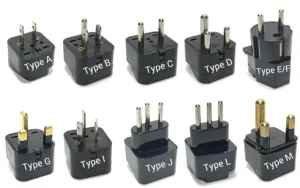
Outlet Types:

  • Type C (Europlug): Two round pins
  • Type F (Schuko): Two round pins with side grounding clips
  • Both types are common across Europe and widely used in Azerbaijan.
  • Voltage: 220 volts (sometimes reported as 230V, but 220V is the standard).

Device Compatibility and Power Requirements

Common Cycling Traveler Devices

  • Smartphones (navigation, communication)
  • GPS cycling computers
  • Rechargeable bike lights
  • Action cameras (e.g., GoPro)
  • Power banks
  • E-bike batteries (if using an e-bike)
  • Tablets/laptops
  • USB-rechargeable accessories (headlamps, speakers)

Compatibility Overview

  • Most modern devices (phones, GPS, cameras, laptops, power banks) are designed for 100–240V, 50/60Hz input. These are fully compatible with Azerbaijan’s 220V, 50Hz system, only a plug adapter is needed.
  • E-bike chargers:
    • Many are multi-voltage (100–240V) and compatible with Azerbaijan’s system.
    • Some are single-voltage (110V only); these require a step-down voltage converter to avoid damage.
  • Older or single-voltage devices (e.g., some US appliances): If rated only for 110V, a voltage converter or transformer is required.

Necessary Adapters and Converters

Adapters

  • Who needs them: Travelers from countries with different plug types (e.g., US, UK, Australia) will need a Type C or Type F adapter.
  • Grounded vs. Non-Grounded:
    • Use a grounded adapter for devices with a third (earth) pin.
    • Non-grounded adapters are fine for double-insulated (two-prong) devices.
  • Universal Adapters: Recommended for multi-country trips; ensure they support Type C and F.

Converters/Transformers

  • Who needs them: Only travelers with devices that are not rated for 220V (e.g., some US appliances, certain e-bike chargers).
  • Converters: For short-term use with simple devices (e.g., hair dryers).
  • Transformers: For continuous use with sensitive electronics (e.g., laptops, battery chargers).
  • Note: Converters/transformers do not change plug shape; you still need an adapter.

Power Solutions Specific to Cycling

1. Portable Chargers (Power Banks)

  • Essential for all cyclists, reliable, easy to use, and can be recharged at hotels, cafes, or guesthouses.
  • Recommended capacity: 10,000–20,000mAh for most trips; up to 27,000mAh for extended adventures.
  • Features to look for:
    • USB-C with Power Delivery (PD) for fast charging
    • Rugged, water-resistant models (IP67/IP68) for durability.

2. Dynamo Hubs and Dynamo USB Chargers

  • Generate power while riding, ideal for long-distance touring with limited access to mains electricity.
  • Best for: Charging phones, GPS, lights, and topping up power banks.
  • Limitations: Charging speed depends on riding speed; less effective on slow or technical terrain.
  • Popular brands: Schmidt SON28, Shimano XT, Shutter Precision.

3. Solar Panels

  • Useful for off-grid, remote touring, especially in sunny regions of Azerbaijan.
  • Recommended size: 10–20W panels for most cyclists.
  • Limitations: Less effective in cloudy weather or while riding; best used during rest stops.
  • Popular brands: Goal Zero, Anker, Voltaic, Powertraveller.

4. Hybrid Setups

  • Combine power banks, dynamo hubs, and solar panels for maximum flexibility and redundancy.
  • Pass-through charging: Choose power banks that allow simultaneous charging and discharging for efficient use with solar or dynamo.

Recommendations for Cycling Travelers in Azerbaijan

  • Bring at least one high-quality power bank (10,000–20,000mAh) for backup power.
  • Carry a Type C or Type F plug adapter for all your chargers.
  • Check all device chargers for 100–240V compatibility. Bring a voltage converter only if necessary (mainly for some e-bike chargers or older electronics).
  • Consider a dynamo hub if you plan long rides between towns or want to charge devices on the go.
  • Pack a solar panel if you expect to spend extended periods off-grid, especially in summer or remote areas.
  • Charge devices whenever possible, in hotels, guesthouses, cafes, or at bike parking stations in Baku.
  • Be self-sufficient in rural areas, charging infrastructure is limited outside major cities, so plan accordingly.
  • Use rugged, weather-resistant gear to withstand variable road and weather conditions.
  • Ask locals for help, Azerbaijanis are known for their hospitality and may offer access to electricity if needed.
  • Consider a travel power strip with surge protection if you have multiple devices.
Currency Exchange

Currency Overview

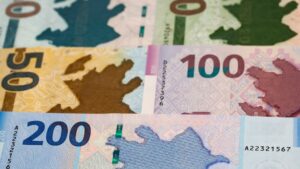
The official currency of Azerbaijan is the Azerbaijani manat (AZN, symbol: ₼), subdivided into 100 qəpik (qapik). The manat is a relatively stable currency, pegged closely to the US dollar, and features a range of denominations suitable for all types of transactions.

Banknotes in Circulation

  • 1, 5, 10, 20, 50, 100, and 200 manat notes are commonly used.
  • Banknotes feature Azerbaijani cultural symbols, historical figures, and landmarks, with modern security features to prevent counterfeiting.

Coins (Qəpik)

  • 1, 3, 5, 10, 20, and 50 qəpik coins are in circulation, often depicting national symbols.

Exchange Rates (as of September 30, 2025)

  • 1 AZN ≈ 0.59 USD
  • 1 USD ≈ 1.70 AZN
  • 1 AZN ≈ 0.55 EUR

The manat’s value is stable, with the Central Bank of Azerbaijan managing the currency and intervening to maintain its peg to the US dollar.

Currency Exchange Options

Azerbaijan offers several ways to exchange money, each with its own advantages and considerations:

1. Official Currency Exchange Offices

  • Widely available in major cities (Baku, Ganja, Sumqayit).
  • Transparent, regulated, and safe.
  • Display clear exchange rates.
  • Best for: Most travelers, especially for exchanging larger amounts.

2. Banks

  • Offer secure and reliable exchange services.
  • Competitive rates, but may require waiting and have limited hours.
  • Best for: Secure transactions, especially in cities.

3. Azerpost Offices

  • The national postal service provides exchange services, especially useful in areas with fewer banks.
  • Best for: Rural or remote areas where banks are scarce.

4. Airports

  • Convenient for immediate cash needs upon arrival.
  • Less favorable rates; not recommended for exchanging large sums.

5. ATMs

  • Plentiful in cities. Accept international cards (Visa, Mastercard).
  • Withdrawals in manat only. Service fees may apply.
  • Scarce or non-existent in rural areas.

Best Practices for Currency Exchange

Cycling travelers should follow these best practices to ensure smooth and safe currency management:

  • Exchange in Cities: Always exchange enough cash in Baku or other major cities before heading into rural or remote areas, where exchange options are limited.
  • Use Official Services: Only use official exchange offices, banks, or Azerpost branches. Avoid street exchangers to prevent scams and counterfeit currency.
  • Bring USD or EUR: US dollars and euros are the easiest foreign currencies to exchange. Bring small denominations for flexibility.
  • Keep Receipts: Retain all exchange receipts, as you may need them for reconverting currency when leaving the country.
  • Plan for Limited Hours: Most exchange offices and banks operate during regular business hours. 24/7 services are rare.
  • Carry Small Denominations: Especially important in villages, where making change for large bills can be difficult.

Safety Considerations for Cycling Travelers

While Azerbaijan is generally safe, cycling travelers should take extra precautions with their money:

  • Distribute Funds: Don’t keep all your cash and cards in one place. Use multiple hiding spots (e.g., panniers, money belt, secret pockets).
  • Avoid Large Sums: Only carry what you need for the day. Keep the rest securely hidden.
  • Use Secure ATMs: Prefer ATMs inside banks or shopping centers. Avoid street ATMs, especially at night.
  • Be Discreet: When exchanging or withdrawing money, be discreet and vigilant. Double-check amounts and avoid drawing attention.
  • Have Backups: Carry at least one backup card and a small reserve of US dollars for emergencies.
  • Travel Insurance: Ensure your insurance covers theft or loss of money and valuables.
  • Avoid Night Travel: Most incidents involving tourists occur after dark. Avoid cycling or walking alone at night.

Regional Considerations

Currency exchange availability varies significantly across Azerbaijan:

Major Cities (Baku, Ganja, Sumqayit)

  • Exchange points, banks, and ATMs are widely available.
  • Credit/debit cards and digital payments are accepted in most hotels, restaurants, and shops.
  • Bike-sharing and public transport in Baku support digital payments.

Small Towns and Rural Areas

  • Exchange points and ATMs are scarce or non-existent.
  • Cash is essential for all expenses; cards are rarely accepted.
  • Bank hours are limited, especially on weekends.

Airports and Tourist Sites

  • Exchange services are available but offer less favorable rates.

Remote/Mountainous Regions

  • Minimal access to exchange services; plan ahead and carry sufficient cash in small denominations.

Digital Payment Options

  • Urban Areas: Visa/Mastercard, mobile wallets (Apple Pay, Google Pay), and QR payments are widely accepted in Baku and other large cities.
  • Rural Areas: Digital payments are rare; cash is required.
  • Recommendation: Carry a mix of payment methods, cards for cities, cash for rural travel.

Recommendations for Cycling Travelers

  • Plan Cash Needs: Before leaving a city, estimate your cash needs for the next leg and exchange or withdraw accordingly.
  • Use Official Services: Always use official exchange offices or banks; avoid street exchangers.
  • Carry Small Bills: Especially in rural areas, where change may be hard to find.
  • Distribute Money: Keep cash and cards in multiple secure locations.
  • Keep Receipts: For reconversion and proof of transactions.
  • Notify Your Bank: Inform your bank of your travel plans to avoid card blocks.
  • Set Up Internet Banking: Monitor your accounts and transfer funds as needed.
  • Emergency Contacts: Have your bank’s international contact numbers handy.
  • Travel Insurance: Make sure it covers theft and loss of money.
Food & Water Quality

Food and Safety Landscape

Azerbaijan has a robust regulatory framework for food safety, overseen by several government bodies:

  • Food Safety Agency of the Republic of Azerbaijan (AFSA): The main authority responsible for food safety control, inspections, risk assessments, and public education. AFSA works to align national standards with international best practices and responds to food safety emergencies.
  • Ministry of Agriculture: Oversees food production and agricultural policy, ensuring compliance with food safety standards.
  • State Customs Committee: Regulates the import/export of food products, ensuring they meet safety standards.
  • State Committee for Standardization: Develops technical standards for food products, including safety and packaging.
  • Ministry of Health: Monitors foodborne illnesses and integrates health standards into food safety practices.

Key Points:

  • Azerbaijan’s food safety laws and standards are comprehensive and regularly updated.
  • The government emphasizes risk assessment, public health, and international cooperation to protect consumers.

Food Safety in Different Settings

Household Settings

  • Most foodborne illnesses globally originate in the home due to poor handling, inadequate cooking, and improper storage.
  • Education and awareness are crucial for safe food practices at home.
  • Vulnerable groups (children, elderly, immunocompromised) are at higher risk.

Restaurants, Cafés, and Hotels

  • In Baku and major cities, reputable restaurants and hotels generally maintain good hygiene standards.
  • Outside urban centers, standards may vary, and regulatory oversight can be less rigorous.
  • Staff training and regular inspections are more common in established venues.

Street Food and Informal Markets

  • Street food is popular but can pose higher risks due to limited regulation, inconsistent hygiene, and lack of refrigeration.
  • Choose vendors who prepare food fresh, practice visible hygiene, and serve food hot.
  • Avoid raw or undercooked foods, especially meats and seafood.

Public and Institutional Settings

  • Schools, hospitals, and large events are subject to stricter food safety regulations, but risks remain due to large-scale preparation and serving.

Water Quality and Safety

Tap Water

  • Tap water is generally NOT considered safe to drink in Azerbaijan. This applies to both urban and rural areas, due to aging infrastructure, pollution, and regional disparities in water treatment.
  • Even in Baku, travelers are advised to avoid drinking tap water unless it has been thoroughly boiled.

Bottled Water

  • Bottled water is widely available and is the safest option for drinking and brushing teeth. Always check that the seal is intact before use.
  • Bottled water consumption is high due to concerns over tap water safety and taste.

Ice and Beverages

  • Avoid ice in drinks, as it may be made from unfiltered or unboiled tap water.

Regional Variations

  • Water quality is generally better in urban areas but can still be unreliable.
  • Rural areas face more significant challenges, including pollution, seasonal shortages, and lack of modern treatment facilities.

Safety Tips & Precautions for Travelers

Food Safety

  • Eat well-cooked food: Only consume food that is thoroughly cooked and served hot.
  • Avoid raw foods: Refrain from eating raw or undercooked seafood, meats, and eggs. Be cautious with salads or fruits that may have been washed in tap water.
  • Be cautious with street food: Try street food only from vendors with good hygiene practices, and avoid it at the start of your trip.
  • Peel fruits yourself: Choose fruits you can peel and do so yourself to reduce contamination risk.
  • Wash hands frequently: Use soap and water, especially before eating or handling food.

Water Safety

  • Drink bottled or boiled water: Use bottled water for drinking and brushing teeth. Boil tap water for at least one minute if bottled water is unavailable.
  • Avoid ice: Unless you are certain it is made from safe water.
  • Check seals: Ensure bottled water is sealed before purchase.

General Health & Safety

  • Watch for drink/food spiking: Be vigilant in bars and nightclubs, especially in Baku. Never leave food or drinks unattended and be cautious when accepting them from strangers.
  • Carry health supplies: Bring extra prescription medications and a traveler’s diarrhea antibiotic.
  • Vaccinations: Hepatitis A vaccination is recommended for all travelers, as well as typhoid and hepatitis B.
  • Medical care: Quality medical care is generally available only in Baku. Facilities elsewhere may be limited.
What do the US Dept of State, US Embassy, and CDC say?

Check out the latest Travel Advisory to AZERBAIJAN from the US Dept of State.  Contacts from all US Embassies in COUNTRY are listed on the website.  Use the Smart Traveler Enrollment Program (STEP) to inform them of your travels.

Read the Travel Health Notices & suggested vaccinations from the CDC

For the latest updates and resources, visit the U.S. Embassy in Azerbaijan’s official website: U.S. Embassy & Consulates in Azerbaijan

Supplement Your Health / Travel Insurance

General Insurance Requirements & Recommendations

While travel or health insurance is not mandatory for short-term visitors to Azerbaijan, it is strongly recommended due to the potential for high out-of-pocket costs in the event of a medical emergency, accident, or evacuation. For long-term stays (expats, students, or workers), health insurance is mandatory and must be shown when applying for residence permits.

Key Points:

  • Short-term visitors: Insurance is not required for entry, but highly advised.
  • Long-term residents: Health insurance is mandatory.
  • Healthcare quality: Public healthcare is limited, especially outside Baku; private care is better but expensive.
  • Medical evacuation: Insurance covering evacuation is recommended, as serious cases may require transport abroad.
  • Cycling and adventure activities: Standard travel insurance may not cover cycling as a primary activity or high-risk sports, always check your policy.

Useful Resources:


Specialized Insurance Options for Cyclists

Standard travel insurance often falls short for cycling travelers, especially regarding bicycle theft, crash damage, and racing. Consider the following specialized providers:

1. Velosurance

  • Website: velosurance.com
  • Coverage Highlights:
    • Full value insurance for your bike (no depreciation).
    • Crash and accidental damage (including during races or transit).
    • Theft coverage (home, car, workplace, etc.).
    • Damage/loss in transit (airline, car, courier).
    • Optional medical payments for cycling accidents.
    • Third-party liability and uninsured motorist coverage.
    • Worldwide coverage available as an option.
    • Accessory and apparel coverage.
    • E-bike and racing/event coverage available.
  • Why choose Velosurance? Standalone, cyclist-focused coverage with options for worldwide travel and racing.

2. Sundays Insurance

  • Website: sundaysinsurance.com/
  • Coverage Highlights:
    • Theft (home and away), crash, and accidental damage.
    • Custom parts and upgrades insured.
    • Transit coverage (car, airline, ship, train, truck).
    • Emergency medical expenses (up to $1,000 per accident).
    • Optional worldwide coverage (up to 90 days abroad).
    • Racing and event coverage available.
    • Accessory and apparel coverage.
    • Event fee reimbursement and taxi fare if stranded.
    • Family coverage options.
  • Why choose Sundays? Flexible, cyclist-specific policies with strong accessory and event coverage.

3. World Nomads

  • Website: worldnomads.com
  • Coverage Highlights:
    • Emergency medical expenses (including cycling injuries).
    • Baggage and gear coverage (including bikes and accessories).
    • Trip cancellation and interruption.
    • 24/7 emergency assistance.
    • Multiple plan levels (Standard, Explorer, Epic, Annual).
    • Adventure sports coverage (cycling, mountain biking, e-biking).
    • Worldwide flexibility, buy and claim from anywhere.
  • Why choose World Nomads? Comprehensive travel and cycling insurance, ideal for multi-activity travelers.

Key Insurance Considerations for Cycling Travelers

When selecting insurance for your cycling trip, keep these critical factors in mind:

  • Cycling Activity Coverage: Not all policies cover cycling as a primary activity, racing, or off-road biking. Always check the “included activities” section and confirm with the insurer.
  • Bicycle Theft & Damage: Most standard travel insurance does not cover your bike itself, only specialized policies do. Check for coverage limits, “new for old” replacement, and requirements for securing your bike.
  • Medical Coverage: Ensure your policy covers emergency medical expenses, evacuation, and repatriation for cycling-related injuries.
  • Personal Liability: Look for coverage in case you injure someone else or damage property while cycling.
  • Trip Cancellation/Interruption: Policies should reimburse non-refundable costs if you must cancel or cut short your trip due to illness or injury.
  • Transit Coverage: If flying or shipping your bike, ensure your policy covers loss or damage in transit.
  • Documentation: Keep receipts, police reports, and detailed records for any claims.
  • COVID-19 and Exclusions: Check for pandemic-related coverage and other exclusions (e.g., helmet use, prohibited roads).
  • Geographical Coverage: Make sure all countries on your route are included.
  • Policy Duration: Confirm the maximum trip length and whether extensions are possible for long tours.

Local Azerbaijani Insurance Options

If you prefer to purchase insurance locally or need additional coverage while in Azerbaijan, consider these options:

Ateshgah Insurance Company

  • Website: ateshgah.com
  • Features:
    • Travel insurance for foreigners, valid worldwide including Azerbaijan.
    • 24/7 support and customizable packages.
    • Medical expenses and emergency assistance.
    • No age limit for coverage.
    • Cyclist Note: Confirm with Ateshgah if cycling-specific incidents (accidents, theft, equipment damage) are covered before purchasing.

Other Local Providers

  • Several Azerbaijani insurers offer travel insurance for foreigners, but coverage for cycling-specific risks varies.
  • Always clarify with the provider whether cycling, sports injuries, and equipment loss are included.
  • Local agents and online platforms can help compare plans.

Healthcare Infrastructure & Emergency Tips

  • Urban vs. Rural: Baku has the best-equipped hospitals and clinics; rural areas have limited facilities.
  • Emergency Numbers: Ambulance—103; Police—102.
  • Private Clinics: More reliable for foreigners, often with English-speaking staff.
  • First Aid: Carry a basic kit, especially for remote cycling.
  • Know Your Route: Identify hospitals and clinics along your journey.

Final Tips

  • Buy insurance before your trip and carry proof with you.
  • Read all policy documents carefully and clarify any doubts with the provider.
  • Don’t rely solely on local healthcare, private insurance is essential for quality care and emergencies.
  • For high-value bikes or long tours, specialized cycling insurance is highly recommended.

By securing the right insurance, you can focus on enjoying Azerbaijan’s stunning landscapes and vibrant culture with confidence and peace of mind.

How to Stay Safe

Road Safety & Traffic Conditions

Cyclists in Azerbaijan face significant road safety challenges, especially in urban areas like Baku. Understanding the local traffic environment is important.

Traffic Laws & Infrastructure

  • Cyclists are recognized as road users but dedicated bike lanes are extremely limited, mostly in central Baku.
  • Road quality varies: Main roads are generally well-paved, but rural and older urban roads may have potholes, debris, and poor lighting.
  • Traffic density is high in Baku, with congestion and unpredictable vehicle movements at all hours.
  • Law enforcement is inconsistent; compliance with traffic rules is low among both drivers and cyclists.

Driver Behavior

  • Low driver awareness: Many drivers do not respect cyclists and may not notice them on the road.
  • High accident risk: Most cyclist injuries occur at intersections and busy roads due to speeding, distracted driving, and failure to yield.

Practical Road Safety Tips

  • Avoid cycling during peak traffic hours and at night.
  • Stick to well-paved, less congested routes when possible.
  • Be highly visible: use lights, reflectors, and bright clothing.
  • Remain vigilant for sudden vehicle maneuvers and road hazards.

Safety Equipment & Bicycle Maintenance

Proper equipment and regular maintenance are essential for safe cycling in Azerbaijan’s varied conditions.

Essential Safety Gear

  • Helmet: Strongly recommended, even though not legally required.
  • High-visibility clothing and reflective accessories for low-light conditions.
  • Front white light and rear red light/reflector for night riding.
  • Gloves, protective eyewear, and padded shorts for comfort and protection.

Maintenance Considerations

  • Prepare for rough terrain: Use durable, puncture-resistant tires.
  • Carry a multi-tool, spare tubes, patch kit, and pump for on-the-go repairs.
  • Regularly clean and lubricate your chain and drivetrain, especially after riding in dusty or wet conditions.
  • Bring spare brake pads and cables, as these wear quickly on steep or muddy routes.

Availability of Repairs

  • Bike shops are mostly in Baku; rural areas have limited supplies.
  • Self-sufficiency is key: Carry essential spares and be prepared for basic repairs.

Health & Medical Precautions

Staying healthy is crucial, especially when cycling in remote or rural areas.

Vaccinations & Health Risks

  • Routine vaccines: MMR, Tdap, polio, influenza, varicella.
  • Recommended: Hepatitis A & B, rabies (especially for cyclists), typhoid (for rural travel).
  • No malaria risk as of 2023.

Common Health Risks

  • Travelers’ diarrhea: Practice strict food and water hygiene.
  • Tick- and insect-borne diseases: Use insect repellent and wear protective clothing.
  • Altitude sickness: Risk above 2,500m, ascend gradually and hydrate.

Medical Facilities & Insurance

  • Best facilities are in Baku; limited care elsewhere.
  • Emergency number: 103 for ambulance (response may be slow outside cities).
  • Comprehensive travel insurance covering medical treatment, evacuation, and cycling injuries is essential.
  • Carry a first aid kit and all necessary medications in original packaging.

Seasonal Considerations

Azerbaijan’s climate varies widely, affecting cycling safety and comfort.

Best Seasons for Cycling

  • Spring (April–June) and Autumn (September–October): Mild temperatures, low precipitation, ideal for most routes.
  • Summer (July–August): Avoid lowlands due to extreme heat; mountain routes are preferable.
  • Winter (November–March): Lowlands are mild, but mountain routes can be hazardous due to snow and ice.

Weather Hazards

  • Heatwaves, cold snaps, strong winds (especially in Baku), and sudden rain can all impact safety.
  • Check weather forecasts and adjust plans accordingly.

Cultural Awareness & Local Customs

Respecting local customs ensures positive interactions and avoids misunderstandings.

Social Etiquette

  • Greetings: Handshakes among men; wait for women to initiate.
  • Hospitality: Bring a small gift if invited to a home; remove shoes upon entry.
  • Dining: Wait to be seated, try all foods offered, and compliment the host.

Dress Code

  • Modest clothing is recommended, especially outside Baku and at religious sites.
  • Women: Cover shoulders and knees; headscarf required in mosques.
  • Men: Long pants and sleeves preferred in rural areas.

Religious & Cultural Sensitivity

  • Azerbaijan is secular but predominantly Muslim. Respect religious customs, especially during Ramadan.
  • Avoid sensitive topics (politics, religion, Nagorno-Karabakh conflict).
  • Public displays of affection are frowned upon, especially outside Baku.

Gender Considerations

  • Women cyclists: May attract attention in rural areas; modest dress helps avoid issues.
  • Photography: Always ask permission, especially with women and elders.

Crime Prevention & Personal Safety

Azerbaijan is generally safe, but petty crime and scams do occur, especially in tourist areas.

Crime Risks

  • Petty theft (pickpocketing, bag snatching) in crowded places and public transport.
  • Scams: Taxi overcharging, bar/club scams, fake police, currency exchange fraud.

Areas to Avoid

  • Border regions with Armenia and Nagorno-Karabakh due to military activity and landmines.
  • Poorly lit or isolated areas at night.

Personal Security Tips

  • Keep valuables secure and avoid displaying expensive items.
  • Use official taxi apps (Bolt, Yandex) and avoid unlicensed taxis.
  • Travel in groups when possible, especially at night.
  • Carry your passport or a copy for random police checks.

Insurance & Legal Considerations

Proper insurance and legal compliance are essential for a worry-free trip.

Insurance

  • Comprehensive travel insurance covering medical, evacuation, and cycling activities is strongly recommended.
  • Bicycle insurance for theft, loss, or damage is advisable.
  • Personal liability coverage in case of accidents involving others.

Legal Requirements

  • Visa: E-visa required for most travelers; print and present on arrival.
  • Passport validity: At least 6 months beyond arrival, with 2 blank pages.
  • Registration: Required with the State Migration Service if staying over 15 days.
  • Traffic laws: Obey all local rules; vehicles drive on the right.
  • Carry all documents (passport, visa, insurance) at all times.

Practical Safety Tips for Cyclists

Key Finding:

  • Plan routes carefully and avoid high-traffic or poorly maintained roads.
  • Be visible: Use lights, reflectors, and bright clothing at all times.
  • Stay hydrated and protect yourself from the sun, especially in summer.
  • Carry a comprehensive repair kit and essential spares.
  • Monitor local news and weather for updates on road and security conditions.
  • Respect local customs and dress codes, especially in rural and religious areas.
  • Register with your embassy and keep emergency contacts handy.
Essential Apps

Navigation & Mapping Apps

1. Google Maps

  • Why: Universal, reliable for both city and rural navigation, supports cycling routes, and offers offline maps.
  • Android | iOS

2. Komoot

  • Why: Excellent for cycling-specific route planning, especially for off-road and adventure cycling. Offers offline maps and community recommendations.
  • Android | iOS

3. Ride with GPS

  • Why: Advanced route planning, sharing, and tracking with a large user-generated route database. Offline navigation available for premium users.
  • Android | iOS

4. Strava

  • Why: Popular for ride tracking, performance analytics, and connecting with the global cycling community. Useful for discovering local routes and challenges.
  • Android | iOS

5. Bikemap

  • Why: Large archive of user-generated cycling routes, real-time updates, and turn-by-turn navigation.
  • Android | iOS

Weather Apps

1. The Weather Channel

  • Why: Accurate, global forecasts with severe weather alerts and radar—important for planning rides in Azerbaijan’s diverse climates.
  • Android | iOS

2. Azerbaijan Weather by MeteoSauzana

  • Why: Localized, detailed forecasts for Azerbaijani cities and regions.
  • Android

3. WeatherBug

  • Why: Fast alerts, storm warnings, and pollen levels, with global coverage.
  • Android | iOS

Accommodation Apps

1. Booking.com

  • Why: Extensive listings in both cities and rural areas, including guesthouses and hostels.
  • Android | iOS

2. Airbnb

  • Why: Great for unique stays, private homes, and local experiences, including in smaller towns.
  • Android | iOS

3. Agoda

  • Why: Competitive prices and good selection in cities and tourist regions.
  • Android | iOS

4. Hostelworld

  • Why: Best for budget travelers and those seeking hostels in Baku and larger towns.
  • Android | iOS

Transportation Apps (Taxis & Public Transport)

1. Bolt

  • Why: Leading ride-hailing app in Baku and other cities, useful for emergencies or transporting your bike.
  • Android | iOS

2. Uber

  • Why: International ride-hailing, available in Baku.
  • Android | iOS

3. BakıKart

  • Why: Official app for Baku’s public transport payment system; manage your transit card and plan journeys.
  • Android | iOS

4. BakuBus

  • Why: Real-time bus information and route planning in Baku.
  • Android | iOS

5. Moovit

  • Why: Public transport navigation with real-time updates for buses and metro.
  • Android | iOS

Translation Apps

1. Google Translate

  • Why: Supports Azerbaijani and Russian, offers text, voice, photo, and offline translation—essential for communication in rural areas.
  • Android | iOS

2. Azerbaijani – Russian Translator (Suvorov-Development)

  • Why: Specialized for Azerbaijani-Russian translation, with text, voice, and photo features.
  • Android

3. iTranslate

  • Why: Popular for text, voice, and camera translation; supports Azerbaijani and Russian.
  • iOS

Emergency & Safety Apps

1. OneImpact Azerbaijan

  • Why: Access to medical services, problem reporting, and peer support—especially useful for health and safety.
  • Android

2. Citizen

  • Why: Real-time safety alerts and incident updates (coverage may be limited outside major cities).
  • Android | iOS

3. Local Emergency Numbers

  • Tip: Save these in your phone: Police (102), Medical Emergencies (103).

Additional Useful Apps

  • MAPS.ME: Offline maps and navigation, especially useful in remote areas. Android | iOS
  • XE Currency: For real-time exchange rates. Android | iOS

Resources

How to learn the local language FAST!

Must-Know Azerbaijani Words and Phrases

Before arriving in Azerbaijan, familiarize yourself with these essential words and phrases to handle greetings, directions, shopping, and polite conversation:

Greetings & Basics

  • Hello: Salam (sa-lam)
  • How are you?: Necəsən? (neh-jeh-san)
  • I’m fine, thank you: Yaxşıyam, sağ ol (yahk-shuh-yam, sah-ol)
  • Pleased to meet you: Xoşbəxtəm (khosh-bakh-tem)
  • Goodbye: Sağ ol (sah-ol) – informal / Görüşərik (goe-ru-sha-rik) – see you

Politeness

  • Thank you: Sağ ol (sah-ol) – informal / Çox sağ olun (chok sah-olun) – very polite
  • Please: Zəhmət olmasa (zeh-met ol-ma-sa)
  • Excuse me / Sorry: Bağışlayın (ba-ghish-lah-yin)

Yes/No

  • Yes: Bəli (beh-lee)
  • No: Xeyr (kheyr) or Yox (yok)

Useful Everyday Words

  • Money: Pul
  • Friend: Dost
  • Water: Su
  • Where?: Harada?
  • How much?: Neçədir?

Essential Questions

  • Do you speak English?: İngilis dilində danışırsınız?
  • Where is …?: … haradadır?
  • Can you help me?: Mənə kömək edə bilərsiniz?

Numbers (1–10)

  1. Bir
  2. İki
  3. Üç
  4. Dörd
  5. Beş
  6. Altı
  7. Yeddi
  8. Səkkiz
  9. Doqquz
  10. On

Mobile Apps for Learning Azerbaijani

Mobile apps are a fast, convenient way to build vocabulary, practice pronunciation, and reinforce daily learning. Here are the top options:

  • Duolingo: Gamified lessons for beginners, great for daily practice.
  • Memrise: Real-life phrases, native speaker audio, and spaced repetition.
  • Busuu: Structured courses, grammar, and vocabulary with community support.
  • Lingodeer: Comprehensive reading, writing, listening, and speaking exercises.
  • Tandem: Connects you with native speakers for real conversation practice.
  • Bluebird Languages: 2,000+ lessons, hands-free learning, and personalized courses.
  • 50Languages: Free audio/text lessons for absolute beginners.
  • Azerbaijani-English by eflasoft: Offline dictionary, phrasebook, and vocabulary games.
  • Learn Azerbaijani For Beginner (iOS): Free starter course with audio and reading practice.

Tip: Combine two or more apps to cover all language skills and keep learning engaging.


Online Resources & Tools

A variety of online resources can supplement your app-based learning and provide structured lessons, audio, and community support:

  • Peace Corps Azerbaijani Course: Free, structured course with 23 lessons and audio files.
  • Talk in Azerbaijani: Book and online resources for grammar and useful phrases.
  • AzerbaijaniPod101: Podcast series for listening and comprehension.
  • The Universe Of Memory: Curated list of free courses, reading materials, and dictionaries.
  • HelloTalk & Tandem: Language exchange platforms for chatting with native speakers.
  • YouTube Channels: Search for “Learn Azerbaijani” for video lessons on grammar, vocabulary, and pronunciation.

Azerbaijani Language Courses

If you prefer a more structured approach, consider these options:

  • Udemy & Mango Languages: Self-paced online courses from beginner to advanced.
  • KMT Azerbaijani Language Course: 10-hour beginner group course.
  • Small Group Courses: 12 meetings (1.5 hours each) for interactive learning.
  • One-on-One Tutoring: Personalized lessons with a teacher, available online.
  • University Programs: Some universities offer Azerbaijani as part of Central Asian or Turkic language programs.

Language Learning Communities & Exchange

Practicing with others accelerates your progress and builds confidence:

  • Meetup.com: Find in-person or virtual Azerbaijani language groups.
  • Language Exchange in Baku: Join local events for real-life practice.
  • Pen Pal Communities: Written correspondence with native speakers.
  • Online Forums: Participate in study groups and language learning communities.

Effective Methods & Steps to Learn Basic Azerbaijani in 30 Days

A focused, consistent approach is key to rapid language acquisition:

1. Set Clear Goals & Structure Your Time

  • Define your objectives (e.g., basic conversation, travel needs).
  • Dedicate 30–60 minutes daily to study and practice.

2. Master the Basics First (Days 1–5)

  • Learn the Azerbaijani alphabet and pronunciation.
  • Memorize essential greetings, questions, and polite phrases.

3. Build Core Vocabulary & Grammar (Days 6–15)

  • Focus on thematic vocabulary: numbers, food, directions, shopping.
  • Practice basic sentence structure (Subject-Object-Verb).
  • Learn present, past, and future tense of common verbs.

4. Practice Listening, Speaking, Reading, and Writing (Days 16–25)

  • Watch Azerbaijani media (TV, YouTube, podcasts).
  • Listen to music and repeat lyrics.
  • Read simple texts and keep a daily journal.
  • Use language exchange apps for real conversation.

5. Immerse & Review (Days 26–30)

  • Simulate real-life scenarios (ordering food, asking for help).
  • Review all previous lessons and vocabulary.
  • Test yourself with quizzes and conversations.

Final Recommendations

  • Start with essential words and phrases to handle daily situations.
  • Download 1–2 mobile apps for daily practice and vocabulary building.
  • Use online resources and podcasts for listening and comprehension.
  • Join a language exchange or community for real conversation.
  • Follow a structured 30-day plan to build a solid foundation before and during your trip.

With these resources and strategies, you’ll be able to communicate confidently and make the most of your travels in Azerbaijan!

Cycling Influencers for Azerbaijan

1. Orkhan Jalil

  • Summary: Orkhan Jalil documents urban cycling challenges and fitness journeys in Azerbaijan, motivating followers with personal progress stories and route maps.
  • Instagram@orkhanjalil

2. Velocanavarlar

  • Summary: Velocanavarlar unites a pack of passionate cyclists in Azerbaijan, posting group adventures, safety tips, and calls for eco-friendly commuting.
  • Instagram@velocanavarlar

3. Cycling Baku

  • Summary: Cycling Baku promotes bike-friendly initiatives in the capital, featuring city tours, advocacy for better infrastructure, and climate action through cycling.
  • Instagram :@cycling_baku:

4. Baku Cycling Project

  • Summary: The Baku Cycling Project highlights international races and local talent development, inspiring participation in Azerbaijan’s competitive cycling scene.
  • Instagram@bakucycling

Travel Influencers for Azerbaijan

1. Bura Bax

  • Summary: Bura Bax offers insider guides to Azerbaijan’s hidden spots, blending humor with practical travel hacks for budget-conscious explorers.
  • Instagram:
  • Youtube@BuraBax

2. DAGESTAN TRAVEL

  • Summary: DAGESTAN TRAVEL specializes in cross-border journeys from Azerbaijan to Dagestan, highlighting mountainous adventures and ethnic traditions.
  • Instagram: @dagtravel
  • Youtubeyoutube.com/@DAGESTAN_TRAVEL

3. Aztravel

  • Summary: Aztravel provides comprehensive Azerbaijan itineraries, from Baku’s modern vibes to ancient Silk Road sites, ideal for first-time visitors.
  • Instagram:
  • Youtube @Aztravell

4. KAVKAZ TRAVEL

  • Summary: KAVKAZ TRAVEL explores the Caucasus region’s gems starting from Azerbaijan, emphasizing eco-tourism and sustainable hiking routes.
  • Youtube@KAVKAZ-TRAVEL

5. Vahid & Hasti

  • Summary: Vahid & Hasti share couple’s travel diaries across Azerbaijan, mixing romantic getaways with foodie discoveries and local festivals.
  • Youtube@VahidHasti

6. Irada Gadirova

  • Summary: Irada Gadirova focuses on family-friendly travel in Azerbaijan, recommending kid-safe attractions and cultural immersion activities.
  • Instagram@irada_gadirova
  • Youtube@IradaGadirova

7. EZZELAND

  • Summary: EZZELAND vlogs spontaneous road trips through Azerbaijan’s diverse landscapes, capturing raw moments and unexpected encounters.
  • Youtube@ezzeland

Cycling Blogs and Resources for Azerbaijan

1. Road to Frame

  • Summary: Road to Frame is a bicycle touring and adventure blog chronicling global cycle trips, including detailed accounts of cycling routes and cultural experiences in Azerbaijan.
  • Websiteroadtoframe.com

2. Crossing Valleys

  • Summary: Crossing Valleys is a travel blog centered on epic bicycle journeys from Europe to Asia, including photo essays and reflections from the author’s extended cycling stint in Azerbaijan.
  • Websitecrossingvalleys.com

Travel Blogs and Resources for Azerbaijan

1. Azerbaijan Traveller

  • Summary: Azerbaijan Traveller curates private tours and experiential trips across Azerbaijan, from Baku walking tours to Gobustan day trips, emphasizing cultural and culinary immersion.
  • Websiteazerbaijantraveller.com

2. Journal of Nomads

  • Summary: Journal of Nomads is an adventure travel blog for off-the-beaten-path explorers, providing comprehensive Azerbaijan guides on costs, visas, and hidden gems in the Caucasus.
  • Websitejournalofnomads.com

Johnny Africa

  • Summary: Johnny Africa is a digital nomad travel blog that delves into global city explorations, featuring a captivating guide to Baku’s architectural contrasts and vibrant street life in Azerbaijan.
  • Websitejohnnyafrica.com

3. Travel in Baku

  • Summary: Travel in Baku serves as a comprehensive resource for Azerbaijan tourism, offering tour packages, attraction overviews, and tips on shopping and local cuisine in the capital and beyond.
  • Websitetravelinbaku.com

Official Government Tourism Resources for Azerbaijan

1. Azerbaijan Tourism Board

  • Summary: The Azerbaijan Tourism Board is the national promotion body that showcases Azerbaijan’s diverse attractions, from cultural heritage to adventure opportunities, to inspire international visitors.
  • Websitetourismboard.az

2. State Tourism Agency of the Republic of Azerbaijan

  • Summary: The State Tourism Agency implements national tourism policies, offering resources on regulations, international collaborations, and promotional activities to boost Azerbaijan’s visitor appeal.
  • Websitetourism.gov.az/en

3. Azerbaijan.Travel

  • Summary: Azerbaijan.Travel is the official portal promoting the country’s tourism, with interactive guides to culture, nature, food, and legends, encouraging travelers to “take another look” at its wonders.
  • Websiteazerbaijan.travel

4. Tourist Information Center – Ismayilli

5. Baku Tourism Information Center (BTIC)

Cycling and Travel Brands in the country

Cycling Products and Services in Azerbaijan

1. United Sport Active Lifestyle Store

  • Summary: United Sport is a comprehensive active lifestyle retailer in Azerbaijan featuring over 120 cycling products, including Scott bikes, bartape, kickstands, and apparel, making it a go-to spot for gear upgrades during travels.
  • Instagram: @unitedsport
  • Websiteunitedsport.az

2. Go Sport Sports Retailer

  • Summary: Go Sport operates multiple stores across Azerbaijan, stocking affordable cycling essentials like bib shorts, helmets, pedals, and chains from brands such as Scrapper and Coppi, ideal for budget-conscious cycling explorers.
  • Instagram: @gosportbaku
  • Websitegosport.az

3. Seaside Boulevard Bike Park

  • Summary: Managed by the Baku Boulevard Administration, this public bike rental service offers affordable hourly rentals of standard and fast bikes along the Caspian Sea promenade, perfect for leisurely urban rides by visiting cyclists.
  • Websitebulvar.gov.az

4. Bike Store by Jamshid

  • Summary: Bike Store by Jamshid in Baku specializes in premium bicycles, custom setups, and community events through its affiliated cycling club, providing local support for serious riders and travelers seeking quality equipment.
  • InstagramJamshid Bike Store

5. BikeVAR Azerbaijan

  • Summary: BikeVAR curates exclusive luxury bicycles, including Ferrari Scuderia limited editions and high-end models from Bianchi, catering to affluent cycling enthusiasts exploring Azerbaijan’s routes in style.
  • InstagramBikeVAR

6. ISMA Bikes

  • Summary: This is Azerbaijan’s first domestic bicycle manufacturer (plant in İsmayıllı District) producing a wide range of models from kids’ bikes to road/mountain bikes — a great local brand to support
  • Instagram@ismabikesazerbaijan
  • Websitehttp://www.toba.az

7. Pedalchi

  • Summary: Based in Baku, Pedalchi offers bicycle rentals, tours (1‑15 days) across Azerbaijan, route support and gear rental — ideal for cycling travellers wanting local support.
  • Instagram@pedalchi.az

Hop on your bike and join the adventure with Cycle Travel Club's thrilling hosted tours throughout the year!

  • Cycle The Myth: Peloponnese, Greece

    From$2,600
    Availability : July 30 - Aug 15, 2025
    Delhi, Manali to Leh, India
    Experience the bustling chaos and historic majesty of Delhi’s ancient streets before embarking on one of the world’s most epicView Tour
  • Golden Triangle + Himalayan Cycling Adventure

    From$2,600
    Availability : July 30 - Aug 15, 2025
    Delhi, Manali to Leh, India
    Experience the bustling chaos and historic majesty of Delhi’s ancient streets before embarking on one of the world’s most epicView Tour
  • Munnar, India

    Kerala Spice Trail Cycling Tour

    From$1,750
    Availability : January 15 - 25, 2026
    Kerala, India
    Kerala, aka “God’s Own Country”, is known for stunning landscapes, serene backwaters, vibrant culture, & diverse cycling routes through tropicalView Tour
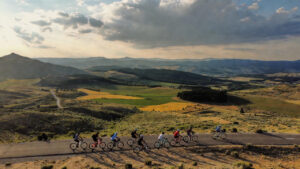
Pedal Deeper into Adventure
Read more about epic Destinations here....

Join the Cycle Travel Club!

Proceed Booking