Imagine a year where the world is actually reshaping itself for cyclists — not just speaking about sustainability, but building it in asphalt and policy. That year is 2026.
Routes are expanding. Infrastructure funding is skyrocketing. Policies are being negotiated to make border crossings easier. Even hotels and destinations are finally waking up to what cyclists have been asking for.
This isn’t hype — it’s momentum you can see, feel, and plan your next adventure around.
New & Expanding Routes: A Network of Possibilities
Let’s be real: cycle touring has always been about the journey, not just the destination. In 2026, that journey is literally expanding.
Across Europe, long-distance routes and national trails are being improved, branded, and certificate-ready — meaning better signage, safer surfaces, and more continuity between regions. For example:
- The EuroVelo network, already spanning tens of thousands of kilometers across the continent, continues to expand and integrate quieter, safer long-distance cycling paths.
- Certified route expansions like the EuroVelo 1 – Atlantic Coast Route are making iconic journeys even more seamless for international cyclists.
- National governments are pouring funding into cycle path networks — including a multi-hundred-million euro push in England for new routes and safer crossings.
New Cycling Trails & Routes Opening in 2026
| Project Name | Location | Key Features & Impact |
|---|---|---|
| Redbud Trail Expansion | Wichita, Kansas, USA | 15 mi extension, Wider path, new bridge, improved safety, longer route |
| Carlingford Lough Greenway | Ireland/Northern Ireland | 20km – First cross-border greenway, wildlife, scenic views |
| Eastern Shore of VA Rail Trail | Cheriton, Virginia USA | 49mi trail perfect for multi-day trips — linking small towns, coastal scenery, and quiet countryside rides |
| Paris Cycling Network Expansions | Paris, France | ~180 km of new secure routes and regional connections within and around the city |
More dedicated and enhanced routes mean fewer logistical hurdles and more seamless touring experience — exactly what cycling travelers value most.
👉 Why it matters: You can plan longer and safer point-to-point itineraries without piecing together disconnected paths.
Bridges & Infrastructure: Real Connections, Not Bumps in the Road
2026 is seeing more purpose-built cycling infrastructure than we’ve seen in a decade.
For example, major multimodal bridges and crossings are either opening or being completed, closing long-standing gaps in cycling networks:
| Project Name & Location | Type/Feature | Impact on Cycling Travel |
|---|---|---|
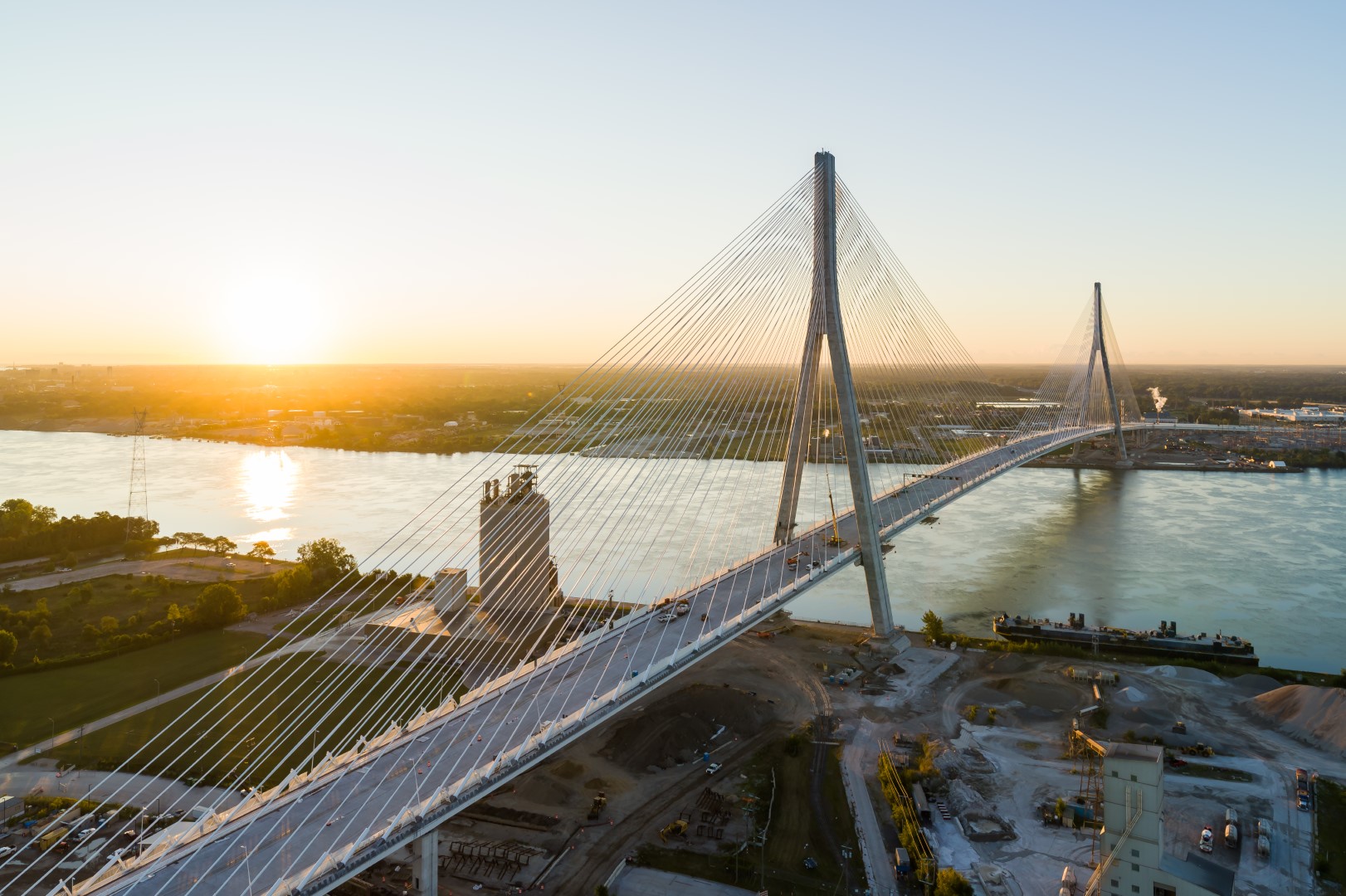
| Gordie Howe International Bridge (Detroit–Windsor) | Multiuse path for cyclists/pedestrians | First new US-Canada crossing for cyclists in decades; connects to major trail systems |
| Sydney Harbour Bridge Cycle Ramp (Sydney, AUS) | New ramp | $39M cycleway, replacing 55-step staircase linking North Sydney to CBD |
| Montreal Cycling Network Upgrades (Montreal, CAN) | Bike Path renovations | Large network overhaul due to UCI World Championships |
| Waterside Bridge (Nottingham, ENG) | Landmark bridge over River Trent | First new river crossing in the city in decades |
| Cheongna Haneul Bridge (Incheon, ROK) | Bridge and pathway improvements | 4.68km to significantly improve cycle access between the airport island and the mainland parts of Incheon |
These projects don’t just add paths — they connect communities, reshape regional travel, and reduce risk for touring riders.
👉 Why it matters: You can go farther with confidence — no long detours or dangerous crossing zones.
Policy Trends Cyclists Should Watch in 2026
This is where the quiet revolution happens — away from hardware and into policy.
New travel policies in 2026 include initiatives that make international cycling travel smoother:
| Policy/Initiative | Region/Country | Description |
|---|---|---|
| The EU Cycling Strategy Is Now Official Policy (And That’s a Big Deal) | European Union | More funding, better integration between countries, safer infrastructure |
| EuroVelo Route Certification Is Standardizing Cross-Border Cycling | Europe | EuroVelo routes is creating a unified quality benchmark across countries. |
| France’s national cycling development strategy: Plan Vélo | France | Investing heavily in long-distance cycling tourism infrastructure and route expansion. |
| GOOD CYCLE JAPAN initiative | Japan | Reframing cycling not just as transportation or sport but as an integrated policy tool for health, tourism, safety, and environment. |
| South Korea’s Government-Backed Bicycle Route Promotion “60 best bicycle routes” | South Korea | Funding and promotion to connect riders to local services and communities |
| Canada’s National Active Transportation Strategy (2021–2026) | Canada | Allocates $400 million over five years to build and expand active transportation networks |
| Quebec’s La Grande Traversée | Quebec, CAN | Formalizes cycle tourism as an economic development and destination tourism priority |
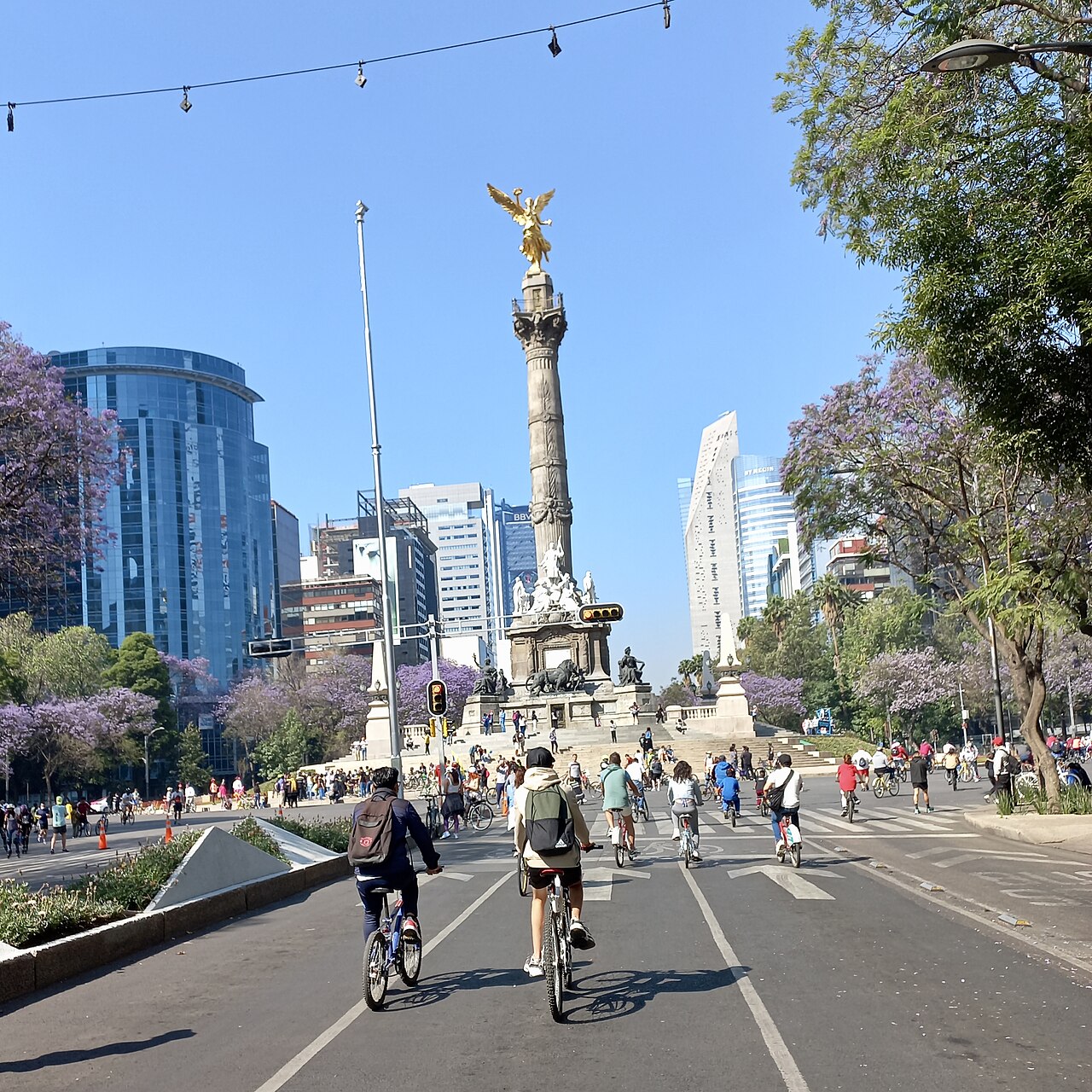
| Muévete en Bici in Mexico City | Mexico City, MX | City-Led Programs with Tourism Effects |
Travel Policy & Visa Updates Affecting Cyclists
| Country/Region | New Requirement/Change | Effective Date | Applies to Cyclists? |
|---|---|---|---|
| United States | Expanded travel ban (39 countries), biometric entry/exit for all non-citizens | Jan 1, 2026 / Dec 26, 2025 | Yes |
| United Kingdom | ETA mandatory for non-Europeans | Feb 25, 2026 | Yes |
| European Union | ETIAS required for visa-exempt travelers | Q4 2026 | Yes |
| Norway | Visitor contribution fee | 2026 | Yes |
| China | Visa-free entry for 46 countries | Nov 10, 2025–Dec 31, 2026 | Yes |
| Mongolia | Visa exemption extension | Through Dec 31, 2026 | Yes |
| Brazil | Reinstated visa for US, Canada, Australia | Apr 10, 2025 | Yes |
| GCC (6 countries) | Unified “Grand Tours” visa | Late 2025/2026 | Yes |
These aren’t just good for tourism — they’re game changers for long-distance cycling journeys.
👉 Why it matters: Less paperwork and border friction means more real adventure with less administrative stress.
Bike-Friendly Hotels & Accommodations: At Last, Thoughtful Stays
For years, cyclists have dreamed of services that actually get cyclist needs — and in 2026, many hotels finally are:
- Properties in North America and Europe are launching secure bike storage, repair stations, and concierge services tailored to cyclists.
- Destination hotel brands now partner with local guides, provide maintenance tools, and even offer direct access to major cycling routes.
| Hotel/Brand/Development | Location | New/Enhanced 2026 Amenities |
|---|---|---|
| Viceroy Hotels & Resorts | USA/Portugal | Launched dedicated cycling programs in partnership with Rapha |
| Adagio Aparthotels | Europe | 20 of its European properties have been awarded a “Bike Friendly” label — certified by France Vélo Tourisme |
| Taiwan Bike Friendly Accommodation Certification | Taiwan | Participating hotels now include secure bike storage, cleaning & maintenance areas, rentals, etc. |
| theKlub Cycling Hotels | Europe | Certified secure storage, repair stations, cycling concierge, event partnerships |
| Westin Peachtree Plaza | USA | Rise & Ride – Peloton Bikes in over 50 locations in USA |
| Aava Whistler Hotel | Whistler, BC | Expanded bike valet/storage, new wash/tune-up station, GoPro rentals |
This matters because cyclists don’t just need a bed — they need a base that respects their bike as much as their body.
👉 Why it matters: Better stays mean less planning overhead and more rest, repair, and riding.
Airlines, Bike Policies, and the Missing Piece
Now let’s be honest: as excited as we are about infrastructure and policy, one area is still lagging. As of 2026:
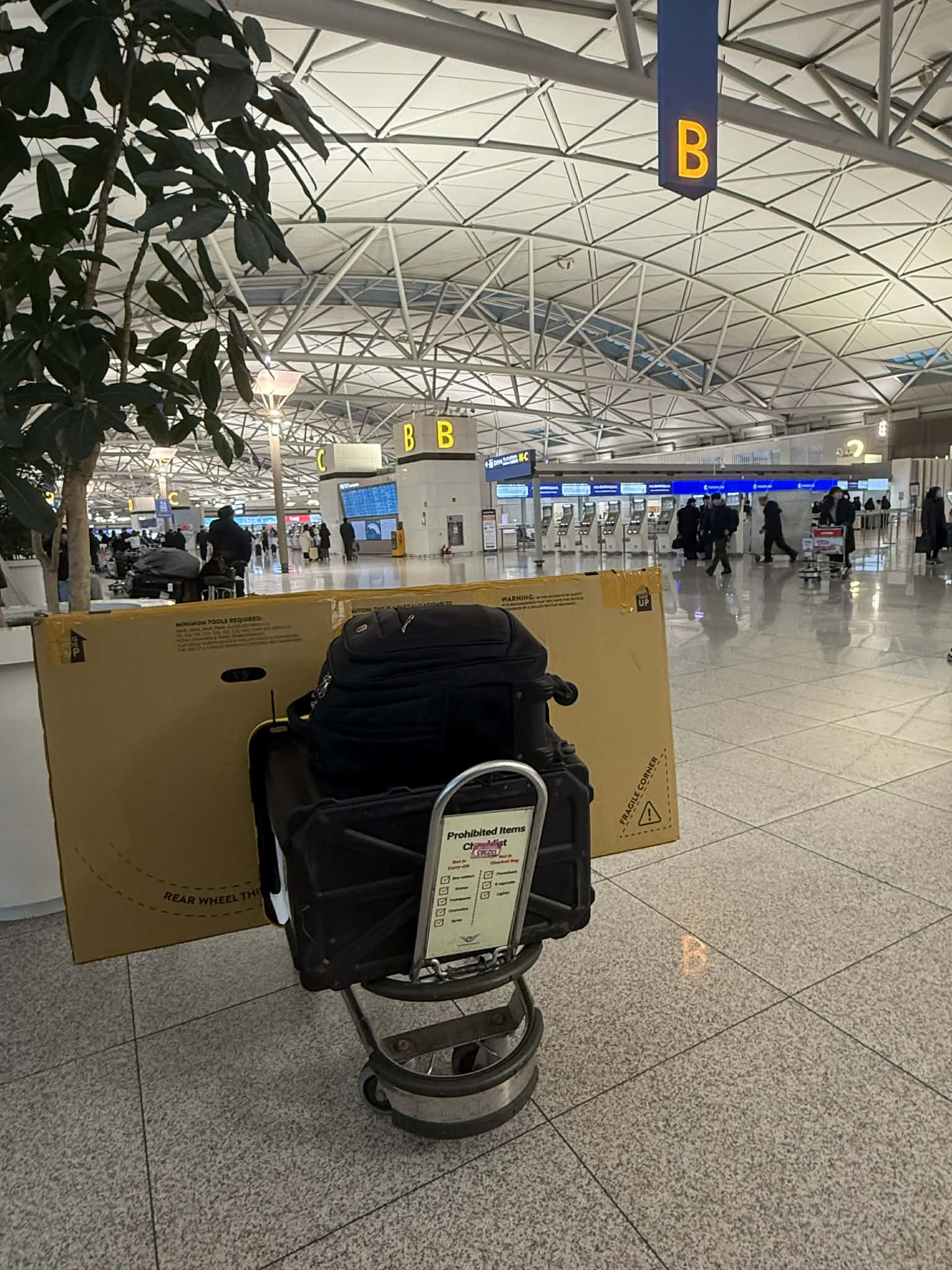
- There are no major reductions in airline bike fees, and no new universal bike-friendly airline policies announced this year.
- Despite that, a few niche incentive programs and regional travel initiatives (like discounts tied to cyclist tourism promotions) are worth exploring.
Bike-Friendly Airlines (2026)
| Airline/Service | Bike Fee/Discount (One Way) | Validity | Key Notes/Requirements |
|---|---|---|---|
| Alaska Airlines | Standard checked bag fee ($30-35) | 2026 | No oversize/overweight fee for bikes under 50 lbs |
| Delta, United, American Airlines | Standard checked bag fee ($35) | 2026 | No extra fee for bikes under 50 lbs |
| British Airways, Virgin Atlantic | No extra fee | 2026 | Bike counts as checked bag (weight/size limits apply) |
| Qatar Airways | No extra fee | 2026 | Bike under 32 kg, 300 cm linear |
This part still needs massive improvement — and it presents one of the biggest opportunities for advocacy and travel innovation in the cycling world.
👉 Why it matters: Airline barriers still influence cost, planning, and trip feasibility for international tours.
Billions Pouring into Cycling Infrastructure
Here’s the part that should catch every cyclist’s attention: governments are spending seriously on cycling infrastructure in 2026.
| Country/Region | 2026 Investment Highlights |
|---|---|
| Italy | €1.2 billion for 1,200 km touristic and 570 km urban cycle paths |
| Spain | €500 million for 1,000 km of cycle paths, 4,100 secure parking facilities |
| Belgium | €400 million nationally; major upgrades in Flanders, Brussels, Wallonia |
| UK | £291 million for active travel (2024–2026) |
| Ireland | 20% of annual transport budget (~€360 million/year) for cycling and walking |
| USA | $44.5 million for active transportation networks; bridge funding requires bike-pedestrian infrastructure |
| Canada | $3 billion/year for public transit and active transportation (from 2026/27) |
| Paris | 450 km of new cycling infrastructure by 2026 |
| Toronto | 100 km of new/major upgrade bikeways, 40 km of renew projects (2025–2027) |
This trend is not a flash in the pan — it’s strategic, long-term investment. It reflects a shift toward prioritizing cyclists in regional planning.
👉 Why it matters: Better infrastructure means safer travel, deeper exploration, and more economic opportunities for cycling tourism.
🎯 The Big Picture: Why 2026 Matters
If you strip away the buzzwords and look at the facts:
- Trails and routes are growing at scale.
- International policies are starting to work for cyclists — not against them.
- Hotels and destinations are finally adapting to cyclist needs.
- Governments are spending billions on bike-forward infrastructure.
This isn’t coincidence. It’s the emergence of a new travel ecosystem — one where cycling isn’t a niche afterthought, but a strategic driver of tourism and connectivity.
That’s why 2026 isn’t just another year — it’s the breakout year for cycling travelers.
Ready to Ride?
If you’re planning a 2026 cycling trip — whether a big tour, a career-break adventure, or a long weekend in a new land — this is your moment.
More than new trails or bridges, what’s changing is this:
The world is making space for you.
Routes are being purpose-built for your wheels.
Policies are easing your passage.
Communities are welcoming you.
All that’s left is to plan your ride — and go.